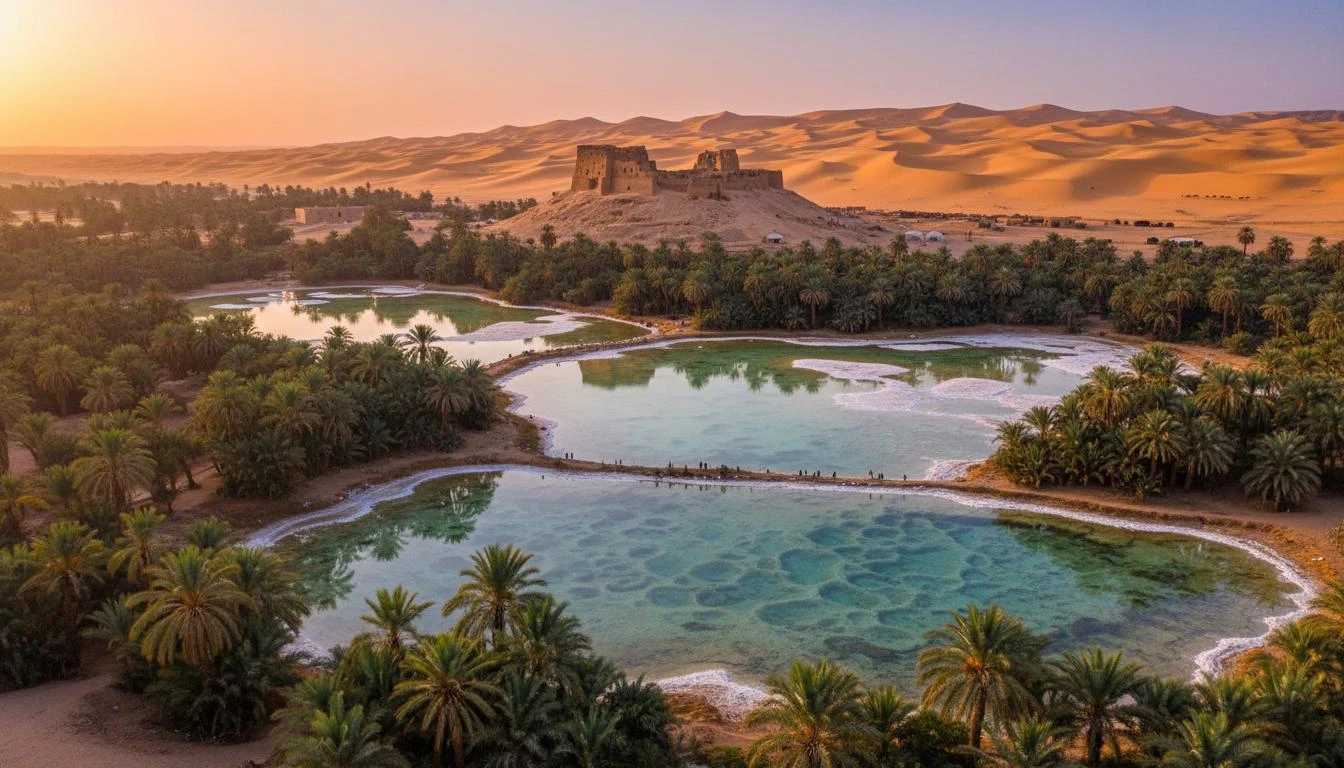
On a rocky hill at Aghurmi, a few kilometres east of Siwa town, stand the weathered walls of one of the most famous sanctuaries of the ancient world: the Temple of the Oracle of Amun. For centuries, kings and travellers crossed the Western Desert to ask the god questions about their future.
History of the Oracle
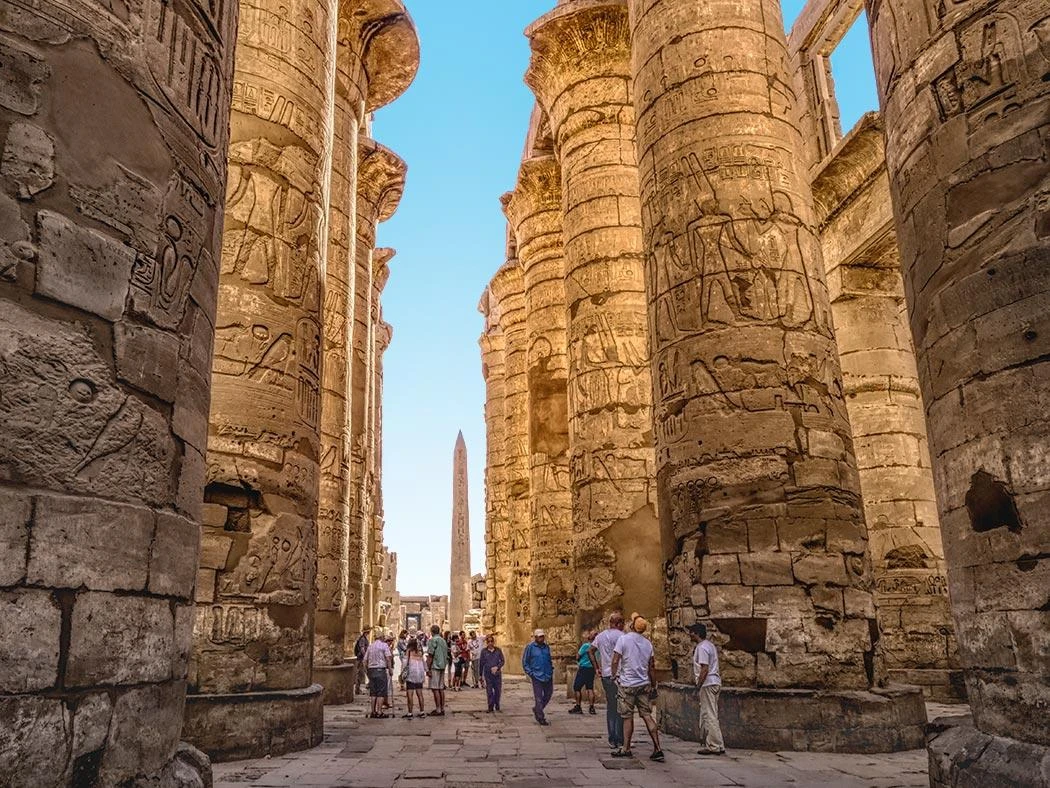
The temple dates to the 6th century BC, in the 26th Dynasty, and was dedicated to Amun, the king of the gods worshipped at Karnak Temple in Upper Egypt. Its oracle became well known across the Mediterranean world, and Greek writers mention it as one of the most respected oracles outside Greece.
Alexander the Great in Siwa
The oracle is most famously linked to Alexander the Great, who made the long desert journey to Siwa in 331 BC during his campaign in Egypt. According to ancient accounts, the priests greeted him as the son of Amun, a title that supported his claim to rule Egypt as a legitimate pharaoh.
What You Will See
- The Aghurmi hilltop: the temple sits inside an old fortified settlement with narrow passages and sweeping views over the palm groves and the oasis.
- The sanctuary: a small stone temple with carved walls, a sanctuary chamber and a passage where the priests are believed to have delivered the oracle.
- The nearby temple of Umm Ubayda: built in the 4th century BC, it was largely destroyed in the late 19th century, leaving only a few remains.
Visiting the Temple
The temple is usually combined with other highlights of Siwa Oasis, such as the Old Town of Shali, the Mountain of the Dead and the Cleopatra’s Spring. Visit in the late afternoon for softer light and cooler temperatures, wear comfortable shoes for the climb, and bring a hat and water.