Karnak Temple: The Grandest Temple Complex of Ancient Egypt
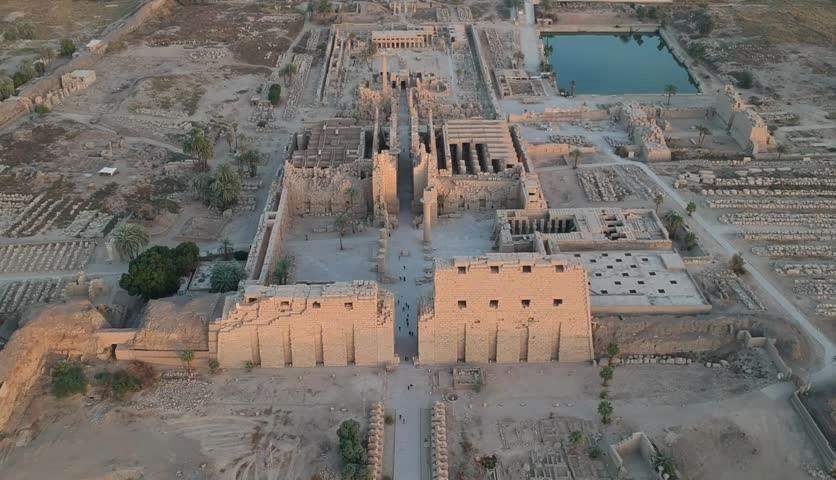
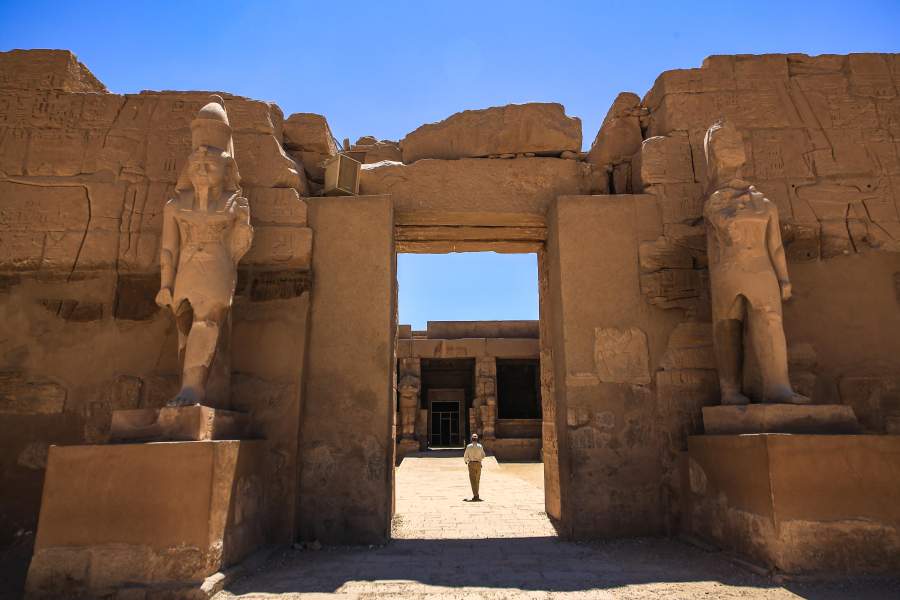
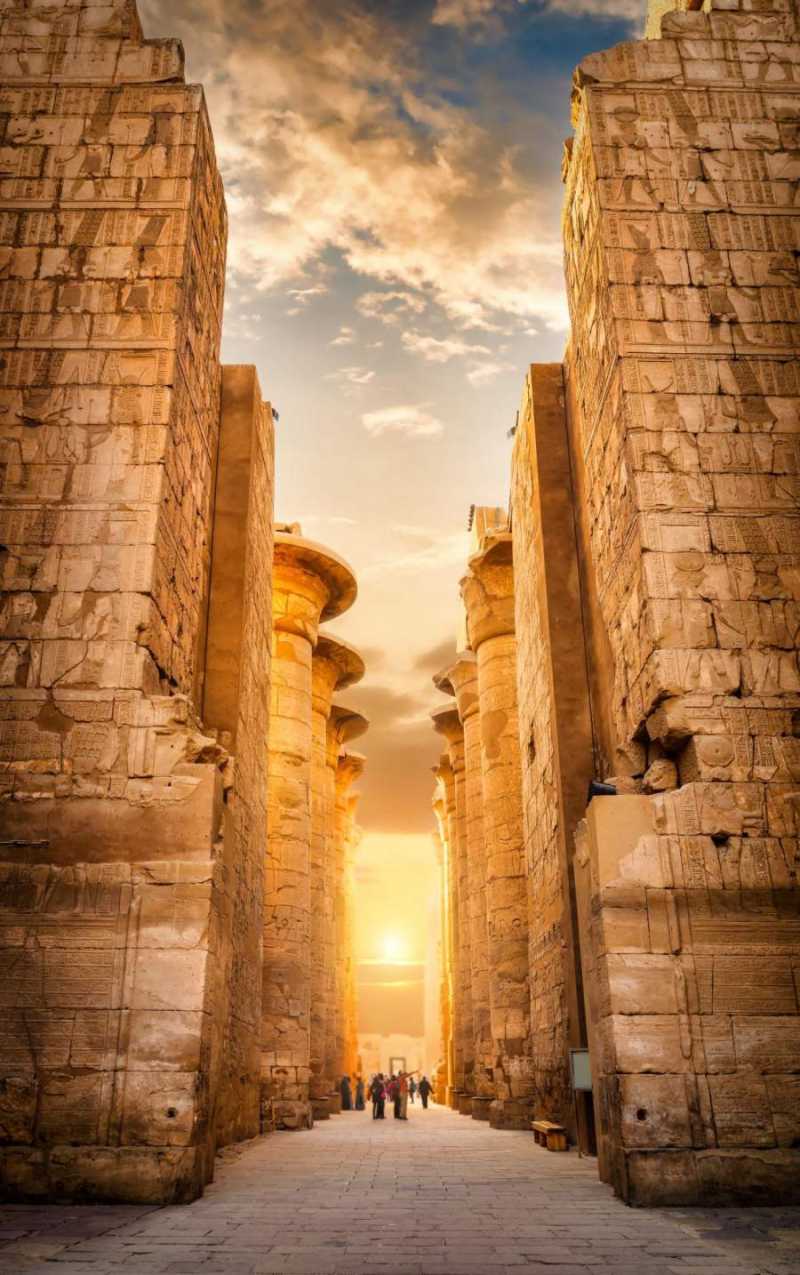
Few places in Egypt demonstrate the power and ambition of the ancient Egyptians as dramatically as Karnak Temple in Luxor. With its enormous columns, towering obelisks, sacred lake, monumental gateways, and thousands of years of history, Karnak is far more than a single temple—it is a vast complex of temples, chapels, halls, and sacred spaces.
Located on the east bank of the Nile in ancient Thebes, modern Luxor, Karnak was one of the most important religious centers of ancient Egypt. The main temple was dedicated to Amun, one of the most powerful gods of Thebes.
Where Is Karnak Temple?
Karnak is located on the east bank of the Nile in Luxor, the city that stands on the site of ancient Thebes.
Ancient Thebes became one of Egypt's most important cities, particularly during the Middle and New Kingdoms. Karnak and nearby Luxor Temple formed the heart of the city's religious landscape. UNESCO describes ancient Thebes, including Karnak and Luxor, as an exceptional testimony to Egyptian civilization at its height.
Karnak is approximately 3 kilometers north of Luxor Temple, and the two complexes were historically connected by a ceremonial avenue lined with sphinxes.
What Does the Name Karnak Mean?
The ancient Egyptians called Karnak Ipet-Sut, meaning approximately "The Most Select of Places."
The name reflects the extraordinary religious importance of the site.
Rather than being built by one king at one moment, Karnak grew gradually over many centuries. Pharaoh after pharaoh added new structures, statues, obelisks, chapels, and inscriptions.
The result is an enormous archaeological complex that preserves layers of Egyptian history in one location.
The Temple of Amun-Ra
The largest and most famous part of Karnak is the Precinct of Amun, centered around the great temple dedicated to Amun.
Amun was originally an important deity of Thebes. As Thebes rose in political importance, the status of Amun grew with it. He eventually became associated with the sun god Ra as Amun-Ra, one of the most important divine figures in ancient Egypt.
The temple became extremely wealthy, and its priesthood acquired considerable political influence.
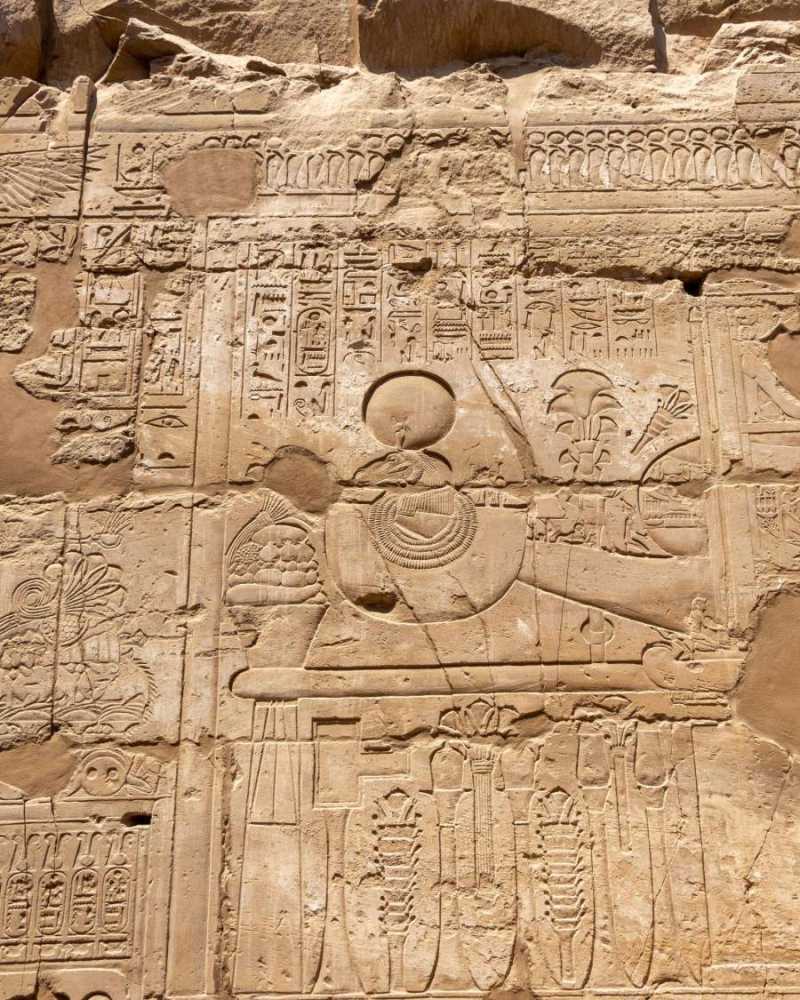
Karnak Was Built by Many Pharaohs
One of the most fascinating things about Karnak is that it was not the work of a single ruler.
Evidence of religious activity at the site goes back to the Middle Kingdom, and construction and modification continued through the New Kingdom, Late Period, Ptolemaic period, and even into the Roman era.
Many famous rulers left their mark here, including:
- Hatshepsut
- Thutmose III
- Amenhotep III
- Seti I
- Ramesses II
- Ramesses III
- Later Ptolemaic rulers
This long history explains why Karnak feels more like an ancient city of temples than a single monument.
The Great Hypostyle Hall
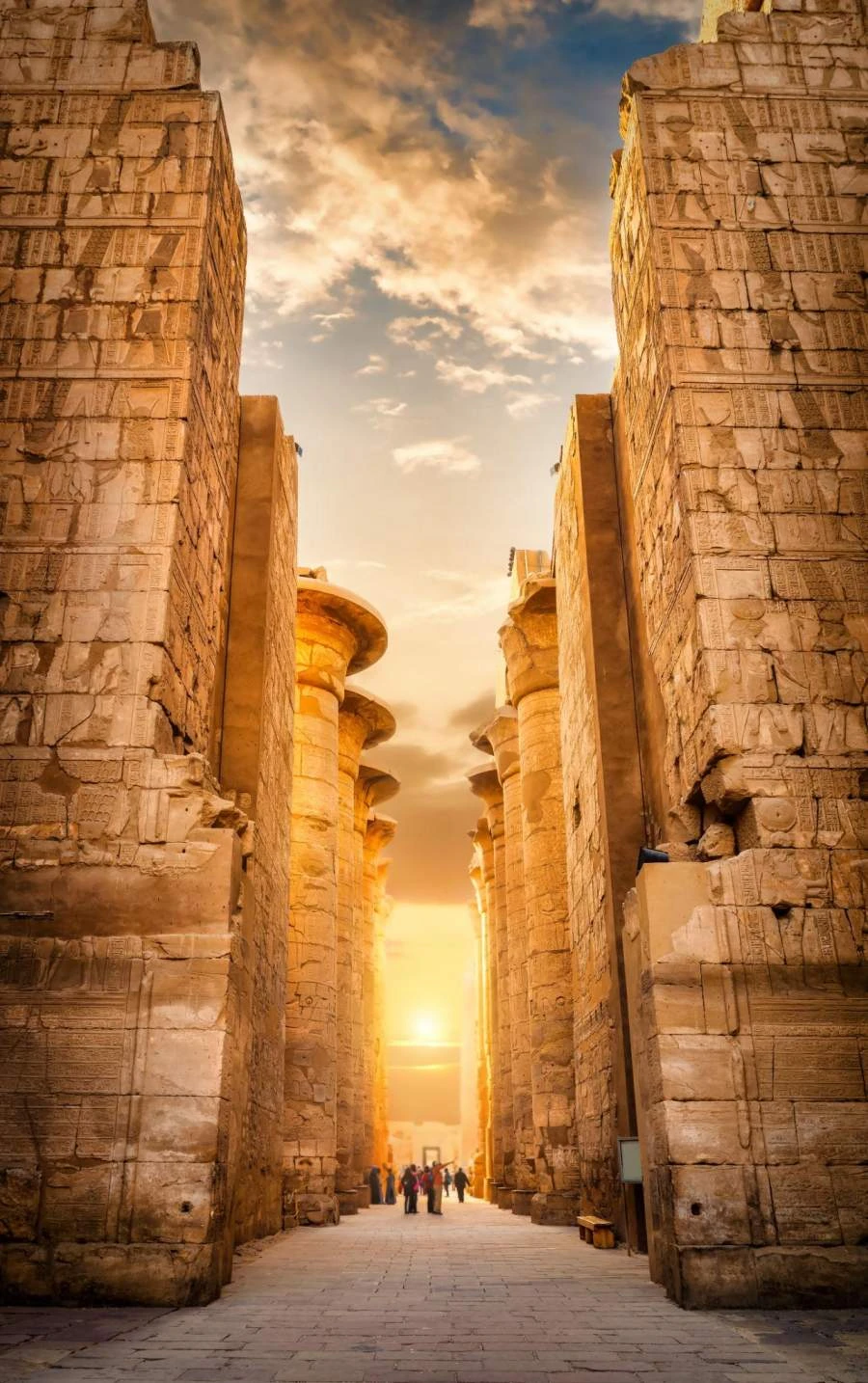
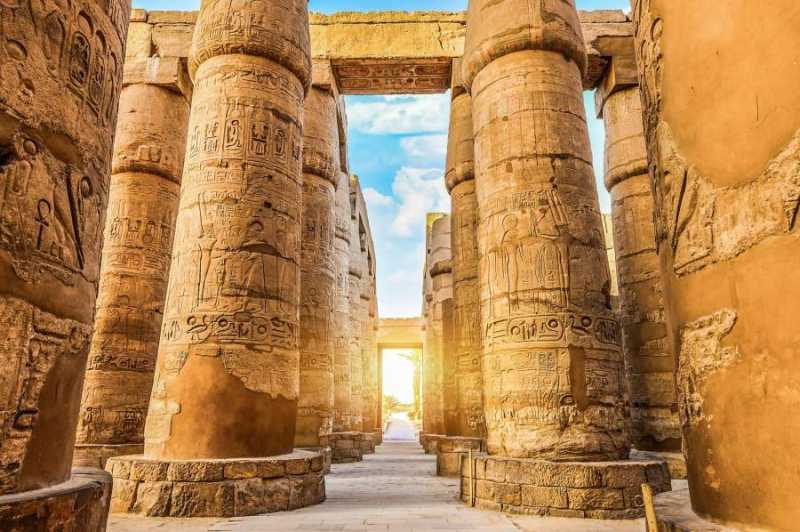
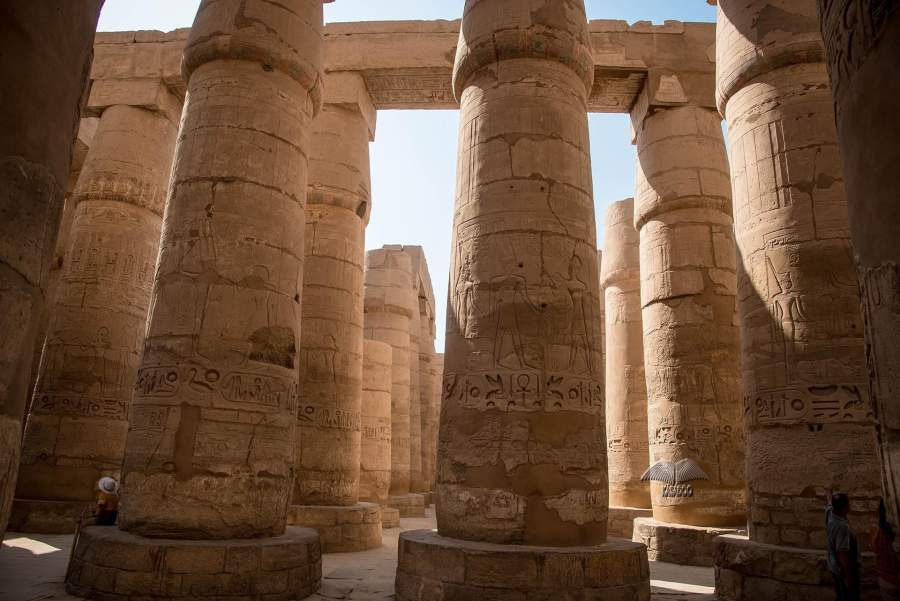
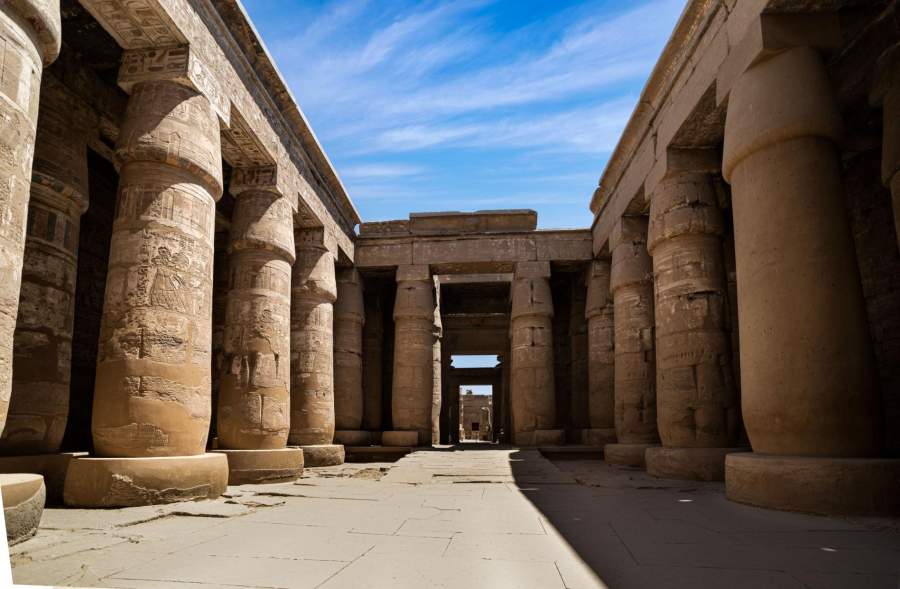
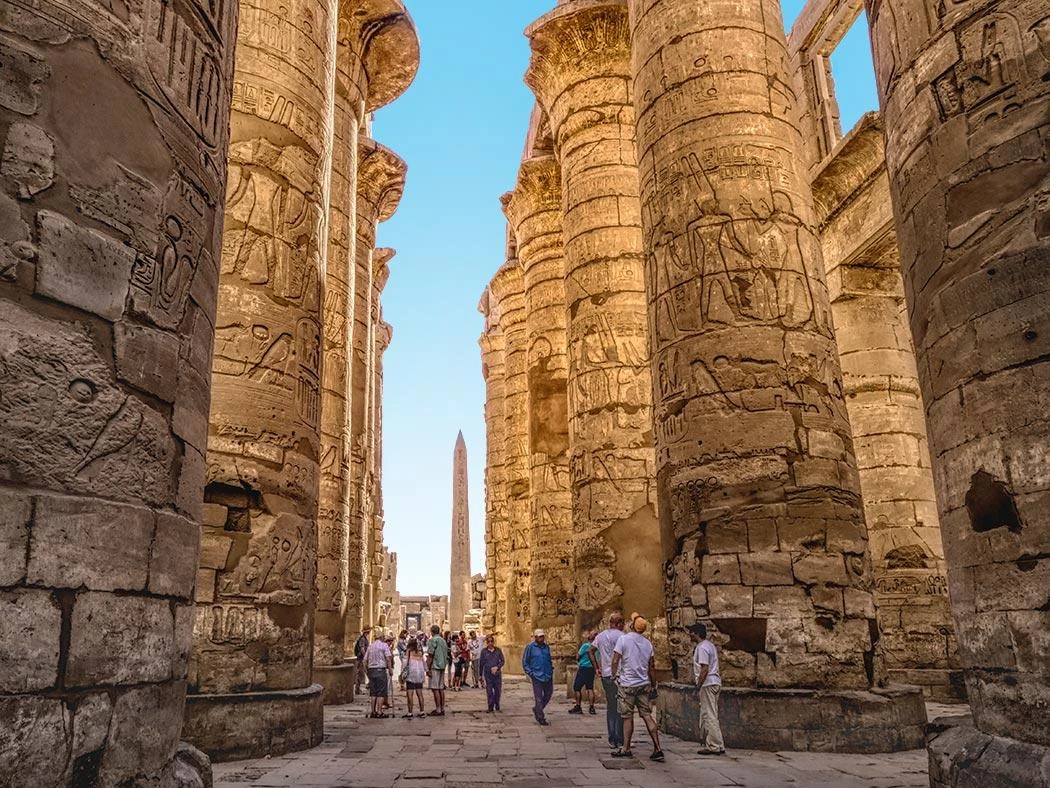
Perhaps the most famous part of Karnak is the Great Hypostyle Hall.
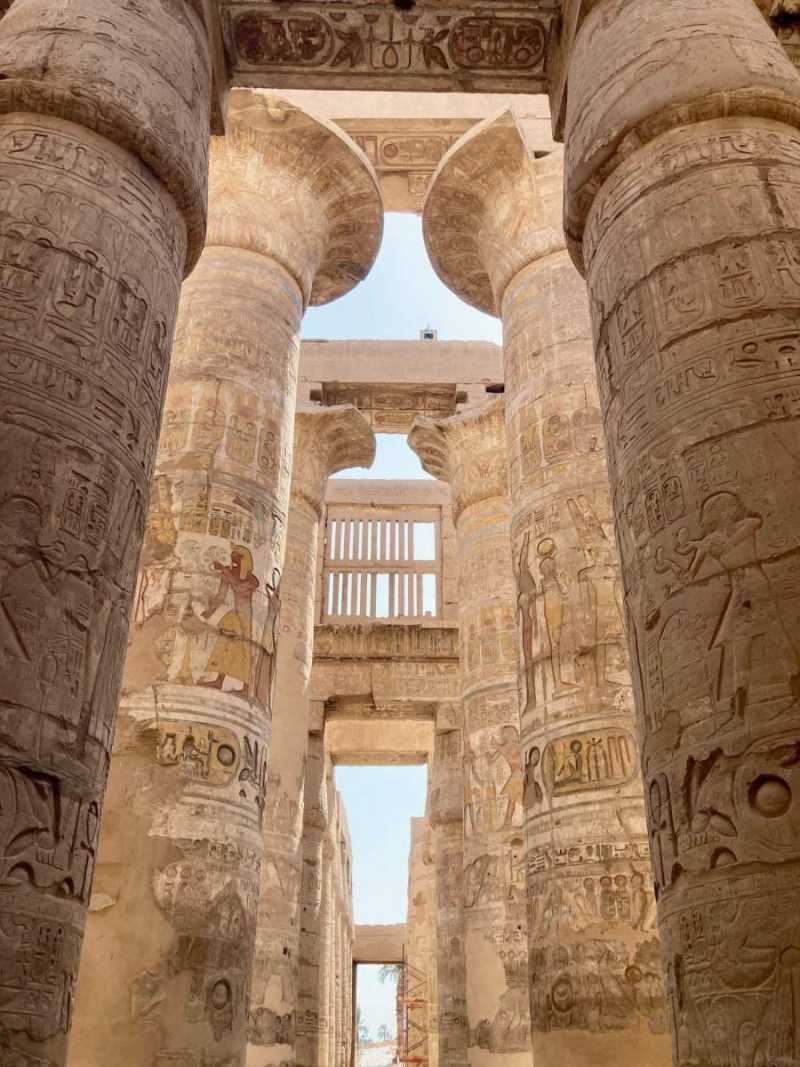
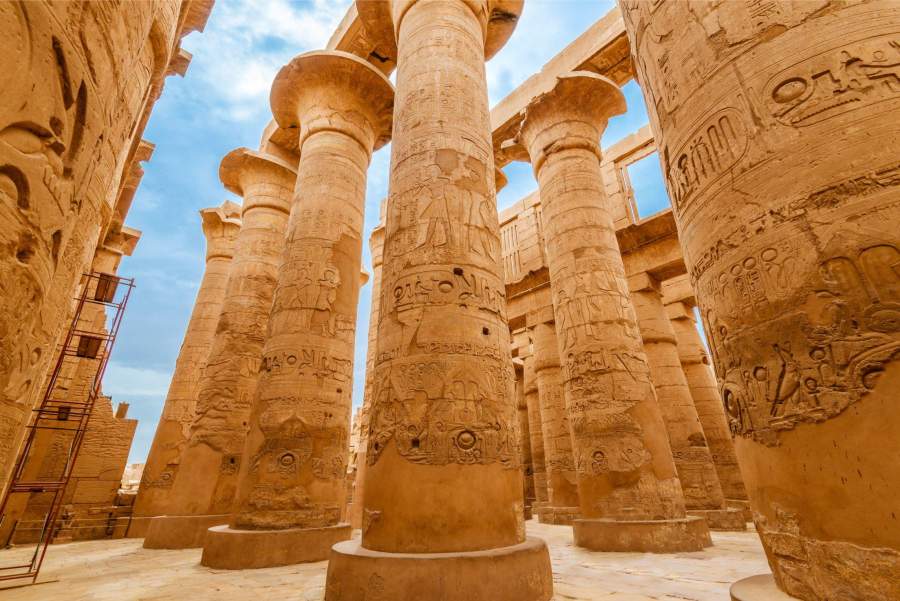
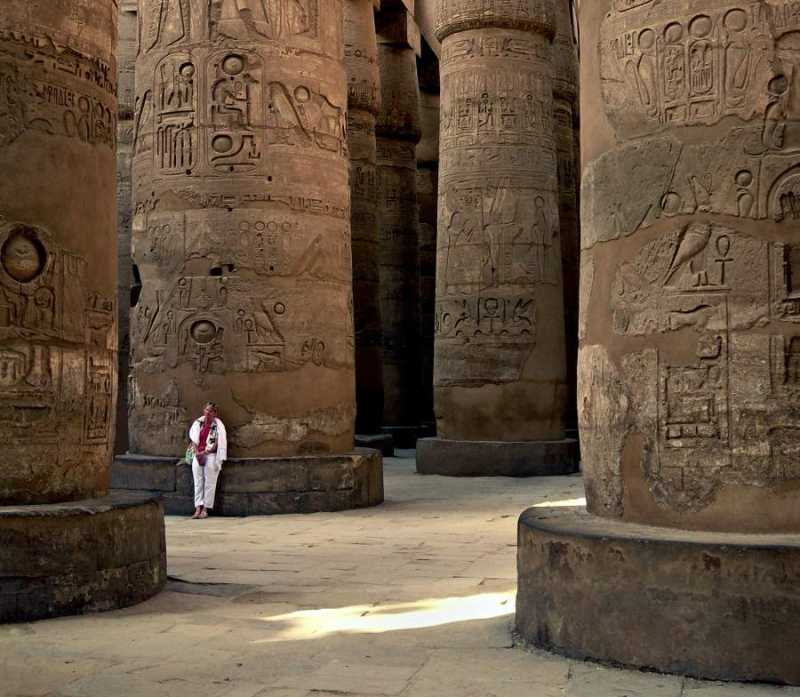
The hall contains 134 enormous columns, creating one of the most spectacular architectural spaces in ancient Egypt.
The central columns are significantly taller than those around them. According to Egypt's Ministry of Tourism and Antiquities, the majority of the hall's construction and decoration dates to the reigns of Seti I and Ramesses II, although the project may have begun earlier.
UNESCO describes the hall as measuring about 102 meters wide and 53 meters deep, with its roof supported by 134 columns.
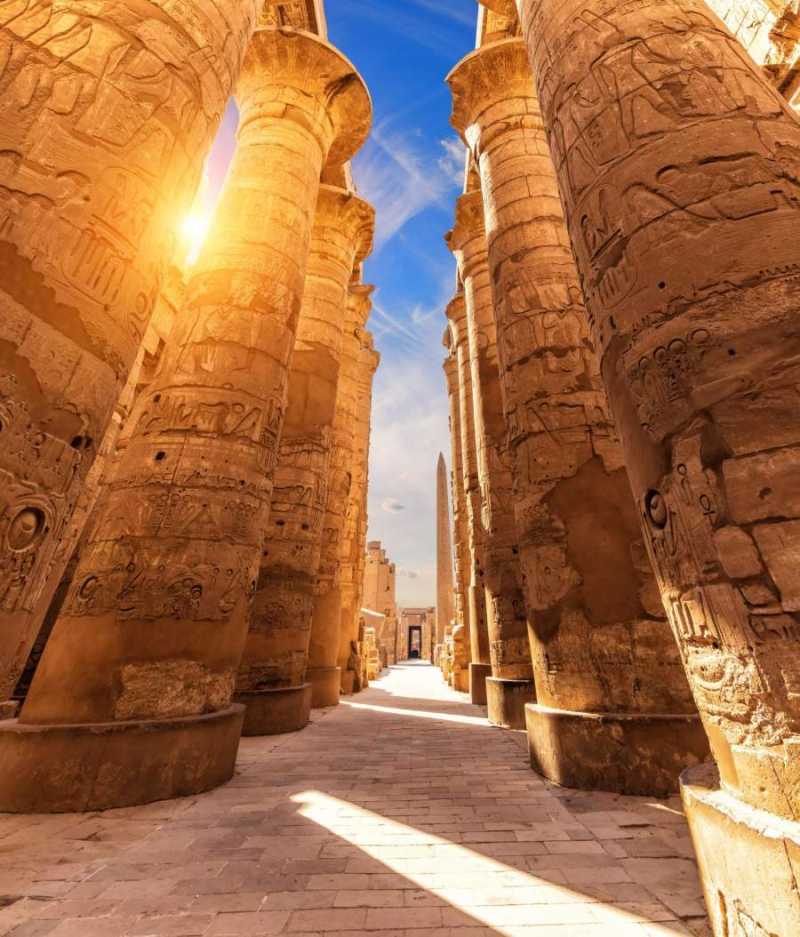
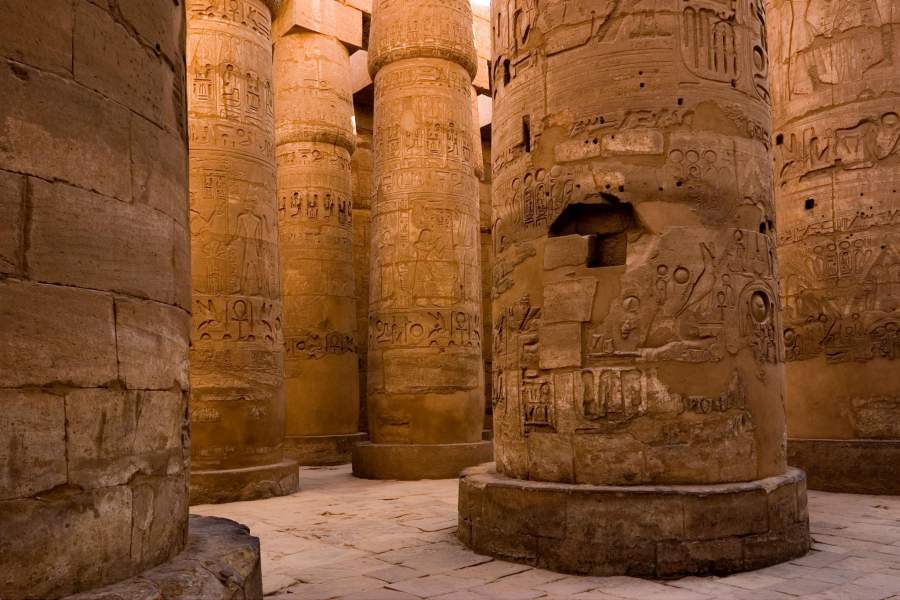
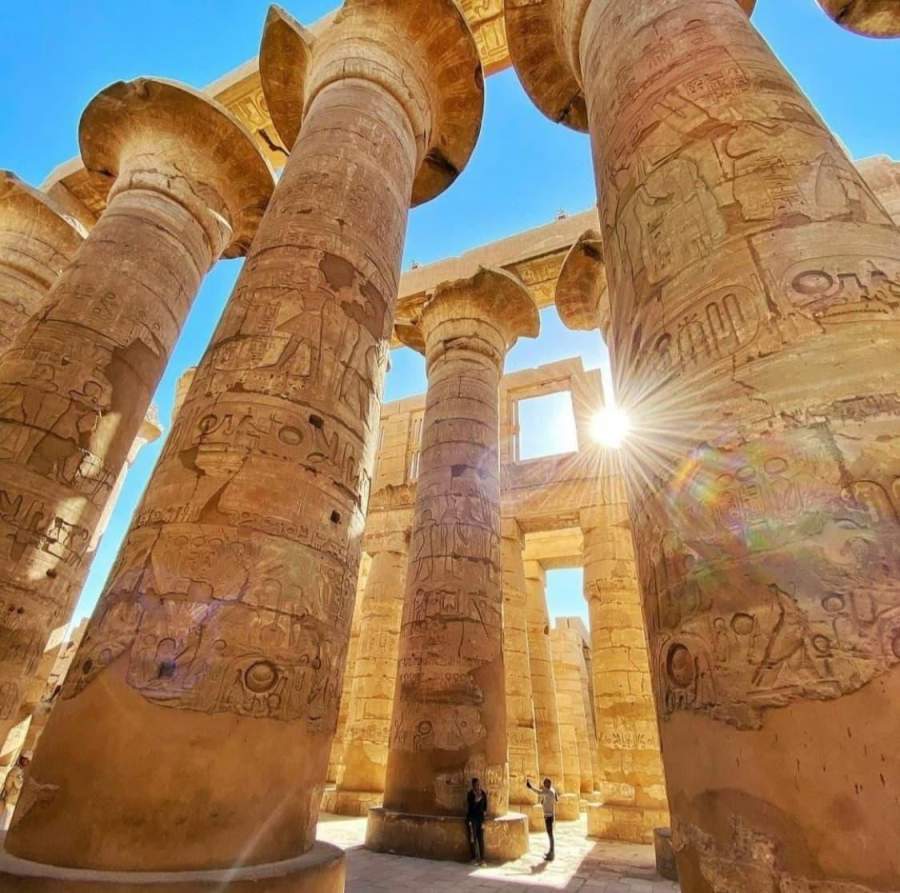
Walking between these columns gives visitors a remarkable sense of the scale of ancient Egyptian architecture.
The Obelisks of Karnak
Karnak is also famous for its monumental obelisks.
One of the most impressive surviving examples was erected by Queen Hatshepsut.
The obelisk stands nearly 30 meters high and weighs more than 300 tons, according to the Egyptian Ministry of Tourism and Antiquities.
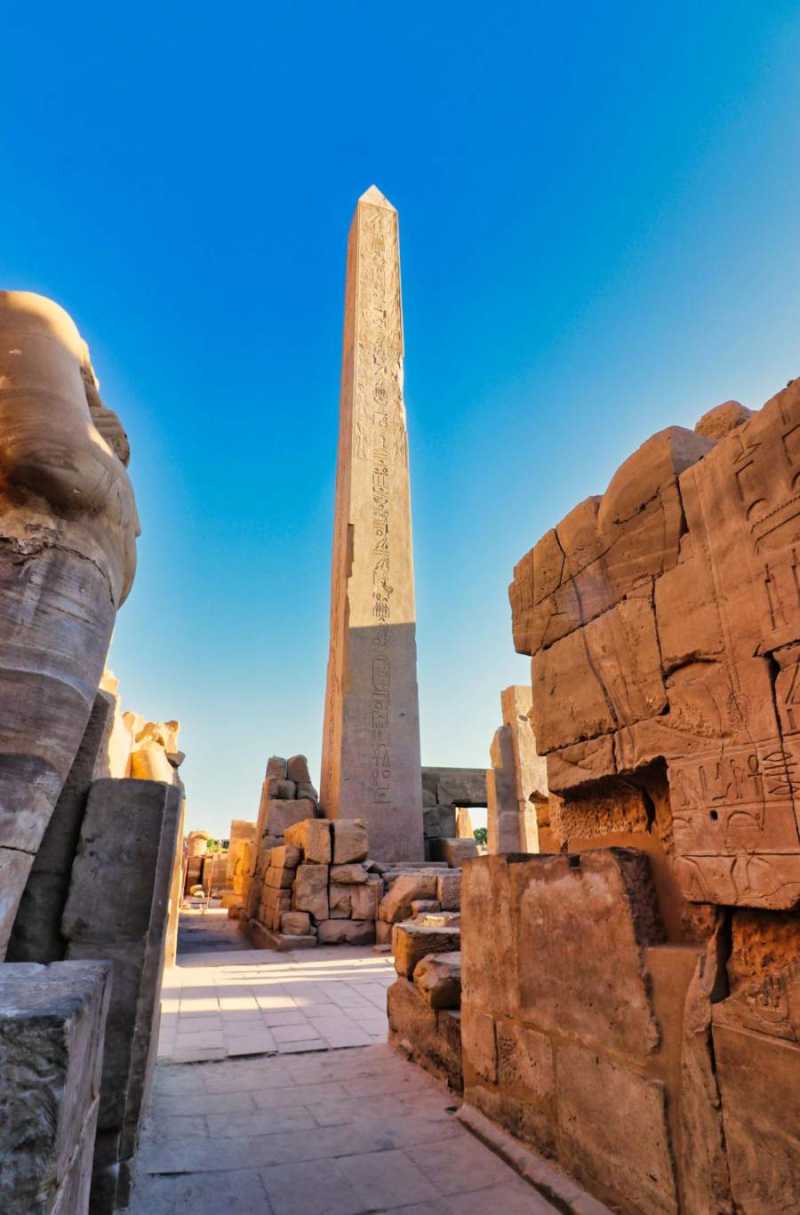
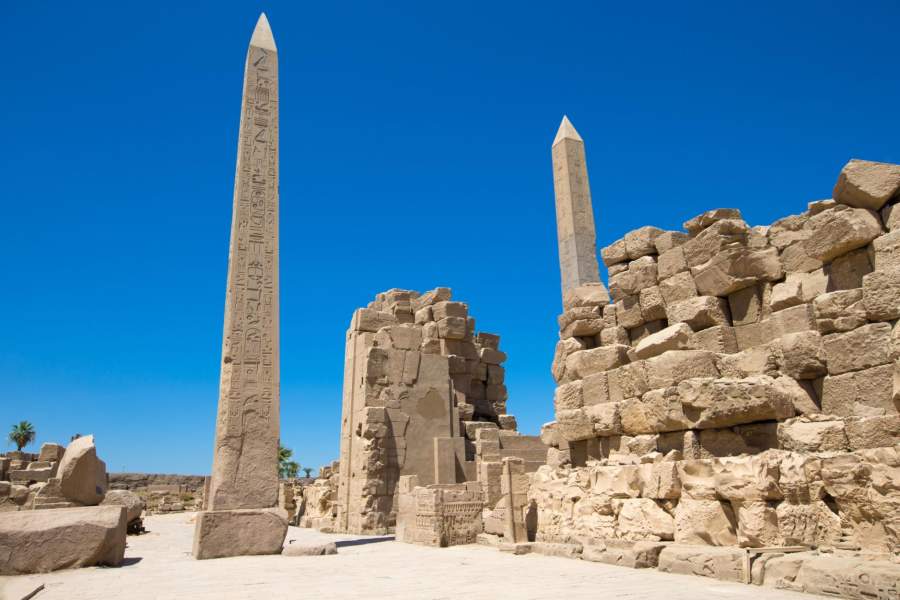
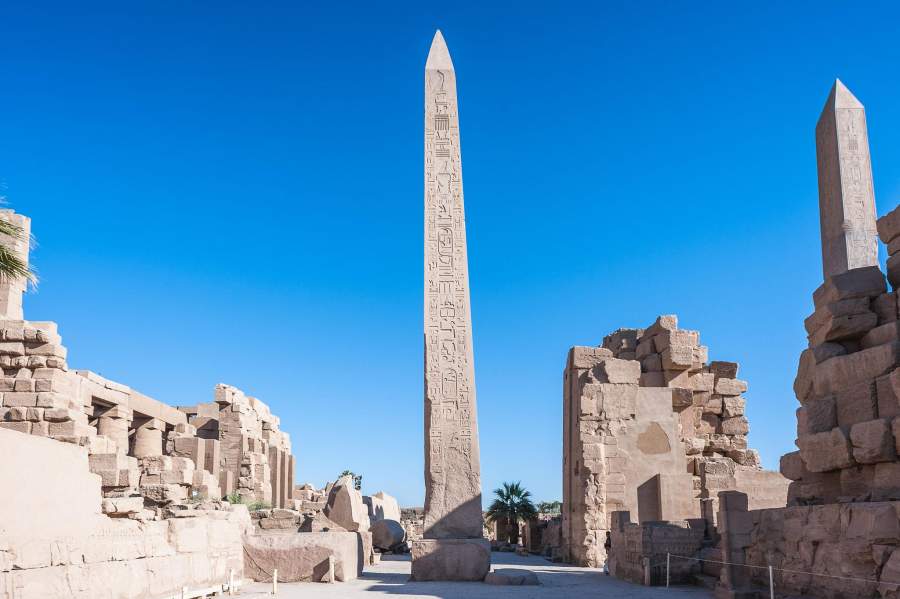
The tall stone monuments were associated with the sun and were designed to connect the earthly temple with the divine realm.
Their polished surfaces could reflect sunlight, creating an impressive visual effect.
The Sacred Lake
One of the most beautiful areas of Karnak is the Sacred Lake.
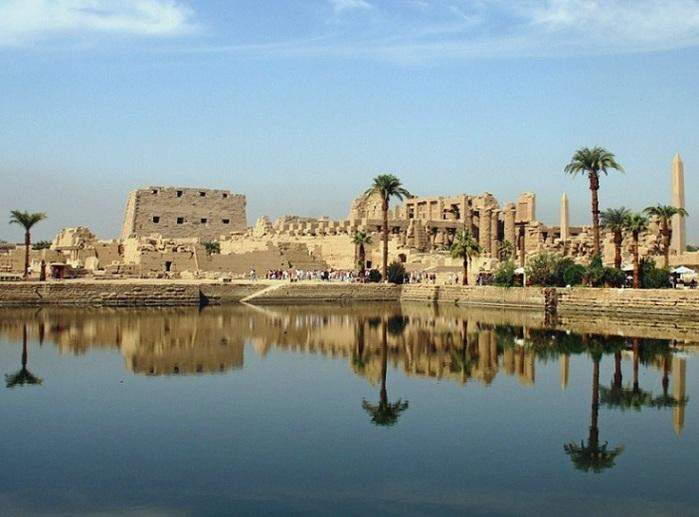
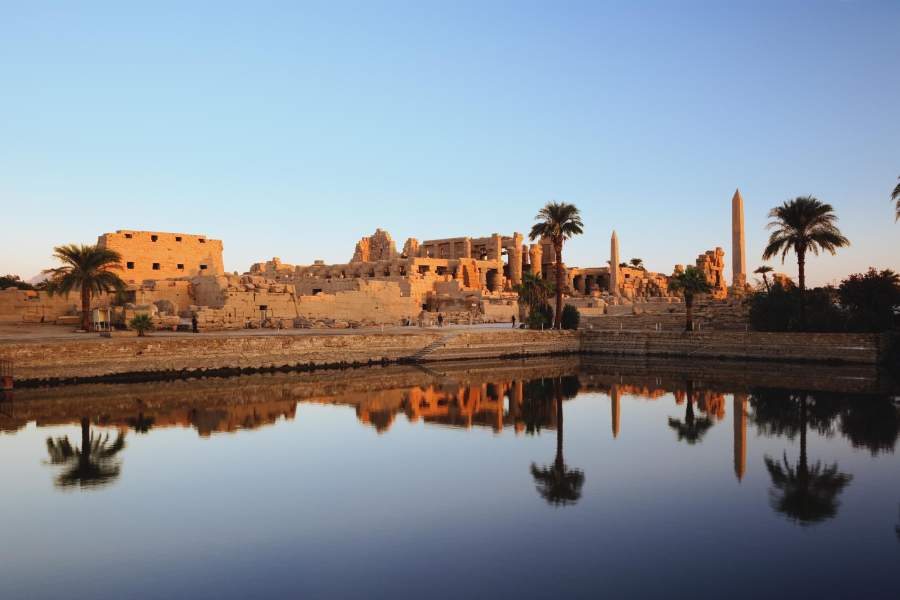
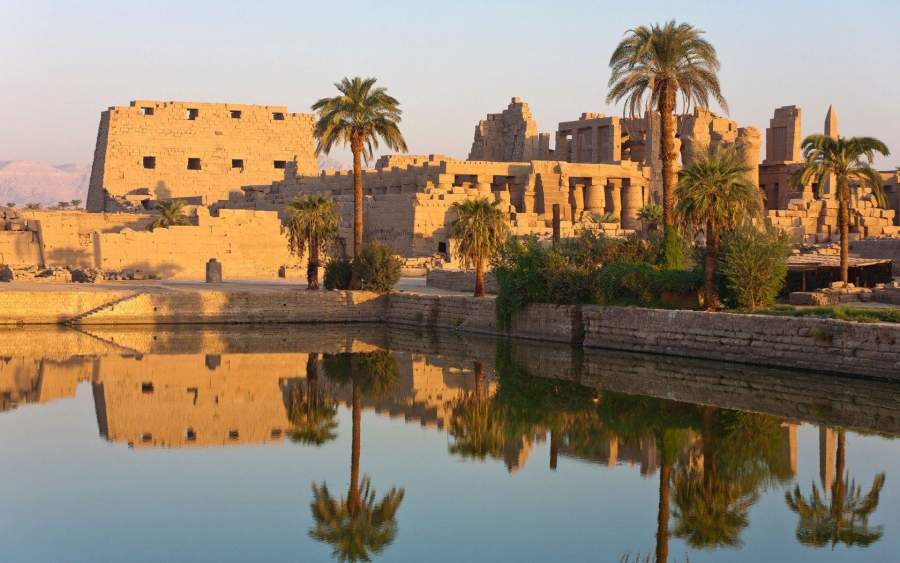
The lake was used by priests for purification before performing religious rituals.
Today, the Sacred Lake provides a peaceful contrast to the enormous columns, pylons, and statues surrounding it.
It also offers excellent opportunities for photography, especially during the softer light of the late afternoon.
The Avenue of Sphinxes
Karnak and Luxor Temple were connected by an ancient ceremonial route known as the Avenue of Sphinxes.
The route was decorated with sphinx statues and played an important role in religious processions.
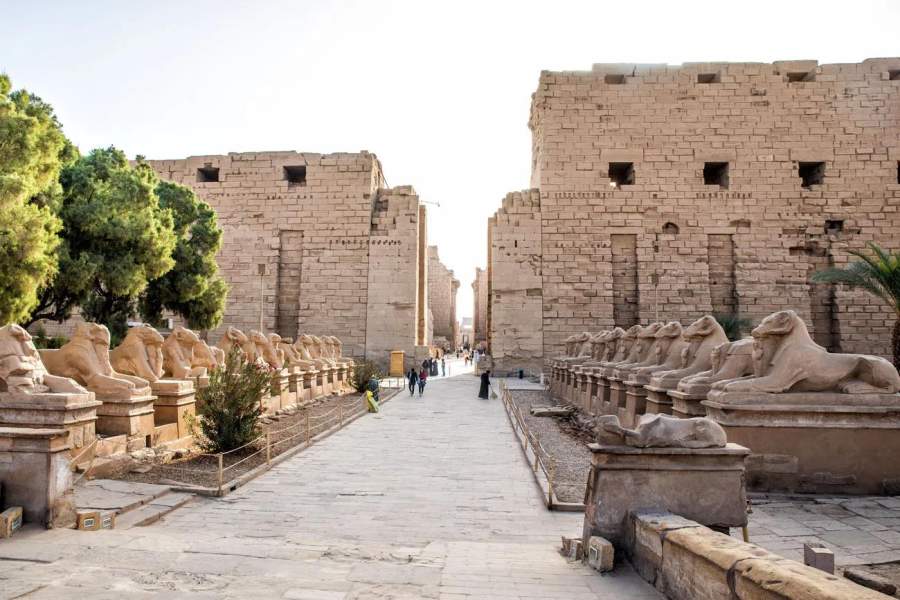
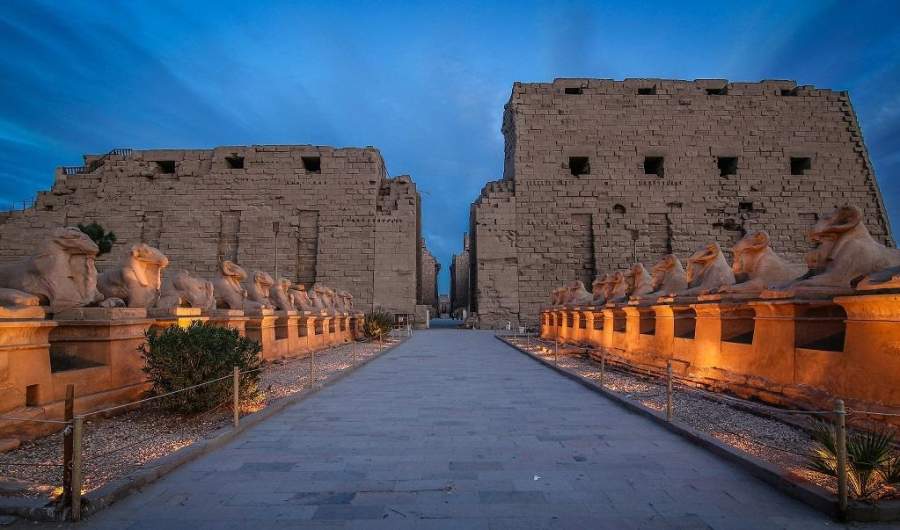
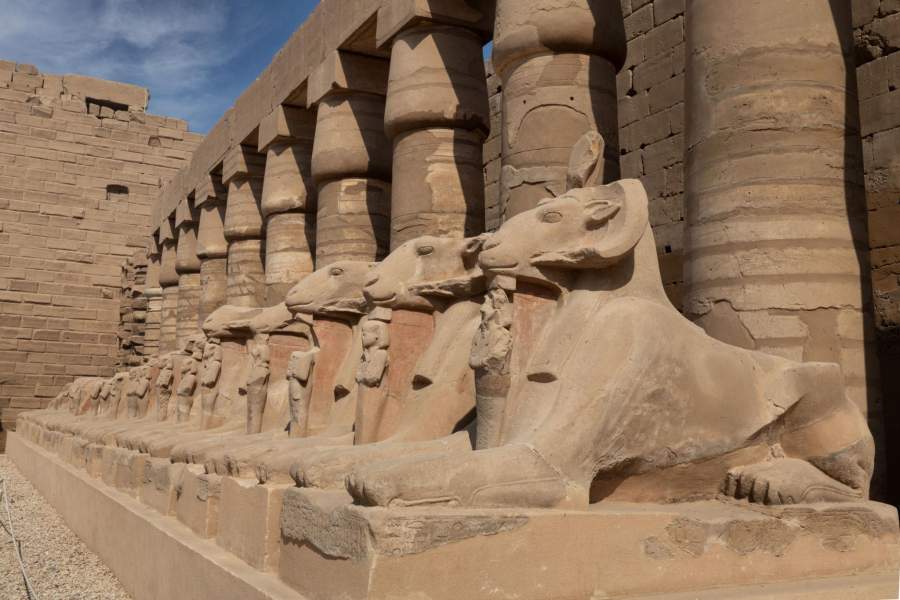
The avenue was associated with the Opet Festival, one of the major celebrations in the ancient Egyptian religious calendar. During the festival, sacred images of Amun, Mut, and Khonsu were carried in procession between Karnak and Luxor Temple.
The Temple of Mut
Karnak was not limited to the worship of Amun.
The complex also included the Precinct of Mut, the goddess who was regarded as the wife of Amun.
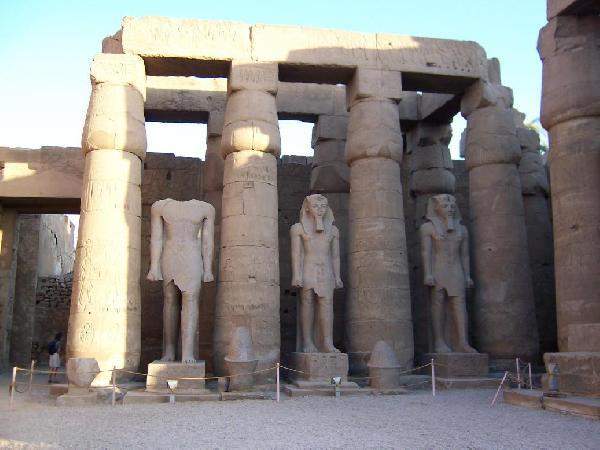
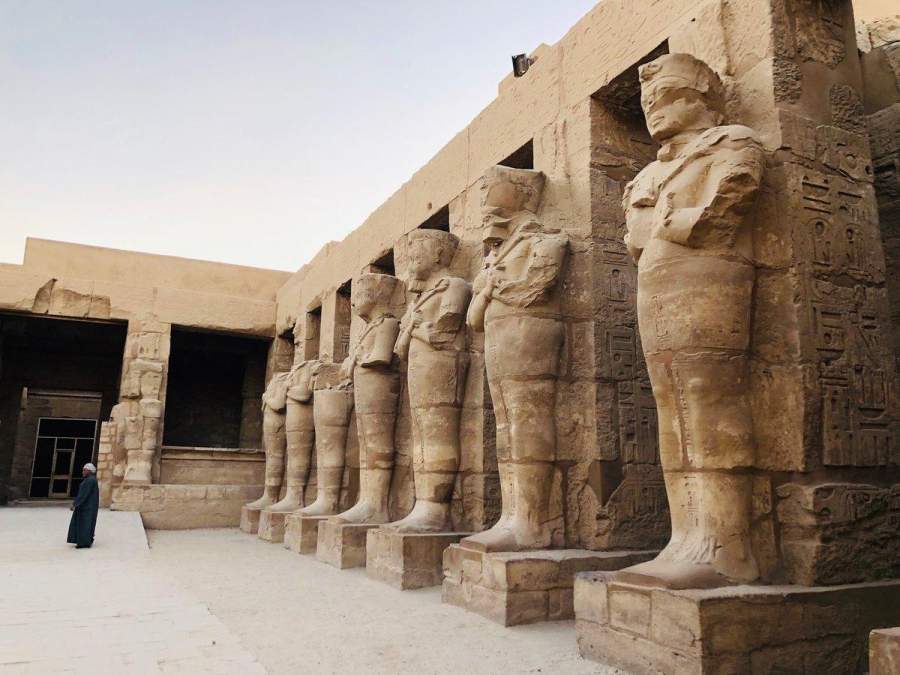
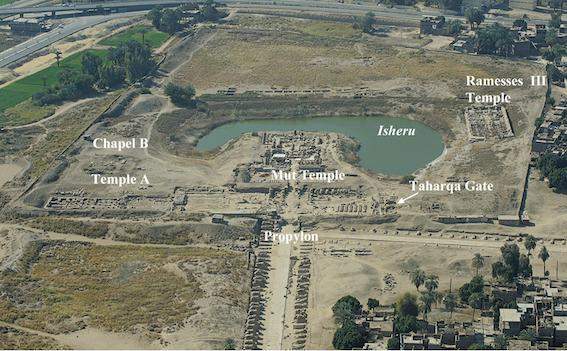
The Precinct of Mut lies south of the main Amun complex and forms part of the larger religious landscape of Karnak.
The Temple of Khonsu
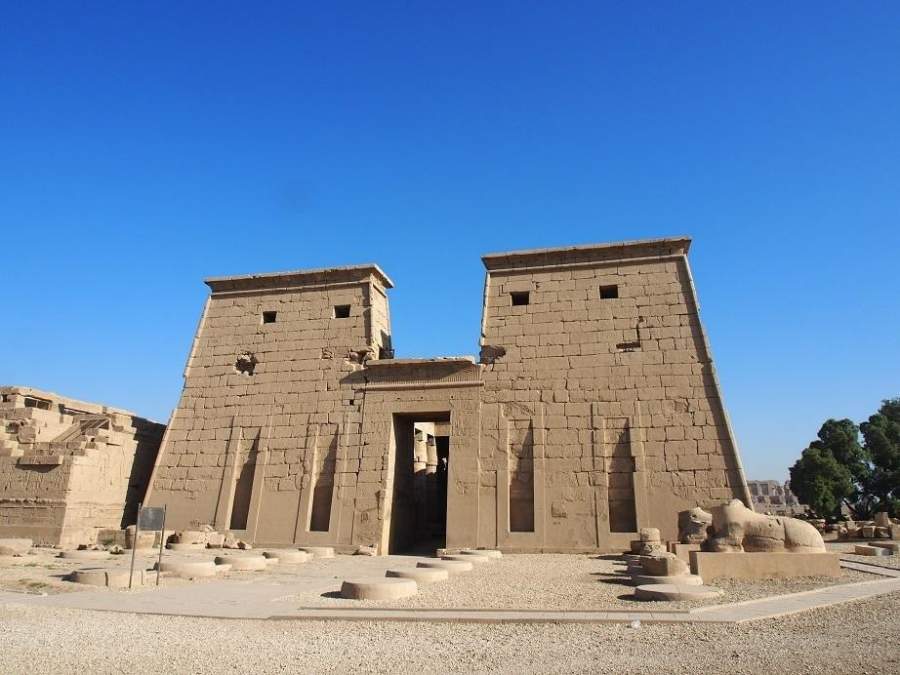
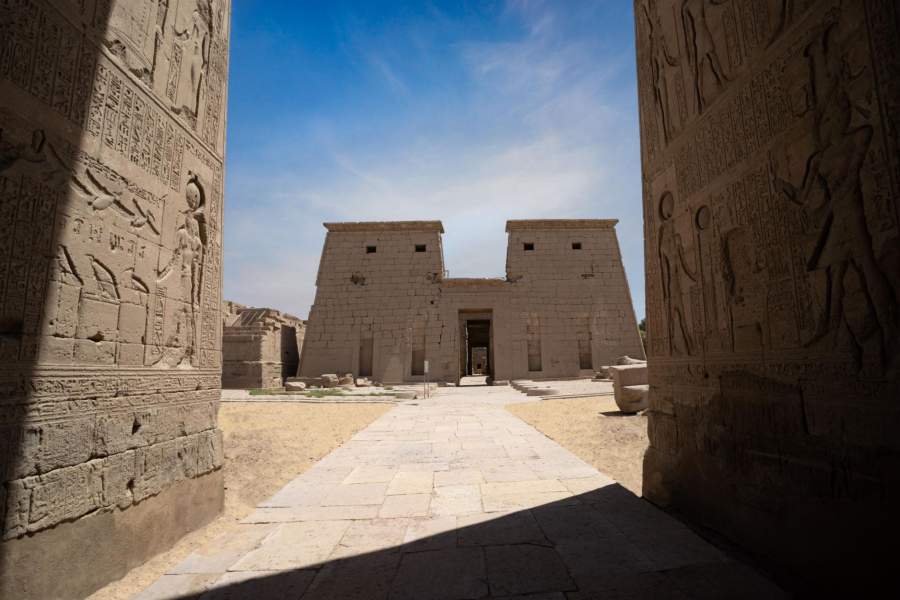
Another important structure within Karnak is the Temple of Khonsu, located in the southwestern part of the complex.
Khonsu was associated with the moon and was part of the Theban Triad, together with Amun and Mut.
Construction of the existing temple began during the reign of Ramesses III, with later rulers adding and modifying parts of the building.
The Opet Festival
Karnak was not simply a place of permanent stone monuments. It was a living religious center where major ceremonies took place.
One of the most important was the Opet Festival.
During this celebration, sacred images associated with Amun, Mut, and Khonsu were carried in a grand procession from Karnak toward Luxor Temple. The festival celebrated the relationship between the gods and the renewal of royal power.
Imagine the ancient avenue filled with priests, musicians, ceremonial boats, statues, and crowds of worshippers. It would have been dramatically different from the quiet archaeological site visitors see today.
Karnak and the Ancient City of Thebes
Karnak's importance cannot be separated from the history of Thebes.
Thebes became the capital of Egypt during important periods of the Middle and New Kingdoms. During the New Kingdom, Egypt became a powerful empire, and wealth flowed into Thebes.
Much of that wealth was invested in monumental construction, particularly at Karnak, the principal religious center of Amun.
UNESCO inscribed Ancient Thebes with its Necropolis as a World Heritage Site in 1979. The property includes Karnak and Luxor on the east bank as well as the major archaeological areas of the west bank.
What Can You See at Karnak?
A visit to Karnak can include many remarkable sights:
- The Great Hypostyle Hall
- The Temple of Amun
- Hatshepsut's obelisk
- Monumental pylons
- Sacred Lake
- Statues and colossal figures
- The Temple of Khonsu
- The Precinct of Mut
- Ancient hieroglyphic inscriptions
- The Avenue of Sphinxes
Because the complex is so large, it is worth allowing enough time to explore beyond the main entrance.
Best Time to Visit Karnak Temple
Luxor can become extremely hot during the summer months.
For a more comfortable outdoor experience, many travelers prefer the cooler period from October through April.
Karnak's official opening hours are currently listed by Egypt's Ministry of Tourism and Antiquities as 6:00 AM to 5:00 PM, although travelers should check the official information before visiting because opening hours and ticket arrangements can change.
Early morning can be especially pleasant for photography, while late afternoon offers warm light across the ancient stone.
Karnak Temple vs. Luxor Temple
Karnak and Luxor Temple are sometimes confused because they are located close to each other.
However, they served different purposes and developed differently.
Karnak is a huge temple complex that grew over many centuries and was primarily associated with the worship of Amun and other members of the Theban religious tradition.
Luxor Temple, located farther south, was closely connected with royal rituals and the Opet Festival. The two temples were historically connected by the sphinx-lined processional avenue.
Visiting both gives travelers a much fuller understanding of ancient Thebes.
Why Should You Visit Karnak Temple?
Karnak is one of the places where the scale of ancient Egyptian civilization becomes impossible to ignore.
The enormous columns of the Hypostyle Hall, the towering obelisks, the long processional routes, and the countless hieroglyphic inscriptions demonstrate how much effort and resources ancient rulers invested in the religious center of Thebes.
But Karnak is also fascinating because it was not built all at once.
Every generation added another layer to the complex, leaving behind a physical record of changing rulers, religious traditions, and architectural styles.
Final Thoughts
Karnak Temple is one of the greatest archaeological sites in Egypt and one of the most impressive religious complexes of the ancient world.
From the massive Great Hypostyle Hall to Hatshepsut's towering obelisk and the peaceful Sacred Lake, every part of Karnak tells a story.
Its connection to Amun-Ra, the Theban Triad, the Opet Festival, and the ancient city of Thebes makes the complex essential for anyone who wants to understand the religious and political importance of ancient Egypt.
If you're visiting Luxor, don't treat Karnak as just another archaeological stop. Give yourself time to walk through its enormous halls, look closely at the inscriptions, and imagine the ceremonies that once filled these spaces thousands of years ago.
Post a comment