
Office Address

Amayr El Watanya, Akher Faisal Building No. 13, Apartment No. 27, 6th Floor.

Phone Number

+201026563967

Email Address

Reservation@magicegypttours.com

Blog Details

#Old Town of Shali

Old Town of Shali

By : Magic Egypt Tours
Old Town of Shali
Old Town of Shali

Old Town of Shali: The Ancient Mud-Brick Heart of Siwa Oasis
https://images.openai.com/static-rsc-4/I21PVHGYGdfpa_Zb-w9ngH64qAwfXmIKJ0kkRrdnf60i7BFVBNAma2Cx4JtAAgc8iKwsiGO8ulUJZah95nQQDkuDqYYjlaMtWU-5GBu8x8OIVO-l5jTKz4JucQ2SIhUWz6QM4BRdq0tx_QmIlieKRwNl7R-xaeQ0BsP-besg29VT5ha6zT9W3eyPgejhyaLe?purpose=fullsize
https://images.openai.com/static-rsc-4/SoQ6brpJ4oF_7SNHV3ztsTMhujDaf9JRrBHw6fdeTbnN4eoPVr_yxt2s40b8IfMKuoXjS-C2Xq-Zep-sYgzT_0AbjssJU47CjjQdwiX2LX_HFkENjNGBm9UEjC6zbyOkKCOo3XOlJ25a_zzDOPZUuds1MFTWAseG9DMamddUVJTwvpJBXpE2WdCztI0ORzNg?purpose=fullsize
https://images.openai.com/static-rsc-4/L0LuPANw_QhxtjpDY3kXQK9VRrUVfeTqW9ryGkyAgTlKa8aDv-hbP1Go8cNCVCS2VFgSZdgg1SCMFA0WmrAaADzLYRwb4iZ3KMIAjVbu4KFfdaxgShQcZjyB1dY4i6Pcqw3_uZ_9lsNfl1CxBNhyCUX1XkyLstYO8SxAJkCO5FaRSC_A55eyh_-isaLNQ5B5?purpose=fullsize

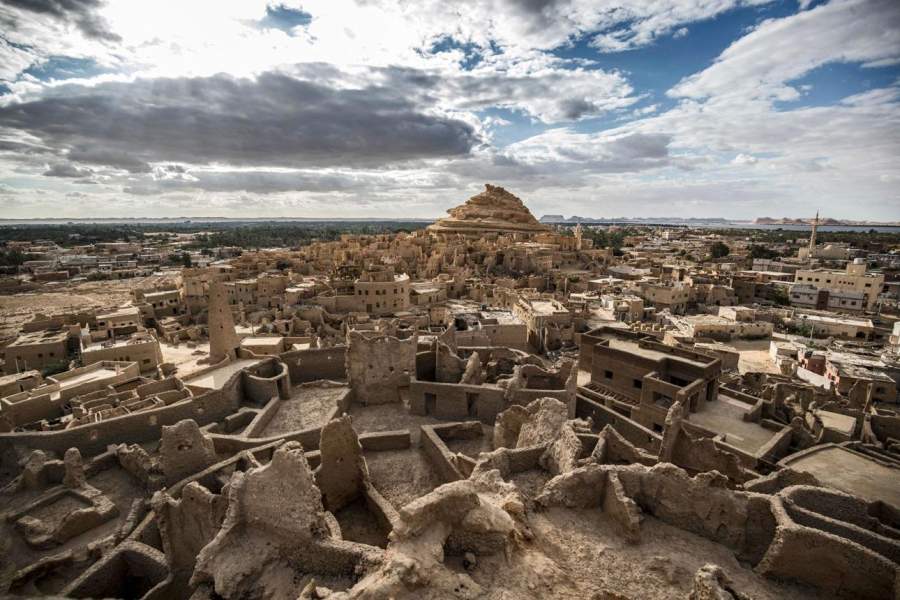
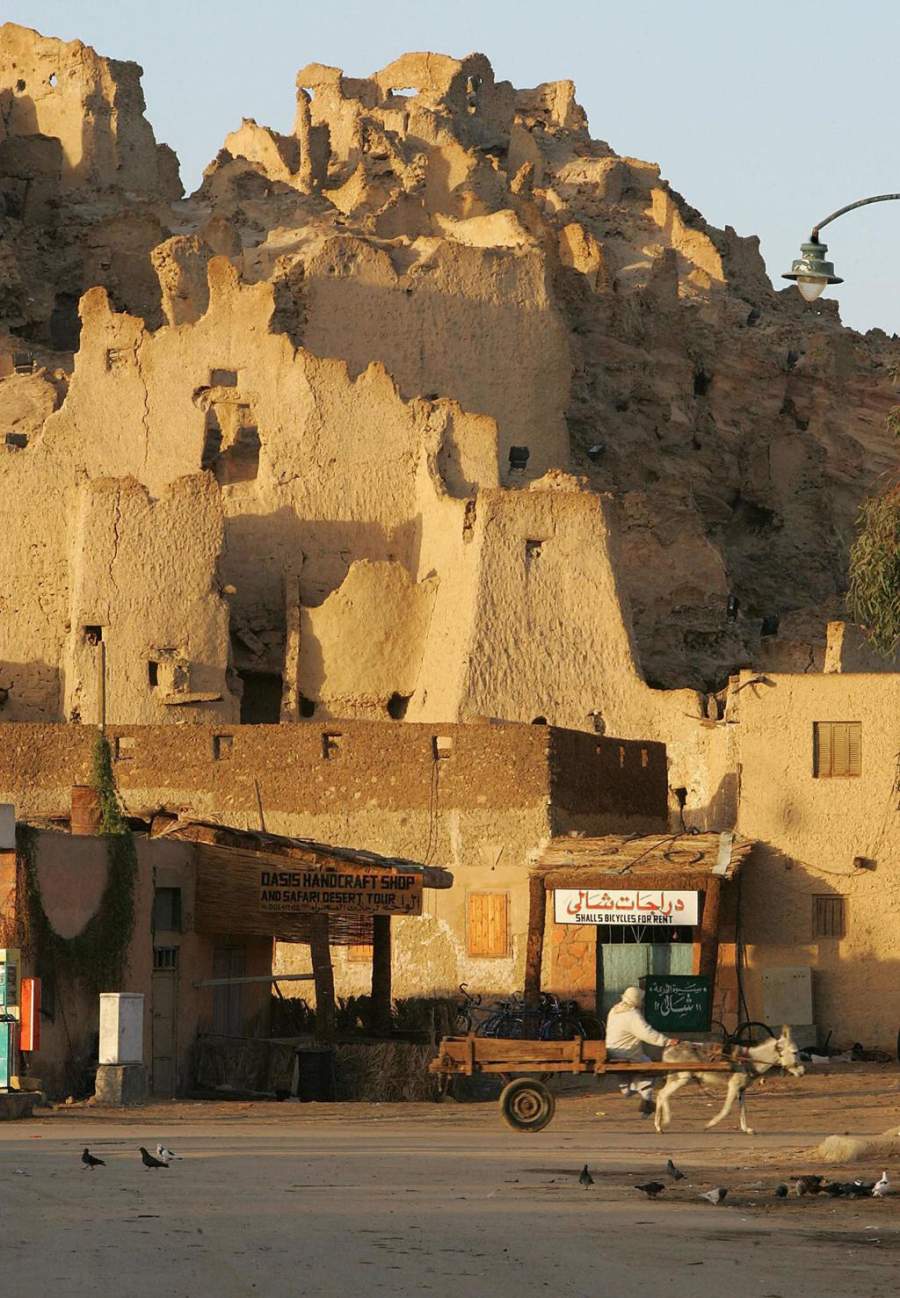
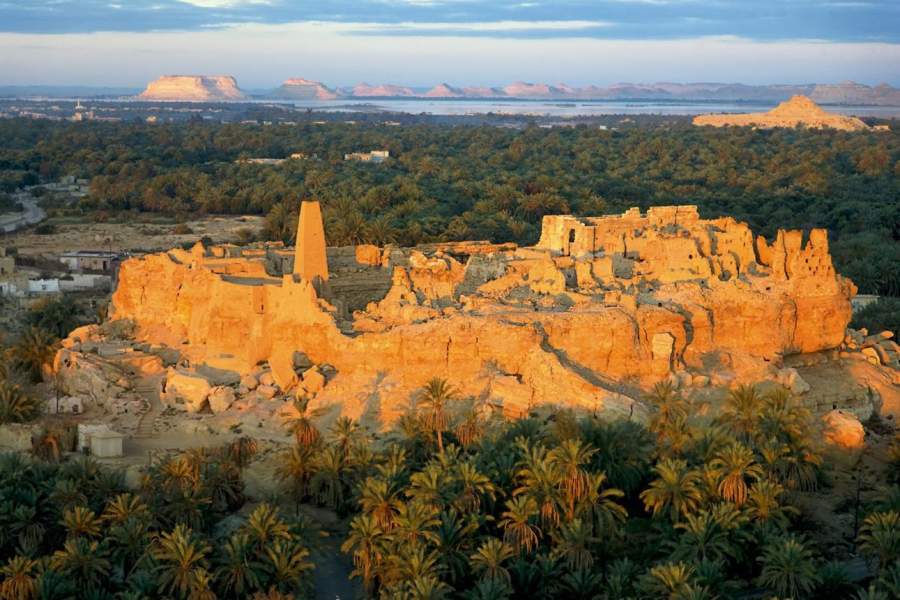
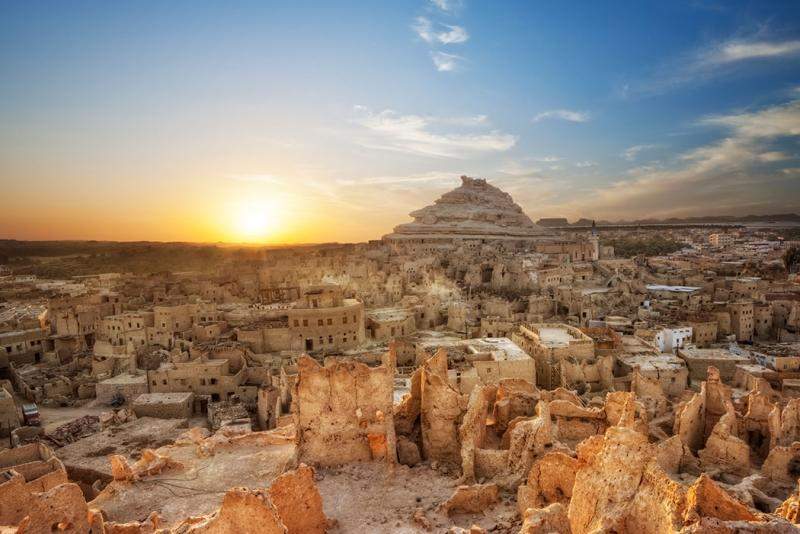
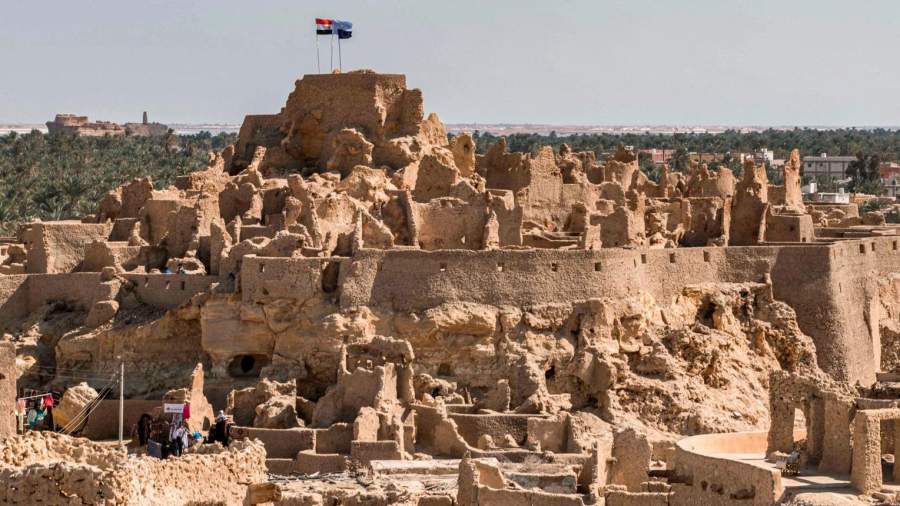
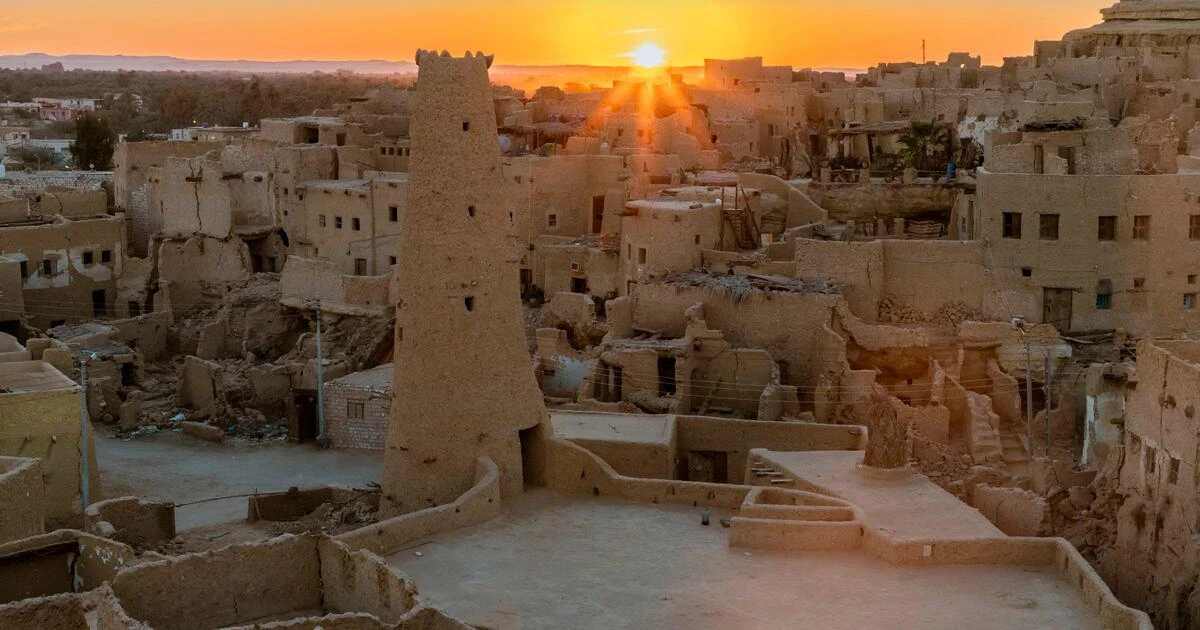
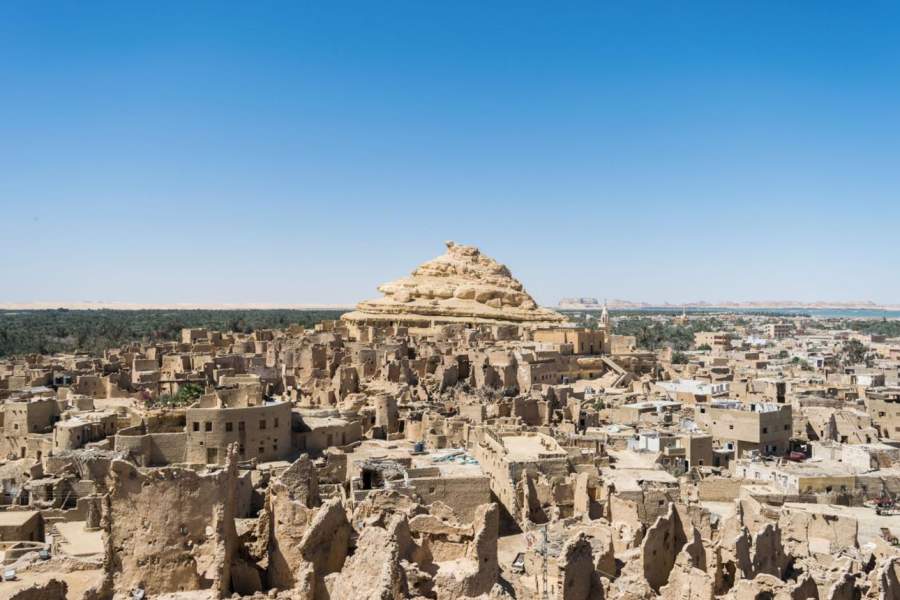
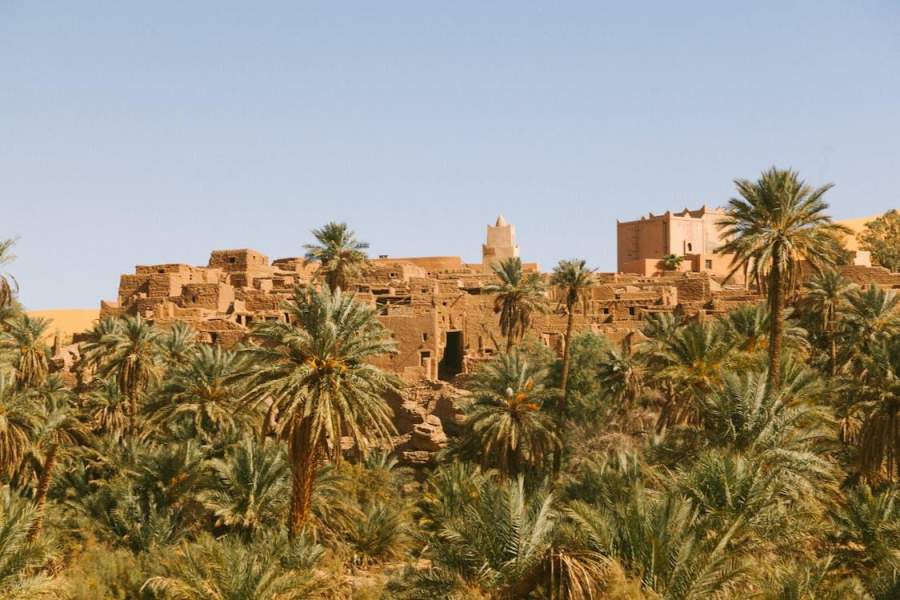
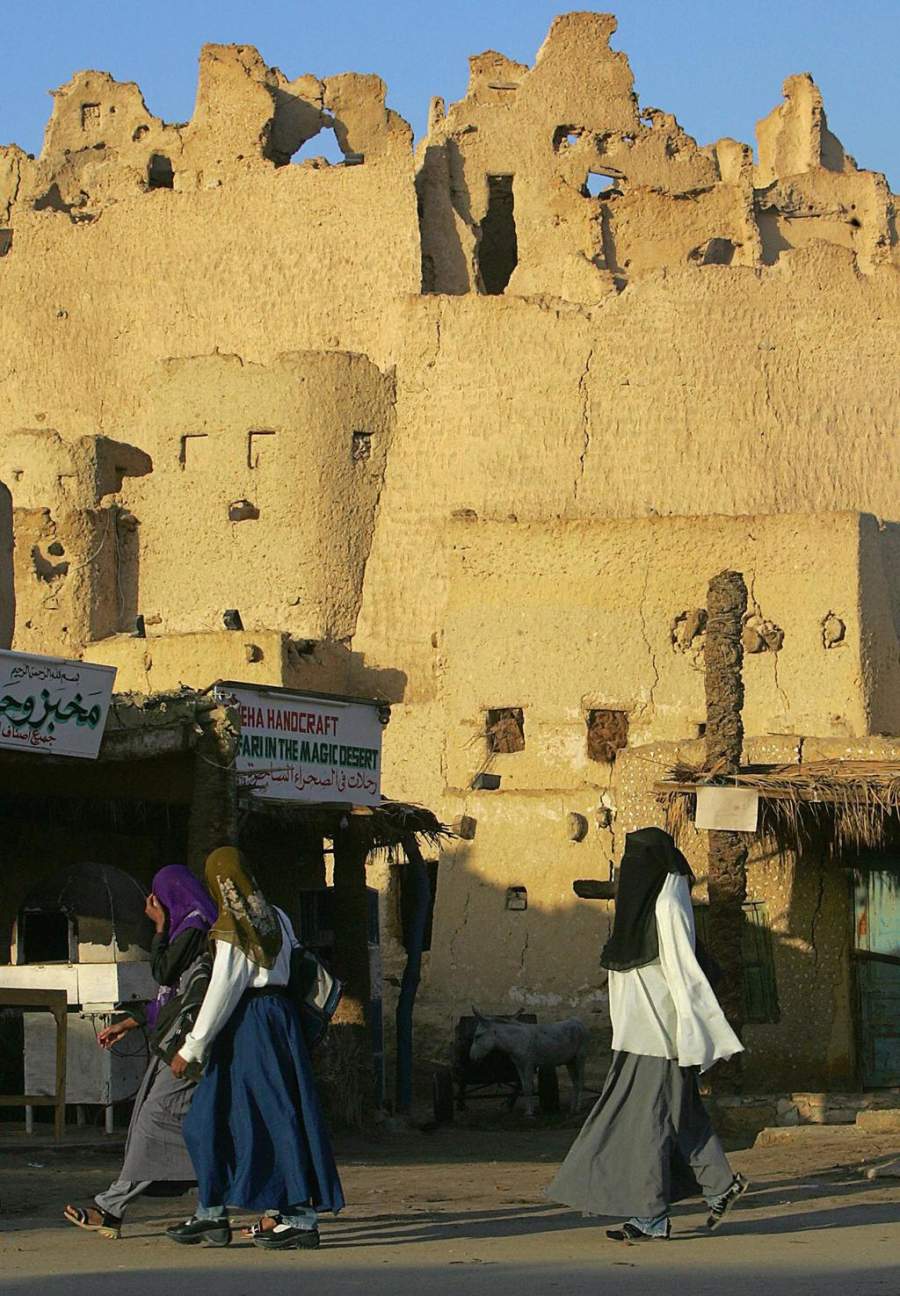
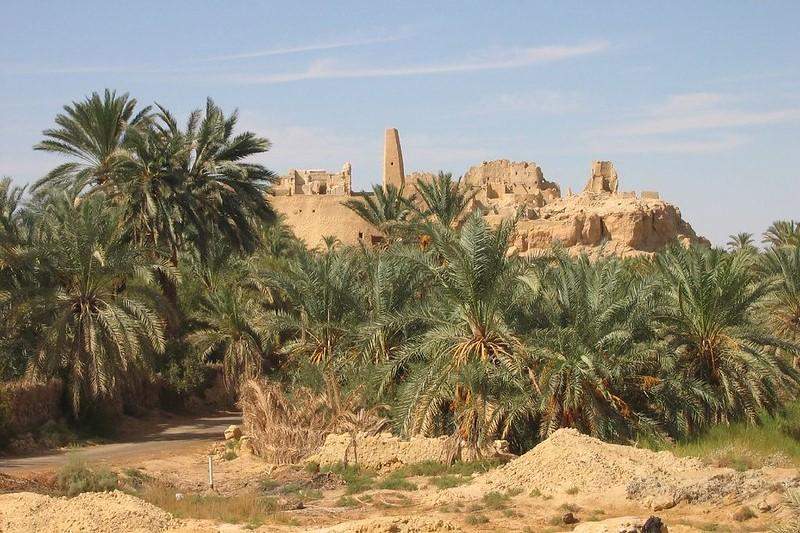
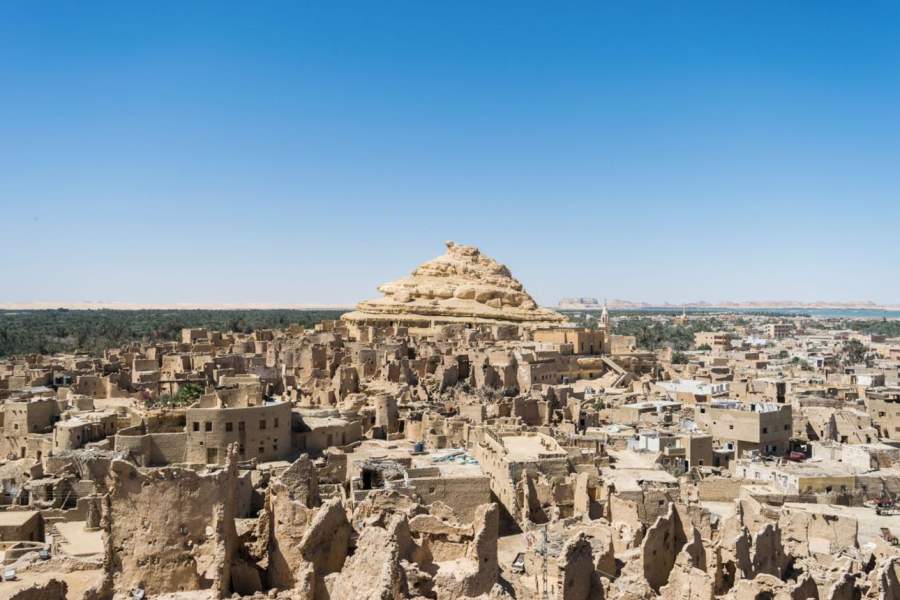
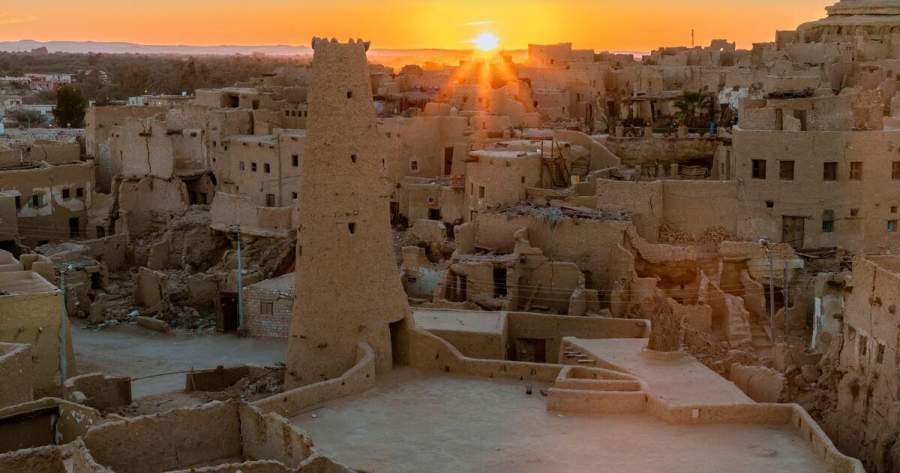
Rising above the palm-filled landscape of Siwa Oasis, the Old Town of Shali looks almost like a desert mirage.

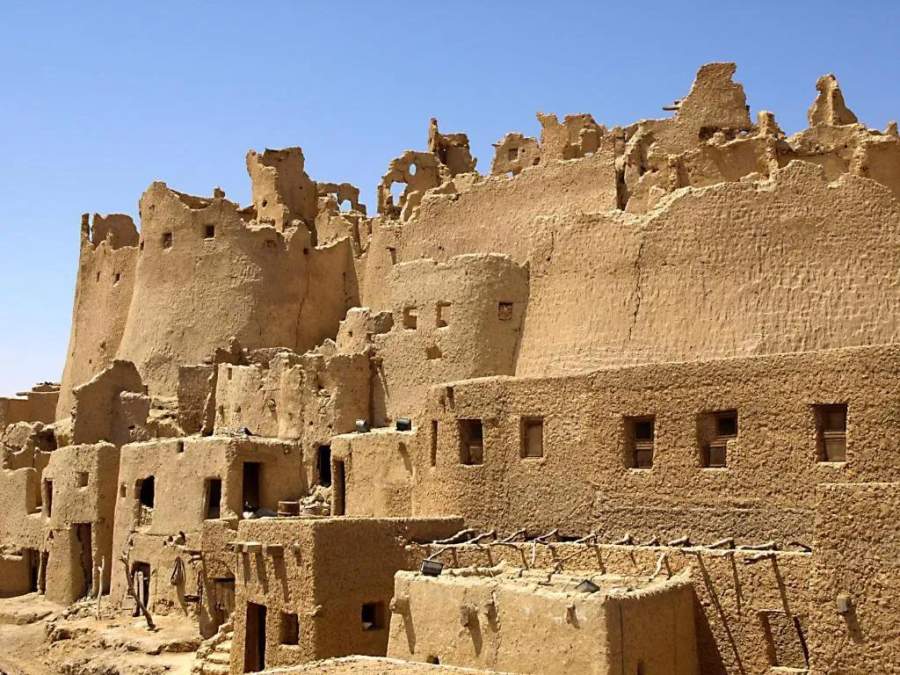
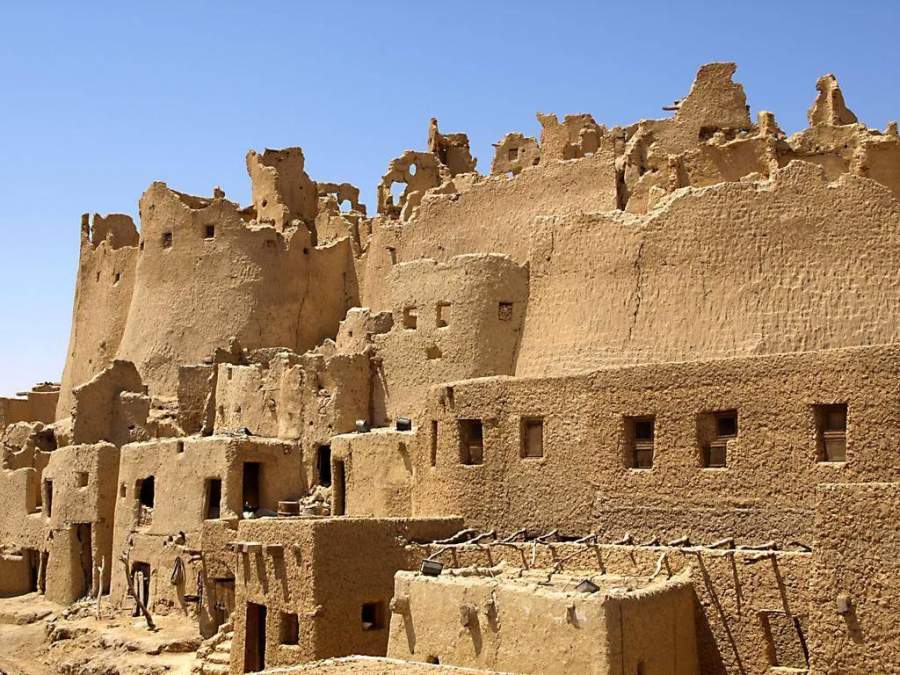
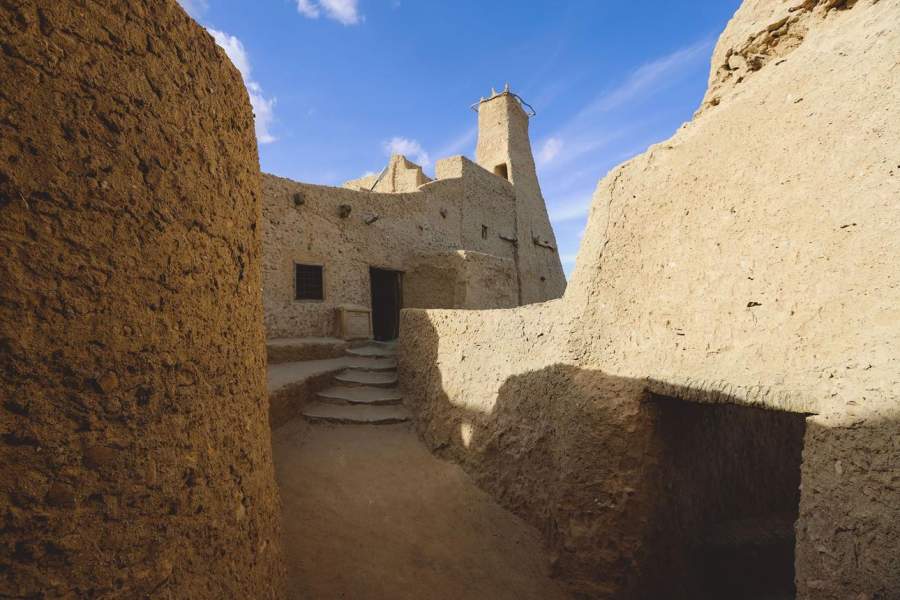
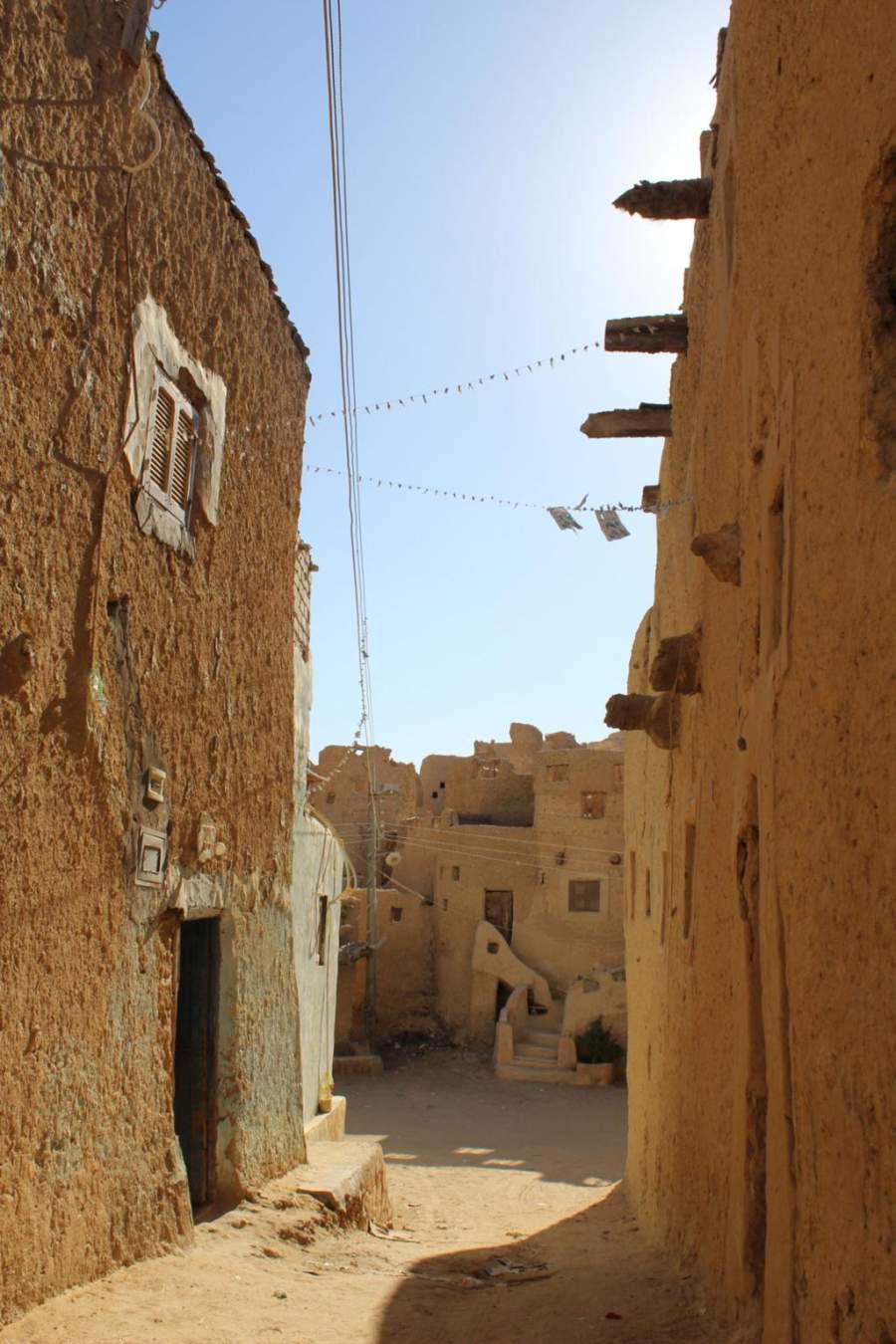
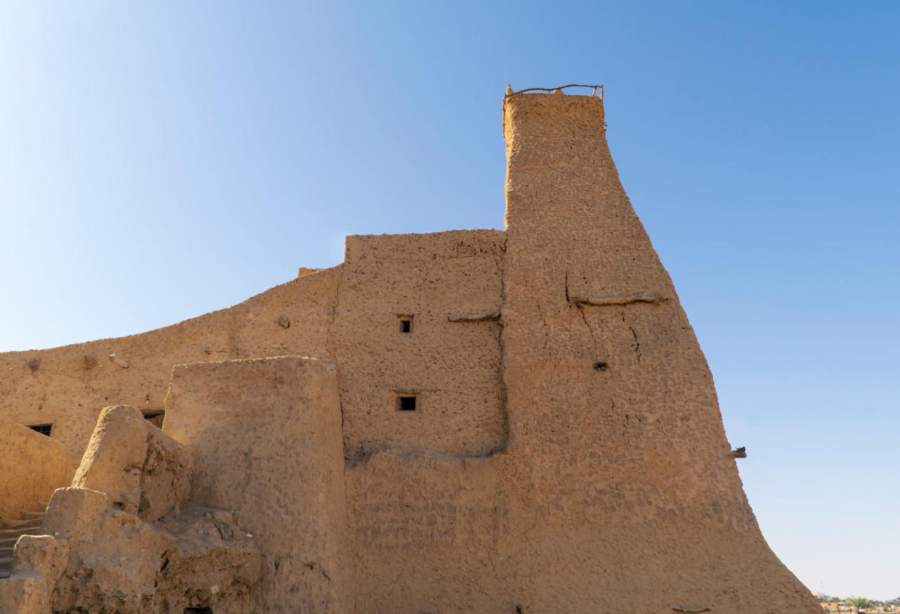
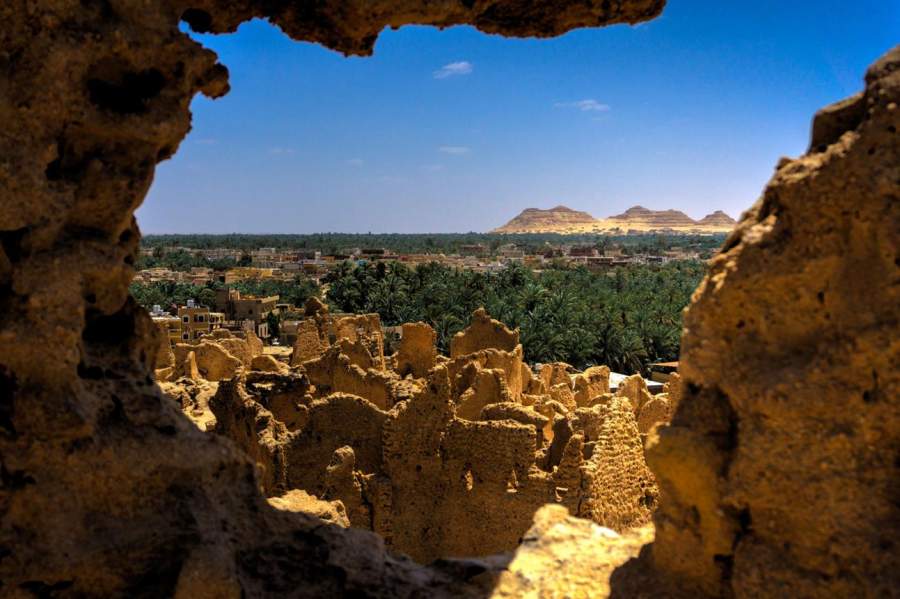
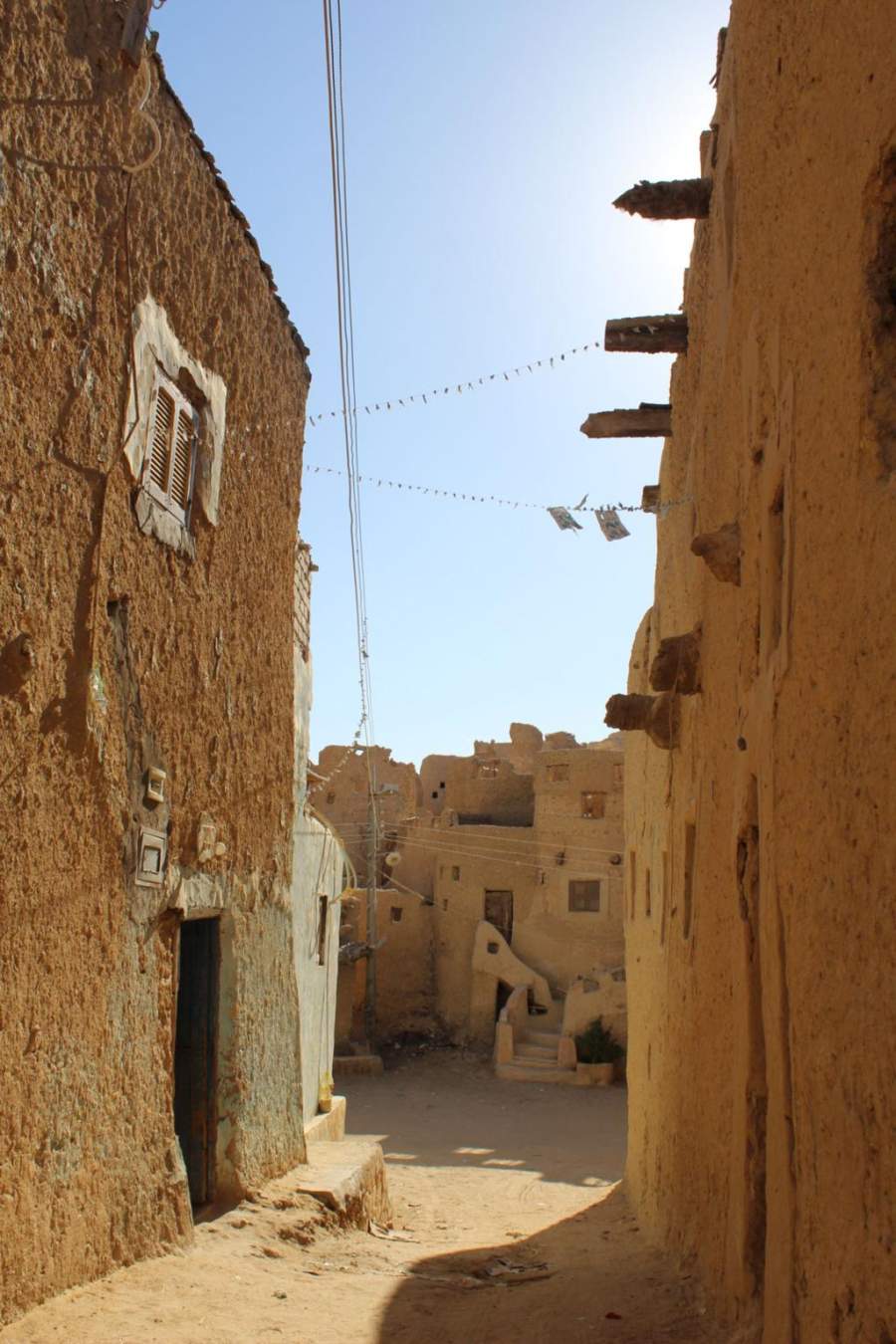
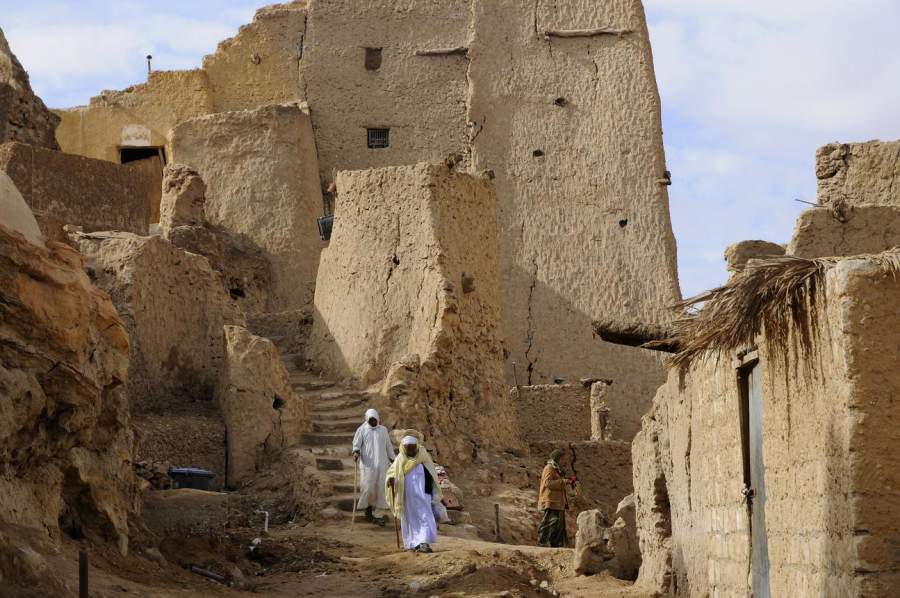
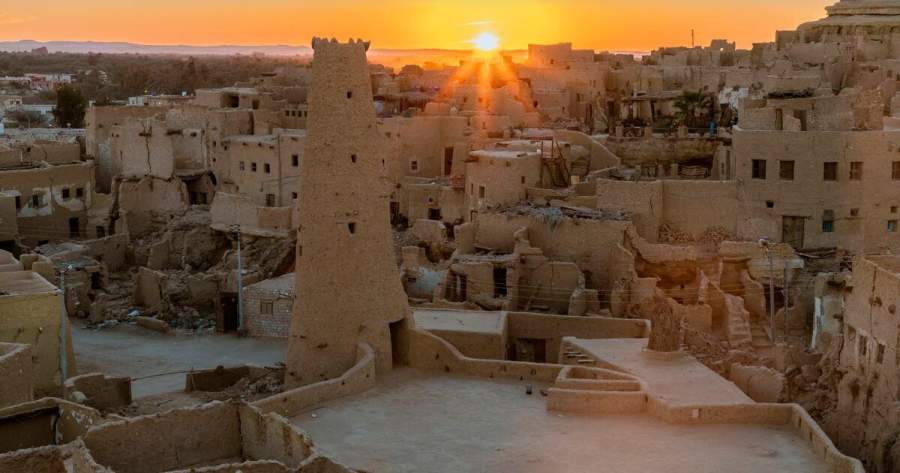
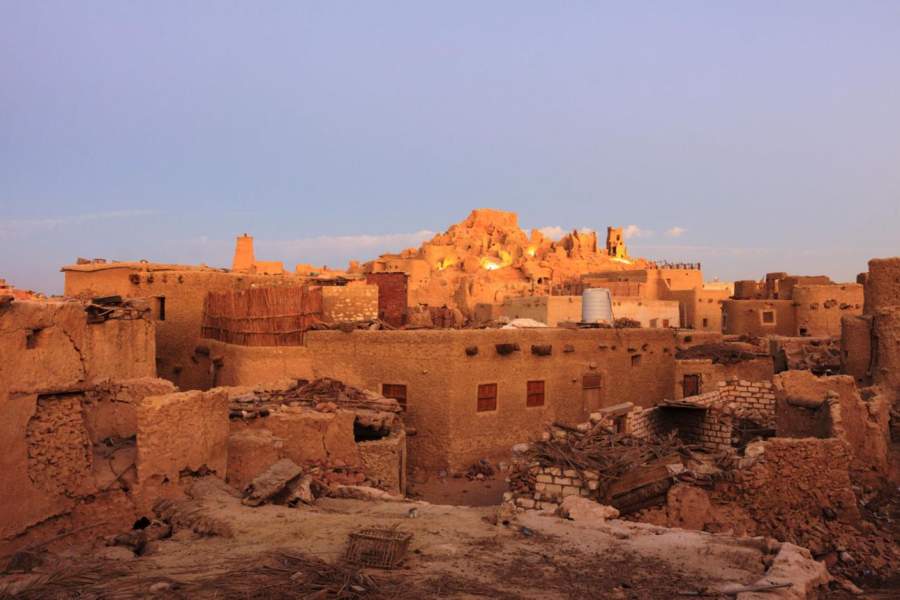
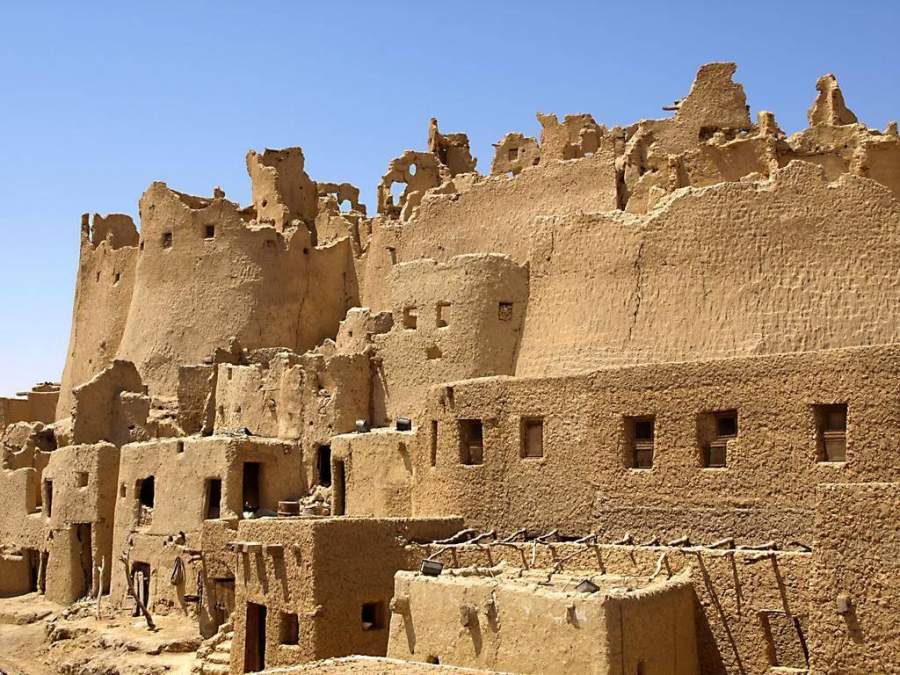
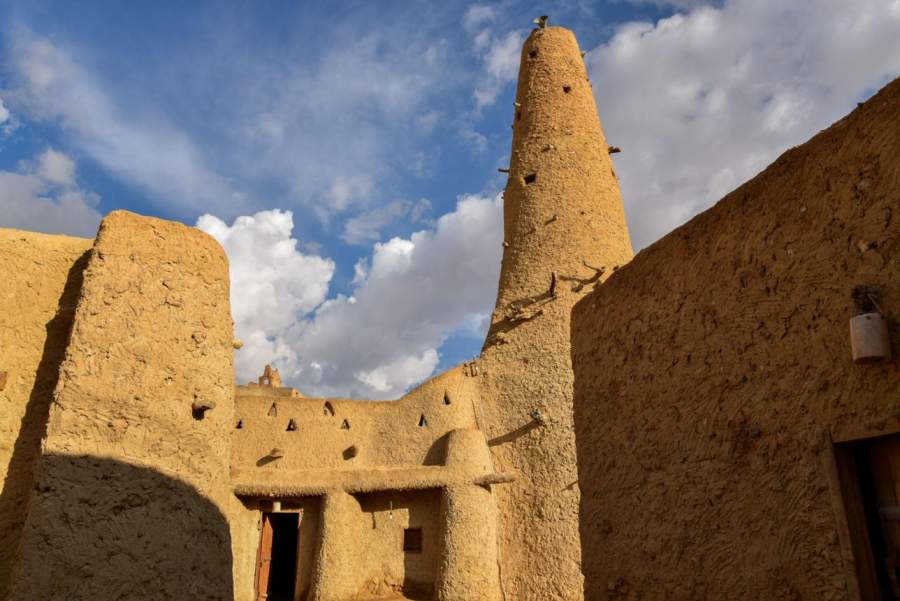
Its weathered walls, narrow passages, towers, and ruined homes seem to grow directly from the earth. Built from a distinctive local material known as kershef, a mixture of clay and salt, Shali represents one of the most remarkable examples of traditional oasis architecture in Egypt.

The name “Shali” means “city” in the Siwi language, and the historic settlement dates to the 12th century AD. The Egyptian Ministry of Tourism and Antiquities describes its construction technique as unique, noting that the salt-saturated clay becomes extremely hard when it dries.

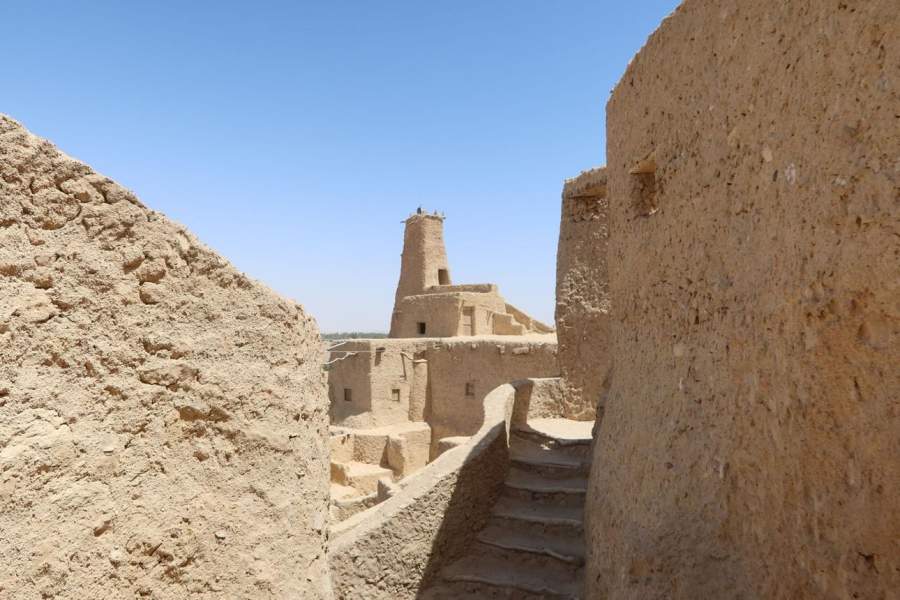
Today, visitors can walk through the restored historic area, explore its lanes and remaining buildings, and climb among its ancient walls for views across Siwa's palms, lakes, and desert surroundings.

But Shali is more than a collection of ruins.

It is a story about how an oasis community built an entire city from the materials available beneath its feet—and adapted its architecture to life in one of Egypt's most remote environments.

Where Is the Old Town of Shali?

The Old Town of Shali is located at the heart of Siwa Oasis in Matrouh Governorate, in Egypt's Western Desert.
https://images.openai.com/static-rsc-4/-U87ElnaKw0kHioFIZcxSs-4O07omlAPvwyxduwWTWFzL2pF7MjG-risdhcC8mvBTs2XpEhwZthkjViorlxgzxLMMsF0zXSFyStbqXJOCVg6nhI8Vdde-9F7HoxdabpRwQUdqbDLIgfTvEXw8rgazAtGaBcvTGeq5GwgIRE397Ag7K6ORaSBDJnxwdA-8YcI?purpose=fullsize
https://images.openai.com/static-rsc-4/J0MPhNNtrm1hbvNE1Nf-Ao-F_V3AW55YapNC-xJkEDNwaUaU6kJupjV5fi8Ec_YjIblst9L4wUsBPzb0g9pwrN4xoFVozLjOmZCXwJbdqJuseiuQrRbAEQAGl5cR6YMMyWjr-DF2G5xYm-0Riv40jWanBw5Q07XLqcRAw-kGWHgtNN27Xj3LA0Po7on_W3ja?purpose=fullsize
https://images.openai.com/static-rsc-4/ON1LrSFDHJ3bESF7SV5evzGYUEcPuscw_J2ZbNS9x14PUN9nDVgPDmaXCqyG-rVRDxWbfuf9jWBtzFX8OE4-vNx4B5e-V78xTAeqN0V4brgU86g0N4C3xdf1MfQAWskBwyqnDnN39--BeRVbzJNu1riLn89KtYn0s0ypk7Jq2cz3NQxrgVmqZzpl8RhUCOy2?purpose=fullsize

Siwa itself lies roughly 300 kilometers southwest of Marsa Matrouh and is one of Egypt's most remote desert oases. Experience Egypt describes it as a peaceful oasis surrounded by salt lakes, palm and olive groves, desert landscapes, and a distinctive North African cultural heritage.

Shali occupies an elevated position within the oasis.

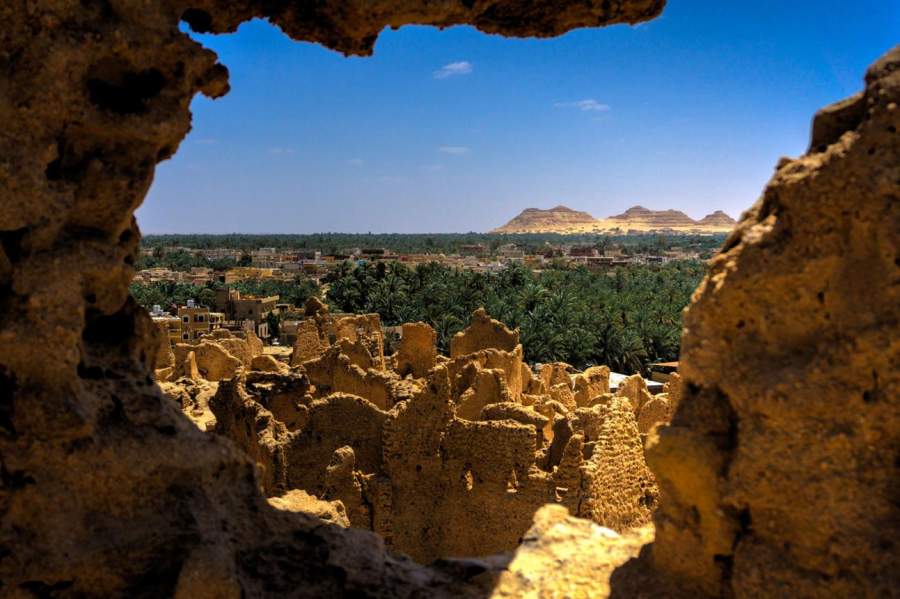
From its upper sections, visitors can look across the surrounding palm groves and toward the lakes and desert beyond. Experience Egypt's official tourism material describes the historic town as the former fortress-like heart of the oasis, with views across the surrounding landscape.

This location was not accidental.

A fortified settlement on higher ground provided protection while also placing the community close to the oasis's essential water and agricultural resources.

A City More Than 800 Years Old

Shali's story begins in the medieval period.
https://images.openai.com/static-rsc-4/5We8fyiZZCeoH2z7K9jjRlHtW1w03hgjUb4YoiLG0OQGGRQZsDEkNBivJtfZusyvilyMjrB2-V_yapxghTtrIhq5bcJ8qDJxCNBJRDdU7YRDsH1JjyKeBJiPVue5P41cEupN2fcclM-mCX9IQIcVTLixC9fa1iWFU_z8EP4FLeTNlYyDsR5Y38-dBztG8lZQ?purpose=fullsize
https://images.openai.com/static-rsc-4/EBKIMTJxxtuT8E4exEQPS_W4UJU4kkbfNefwBxQd2M_N4o1MQaS7J0UAUuux71ITscfLeaI1shtUBGqpzt_yJGiHpWFTAwsBzDTlnL_0aaQOJl24cLD2KM4MKD04W8mMS-eblaJWMyEoGqXcAw-apfL-p2N2w85rwBSyqqmFV3BIY3WKAikh-j4rr5jXtX1O?purpose=fullsize
https://images.openai.com/static-rsc-4/TaD7LdkYQpkpaKtOtZw0-_ZIBbBLXb27zJdutw7Ggsh0Q744Ukrf1Rgq_ZFnLf2kBSE_vRWKzSY-80vMp4UDBPGqioJsyb17NrdxeelSfWd9Otph9hT-JkZnaTy6D7729Lxc_dneju0Y4eAcObplJrS8qtmRwpr68xSotMtNTRnzMCgQ2PcShoSxzDACdXaq?purpose=fullsize

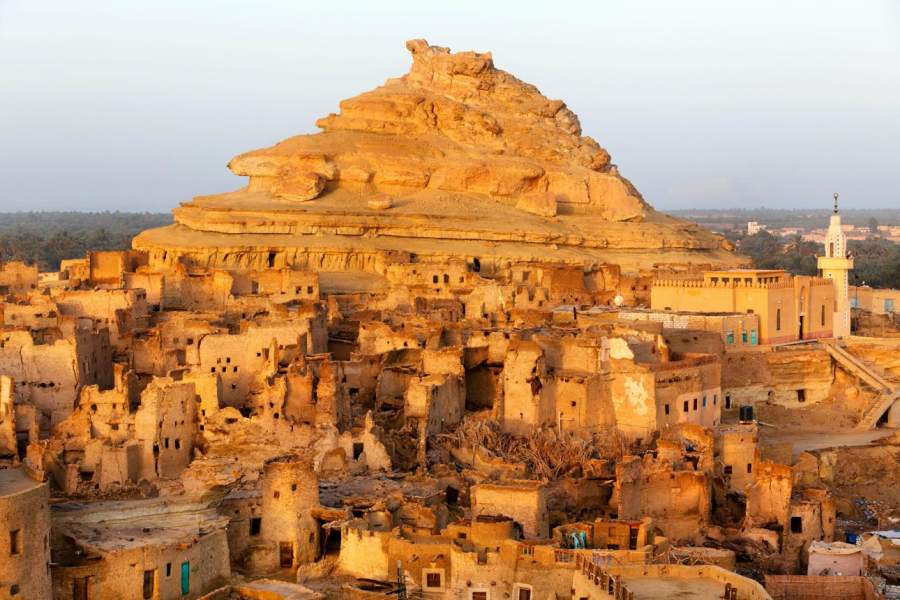
The Ministry of Tourism and Antiquities dates the foundation of Shali to the sixth century AH / 12th century AD.

That means the settlement has stood in the Siwa landscape for more than eight centuries.

During that long history, Shali developed into a fortified urban center containing homes, mosques, wells, passages, and other community structures.

The architecture was shaped by local conditions.

There was no need to import enormous quantities of stone from distant regions.

Instead, the people of Siwa used what the oasis environment provided.

They created buildings from kershef, allowing the settlement to blend almost seamlessly into the surrounding desert.

The Remarkable Kershef Architecture

Perhaps the most fascinating feature of Shali is the material from which it was built.
https://images.openai.com/static-rsc-4/gAeMfQhnXgfxy2JLU2qL0TVq1Y3LdBJ_HAOgsIsjUKNq21gE29Z1rbo1u5xOJDH6C1HhIXisa3-hAPnb1nWkIZ0xARABtirb6nCf2bmAP9lT-RCKxOqLW4phPxq3IIb2oWtVYTizJVDop7QN9sM9n6uqNttj8Qz2yi5uiIHtaG5mYTvhgVzlCTRQaq_DtOBQ?purpose=fullsize
https://images.openai.com/static-rsc-4/dGkUMLi1F4o8aBj8N62ql9D2cmBqfBjcXoaJVIOugwJsf_vjEUYt7Gvhiid54m2EPcbk6mtPeK6b8HNMdLIhwFtuS16VxWS1Ic9UD0cRXzL3f051VYGvAjN2lHOR3quophtvVfoPPjp-Iq9ps5C2YhSGY5UBffG4Ge-LfSOdYYLyWDnwvLNuAI5poMn_qrVP?purpose=fullsize
https://images.openai.com/static-rsc-4/TaD7LdkYQpkpaKtOtZw0-_ZIBbBLXb27zJdutw7Ggsh0Q744Ukrf1Rgq_ZFnLf2kBSE_vRWKzSY-80vMp4UDBPGqioJsyb17NrdxeelSfWd9Otph9hT-JkZnaTy6D7729Lxc_dneju0Y4eAcObplJrS8qtmRwpr68xSotMtNTRnzMCgQ2PcShoSxzDACdXaq?purpose=fullsize

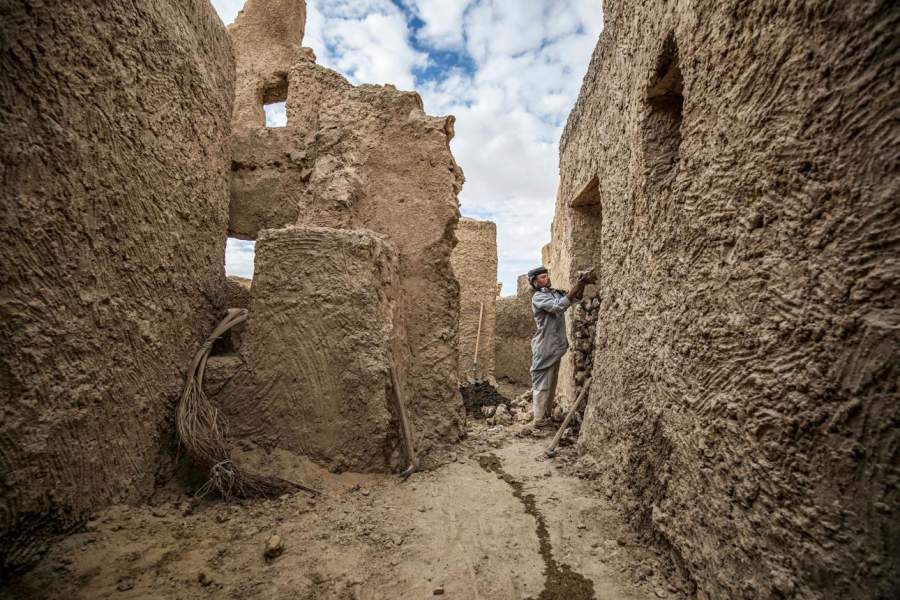
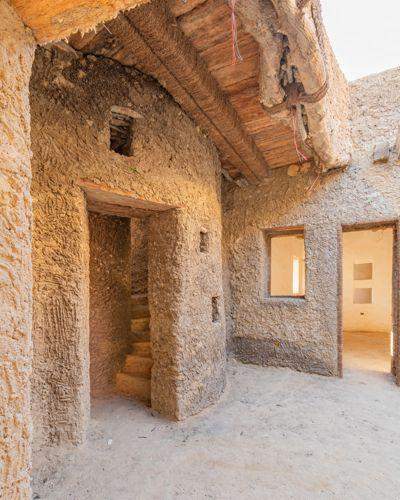
Kershef is made from clay saturated with salt.

The Ministry explains that once the material dries, it becomes extremely hard—similar in hardness to cement.

This traditional construction technique gave Shali its distinctive appearance.

The walls are thick.

The surfaces are earthy and irregular.

The buildings appear to emerge naturally from the landscape.

And because the same local material was used throughout the settlement, the entire town has a remarkably unified visual character.

This is one reason Shali looks so different from the stone temples and limestone monuments associated with ancient Egypt.

Here, architecture is closely connected to the oasis itself.

Why Was Shali Fortified?

Shali was not simply a collection of houses.

It was a fortified settlement.
https://images.openai.com/static-rsc-4/dGkUMLi1F4o8aBj8N62ql9D2cmBqfBjcXoaJVIOugwJsf_vjEUYt7Gvhiid54m2EPcbk6mtPeK6b8HNMdLIhwFtuS16VxWS1Ic9UD0cRXzL3f051VYGvAjN2lHOR3quophtvVfoPPjp-Iq9ps5C2YhSGY5UBffG4Ge-LfSOdYYLyWDnwvLNuAI5poMn_qrVP?purpose=fullsize
https://images.openai.com/static-rsc-4/pt8nNuvYzoNgud5SW73gj-_iWa3SjoIfvt0EfiORn1rwiTw1PZP--yO6n1Ap6ToraEK50Vfm97AVErdZH8zgrxZwtOVeZauLlG4UrAjhmcm3Ka3Nw-DdzC65w3D0eXnfVvwLeRzy-T4PLjIzuifllhwe2TbtNyOWONi4eBPY6UAa-PIXLfNxxj51bqVsGHmT?purpose=fullsize
https://images.openai.com/static-rsc-4/jYUQIUJ5f2FnSUgGdmU6_hcAjD1Ur_joLZB9wbZT3kNU7pOOxo2sOPjMv4FpFkN5RPOx5TyQXYSqe1rLlchs5Mp97CTQP4T59a7XAgLSXQkRmcS1FylFfNyYuQQXsUNRrigUlXaTWAsY9NUuxE3ZneHYm6onYSexrWksqveDcuBvilsuM-LS7fu49FkZezDx?purpose=fullsize

The Ministry of Tourism and Antiquities describes Shali as being surrounded by a strong defensive wall. The original city had one entrance known as Bab Anshal, meaning the Gate of the City.

The controlled entrances were an important part of the settlement's organization.

A second gate, Bab Athrat, was later opened on the southern side near an oil press. A third entrance known as Qaduha was subsequently opened and was designated for women.

This arrangement gives visitors an idea of how carefully movement through the old city was organized.

The settlement was designed not simply for living, but for community, protection, and controlled access.

Inside the Old Town

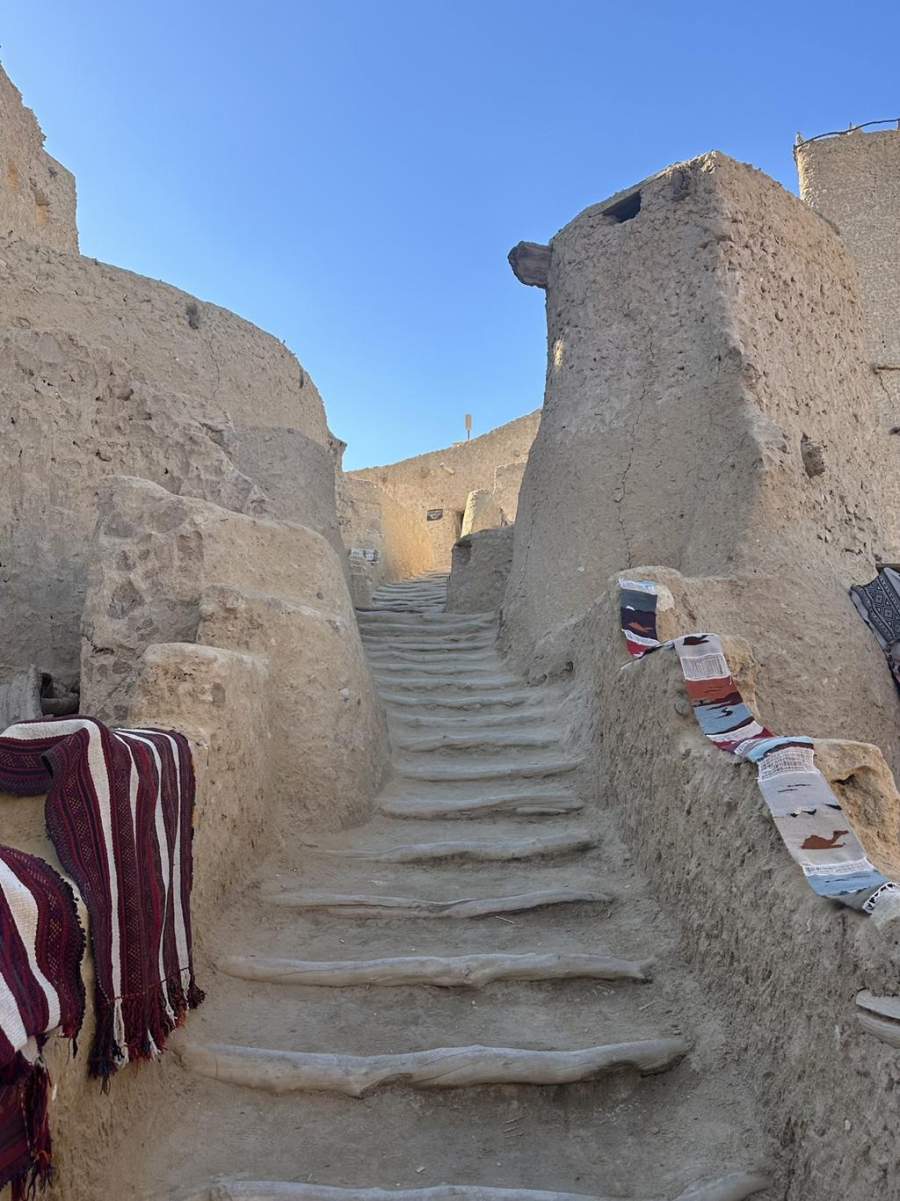
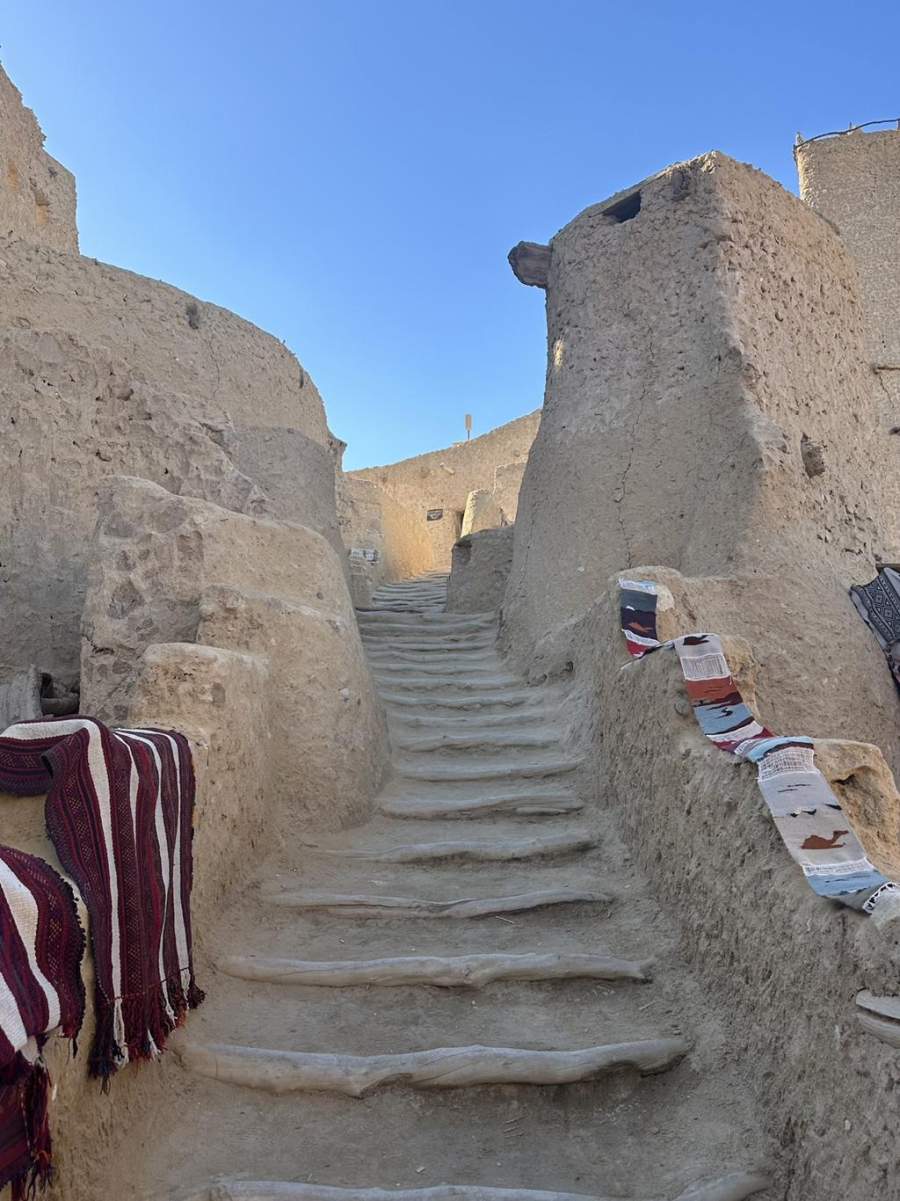
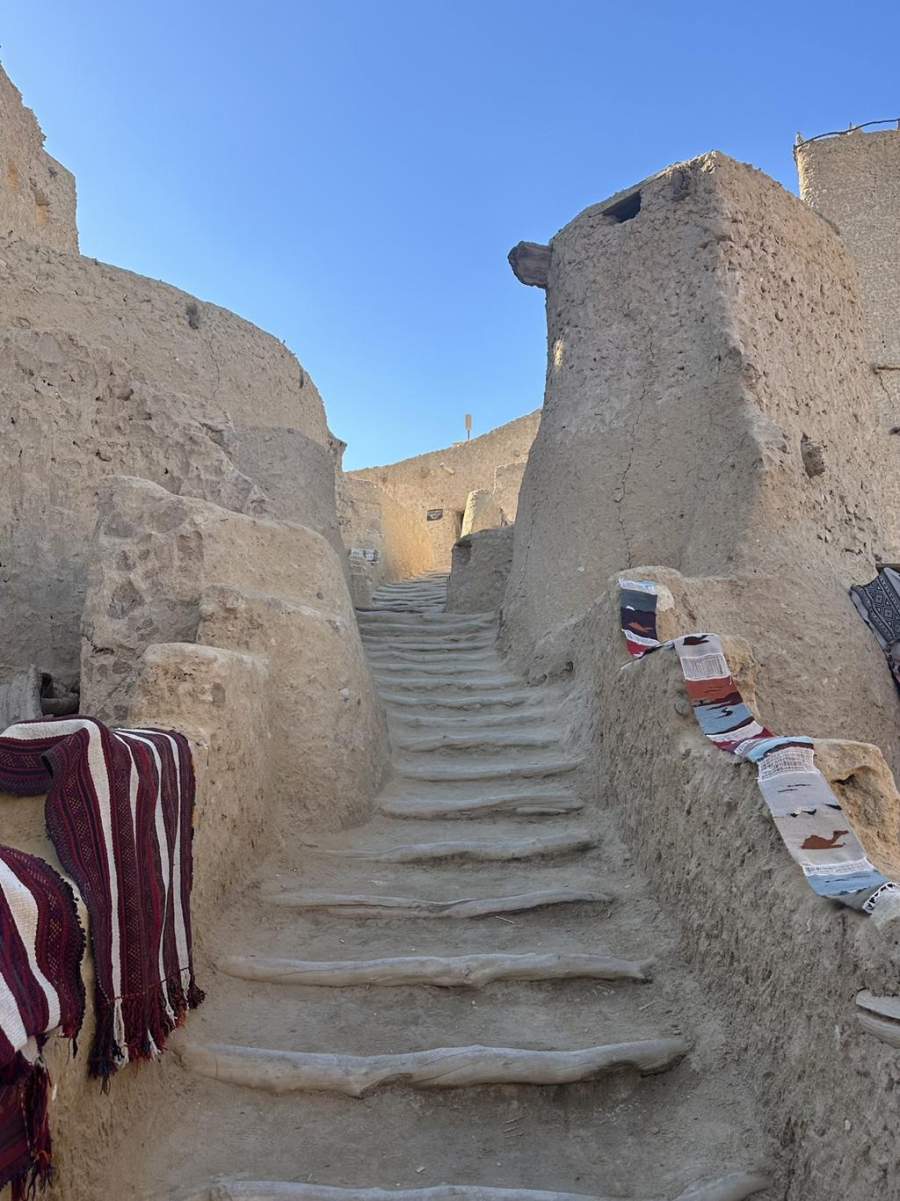
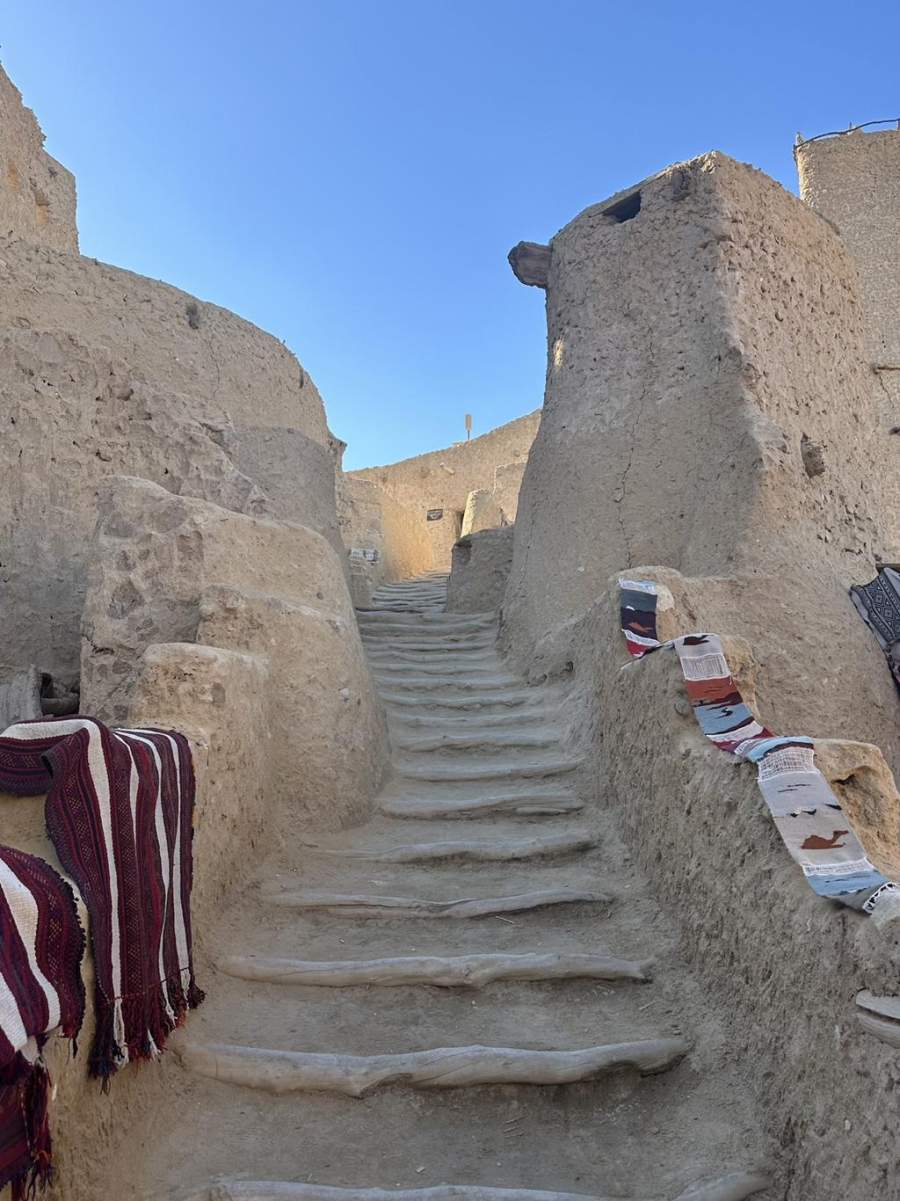
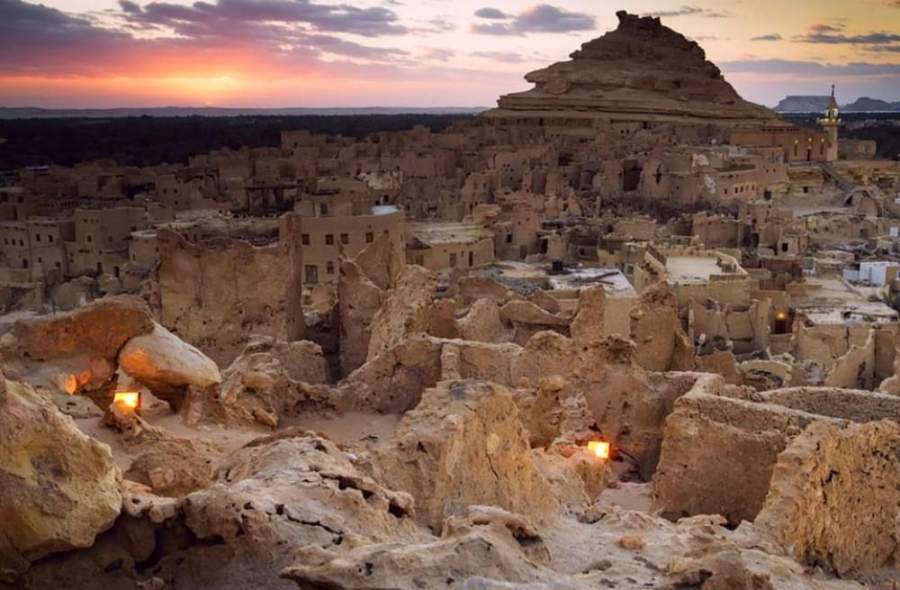
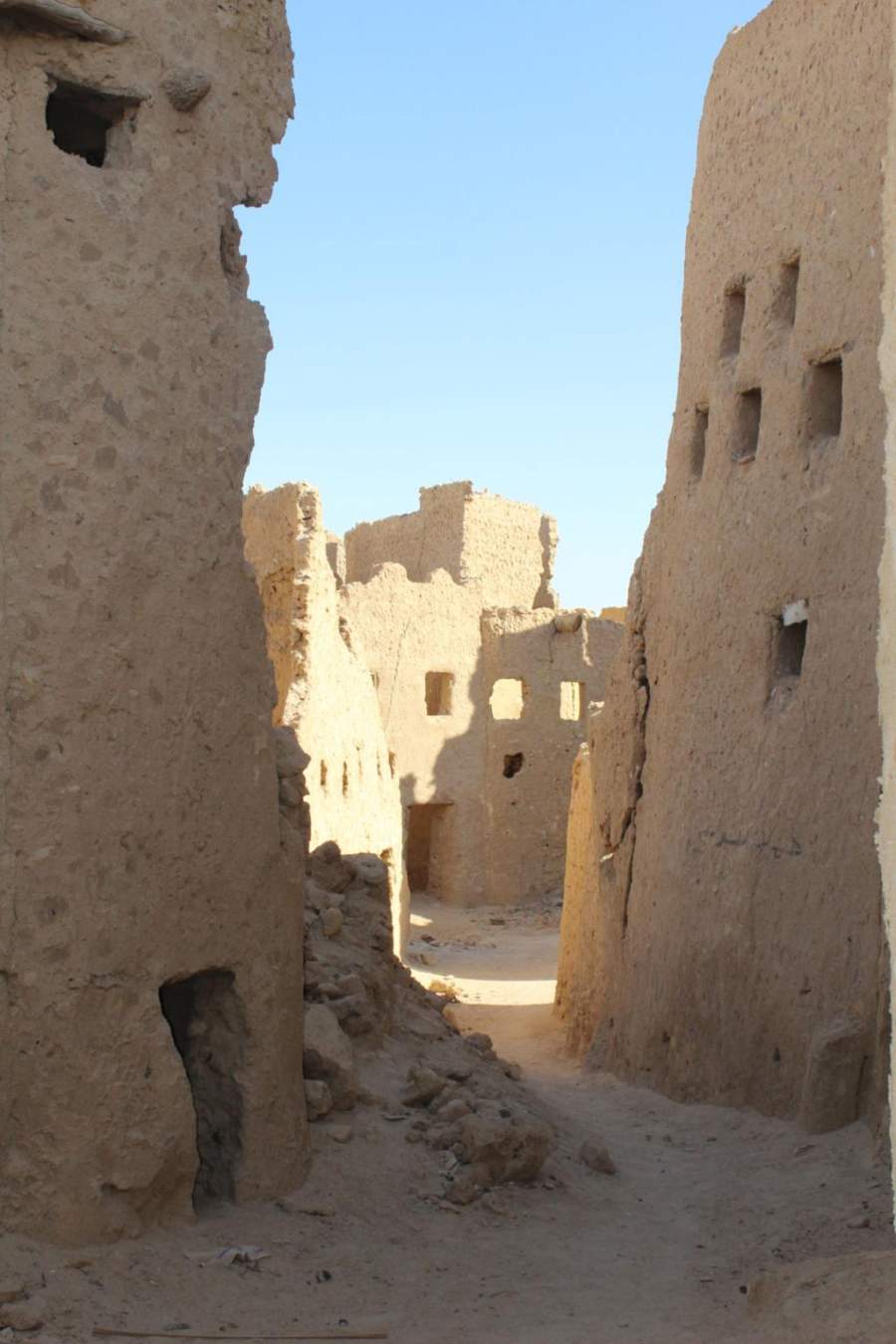
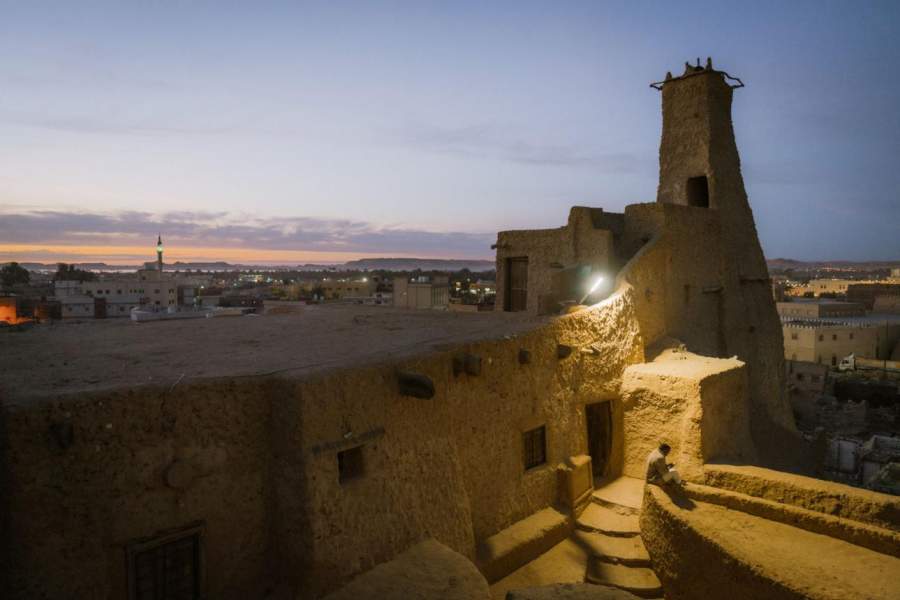
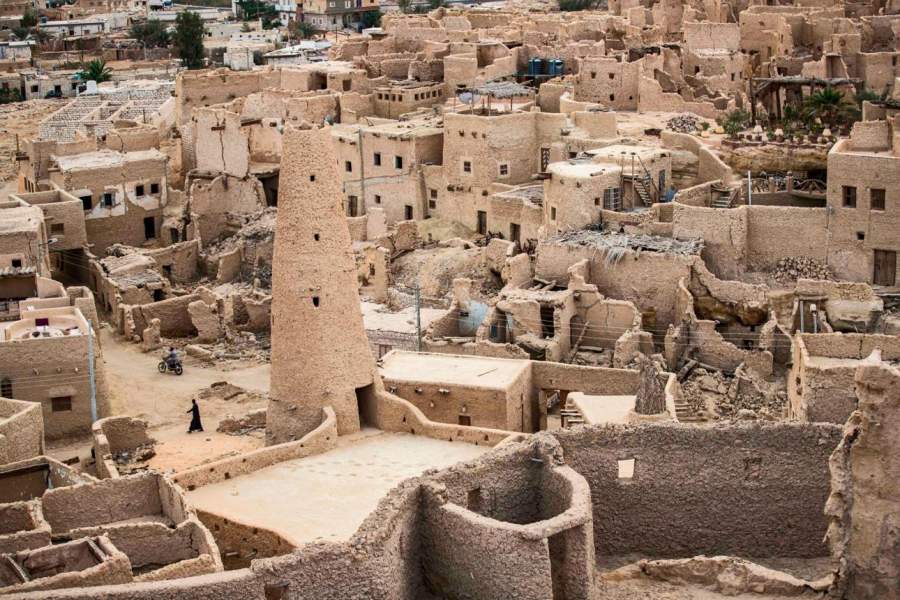
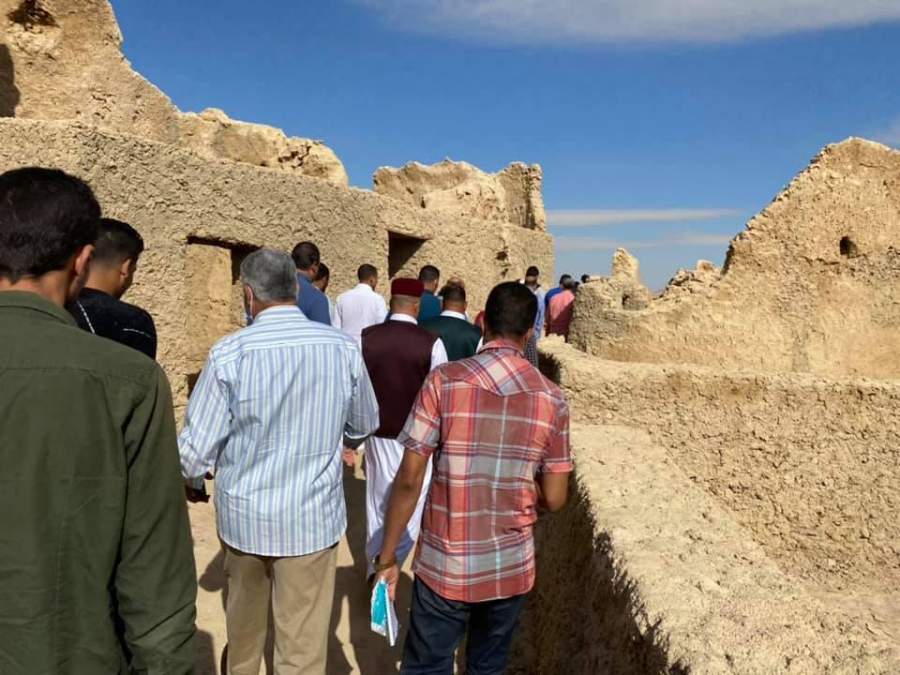
Walking through Shali today is like entering a maze of earth-colored architecture.
https://images.openai.com/static-rsc-4/GLoJCZn5k0UX_YcuIJnYthNF0VV2zUEaMvFubMSMRHRXV_N4zPSY1q7xzmrrGpMFC8ejUy4MtRwvO3uKabmzjXL0vytQzra7xU4Gz76e2My8mEa9wlPQ77VgBqeh5YzK8zJeyWfCrgzMUUuwObBWVW17wdtKow0kzprVtcJkAMLBG7CI8LKhfLBTkMve2vHA?purpose=fullsize
https://images.openai.com/static-rsc-4/5mjCQxWkdX01lBIWJWx8uZfbtznbPxY8_71VAwrlE46GRCi2CE4LBLgfUB-j5VZ4NKEIvOXe3JeH-Tx3yd9aIrkXrWMV0Tbxc6q9jLSEWnwJscMOsF7ktC-nDvjRROxO5STTjV6W03FuhiZ6tWYttdLxxEmM-uG1V5nBYg9AetVDTaJKLQgKkbY8XtQePham?purpose=fullsize
https://images.openai.com/static-rsc-4/7GqoteciBV-fuFoK-EHKpKIUkNRY98_klVOHhyCPx56cvY6-ysU3wSfF5tsaHu2kdxWCxtBbwkzNCyYmNzt7PDuPNQiYRUhI4itouuabwI-bTmV32RW2wo2wEb6zG5o4A00n9ZaCaF-3LxciMKTrrjem9S4QRYDnq6Azs1rc2F-XLrO593ZLOQAHiPv5r9hK?purpose=fullsize

Narrow passages wind between the remaining walls.

Old homes appear at different levels.

Some structures survive only partially, while others have been stabilized through restoration.

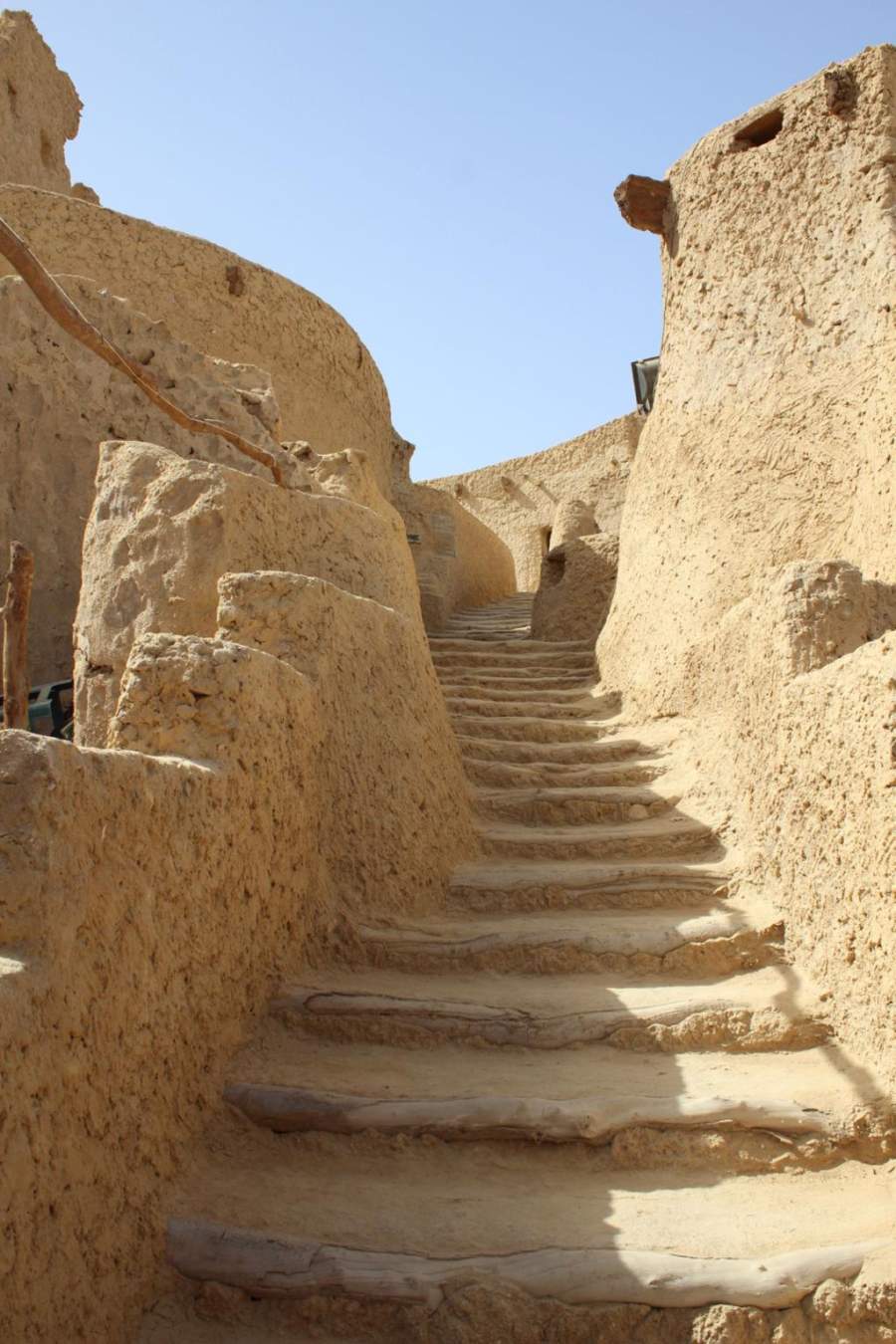
The Ministry notes that restoration work reopened streets and passages within the old fortress and allowed visitors to move among houses and mosques while observing the settlement's distinctive architecture.

The result is an unusual visitor experience.

You are not looking at Shali from behind a glass display.

You can actually walk through its historic urban fabric.

Every turn reveals another wall, doorway, stairway, or fragment of an old building.

The Gates of Shali

The entrances of Shali tell their own story.
https://images.openai.com/static-rsc-4/59V9UhDhj68DLKMFCwVmndgtRnHn9YfiWhAlYMAfxHe_DKSy7kaRmfJe_cgpWXgolGPoqYSMCWO_jjwx8olL68g8X6Y3bLetlXp-b1ggLkbeZic7CtbDQQ83M4FlpGHUNXj3aSME21ld2Jpbvlh9kwCalfdl8t8L_2k-8RecO6E9nNEd7Oi2eqppSy3FUFtd?purpose=fullsize
https://images.openai.com/static-rsc-4/V4FYzviJIUyXlatHvtxYIFQOkIHj5x8HJL1mdwtt7S37xmfC0rONwIIUB9MKXirWlX1yATSqkdlmznQyyjje_gKuR_tZEX9oFx5KdYUsdDAbfuAZHatbQrGZyN5rdAoh3FDaz_ACzyoO_jEoNOP82O_vlRPX827ofRMpcNKJXwyOeABtK7XBqclBM3R_8fV5?purpose=fullsize
https://images.openai.com/static-rsc-4/TaD7LdkYQpkpaKtOtZw0-_ZIBbBLXb27zJdutw7Ggsh0Q744Ukrf1Rgq_ZFnLf2kBSE_vRWKzSY-80vMp4UDBPGqioJsyb17NrdxeelSfWd9Otph9hT-JkZnaTy6D7729Lxc_dneju0Y4eAcObplJrS8qtmRwpr68xSotMtNTRnzMCgQ2PcShoSxzDACdXaq?purpose=fullsize

The original entrance, Bab Anshal, was the principal gateway into the fortified city.

Later, Bab Athrat was added on the southern side.

Then came Qaduha, which the Ministry identifies as an entrance specifically for women.

These gateways are more than architectural details.

They provide clues about the way the settlement expanded and how its inhabitants organized daily life.

Over generations, the city grew beyond its original configuration, requiring additional points of access.

The Ancient Mosque of Shali

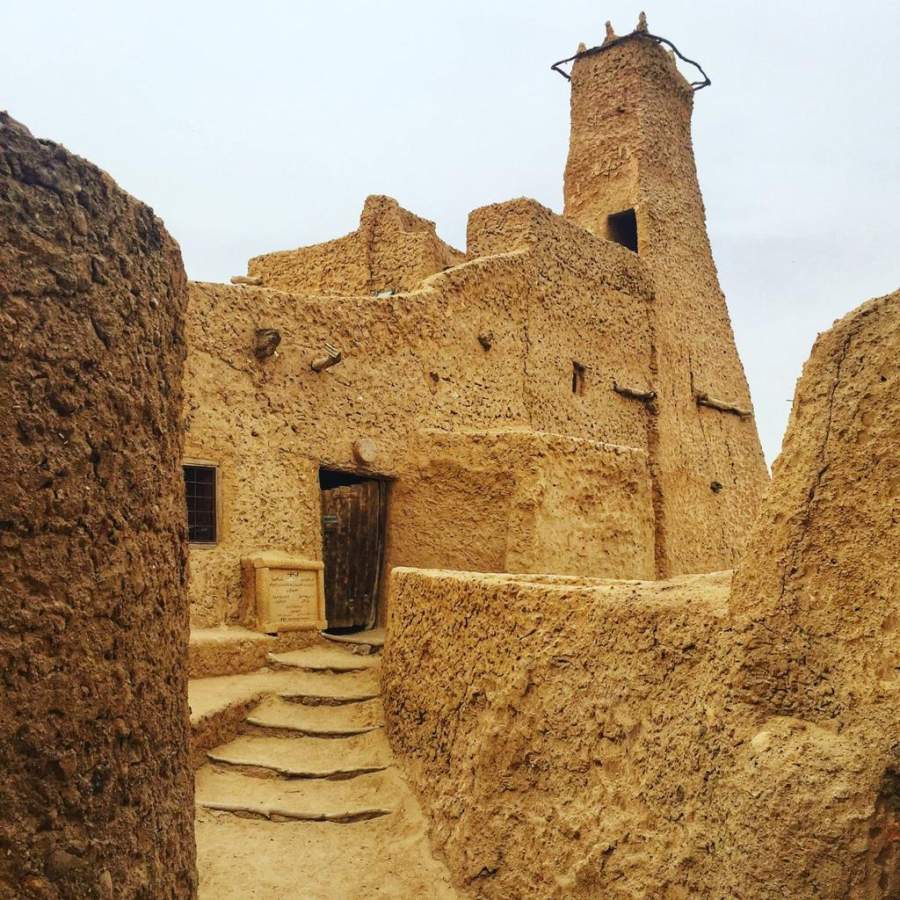
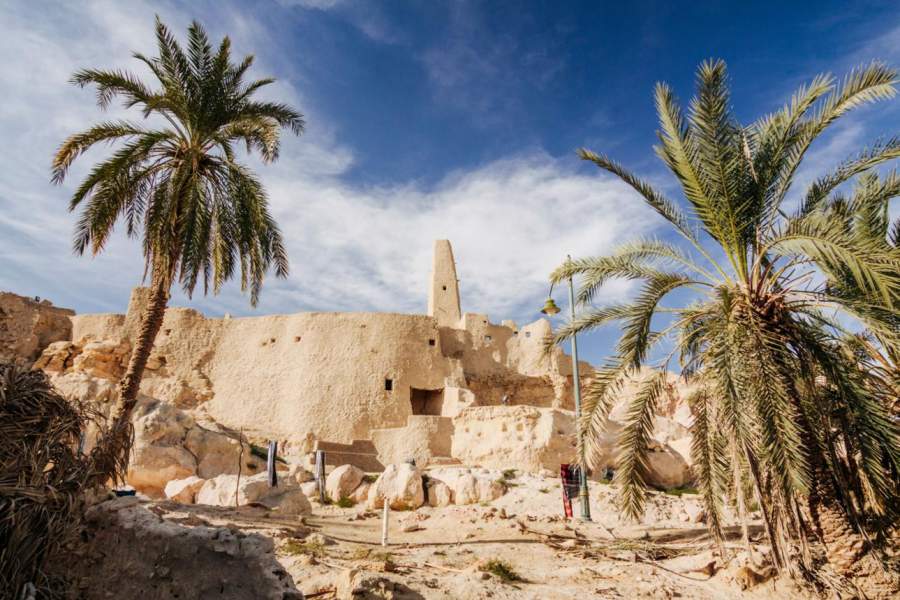
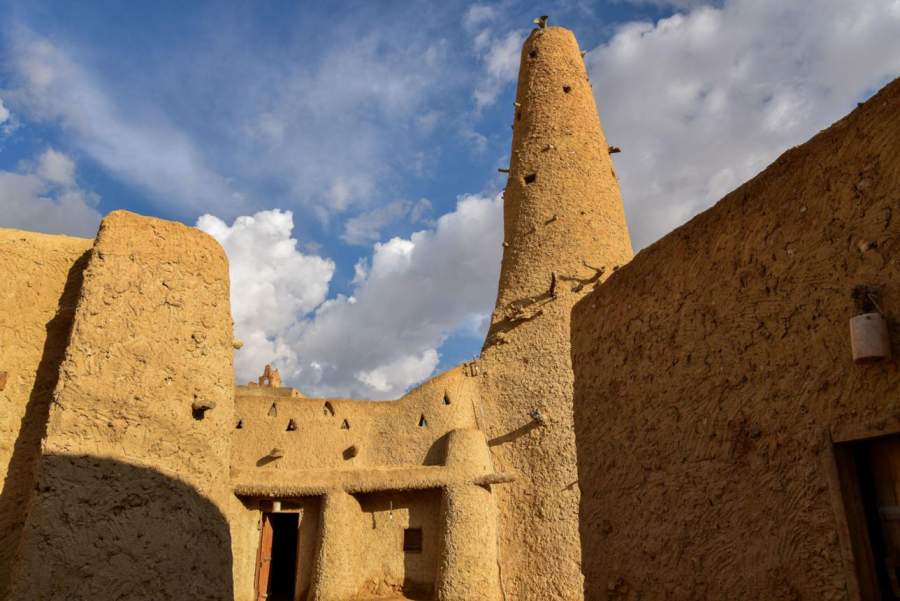
One of Shali's most significant structures is the Al-Ateeq Mosque.
https://images.openai.com/static-rsc-4/L8U1vuQVKqvn1CDEWCb683L83W__iNuXGqAUqWD8oQUW7-RHaGNe8g1Iog08LOYKX3NT_8xSIuxckWmQyOoDVf654at429Cq9fX9ukkjOhpFXQJ0VkZLFgp5UBWcmNS64JHNmDpzedOwALufU13pAVYvCgI42xtQSO3ezVWz1dAaFMxOlziKpoViZETy8SHK?purpose=fullsize
https://images.openai.com/static-rsc-4/CuX-qT5zsiFqOehCK26cuIKEKWMIxykR0ARdZ27fV7hYSWbuY7WYbyErFv9Gy2pcRJFUiLDncnfCLPJMlVySFLb5BjqfH_NzZVQQNMVgTJKzE2cO9_ZGwfvKvSNZlQS-onvGFMYrTpcOm5M0gneJJDac8-DOpbkIni62cH_Em3gSUW0Ix2Bvr0CfvuQo0cSK?purpose=fullsize
https://images.openai.com/static-rsc-4/fDgVQ30c07So6BdqayidWrPXrEn5ligNT2gbhOlpxc0Ach6d_d99j6sgOcvMg7msXBZWKSqZ4KSf39TGDDJF7imBMocHj6Ysf6Bo-PemLrvcPUgORDXMK8NlMdMngul-foxtoU7KS8BZOMrJB5JnFBBa56uVcxzD-Qjr-1teUiCSTzte-sppctNu0Ibhr4qd?purpose=fullsize

The Egyptian Ministry of Tourism and Antiquities identifies the Al-Ateeq Mosque as the oldest mosque built with mud in Africa. The mosque was restored and opened to visitors in December 2015.

Its presence inside the old fortified settlement illustrates the close relationship between religious and residential life.

The mosque was not separated from the community.

It was part of the same compact urban environment as the houses, passages, wells, and defensive walls.

That integration is one of the defining characteristics of traditional Shali.

Tandi Mosque

Another important religious structure within the old town is the mosque known as Tandi Mosque, also referred to by the Ministry as the Sheikha Hasina Mosque.
https://images.openai.com/static-rsc-4/L8U1vuQVKqvn1CDEWCb683L83W__iNuXGqAUqWD8oQUW7-RHaGNe8g1Iog08LOYKX3NT_8xSIuxckWmQyOoDVf654at429Cq9fX9ukkjOhpFXQJ0VkZLFgp5UBWcmNS64JHNmDpzedOwALufU13pAVYvCgI42xtQSO3ezVWz1dAaFMxOlziKpoViZETy8SHK?purpose=fullsize
https://images.openai.com/static-rsc-4/YINQMstTy40ymD6KUCvgj8944m3gGZNMDLQZd3yb4BfYLX10he_sHnlHz4FUKldpL4b7ajO7lPV1Oe8-RKU7iu1N1wRXfNoBZPLzzLQmbszrHSHjCfoHjjnLFMvb0V3Hz5SFCATPHjS3uCDFVlKcDXEOBoySh3adB9Z9QqcixtjzP_bvhjF4LSLt8zmZENJA?purpose=fullsize
https://images.openai.com/static-rsc-4/O3m0W08a_74Hi1GCUUtIA2FE8R-u1HQVErXUAEGCHS-_EeNFTaCaNOUCraIYEN-KzG9_Zp3CvAxFyw2dy8aqUro50KnUbvCO_7CZoMkjLs-OF_vV-f2hdyg0Tlga8cX6R37sBQ5PmcQuvVnOd-UulsVlSxIndv0Pv2VlHCFlnF4iQYwsnvkmocj08Iexhvdx?purpose=fullsize

The Ministry records that restoration of the Tandi Mosque was completed before the wider Shali restoration project was finished, with the mosque reopened in October 2018.

Together with the Al-Ateeq Mosque, it forms part of the religious heritage preserved within the old city.

For visitors, these buildings also demonstrate how religious architecture adapted to the same local construction traditions as the surrounding homes.

The Six Deep Wells

Water has always been fundamental to life in an oasis.

Shali contains an important reminder of that fact.
https://images.openai.com/static-rsc-4/Aoway9mDUVg21CLdRzf5UFFAkgIF8hOctil0G-9sS2-wtIVGxK1kt2VjLXpmVXyelW4F-Lq1rU1o0iyQfjN8QqqfgJ_LUiwba1H_b1AzDjbw5bgf48_yt3PjIHZFAHpZPWUYhTJ66u2uH7MUC7YkOg6lrxekrm6iBSRrzH3rGuYBZODAlqHuA3UTw2lc5q79?purpose=fullsize
https://images.openai.com/static-rsc-4/7AnUqSe3hh6YxEcgg4KsgvWfLnTuauv2qvzAFxyfk1JXjytvSDp0GZZFvY6lwCUUATYfp7YePWNsuas4vrH6_hV0Ex9eHh_3r_2mG5A3cMxXPjLCjWBHllCVbwzgnPPUM9oc7B6cfBjYHCypRVYFRGYH4jrlky3iVTGt1jZD2MmSwAX_gmdvLmzRzqdN696y?purpose=fullsize

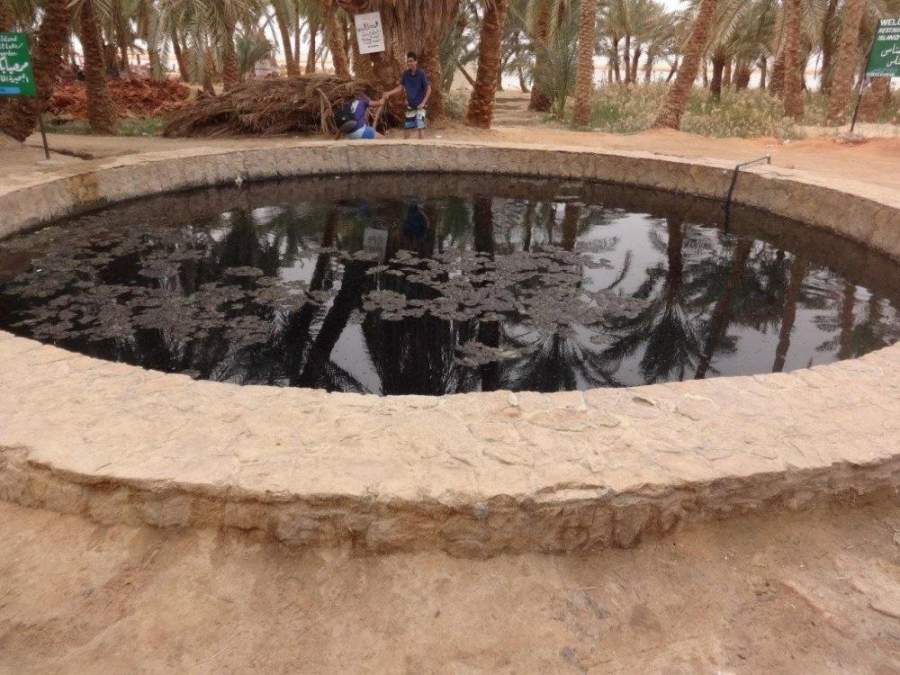
The Ministry states that the ancient city contained six deep water wells that served the inhabitants with drinking water.

In a desert environment, this was not a minor feature.

Water determined where communities could survive.

The wells were therefore essential elements of Shali's urban infrastructure.

When you walk through the old city today, these wells help reveal another side of the settlement's history.

The impressive walls may attract the eye, but the wells tell us about the practical systems that made everyday life possible.

A City Designed for Oasis Life

Shali's architecture makes much more sense when viewed alongside Siwa's environment.
https://images.openai.com/static-rsc-4/zO_jzDVv4hyEwP8jH_3Wc8siIJF0Rw1q38U-d7A43TRdfi5-X8CDjqX3AyHRv_AOnAfVz2AXzs1As4fuQMu6tKh3y8D5TLcx0tMPb2_PdY_X7POI3_mOlZfftEODblHPDebyFC4GoQYmCI4evUTEA9p0rkOdsilBAAnT2xTgZ4qdJPep0ZfRfCtjPkh33K3-?purpose=fullsize
https://images.openai.com/static-rsc-4/L0LuPANw_QhxtjpDY3kXQK9VRrUVfeTqW9ryGkyAgTlKa8aDv-hbP1Go8cNCVCS2VFgSZdgg1SCMFA0WmrAaADzLYRwb4iZ3KMIAjVbu4KFfdaxgShQcZjyB1dY4i6Pcqw3_uZ_9lsNfl1CxBNhyCUX1XkyLstYO8SxAJkCO5FaRSC_A55eyh_-isaLNQ5B5?purpose=fullsize
https://images.openai.com/static-rsc-4/AwuGFDmIR0DydJF7lm_zyvm20GQifMHYVORSsFf1j1yYjZz_Rovt-SD35G9F_OqSF7BNMXBHrFH5fqzB1Xk2e7drg8sbQA3vizjuvSHq8v1bCiwfwTsK9trWbG7qFhJTQOLHPe2GFY2lCoaUDsnGRMpNSQFZ7xkiP6Q86s8x1GRlwM6xr6MGwtx3U1cqxyuU?purpose=fullsize

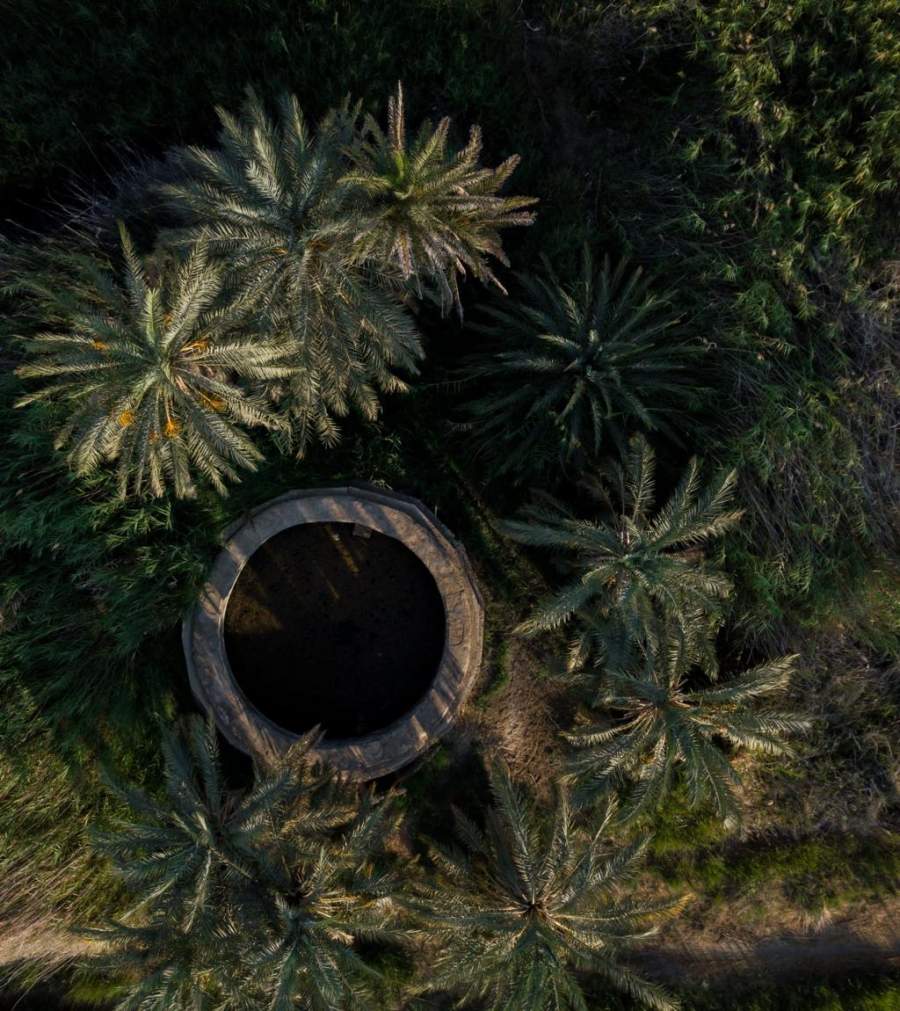
Siwa is surrounded by desert but contains abundant palms, olive groves, springs, and salt lakes.

Experience Egypt describes the oasis as a landscape where fertile ground and water create dense green areas surrounded by the Western Desert.

Shali was built within this environment rather than apart from it.

The settlement's elevated position provided views across the oasis.

The thick walls created a protected urban environment.

The kershef construction used local materials.

And the wells provided essential water.

The entire city can therefore be understood as an architectural response to its surroundings.

The View from Shali

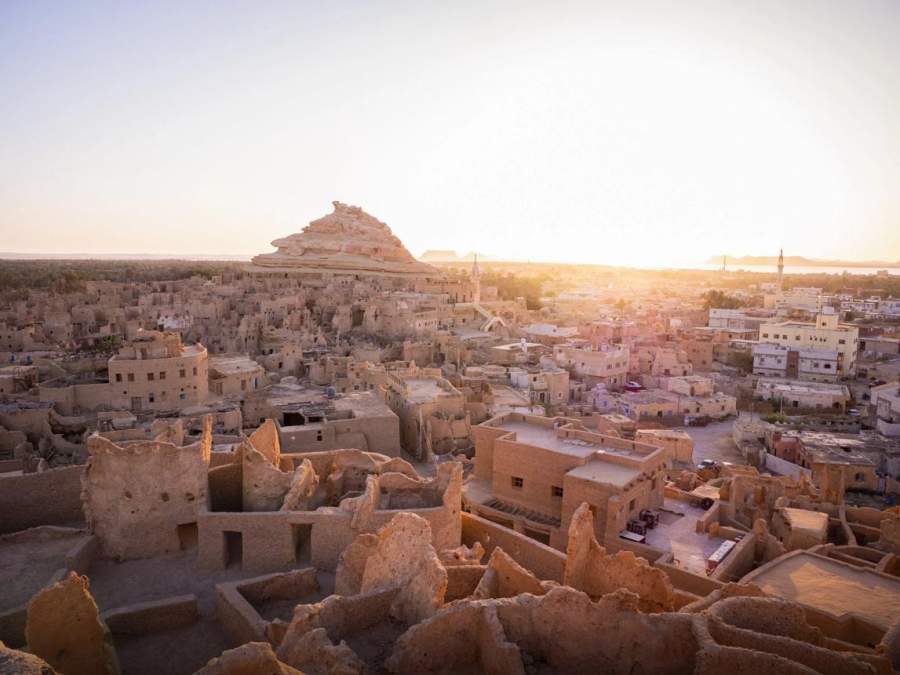
One of the most memorable experiences is reaching a high point inside the old town.
https://images.openai.com/static-rsc-4/qBZqu7K-b4CwkW3ytf820rNX_Q1FcJZehdtqJXCqsa5UMf1tO31draWeJ7DgQXjtq9sgu0vuVG5du-VUnXT4HrwJBjb_crAW7YIsikv8X-xMlsXjX3xwd-ptYDOJJUZABjCAMWneX3CNw7I3qThvJcJYIZ1qeguMvTvXBvbemiaqrnonSq-fxgmxFAd097yI?purpose=fullsize
https://images.openai.com/static-rsc-4/iW9oLVXI3VDNo-DQF0Adtt30r-4cPVIIhHMlkdWFimfQ9UolQvPYNSoqrnCTwyk5AozenUghS3LjvD7Bv204mqwaWaAjPGMicyEiUYcAJtMxcCGHBb4kj67C3wIA8jXizPqWgaGfJNdOwgl5Te6x6yJ1VPHzjD5ZOUJoAKTq1dJiFl-p7zmzDOK5eFtHdPGB?purpose=fullsize
https://images.openai.com/static-rsc-4/AwuGFDmIR0DydJF7lm_zyvm20GQifMHYVORSsFf1j1yYjZz_Rovt-SD35G9F_OqSF7BNMXBHrFH5fqzB1Xk2e7drg8sbQA3vizjuvSHq8v1bCiwfwTsK9trWbG7qFhJTQOLHPe2GFY2lCoaUDsnGRMpNSQFZ7xkiP6Q86s8x1GRlwM6xr6MGwtx3U1cqxyuU?purpose=fullsize

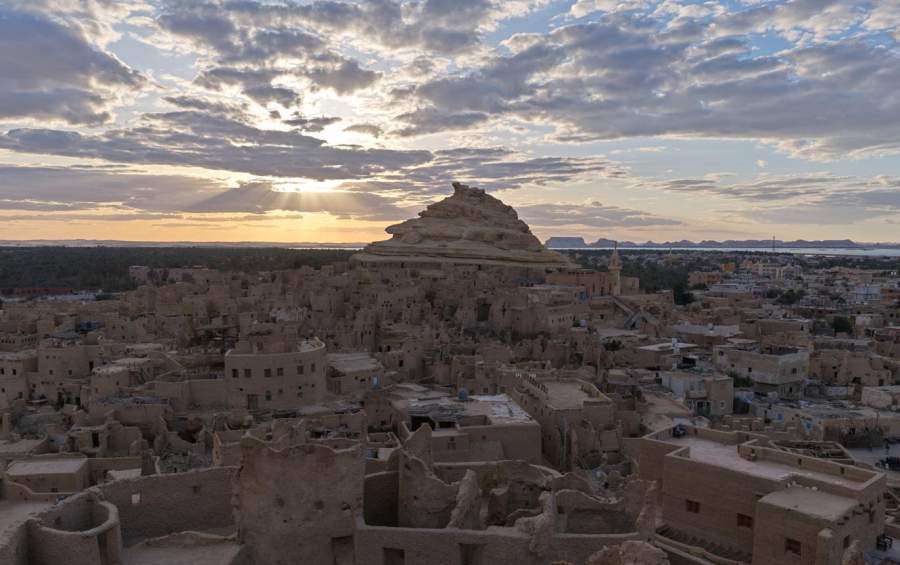
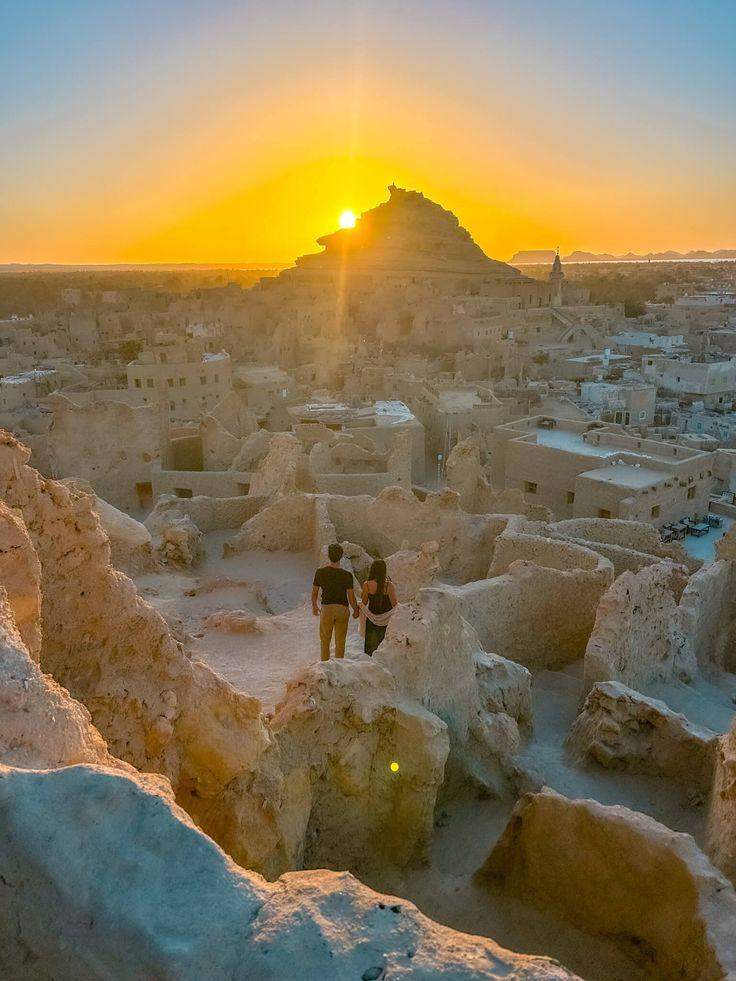
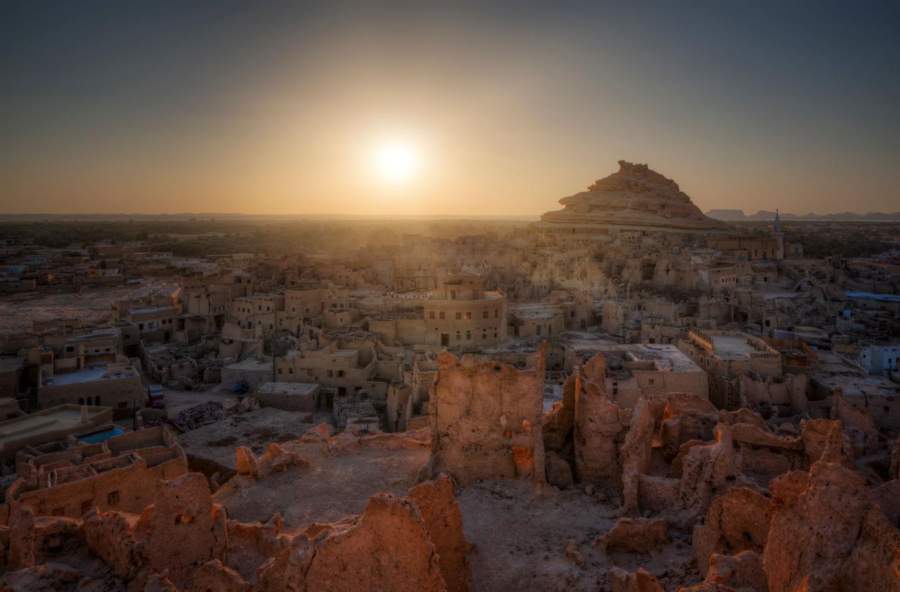
From above, the relationship between the old city and the oasis becomes immediately visible.

Below the ancient walls are dense palm groves.

Beyond them are lakes and cultivated areas.

And beyond the greenery lies the desert.

Experience Egypt's official tourism material describes the historic Shali settlement as the former fortress-like heart of the oasis and highlights the view from its highest point across the clay houses and lakes.

This is one of the best places to appreciate the scale of Siwa.

Shali is not an isolated ruin.

It is part of a living oasis.

Shali and Siwan Culture

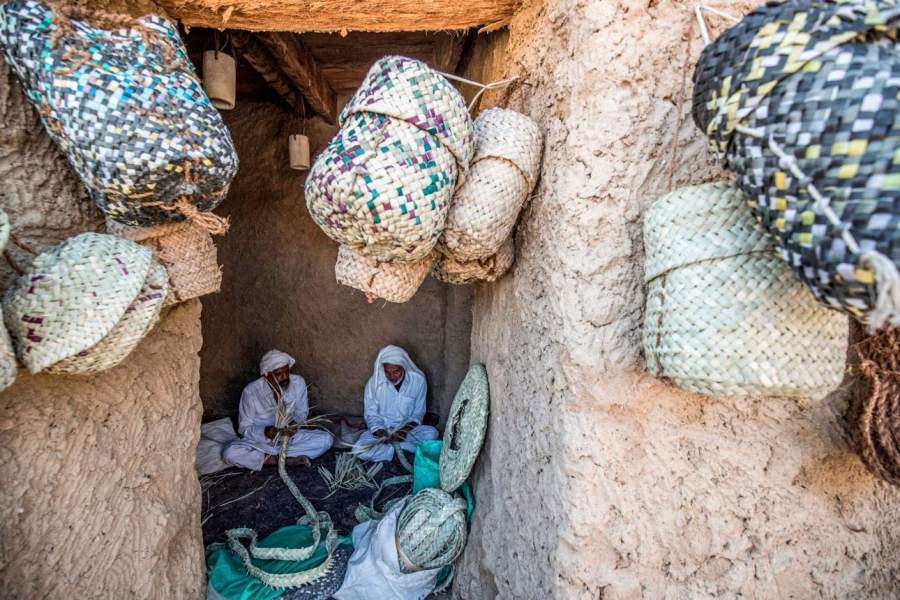
The old town also provides a gateway into the distinctive culture of the Siwan community.
https://images.openai.com/static-rsc-4/kM50eVX_VG3GMJVwxFcUw7A6_u4WH-fF5_CbLEuU1tJmuY3a2Igk_GNyLJOyOkj4KHXEf_lNcNJFEuseUcG3AhvvELp1XIj9xS-zLk1ZJ_htDQIHb6F-LLADHYTqe-HhpECwuAbAVpsThGLywHDB649XzKZPsmYHLB_oTg4eP2uSEH7Coq5kRBp9gpxAt6Tw?purpose=fullsize
https://images.openai.com/static-rsc-4/aW6dgMvSmRH-rMFmb5G2apNfQC_b4RuN1Qo60n34weGl44IugCSO41Gm_KZ7yDEJQMTxqRnJUt7PwrHviaQyUKveNb4KP-wRMyEys2utuLS9w7h_lyQgb5IyFa0ncGqeMK569TguOREvOb9LFHDsQy_iMi4VB-ckT8LqhAOEuHTkyfICwWUAp_W4un2Jqm86?purpose=fullsize
https://images.openai.com/static-rsc-4/aIiToGLCBw2rFMDdJqRjUaimf3X5fGDuqhYPqRWcralEe7sOGZhpKnLCs9jWcAQzUBD5w_gwsobS9sKSyKOdisHMjB8WUuvsZNT2ej8cG6dGFox51p8zdLFENUXx4sIiPmazy8G5IClhG0cFmHLsrANVSg8w9bSDr77NYwcCkap_pDC7XWK_8VNwW-pfVZTX?purpose=fullsize

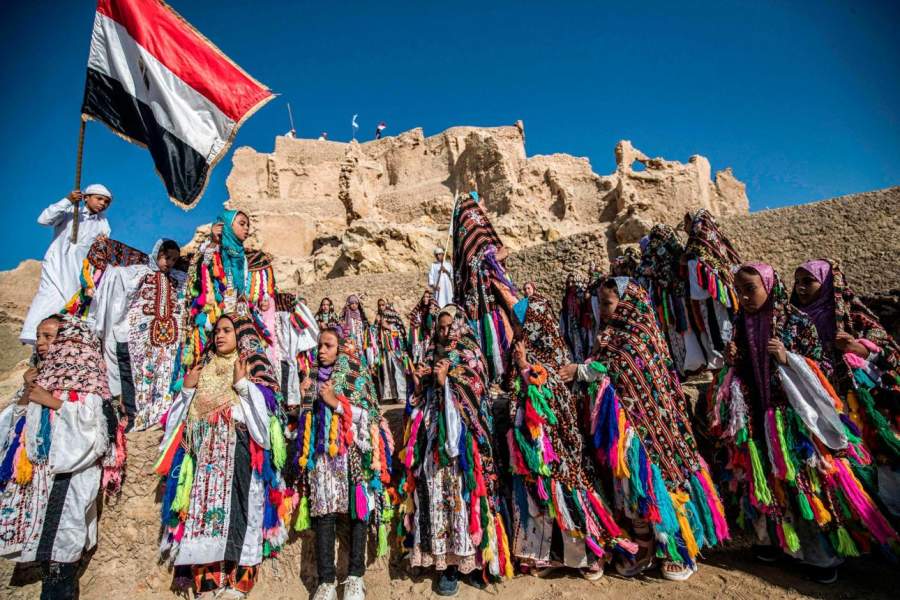
Experience Egypt describes Siwan culture as having a strong Amazigh heritage, preserved through local customs, language, storytelling, and traditions.

That cultural heritage is closely connected to the old architecture.

The houses, mosques, streets, crafts, and traditional materials are all part of a larger story about how people adapted to life in the oasis.

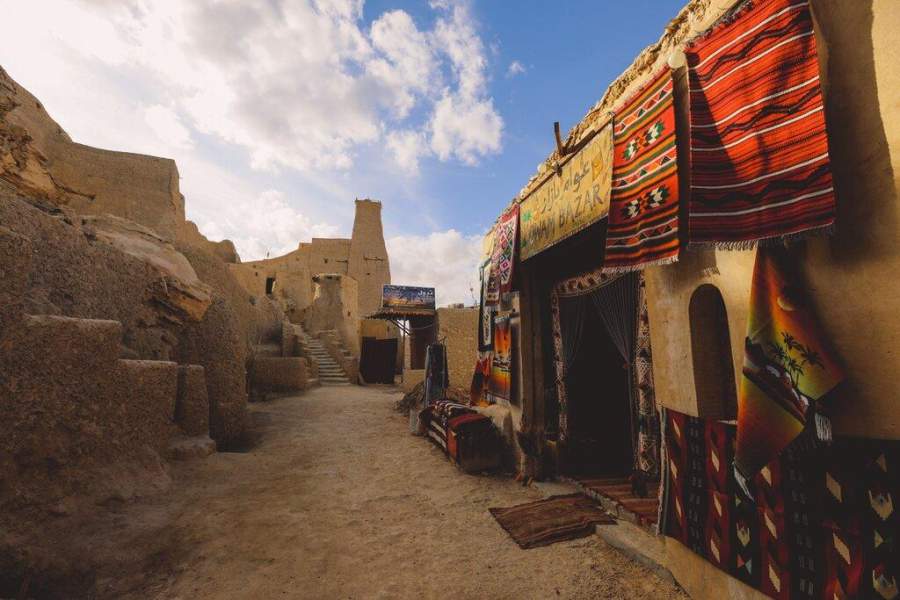
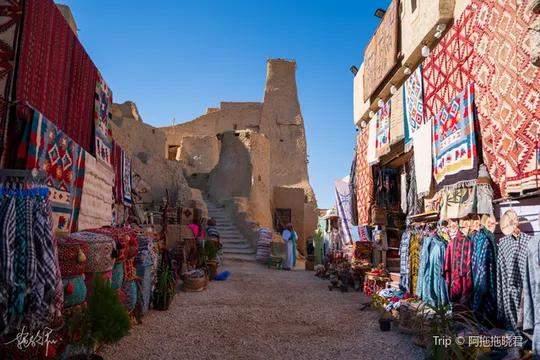
During the restoration of Shali, the Ministry also highlighted the importance of encouraging traditional crafts produced by local Siwan residents.

This makes the old town more than an archaeological attraction.

It is a place where heritage remains connected to local community life.

The Restoration of Shali

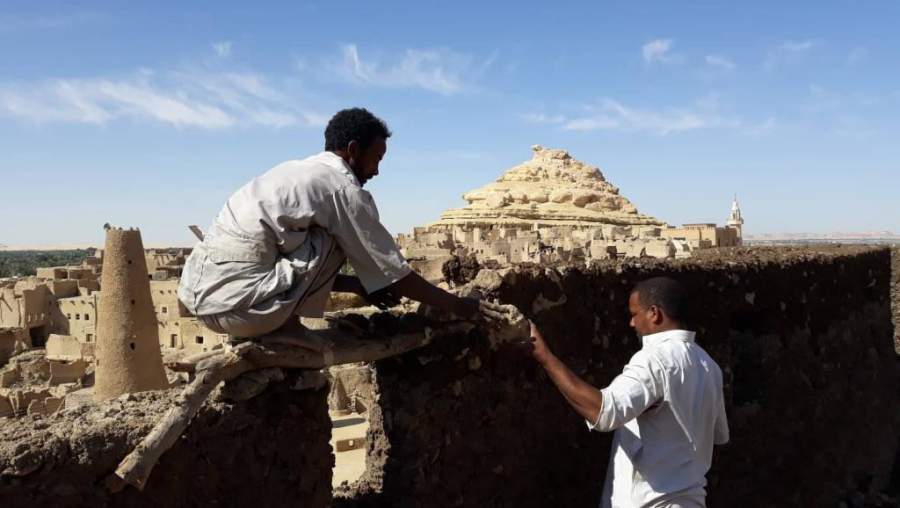
The Shali visitors see today is partly the result of a major restoration and revitalization effort.
https://images.openai.com/static-rsc-4/fMHGIJiloNWTWxPDpmS1omWLWmCFQ4h9K29J5hYPg1OjwNv-oGi7ZsarR7bEY06aB7u5jPFFuOQMmgHoA9F6y72VoAMRELTmHfYHGHklIhtA_6O6XjSHBjSy9vfv_zeV0eliyYpr7aTrIneOtev8fU_PW_KGVq0wdrVwAfU2mpIhS2yxuzWORoBHNK66oPhr?purpose=fullsize
https://images.openai.com/static-rsc-4/OT9Cd-3046eNE88pxasssq2yLlk7I-W6k0GRg25rPRHulImyTp0_FqjLtzFIQNDKGzNnLphW0p4VQiQY6qWEdQwq9x8o2bhGGpQr_fbHRAdoi-kwAK_QekCYfHKOe8OAZfyBttGPdIkcS09s7BFRx6eyuMkr5vbVEboNfdF_ERaOodo11YN0Yn4_3lRSOej-?purpose=fullsize
https://images.openai.com/static-rsc-4/TaD7LdkYQpkpaKtOtZw0-_ZIBbBLXb27zJdutw7Ggsh0Q744Ukrf1Rgq_ZFnLf2kBSE_vRWKzSY-80vMp4UDBPGqioJsyb17NrdxeelSfWd9Otph9hT-JkZnaTy6D7729Lxc_dneju0Y4eAcObplJrS8qtmRwpr68xSotMtNTRnzMCgQ2PcShoSxzDACdXaq?purpose=fullsize

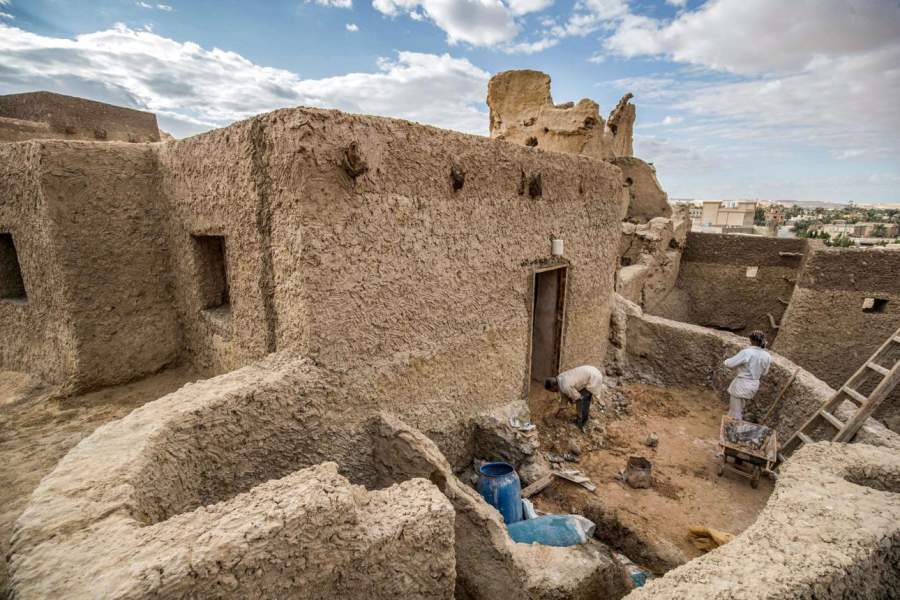
The Egyptian Ministry of Tourism and Antiquities reports that the project included restoration of the fortress walls, stabilization of damaged sections, reopening of old streets and passages, and restoration using materials consistent with the original construction.

The Ministry reported that approximately 95% of the wall surrounding the fortress was restored as part of the project.

The restoration was intended not simply to preserve isolated walls, but to make it possible for visitors to move through the historic settlement and understand its architecture.

That approach is important.

Shali's value lies in the relationship between its buildings.

A single restored wall tells only part of the story.

Walking through its passages provides a much better sense of how the old city functioned.

More Than an Archaeological Site

Shali is unusual because it sits at the intersection of archaeology, architecture, and living culture.
https://images.openai.com/static-rsc-4/KFV0yl24EagAMMvJPwo2iaVtNFhSg3Ior9e_kiEDdIDxsf__UcWseSVrDM9l1czkyfJ9DGBZLeVA_mj2bAJE8sGAvOL1M2JS9f2ge7jGb5OhVVqJ1fy-gtzmFqoHsWY1qyMSozXEgcsCNsptCyY6g1rKcyNUoJzHPLOHkkLcJn3uTBG7emnuZ1nDLhJjbLQn?purpose=fullsize
https://images.openai.com/static-rsc-4/EPMKCxa1QNXE0SKIY3r6kovr6R_KVjWlyfA_BK0xGTGzzn9LyjRJcOqnVhBzxiY1nX1vve7zw4V9FfLGoNytCnZ7s-mDu2yXnTap41StbZhWR-prg_-NwTc7i5upiVuUyZWdFwmGco7frPfqmrcWyM4sVV1j26Ypi_5XGMq2O4u0HZvRL2NZh5SFqsPZElXB?purpose=fullsize
https://images.openai.com/static-rsc-4/Nd6T6HCzO0guTfSVXhJVaJMw_GjaZRW3YcwrZDIdjWVMEMclMJEDRGotnSnkaQWTVRgM50XsQupj3DyInmGHDzE38NEKtjgf2jbqWrCdBO70D1Hz_fWNwQ4BBT03GaDy5dzRjIcQLOENlTKeWT2Tuv5boddtrWqkXsgWg_6LhqZ2Xc-T_7bOARaCO-HQP5vZ?purpose=fullsize

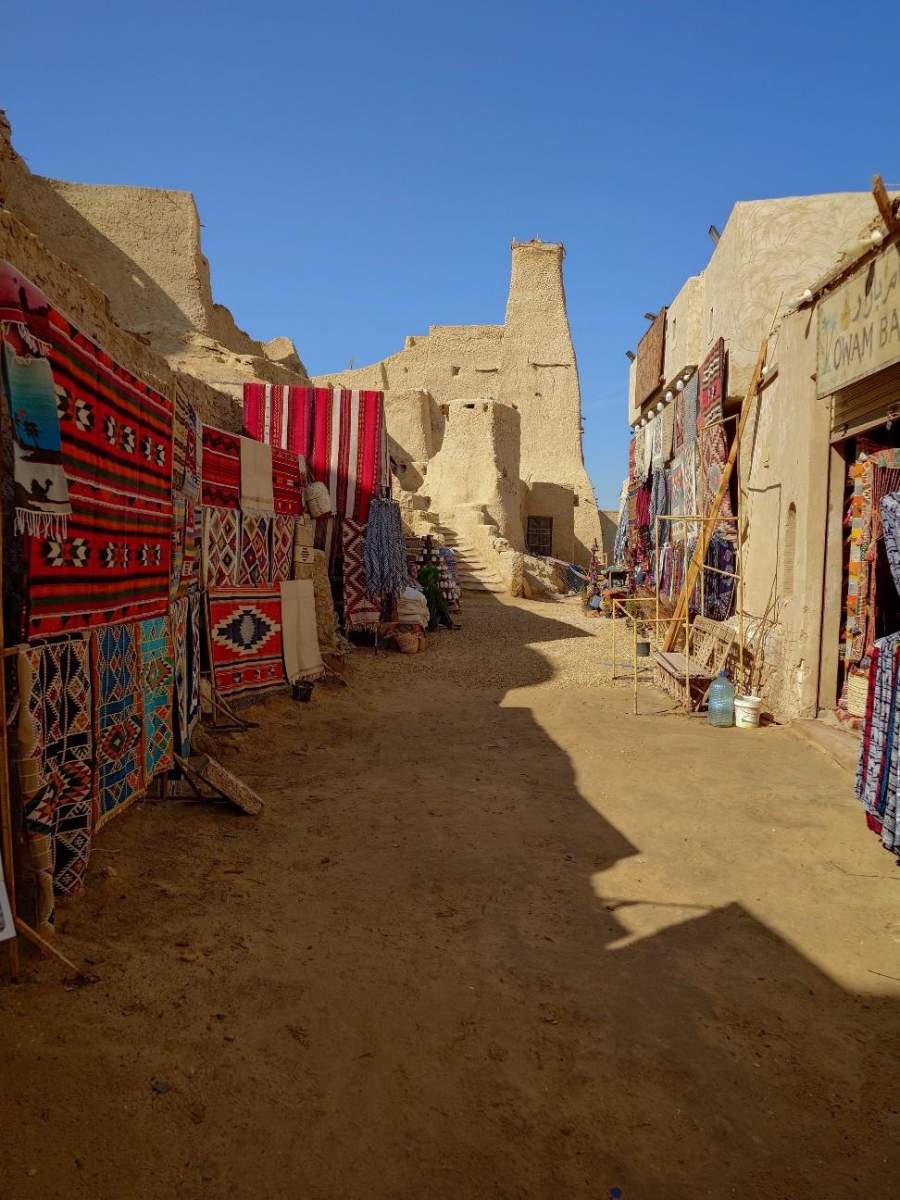
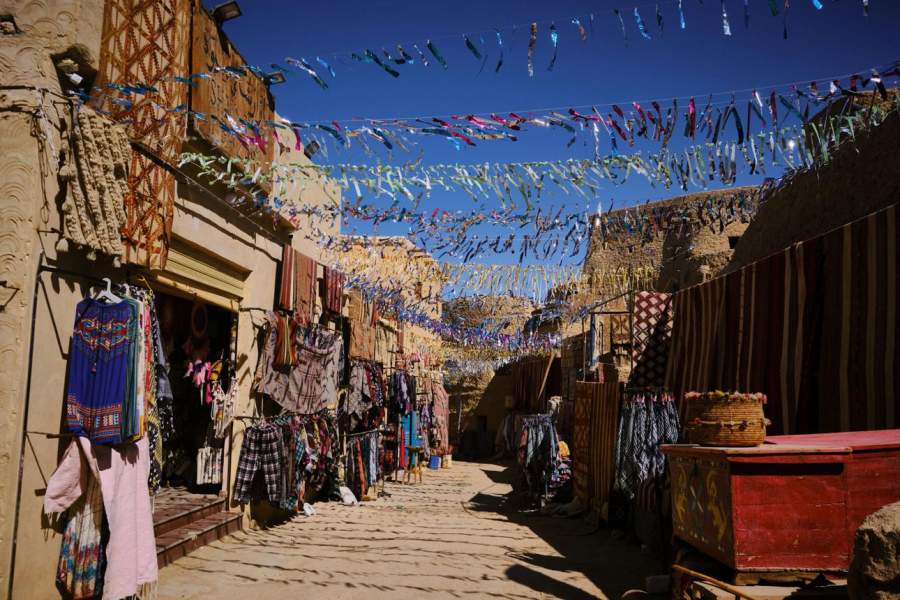
The restoration project incorporated spaces for traditional products and crafts, connecting heritage preservation with local economic activity. The Ministry specifically noted the role of traditional crafts produced by the people of Siwa during the revitalization project.

This is particularly relevant in Siwa, where cultural heritage remains part of the identity of the local community.

Visitors can therefore experience more than ancient walls.

They can encounter crafts, food, architecture, local stories, and traditions that continue beyond the archaeological site.

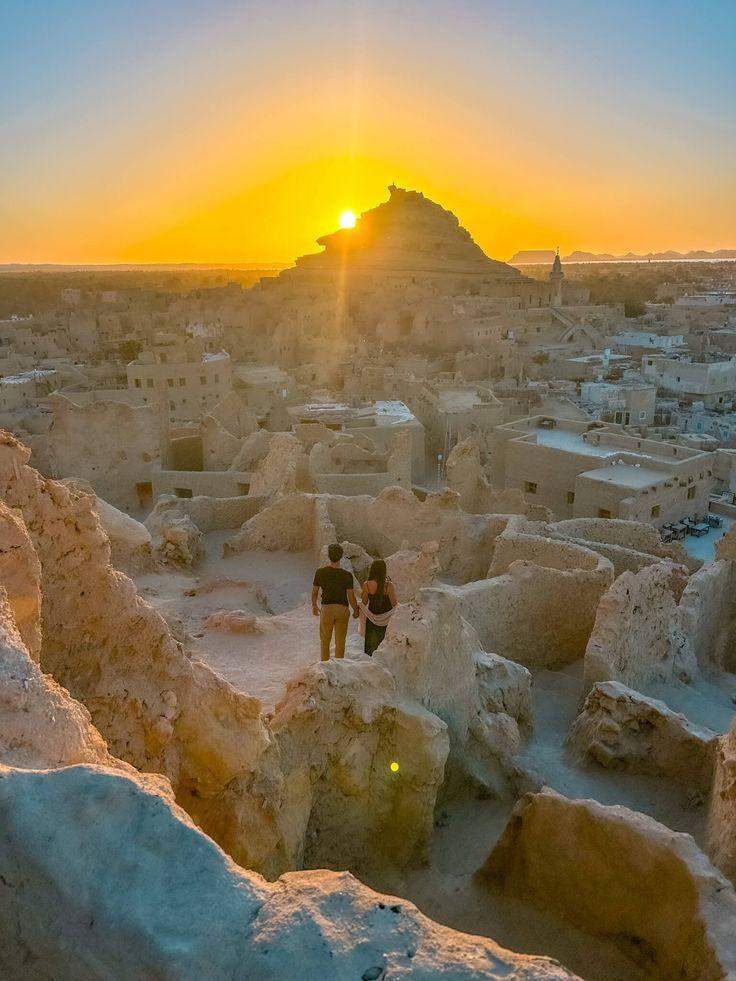
Shali at Sunset

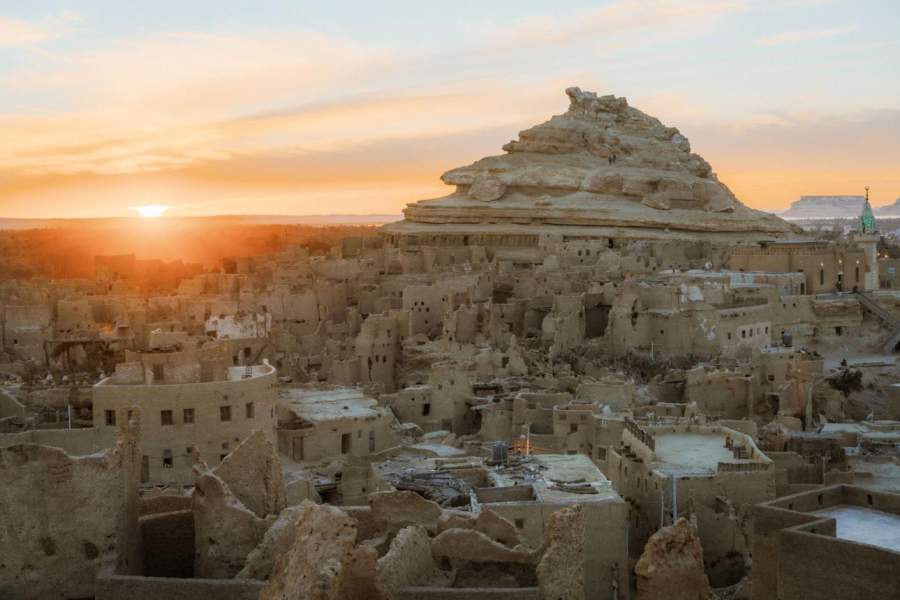
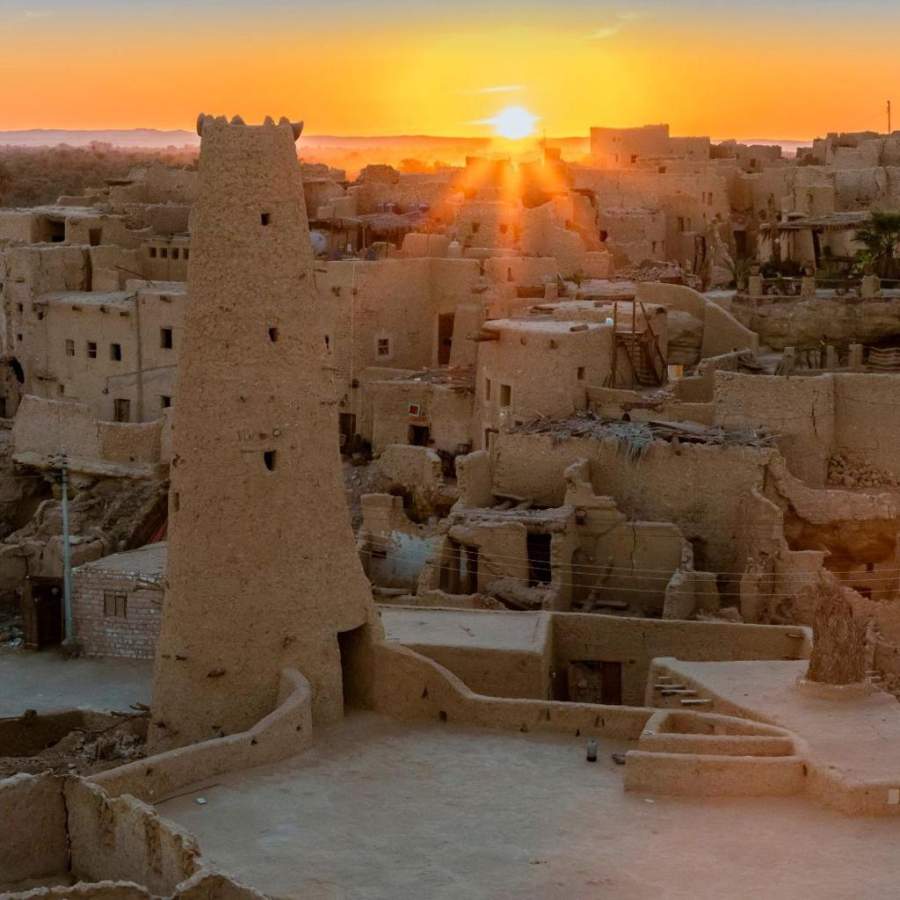
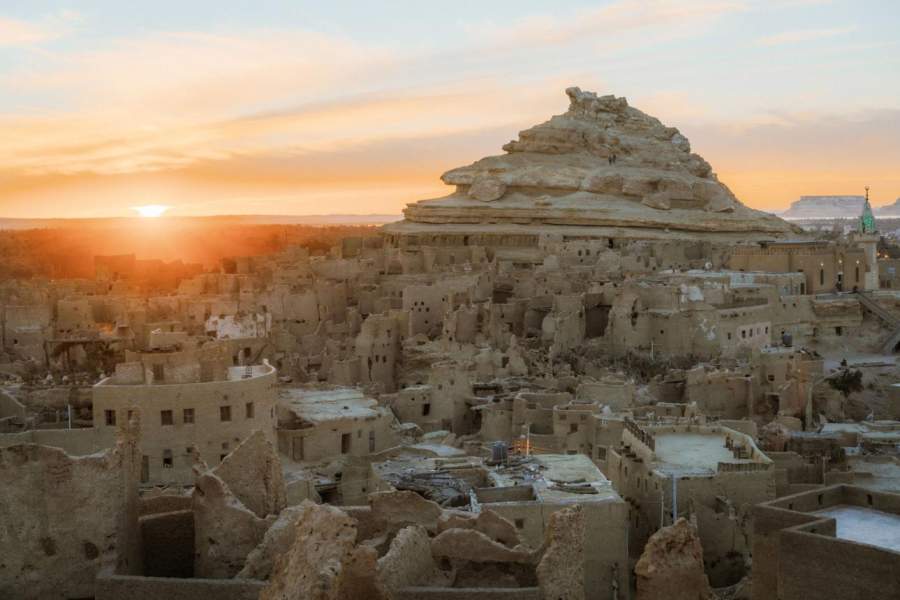
If there is one moment when the character of the old town becomes especially dramatic, it is sunset.
https://images.openai.com/static-rsc-4/f2vdhHqS39sbdq87Mi-wVfiOF0yRiCNLXcoMvz__P8o4HUsIYTz-REzMCJ7_rSNUAnnLTN0ABRLzEwnxaojRgDt1fk29cnSIthBZwlYlR0RtjjskS5Eg6iqugGa2I9Wmu-Jv9KrGphmiJVe0Bf0GsILnldCsNyMbFfAoxaRZLF5WNrw2WblzaI-yJc5yGOZs?purpose=fullsize
https://images.openai.com/static-rsc-4/L0LuPANw_QhxtjpDY3kXQK9VRrUVfeTqW9ryGkyAgTlKa8aDv-hbP1Go8cNCVCS2VFgSZdgg1SCMFA0WmrAaADzLYRwb4iZ3KMIAjVbu4KFfdaxgShQcZjyB1dY4i6Pcqw3_uZ_9lsNfl1CxBNhyCUX1XkyLstYO8SxAJkCO5FaRSC_A55eyh_-isaLNQ5B5?purpose=fullsize
https://images.openai.com/static-rsc-4/fwHBf4qdPjYT3ITteBQq2RTIq4HWJi7-T8PhEuoJxnuboVHR4ePJ4yzNlaTla8_AVuRe8Q--Nrfpr_V4SmQDjXI5u3dRYrU3exL8On9hkI3QINpORmXmoFun994GRlWZ6BVv5J6V_mmJCCHLlPSKUGBD5kW5IEMrDZDyp9OFwS8LRYje5hVYXX0HkasARYPF?purpose=fullsize

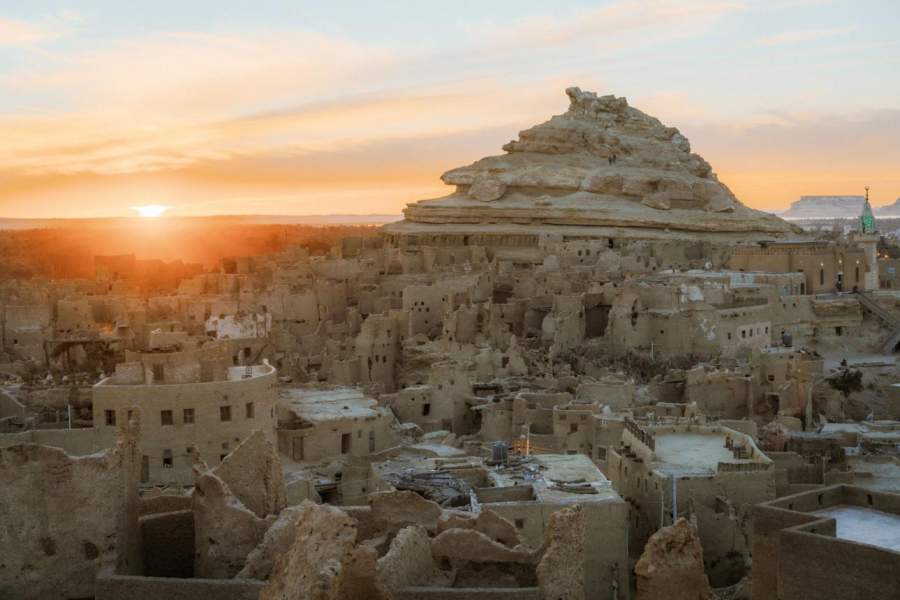
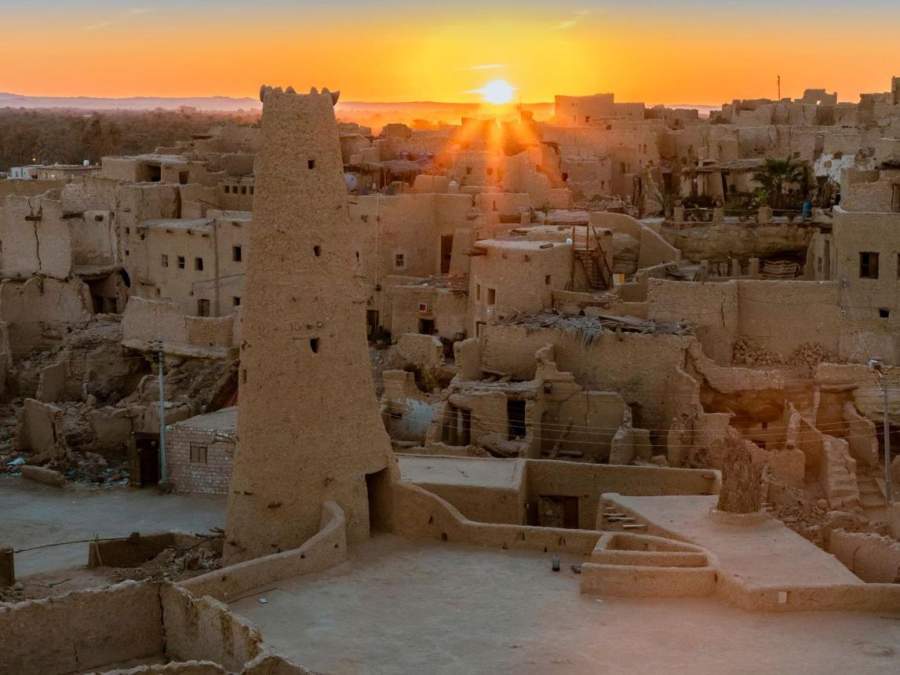
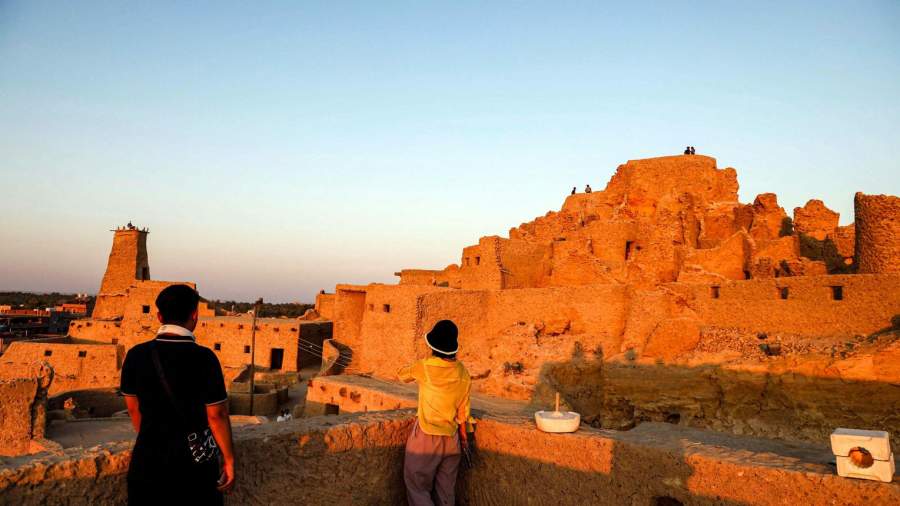
The earthy walls become golden.

The palm groves darken into silhouettes.

The desert horizon takes on warmer colors.

And the old city appears to glow against the surrounding oasis.

Experience Egypt highlights Siwa's multicolored sunsets as one of the destination's memorable natural experiences.

From a high point in Shali, the combination can be spectacular.

Ancient walls in the foreground.

Palm trees below.

The distant desert beyond.

And the setting sun completing the scene.

Shali and the Rest of Siwa

The Old Town is only one part of the Siwa experience.
https://images.openai.com/static-rsc-4/-U87ElnaKw0kHioFIZcxSs-4O07omlAPvwyxduwWTWFzL2pF7MjG-risdhcC8mvBTs2XpEhwZthkjViorlxgzxLMMsF0zXSFyStbqXJOCVg6nhI8Vdde-9F7HoxdabpRwQUdqbDLIgfTvEXw8rgazAtGaBcvTGeq5GwgIRE397Ag7K6ORaSBDJnxwdA-8YcI?purpose=fullsize
https://images.openai.com/static-rsc-4/PrHtvIgpcu6Du7os8Vt6vxgtET7Befh_Z53zqq0gbhSwgwuzDHG9RZVoJ1Ibl1d9V_1zt4M6Oy-SB_OUfAkM5vzDqe7NfDDMjyGGDZsqpSX_gG-QSfFMzC4ckohK4LFfvcpzdeWnQCj95BtAs_AhbZeKqQt4AyDDK2Xg9hWDqwqTm36L6ngzwdLAyvWyTCma?purpose=fullsize
https://images.openai.com/static-rsc-4/fz3TXTbFOjUxd_hSlAwwscIwqI6GKF25Slxy6UxSKDfjtpzMEhwNRtl0wHHHt-G4UjubizUuQPyqEZOOSdioS_JhJoQk4jK2eGaWkNqGFWzdmgts5_tGKy4hRmC-BUs_NyFLp8FhriwJOTXE7koA00txRuTcyIE3VS60434-0je-Jx7f616yno6F2JdSunbg?purpose=fullsize

A visit to Shali can easily be combined with other attractions around the oasis, including:

  • The Temple of the Oracle of Amun
  • Mountain of the Dead
  • Cleopatra's Bath
  • Salt lakes
  • Fatnas Island
  • The Great Sand Sea
  • Bir Wahed
  • Traditional Siwan markets and crafts

Experience Egypt identifies archaeological sites, hot springs, salt lakes, palm groves, and the Great Sand Sea among Siwa's major attractions.

This variety makes Shali particularly useful as part of a broader Siwa itinerary.

You can spend the morning exploring history, the afternoon around the water, and the evening watching the sunset from the old town.

Visiting the Old Town of Shali

The Egyptian Ministry of Tourism and Antiquities states that restoration has made the historic village suitable for visitors and allows them to explore its ruins and understand its historical value.
https://images.openai.com/static-rsc-4/iNJDZECcL3Lg5shnjSu9J0ku_dmbJB6j57VRcV8CX0vxiakKDTJsm-0Hh8XaCKtpQXs9XXs8Q5ZG1-0MUZZUo-rmMxUmjnzD7XXMZv-IKFDvudqO9ig4b5NpnSB8PkqBpd5vFiIZa0_WSkbVtQEqfo_XXgeJ1UBzfq9guG7dKQiCXB0JX6ADKHzLxfJu0Kzr?purpose=fullsize
https://images.openai.com/static-rsc-4/IRpKCwgjVkJ-Mir6zahQKlfex8qTIw-mMGqJTZvfksKmoWp5cBHS0GK_IN9c1vllx6B89xiIyj9kxnm23Z-KSjeTKCycnEz400WZ3GdV4aY9Te9GRGvQbvdT4N7IAIVVMxzi0u5nl56TKIIpJuRVYjjdK576cnNKM1-dYBTCsnqG_q9pbycAEqYDnuVFJgE2?purpose=fullsize
https://images.openai.com/static-rsc-4/5mjCQxWkdX01lBIWJWx8uZfbtznbPxY8_71VAwrlE46GRCi2CE4LBLgfUB-j5VZ4NKEIvOXe3JeH-Tx3yd9aIrkXrWMV0Tbxc6q9jLSEWnwJscMOsF7ktC-nDvjRROxO5STTjV6W03FuhiZ6tWYttdLxxEmM-uG1V5nBYg9AetVDTaJKLQgKkbY8XtQePham?purpose=fullsize

Because Shali is an outdoor historic environment with uneven surfaces and narrow passages, comfortable footwear is useful.

A visit is also more rewarding when you take your time.

Don't simply climb to the highest point for a photograph.

Look at the construction material.

Notice the thickness of the walls.

Follow the old passages.

Look for the remaining architectural details.

And think about how an entire community once lived inside this compact fortified settlement.

Respecting Shali's Heritage

Shali's fragile architecture requires care.
https://images.openai.com/static-rsc-4/kBkA_5ali3Xhl9nXzswB0yKtIX7lh2FMWb7Gv5rx2cbDLB3r2fcre1kgWrPBiePs1jwQqqmJyd-x01TvWGJ5Dvq9mMcJvHFvVBpsmujfynS7ihkObGIZNOJCZ7UyNvUfj7hW110ZWtHNTZ7RL5bsuluxssQ0h70fVlHY4GCiPl236FEgV7kgV8Pfux3FgstI?purpose=fullsize
https://images.openai.com/static-rsc-4/IJ4apCplje9tItbdErx1ToN80qifiKNKTRHXASEUuiEO_-Ng1Ig_30T0zAL_ZTg_nzChBaq5DLV9FHWS_-nZRvsQoP3NKtWPI5NAfnMfnjIbBDyKy2-g5A6VySzo5GTdjQJRqdQWQreZUDNtdm0Lpp2syYRpe9PkY-TYoalcytzsAsoZGMf5PmOXFei1sZBR?purpose=fullsize
https://images.openai.com/static-rsc-4/zklqH39uS5fLAljcgJxdY0vCA2AzzWsOIaugjbR6fEgZomFSI_PIsBP4hwC3ltB9cqlnR_-t44KtW4K73JnHYD77oCpvmEg6GITYVMsN5xj8xBgnUFR0TAdaLglAAh4YpIVz17V9Lir7mRpfxrAEiJEjhUbPtK5R-2BeT1D5ToqAjAfes5CDZJsiI9O2QKTR?purpose=fullsize

The same kershef construction that gives Shali its distinctive appearance also means that the buildings require ongoing conservation.

Visitors should avoid climbing unstable walls, damaging surfaces, removing fragments, or disturbing protected structures.

The broader Siwa region also contains protected natural landscapes. Experience Egypt identifies the Siwa Protectorate as one of Egypt's major protected areas, covering approximately 7,800 square kilometers and including important natural and cultural resources.

Responsible tourism helps protect the relationship between the old city, the oasis environment, and the local community.

Why Shali Is So Different

Egypt has countless historic monuments.

But Shali feels different.
https://images.openai.com/static-rsc-4/7Jsw16XA0-gn_0F2lEG4g81gFMMPgM6YRGnh3oTWYO-PCbt1tAzbsB8O0BXM4xbk6kx8RLUD5a4VVwcJIx0Ms6Z5JsZ8ipnphmGc8SiaHbRxmq2WEiHKfYlZwf4amabKAi3j1TMJYR4r0K8Yb7bi28vZGMtOVHWXXqABd2yCRQdWMiu2UXbC6K9k62ITOSo9?purpose=fullsize
https://images.openai.com/static-rsc-4/B4vkNN7W8Lgm88D_VaAIozHpkZ2zMhpWYxSnt6uajIZzpOvdxq3WpSPqckaRDo0405B0wa2c0nWX5UL2H4ips_vD6-R1LdL3FeC0k6I3rMeyyr6nmUjB8qfBgK8dZbkNdHRi4gg7deRUN6pR-P07fLWKDqm1ptFdyhyfzm8EU2UB3fdC-B7cHKGgtfO5lEfI?purpose=fullsize
https://images.openai.com/static-rsc-4/kdJnCb_9XtpAt4bgd_qa_gMGKhYUKJVkKQpVTJddoRUdpD4FBYv4-8coQPGxP8aGJP8A9XLoFZ4vuSYjFnUPc6GKfC92pC6Pwd2fZQED5z3Wga3uM-lFmHPbFt5meD02Ph1Ie8h2MKCvnKKuhNBKj_PSpYsEpqytgx7TTtwD21iiVTesZCbuKjTTaQ2mZ-zB?purpose=fullsize

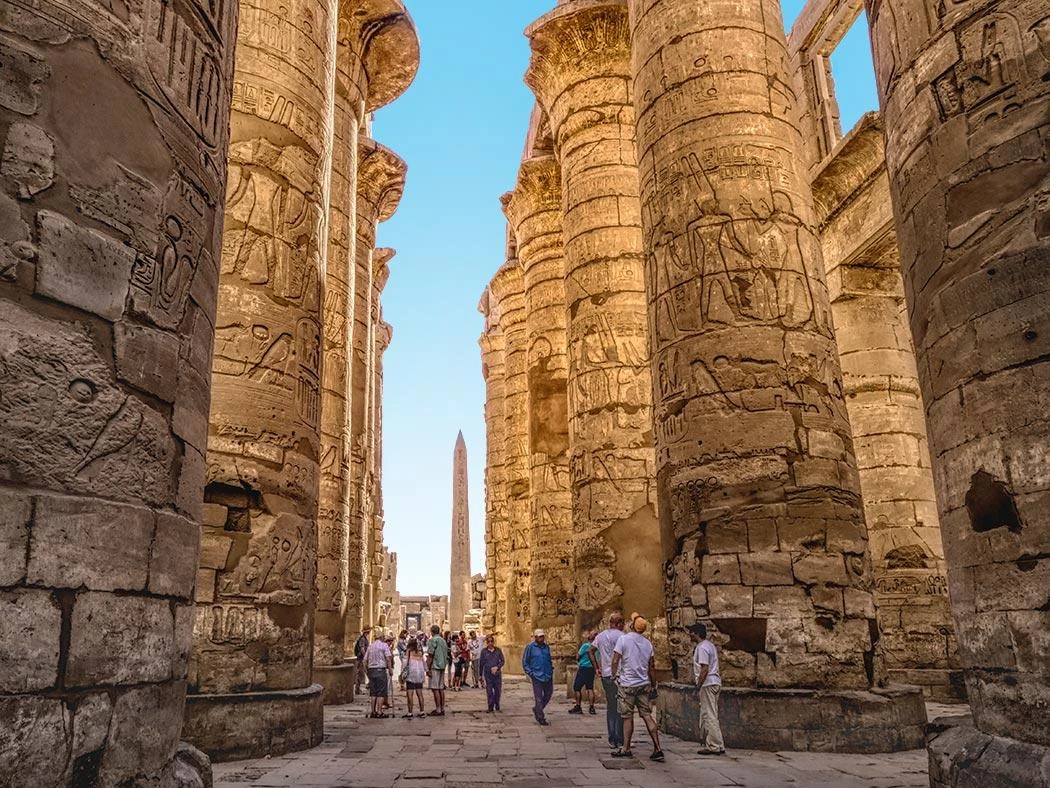
It was not built from monumental stone blocks.

It does not have giant columns covered in hieroglyphs.

It was not designed as a royal temple.

Instead, Shali was a community.

People lived there.

They prayed there.

They collected water there.

They walked through its passages.

They built homes from local materials.

They created a fortified city adapted to the particular conditions of an isolated oasis.

That is what makes Shali so compelling.

Its history is not only about rulers.

It is about ordinary people and the environment in which they built their lives.

Final Thoughts

The Old Town of Shali is the architectural soul of Siwa Oasis.

Built in the 12th century from salt-rich kershef, the fortified settlement grew into a compact city of homes, mosques, wells, passages, and defensive walls. Its architecture reflects the ingenuity of a community living in one of Egypt's most remote desert environments.

Today, restoration allows visitors to walk through its historic lanes and experience the remarkable relationship between architecture and landscape.

From the old city walls, the view stretches across palm groves and lakes toward the desert.

Inside the settlement, the Al-Ateeq and Tandi mosques reveal its religious heritage.

The six wells remind us how essential water was to life.

And the kershef walls preserve a building tradition that is deeply connected to Siwa itself.
https://images.openai.com/static-rsc-4/3SGj6dgEpGiouew_BpAQdgs2c7sOV3W6EVvScsqFqjrDJWs9Re-pYOyzfR9RB4uab8GVSFD9t_vkiF2ZGEwTCfwpZbKm1N3K2D0SE0wStFYw98t69n9gdZ6Ms3u-0qHgXuprNp8Yn7ucilaaJQFruyZsmpRgKlEvqkQu86MP3nWQ6V4adZmZ8Tlo8JIMWazu?purpose=fullsize
https://images.openai.com/static-rsc-4/7Jsw16XA0-gn_0F2lEG4g81gFMMPgM6YRGnh3oTWYO-PCbt1tAzbsB8O0BXM4xbk6kx8RLUD5a4VVwcJIx0Ms6Z5JsZ8ipnphmGc8SiaHbRxmq2WEiHKfYlZwf4amabKAi3j1TMJYR4r0K8Yb7bi28vZGMtOVHWXXqABd2yCRQdWMiu2UXbC6K9k62ITOSo9?purpose=fullsize
https://images.openai.com/static-rsc-4/Nd6T6HCzO0guTfSVXhJVaJMw_GjaZRW3YcwrZDIdjWVMEMclMJEDRGotnSnkaQWTVRgM50XsQupj3DyInmGHDzE38NEKtjgf2jbqWrCdBO70D1Hz_fWNwQ4BBT03GaDy5dzRjIcQLOENlTKeWT2Tuv5boddtrWqkXsgWg_6LhqZ2Xc-T_7bOARaCO-HQP5vZ?purpose=fullsize

Perhaps the most powerful thing about Shali is that it does not feel like history separated from the present.

It rises directly from a living oasis.

The palms are still there.

The desert is still there.

The community is still there.

And the restored ruins allow visitors to walk through the remains of a city that has watched over Siwa for more than eight centuries.

Shali is not simply a ruined fortress. It is the story of an oasis community written in clay, salt, sunlight, and stone.
Post a comment

Recent Posts
Your Gateway to Discovering Egypt

Your Gateway to Discovering

Magic Egypt  Tours

Magic Egypt Tours

The Ultimate Egypt Travel Guide for First-Time Visitors

The Ultimate Egypt Travel Gu

Egypt Weather Guide: Best Time to Visit Egypt, City by City

Egypt Weather Guide: Best Ti

7-Day Private Egypt Trip Itinerary

7-Day Private Egypt Trip Iti

Tags