Introduction: An Ancient Necropolis in the Desert
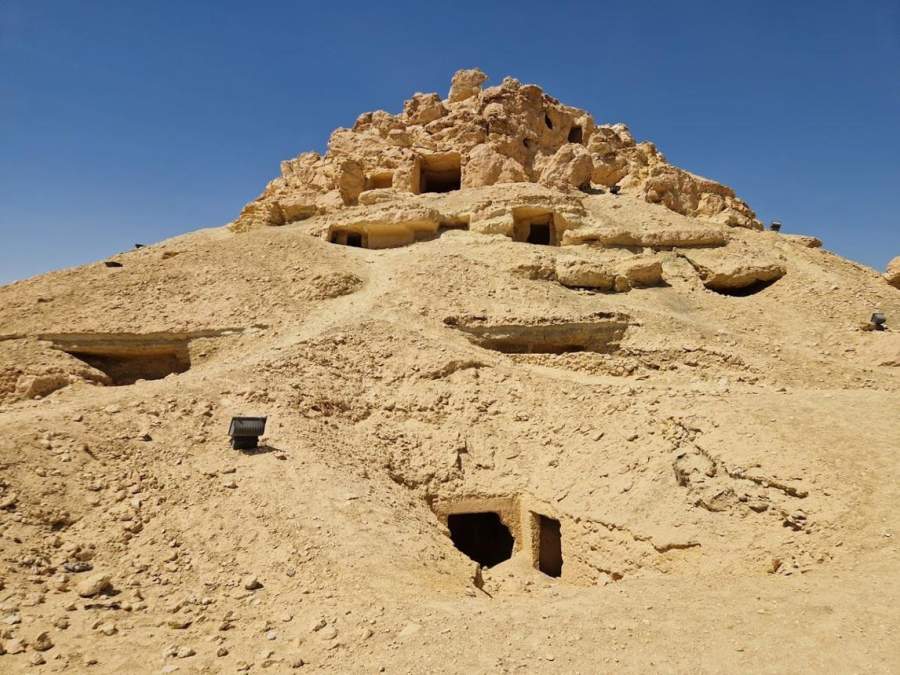
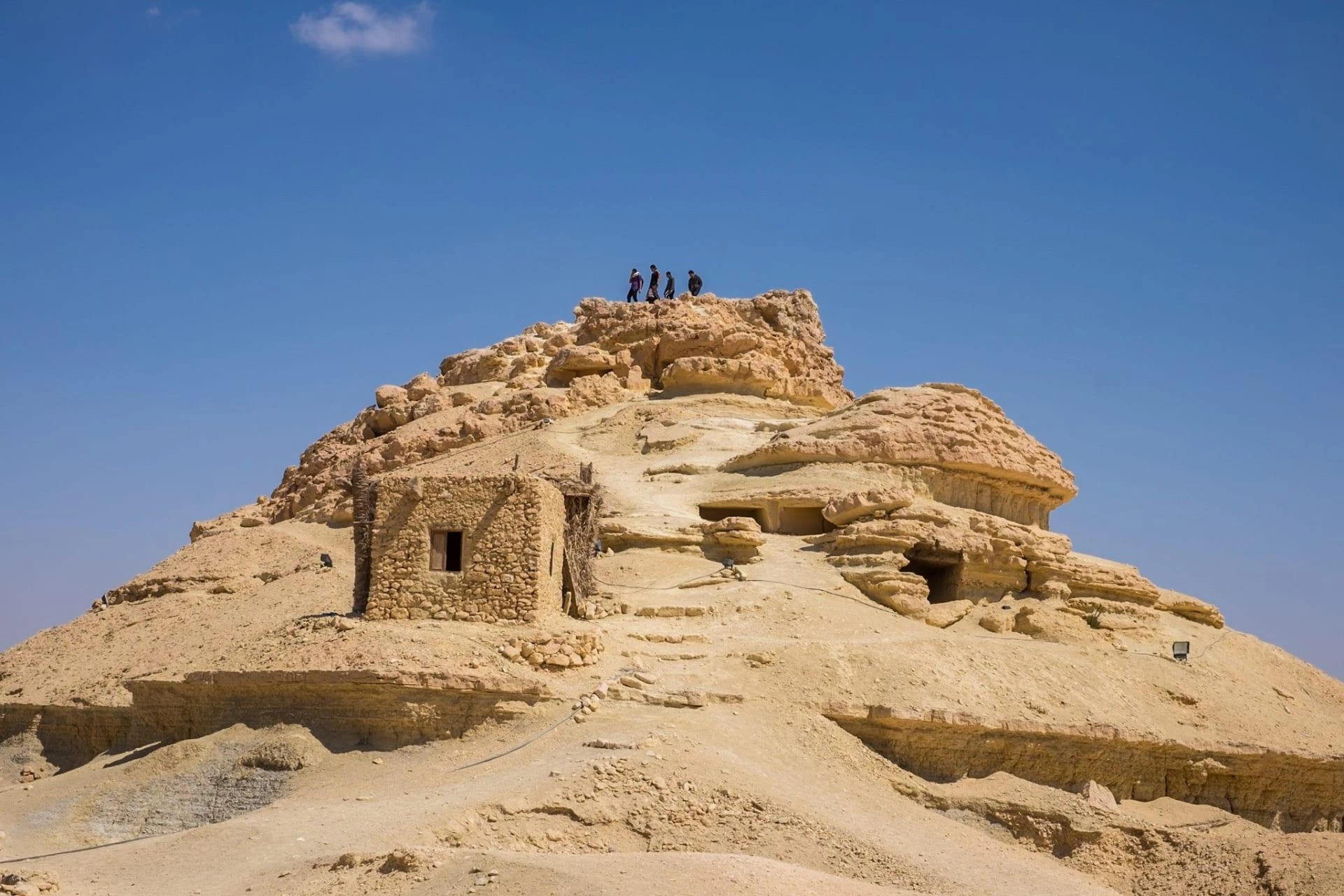
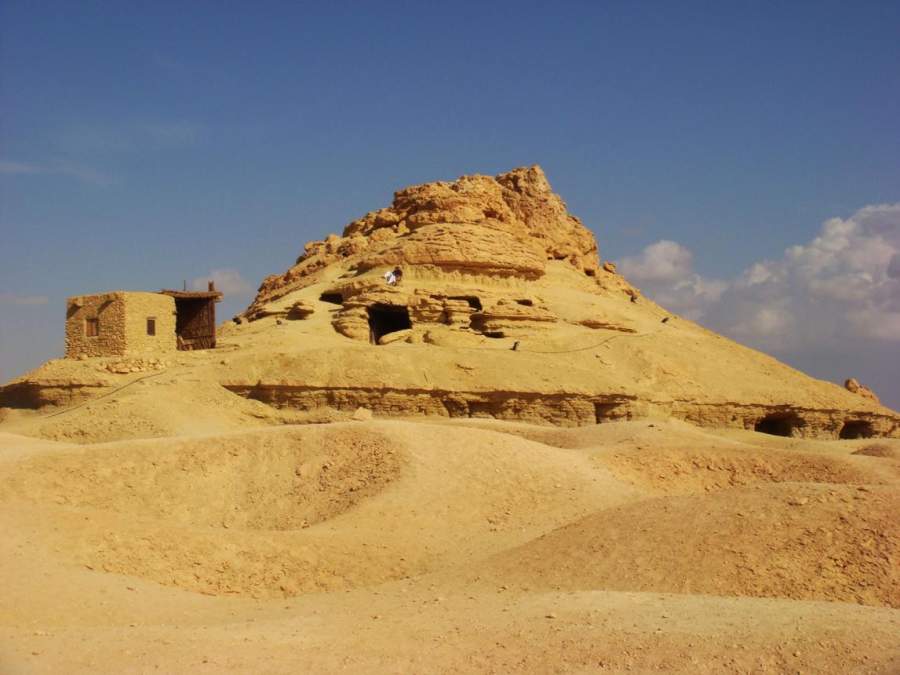
Rising above the landscape of Siwa Oasis in Egypt’s Western Desert, the Mountain of the Dead, known locally as Gebel al-Mawta, is one of the region’s most remarkable historical attractions.
This rocky hill contains numerous tombs carved into its slopes, forming an ancient necropolis that reflects the burial traditions of communities that lived in the oasis thousands of years ago.
The tombs date primarily to the Late Period of ancient Egypt and later periods, including the Ptolemaic and Roman eras. Their architectural features and surviving decorations reveal a fascinating mixture of Egyptian funerary beliefs and artistic influences from the wider Mediterranean world.
For travelers visiting Siwa, the Mountain of the Dead offers an opportunity to explore an important archaeological site while enjoying panoramic views of the surrounding oasis.
The History of Gebel al-Mawta
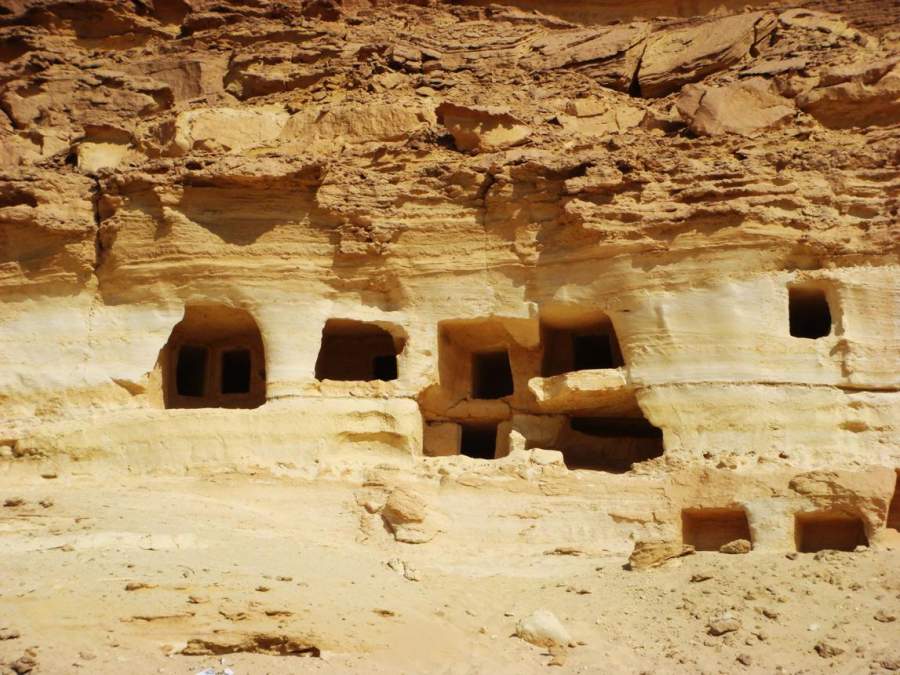
The Mountain of the Dead served as a burial ground for people associated with Siwa Oasis over several historical periods. Its tombs demonstrate how local communities adapted traditional Egyptian burial practices to the natural landscape of the Western Desert.
Rather than constructing enormous pyramids or freestanding monumental tombs, people carved burial chambers directly into the rocky hillside. This approach created a network of chambers and corridors designed to accommodate the dead and, in some cases, preserve painted decorations associated with the afterlife.
The site is particularly important because it reflects the cultural diversity of the oasis. Siwa was connected to other parts of Egypt and the Mediterranean through trade, travel, and changing political relationships.
The tombs provide valuable evidence of these connections, helping archaeologists understand how local traditions evolved under Egyptian, Greek, and Roman influence.
The Tomb of Si-Amun: A Masterpiece of Ancient Art
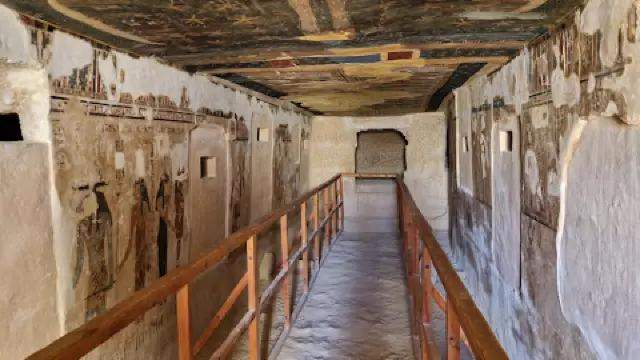
One of the most celebrated tombs at the Mountain of the Dead is the Tomb of Si-Amun, known for its remarkable painted decorations.
The tomb contains imagery that combines Egyptian religious traditions with artistic influences associated with the Hellenistic world. Its paintings include religious figures and symbolic scenes connected with ancient beliefs about death and the afterlife.
These decorations are especially valuable because they demonstrate how Egyptian artistic traditions continued to develop during periods of cultural interaction.
Visitors who have access to the tomb can observe the surviving colors, figures, and decorative details that distinguish it from the more modest burial chambers nearby. The paintings offer a rare glimpse into the beliefs and artistic tastes of individuals who lived in Siwa during antiquity.
Access to individual tombs and photography rules may vary, so visitors should follow local instructions during their visit.
The Tomb of the Crocodile: Religious Symbols and Funerary Beliefs
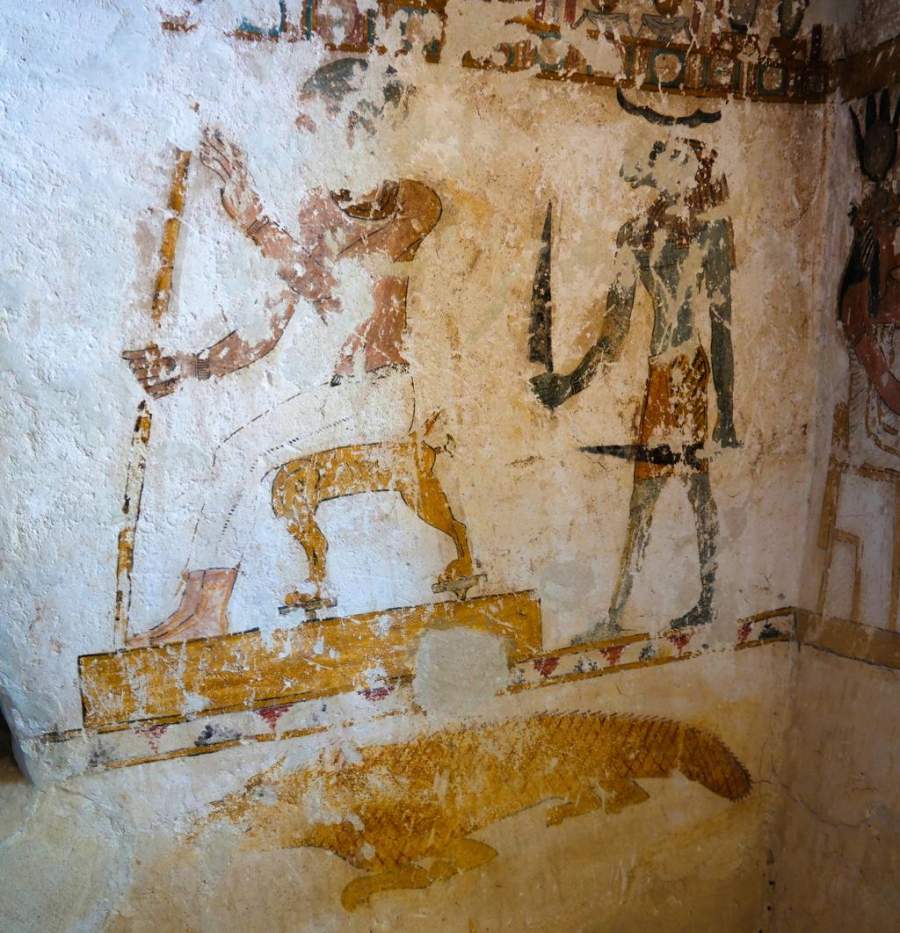
Another notable burial chamber associated with the Mountain of the Dead is commonly referred to as the Tomb of the Crocodile, named for its distinctive imagery.
Crocodiles held religious significance in ancient Egypt, particularly through their association with Sobek, a deity connected with the Nile, fertility, and protection. The presence of crocodile imagery in an ancient funerary context reflects the complex symbolism used in Egyptian religious art.
As with other tombs in the necropolis, the surviving decorations help researchers investigate the relationship between local burial customs and broader Egyptian religious traditions.
The condition and accessibility of particular tombs can change, and not every chamber is necessarily open to visitors. A local guide can help identify the tombs available to explore and explain their historical significance.
Ancient Tomb Architecture and Burial Traditions
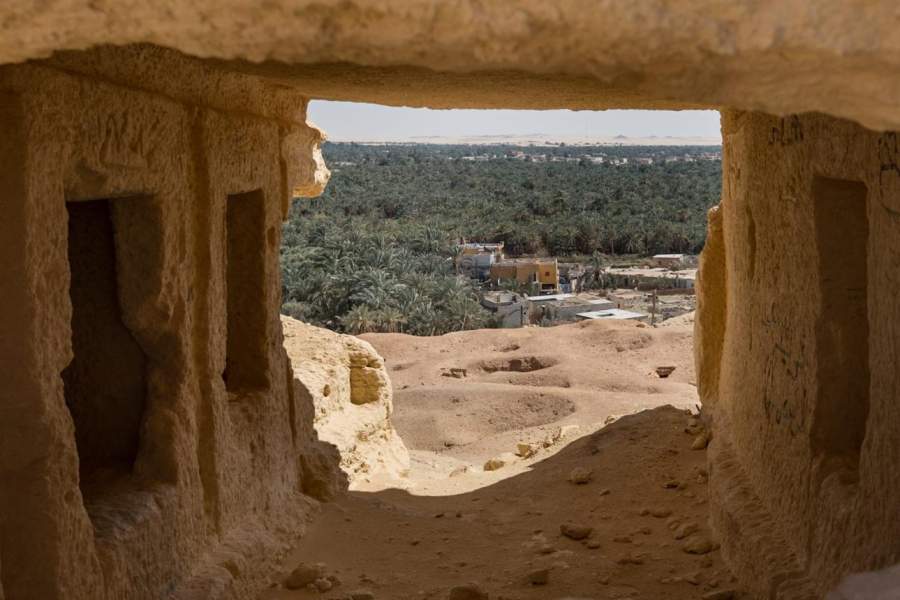
The Mountain of the Dead is notable for its rock-cut architecture. Many tombs were excavated directly into the hillside, using the natural stone to create entrances, corridors, and burial chambers.
Some tombs contain painted walls and ceilings, while others are simpler in design. These differences reflect variations in burial practices, historical periods, and the resources available to the people who commissioned them.
The arrangement of the tombs also demonstrates how the natural landscape influenced the development of the necropolis. The rocky hill provided a practical location for burials while keeping the tombs close to the settlement and its surrounding agricultural areas.
Exploring the site offers insight into ancient approaches to death, remembrance, and the afterlife—beliefs that played a central role in many Egyptian communities.
The Influence of Egyptian, Greek, and Roman Cultures
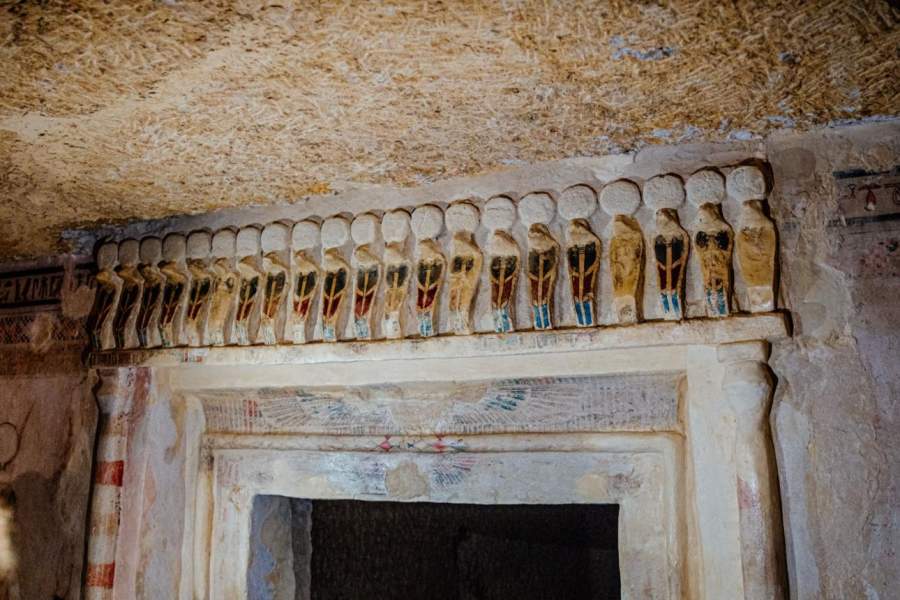
One of the Mountain of the Dead’s most fascinating characteristics is its evidence of cultural exchange.
During the Ptolemaic period, Egypt was ruled by a Greek-speaking dynasty following the campaigns of Alexander the Great. Later, the country became part of the Roman Empire. These changes influenced art, architecture, religion, and daily life throughout Egypt, including its western oases.
The tombs at Gebel al-Mawta reveal aspects of this evolving cultural environment. Traditional Egyptian funerary imagery appears alongside artistic characteristics influenced by the wider Mediterranean world.
These combinations should not be understood as a simple replacement of one culture by another. Instead, they demonstrate how communities adapted established traditions while responding to new ideas and influences.
For visitors, this makes the Mountain of the Dead particularly valuable: it tells a story of cultural interaction rather than a single, unchanging historical period.
Panoramic Views of Siwa Oasis
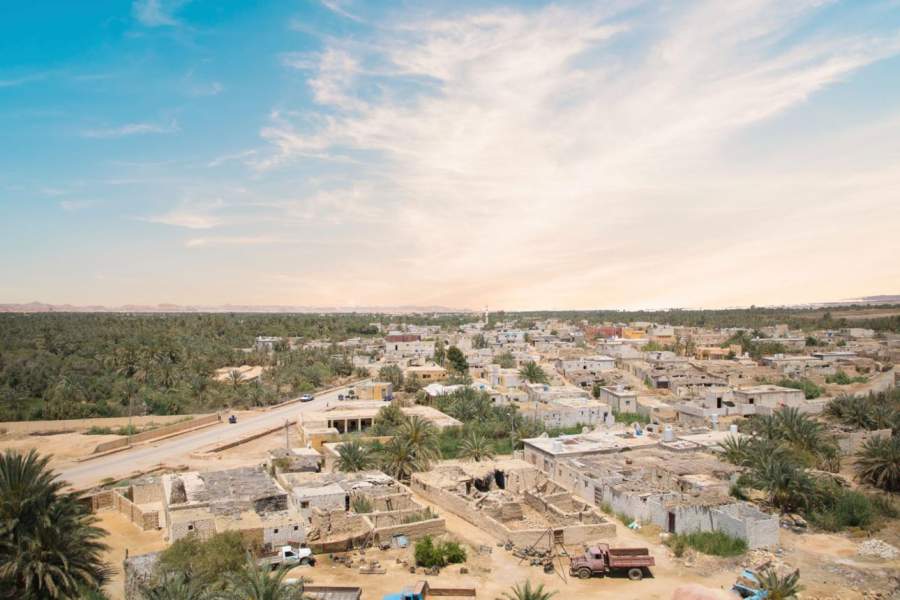
Beyond its archaeological importance, the Mountain of the Dead offers beautiful views of Siwa Oasis.
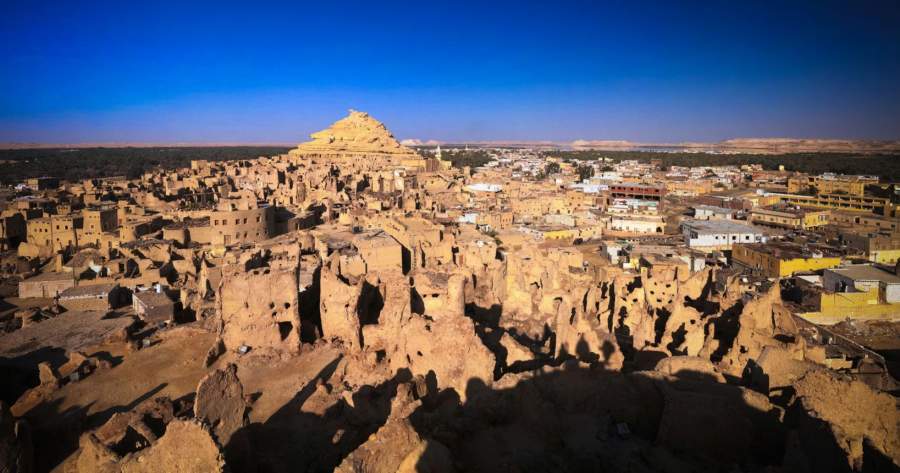
From suitable viewpoints, visitors can see palm groves, cultivated land, traditional settlements, and the surrounding desert. The contrast between the rocky hillside and the greenery of the oasis illustrates how water has sustained life in this remote region for centuries.
The elevated setting also helps visitors appreciate the relationship between the ancient necropolis and the wider landscape. The tombs are not isolated monuments; they form part of a historic environment shaped by settlement, agriculture, trade, and local traditions.
Bring a camera if photography is permitted, and allow time to appreciate the scenery as well as the archaeological remains.
Visiting the Mountain of the Dead
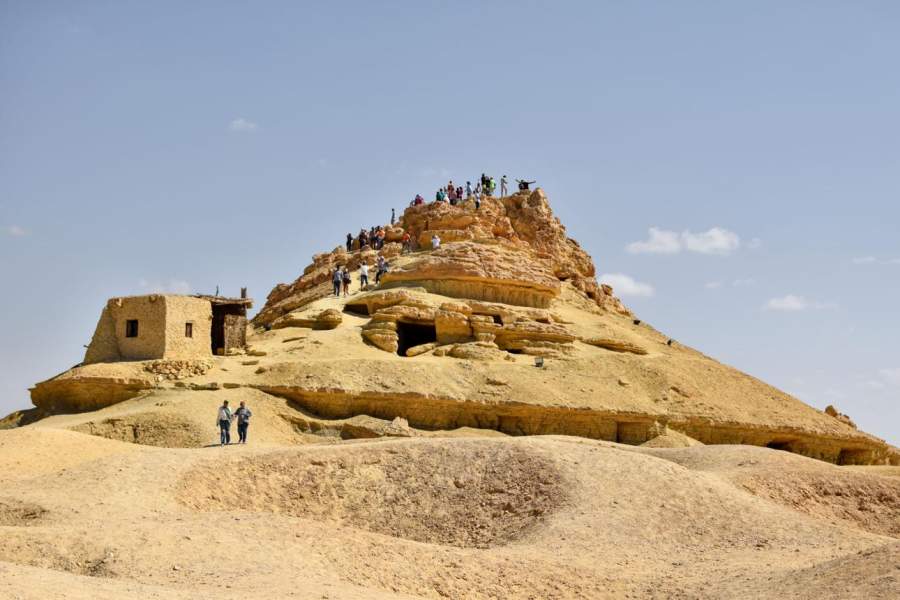
The Mountain of the Dead is located near Siwa town, making it a convenient stop during a sightseeing tour of the oasis.
Most visits involve walking around the hillside and exploring selected tombs that are open to the public. The terrain can be uneven, and some entrances or chambers may require careful movement, so comfortable walking shoes are recommended.
For a more rewarding experience, consider visiting with a knowledgeable local guide who can explain the tomb paintings, burial practices, and historical background of the site.
It is also worth combining the visit with other Siwa attractions, such as the ancient Oracle Temple of Amun, the historic settlement of Shali, Cleopatra’s Spring, and the oasis’s distinctive salt lakes.
Opening hours, admission arrangements, and access to specific tombs can change. Check current information locally before planning your visit.
Why the Mountain of the Dead Deserves a Place on Your Siwa Itinerary
The Mountain of the Dead offers a distinctive way to discover Egypt’s history beyond its famous pyramids and monumental temples.
Its rock-cut tombs preserve evidence of ancient burial customs, artistic traditions, and cultural connections between Egypt and the Mediterranean world. Meanwhile, its elevated position provides memorable views across one of Egypt’s most distinctive desert oases.
Whether you are interested in archaeology, ancient religion, or the cultural history of Siwa, Gebel al-Mawta is a rewarding destination that combines historical discovery with natural beauty.
A visit adds depth to any Siwa Oasis journey, revealing the stories of the people who lived, worshipped, and were buried in this remarkable landscape.
Explore Siwa Oasis with Magic Egypt Tours
Discover the unique heritage of Egypt’s Western Desert with Magic Egypt Tours. Explore the Mountain of the Dead, uncover the history of ancient Siwa, and experience the oasis’s natural scenery and traditional culture.
From archaeological tombs and historic settlements to palm-lined springs and desert landscapes, Siwa offers an unforgettable combination of history, nature, and adventure.
Plan your journey with Magic Egypt Tours and discover the hidden treasures of Egypt’s Western Desert.