Abydos was one of the most sacred places in ancient Egypt, the traditional centre of the cult of Osiris, god of the afterlife. Pilgrims travelled here for thousands of years hoping to be remembered near his burial place, and the temple of Seti I remains one of the most beautiful monuments in the country.
A Royal Burial Ground
The site lies in Upper Egypt, in the Sohag governorate, west of the Nile. Egypt’s earliest kings were buried at nearby Umm el-Qa’ab, and later pharaohs built chapels here to honour Osiris and secure their place in eternity.
The Temple of Seti I
Built in the 13th century BC during the 19th Dynasty and completed by his son Ramesses II, the temple has an unusual L-shaped plan with seven parallel chapels dedicated to the main gods, including Osiris, Isis, Horus, Amun-Ra, Ra-Horakhty and Ptah, as well as the deified king himself.
- Fine relief carving: the low reliefs are among the most delicate ever made in Egypt, and many still keep their original colour.
- The Abydos King List: a corridor wall lists the names of 76 kings from Menes to Seti I’s predecessors, a key source for Egyptian chronology.
- The Osireion: a mysterious underground structure behind the temple, linked to the myth of Osiris.
Planning Your Visit
Abydos is far from the main tourist centres, so it is best seen on a full-day excursion with Dendera, starting early from Luxor. Wear comfortable shoes, bring water, and ask your guide to explain the king list, which makes the royal history of Egypt easy to understand.
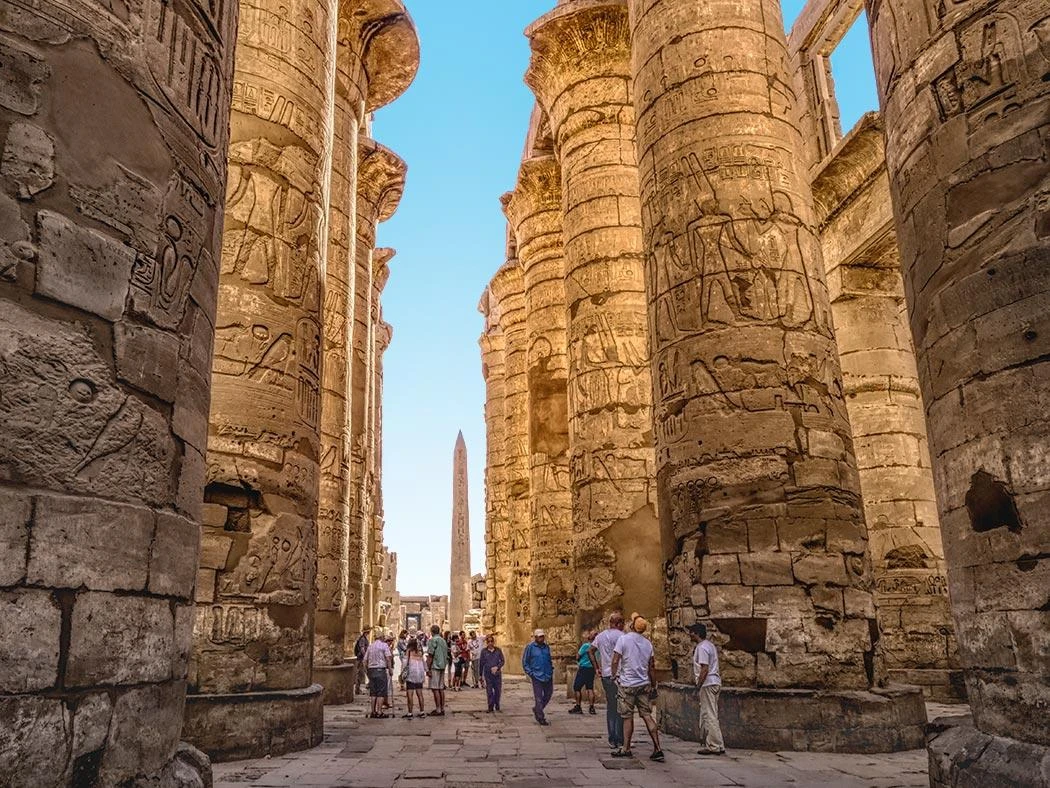
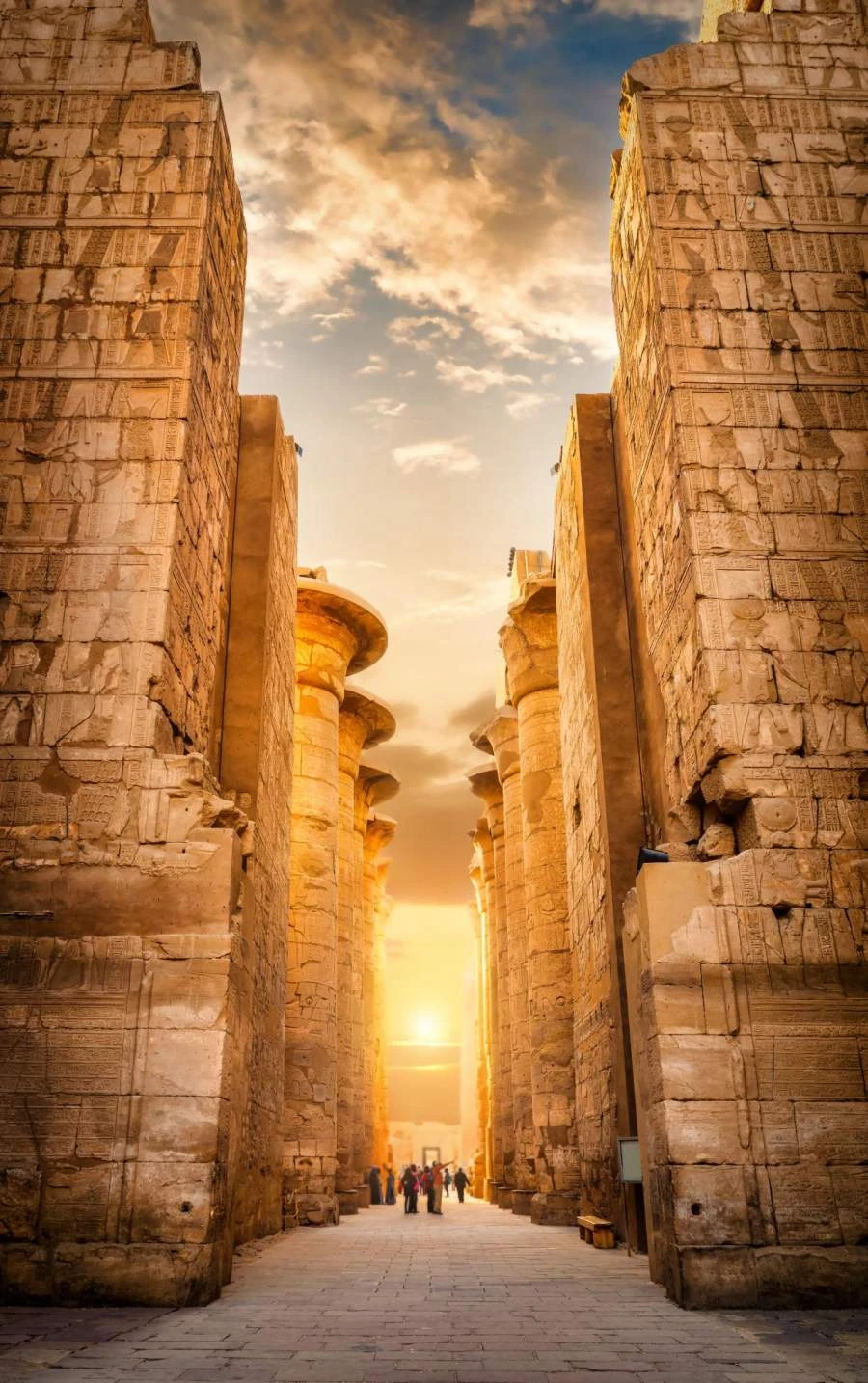
If you have visited Karnak Temple, Abydos shows a quieter, more intimate side of New Kingdom religion.