Valley of the Kings: Exploring Egypt’s Royal Tombs in Luxor
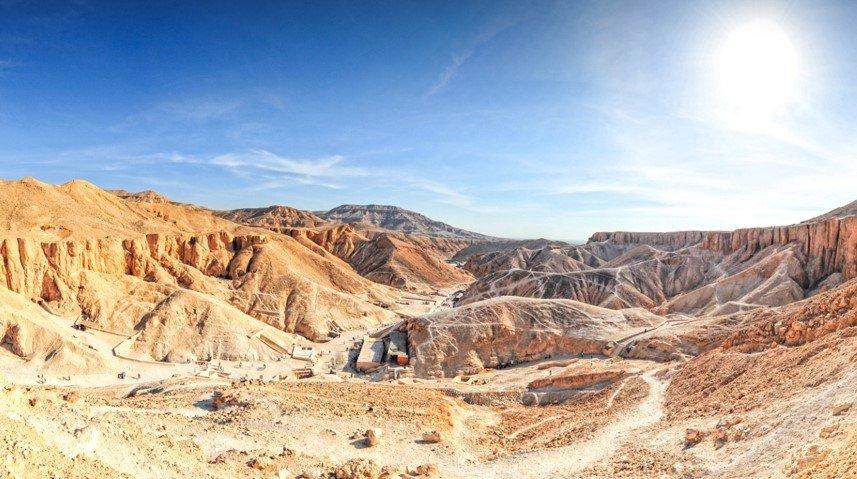
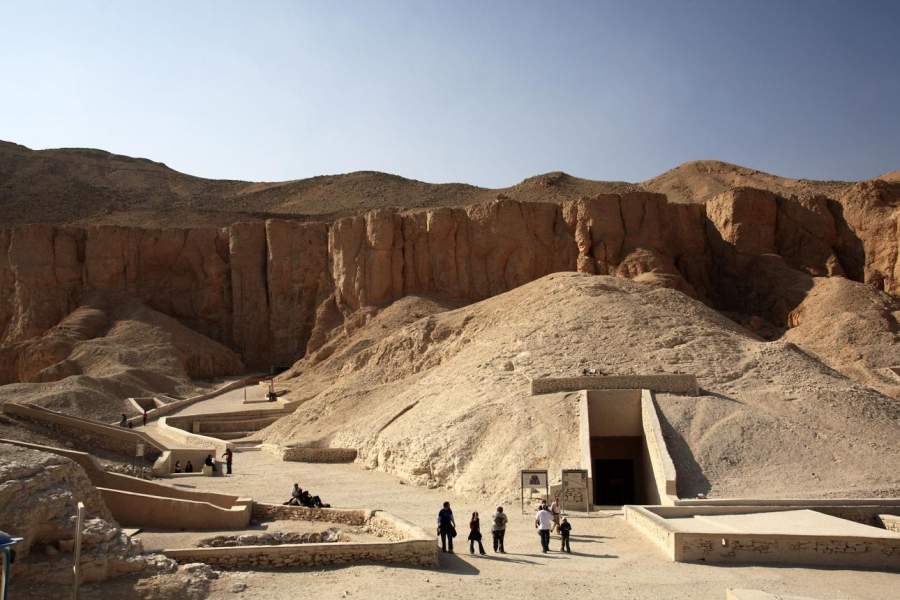
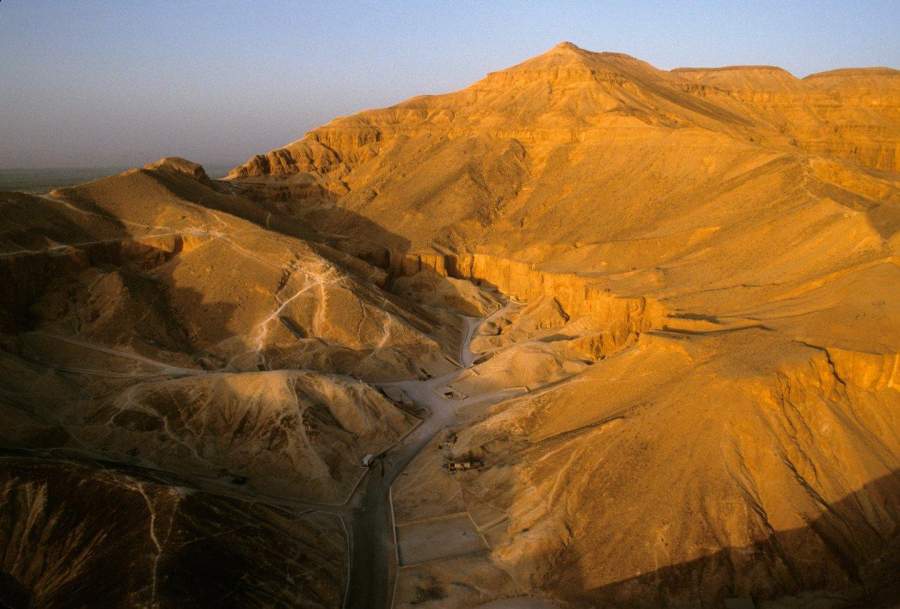
Hidden among the rugged cliffs on the west bank of the Nile in Luxor, the Valley of the Kings is one of the most extraordinary archaeological sites in Egypt.
For centuries, this isolated desert valley served as a royal burial ground for the rulers of Egypt's New Kingdom, including some of the country's most famous pharaohs. Instead of building enormous pyramids above the ground, the kings chose to hide their tombs deep inside the surrounding mountains.
Today, visitors can walk through decorated underground tombs, admire ancient hieroglyphs and colorful paintings, and discover the remarkable story of Egyptian beliefs about death and the afterlife. The Valley of the Kings is also home to the world-famous tomb of King Tutankhamun.
Where Is the Valley of the Kings?
The Valley of the Kings is located on the west bank of the Nile in Luxor, across the river from the ancient city of Thebes.
The site forms part of the enormous archaeological landscape of Ancient Thebes and its Necropolis, which includes Karnak and Luxor Temples on the east bank and numerous temples and burial sites on the west bank. UNESCO added Ancient Thebes and its Necropolis to the World Heritage List in 1979.
The western side of the Nile had a special religious meaning for ancient Egyptians because the sun appeared to die in the west before being reborn in the east the following morning. For this reason, the west became strongly associated with death and the afterlife.
Why Did the Pharaohs Choose This Valley?
The pharaohs of the New Kingdom faced a major problem: how could they protect their royal burials from tomb robbers?
Earlier kings had constructed enormous pyramids, but many royal tombs were eventually robbed.
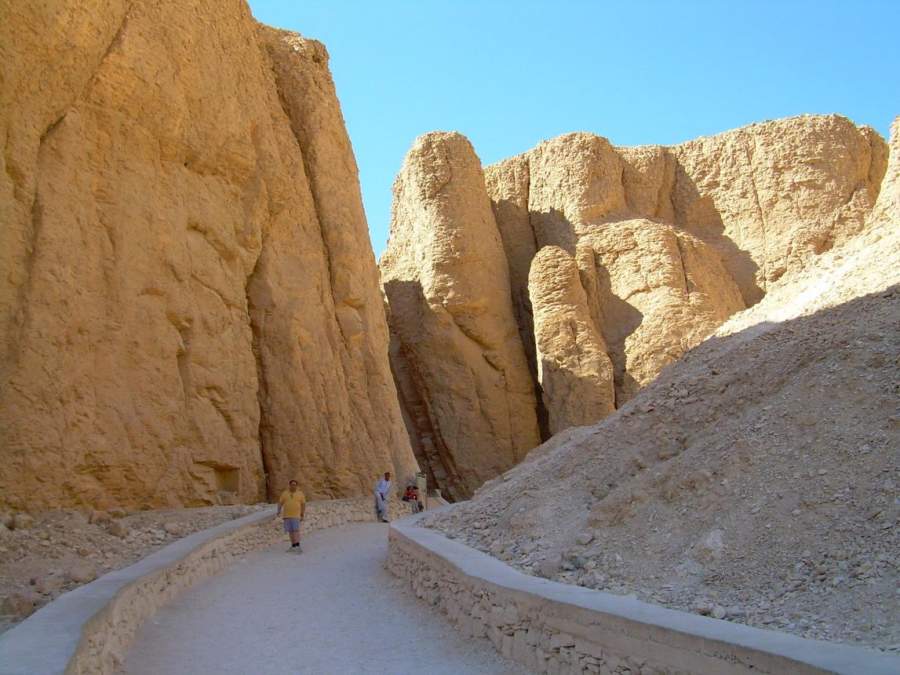
The rulers of the New Kingdom adopted a different strategy. Instead of constructing massive monuments over their burial chambers, they excavated tombs deep into the cliffs of an isolated desert valley.
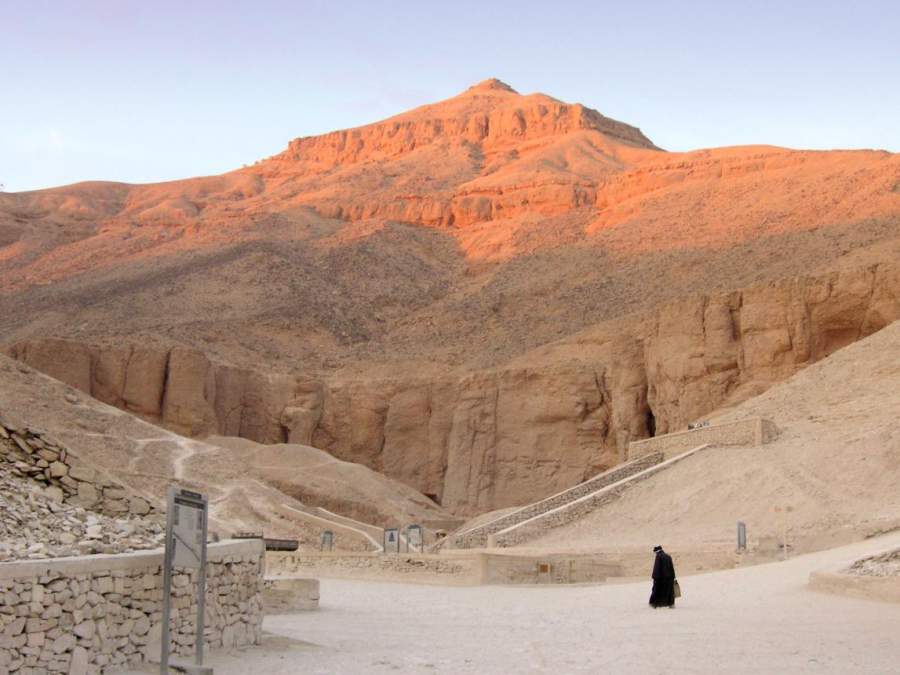
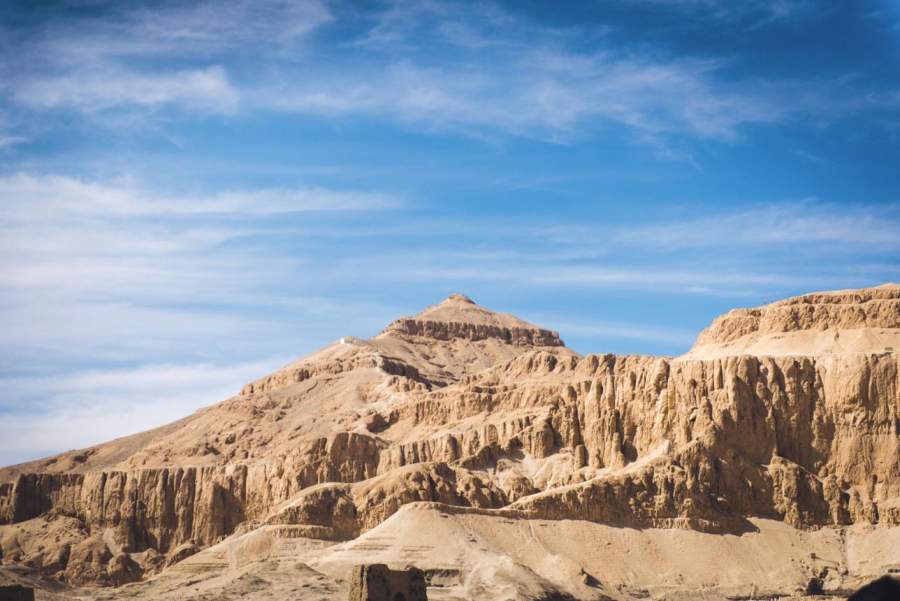
The location was also symbolically important. A naturally pyramid-shaped peak called el-Qurn rises above the surrounding cliffs, reinforcing the area's association with rebirth and the afterlife. The region was also connected with Hathor, who was known as the “Mistress of the West.”
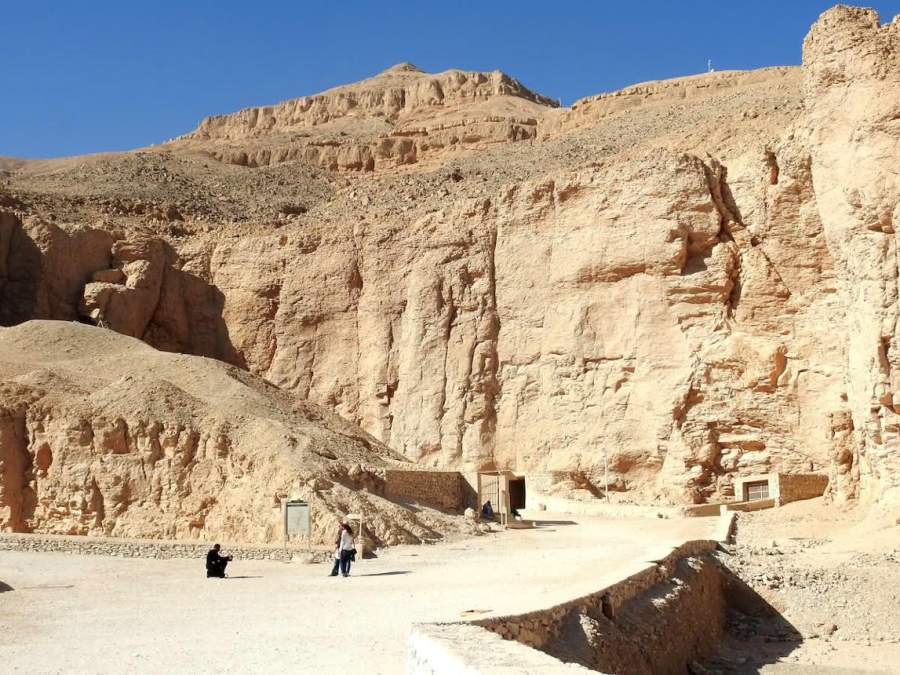
How Many Tombs Are in the Valley of the Kings?
The Valley of the Kings contains more than 60 tombs, along with around 20 additional unfinished tombs or excavations.
The valley is divided into two main areas:
- East Valley – the larger and more famous section
- West Valley – containing only a small number of tombs
Although the name suggests that the valley was exclusively for kings, members of the royal family and some high-ranking non-royal individuals were also buried here.
The tombs vary enormously in size and decoration. Some are relatively simple, while others extend deep into the mountains with elaborate chambers covered in religious texts and paintings.
The First King Buried in the Valley
The first New Kingdom ruler confirmed to have been buried in the Valley of the Kings was Thutmose I, who ruled during the 18th Dynasty.
His burial established a tradition that continued for generations.
The official Egyptian monuments website records the words of Ineni, the official responsible for excavating Thutmose I's tomb, describing the work as being carried out in secrecy so that no one would see or hear the excavation.
This emphasis on secrecy demonstrates how seriously the ancient Egyptians took the protection of royal burials.
The Tomb of Tutankhamun
Perhaps no tomb in the valley is more famous than KV62, the tomb of Tutankhamun.
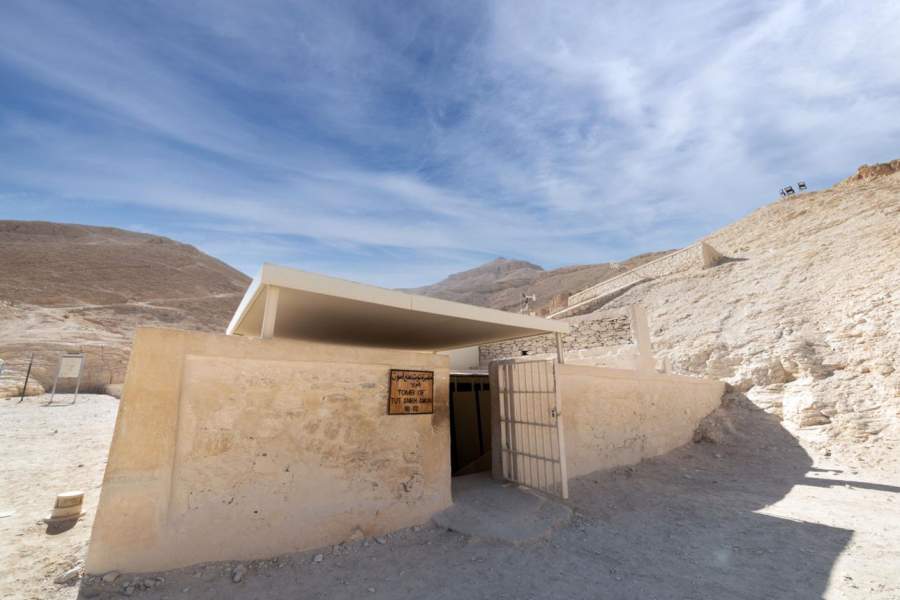
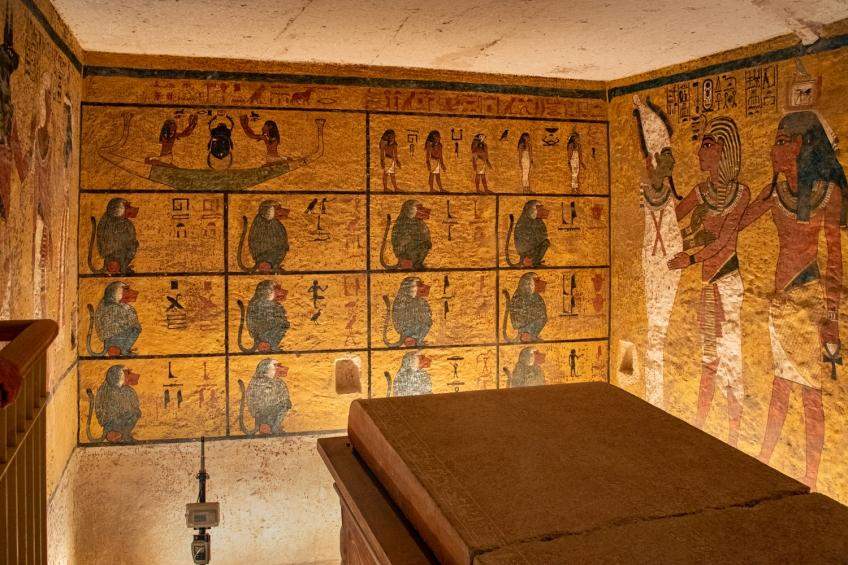
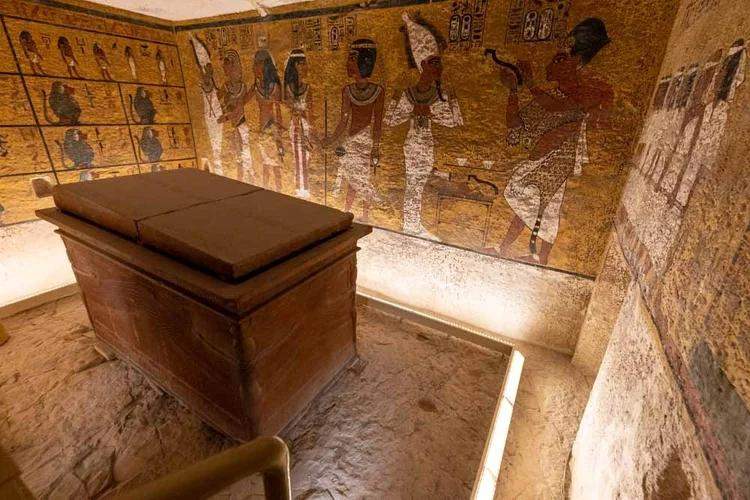
Tutankhamun was an 18th-Dynasty king who ruled for roughly nine years. His tomb became world-famous after British archaeologist Howard Carter discovered it in 1922.
Unlike many royal tombs in the valley, Tutankhamun's burial was discovered relatively intact.
Inside were approximately 5,000 artifacts, including jewelry, furniture, clothing, cosmetics, weapons, chariots, vessels, and other objects associated with royal life.
The extraordinary collection transformed Tutankhamun into one of the most famous pharaohs in modern popular culture.
Interestingly, the tomb itself is relatively small compared with several other royal tombs in the Valley of the Kings.
The Tomb of Seti I
Another remarkable tomb is KV17, belonging to King Seti I of the 19th Dynasty.
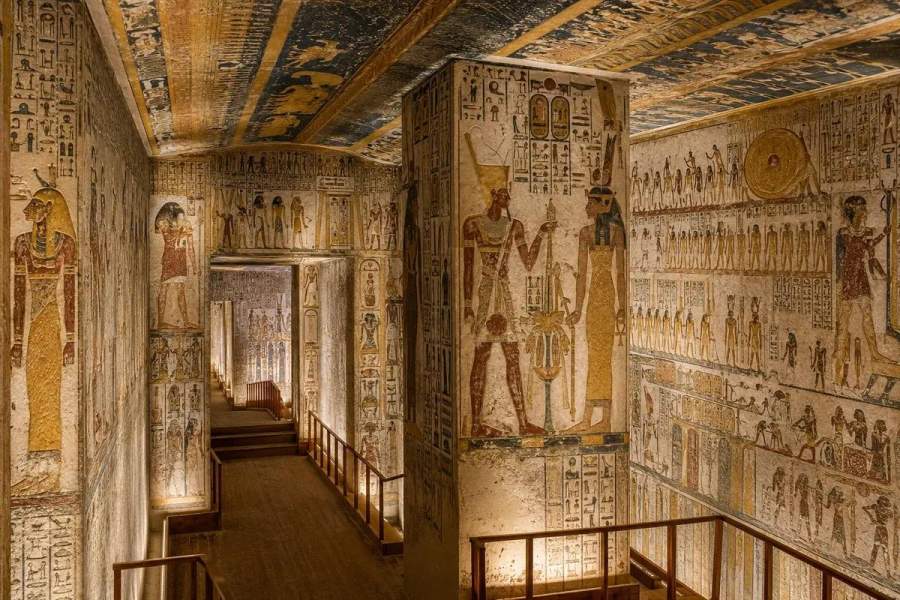
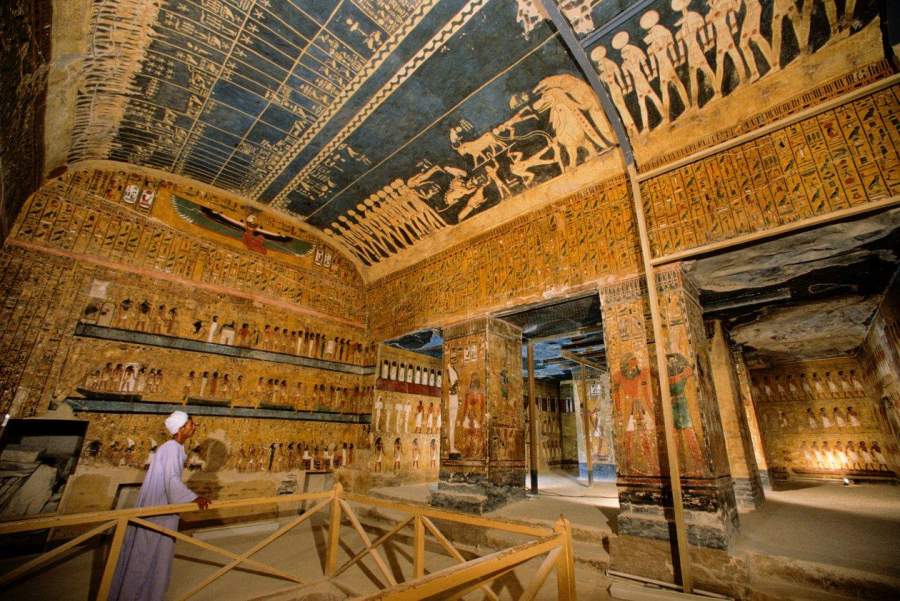
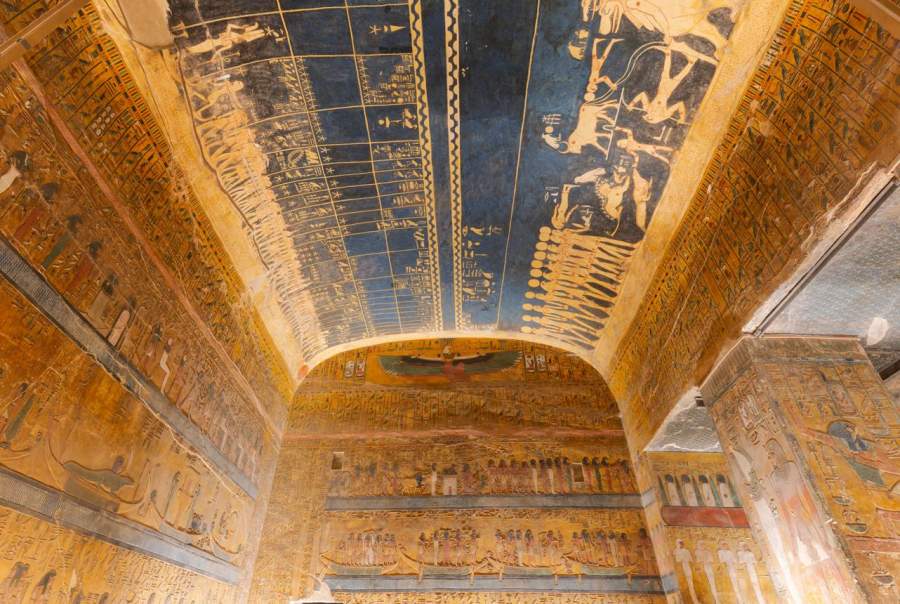
The Egyptian Ministry of Tourism and Antiquities describes Seti I's tomb as one of the longest, deepest, and most beautifully decorated tombs in the valley.
Its walls contain elaborate funerary texts and scenes, including the Litany of Re, Amduat, Book of Gates, Book of the Divine Cow, and astronomical imagery.
The ceiling of the burial chamber is decorated with scenes representing the night sky, creating one of the most spectacular interiors in the valley.
The Tomb of Ramesses VI
The tomb of Ramesses VI (KV9) is another fascinating monument.
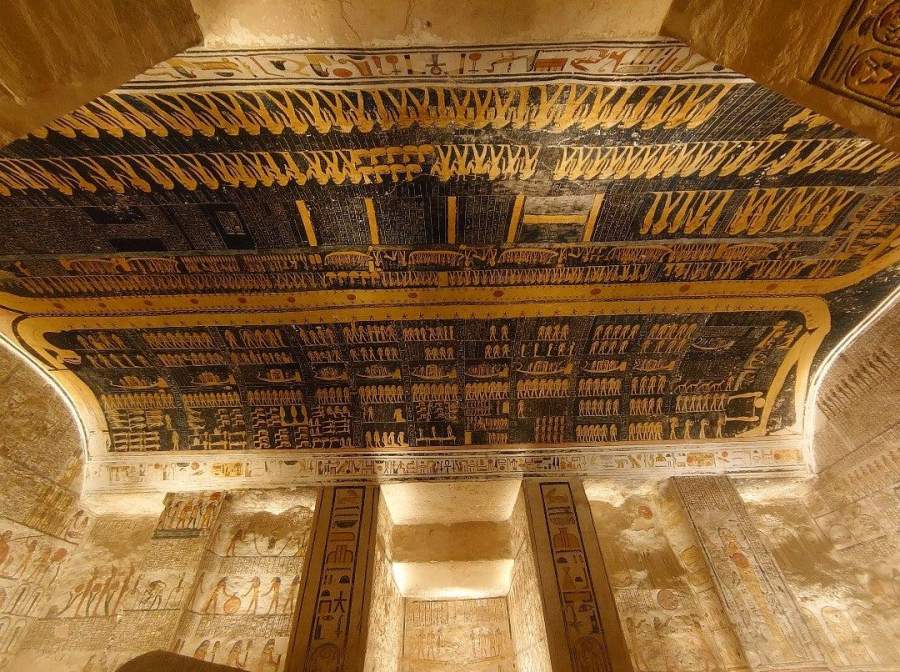
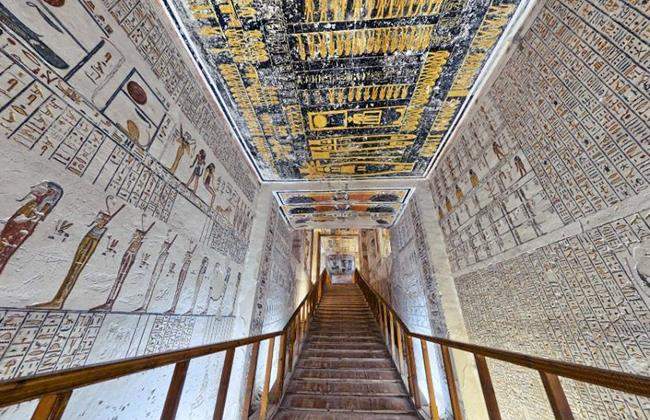
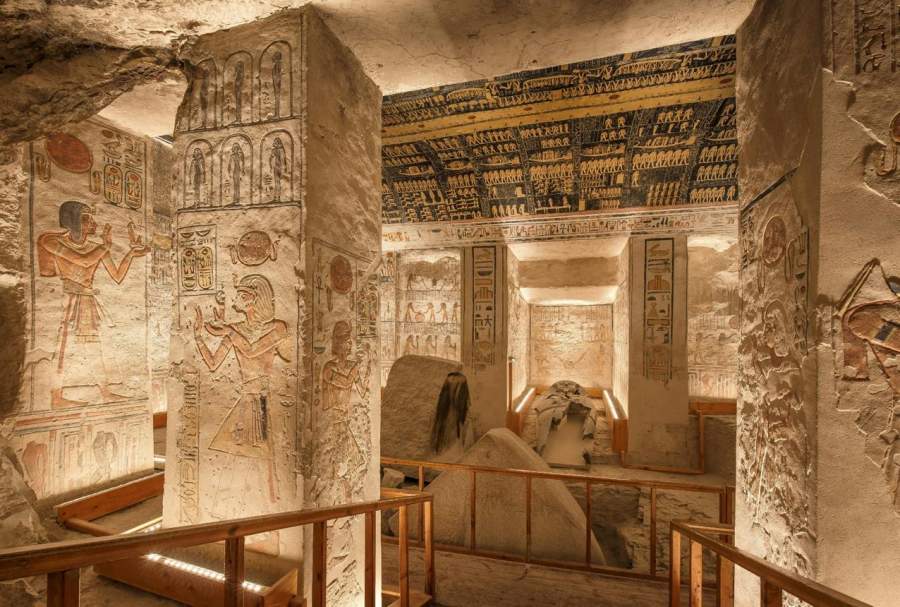
The tomb was originally begun by Ramesses V and later enlarged and used by his uncle, Ramesses VI.
It consists of a series of descending corridors leading toward the burial chamber. The walls and ceilings are richly decorated with ancient funerary texts and astronomical scenes.
The paintings and inscriptions were intended to help the deceased king navigate the afterlife and achieve rebirth.
What Do the Tomb Paintings Mean?
Walking into a royal tomb is like entering an ancient religious book carved and painted onto the walls.
The decorations were not simply artistic.
They represented the journey of the deceased king through the afterlife.
Different tombs contain texts and scenes from religious works such as:
- The Book of Gates
- The Amduat
- The Book of Caverns
- The Book of the Earth
- The Book of the Dead
- The Book of the Divine Cow
These texts describe gods, celestial journeys, supernatural beings, and the passage of the sun god through the underworld.
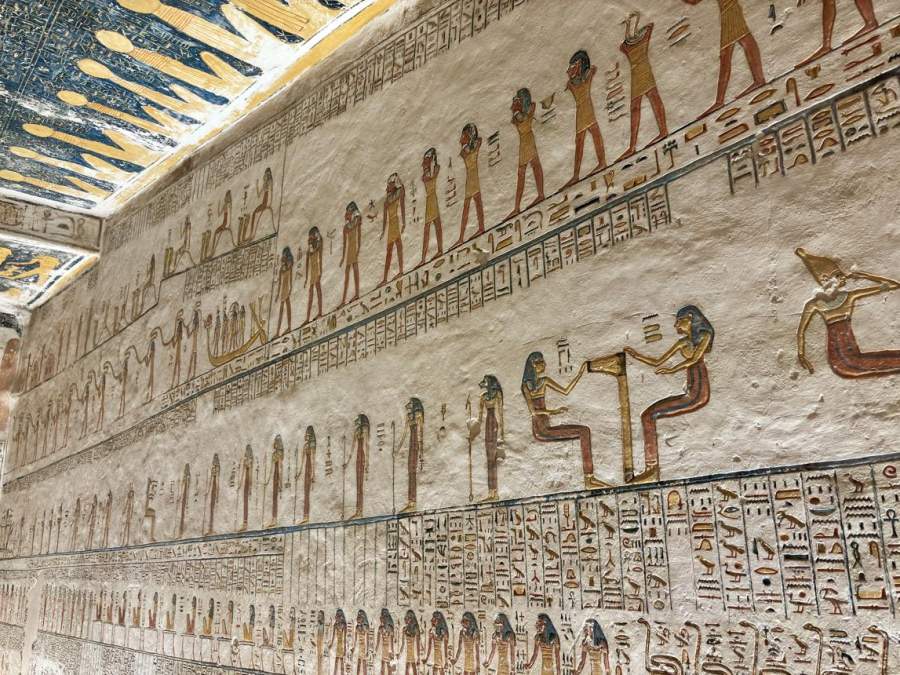
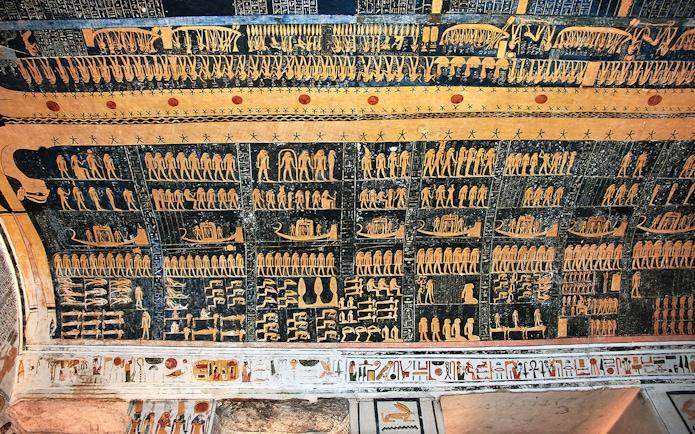
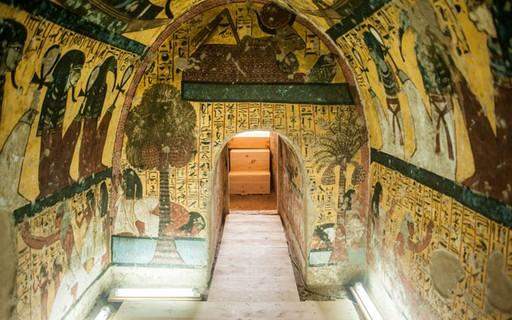
The ancient Egyptians believed that these texts and images had an important role in helping the deceased reach eternal life.
The Valley of the Kings and Ancient Egyptian Religion
The Valley provides an extraordinary window into ancient Egyptian beliefs about death, resurrection, and eternal life.
For ancient Egyptians, death was not considered the absolute end. Instead, it was part of a journey toward another existence.
The tomb therefore needed to contain everything necessary for the king's continued existence: religious texts, representations of offerings, images of gods, and depictions of the king himself.
The journey of the sun became an important metaphor. The sun disappeared in the west at night and returned in the east at dawn—symbolizing death followed by rebirth.
Why Are the Tombs Underground?
The underground design had both practical and religious purposes.
Practically, hidden tombs were intended to make royal burials harder for thieves to locate.
Religiously, descending into the mountain could represent entering the realm of the dead and beginning the journey toward rebirth.
The valley's remote landscape therefore worked perfectly with ancient Egyptian beliefs.
Valley of the Kings vs. Valley of the Queens
The Valley of the Kings was primarily associated with royal burials of the New Kingdom, while the nearby Valley of the Queens was used for queens, princes, and other members of the royal family.
One of the most famous tombs in the Valley of the Queens is the tomb of Nefertari, the wife of Ramesses II.
Together, the two valleys form an essential part of the ancient Theban necropolis. UNESCO recognizes both areas as part of the World Heritage property of Ancient Thebes and its Necropolis.
Visiting the Valley of the Kings
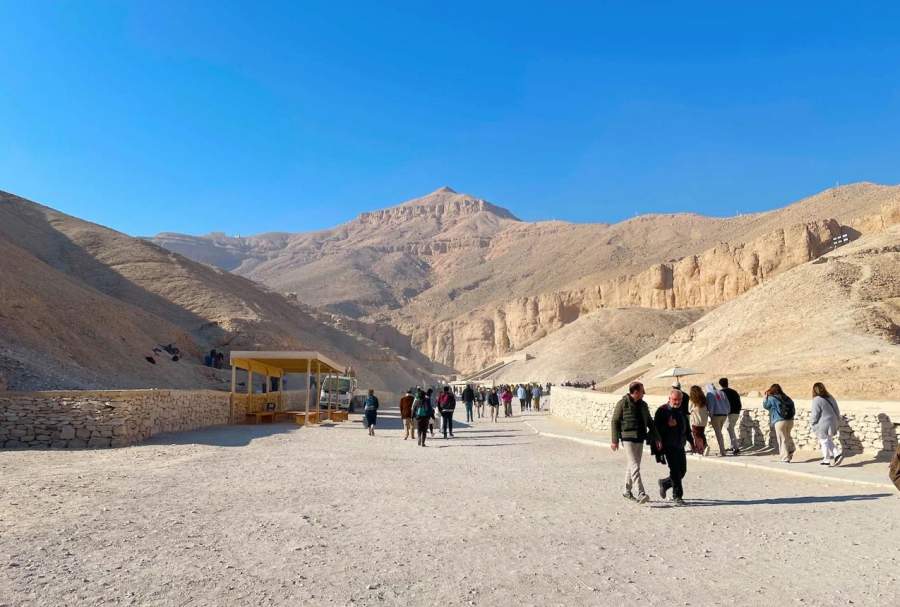
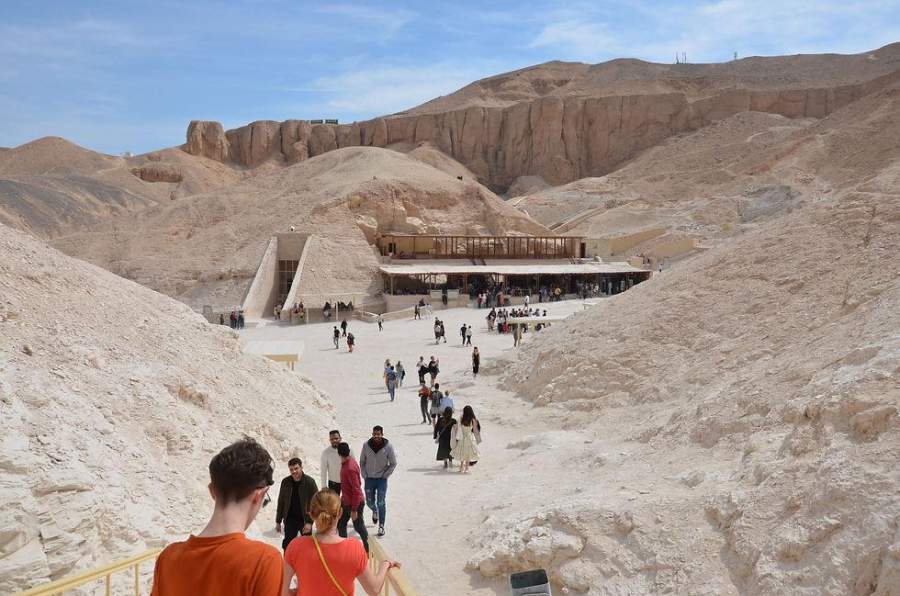
A visit to the Valley of the Kings usually involves walking through the dry valley and entering several selected tombs.
The number of tombs open to visitors can vary, and some tombs may close periodically for conservation.
The Egyptian Ministry of Tourism and Antiquities currently lists the site's opening hours as 6:00 AM to 5:00 PM. Travelers should check the official information before visiting because opening arrangements and ticket policies can change.
Best Time to Visit
Luxor has a very hot climate, particularly during summer.
For outdoor sightseeing, October through April is generally more comfortable than the hottest summer months.
Because the Valley of the Kings is an exposed archaeological site, arriving early in the morning can be especially useful. You can explore the valley before the strongest heat of the day.
Comfortable walking shoes, water, sun protection, and lightweight clothing are also useful.
What Else Can You Visit Nearby?
The Valley of the Kings is part of a much larger archaeological area on Luxor's west bank.
A full day can include several nearby attractions:
- Temple of Hatshepsut
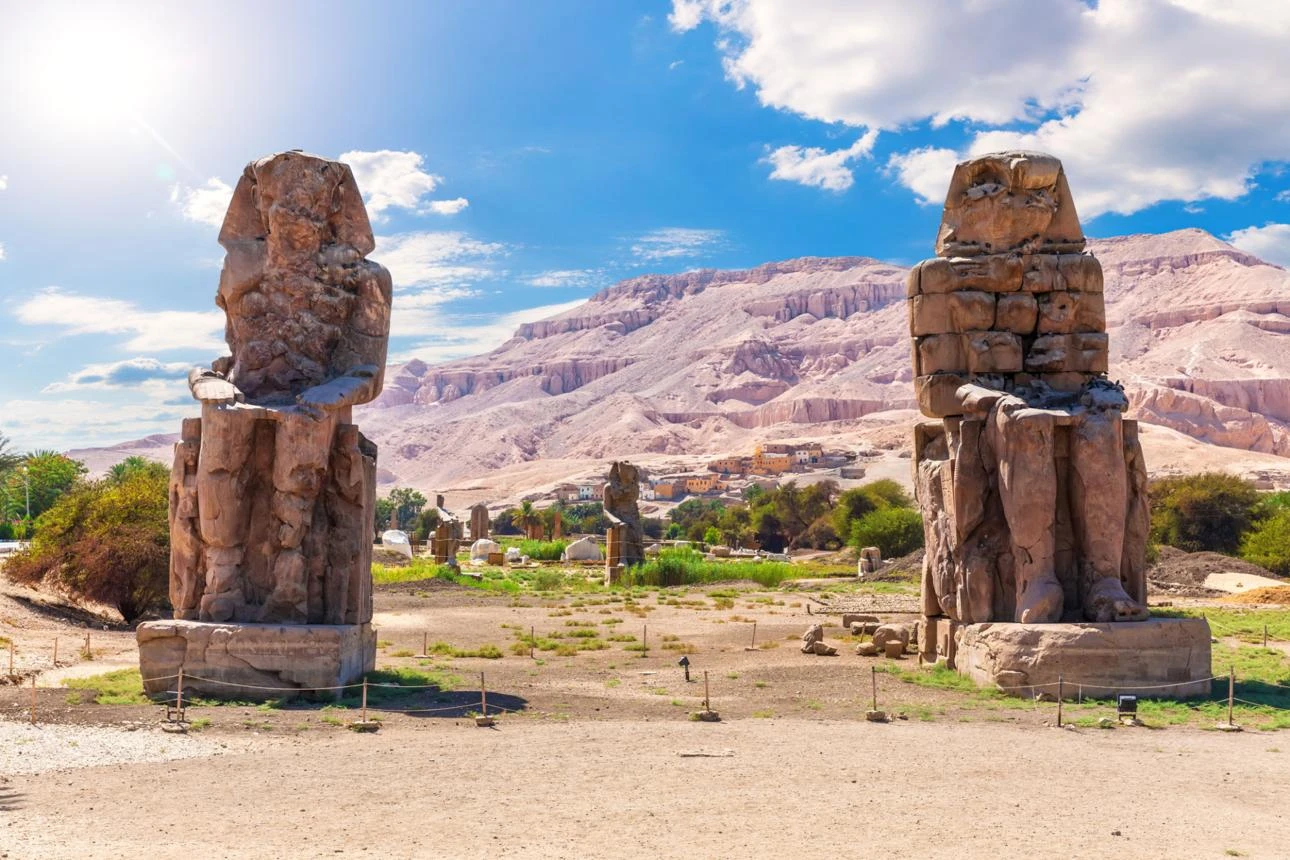
- Colossi of Memnon
- Medinet Habu
- Ramesseum
- Valley of the Queens
- Deir el-Medina
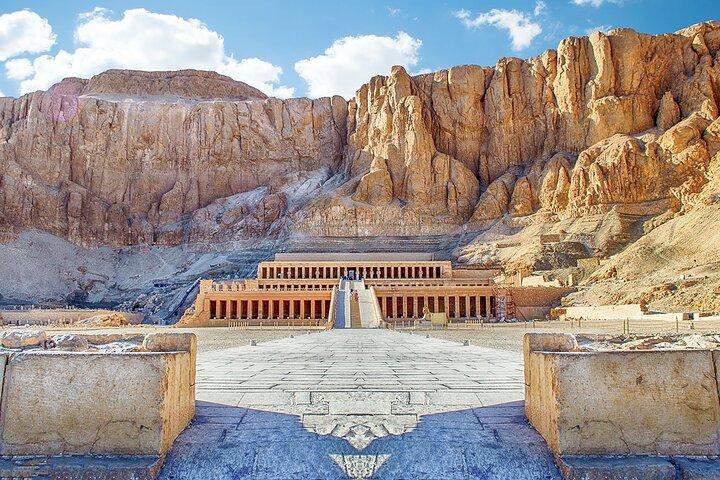
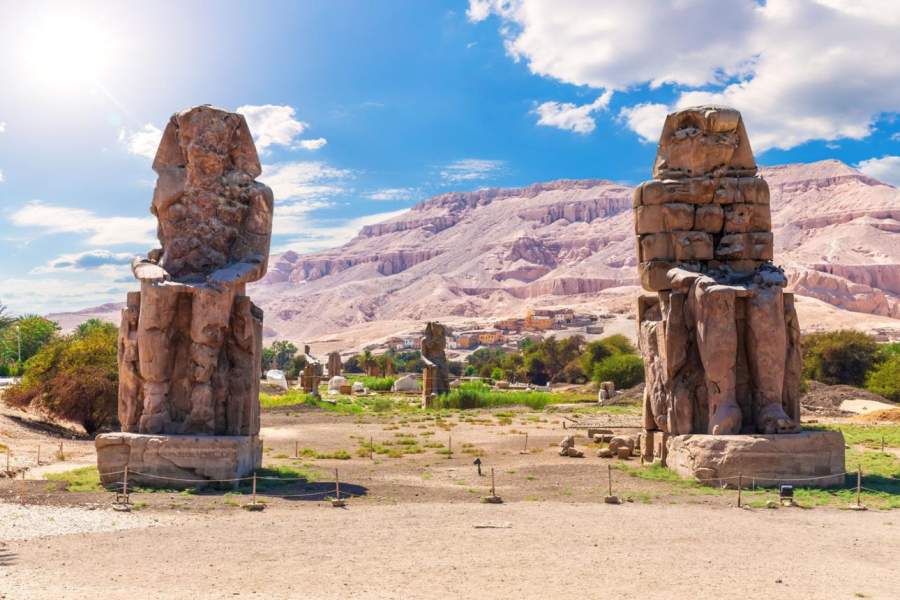
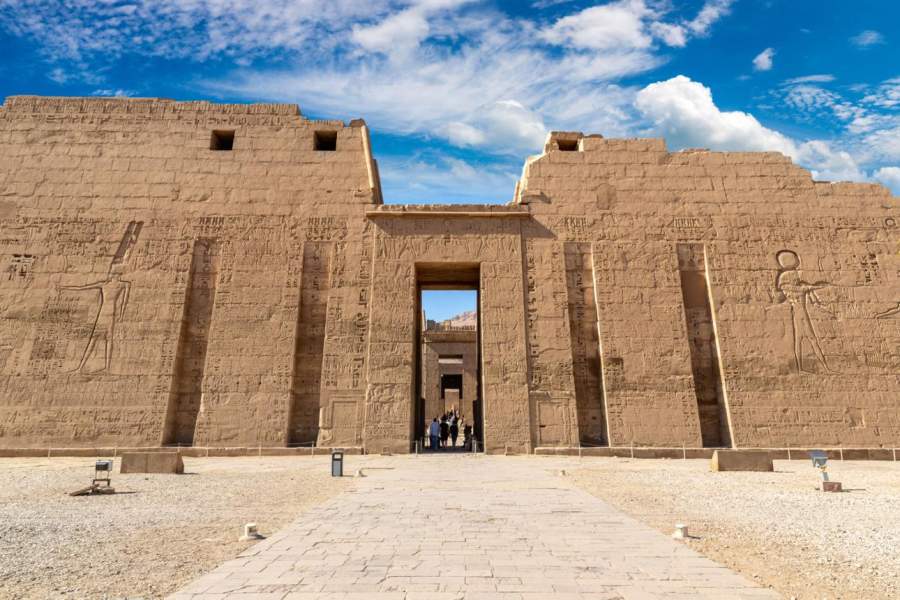
Together, these sites reveal how the ancient Egyptians organized their temples, royal tombs, religious monuments, and communities on the west bank of the Nile.
Why Should You Visit the Valley of the Kings?
The Valley of the Kings offers something that few other archaeological sites can provide: the opportunity to enter the actual underground burial places of ancient Egyptian kings.
Instead of simply looking at monumental structures from outside, visitors can descend into decorated corridors and chambers where ancient artists covered the walls with colorful scenes and religious texts.
The site also tells an important story about how Egyptian civilization changed its approach to royal burial—from enormous pyramids to hidden underground tombs.
And of course, the connection to Tutankhamun makes the valley one of the most recognizable archaeological destinations in the world.
Final Thoughts
The Valley of the Kings is much more than a collection of ancient tombs.
It is a remarkable record of how the pharaohs of the New Kingdom understood death, religion, kingship, and eternal life.
With more than 60 tombs, spectacular wall paintings, ancient religious texts, and the famous tomb of Tutankhamun, the valley provides an extraordinary look into one of the most fascinating civilizations in history.
For anyone visiting Luxor, the Valley of the Kings should be one of the first places on the itinerary. Walk into the mountains, descend beneath the desert, and you will discover a world that ancient Egyptians created specifically for eternity.
Post a comment