Tutankhamun: The Boy King Whose Tomb Changed the World
Few names from ancient Egypt have become as recognizable around the world as Tutankhamun.
Known popularly as King Tut or the Golden Pharaoh, Tutankhamun was an 18th-Dynasty king of the New Kingdom who ruled Egypt while still very young. His reign was relatively short, and by the time he died, he had not built the enormous monuments associated with some of Egypt’s most powerful pharaohs.
Yet more than three thousand years later, his name is known across the world.
The reason is extraordinary: in 1922, British archaeologist Howard Carter discovered Tutankhamun’s tomb, KV62, in the Valley of the Kings at Luxor, with its contents remarkably well preserved compared with other royal burials. The Egyptian Ministry of Tourism and Antiquities describes the discovery as one of the most important archaeological discoveries ever made.
The tomb contained thousands of objects—from jewelry and furniture to chariots, weapons, clothing, ritual objects, and funerary equipment. These objects provided an unusually detailed glimpse into the material world surrounding an ancient Egyptian king.
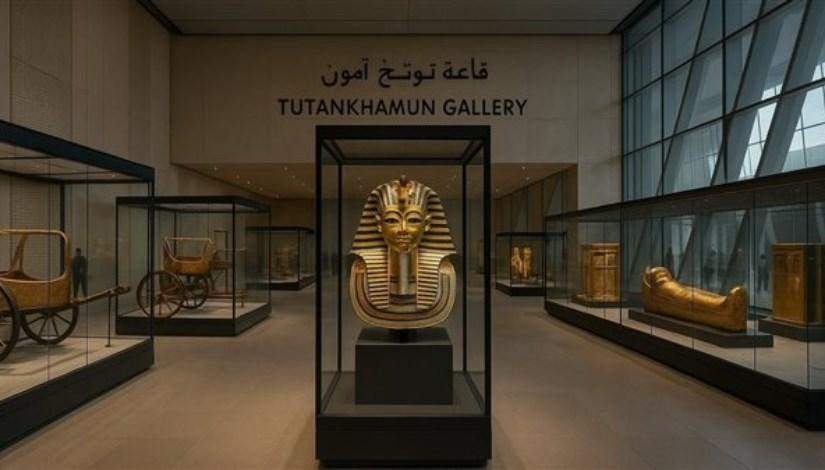
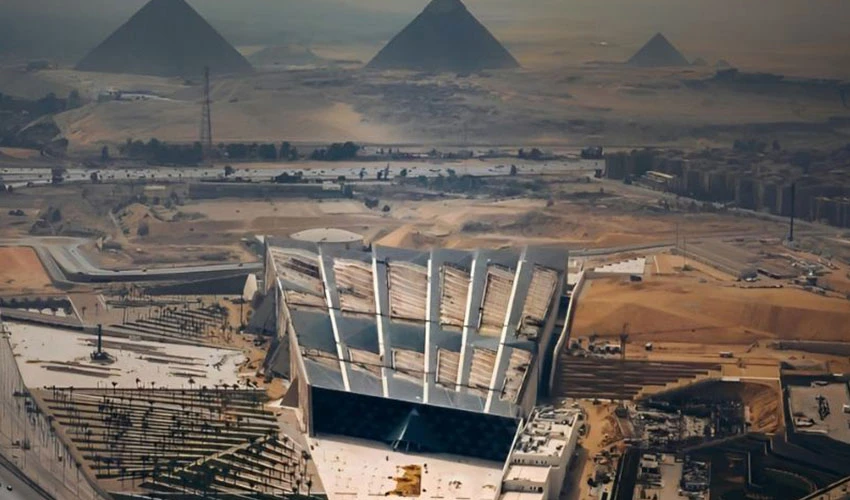
Today, Tutankhamun's story can be experienced in two places that tell different parts of the same story: his actual tomb in Luxor, where his mummy remains, and the Tutankhamun Galleries at the Grand Egyptian Museum near the Giza Pyramids, where his treasures are now being brought together in one collection. The Grand Egyptian Museum's official website states that its Tutankhamun Galleries display more than 5,000 objects from the young king's tomb together for the first time.
Who Was Tutankhamun?
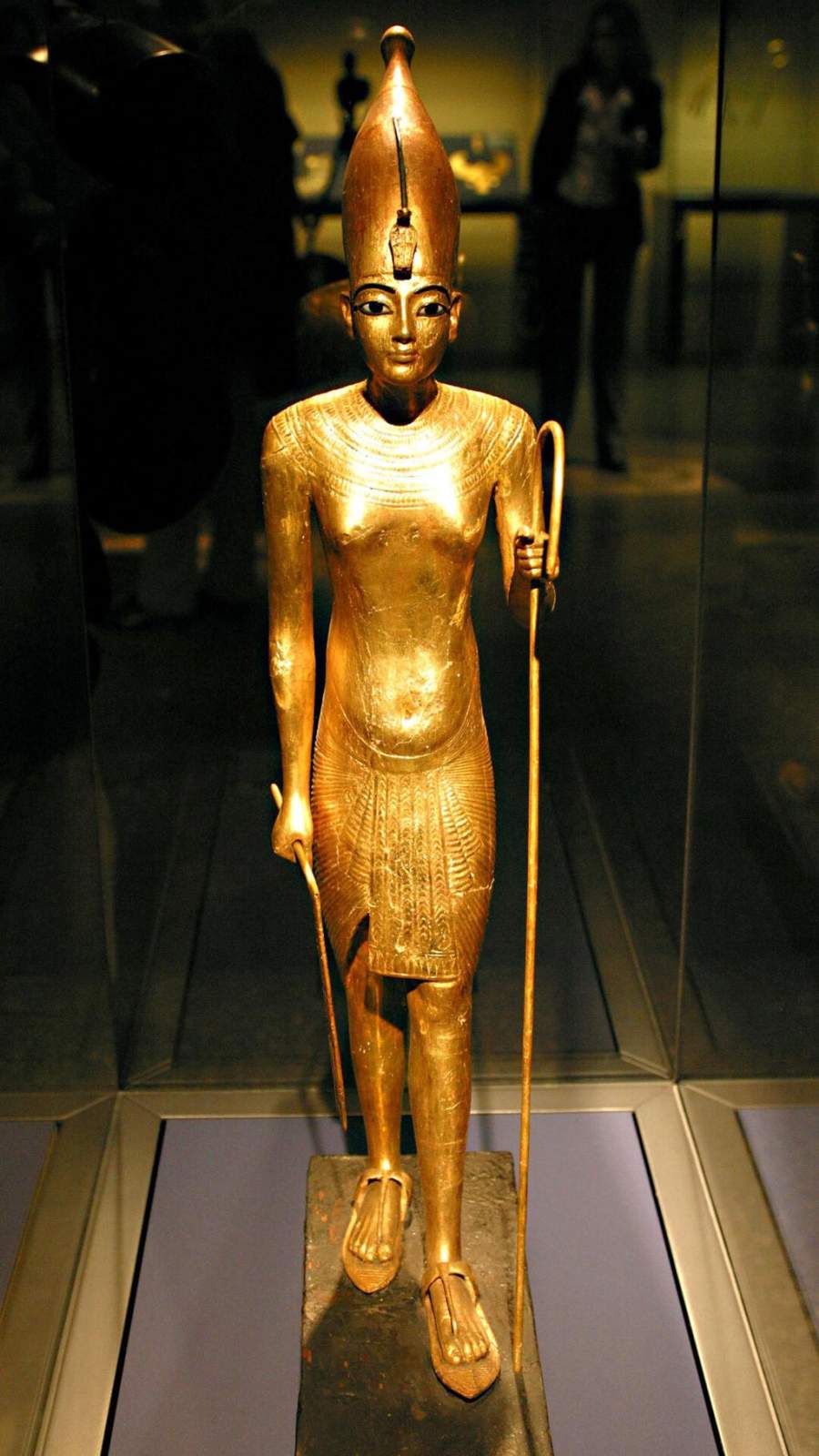
Tutankhamun belonged to Egypt's 18th Dynasty, during the New Kingdom, one of the most powerful periods of ancient Egyptian history.
He came to the throne as a child, inheriting a kingdom that had recently experienced major religious and political changes.
His original name was Tutankhaten, reflecting the religious environment established during the reign of Akhenaten. After the restoration of the traditional religious order, his name became Tutankhamun, honoring the god Amun.
The young king's reign was therefore part of a period of significant transition.
Tutankhamun himself did not become famous because of military conquests or enormous temples.
Instead, his historical importance today comes largely from the extraordinary archaeological evidence associated with his burial.
The official Egyptian Ministry describes him as an 18th-Dynasty king whose reign lasted roughly nine years.
His short reign makes the scale and variety of objects found in his tomb even more remarkable.
Tutankhamun and the Restoration of Traditional Religion
Tutankhamun's reign followed one of the most dramatic religious episodes in ancient Egyptian history.
His predecessor, Akhenaten, had promoted the worship of the Aten and established a new royal center at Akhetaten, modern Amarna.
Tutankhamun's reign saw the restoration of traditional Egyptian religious institutions.
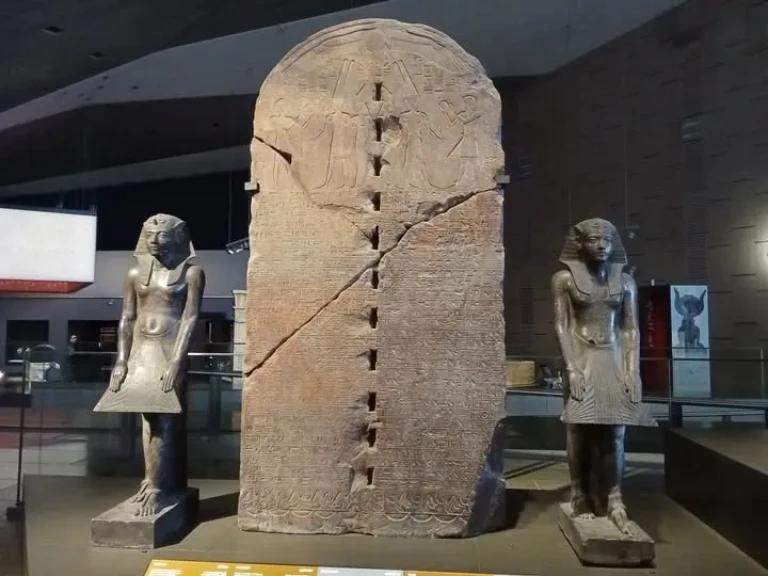
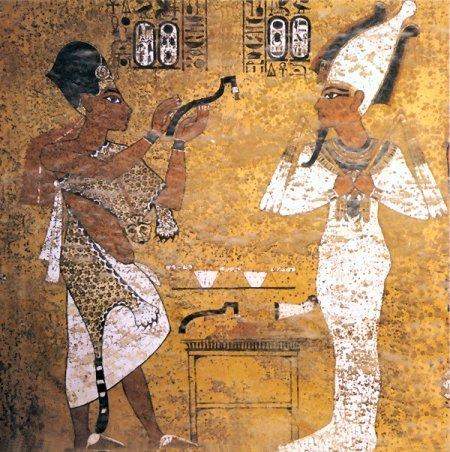
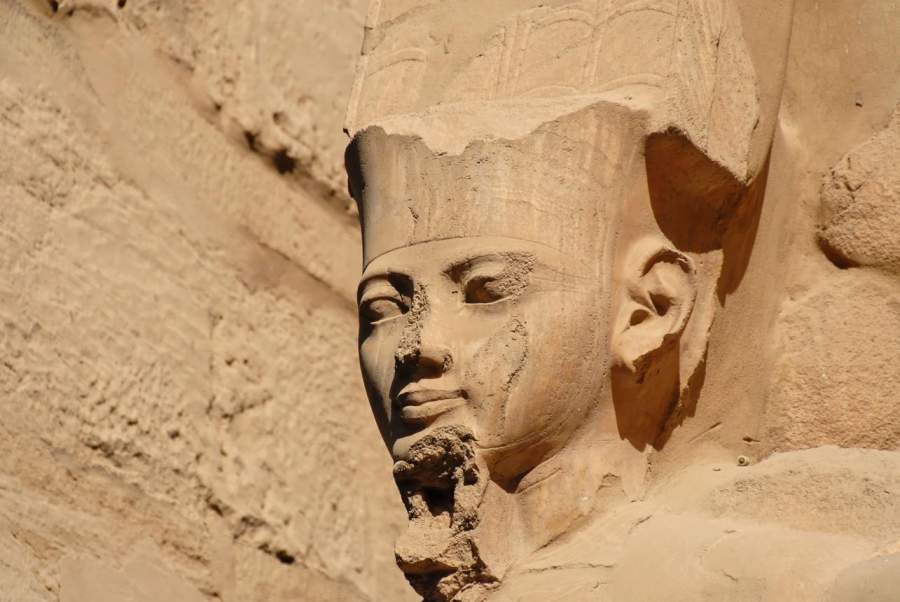
Evidence for this restoration survives in inscriptions and monuments associated with the young king.
His name change from Tutankhaten to Tutankhamun symbolized the return to the worship of Amun and the broader traditional religious system.
This makes Tutankhamun an important figure in understanding the transition from the Amarna period back toward the established religious order.
His reign was brief, but it occupied a critical moment in Egyptian history.
The Discovery of Tomb KV62
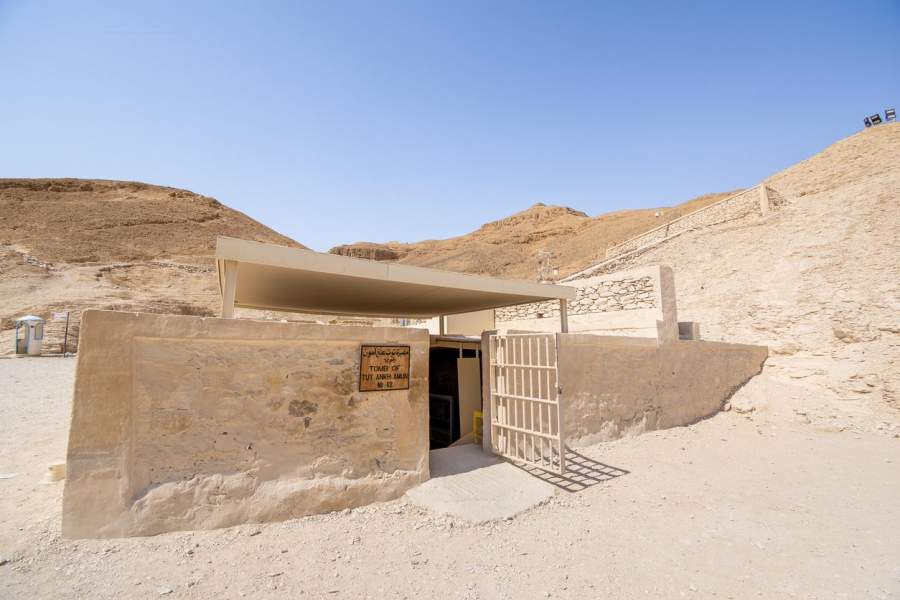
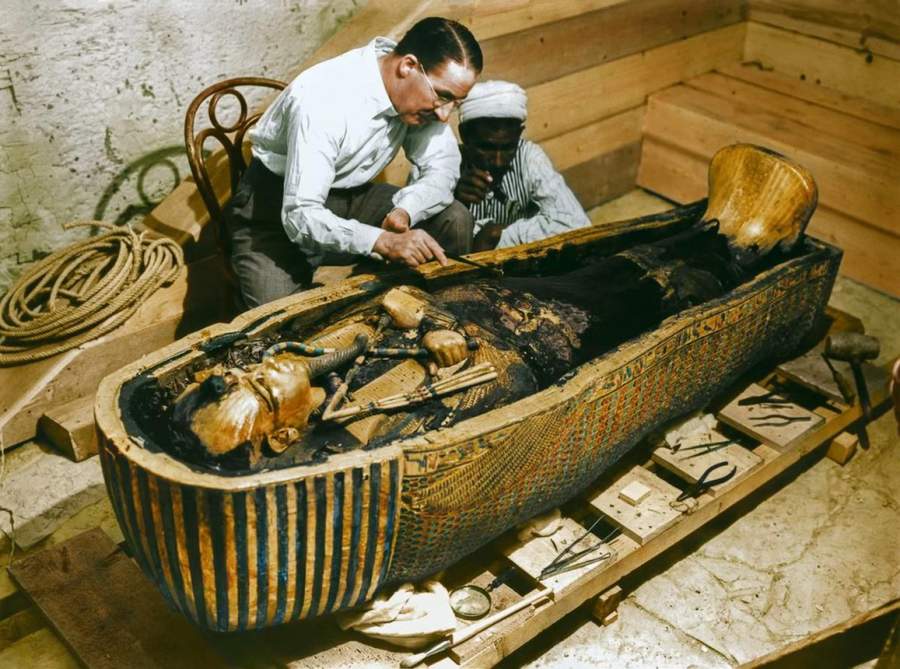
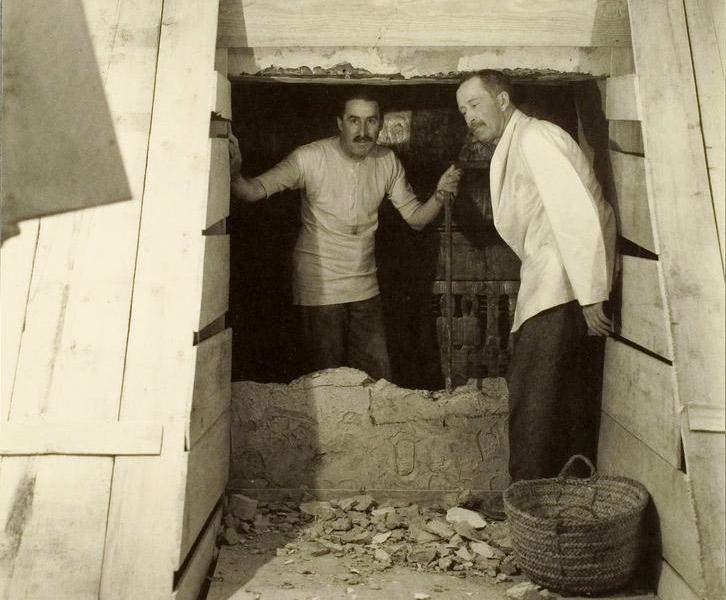
The most important event in Tutankhamun's modern story occurred thousands of years after his death.
In November 1922, Howard Carter discovered the entrance to the tomb in Luxor's Valley of the Kings.
The discovery followed years of searching and archaeological excavation supported by Lord Carnarvon.
According to the Egyptian Ministry of Tourism and Antiquities, Tutankhamun's tomb was numbered KV62 and was the only royal tomb in the Valley of the Kings to have survived with its contents relatively intact.
The discovery immediately attracted worldwide attention.
Inside were four relatively small rock-cut chambers packed with objects.
The Ministry notes that approximately 5,000 artifacts were found inside the tomb, tightly arranged because of its limited size.
The archaeological significance was enormous.
Rather than finding an empty royal tomb whose treasures had disappeared centuries earlier, Carter's team encountered a burial containing an extraordinary collection of objects associated with the king's life and death.
Howard Carter and the Moment of Discovery
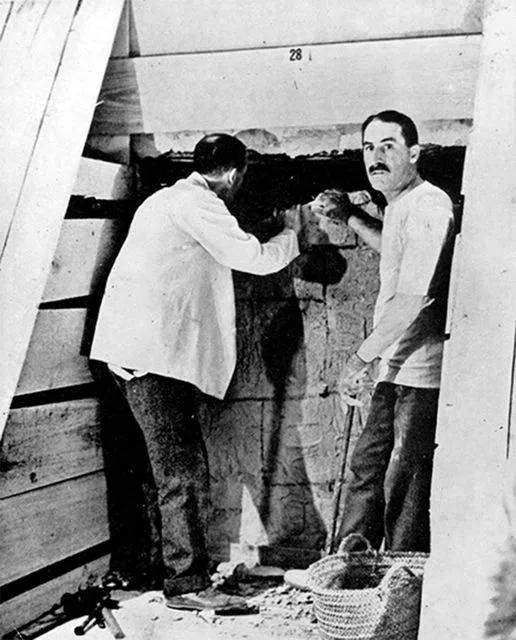
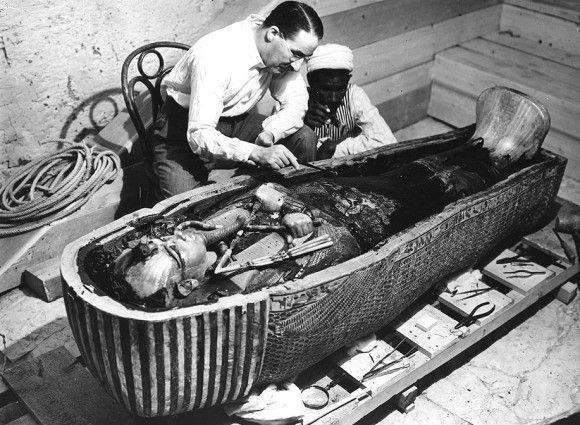
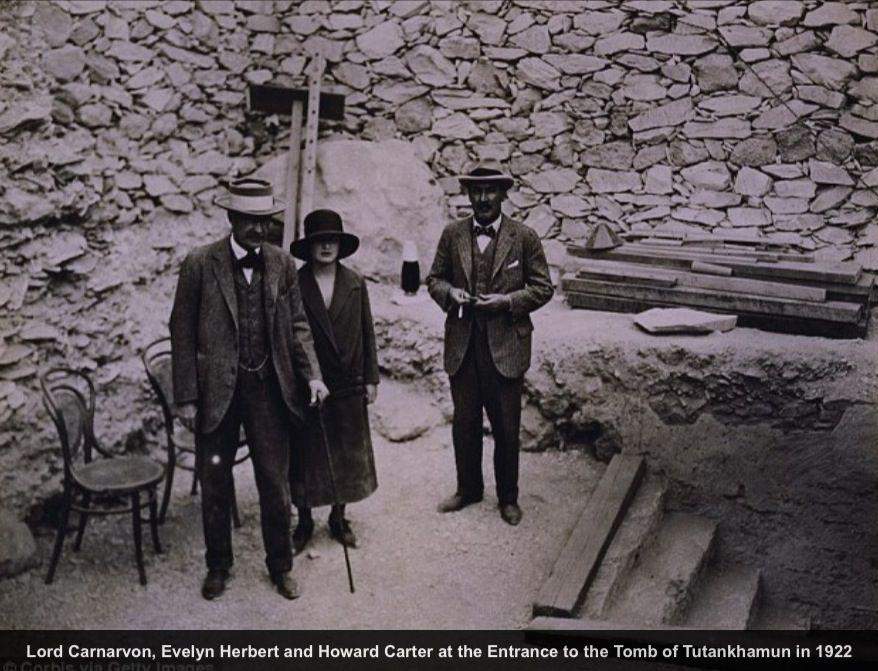
Howard Carter had spent years working in the Theban necropolis and searching for the tomb of the young king.
The discovery of the entrance did not immediately reveal the full scale of what was hidden inside.
Carter and his team carefully excavated the tomb, documenting and removing its contents over an extended period.
The Egyptian Ministry notes that the excavation and documentation process lasted almost ten years.
The discovery also transformed archaeology's relationship with the public.
Newspapers around the world reported on the treasures.
Photographs of gold objects, statues, jewelry, and funerary equipment created a global fascination with ancient Egypt.
Tutankhamun became more than an archaeological discovery.
He became an international cultural icon.
A Small Tomb Filled With Extraordinary Treasures
One of the most fascinating facts about KV62 is its relatively modest size.
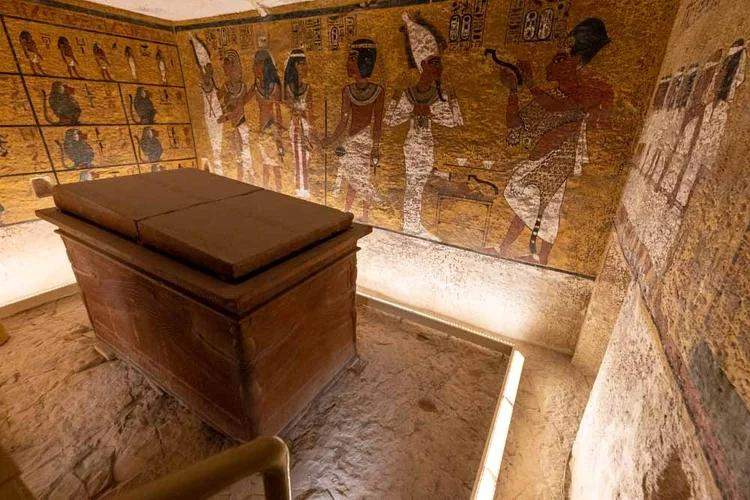
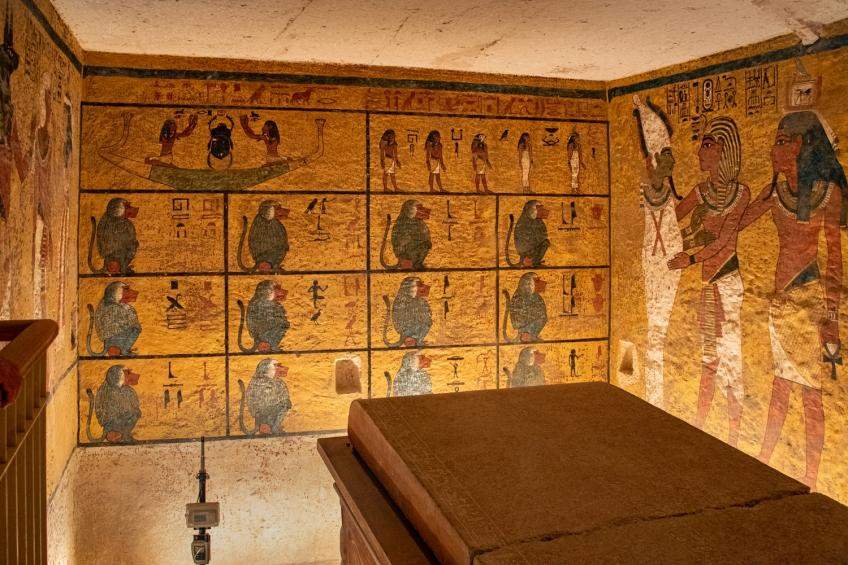
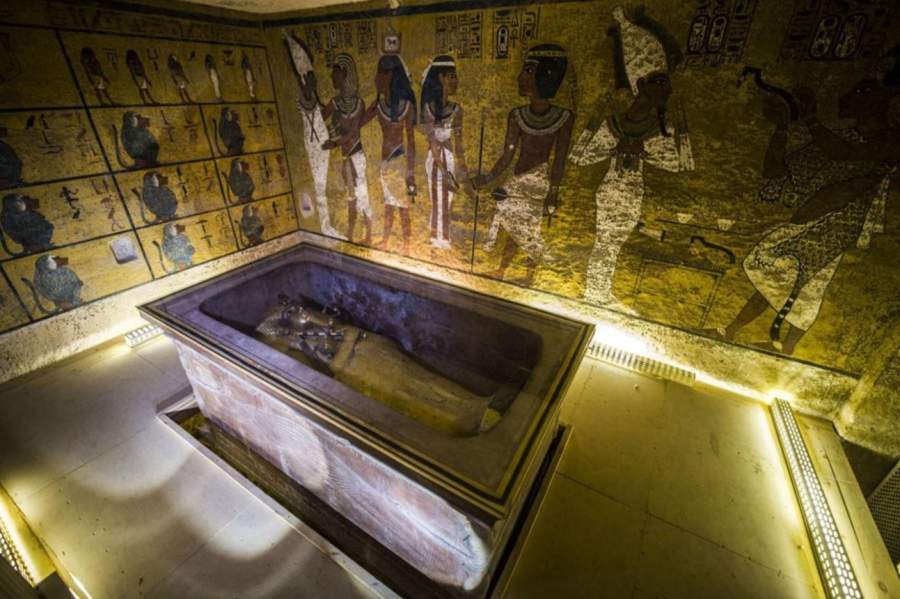
Compared with several other royal tombs in the Valley of the Kings, Tutankhamun's burial place is small and relatively simply decorated.
The Egyptian Ministry suggests that its small size may be connected to the young king's early death and short reign.
Yet this limited space contained thousands of objects.
They included:
- furniture
- clothing
- jewelry
- cosmetics
- weapons
- chariots
- vessels
- ritual objects
- statues
- musical and recreational items
- funerary equipment
The collection is valuable because it goes beyond ceremonial objects.
It includes things connected with everyday royal life.
A visitor studying the collection can therefore learn not only how an Egyptian king was buried, but also something about how he lived.
The Golden Mask of Tutankhamun
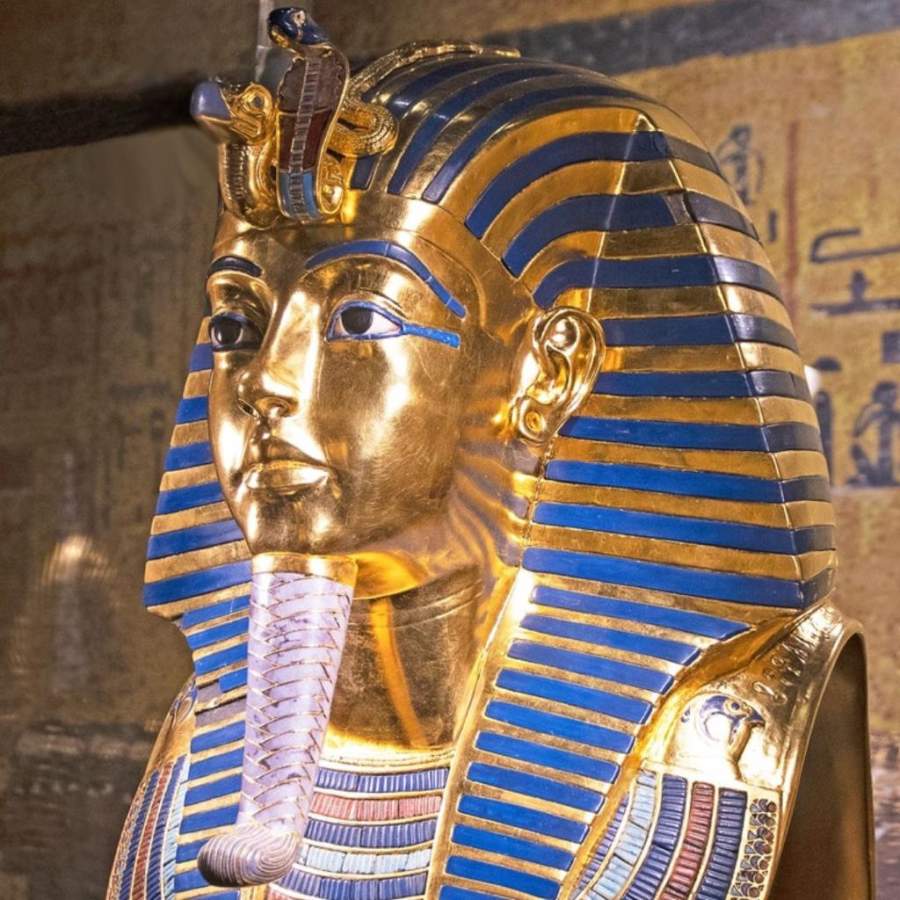
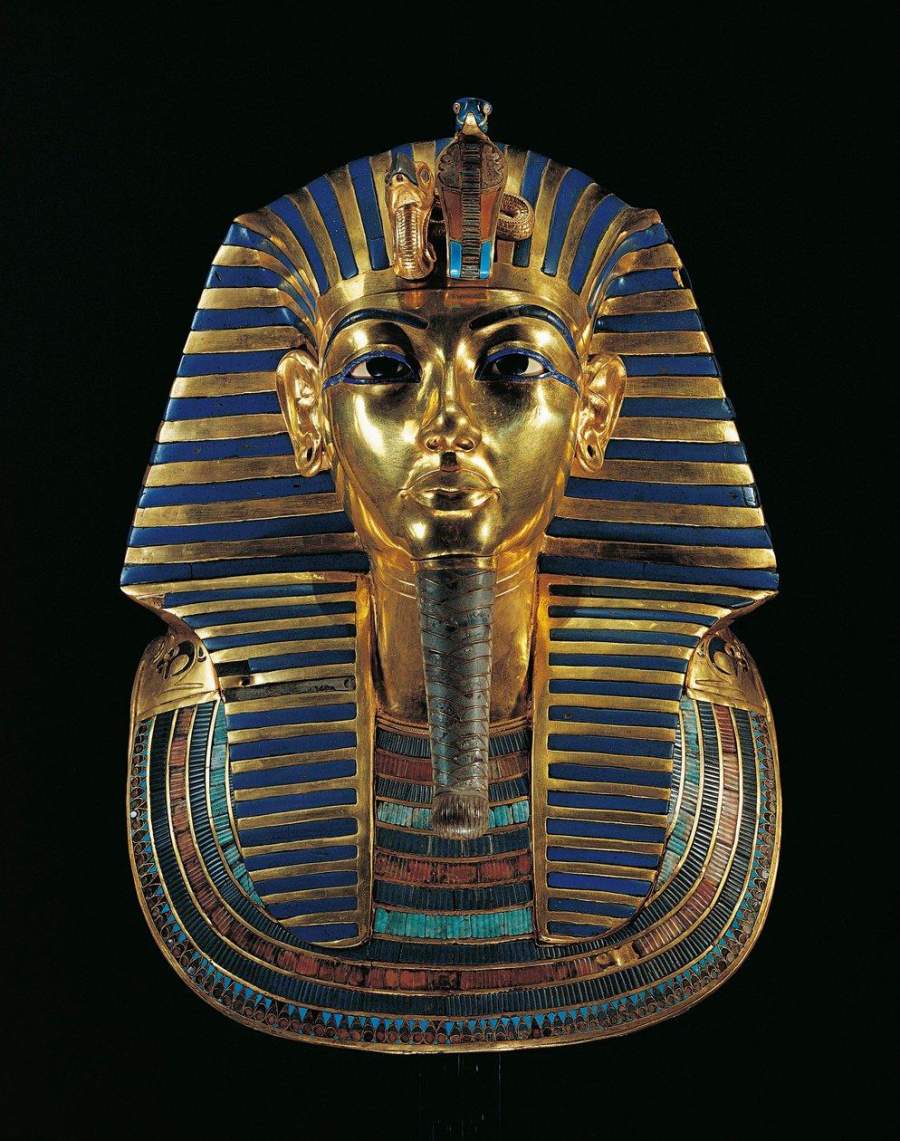
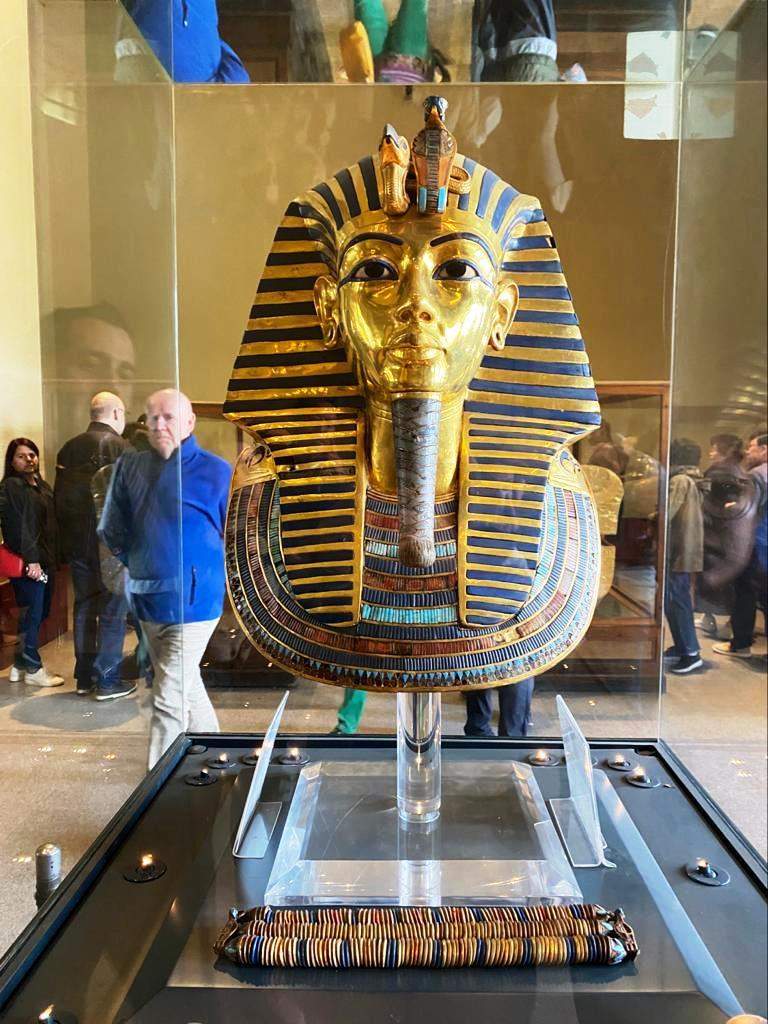
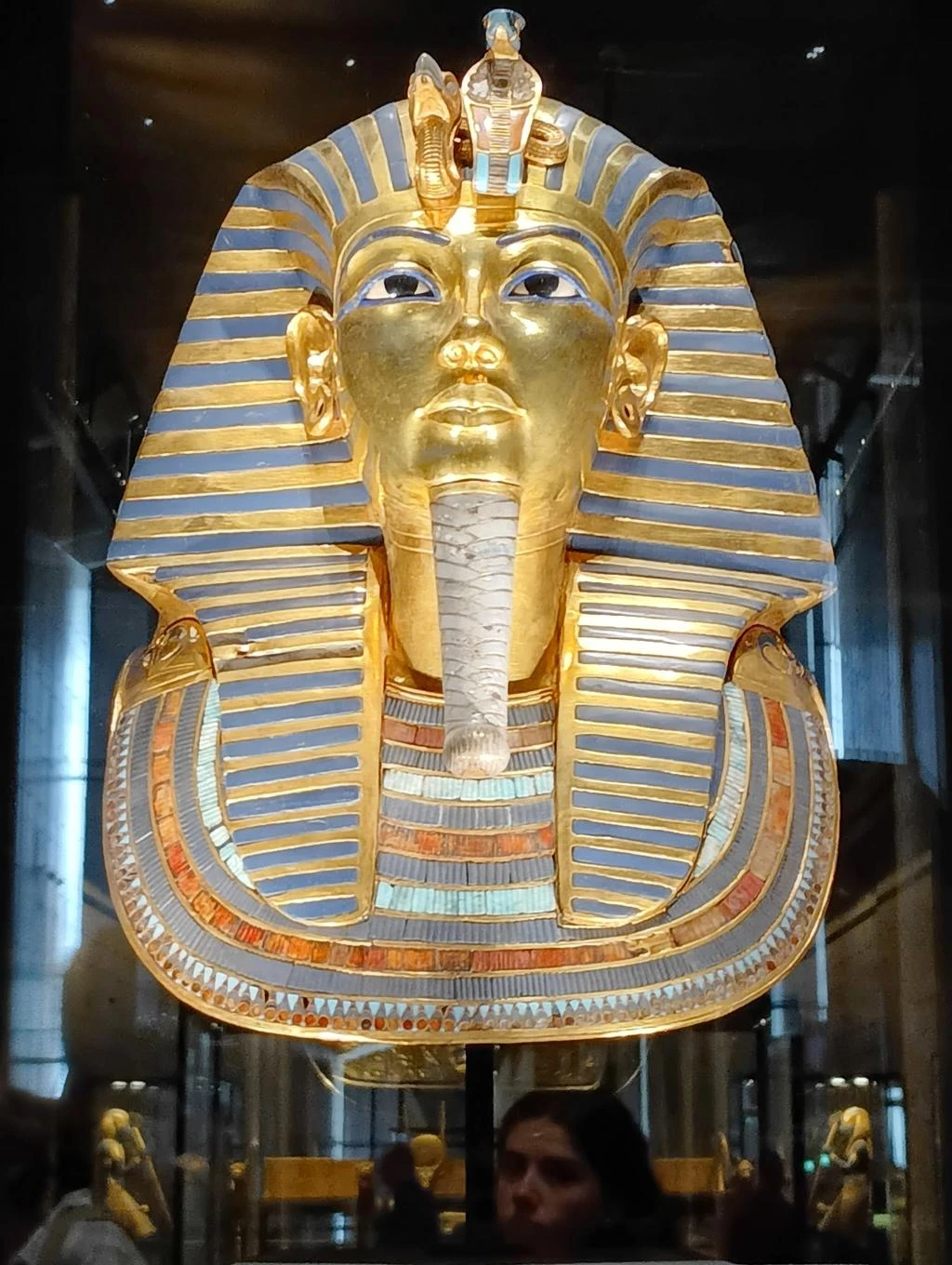
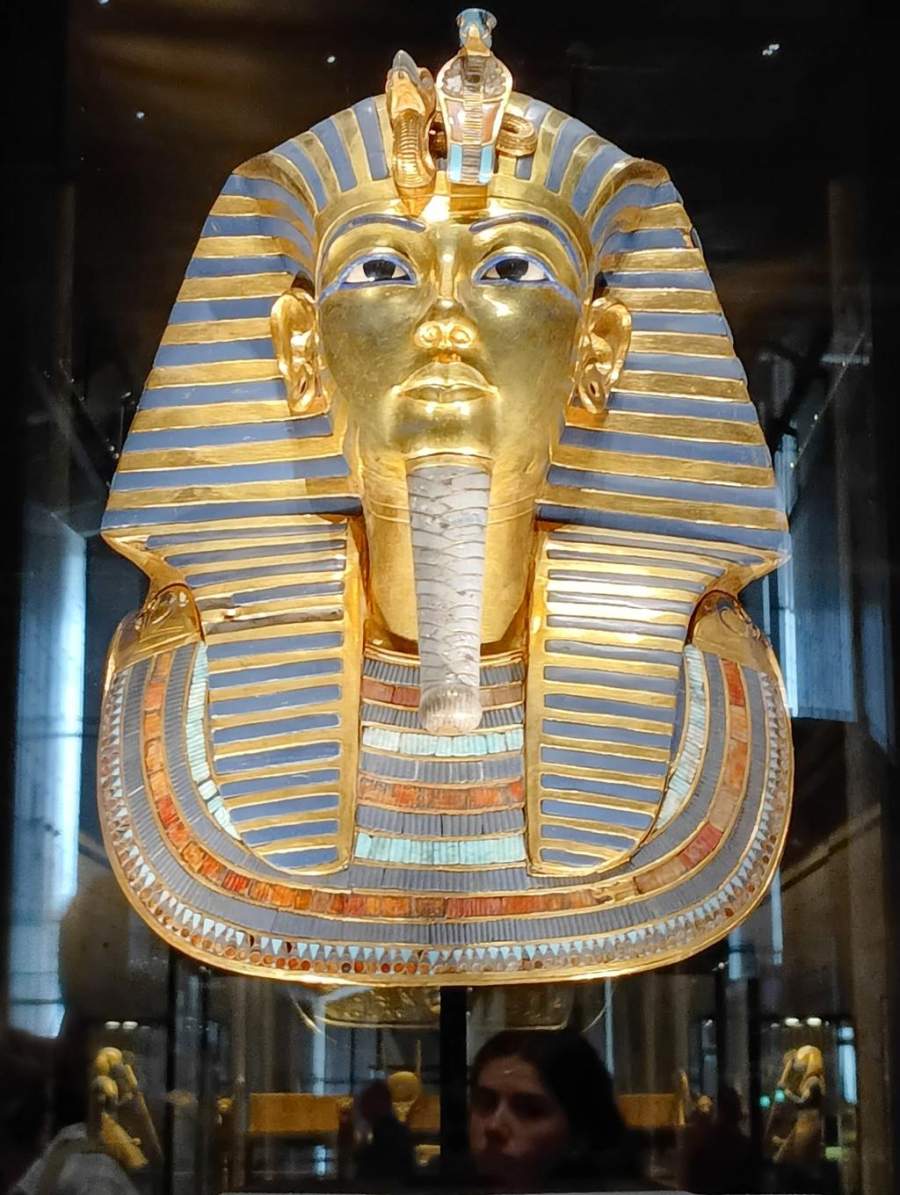
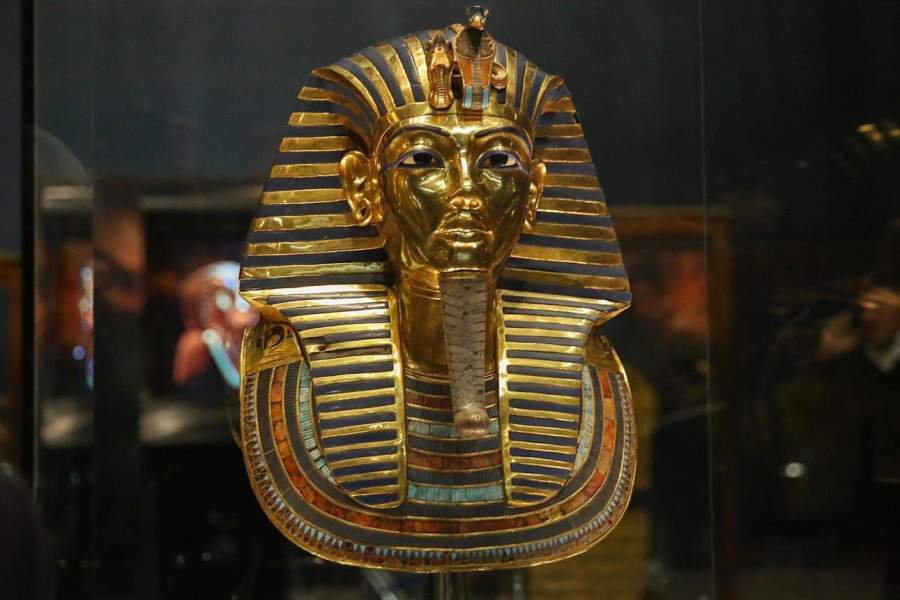
Few ancient Egyptian objects are as recognizable as the golden funerary mask of Tutankhamun.
The mask presents the idealized face of the young king wearing the traditional nemes headdress, with the cobra and vulture symbols of kingship positioned on the forehead.
Blue and gold create the mask's instantly recognizable appearance.
For decades, the mask was one of the signature masterpieces of the Egyptian Museum in Tahrir.
Today, the Tutankhamun collection has a new home.
The Grand Egyptian Museum's Tutankhamun Galleries are now dedicated to presenting the young king's treasures together. The museum's official website specifically identifies the Golden Burial Mask of Tutankhamun among its featured collection objects.
The mask is more than beautiful craftsmanship.
It is a symbol of ancient Egyptian kingship, funerary beliefs, and the extraordinary archaeological discovery that brought Tutankhamun back into the global imagination.
The Three Coffins of Tutankhamun
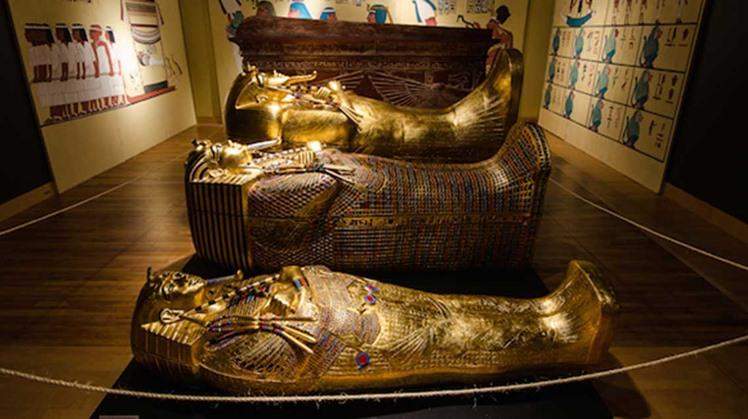
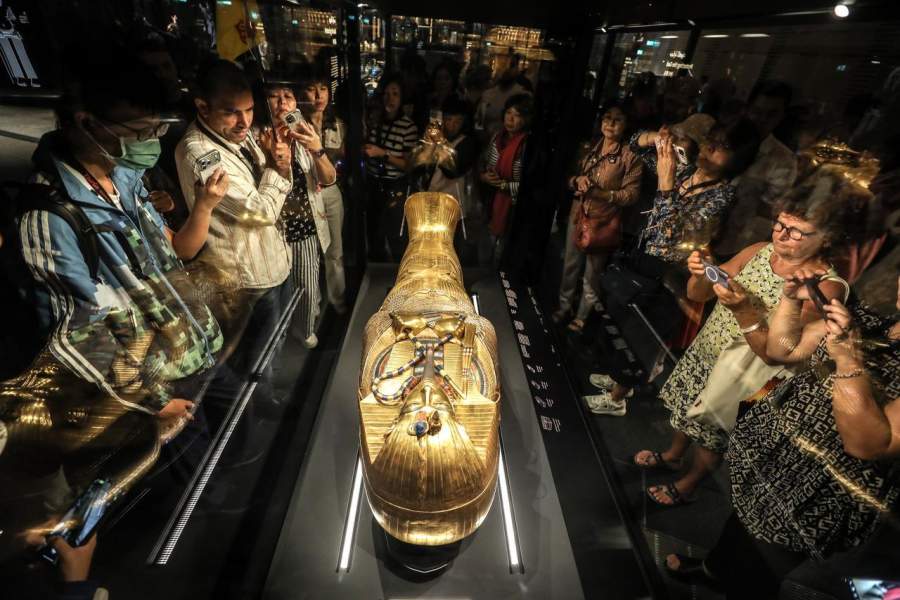
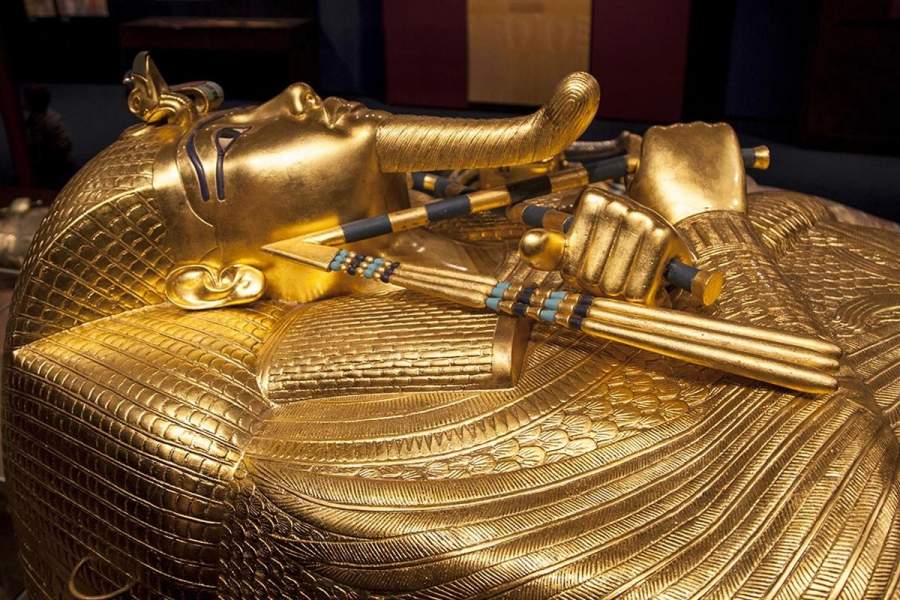
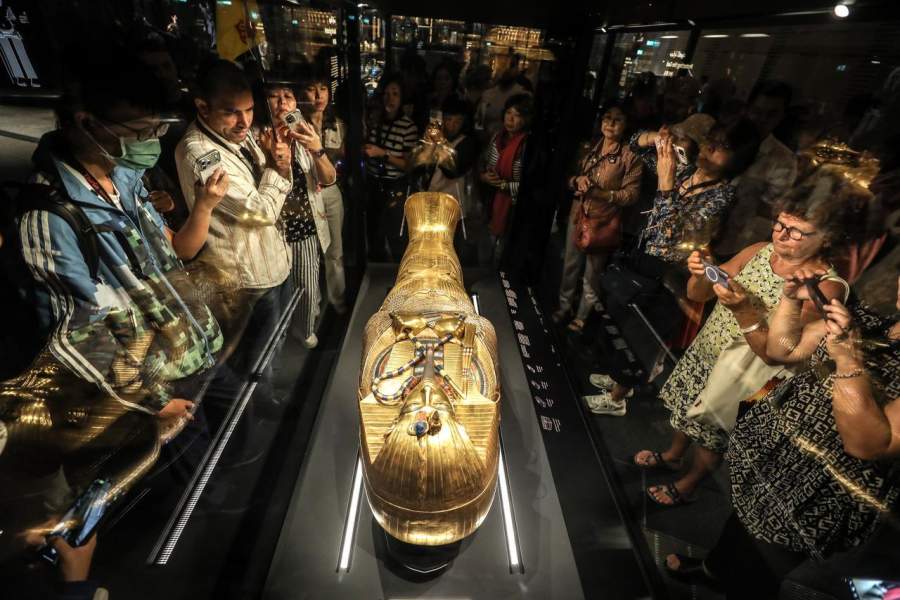
Tutankhamun's burial included three nested anthropoid coffins placed within one another.
The innermost coffin was made of solid gold and weighed approximately 110.4 kilograms, according to the Egyptian Ministry of Tourism and Antiquities.
The coffins depict the king in the traditional Osirian form, with his arms crossed over his chest.
The middle and outer coffins were made from wood and covered or decorated with gilded surfaces and colorful inlays.
Together, the coffins created a series of protective layers around the king's mummy.
The burial arrangement demonstrates the importance of protection and transformation in Egyptian funerary beliefs.
Tutankhamun was not simply placed in a container.
He was surrounded by multiple layers of sacred imagery and protective symbolism.
The Sarcophagus and Burial Chamber
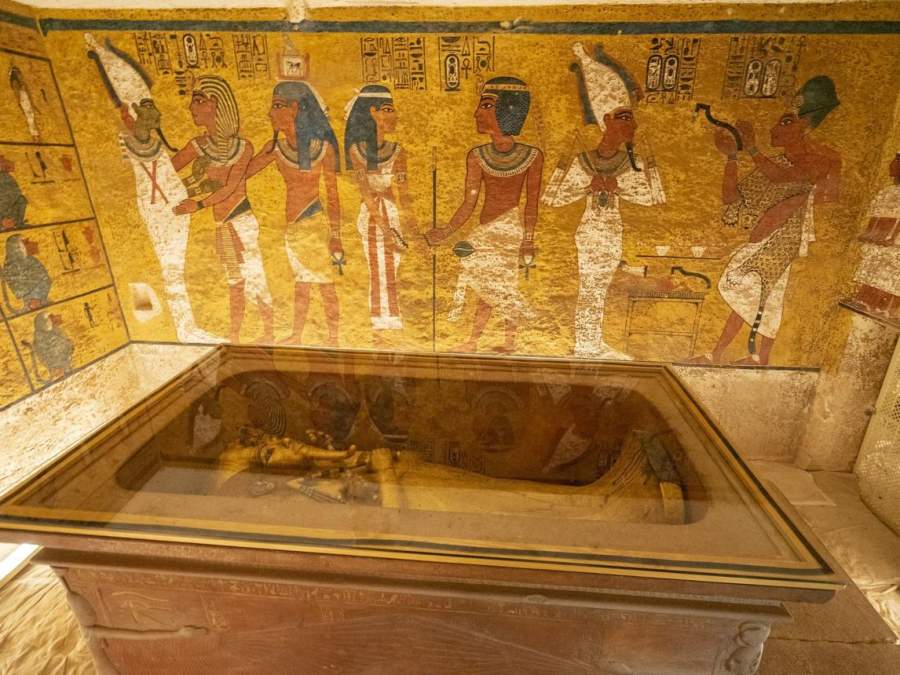
The coffins themselves were placed inside a large quartzite sarcophagus in the burial chamber.
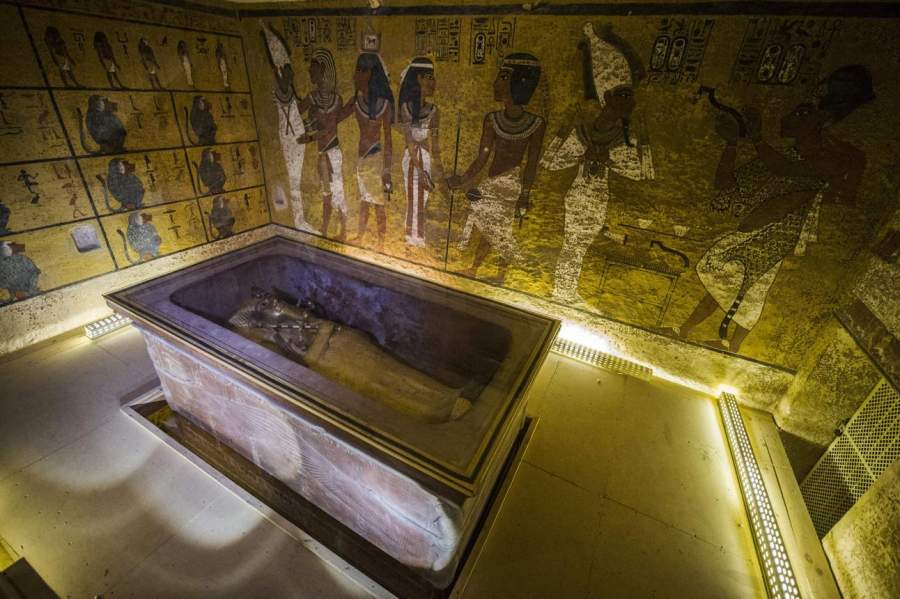
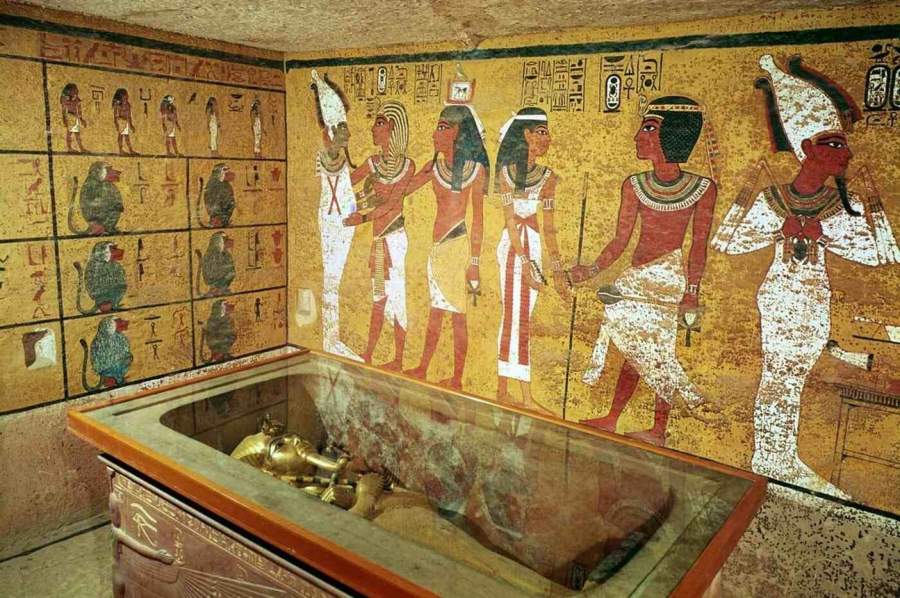
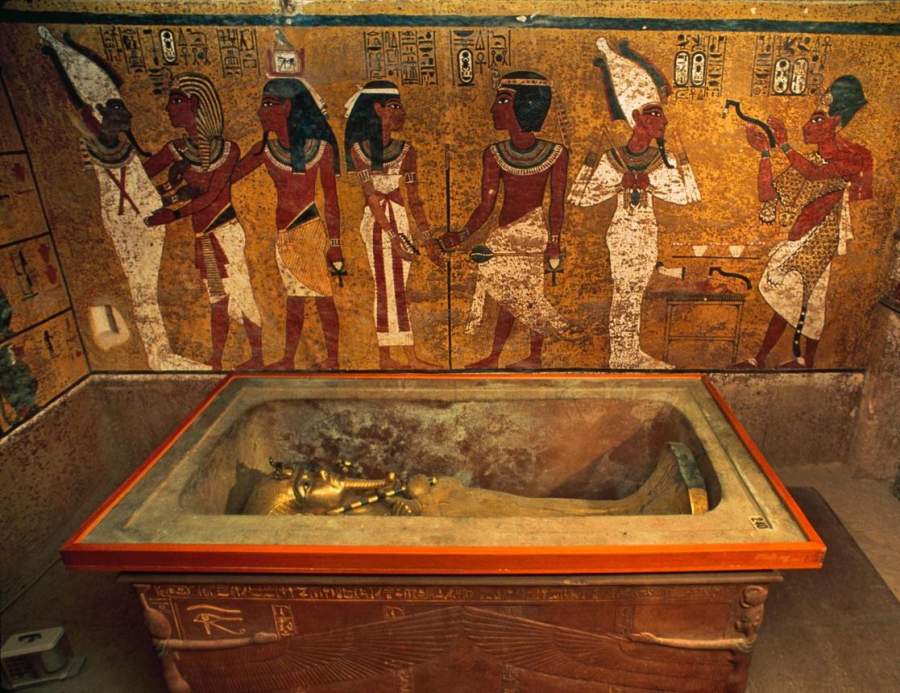
The Egyptian Ministry records the burial chamber as approximately 6 meters by 4 meters and describes the outer sarcophagus as rectangular quartzite decorated at its corners with protective deities whose wings extend around the king.
The burial chamber itself is decorated with scenes and inscriptions connected to the king's journey into the afterlife.
Unlike many larger royal tombs, KV62 contains a relatively limited number of decorated chambers.
But the surviving paintings and objects provide an extraordinarily intimate look at the burial of a New Kingdom king.
Today, Tutankhamun's mummy remains in the tomb in Luxor, while many of the famous funerary treasures have been transferred to museum collections.
Tutankhamun's Mummy
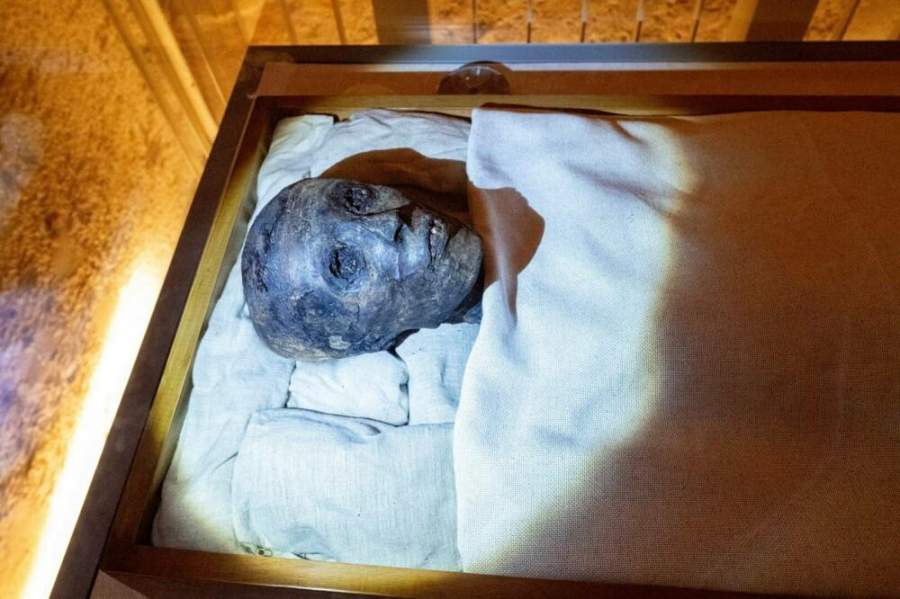
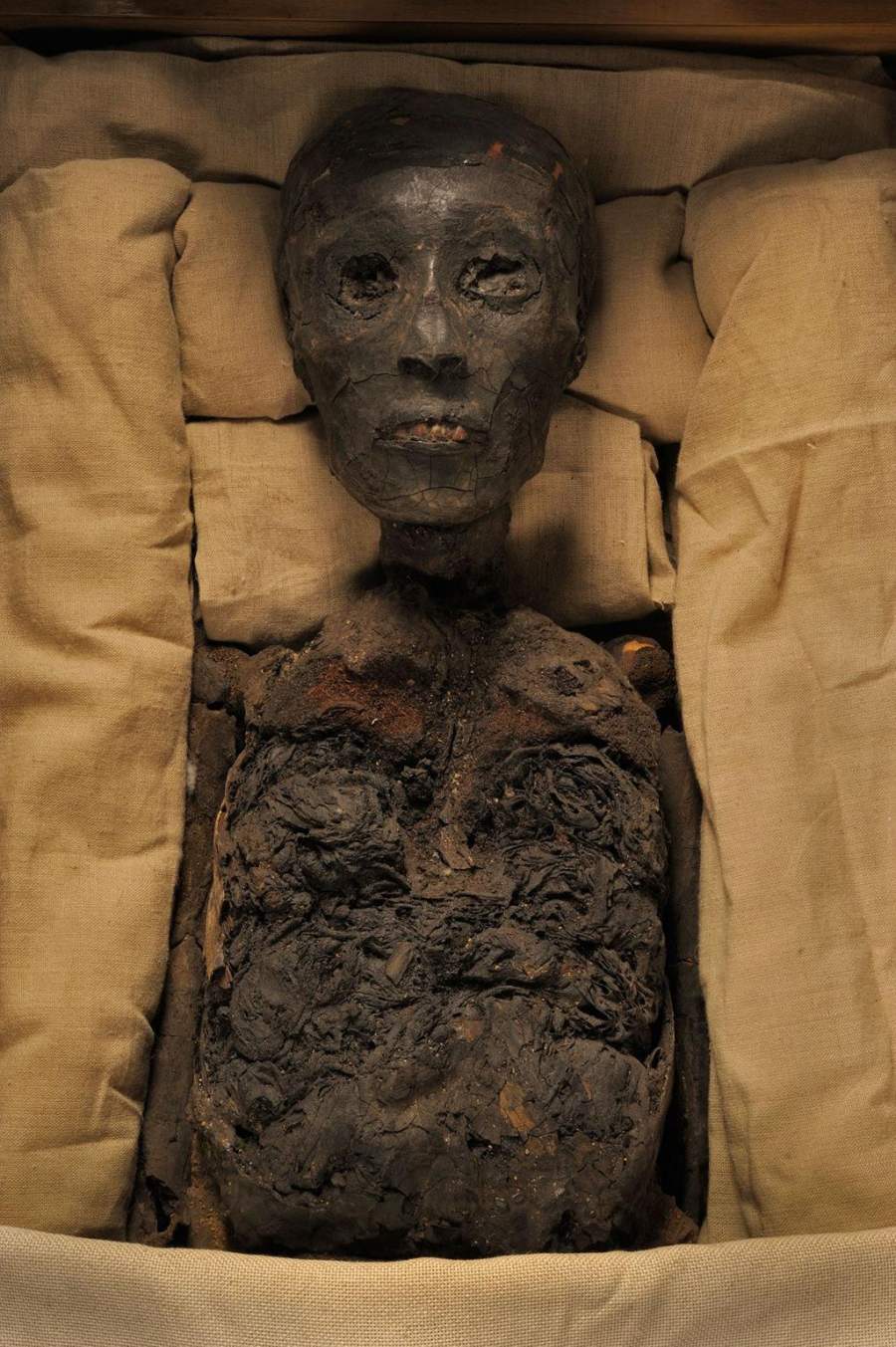
One of the most unusual aspects of visiting Tutankhamun's tomb today is that the king's mummy remains there.
Visitors can therefore experience the actual burial site where the young pharaoh was placed more than three thousand years ago.
Modern scientific studies have examined the mummy using radiological and genetic techniques.
The Egyptian Ministry states that a CT scan confirmed Tutankhamun was approximately 18 years old when he died, while also noting that the exact cause of death remains uncertain.
This distinction is important.
Tutankhamun's young age is well supported by scientific examination, but discussions about precisely how he died remain more complicated.
The mummy continues to be studied because it can provide information about ancient Egyptian health, mummification, and royal lineage.
The Treasures of Everyday Royal Life
Perhaps the most valuable aspect of Tutankhamun's collection is its variety.
A royal burial naturally contains objects created for the afterlife, but the collection also preserves an astonishing range of objects connected with the king's daily world.
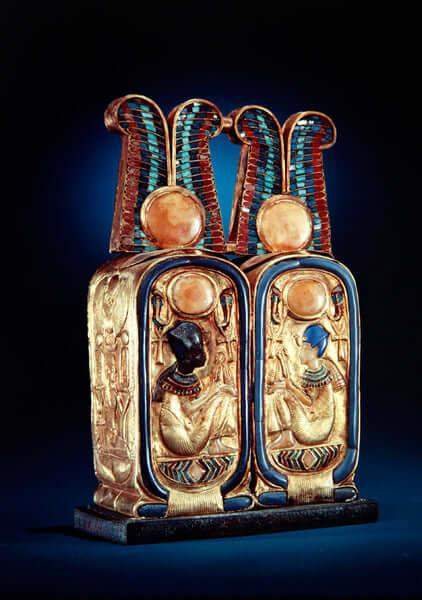
The Egyptian Ministry lists clothing, jewelry, cosmetics, incense, furniture, chairs, toys, vessels, chariots, and weapons among the objects recovered from KV62.
These objects allow visitors to imagine the practical side of palace life.
What did a young king sit on?
What did he wear?
How were cosmetics and perfumes stored?
What kinds of weapons and chariots accompanied him?
How was royal furniture designed?
The tomb provides fragments of answers to all of these questions.
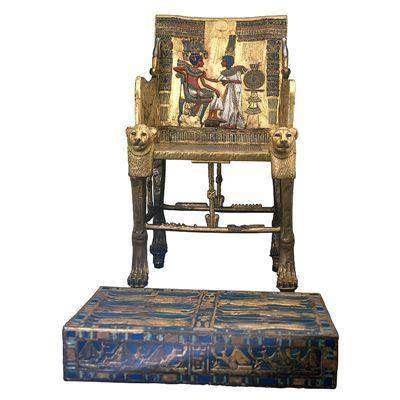
Tutankhamun's Throne
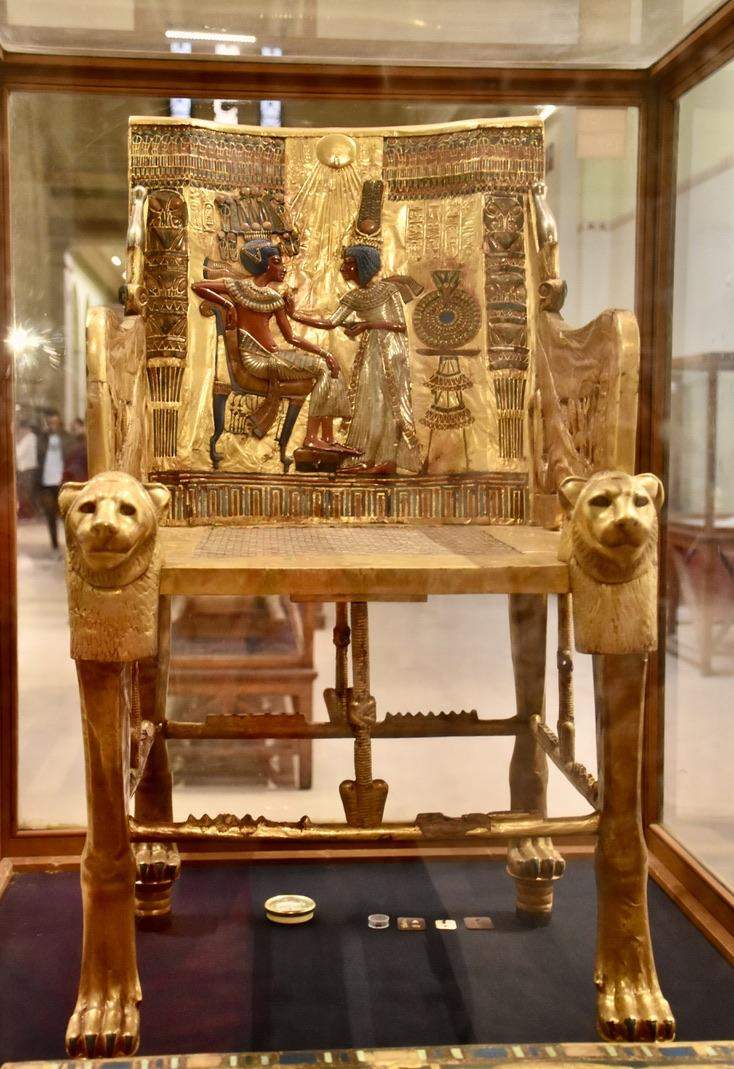
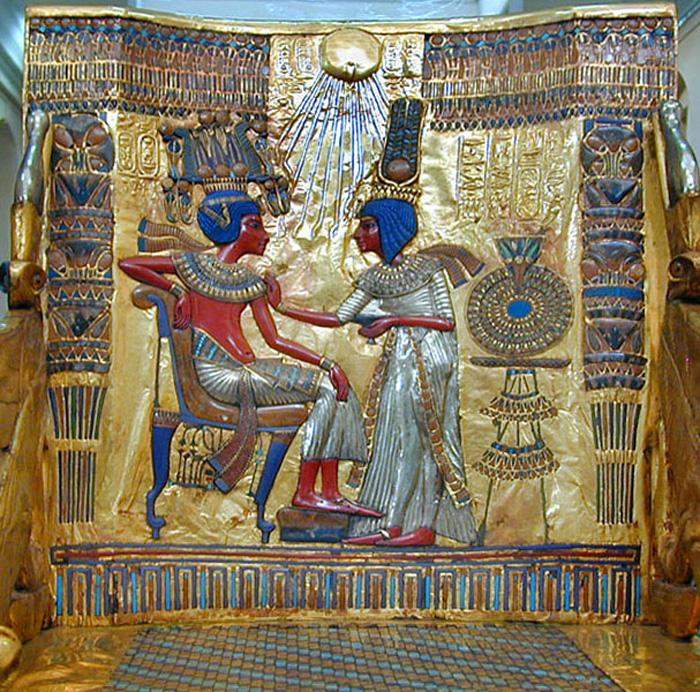
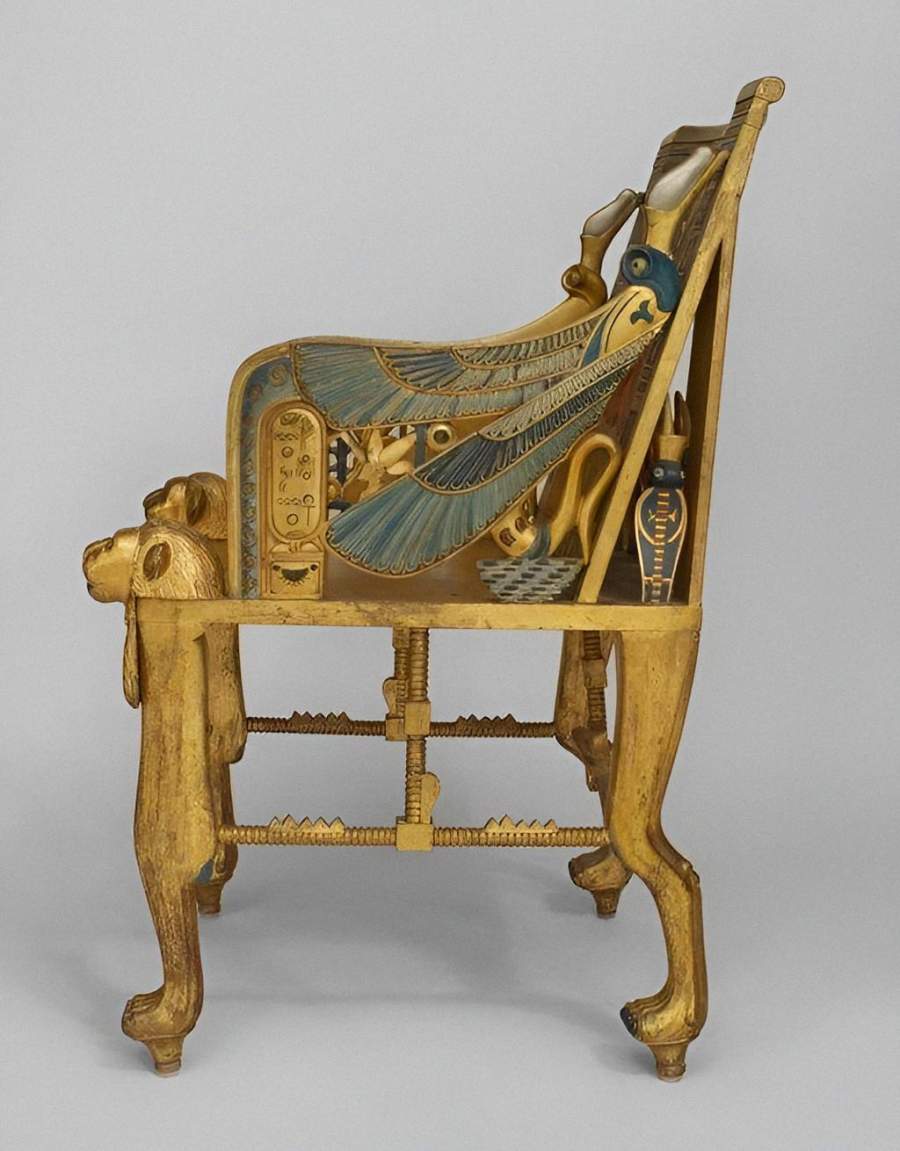
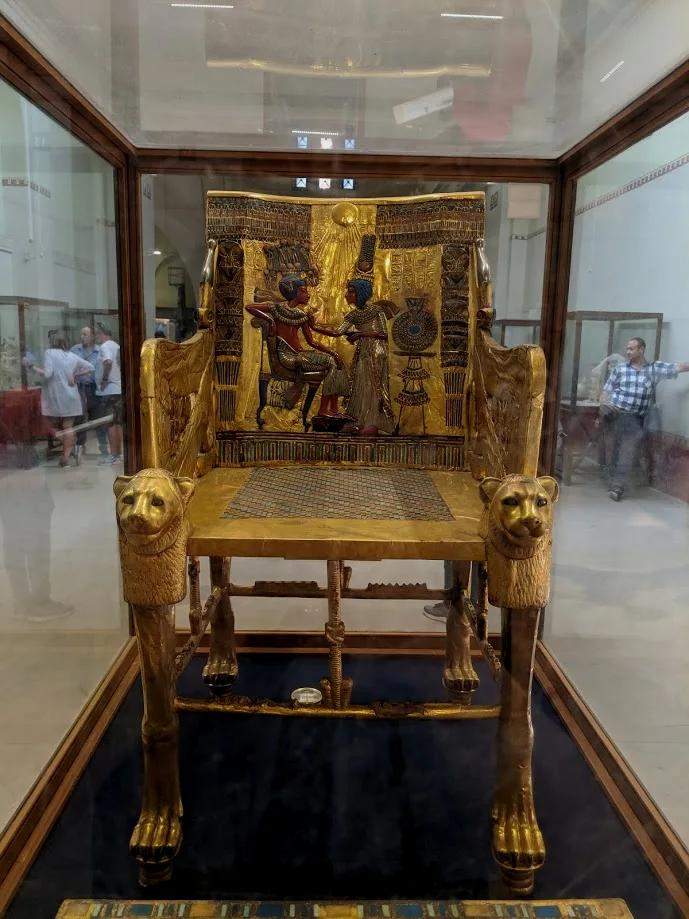
One of the collection's most remarkable pieces is the famous throne of Tutankhamun.
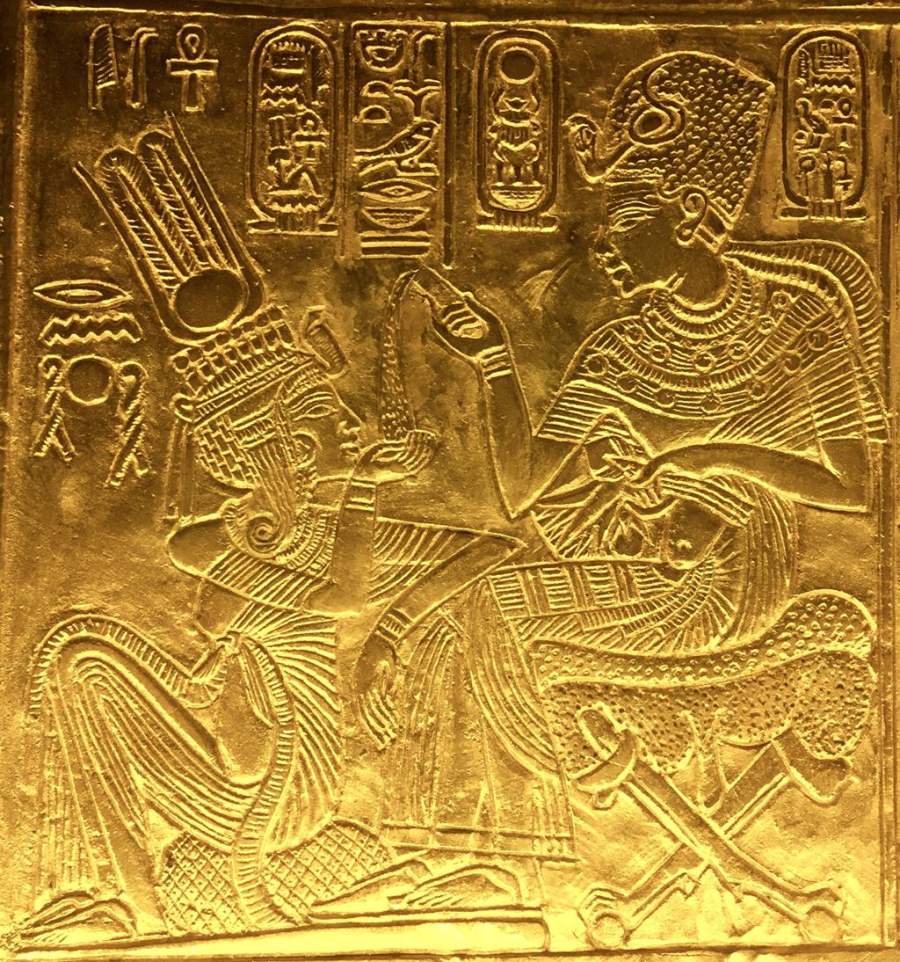
The chair is richly decorated and contains a scene of the king seated with his wife, Ankhesenamun.
The artistic style reflects the transition from the Amarna period and provides an extraordinary visual record of royal life during a period of religious transformation.
The piece is valuable not only because of its materials.
Its decoration allows historians to study the artistic and political transition between Akhenaten's religious reforms and the restoration associated with Tutankhamun.
A chair becomes historical evidence.
A piece of palace furniture becomes a record of changing ideas about kingship, religion, and royal identity.
Chariots, Weapons, and Royal Mobility
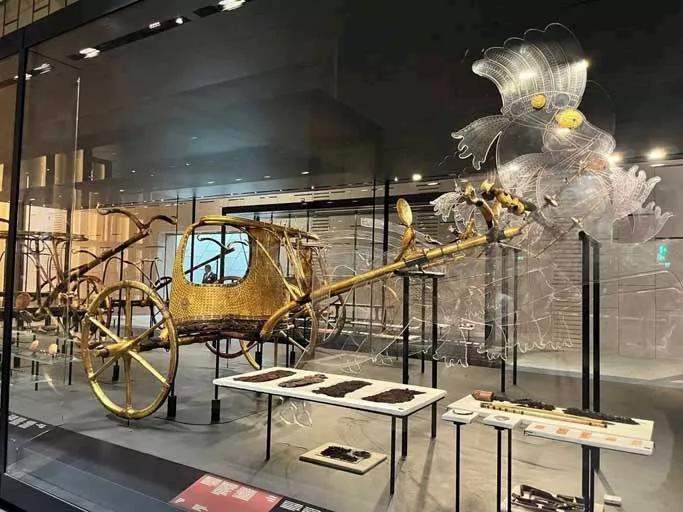
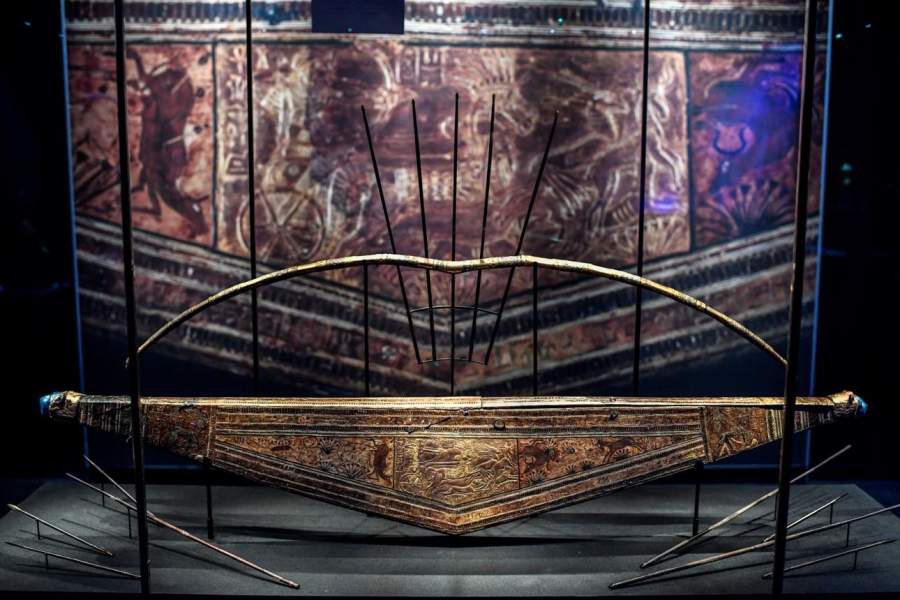
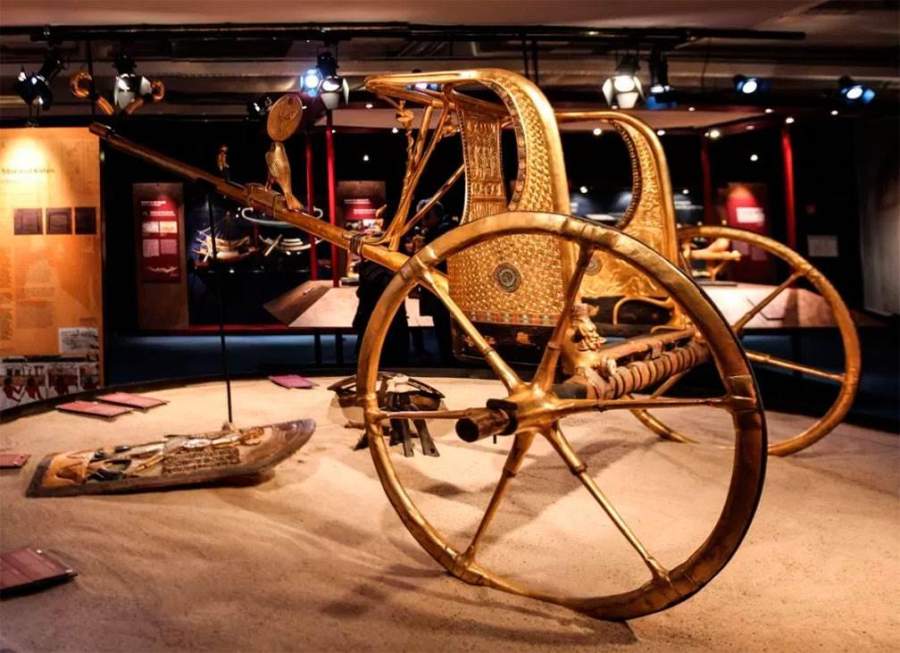
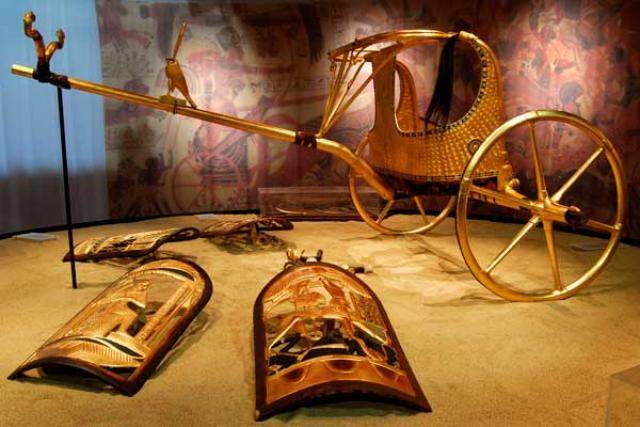
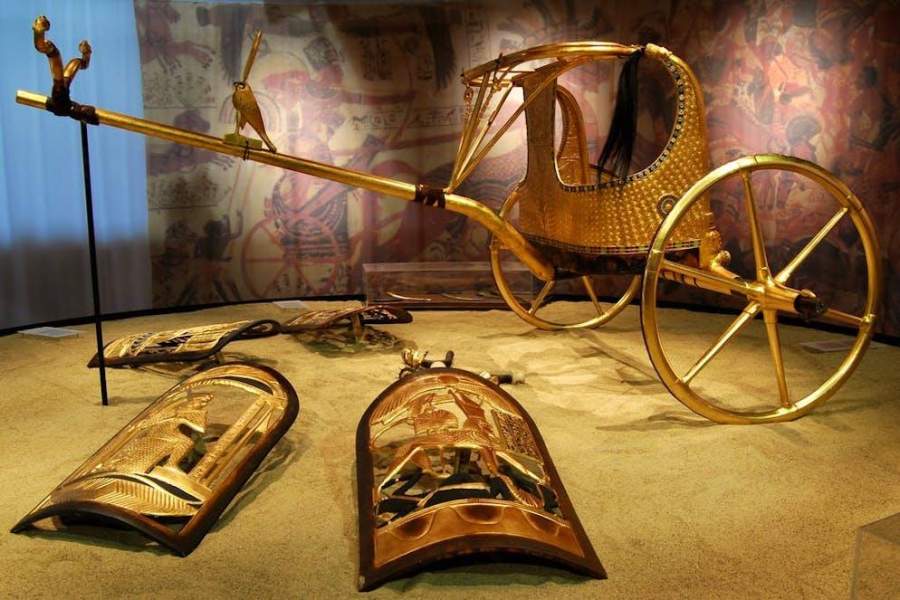
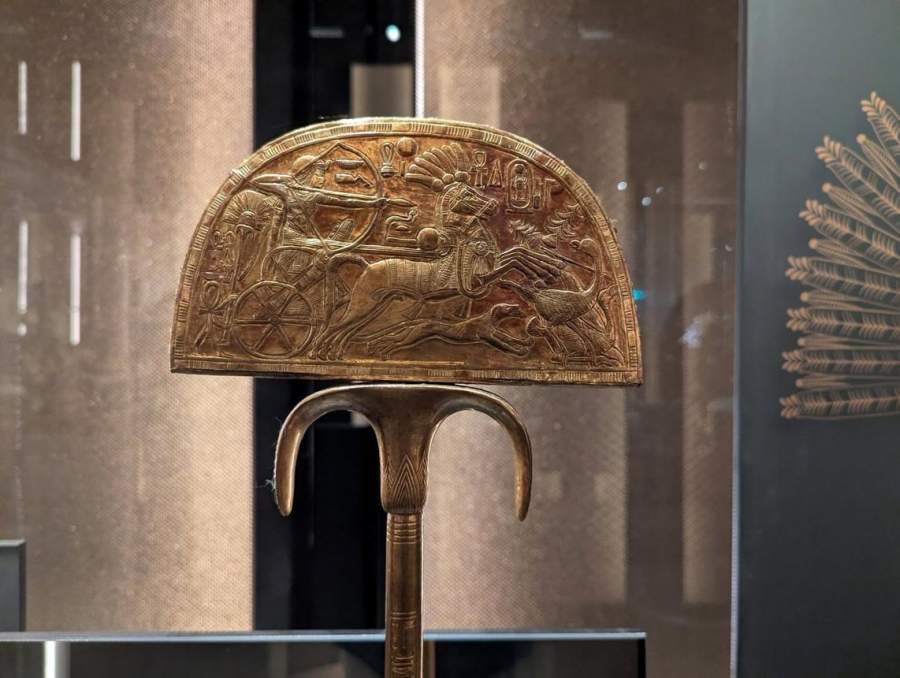
Tutankhamun's tomb also contained chariots and weapons.
These objects reveal the importance of hunting, warfare, sport, and royal representation in the culture of the New Kingdom.
The chariot was one of the most important technologies of the period.
It was associated with mobility, military power, hunting, and royal imagery.
The collection includes bows, arrows, shields, and other weapons, alongside chariot components.
Even if these objects were placed in the tomb for symbolic or practical reasons connected with the afterlife, they preserve information about the equipment associated with the royal court.
Tutankhamun's Jewelry
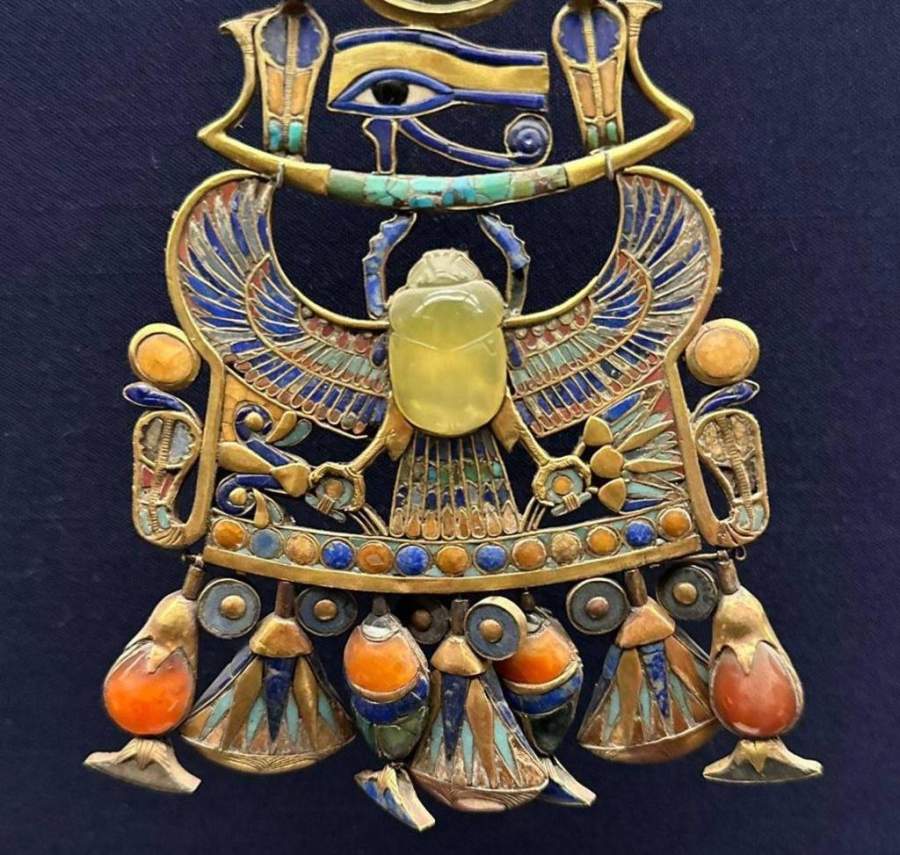
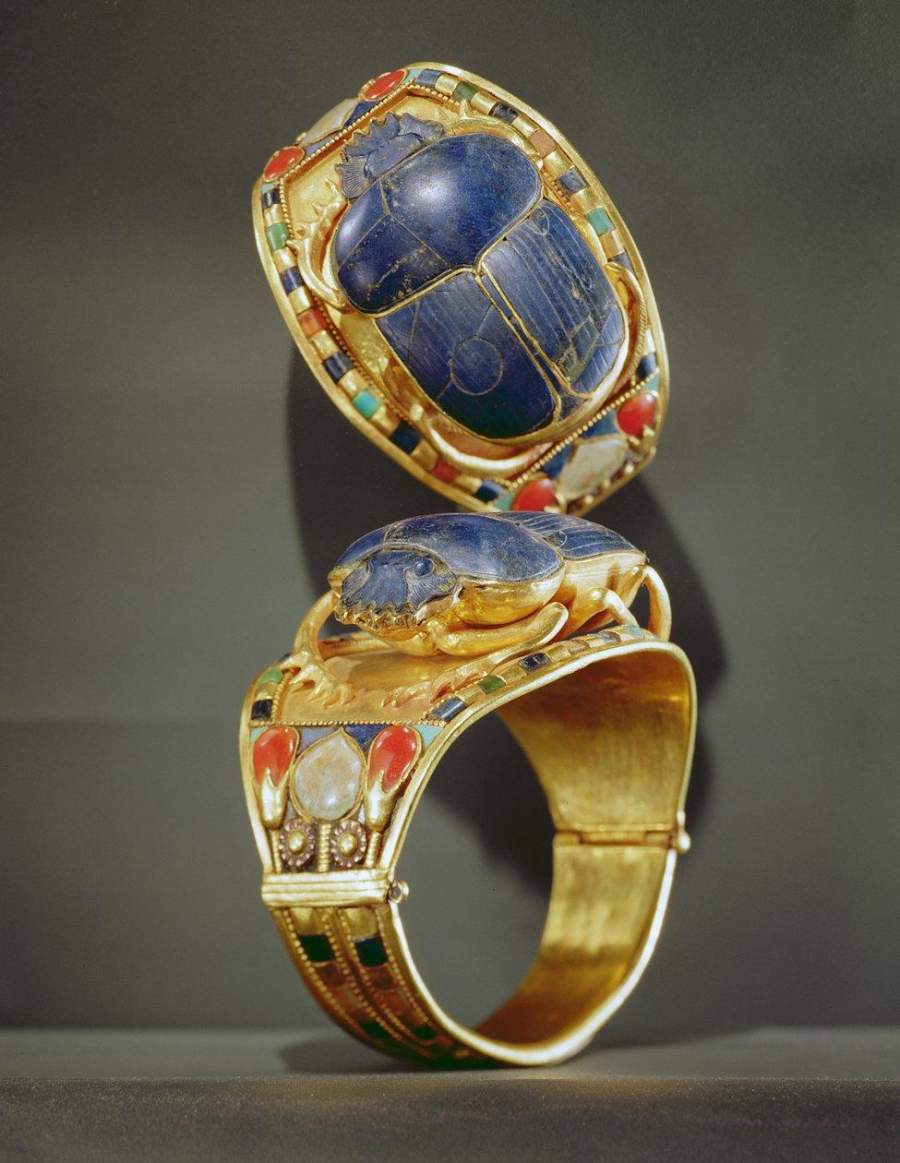
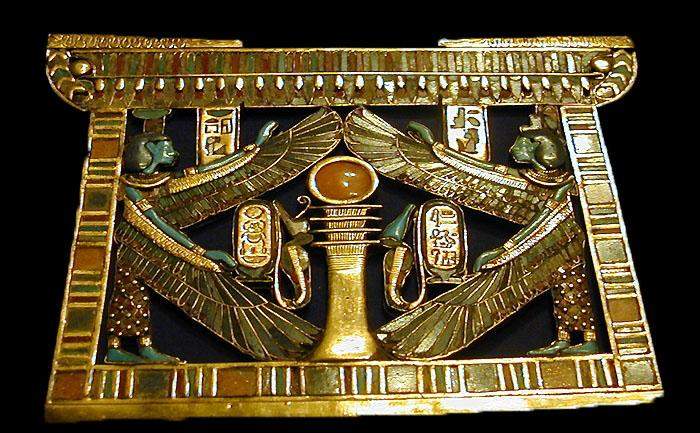
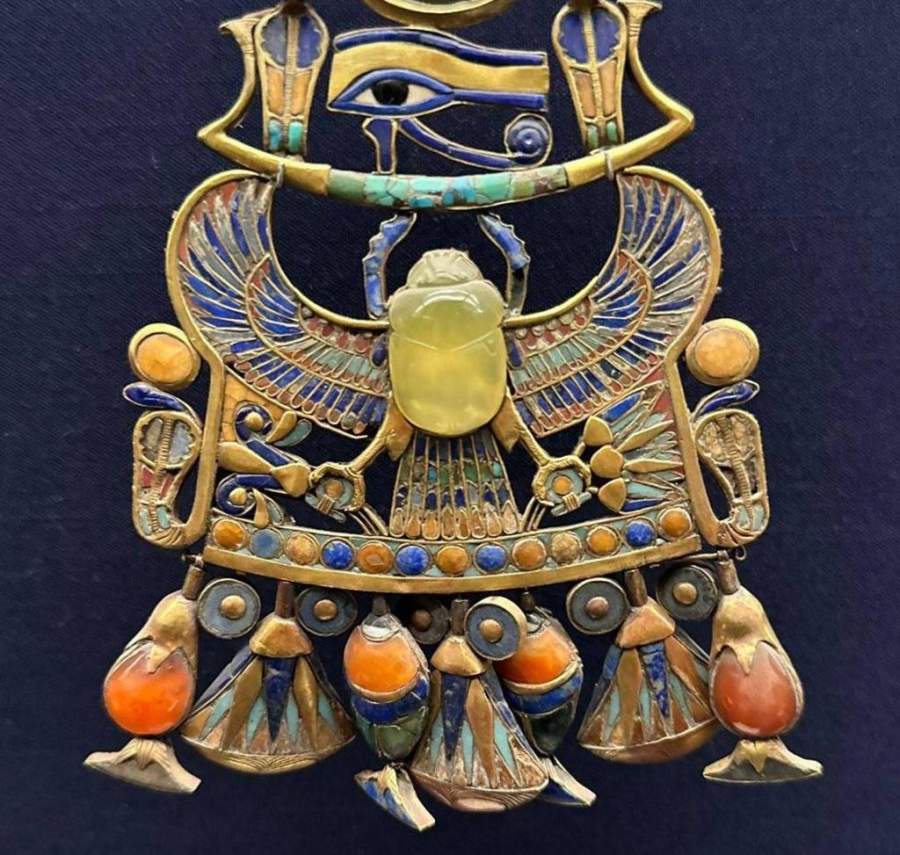
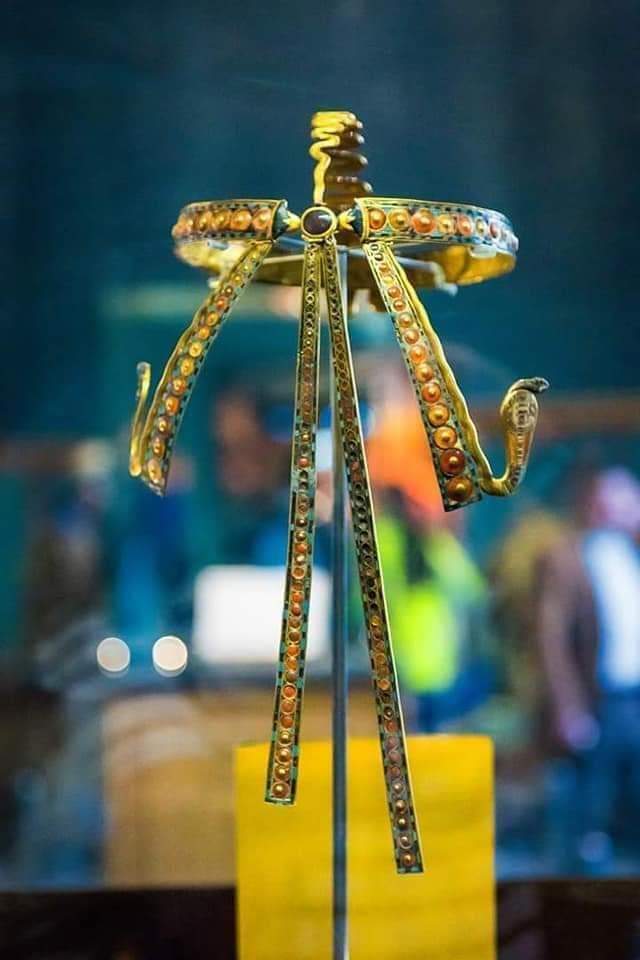
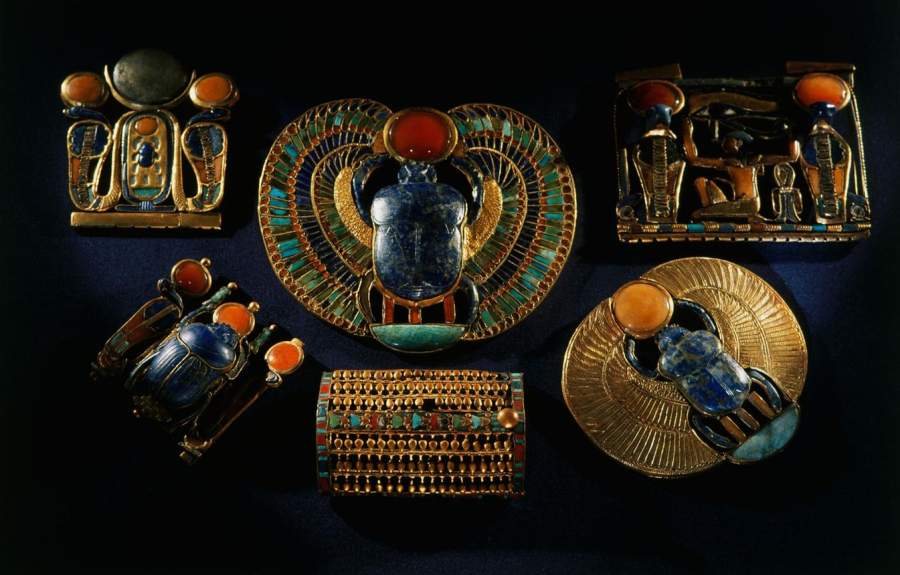
The jewelry of Tutankhamun is among the most visually spectacular parts of his collection.
Gold, colored stones, glass, and intricate designs were used to create necklaces, collars, bracelets, rings, earrings, pectorals, and other objects.
Many pieces contain religious symbolism.
Scarabs, falcons, solar imagery, and representations of deities appear throughout Egyptian jewelry and funerary art.
The craftsmanship also demonstrates the sophistication of New Kingdom metalworking and stoneworking.
For modern visitors, the jewelry can appear almost impossibly delicate.
Yet it survived for more than three thousand years inside the tomb.
The Canopic Equipment
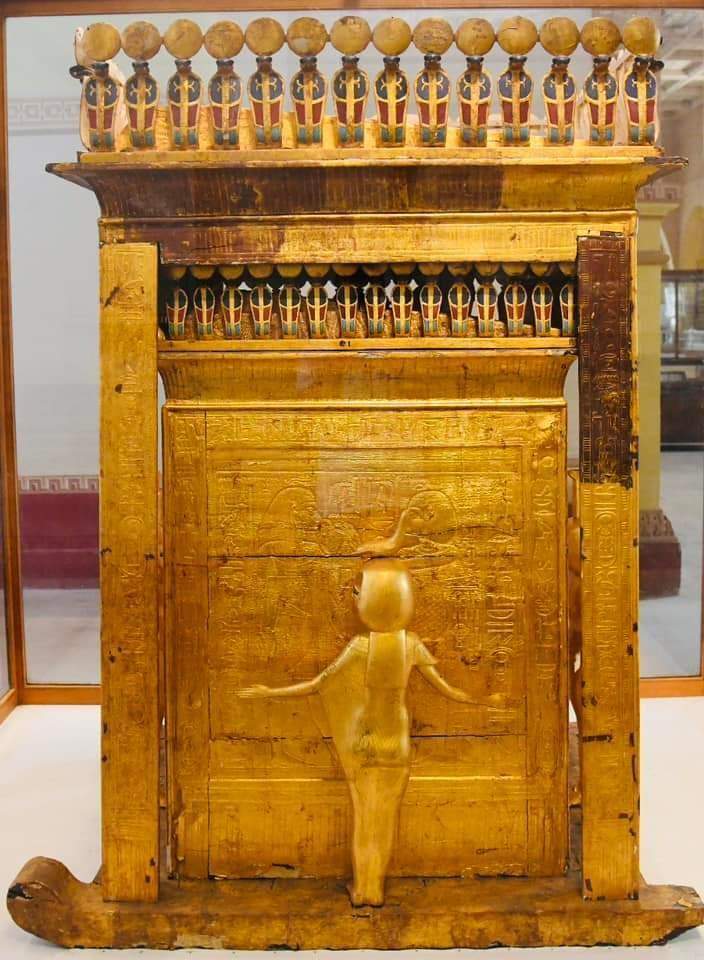
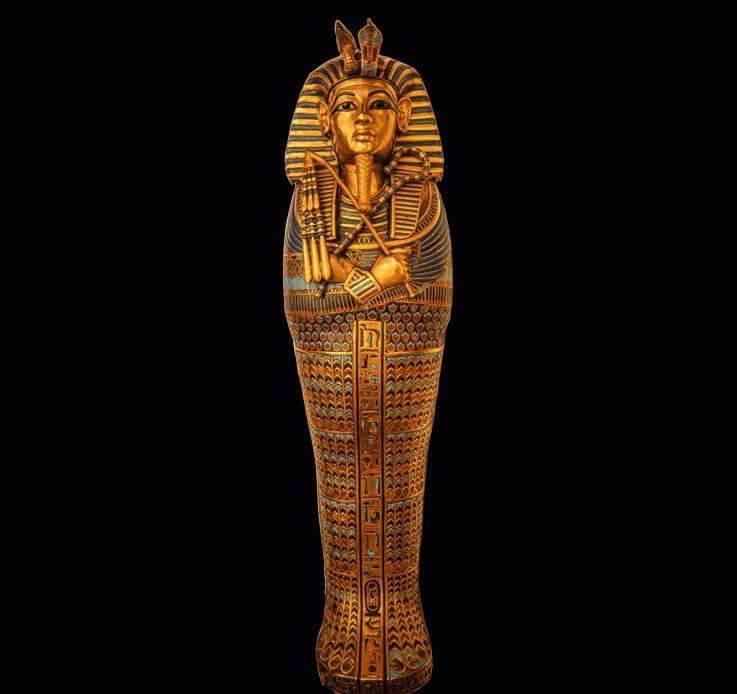
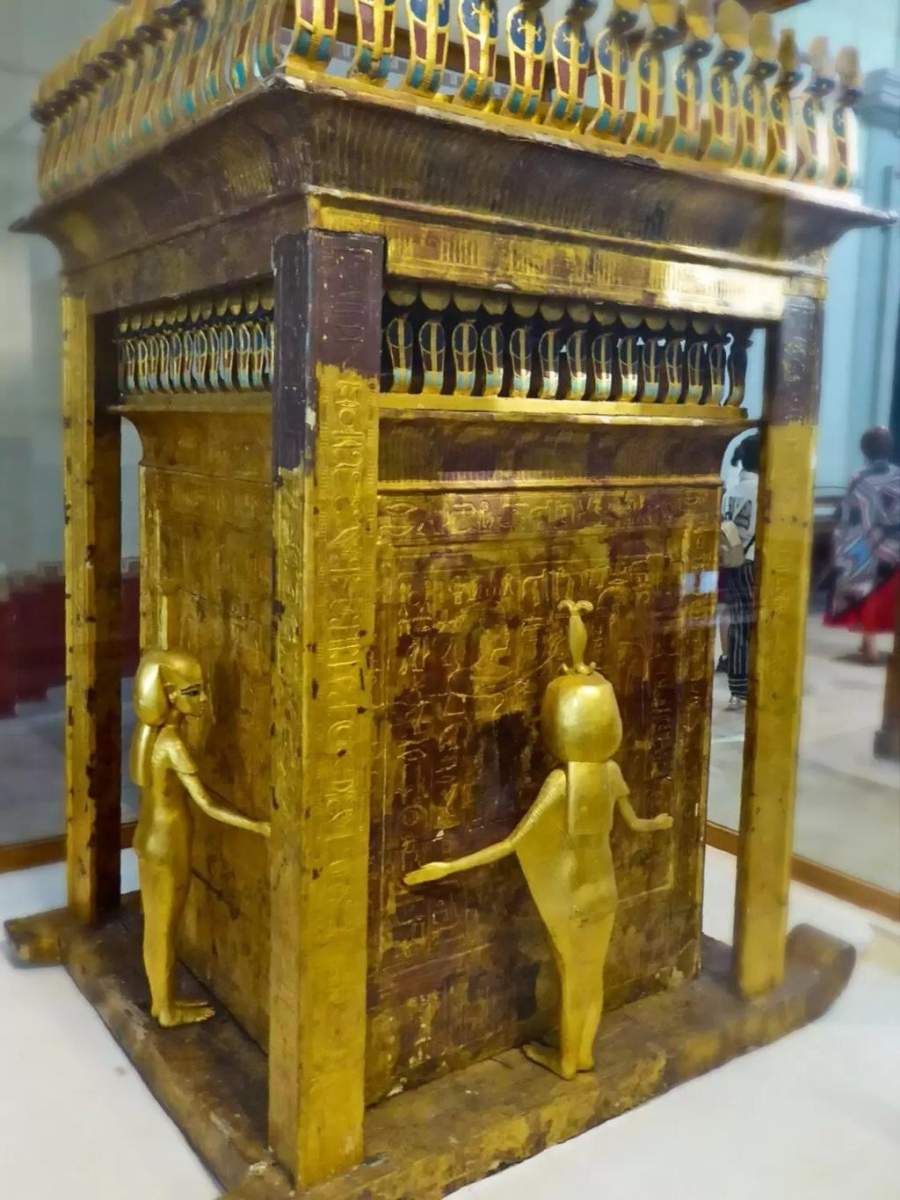
The burial also contained elaborate equipment associated with the preservation of Tutankhamun's internal organs.
The Grand Egyptian Museum's collection includes the king's canopic chest, canopic shrine, and four miniature golden coffinettes. The museum explains that the coffinettes held the king's mummified viscera—lungs, liver, stomach, and intestines.
The objects were designed with remarkable precision.
The miniature coffins imitate the king's anthropoid form, while the larger shrine protected the containers holding his preserved organs.
These objects demonstrate how complex the ancient Egyptian mummification process was.
Preserving the body was only part of preparing the deceased for eternity.
The internal organs were treated separately and protected through an elaborate funerary system.
Tutankhamun at the Grand Egyptian Museum
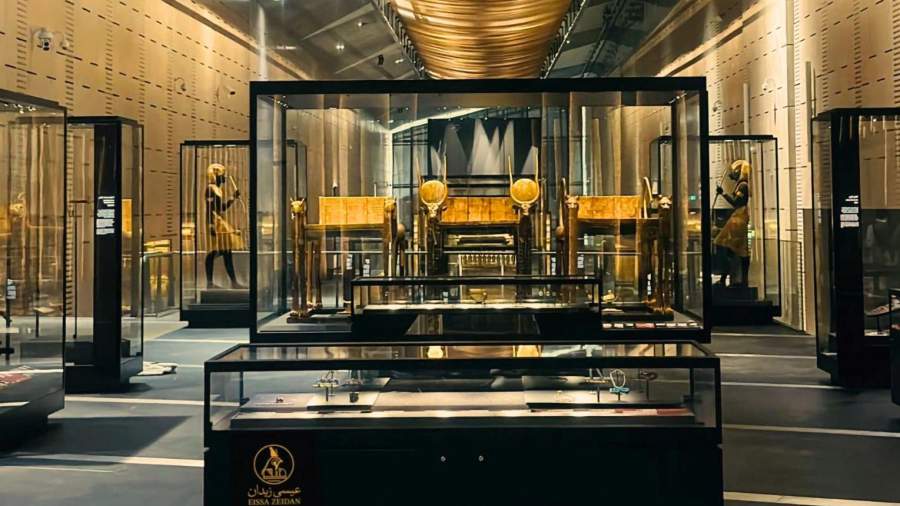
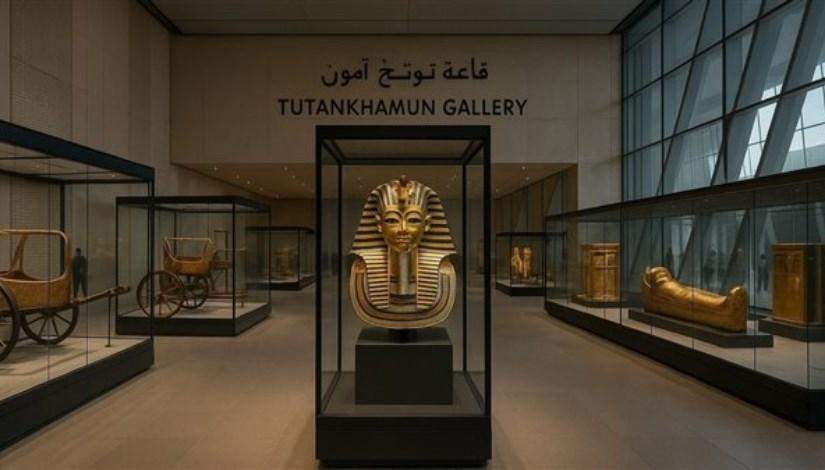
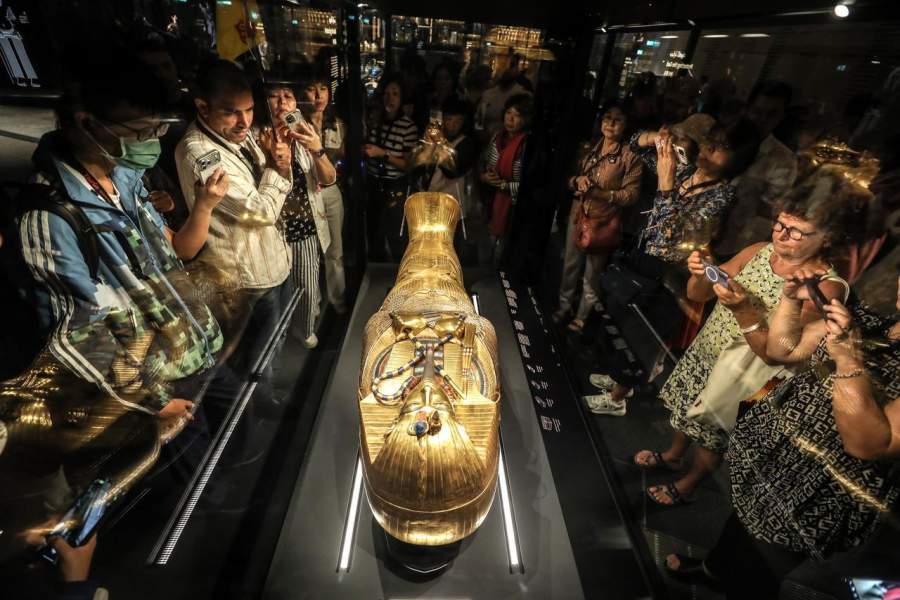
One of the biggest changes in the modern presentation of Tutankhamun occurred with the opening of the Grand Egyptian Museum near the Giza Pyramids.
The museum's official website now lists the Tutankhamun Galleries as a permanent part of the visitor experience and states that more than 5,000 artifacts from the young king's tomb are displayed together for the first time.
This is significant because Tutankhamun's collection had historically been distributed among different locations.
Many of the most famous objects were associated with the Egyptian Museum in Tahrir, while the tomb and mummy remained in Luxor.
The Grand Egyptian Museum changes that experience by bringing the collection together within a dedicated gallery sequence.
Visitors can therefore explore the story of Tutankhamun as a complete narrative rather than seeing isolated masterpieces.
Visiting the Tutankhamun Galleries Today
The official Grand Egyptian Museum ticketing website currently states that admission includes access to the Tutankhamun Galleries, Main Galleries, Grand Hall, Grand Stairs, Khufu's Boats Museum, commercial areas, and exterior gardens.
The museum's current published schedule lists gallery hours as 9:00 AM–6:00 PM, with extended hours until 9:00 PM on Saturdays and Wednesdays.
Photography rules are also important.
The official ticketing site says personal photography and videography are permitted in much of the museum, but the Tutankhamun Galleries have specific restrictions, including areas where only mobile photography is permitted; flash photography is prohibited.
Because opening hours and visitor policies can change, travelers should check the official museum website before visiting.
Visiting Tutankhamun's Tomb in Luxor
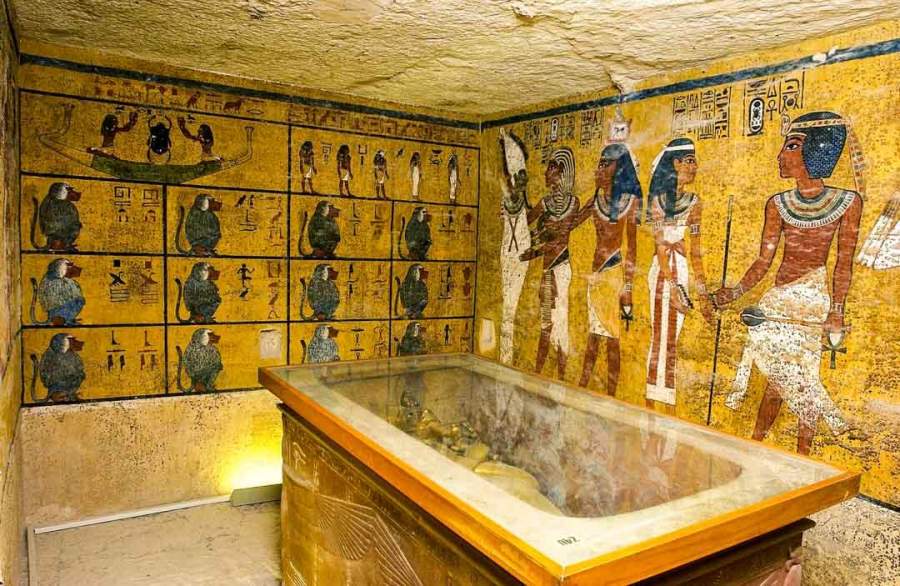
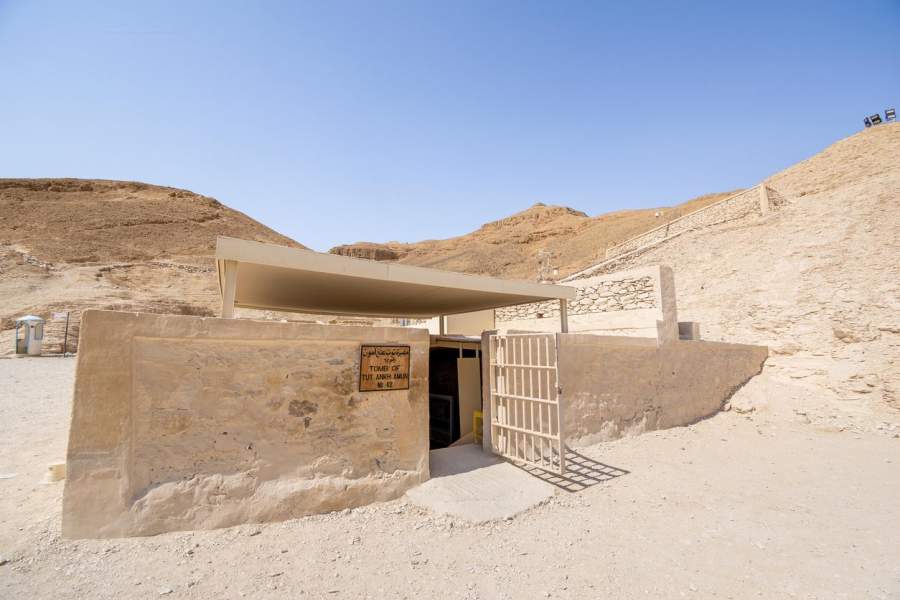
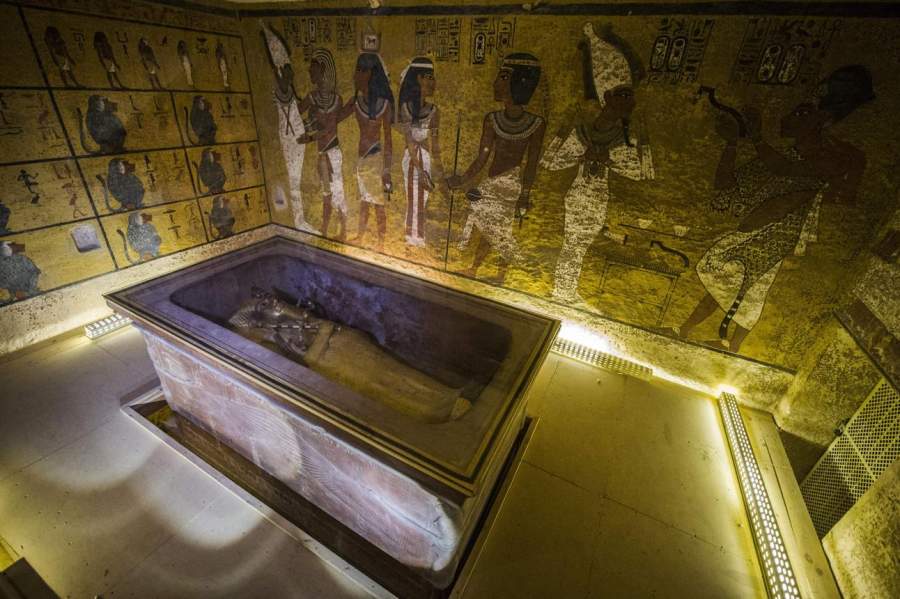
Seeing the treasures at the Grand Egyptian Museum and visiting the tomb in Luxor are two very different experiences.
At the museum, the focus is on the objects.
At KV62, the focus is on the place where the king was buried.
The tomb lies in the Valley of the Kings on Luxor's West Bank.
The official Ministry page currently lists the tomb as open from 6:00 AM to 5:00 PM, with a separate ticket category for the site.
The tomb is relatively small, but its importance is enormous.
Walking through its entrance means following the same basic route that leads toward the burial chamber where Tutankhamun's mummy remains.
For travelers visiting Luxor, the tomb provides a direct connection to the archaeological story that the museum displays in Cairo.
Howard Carter's House
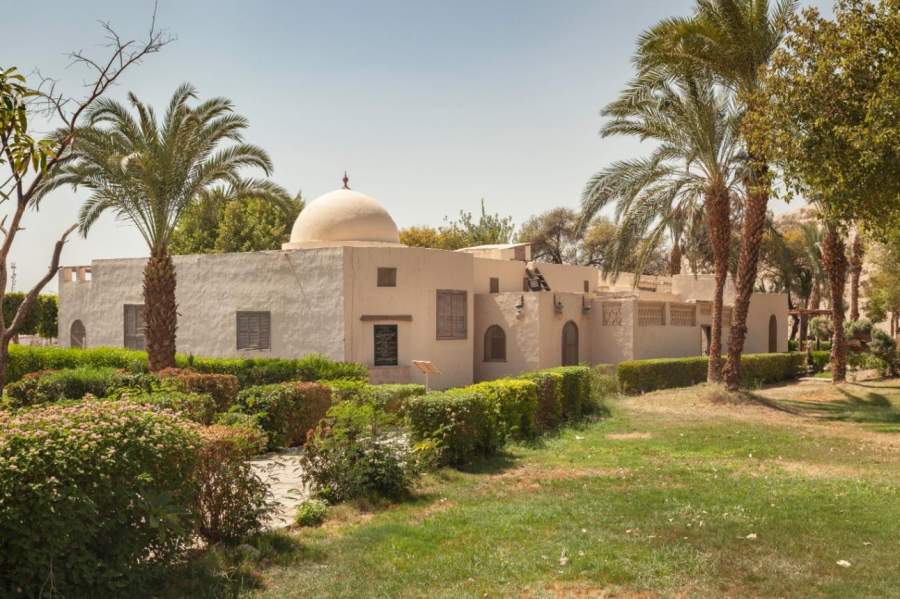
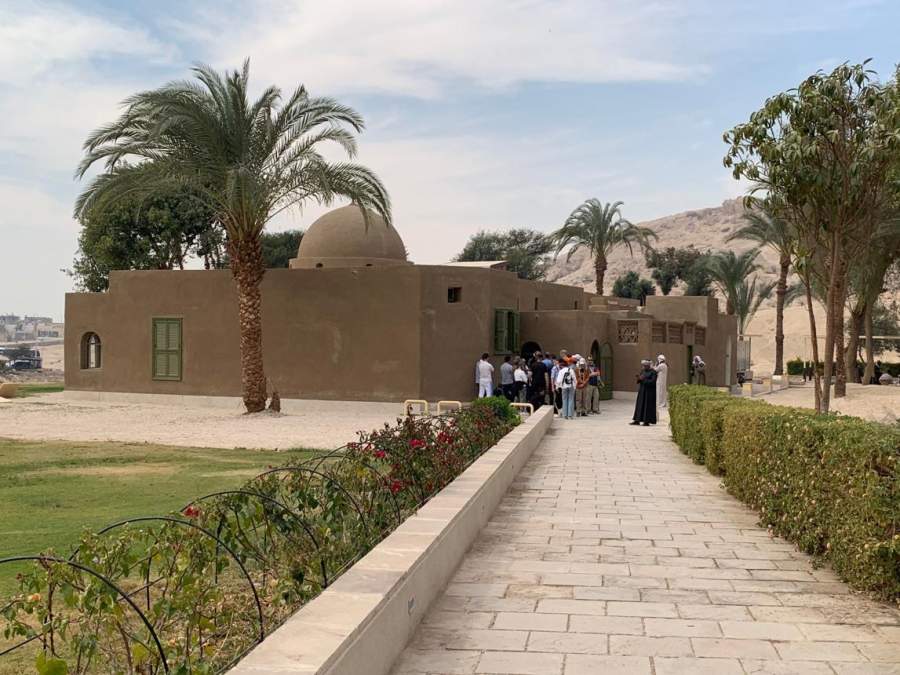
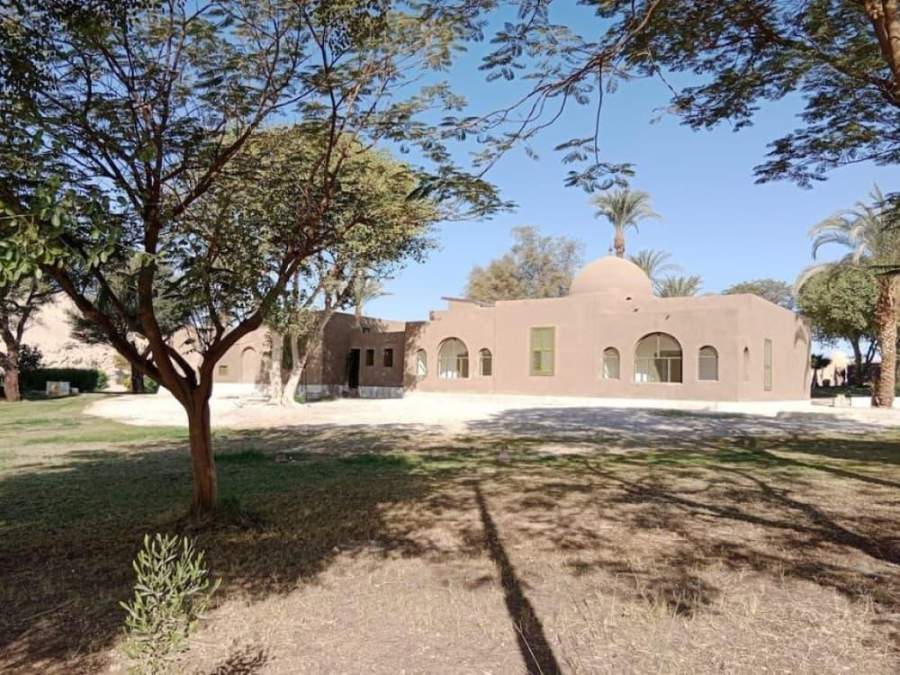
Tutankhamun's story in Luxor can also be extended to the Howard Carter House.
The Egyptian Ministry explains that Carter designed and built the mud-brick house in 1910 and used it as his base during the excavations that eventually led to the discovery of Tutankhamun's tomb.
The house was converted into a museum in 2009.
A replica of Tutankhamun's tomb, created by Factum Arte, was installed in the grounds in 2014.
The house and gardens were restored in 2022 to mark the centenary of the discovery.
Visiting Carter's house adds another layer to the experience.
Instead of seeing only the ancient objects, visitors can learn about the modern archaeological expedition that brought them to worldwide attention.
Why Tutankhamun Became So Famous
It is worth asking a simple question:
Why did Tutankhamun become more famous than many Egyptian kings who ruled longer and built much larger monuments?
The answer is largely archaeological.
The discovery of KV62 provided an unusually rich collection of objects connected to a single royal burial.
Many famous royal tombs had been robbed in antiquity.
Tutankhamun's burial, despite evidence of ancient intrusion, retained an extraordinary amount of its funerary equipment.
The Ministry of Tourism and Antiquities describes the tomb as the only royal tomb in the Valley of the Kings discovered relatively intact.
The combination of gold, craftsmanship, royal identity, archaeological preservation, and worldwide media coverage transformed Tutankhamun into an international symbol of ancient Egypt.
His fame therefore says as much about modern archaeology and modern media as it does about his original reign.
A Window Into Ancient Egyptian Life
Perhaps the greatest value of Tutankhamun's collection is that it allows visitors to move beyond the image of the pharaoh as a distant ruler.
His belongings show a human side of royal life.
There were clothes.
Furniture.
Perfumes.
Cosmetics.
Jewelry.
Games and leisure objects.
Weapons.
Transportation.
Food-related equipment.
And countless objects prepared for the afterlife.
The Grand Egyptian Museum's official description emphasizes that the collection includes not only ceremonial and religious objects but also personal possessions such as jewelry, garments, furnishings, food, transportation, and weapons.
Together, these objects create a remarkably detailed portrait of the world surrounding a young Egyptian king.
Final Thoughts
Tutankhamun was a young king who ruled Egypt for only a relatively short period.
He did not leave behind the enormous temples associated with rulers such as Ramesses II, nor was his reign among the longest in Egyptian history.
Yet the discovery of his tomb changed the world's understanding of ancient Egypt.
In 1922, Howard Carter uncovered KV62 in the Valley of the Kings, revealing thousands of objects that had survived in remarkable condition. The Egyptian Ministry of Tourism and Antiquities describes the discovery as one of archaeology's most important discoveries.
Today, the story continues in two extraordinary locations.
In Luxor, visitors can enter the young king's tomb and see the burial chamber where his mummy remains.
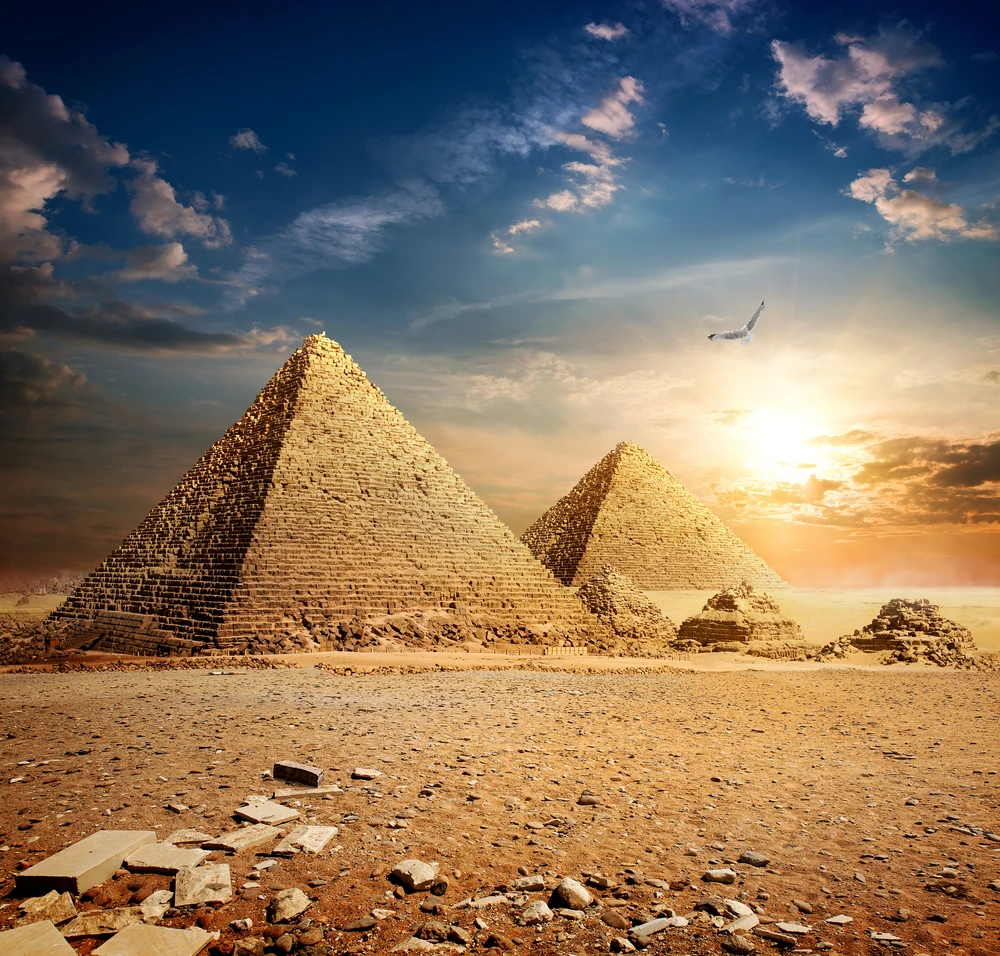
Near the Giza Pyramids, the Grand Egyptian Museum's Tutankhamun Galleries bring together more than 5,000 objects from his burial for a comprehensive presentation of his treasures.
The golden mask may be the object that immediately captures the eye.
But the real story is much larger.
It is the story of a young ruler, a changing religious world, an elaborate funerary tradition, a remarkable archaeological discovery, and thousands of objects that allow modern visitors to glimpse both the public and private world of an ancient Egyptian king.
More than three thousand years after his death, Tutankhamun continues to connect the ancient world with the modern one—one artifact, one chamber, and one discovery at a time.
Post a comment