
Traditional Siwa Old Market: Discover the Authentic Heart of Siwa Oasis, Egypt

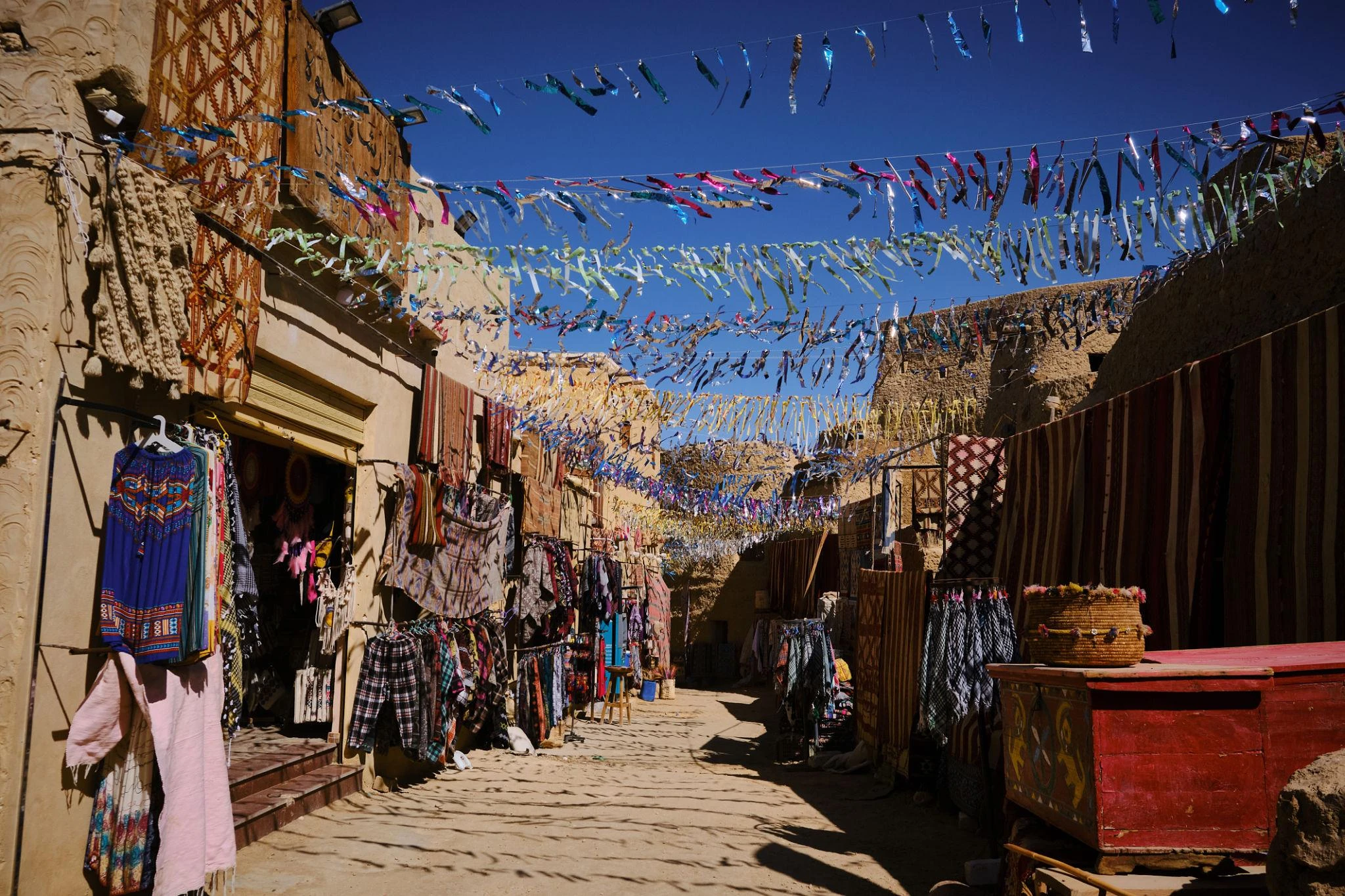
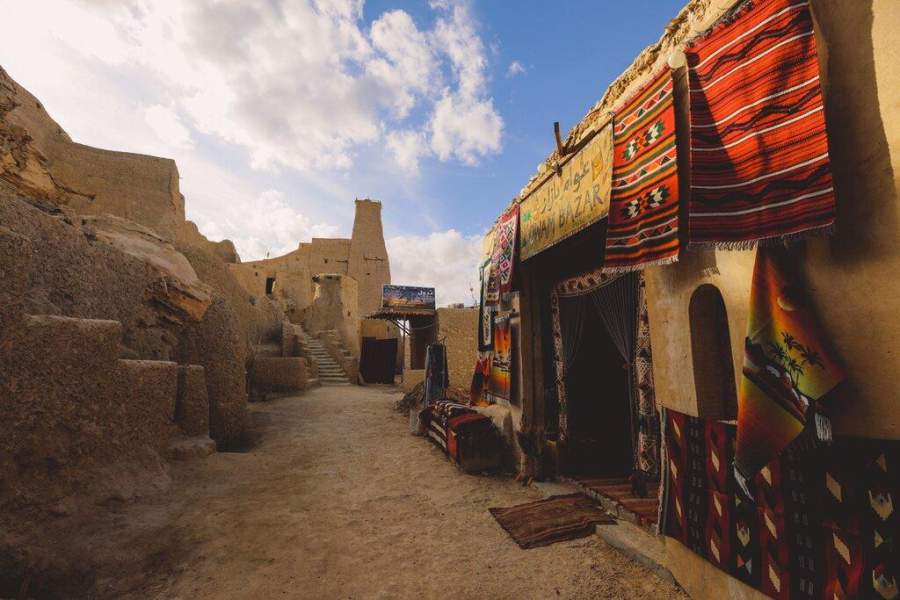
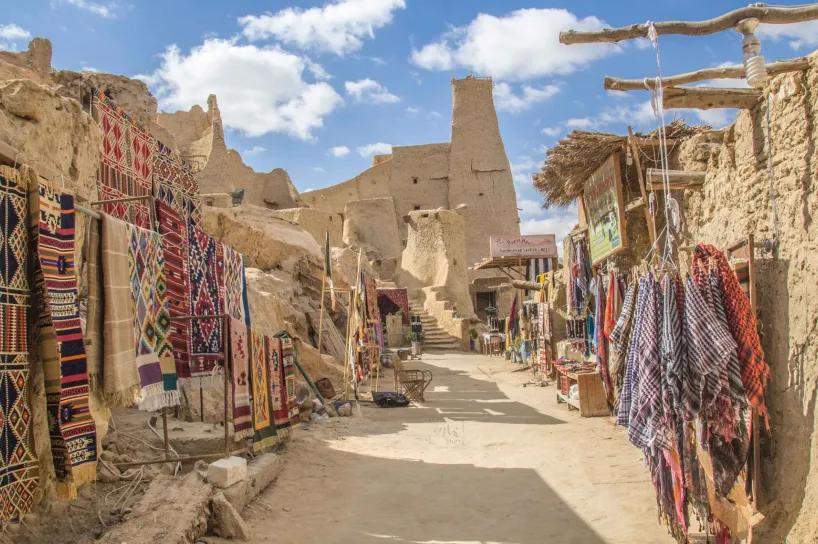
Imagine walking through a traditional desert market where colourful handmade crafts hang outside small shops, the scent of dates and olive oil fills the air, and local shopkeepers welcome visitors with stories about their oasis.
Behind the market stands the remarkable silhouette of an ancient mud-and-salt fortress, reminding you that this is not an ordinary shopping destination.
Welcome to the Traditional Siwa Old Market, the lively shopping area around Shali Fortress in the heart of Siwa Oasis. Here, visitors can discover local products, traditional handicrafts, authentic Siwan culture, and a glimpse of everyday life in one of Egypt’s most distinctive communities.
1. Where Is the Traditional Siwa Old Market?
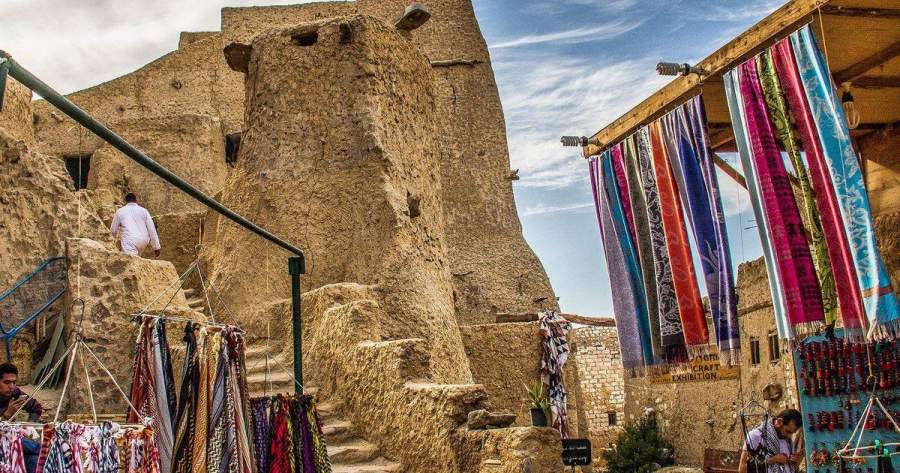
The Traditional Siwa Old Market is centred around El Souq Square, near the historic Shali Fortress in central Siwa Oasis, in Matrouh Governorate.
It is an ideal place to explore on foot. Small shops and craft stalls are scattered around the square and nearby streets, making it easy to combine shopping with a visit to the old town.
The market is not one single enclosed building. It is better understood as a traditional commercial area where visitors can browse local shops, discover handmade products, and experience the atmosphere of the oasis.
2. A Market Beside the Historic Shali Fortress
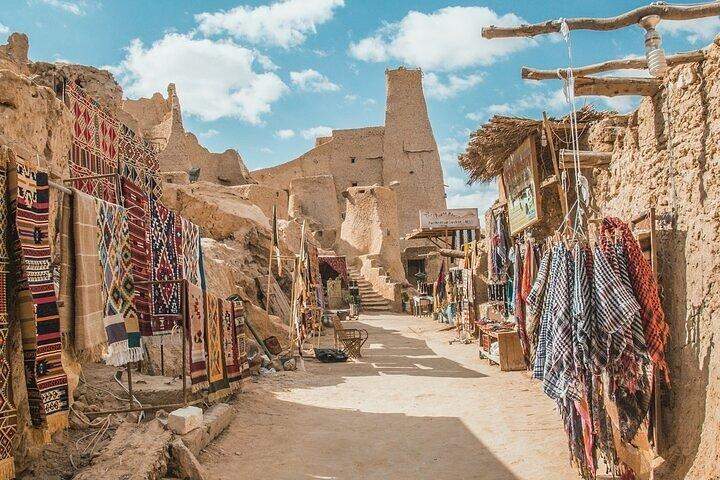
One of the most special features of this market is its connection to Shali Fortress, the historic fortified settlement that once formed the centre of Siwan life.
The Ministry of Tourism and Antiquities dates Shali's foundation to the 12th century. Its name means "city" in the Siwi language.
The old settlement was constructed using Karshif, a traditional local building material made from salt-rich earth. When dry, it becomes remarkably hard, creating the distinctive appearance of Shali's walls and buildings.
The fortress was surrounded by defensive walls and contained homes, mosques, and deep wells that served the local population.
Today, its restored lanes and remaining ruins provide a fascinating historical backdrop to the market area.
Ministry of Tourism and Antiquities+2
3. Discover Traditional Siwan Handicrafts
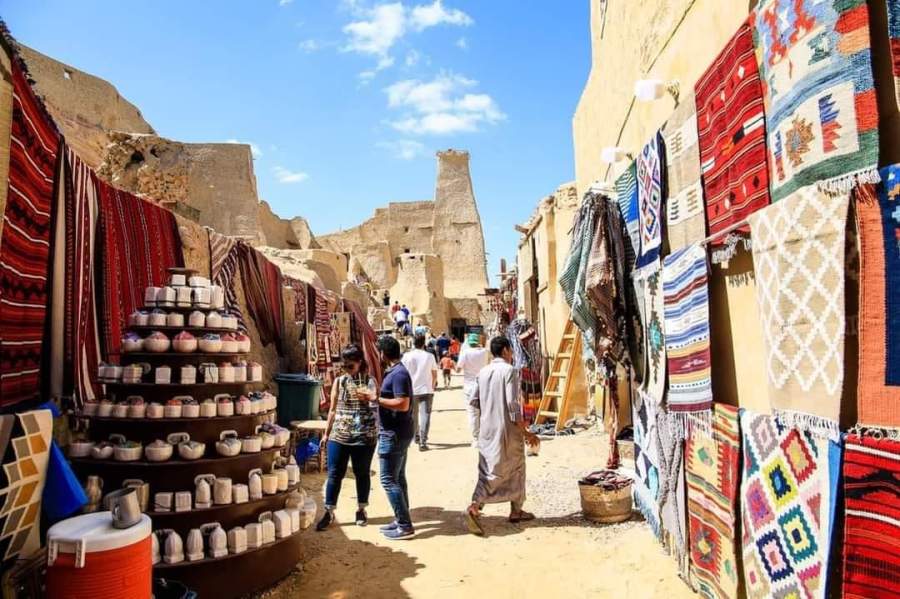
The market is a wonderful place to discover the artistic traditions of Siwa.
Local crafts reflect the oasis's Amazigh heritage, its natural surroundings, and skills passed down through generations.
Look out for:
-
Traditional embroidery: Colourful handmade textiles and decorative garments.
-
Palm-leaf baskets: Practical and decorative items made from natural palm materials.
-
Pottery: Handmade ceramic pieces inspired by local designs.
-
Silver jewellery: Traditional North African-inspired ornaments.
-
Handmade accessories: Small gifts and souvenirs reflecting Siwan identity.
Some products are made locally, while others may come from different parts of Egypt. If authenticity matters to you, ask the seller who made the item and where it was produced.
Marsa Matrouh and Siwa · YaFandem+2
4. Siwan Embroidery and Traditional Clothing
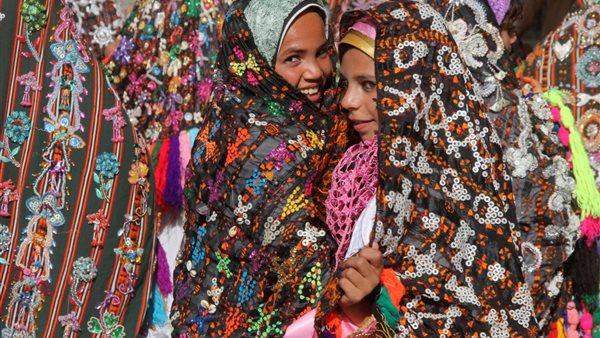
One of the most distinctive expressions of Siwan heritage is its traditional clothing and embroidery.
Siwan garments are known for their colourful designs and detailed decorative work. Embroidery has historically played an important role in women's clothing and ceremonial traditions, particularly wedding celebrations.
Traditional dresses and embroidered pieces can be beautiful souvenirs, but they also carry cultural meaning. Some older garments and textiles are valued as heritage objects rather than ordinary merchandise.
When shopping, ask about the design, the materials, and whether the item is handmade. This can turn a simple purchase into a more meaningful cultural experience.
JSTOR+1
5. Dates, Olives, and Authentic Oasis Products

Siwa is famous for its agricultural products, especially dates and olives.
The palm groves surrounding the oasis have supported local life for generations, while olive cultivation is an important part of its agricultural identity.
At the market, look for:
-
Different varieties of Siwan dates.
-
Locally produced olive oil.
-
Olives and preserved olive products.
-
Herbal teas and selected local food products.
-
Natural products and packaged gifts from the oasis.
These make excellent souvenirs for visitors who want to take home a taste of Siwa.
Remember to check packaging, storage instructions, and any food-import restrictions that may apply when travelling internationally.
6. Salt Crafts and Unique Siwan Souvenirs
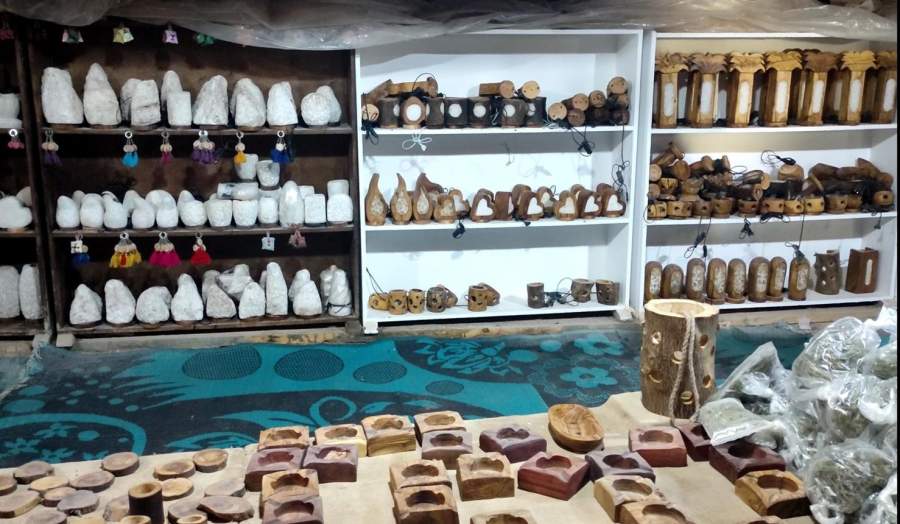
Another interesting category of souvenirs comes from the salt-rich environment surrounding Siwa.
You may find decorative salt lamps, carved salt pieces, and other objects inspired by the oasis's famous salt lakes.
These products are especially attractive to visitors looking for something different from conventional Egyptian souvenirs.
A good idea is to compare a few shops before buying. Ask about the material, craftsmanship, and packaging, particularly if you plan to carry fragile items home.
7. Meet Local Artisans and Support the Community
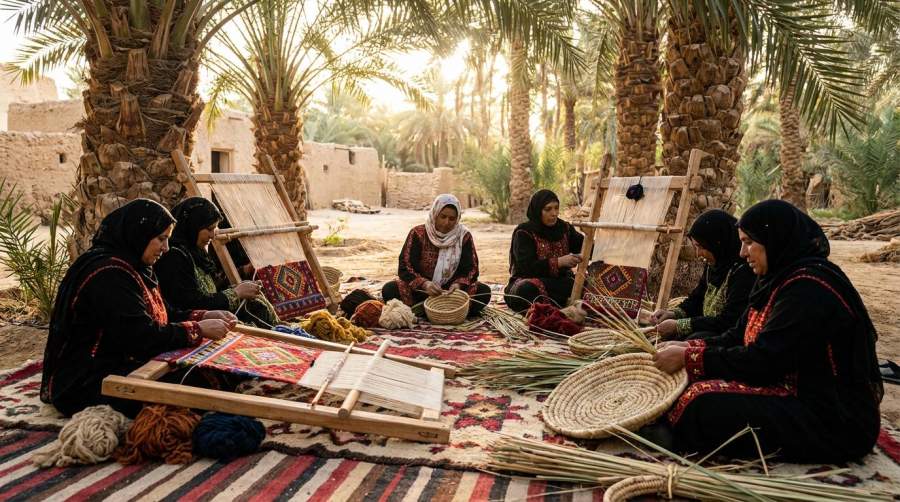
Shopping in Siwa can be more than a transaction. It can be an opportunity to meet local people and learn about the skills behind traditional products.
Some initiatives in the oasis have worked to preserve local crafts and create opportunities for artisans and small business owners.
The restoration of Shali also included efforts to revive commercial areas and traditional marketplaces, helping local businesses display and sell authentic products.
Choosing locally made items when possible can help support the people keeping these traditions alive.
Ministry of Tourism and Antiquities+1
8. Enjoy the Cafés and Local Atmosphere
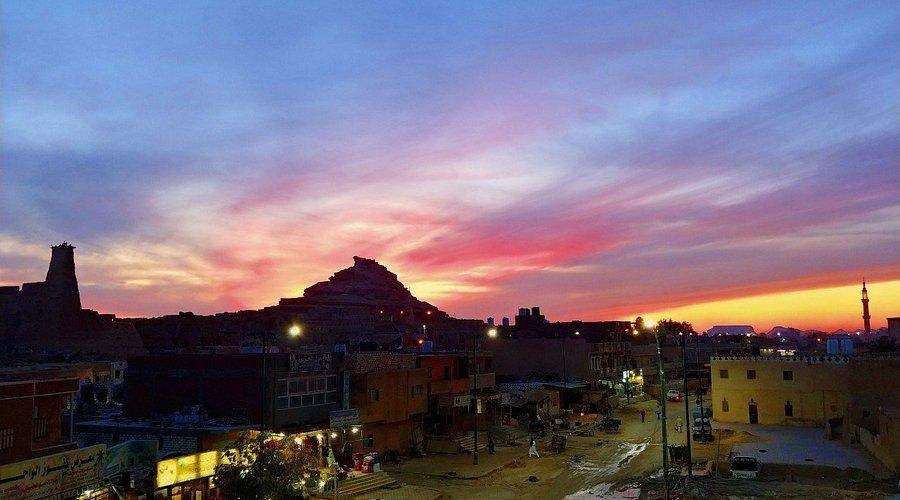
After exploring the shops, take a break at one of the cafés or restaurants around the market.
Some offer rooftop seating and views toward Shali Fortress, making them particularly attractive in the late afternoon.
Try a local drink, enjoy a meal, and watch the atmosphere of the square change as residents and visitors move through the area.
One nearby option is Nacho Siwa Restaurant & Cafe, located beside Shali Fortress in the Old Market area.
It is a convenient place to combine a meal with views of the historic surroundings.
9. Nearby Attractions to Explore
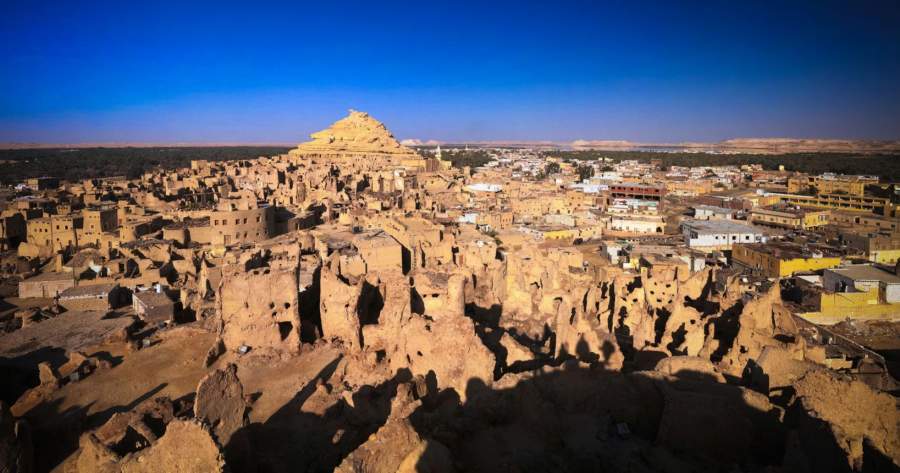
The market's central location makes it easy to include several Siwa attractions in the same walking trip or sightseeing day.
-
Shali Fortress: Explore the historic ruins and traditional Karshif architecture.
-
Siwa House Museum: Discover aspects of traditional Siwan domestic life, clothing, and culture.
-
Cleopatra’s Spring: Visit the famous natural freshwater pool.
-
Temple of the Oracle of Amun: Explore the ancient sanctuary associated with Alexander the Great.
-
Mountain of the Dead: Visit the archaeological hill containing ancient rock-cut tombs.
This combination gives visitors a rich introduction to Siwa's history, architecture, and local culture.
10. Best Time to Visit the Old Market
The cooler months, generally from autumn through spring, are comfortable for exploring Siwa on foot.
For atmosphere and photography, late afternoon is a lovely time to visit. The softer sunlight brings out the colours of the shops and the texture of Shali's historic walls.
Evening can also be enjoyable, when the market area becomes a place to stroll, browse, and stop for refreshments.
Individual shop opening times vary, so do not assume every stall will be open at the same time.
11. Practical Shopping Tips
Before visiting, keep these simple tips in mind:
-
Carry some Egyptian cash, especially for smaller shops.
-
Compare prices before purchasing similar products.
-
Bargain politely when appropriate.
-
Ask whether an item is handmade locally.
-
Request careful packaging for pottery, glass, and fragile souvenirs.
-
Dress respectfully and ask permission before photographing people.
-
Take your time: the best market discoveries often come from exploring the smaller shops.
12. Why the Traditional Siwa Old Market Is Worth Visiting

The Traditional Siwa Old Market is not simply a place to buy souvenirs. It is an opportunity to experience the living culture of an extraordinary oasis.
Its shops introduce visitors to local craftsmanship, its food products reflect the agricultural life of the desert, and its location beside Shali Fortress connects everyday shopping with centuries of history.
Whether you are searching for handmade embroidery, silver jewellery, palm baskets, dates, olive oil, or a memorable gift, the market offers a more personal way to discover Siwa.
Walk through its lanes, speak with local shopkeepers, explore the crafts, and take home something that tells a story about the oasis.