
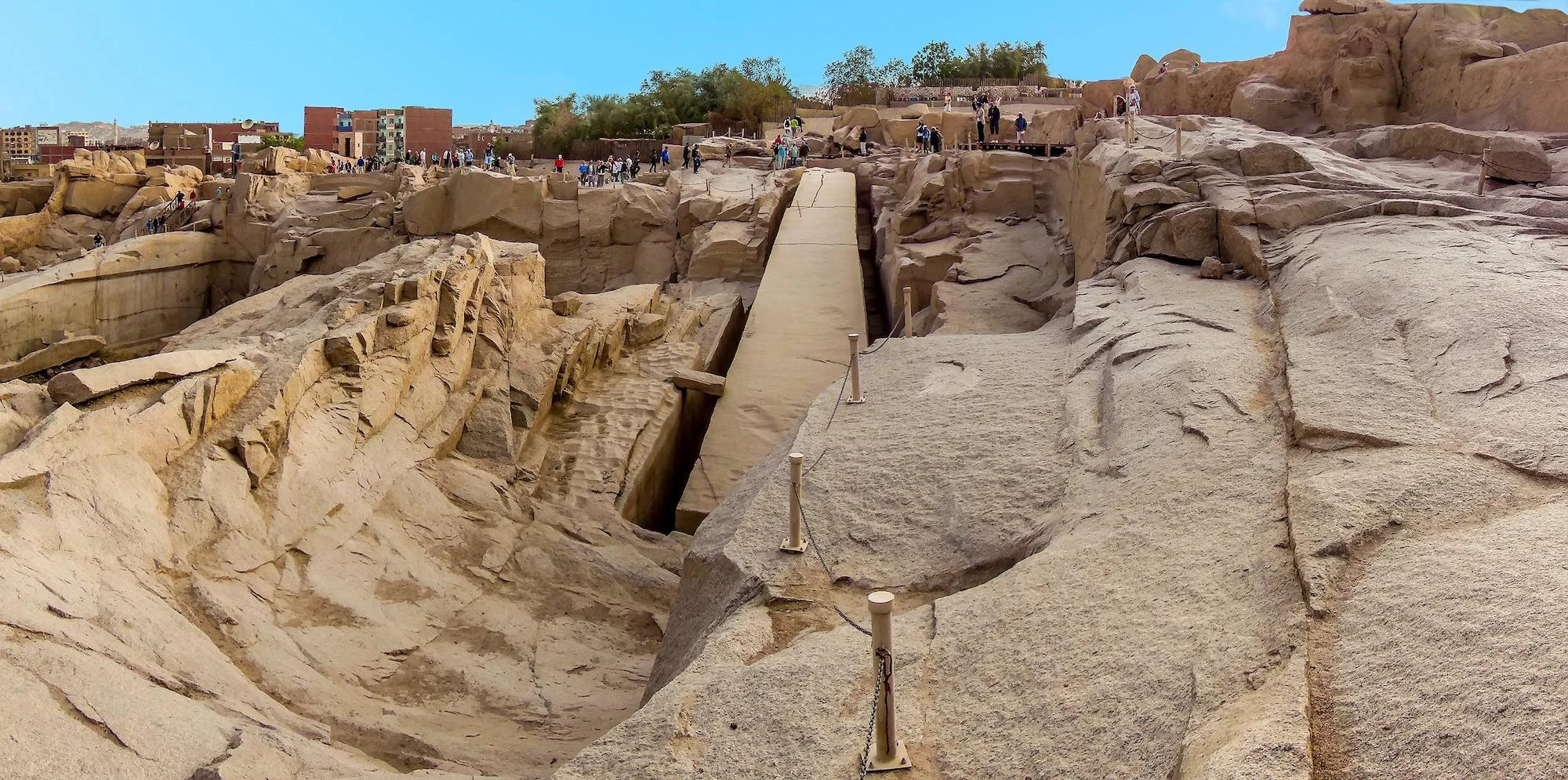
The Unfinished Obelisk of Aswan: Discover the Secrets of Ancient Egyptian Engineering
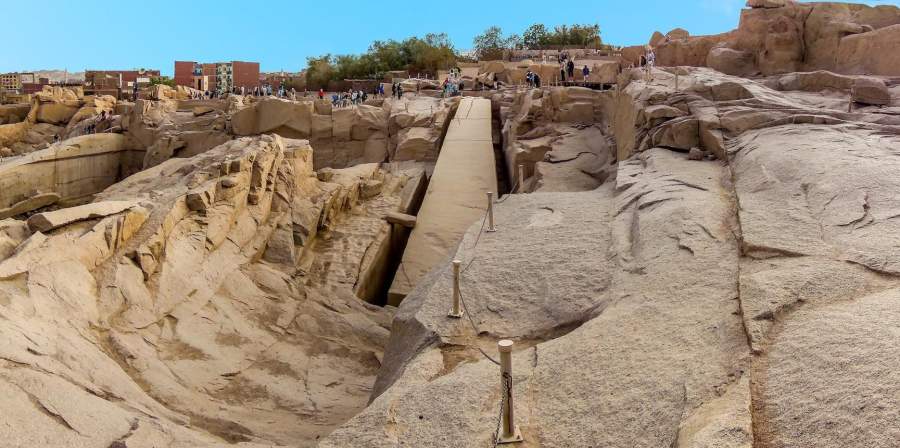
What if one of the greatest monuments of ancient Egypt had never been completed?
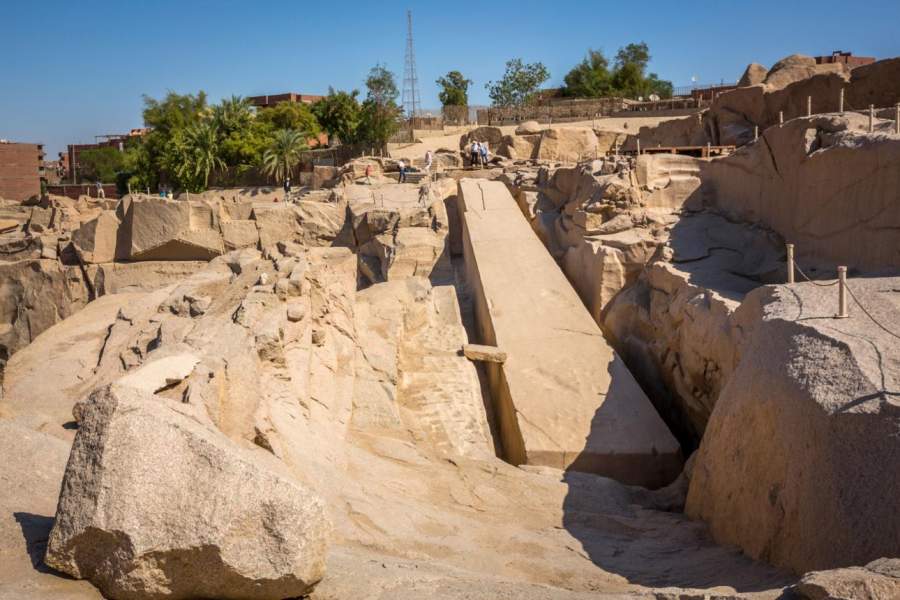
Hidden inside the ancient granite quarries of Aswan lies an extraordinary archaeological treasure: a massive obelisk still attached to the bedrock, abandoned thousands of years ago before it could be raised.
Known as the Unfinished Obelisk, this remarkable monument offers a rare opportunity to understand how ancient Egyptian craftsmen worked with enormous blocks of granite using the tools and techniques available at the time.
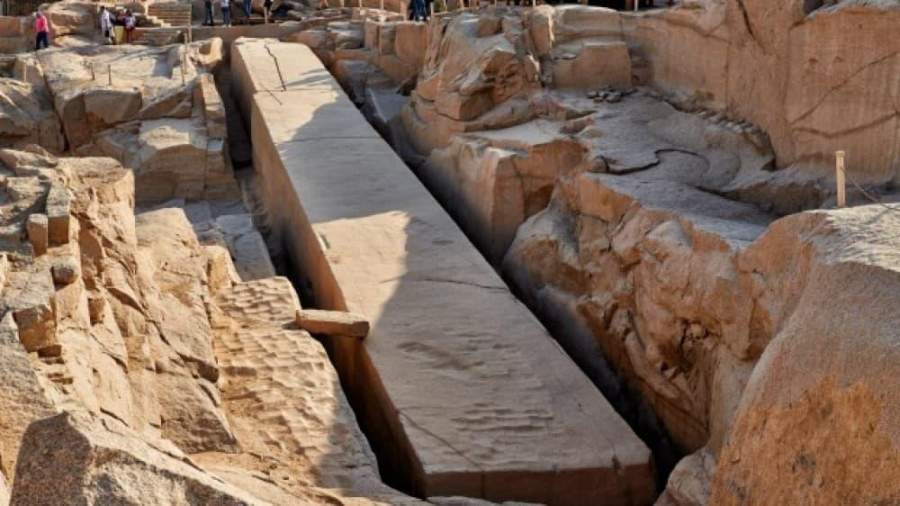
Had it been completed, it would have measured approximately 42 meters in length and weighed around 1,168 tonnes, making it the largest known ancient Egyptian obelisk ever attempted.
Today, visitors can explore the quarry, examine the unfinished monument, and discover the engineering skills behind some of Egypt’s most impressive temples and monuments.
1. Where Is the Unfinished Obelisk Located?

The Unfinished Obelisk is located in the Northern Quarries of Aswan, on the eastern side of the Nile River in southern Egypt.
Aswan was one of ancient Egypt’s most important sources of high-quality granite. This valuable stone was used in the construction and decoration of temples, statues, sarcophagi, columns, and obelisks throughout the country.
The quarry is relatively close to central Aswan, making it easy to include in a sightseeing itinerary.
Its location also makes it convenient to combine a visit with other attractions, including:
-
Philae Temple.
-
Aswan High Dam.
-
Nubian Museum.
-
Elephantine Island.
-
Tombs of the Nobles.
The site provides an exceptional look at the place where some of ancient Egypt’s most impressive stone monuments began their journey.
2. The History of the Unfinished Obelisk
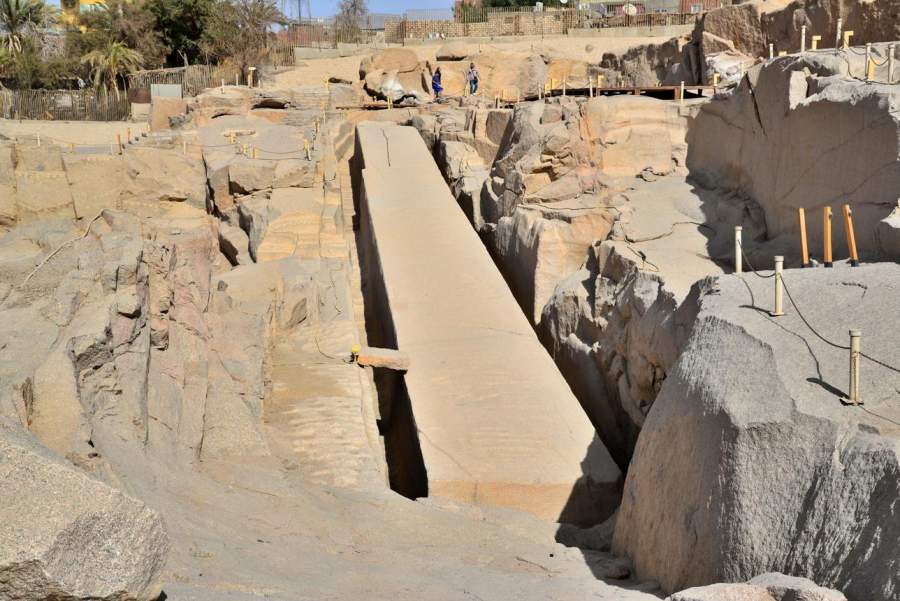
The Unfinished Obelisk is generally believed to have been commissioned by Queen Hatshepsut, one of ancient Egypt’s most famous female pharaohs, who ruled during the Eighteenth Dynasty.
It was probably intended to stand at the Temple of Amun in Karnak, near Luxor.
However, during the process of extracting the enormous granite block, several cracks and flaws appeared in the stone. These defects made it unsuitable for completion, so the ancient workers abandoned the project.
The monument remained in the quarry, partially separated from the surrounding bedrock, preserving valuable evidence of the ancient stone-cutting process.
It was discovered in the early twentieth century after having been covered by sand for thousands of years.
Today, it is considered one of the most important archaeological sites for understanding ancient Egyptian quarrying techniques.
3. The Incredible Size of the Unfinished Obelisk

The dimensions of the Unfinished Obelisk are truly extraordinary.
According to the Egyptian Ministry of Tourism and Antiquities, had it been completed, it would have reached approximately 42 meters in height and weighed around 1,168 tonnes.
These measurements help explain the enormous ambition behind the project.
Feature
Approximate Measurement
Intended height
42 meters
Estimated weight
1,168 tonnes
Main material
Aswan granite
Historical period
Eighteenth Dynasty
Associated ruler
Queen Hatshepsut
The obelisk would have been taller and heavier than any other known ancient Egyptian obelisk.
Its unfinished condition allows visitors to appreciate the immense scale of the project without the need to imagine how much stone had to be removed and transported.
4. How Did Ancient Egyptians Cut Such Enormous Stones?

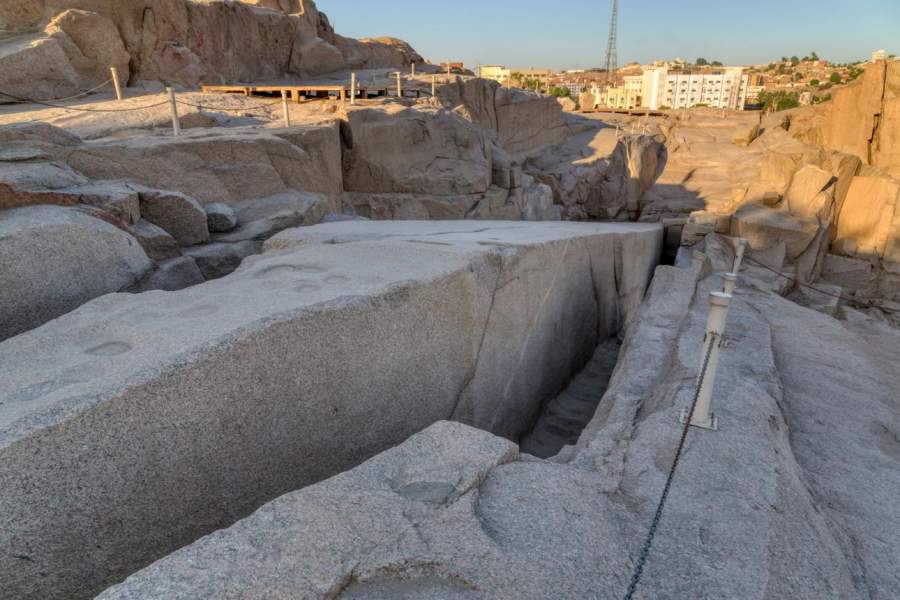
One of the most fascinating aspects of the site is the opportunity to observe traces of ancient quarrying techniques.
The ancient Egyptians did not have modern mechanical cutting machines. Instead, they relied on skilled workers, carefully planned methods, and specialized stone-working tools.
The process involved several stages:
-
Preparing the rock surface: Workers removed weathered stone to expose the suitable granite.
-
Marking the intended shape: The outline of the obelisk was marked on the granite surface.
-
Creating trenches: Workers carved channels around the planned stone block.
-
Testing the rock: Holes and test areas helped assess the quality and stability of the granite.
-
Separating the block: Stone-working techniques were used to detach the monument from the bedrock.
Archaeological research has identified evidence of stone tools, working marks, and different quarrying methods in the Aswan quarries.
These discoveries help researchers reconstruct the complex process behind the creation of ancient Egyptian monuments.
5. The Ancient Tools Used in the Quarry
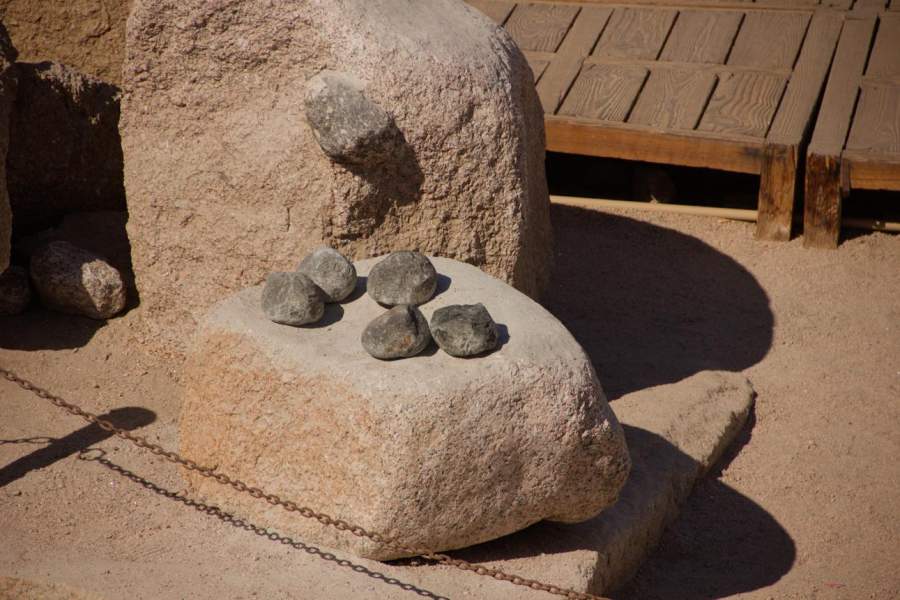
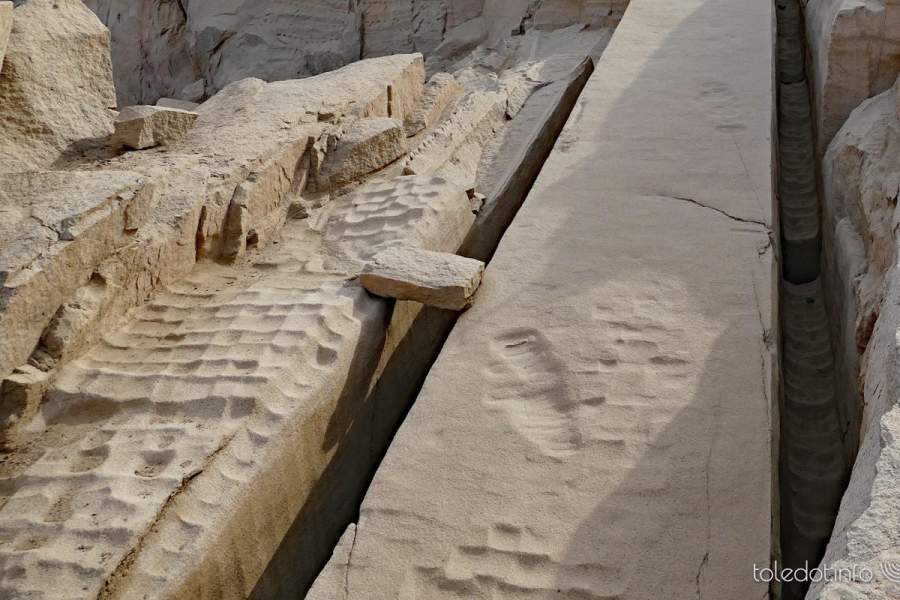
One of the most interesting discoveries associated with the Unfinished Obelisk is the evidence of hard stone tools used by ancient workers.
Among these were rounded stone pounders, commonly identified as dolerite or diorite tools, which were used to break down and shape the hard granite.
These tools were particularly useful because the stone was hard enough to withstand repeated impacts against the granite.
Archaeological investigations have also documented marks and working traces that reveal how ancient craftsmen gradually shaped enormous blocks.
Looking at these details gives visitors a deeper appreciation of the patience, coordination, and technical knowledge required to work with such difficult material.
6. Why Was the Obelisk Abandoned?
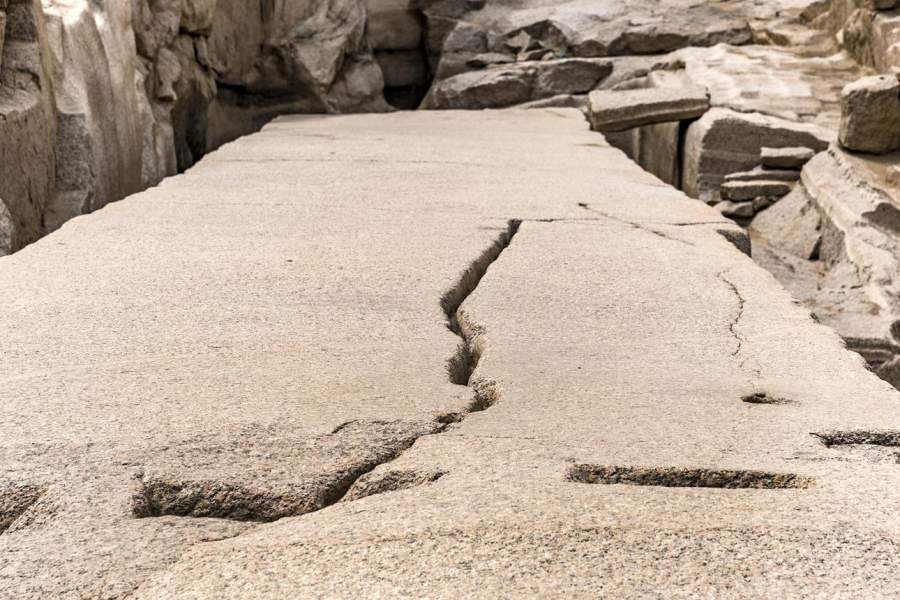
The main reason the obelisk was abandoned was the appearance of serious cracks and natural flaws in the granite.
As the workers continued carving, the defects made it impossible to guarantee the structural integrity of the enormous stone block.
Completing the monument under these conditions could have resulted in serious damage during extraction, transportation, or installation.
Rather than risk losing an enormous amount of work and valuable material, the project was abandoned.
Ironically, this failure became one of the most valuable archaeological discoveries in Aswan.
The monument remained in its original quarry setting, preserving evidence of the ancient construction process that would otherwise have been difficult to understand.
7. The Importance of Aswan Granite in Ancient Egypt
Aswan granite was among the most valued building materials in ancient Egypt.
Its strength, durability, and attractive appearance made it ideal for important royal and religious monuments.
Granite from the Aswan region was used in:
-
Obelisks.
-
Colossal statues.
-
Temple columns.
-
Sarcophagi.
-
Architectural decorations.
-
Monumental stone structures.
The stone was transported along the Nile to construction sites across Egypt.
This explains why Aswan played such an important role in ancient Egyptian architecture and engineering.
The Unfinished Obelisk quarry is therefore not just a single monument. It represents a much wider industrial landscape that supported the construction of some of Egypt’s greatest ancient achievements.
8. Ancient Quarry Marks and Workers’ Drawings
Another fascinating feature of the wider quarry area is the presence of ancient rock carvings and drawings.
Archaeological investigations have documented images of boats, fish, dolphins, and other figures carved or drawn on sections of the quarry walls.
These details offer a glimpse into the human side of ancient quarrying activities.
Beyond the enormous monuments, the quarry preserves traces of the people who worked there, their surroundings, and aspects of their everyday world.
For visitors, these carvings add another layer of interest to the experience and help transform the quarry from a simple stone extraction site into a place filled with human history.
9. Exploring the Unfinished Obelisk Site
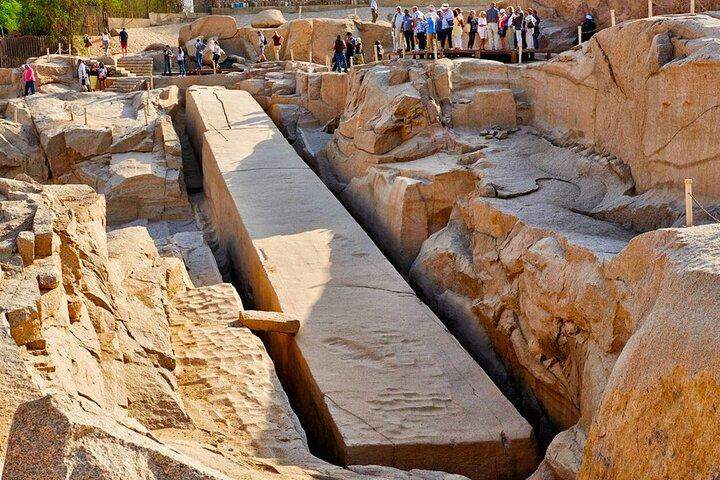
Visiting the Unfinished Obelisk is an excellent opportunity to explore an ancient industrial site rather than a traditional temple or tomb.
The visitor route allows you to examine the huge granite block, observe the surrounding quarry, and understand how ancient workers shaped stone directly from the natural rock.
During your visit, you can:
-
Walk around the unfinished monument.
-
Observe the cracks in the granite.
-
Examine ancient tool marks.
-
Discover the surrounding quarry landscape.
-
Photograph the massive stone structure.
-
Learn about the transportation and construction of ancient obelisks.
A knowledgeable guide can make the experience even more interesting by explaining the quarrying process and the monument’s connection to Queen Hatshepsut.
10. Nearby Attractions in Aswan
The Unfinished Obelisk is an excellent starting point for exploring Aswan's historical and cultural attractions.
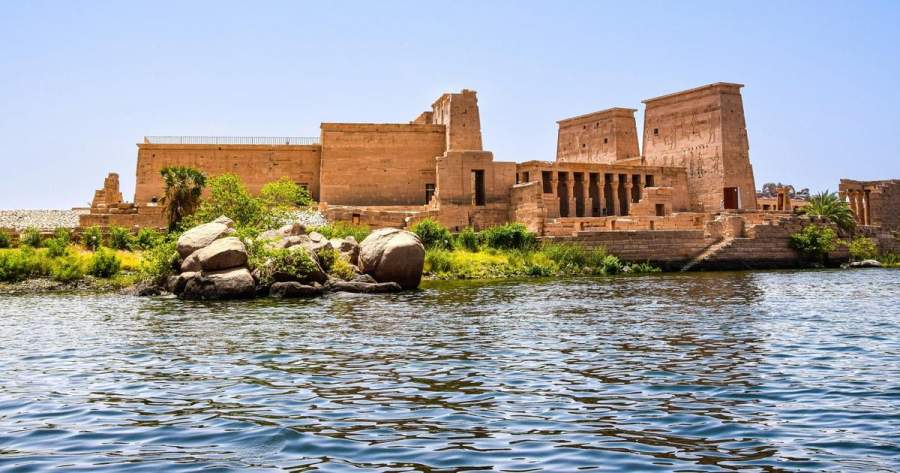
Philae Temple
A magnificent temple complex dedicated primarily to the goddess Isis, located on Agilkia Island and accessible by boat.
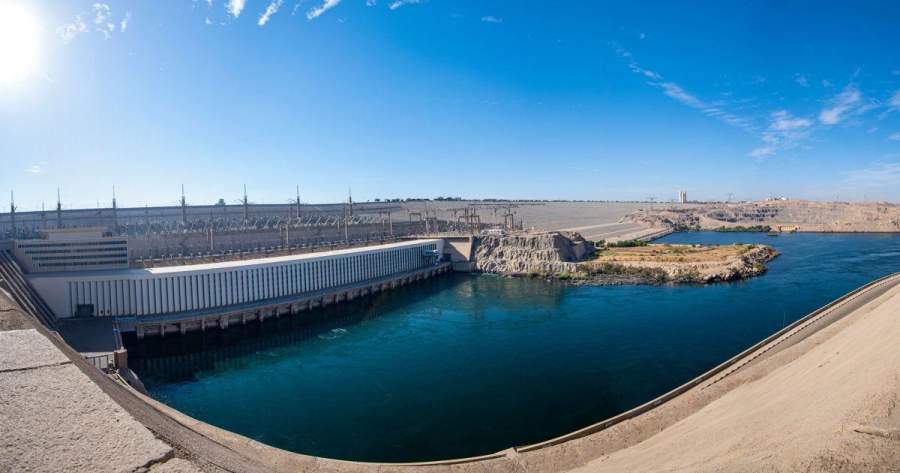
Aswan High Dam
One of modern Egypt's major engineering achievements, built across the Nile to regulate water flow and generate hydroelectric power.
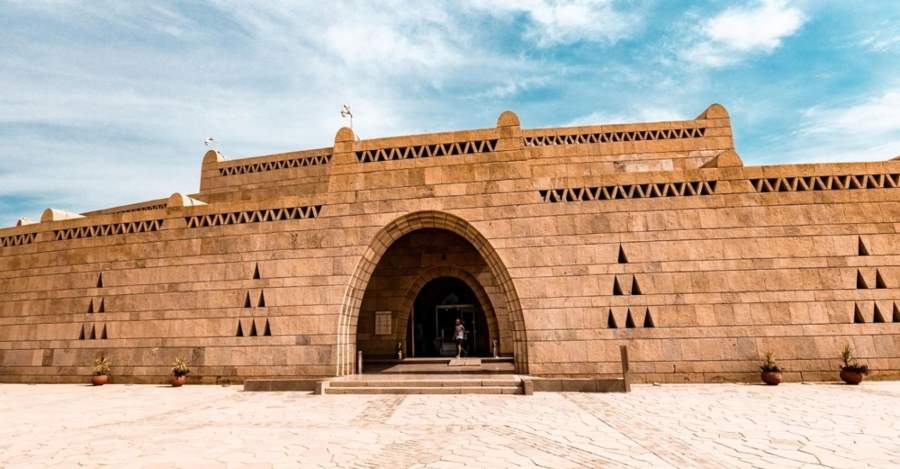
Nubian Museum
A fascinating museum showcasing Nubian history, culture, traditions, and archaeological heritage.
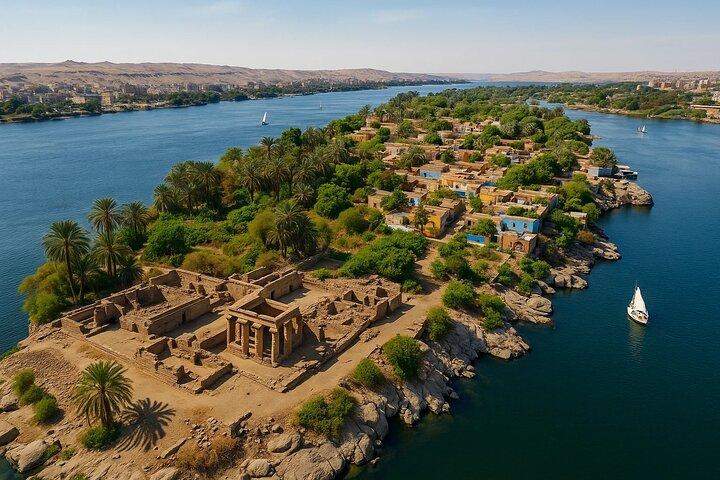
Elephantine Island
A historic island in the Nile containing archaeological remains from several periods, along with traditional Nubian communities.
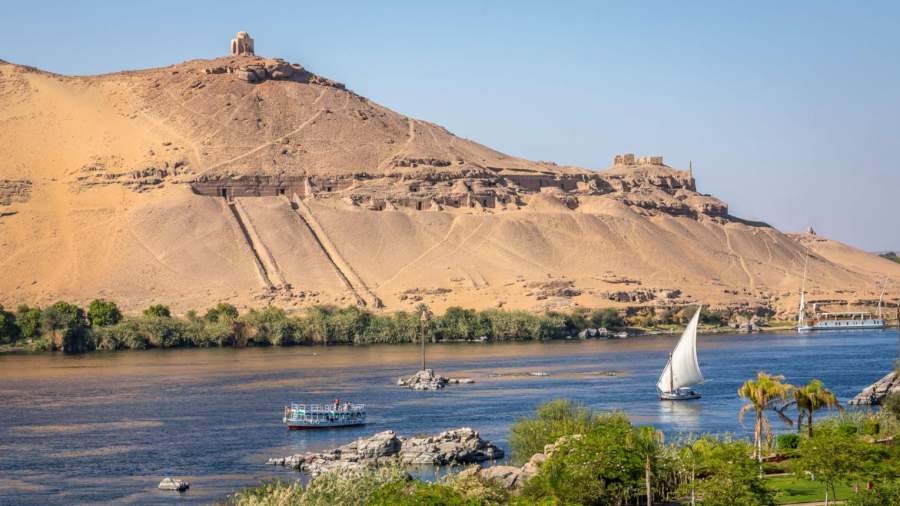
Tombs of the Nobles
Ancient rock-cut tombs overlooking the Nile, famous for their inscriptions and scenes depicting daily life in ancient Egypt.
These attractions can be combined into a memorable Aswan sightseeing itinerary.
11. Best Time to Visit the Unfinished Obelisk
The best time to visit Aswan is generally during the cooler months, from October to April.
During this period, temperatures are more comfortable for exploring outdoor archaeological sites.
For the best experience:
-
Visit early in the morning.
-
Avoid the strongest midday sunlight.
-
Wear comfortable walking shoes.
-
Bring water and sun protection.
-
Allow enough time to explore the quarry.
-
Consider combining the visit with other nearby attractions.
Aswan can become extremely hot during summer, so early visits are particularly recommended.
12. Visitor Information and Travel Tips

Before visiting the Unfinished Obelisk, keep these practical recommendations in mind:
-
Check opening hours: The Egyptian Ministry of Tourism and Antiquities lists daily visiting hours from 7:00 AM to 4:00 PM.
-
Check ticket prices: Admission fees may vary depending on visitor category and official updates.
-
Arrive early: Morning visits are more comfortable, particularly during warmer months.
-
Bring a camera: The enormous granite block and surrounding quarry provide excellent photography opportunities.
-
Hire a guide: A professional guide can explain the engineering techniques and historical background.
-
Wear comfortable shoes: The site includes uneven quarry surfaces and walking paths.
-
Respect the monument: Do not climb on or damage the ancient granite remains.
For the latest opening hours, ticket prices, and visitor regulations, consult the official Egyptian monuments portal.
13. Why the Unfinished Obelisk Should Be on Your Aswan Itinerary
The Unfinished Obelisk is one of the most fascinating archaeological sites in Egypt because it reveals the process behind the creation of ancient monuments.
Instead of seeing only a completed temple or standing obelisk, visitors can explore the actual quarry where an enormous monument was being shaped thousands of years ago.
Its impressive dimensions, visible cracks, ancient tool marks, and connection to Queen Hatshepsut make it an essential destination for anyone interested in ancient Egyptian engineering.
A visit to the site offers a deeper understanding of the extraordinary abilities of ancient Egyptian craftsmen and the importance of Aswan granite in building Egypt's monumental heritage.
Discover the Unfinished Obelisk with Magic Egypt Tours and explore the incredible engineering achievements of ancient Egypt.