
The Rock-Cut Architecture of the Speos
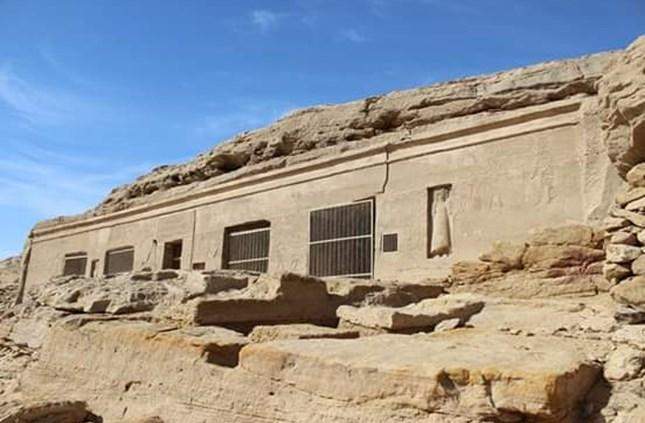
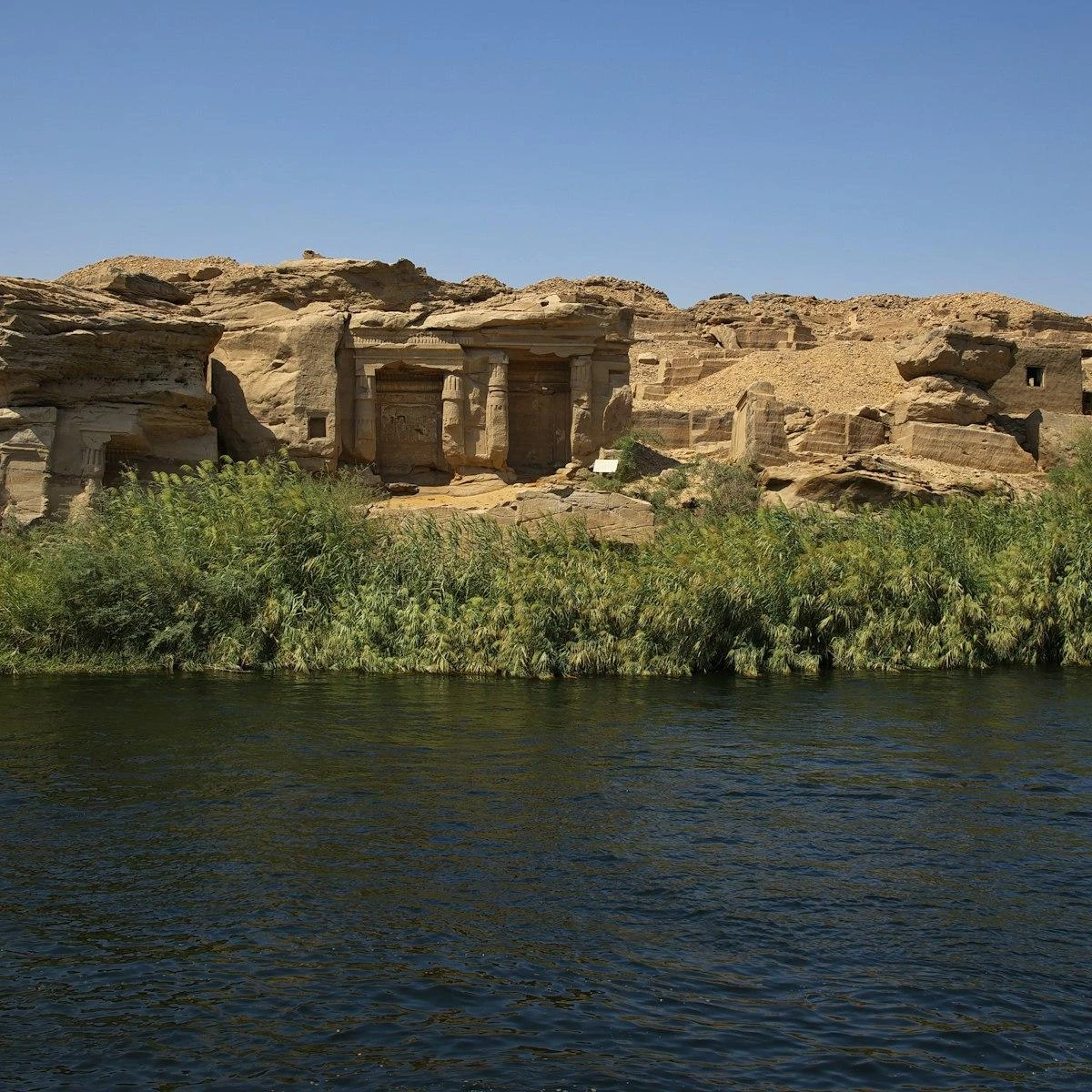
The Temple of Horemheb is also known as the Speos of Horemheb, with speos referring to a rock-cut temple. Constructed during the reign of Pharaoh Horemheb, around 1323–1295 BCE, it was built into the sandstone cliffs of Gebel El Silsila, possibly within an earlier quarry gallery.
Its façade features five openings separated by pillars, with the central entrance leading into a hall and then to the sanctuary. The temple’s architecture makes use of the natural rock, creating a sacred space that is integrated directly into the surrounding landscape.
The royal names of Horemheb were carved around the entrance, linking the monument to the king who commissioned it. The temple demonstrates how ancient Egyptian builders transformed the sandstone cliffs into places of worship and royal commemoration.
The Seven Gods of the Sanctuary
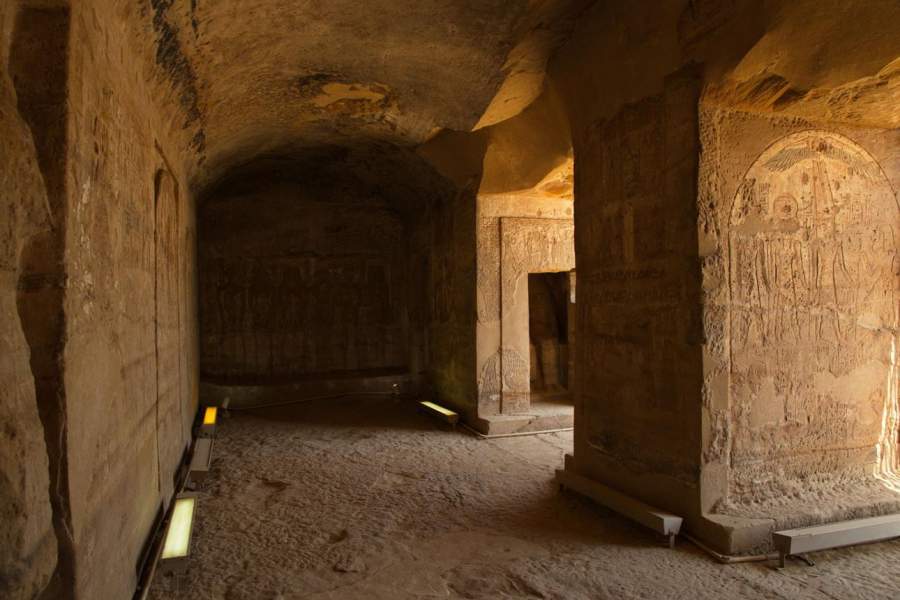
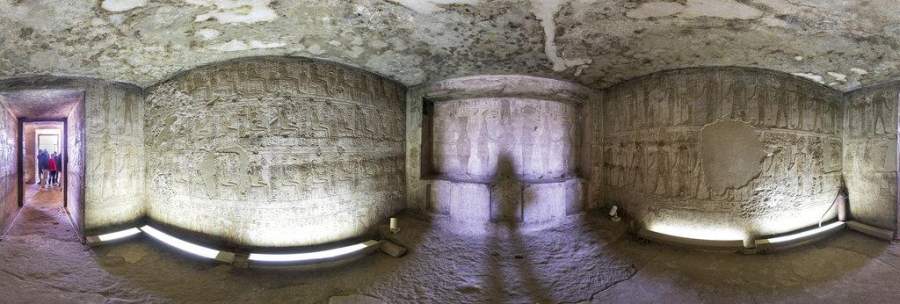
One of the temple’s most remarkable features is its sanctuary, which contains rock-cut statues representing seven sacred figures. These include Sobek, the crocodile god associated with Gebel El Silsila; Taweret, a protective goddess; Pharaoh Horemheb himself; Thoth, the ibis-headed god of wisdom; and the Theban triad of Amun-Ra, Mut, and Khonsu.
The arrangement of these figures reflects the religious importance of the site and its connections with several major Egyptian deities. Sobek’s presence is particularly significant because the area was closely associated with his worship.
The sanctuary offers visitors a fascinating glimpse into ancient Egyptian religious art, where kings, gods, and sacred symbolism were brought together within a carefully designed ceremonial space.
Horemheb and the Story of His Reign
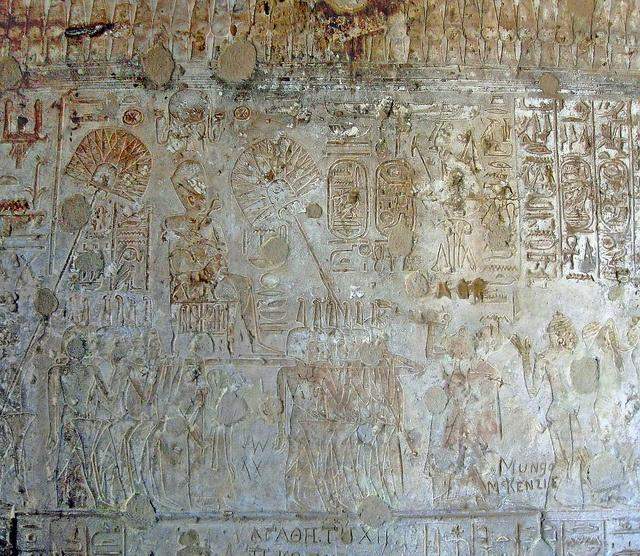
Horemheb was the last king of Egypt’s Eighteenth Dynasty. Before becoming pharaoh, he had a military and administrative career, and his reign is associated with efforts to restore traditional religious institutions and royal administration following the Amarna period.
The temple at Gebel El Silsila reflects the importance of royal patronage in ancient Egyptian religion. By commissioning monuments dedicated to the gods, a pharaoh reinforced his relationship with the divine and demonstrated his responsibility for maintaining order and prosperity.
The monument also preserves evidence of later royal visits and additions. Subsequent rulers and officials left further inscriptions and scenes, showing that the temple continued to hold religious significance beyond Horemheb’s own reign.
The Relief of Taweret and the Royal Procession
Among the temple’s distinctive scenes is a depiction of the goddess Taweret suckling Horemheb on the western wall. This image expresses divine protection and the symbolic relationship between the king and the gods.
Another notable scene depicts Horemheb’s triumphal procession following his victory in Nubia. Such royal imagery connected military success with divine favor, reinforcing the pharaoh’s role as a protector of Egypt and its interests.
These reliefs are valuable because they combine religious symbolism with royal history. Rather than serving merely as decoration, the scenes communicated ideas about kingship, protection, and the divine legitimacy of the ruler.
From Ancient Sanctuary to Christian Place of Worship
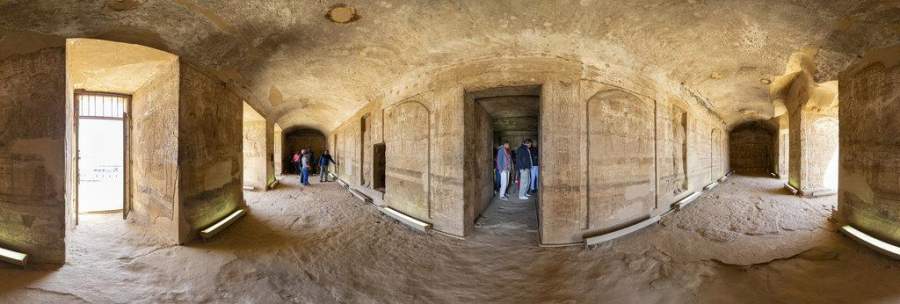
The history of the Speos continued long after the reign of Horemheb. Later kings and high-ranking officials added inscriptions, commemorative stelae, and religious scenes to the monument.
The temple was eventually reused as a Christian place of worship. Crosses carved into its walls provide physical evidence of this later phase, illustrating how sacred spaces could acquire new meanings as religious traditions changed.
This layered history makes the temple especially interesting. Its walls preserve traces of different communities and periods, connecting ancient Egyptian royal religion with the later history of Christianity in Egypt.
Visiting the Temple of Horemheb with a Nile Dahabiya
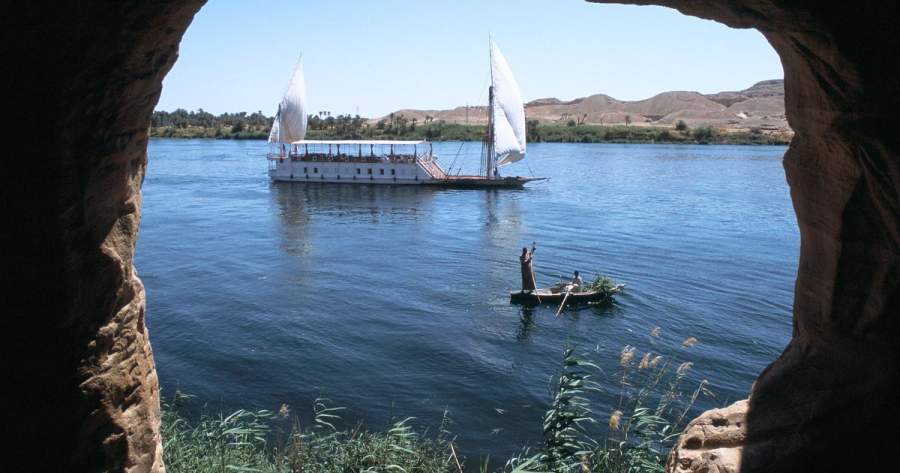
The Temple of Horemheb is located at Gebel El Silsila, approximately 70 kilometers north of Aswan, in a dramatic stretch of the Nile surrounded by sandstone cliffs and historic quarries. The wider site contains numerous ancient quarries, rock-cut chapels, royal stelae, and inscriptions.
A visit by Nile Dahabiya offers a memorable way to experience this part of Upper Egypt. As you approach the cliffs, the landscape reveals the importance of sandstone in ancient Egyptian construction and the remarkable effort required to extract and transport stone for temples across the country.
During your visit, take time to appreciate the temple façade, the carved sanctuary, and the details of its reliefs. Access conditions may vary, so follow your guide’s instructions and check local arrangements before visiting.
Why the Temple of Horemheb Deserves a Visit
The Temple of Horemheb offers a distinctive perspective on ancient Egyptian history. Its rock-cut architecture, sanctuary statues, and royal reliefs reveal the religious and political significance of Gebel El Silsila during the New Kingdom.
The monument is also part of a much larger archaeological landscape shaped by sandstone quarrying, royal commemoration, and centuries of religious activity. Visiting it allows travelers to discover a quieter but historically important destination along the Nile.
For anyone sailing between Luxor and Aswan, the Temple of Horemheb provides an enriching opportunity to explore Egypt’s heritage beyond its most famous temples.
Explore Upper Egypt with Magic Egypt Tours
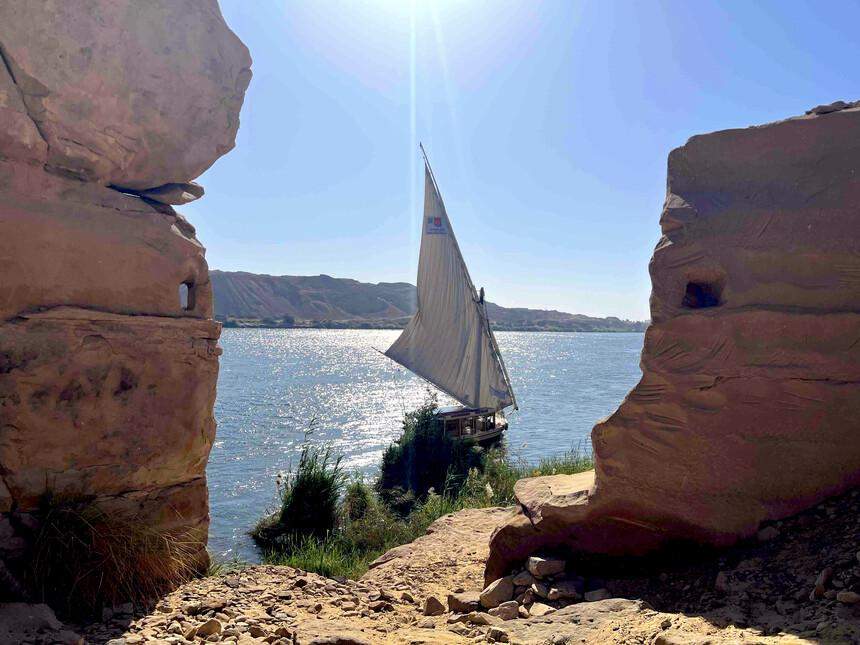
Discover the hidden treasures of the Nile with Magic Egypt Tours. From the magnificent temples of Luxor to the sandstone cliffs and ancient sanctuaries of Gebel El Silsila, Upper Egypt offers a remarkable journey through thousands of years of history.
Experience the Temple of Horemheb, learn about the pharaohs and gods of ancient Egypt, and enjoy the peaceful scenery of the Nile aboard a traditional Dahabiya.
Plan your Egyptian adventure with Magic Egypt Tours and uncover the stories behind the monuments that have shaped this extraordinary land.