
Salt Lake, Fayoum: Discover the Salty Waters and Natural Beauty of Lake Qarun, Egypt

Imagine standing beside a vast lake in the middle of Egypt’s desert landscape, watching the sunlight reflect across its shimmering water while birds glide above the shoreline.
This is Lake Qarun (Salt Lake), one of Egypt’s oldest natural lakes and one of the most fascinating destinations in Fayoum.
Known for its saline waters, beautiful desert scenery, fishing communities, and rich birdlife, Lake Qarun offers a completely different experience from Egypt’s traditional archaeological attractions.
But there is something even more fascinating: the lake is connected to the story of an enormous ancient body of water that once covered much of the Fayoum region.
Today, visitors can enjoy lakeside views, discover the area's natural heritage, explore nearby archaeological sites, and experience the peaceful atmosphere of one of Egypt’s most remarkable landscapes.
1. Where Is Salt Lake Located?
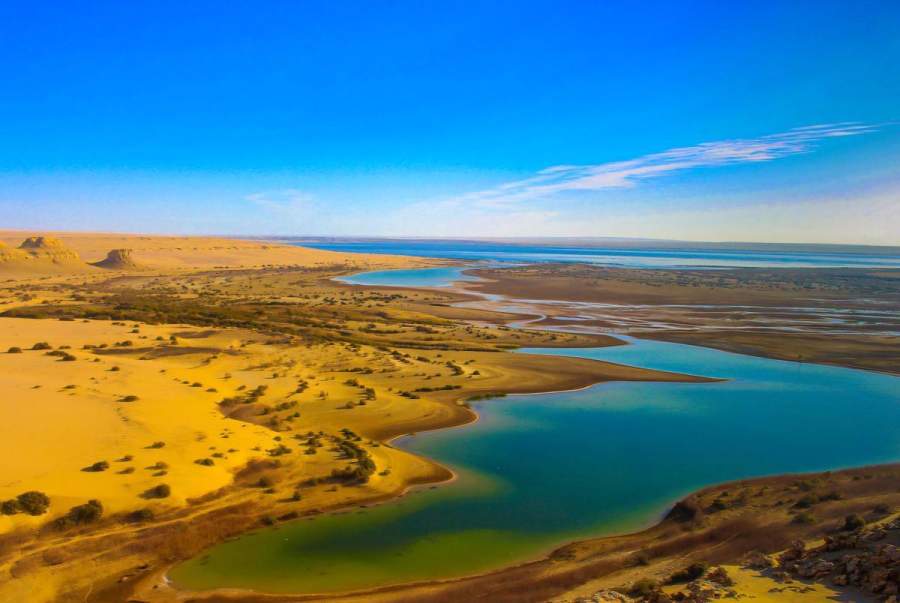
Lake Qarun is located in Fayoum Governorate, southwest of Cairo, within the Fayoum Depression in Egypt’s Western Desert region.
It occupies the northern part of the Fayoum Depression and is surrounded by agricultural communities, desert landscapes, and archaeological areas.
The lake is one of the main natural attractions of Fayoum and forms part of the Lake Qarun Protected Area.
Its location makes it an excellent destination to combine with:
-
Tunis Village.
-
Wadi El-Rayan.
-
Magic Lake.
-
Wadi El-Hitan (Valley of the Whales).
-
Qasr Qarun Temple.
-
Jebel Qatrani.
Lake Qarun is a particularly attractive destination for travelers interested in nature, photography, birdwatching, and countryside experiences.
Fayoum: A Hidden Gem in Egypt+2
2. The Ancient History of Lake Qarun
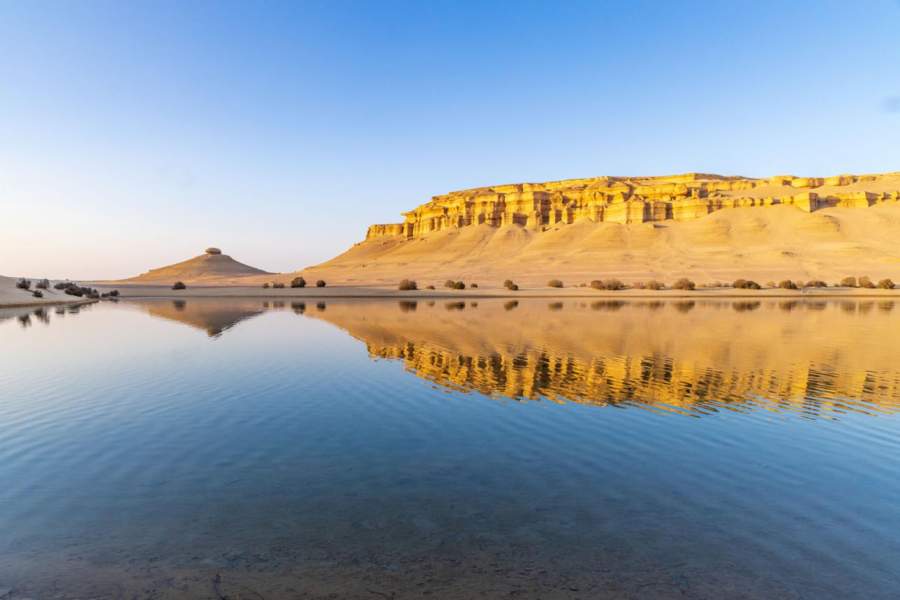
Lake Qarun has a fascinating connection to the ancient history of Fayoum.
It is considered the surviving remnant of the much larger ancient lake traditionally associated with Lake Moeris.
Thousands of years ago, the Fayoum Depression contained a much larger body of water, and changes in water levels, Nile inflow, climate, and human water-management projects gradually transformed the landscape.
During the Middle Kingdom, particularly under the Twelfth Dynasty, major irrigation and hydraulic projects helped develop the Fayoum region and expand agricultural land.
The lake and surrounding settlements became closely connected to fishing, agriculture, and human activity.
Today, Lake Qarun preserves important evidence of the long relationship between people, water, and the environment in Fayoum.
UNESCO World Heritage Centre+2
3. Why Is Lake Qarun Called a Salt Lake?
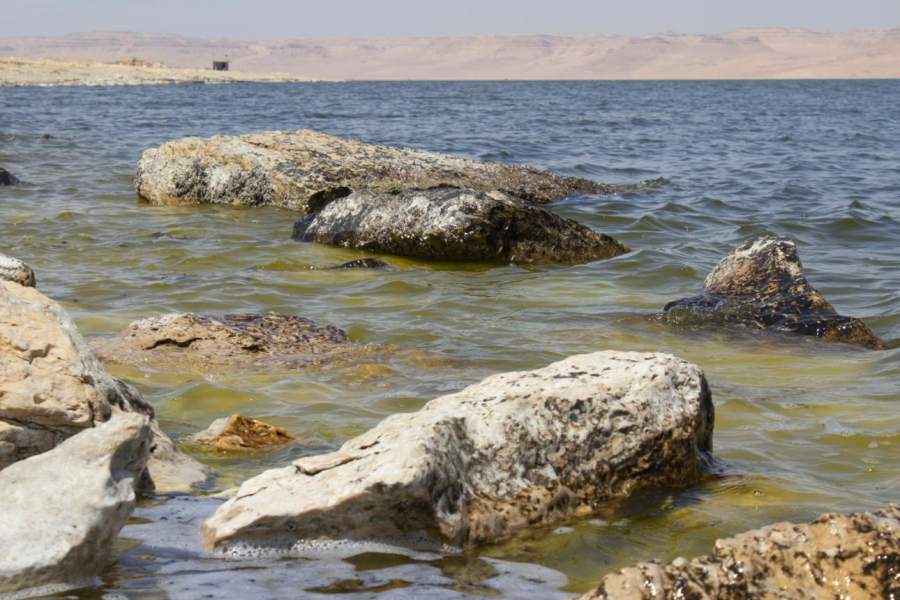
One of the most distinctive characteristics of Lake Qarun is its high salinity.
Unlike freshwater lakes connected to rivers with continuous water outflow, Lake Qarun is a closed inland lake. It receives much of its water through agricultural drainage channels, while evaporation removes water and leaves dissolved salts behind.
Over time, this process has contributed to the accumulation of salts in the lake.
According to Egypt’s State Information Service, the lake's salinity is approximately 32–35 grams per liter, although measurements can vary with location and environmental conditions.
This saline environment influences the lake’s aquatic ecosystem, fish populations, and surrounding wildlife.
It is also one of the reasons Lake Qarun has become an interesting destination for environmental researchers studying desert lakes and changing water conditions.
4. The Natural Beauty and Landscape of Lake Qarun
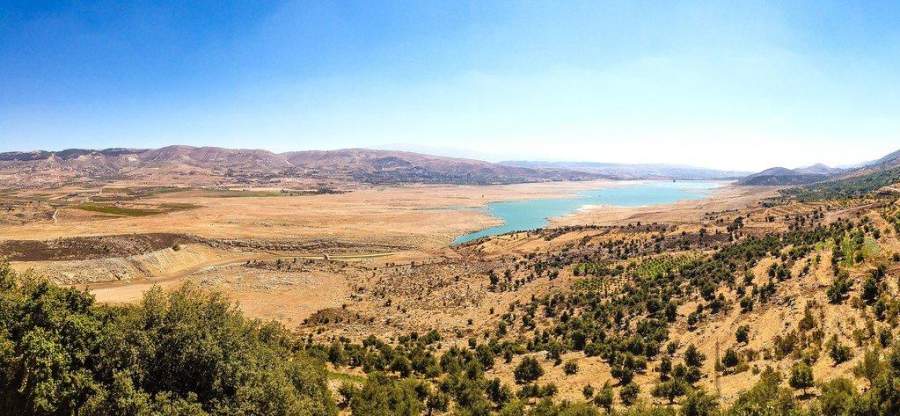
Lake Qarun offers a beautiful contrast between water and desert.
Its expansive surface stretches across the Fayoum landscape, creating impressive views, especially where the surrounding desert hills meet the shoreline.
The scenery changes throughout the day:
-
In the morning, the lake often reflects the soft colors of the sky.
-
During midday, sunlight creates sparkling reflections across the water.
-
In the afternoon, the surrounding landscape takes on warm golden tones.
-
At sunset, the lake becomes a beautiful setting for landscape photography.
The peaceful atmosphere and open horizons make Lake Qarun an excellent place to escape crowded city environments and enjoy the natural side of Egypt.
5. Birdwatching: A Paradise for Nature Lovers

One of the most important natural features of Lake Qarun is its birdlife.
The lake is an important habitat for resident and migratory birds, offering feeding and resting areas for different species throughout the year.
Visitors may have opportunities to observe:
-
Flamingos.
-
Herons.
-
Ducks.
-
Waders.
-
Spoonbills.
-
Other waterbirds.
The protected area is recognized for its ecological importance, and the lake is included in the Ramsar network of internationally important wetlands.
Birdwatching is particularly attractive during the migration season, when many birds visit the lake and its surrounding wetlands.
For photography enthusiasts, the sight of birds moving across the water against the desert background can create unforgettable images.
6. Fishing and Local Life Around the Lake

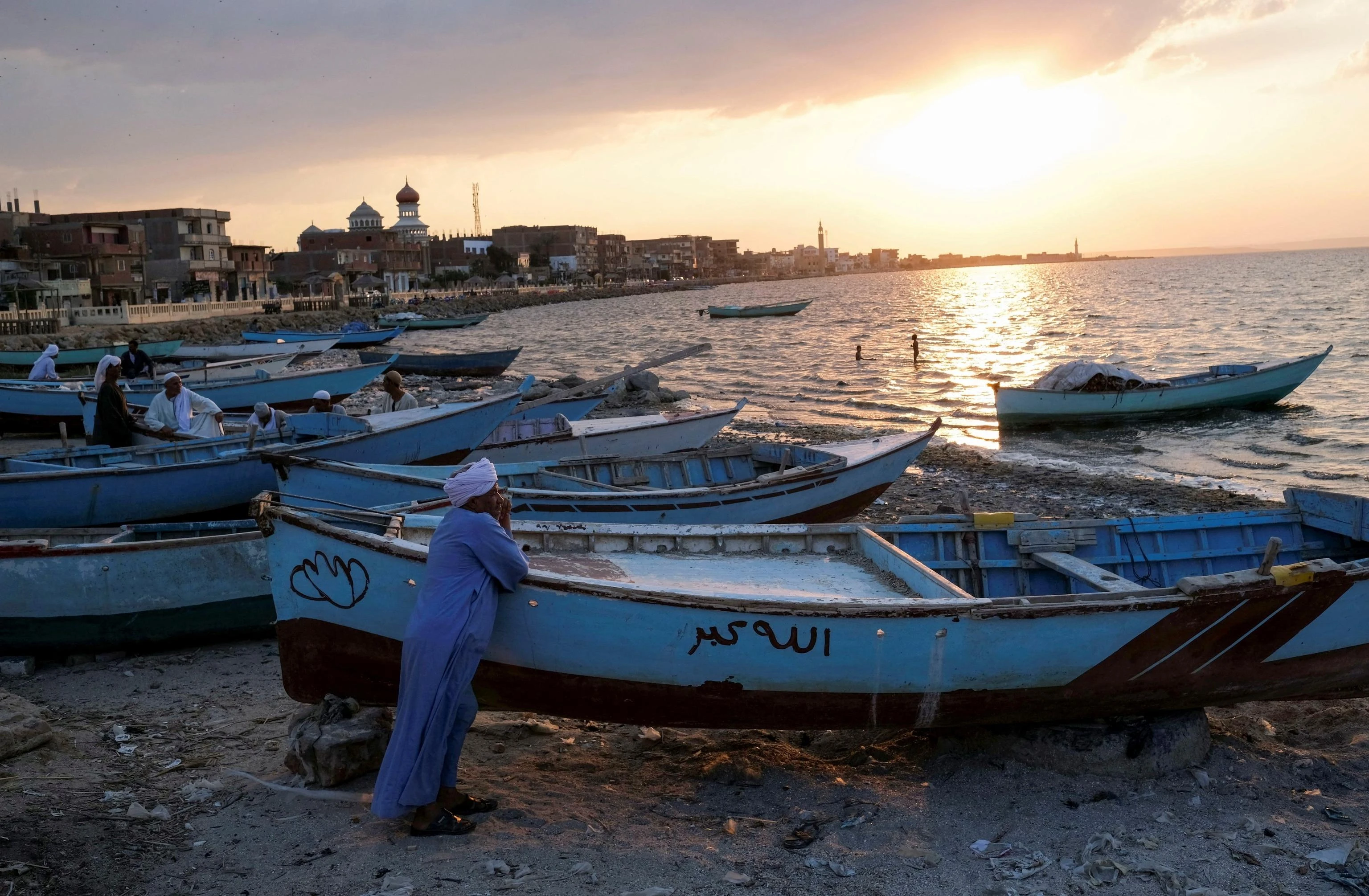
Fishing has long been part of the local identity of Lake Qarun.
Several communities around the lake depend on fishing and related activities, making the shoreline an important part of everyday life in Fayoum.
Visitors can discover:
-
Traditional fishing boats.
-
Local fishermen preparing their equipment.
-
Fishing villages along the southern shore.
-
Local seafood restaurants.
-
The relationship between the lake and the surrounding communities.
Fishing practices and available catches have been affected by changes in salinity and water quality, making environmental protection especially important for the future of local livelihoods.
The lake is therefore not just a natural attraction; it is also an important part of the economic and cultural life of Fayoum.
7. The Islands of Lake Qarun

Lake Qarun contains small islands that contribute to its ecological and geographical character.
The Lake Qarun Protected Area identifies two islands: Golden Horn Island and Hammoud Island.
These islands are part of the lake’s natural environment and are associated with its birdlife and surrounding aquatic habitats.
The wider lake landscape is particularly interesting for visitors who enjoy observing natural features, photographing distant shorelines, and discovering the ecological importance of inland wetlands.
Access to individual islands may be restricted or subject to local conservation rules, so visitors should check before arranging boat trips.
8. Things to Do at Lake Qarun
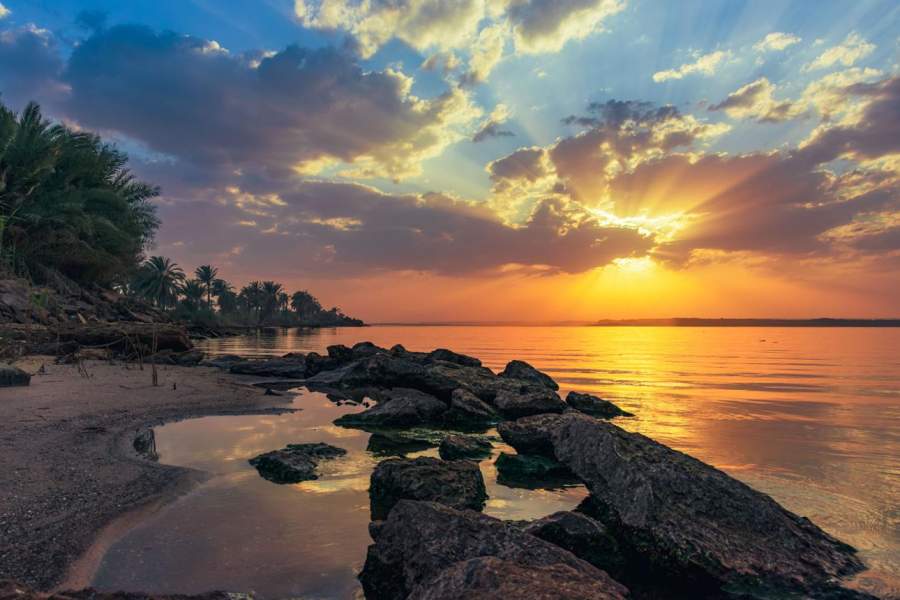
Lake Qarun offers several experiences for visitors who want to enjoy nature and discover the local culture.
Enjoy the lakeside views
Spend time along suitable sections of the shoreline and admire the wide-open scenery.
Go birdwatching
Bring binoculars or a camera to observe migratory and resident birds in suitable viewing areas.
Discover local fishing culture
Explore fishing villages and learn more about the traditional activities connected to the lake.
Enjoy a boat experience
Boat activities may be available through local operators, depending on weather, location, and current regulations.
Try local seafood
Visit a lakeside restaurant and discover traditional fish dishes prepared by local businesses.
Capture sunset photographs
The combination of water, desert, and changing sunlight makes the lake an attractive destination for photography.
Explore the surrounding countryside
Combine your visit with nearby villages, pottery workshops, and natural attractions throughout Fayoum.
9. Nearby Attractions Around Lake Qarun
Lake Qarun is an excellent starting point for exploring some of Fayoum’s most beautiful cultural and natural destinations.

Tunis Village
A charming village famous for handmade pottery, artistic workshops, traditional architecture, and beautiful views overlooking the lake.
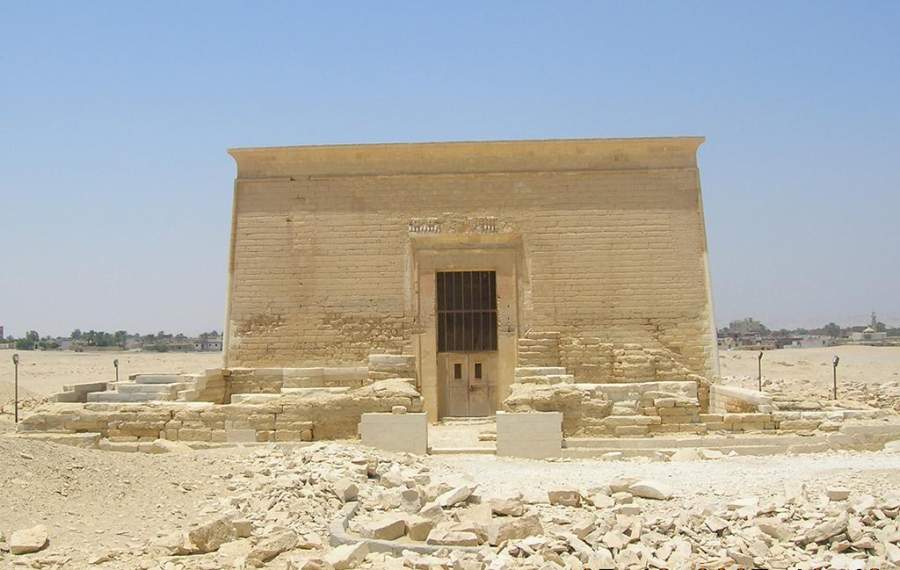
Qasr Qarun Temple
A remarkable Ptolemaic-era temple located near the southwestern side of Lake Qarun, traditionally associated with the ancient city of Dionysias.

Wadi El-Rayan
A protected natural area famous for its lakes, waterfalls, and desert landscapes.

Wadi El-Hitan (Valley of the Whales)
A UNESCO World Heritage Site containing extraordinary fossils that document the evolution of ancient whales.

Jebel Qatrani
An important geological and fossil-rich area north of Lake Qarun, known for its rock formations and remarkable prehistoric remains.
These destinations can be combined into a wonderful Fayoum itinerary for travelers interested in nature, history, and adventure.
10. Environmental Importance and Conservation

Lake Qarun is more than a beautiful tourist attraction. It is an important natural reserve with ecological value for birds, fish, and other wildlife.
The lake faces environmental challenges related to agricultural drainage, pollution, salinity, and changes in water quality.
Because it has no natural surface-water outlet, substances entering the lake can accumulate and affect its ecosystem.
Protecting the lake is essential for maintaining its biodiversity and supporting the communities that depend on its natural resources.
Visitors can help by:
-
Avoiding littering along the shoreline.
-
Respecting wildlife and nesting areas.
-
Following protected-area instructions.
-
Avoiding disturbance to birds.
-
Using authorized visitor and boat services.
Responsible tourism helps preserve Lake Qarun for future generations.
11. Best Time to Visit Lake Qarun

The cooler months, generally from October to April, are among the most comfortable times to explore Lake Qarun and the surrounding Fayoum region.
During this period, visitors can enjoy lakeside walks, photography, birdwatching, and outdoor activities without the intense summer heat.
For the best experience:
-
Visit early in the morning for birdwatching.
-
Choose late afternoon for beautiful lake views.
-
Bring binoculars if you enjoy observing birds.
-
Wear comfortable clothing and walking shoes.
-
Check local weather and wind conditions before boat activities.
-
Plan enough time to explore nearby attractions.
Winter can be especially rewarding for birdwatching because migratory birds visit the lake during this season.
12. Essential Travel Tips Before Visiting

Before planning your trip to Lake Qarun, consider these practical recommendations:
-
Choose your lakeside destination: The lake is extensive, so decide which shoreline or village you want to explore.
-
Arrange transportation: A private vehicle or organized tour can make exploring the surrounding attractions easier.
-
Bring sun protection: Sunglasses, sunscreen, and a hat are useful throughout the year.
-
Carry drinking water: Facilities may vary depending on the area you visit.
-
Respect the wildlife: Avoid disturbing birds and other animals.
-
Check boat arrangements: Confirm availability and safety conditions with authorized local operators.
-
Follow conservation rules: Remember that Lake Qarun is a protected natural area.
-
Allow extra time: Combine the lake with nearby attractions for a more complete Fayoum experience.
13. Why Lake Qarun Should Be on Your Egypt Travel List

Lake Qarun is one of Egypt’s most distinctive natural destinations.
It combines ancient environmental history, saline waters, beautiful landscapes, migratory birdlife, and the traditional lifestyle of Fayoum’s lakeside communities.
A visit here offers something different from the usual sightseeing experience. You can enjoy peaceful lake views, discover local fishing traditions, explore nearby archaeological monuments, and experience the natural beauty of the Western Desert.
Whether you are a nature lover, photographer, birdwatcher, or traveler searching for a relaxing escape, Lake Qarun deserves a place on your Fayoum itinerary.
Discover Lake Qarun with Magic Egypt Tours and experience one of Egypt’s oldest and most fascinating natural lakes.