

Saladin Citadel: A Journey Through the Heart of Historic Cairo
Rising above Cairo from the slopes of the Mokattam Hills, Saladin Citadel is one of the city’s most recognizable historic landmarks. Built as a strategic fortress during the Ayyubid period, the citadel later became a seat of government and grew into a remarkable complex of mosques, palaces, museums, towers, and courtyards.
Today, standing inside its massive walls offers a unique way to experience Cairo. From one direction, you can see the dense historic neighborhoods of Islamic Cairo. From another, the city stretches toward the modern skyline. And inside the fortress itself, centuries of Egyptian history are layered together.
The official Egyptian Ministry of Tourism and Antiquities describes the citadel as one of the most important monuments of Islamic Cairo and one of the most impressive medieval defensive fortresses.
But the story of Saladin Citadel is about much more than military architecture. It is a story of changing dynasties, rulers, architecture, religion, and the transformation of Cairo itself.
Where Is Saladin Citadel?
Saladin Citadel is located in the Al-Qalaa district of Cairo, on an elevated position associated with the Mokattam Hills. Its location was carefully chosen because of its strategic advantages and its commanding views over the city.
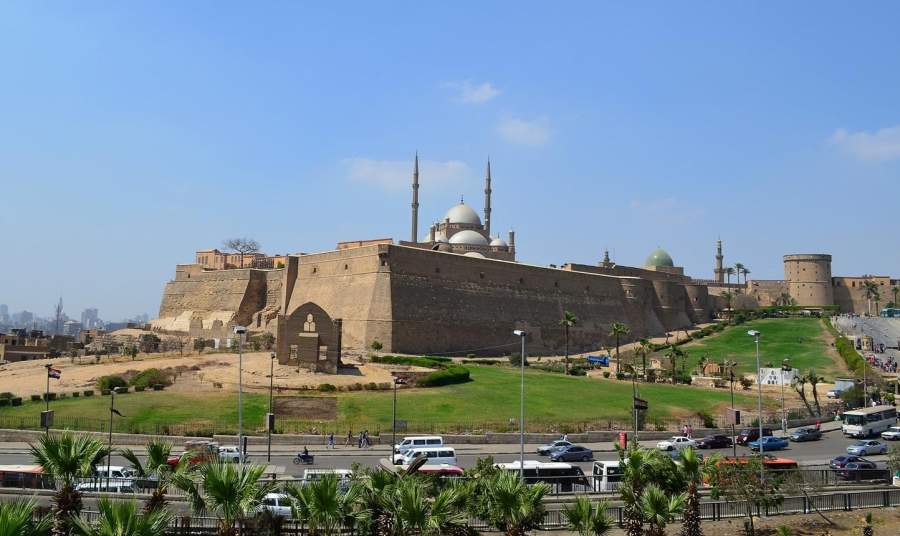
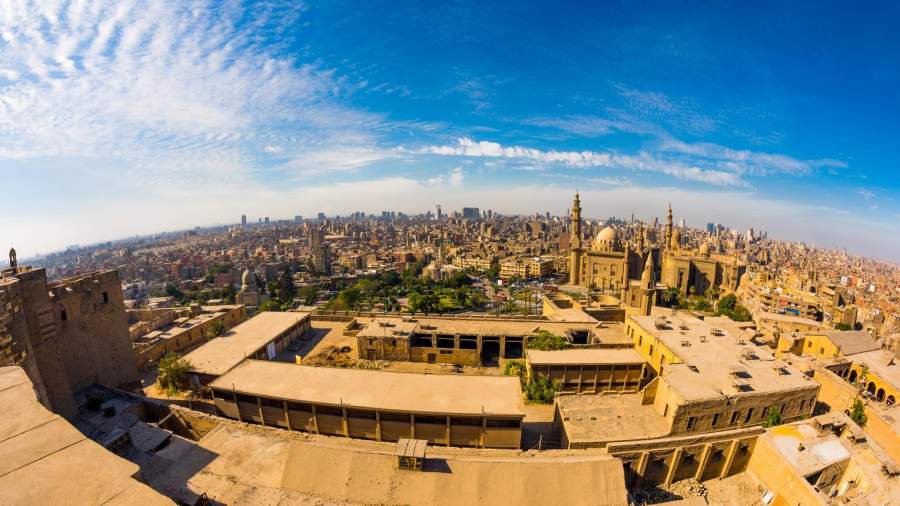
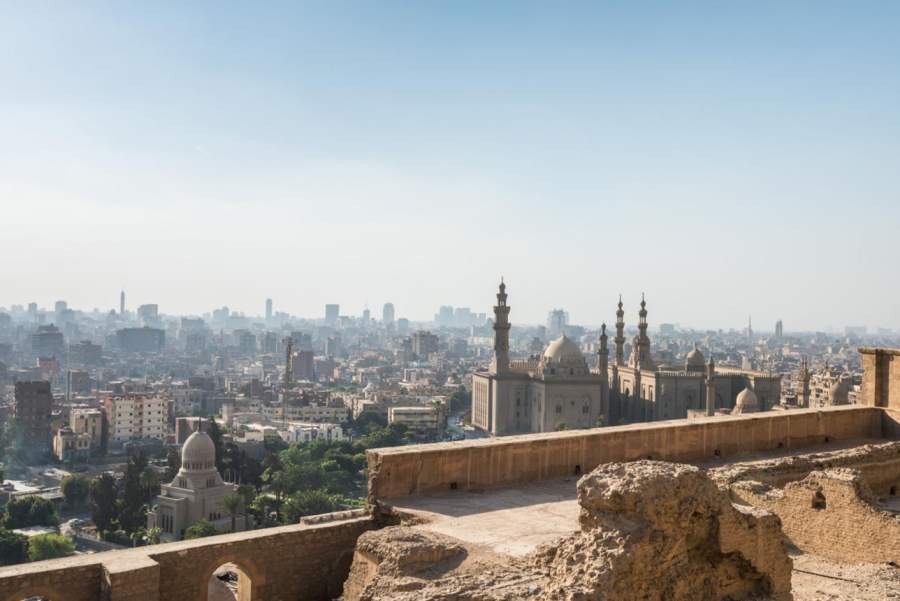
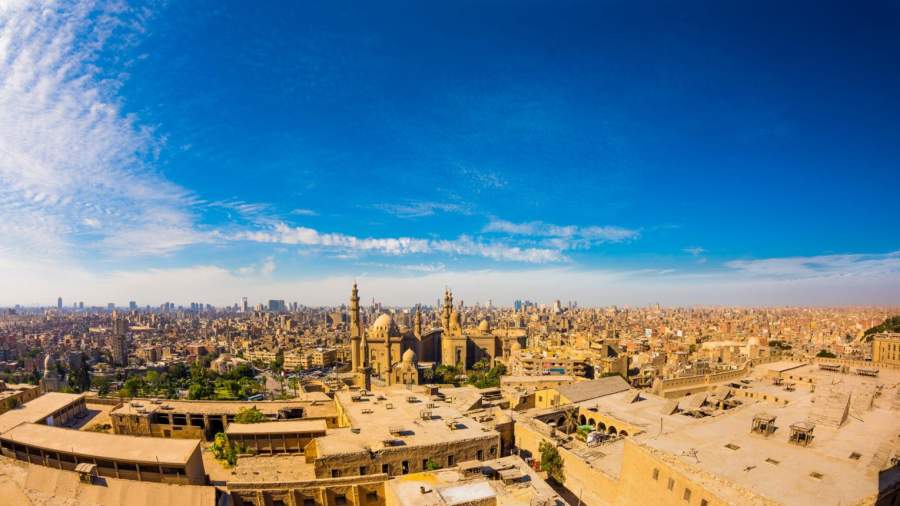
The elevated position gave the fortress an important defensive advantage while also providing a commanding view of Cairo. That panoramic view remains one of the major reasons visitors come to the citadel today. Experience Egypt highlights the unobstructed panorama of Cairo available from the site, including views across the historic city often associated with the nickname “City of a Thousand Minarets.”
The citadel also sits within the broader historic landscape of Historic Cairo, an area recognized by UNESCO as a World Heritage property since 1979. UNESCO describes Historic Cairo as an exceptional surviving urban landscape containing monuments and neighborhoods that reflect the city’s long political, cultural, and architectural history.
That makes a visit to the citadel particularly interesting: you are not simply visiting one isolated monument. You are standing above a historic urban landscape that developed around it.
The Beginning: Saladin’s Fortress
The story of the citadel begins with Salah al-Din al-Ayyubi, better known in the West as Saladin.
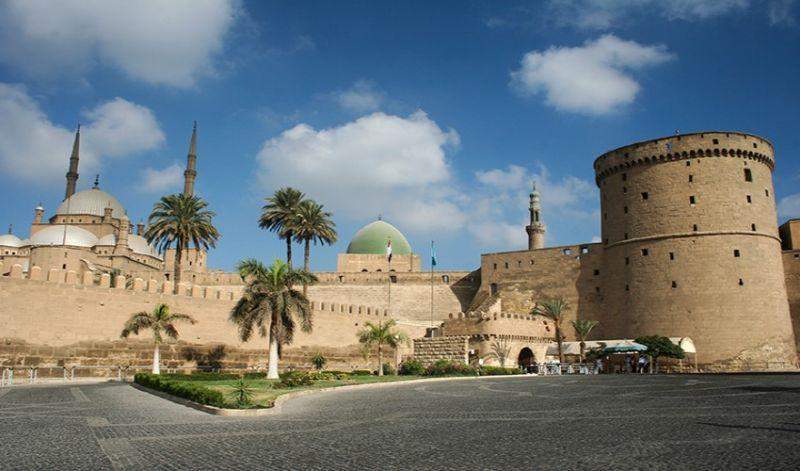
Construction of the Cairo citadel began in 1176 AD, during the Ayyubid period. According to the Egyptian Ministry of Tourism and Antiquities, Saladin ordered the construction of a fortress on the Mokattam Hills, but the project was not completed during his lifetime. It was completed under Sultan al-Kamil ibn al-Adel in 1207 AD.
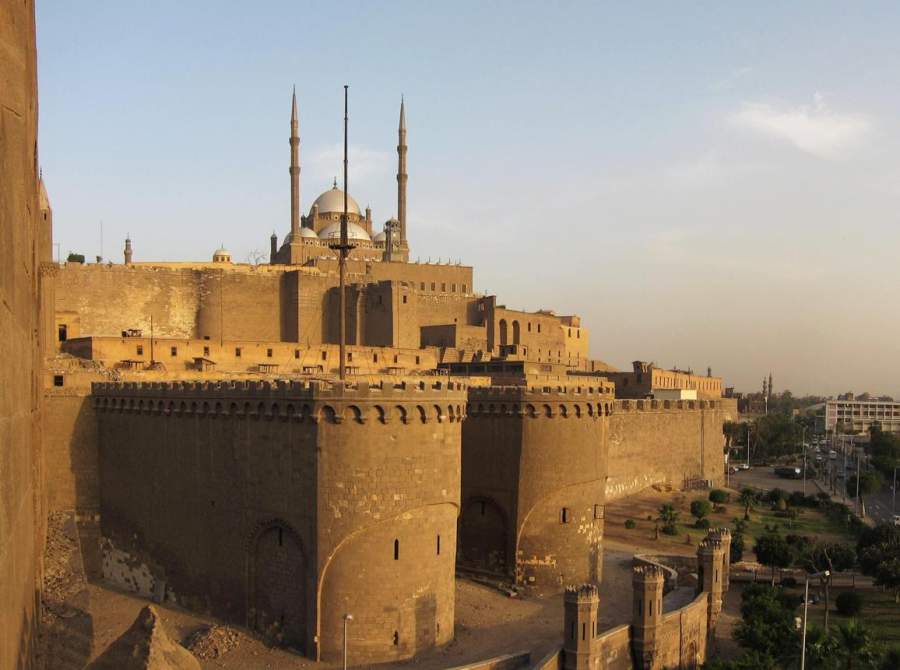
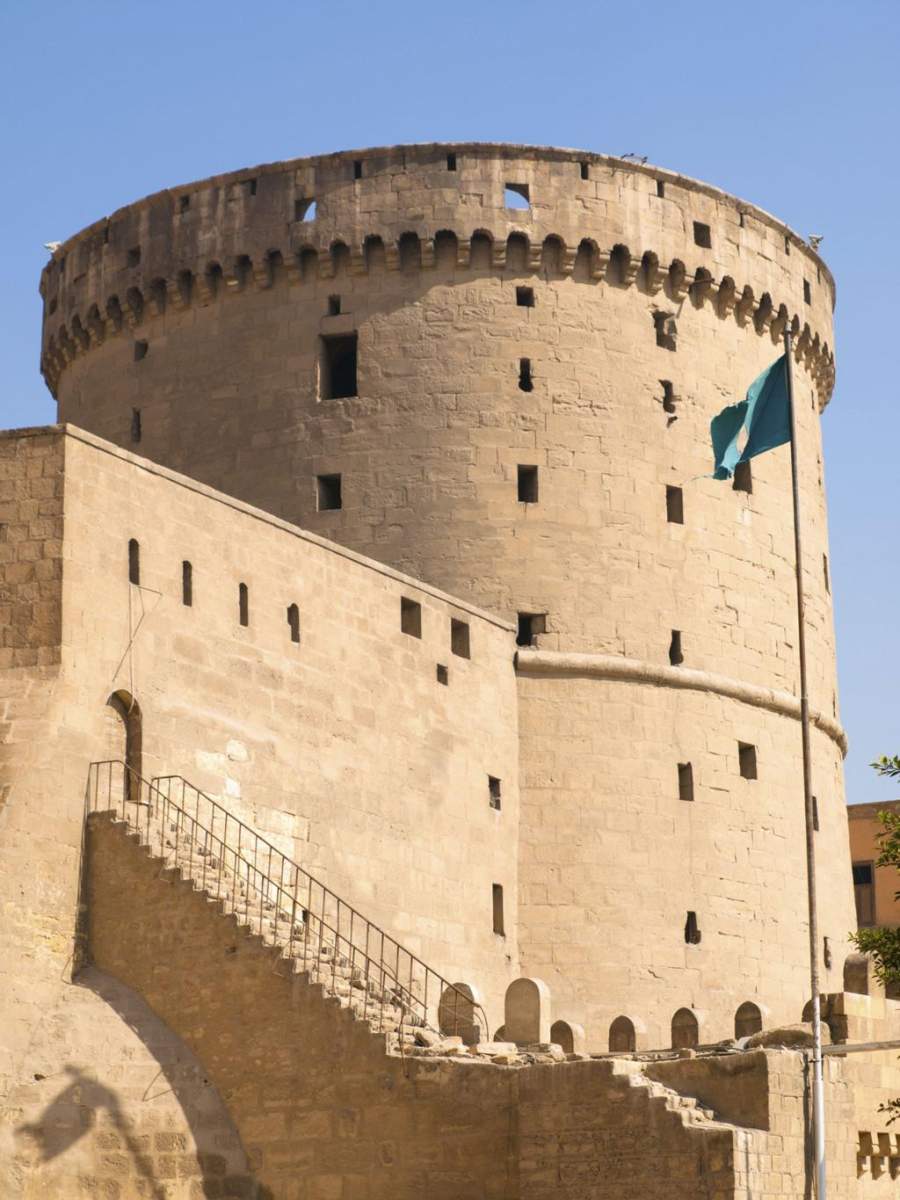
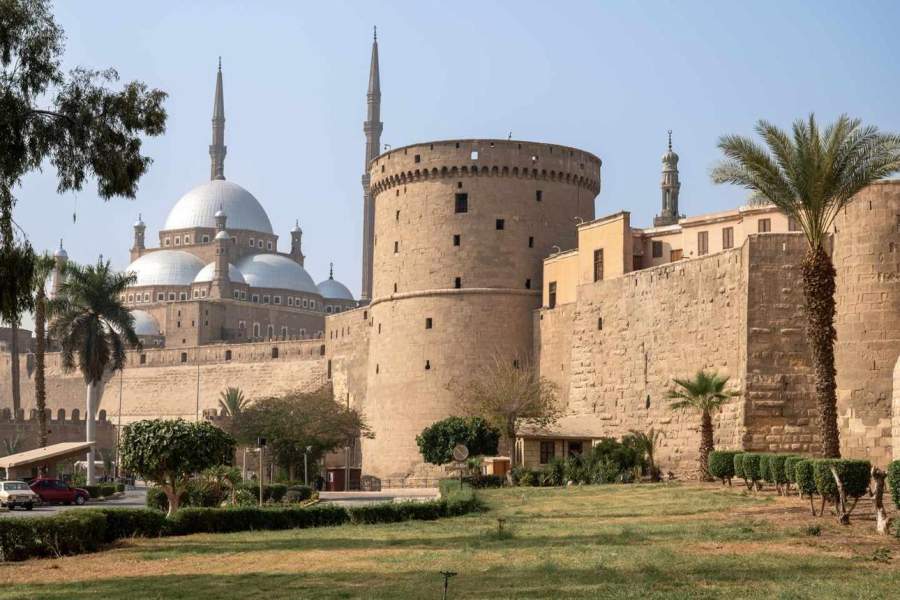
The location was strategic. The fortress formed part of a defensive system intended to protect Cairo and the surrounding settlements. Cairo’s municipal portal also describes the citadel as having been established to connect Cairo and Fustat while strengthening the city’s defenses.
The fortress therefore represented more than a royal residence. It was part of a broader transformation of Cairo during the Ayyubid era.
UNESCO notes that the citadel was established as the headquarters of government during the Ayyubid state and became an important part of the historic development of Cairo.
From Fortress to Seat of Government
One of the most fascinating things about Saladin Citadel is that its importance did not disappear after the original military threat changed.
Instead, the citadel evolved.
It became an official residence and administrative center for Egypt’s rulers. The Ministry of Tourism and Antiquities notes that Sultan al-Kamil decided to reside in the citadel after its completion, establishing it as the official residence of Egypt’s rulers.
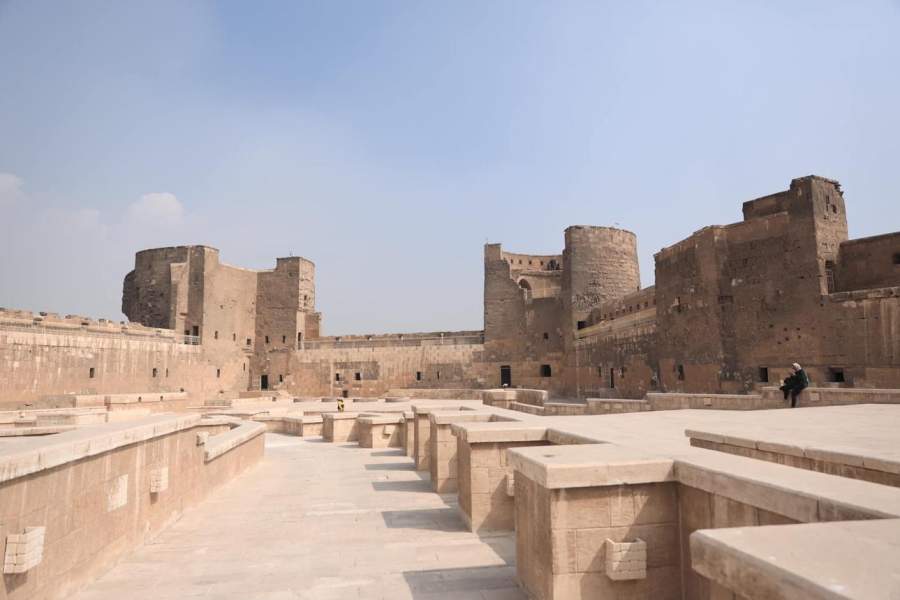
Over the centuries, successive rulers added buildings and modified parts of the complex.
This means that the citadel visitors see today is not a single-period fortress frozen in the 12th century. Instead, it is a historical complex shaped by different eras.
Ayyubid, Mamluk, Ottoman, and Muhammad Ali-period influences can all be encountered within the wider site.
That layering is one of the reasons the citadel is such an important part of Cairo’s architectural history.
The Mamluk Legacy Inside the Citadel
The Mamluk period left a particularly visible mark on the citadel.
One of its most important surviving monuments is the Mosque of Sultan al-Nasir Muhammad ibn Qalawun, built during the 14th century.
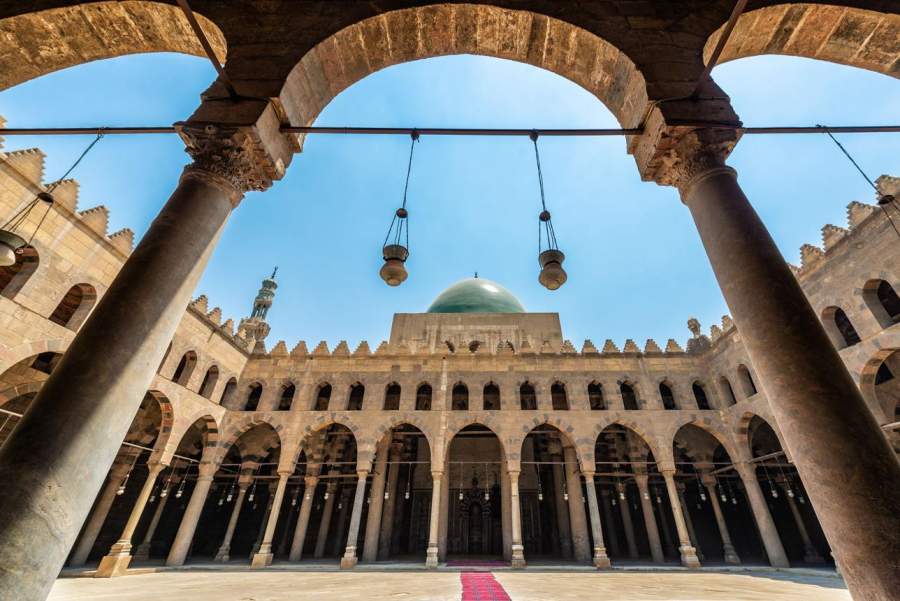
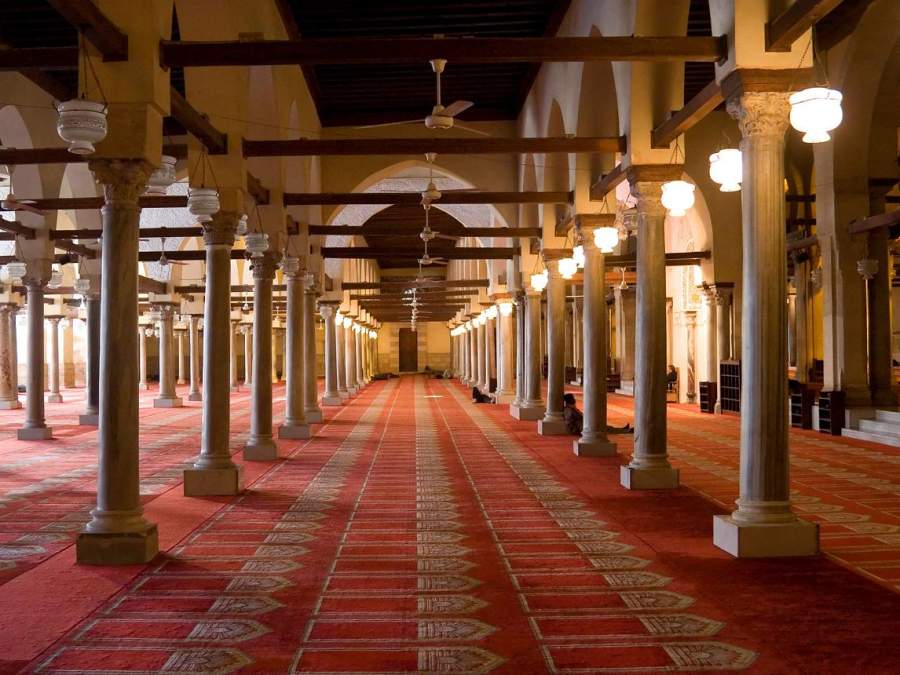
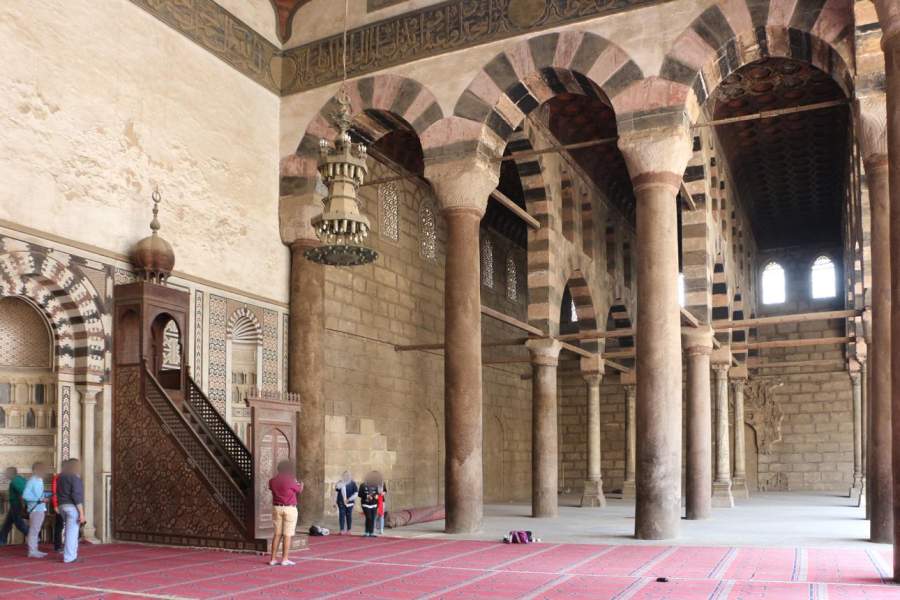
The mosque was originally constructed in 1318 AD and rebuilt in 1335 AD under Sultan al-Nasir Muhammad. It served as the royal mosque during the Mamluk period and was used by the rulers and occupants of the citadel.
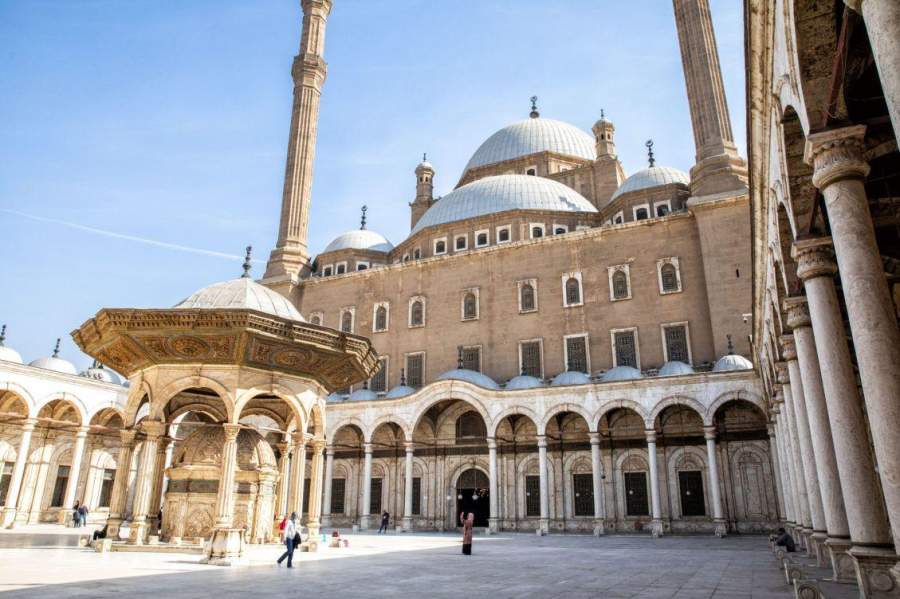
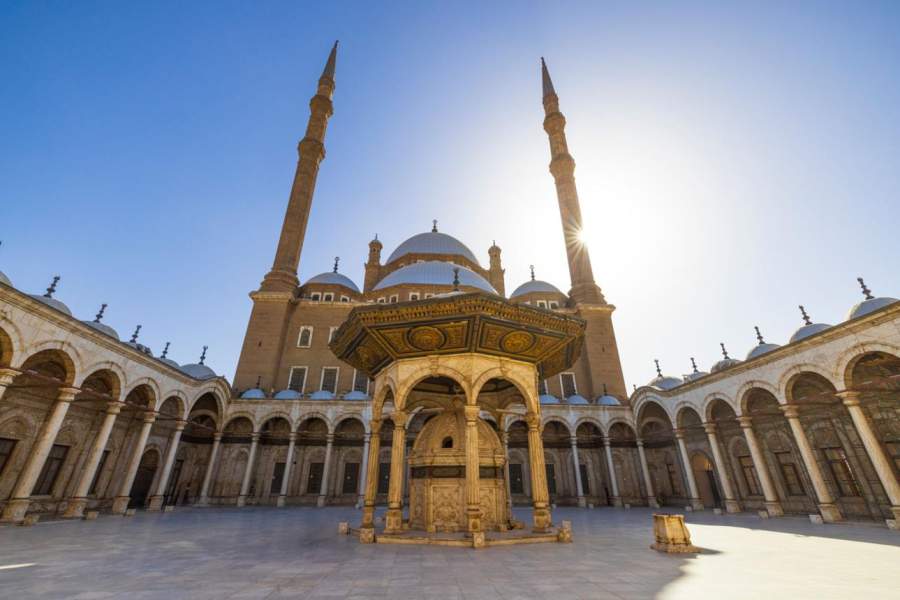
Its design includes an open courtyard surrounded by porticos, along with two minarets and a dome that originally featured green tiles.
The mosque also carries evidence of the complicated history of the citadel. During the British occupation of Egypt in the late 19th century, it was used for storage and as a prison, which contributed to damage before restoration work was undertaken in the 20th century.
Today, the mosque provides visitors with a glimpse into the architectural world of Mamluk Cairo.
The Famous Muhammad Ali Mosque
For many visitors, the image most strongly associated with Saladin Citadel is not its medieval walls.
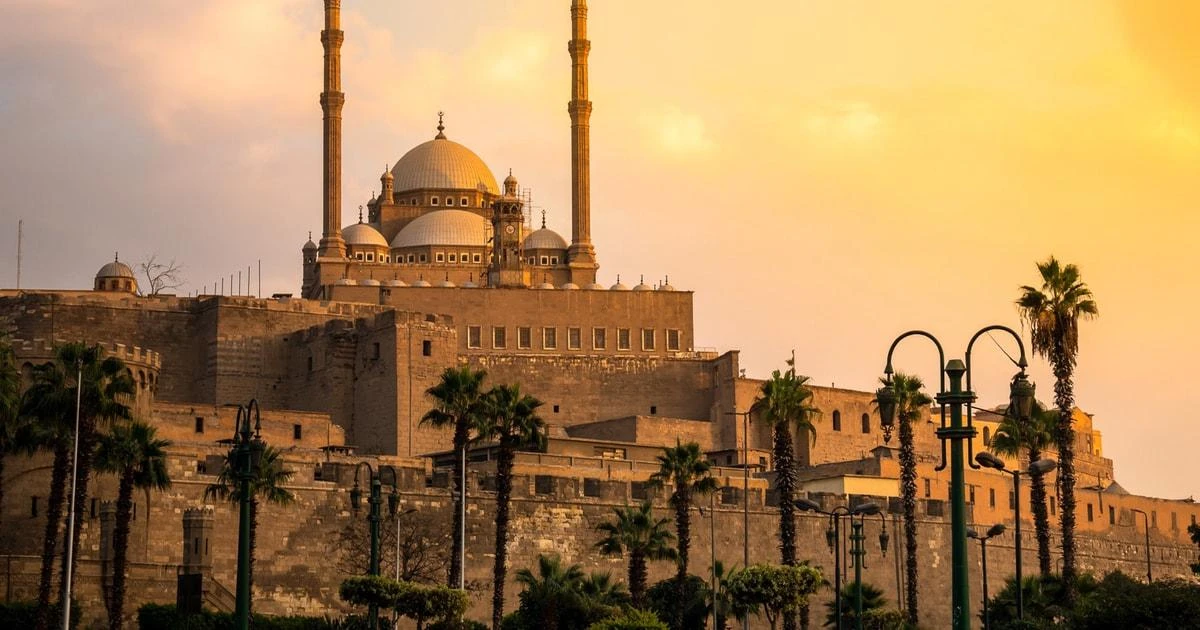
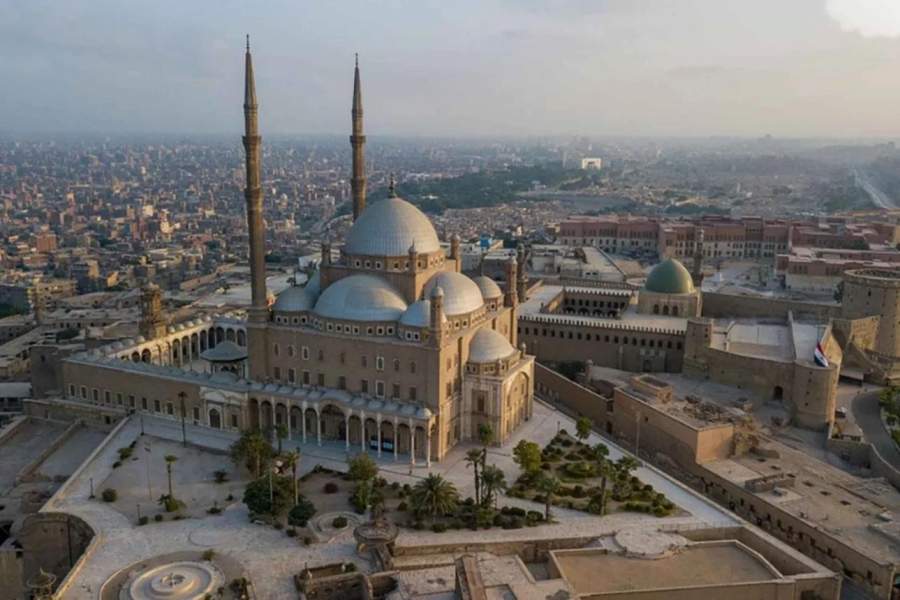
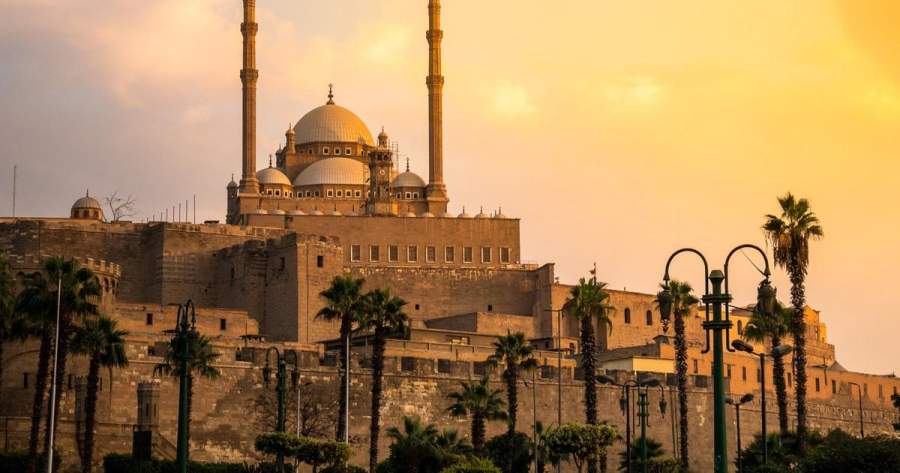
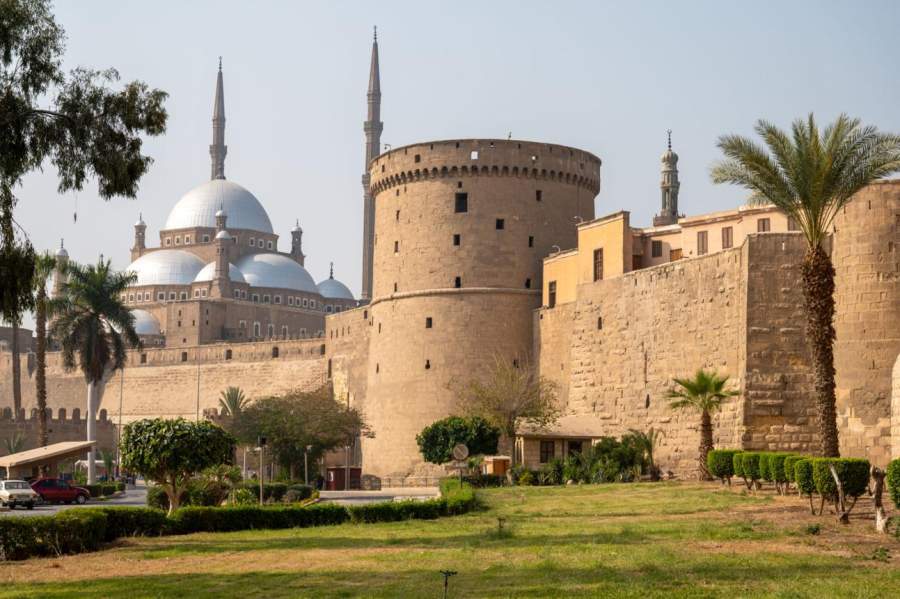
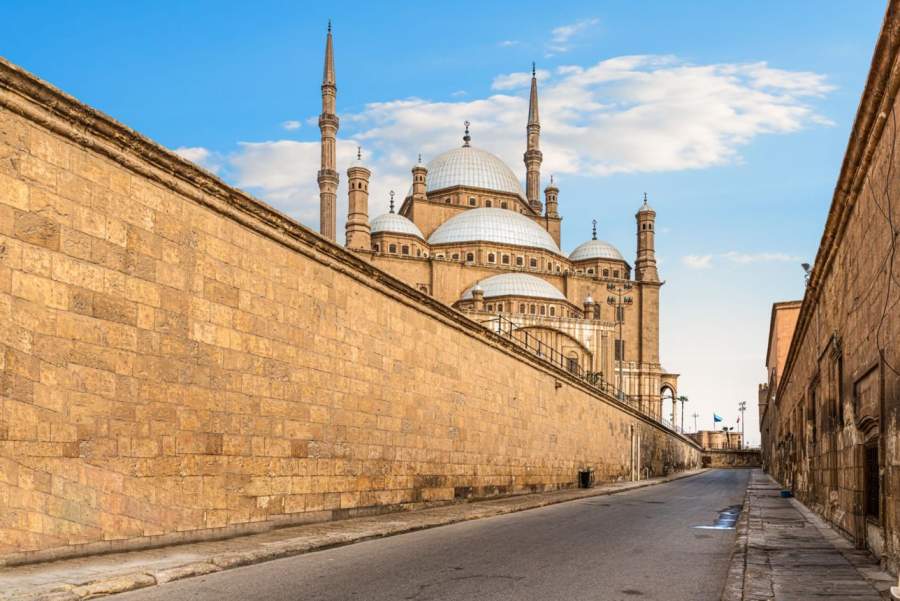
It is the enormous Mosque of Muhammad Ali, also known as the Alabaster Mosque.
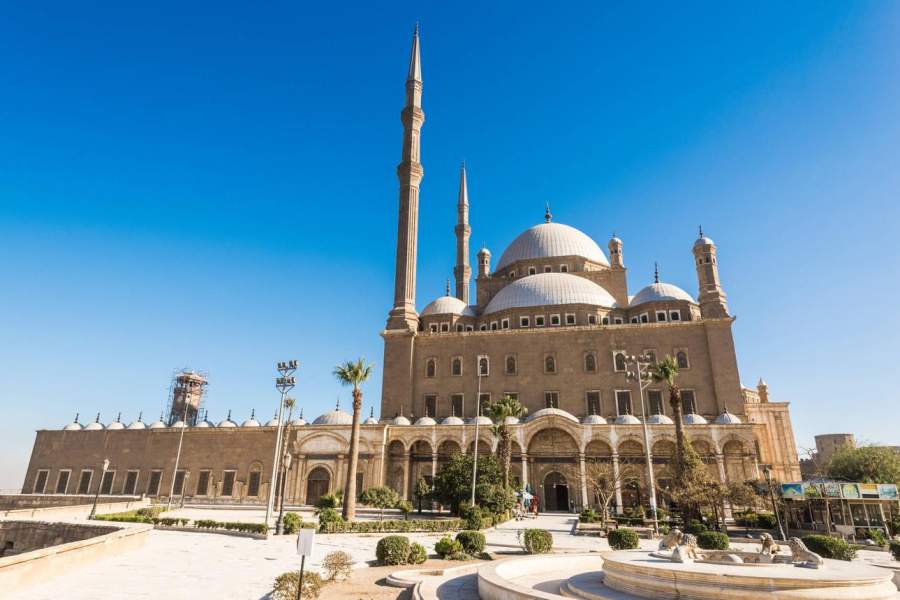
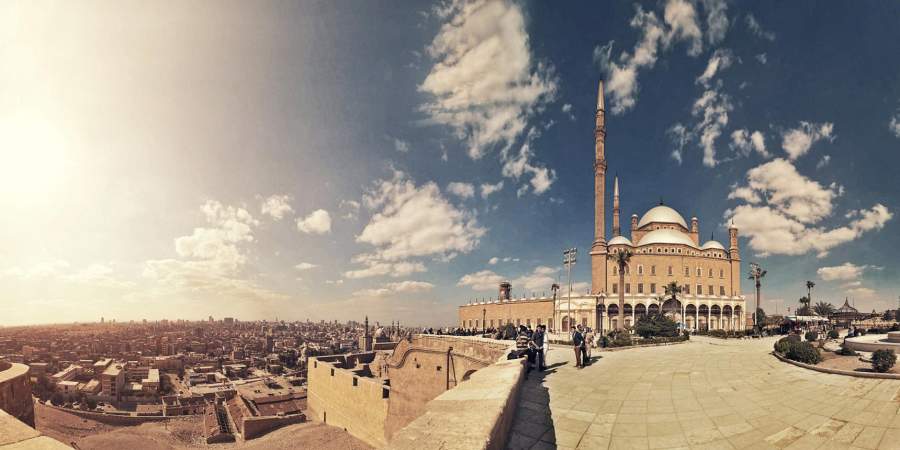
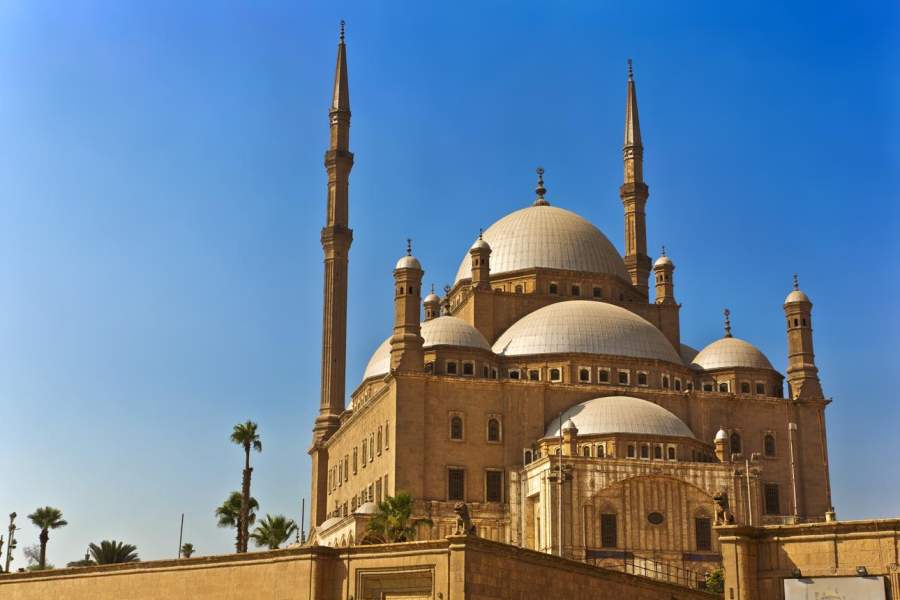
The mosque was commissioned by Muhammad Ali Pasha in the 19th century and built inside the citadel on the site of former Mamluk palaces.
According to the Egyptian Ministry of Tourism and Antiquities, construction began in 1830 and the mosque was completed around 1848. It is called the Alabaster Mosque because of the extensive marble, particularly alabaster, used in its interior and exterior decoration.
Its architecture was influenced by Ottoman mosque design.
The enormous central dome dominates the prayer hall, surrounded by semi-domes and smaller domes. Two monumental minarets rise above the citadel and have become one of the defining elements of Cairo’s skyline.
The Ministry describes the twin minarets as reaching 84 meters each, making them the tallest minarets in Egypt.
Inside the Alabaster Mosque
Walking into the mosque is a completely different experience from walking along the fortress walls.
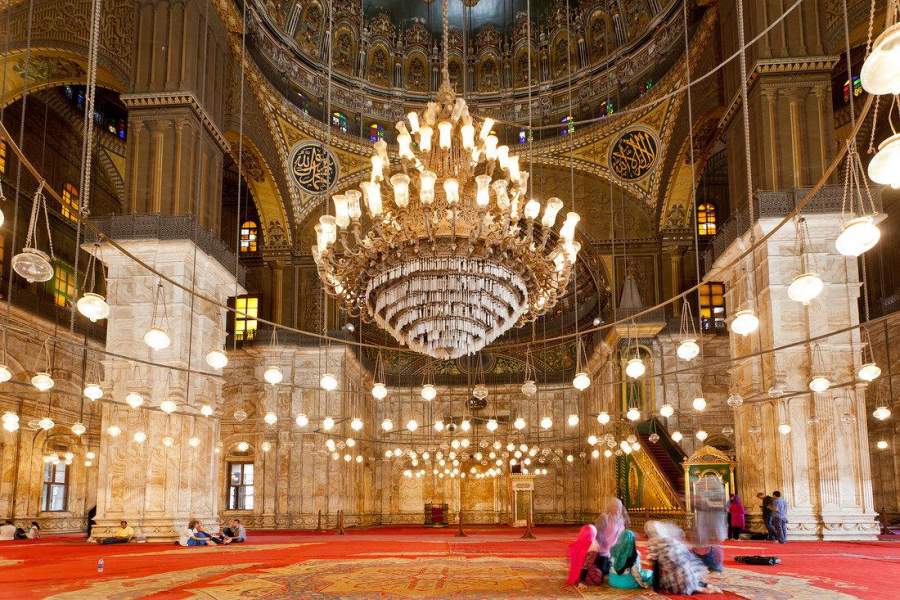
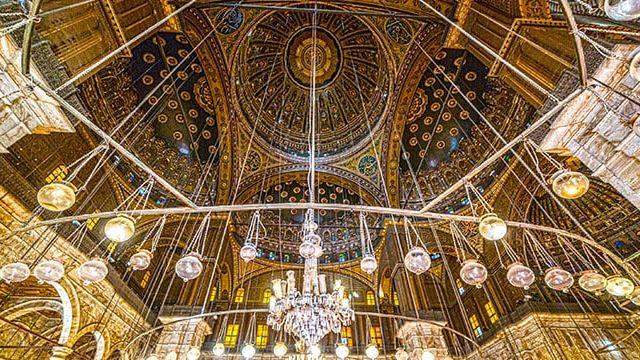
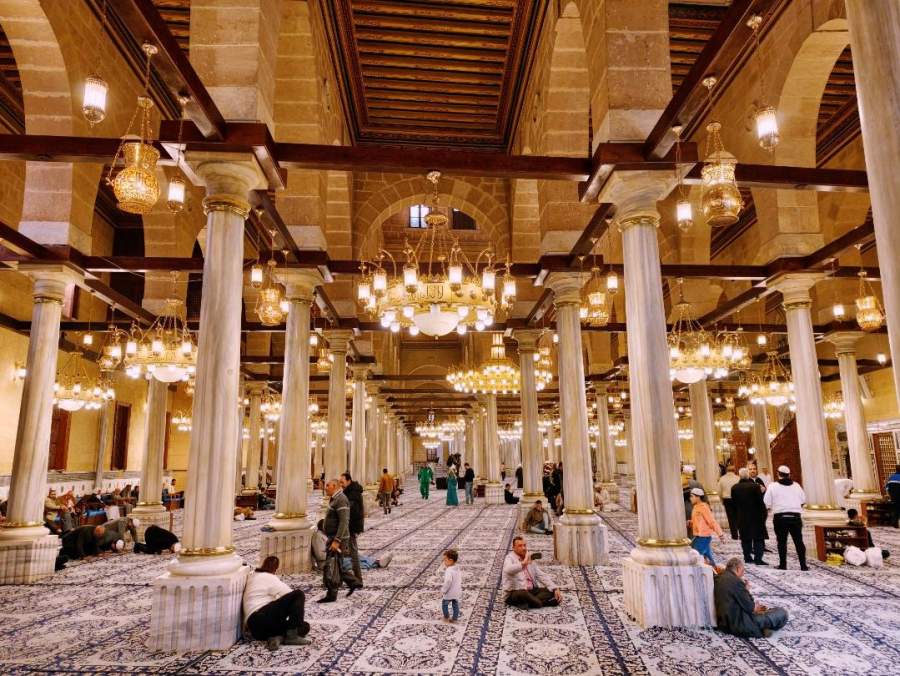
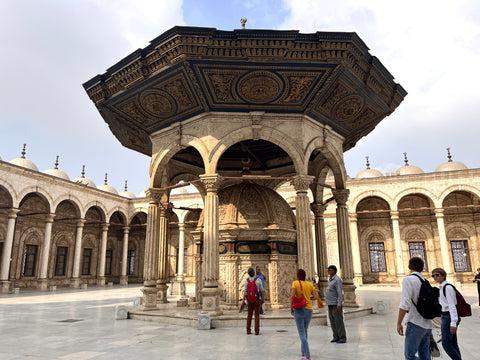
The enormous prayer hall is dominated by a central dome supported by an elaborate architectural composition of arches, semi-domes, columns, and decorative elements.
Large numbers of suspended lamps create one of the mosque’s most recognizable interior scenes.
The walls are covered with alabaster and marble, while the upper portions contain decorative details and inscriptions.
The mosque also contains two minbars, or pulpits. The older one is made of decorated wood, while another was later made of marble.
Outside the prayer hall is an open courtyard containing a distinctive copper clock tower. The Ministry records that the clock tower was presented to Muhammad Ali Pasha by Louis Philippe of France in 1845.
That exchange is connected to another famous object in Paris: the Luxor Obelisk at the Place de la Concorde.
So even within the mosque, visitors encounter connections between Egyptian history and the wider international history of the 19th century.
The Citadel’s Museums and Historic Buildings
The citadel is much larger than the Muhammad Ali Mosque.
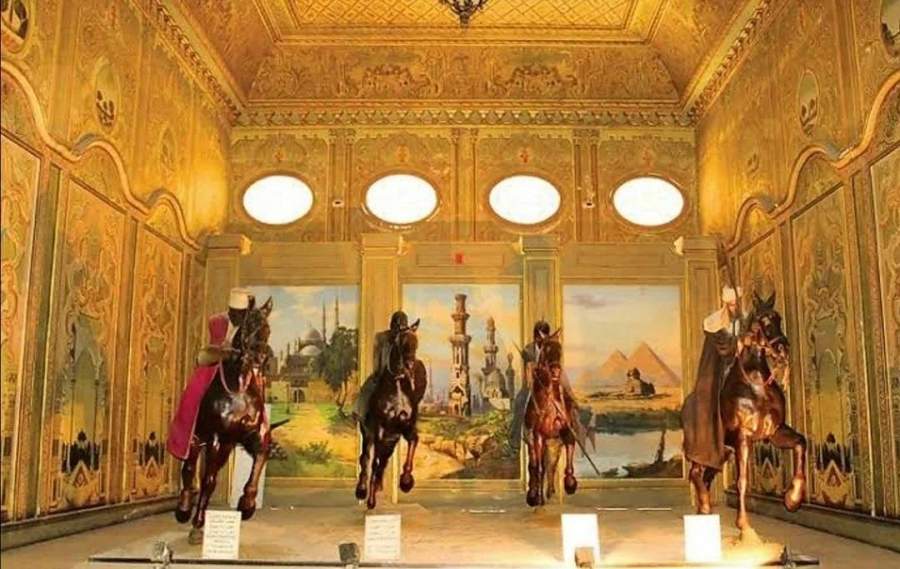
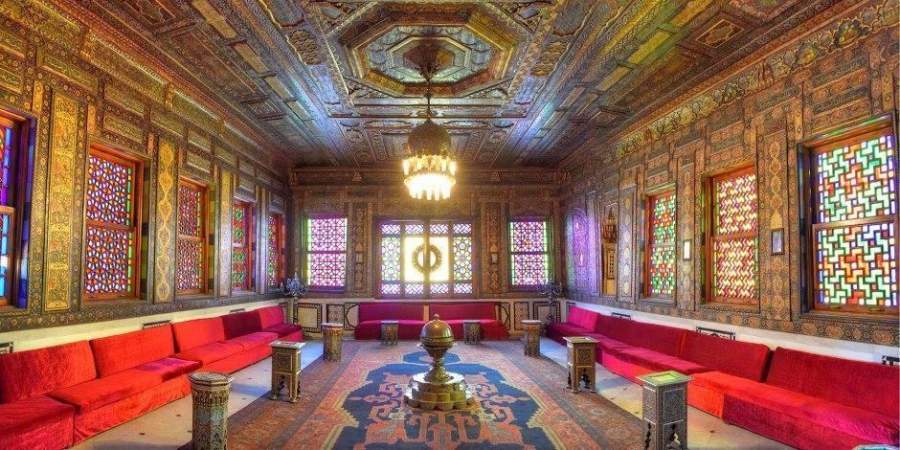
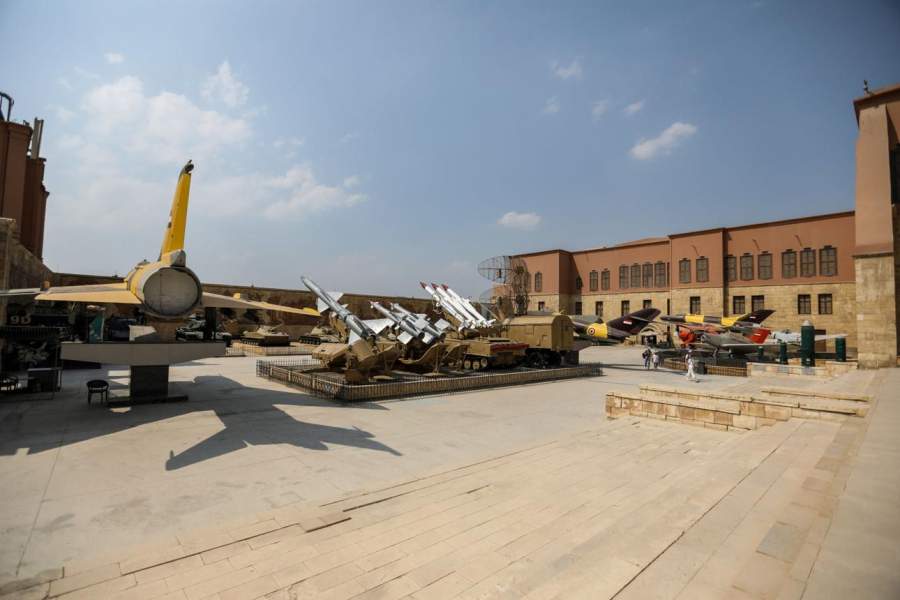
The Egyptian Ministry of Tourism and Antiquities lists several historic structures and museums within the complex, including:
- The Mosque of Muhammad Ali Pasha
- The Mosque of Sultan al-Nasir Muhammad
- The Mosque of Sulayman Pasha al-Khadim
- Joseph’s Well
- The Military Museum
- Al-Gawhara Palace
- The Police Museum
The Cairo Governorate also notes that the Military Museum is located inside the citadel and occupies a building that was once associated with Muhammad Ali Pasha and his family. The museum presents aspects of Egyptian military history from the Pharaonic era through the modern period.
This variety means that visitors can approach the citadel from different interests.
You can focus on medieval fortifications.
You can explore Islamic architecture.
You can visit museums.
Or you can simply walk through the courtyards and enjoy the views.
The Defensive Architecture
Even after centuries of changes, the military origins of the citadel remain visible.
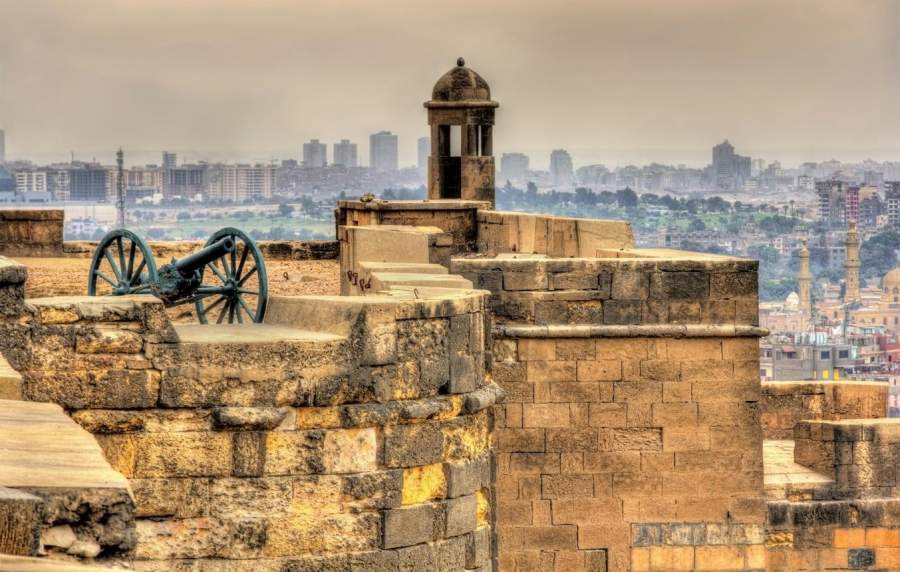
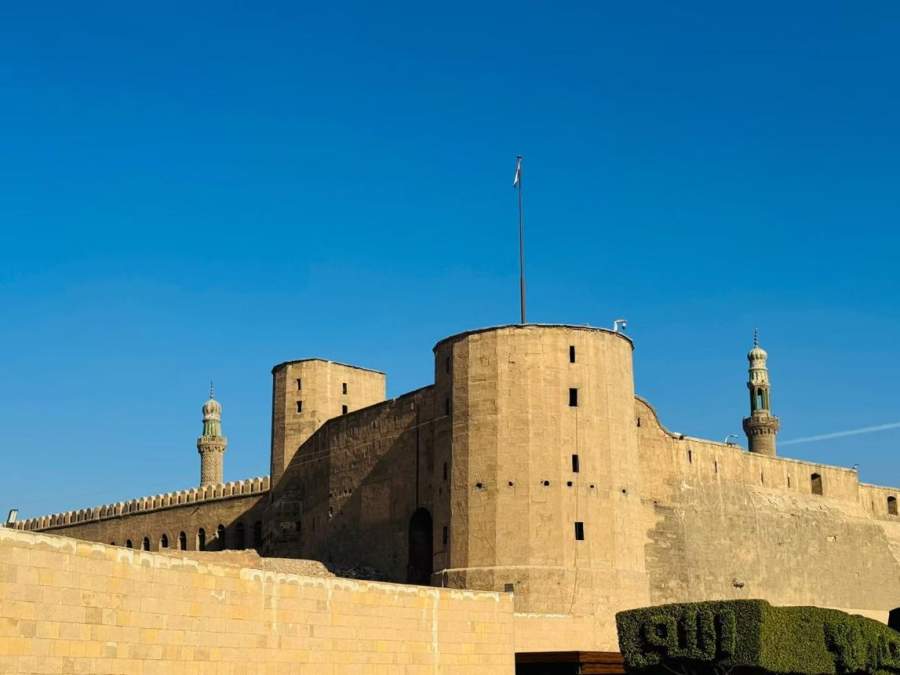
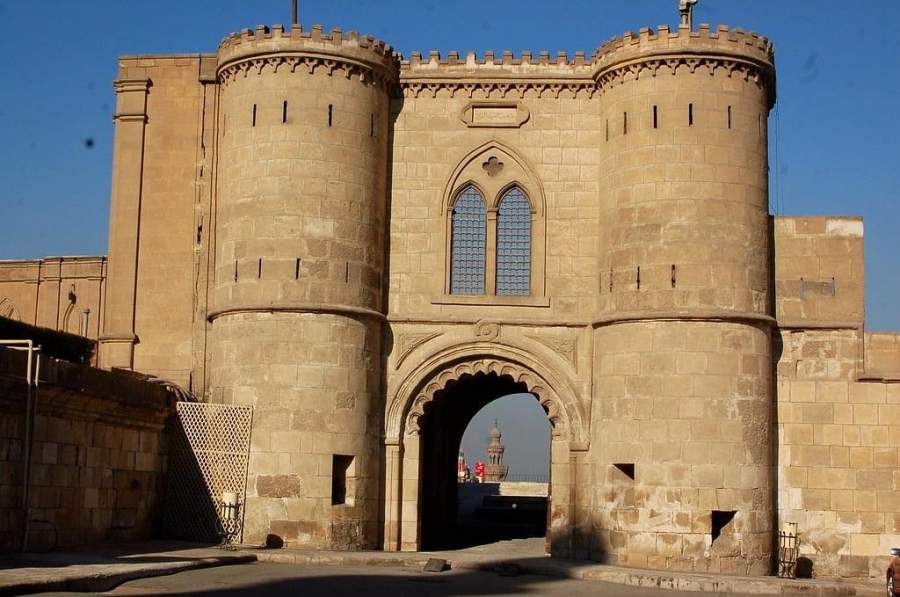
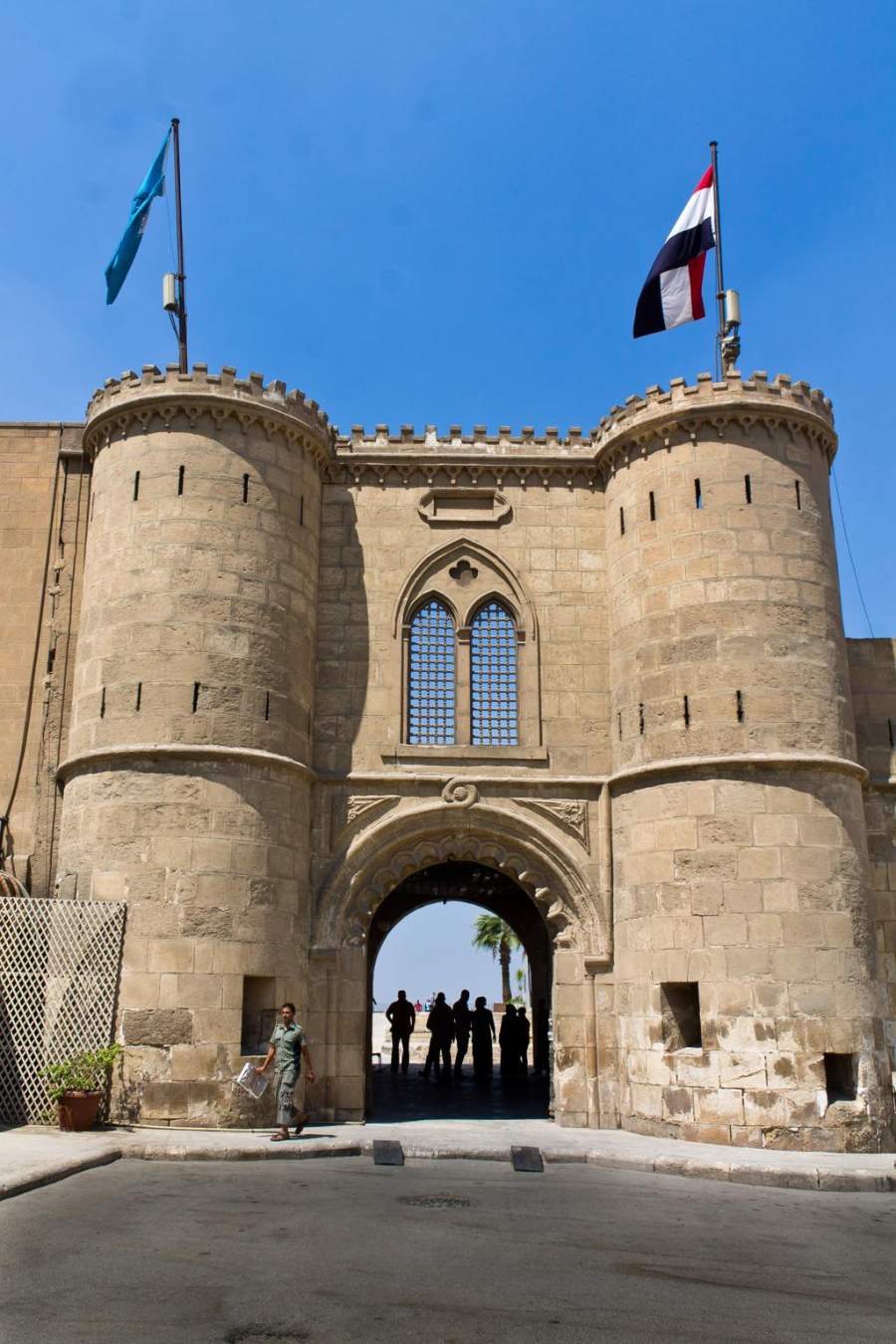
The massive walls, towers, gateways, and elevated position reveal why the site was chosen in the first place.
Some of the citadel’s defensive towers have their own stories. For example, the Ministry of Tourism and Antiquities describes the Ramla and Haddad Towers as substantial defensive structures along the eastern wall. The Haddad Tower is particularly notable for its projecting stone structures designed as part of the fortress’s defensive system.
Walking around these structures provides a useful reminder that the elegant mosques and courtyards are only one part of the site.
Before it became a destination for photographers and history lovers, this was a fortified center built around security, power, and control.
The View Over Cairo
Then comes one of the simplest but most memorable experiences at Saladin Citadel:
looking outward.
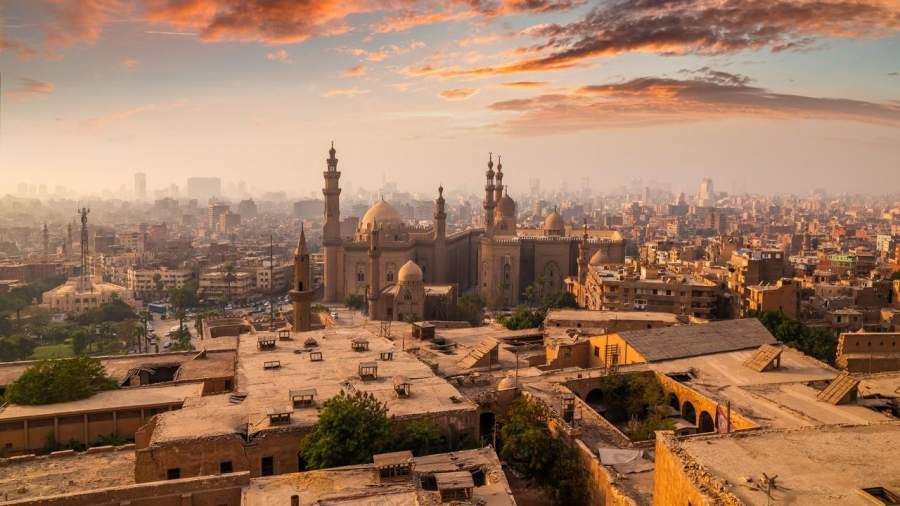
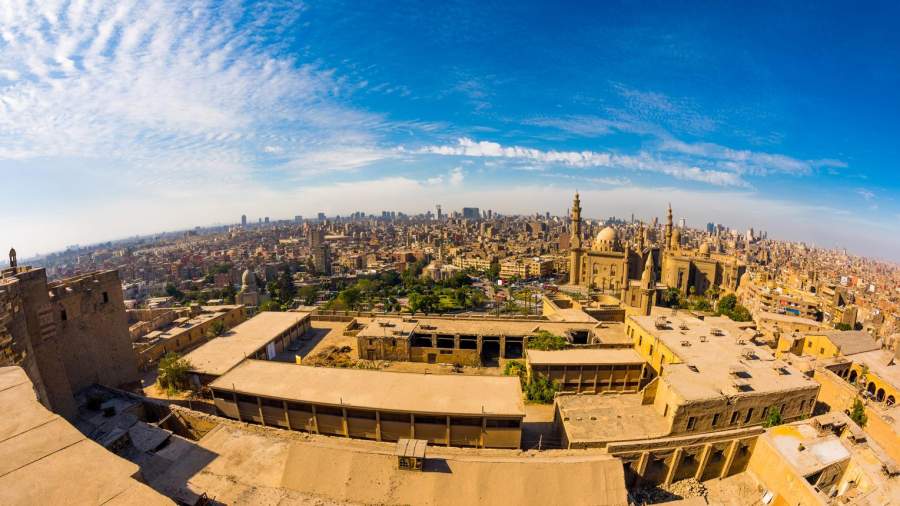
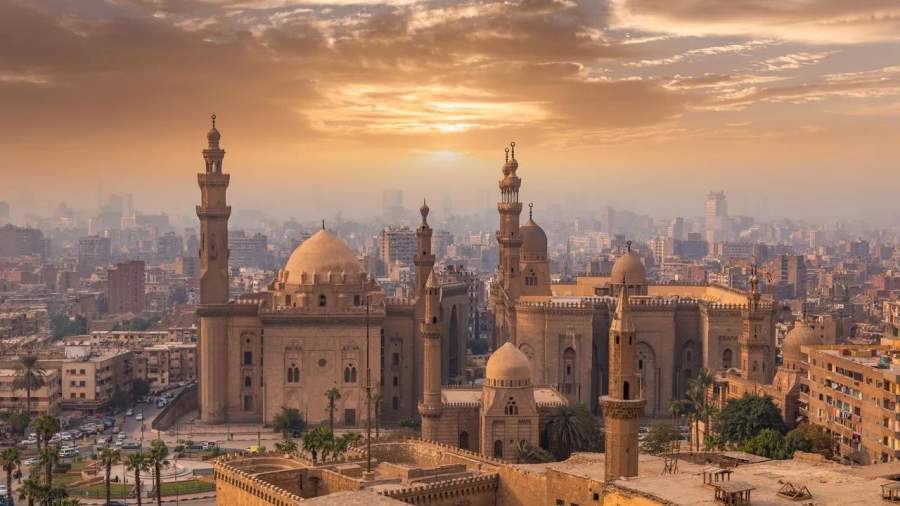
From the elevated position, Cairo unfolds below the fortress.
Historic neighborhoods, domes, minarets, busy streets, and modern buildings create a striking contrast between old and new.
Experience Egypt specifically highlights the citadel’s panoramic views across Cairo, while UNESCO places the citadel within the larger historic urban landscape of Historic Cairo.
For photographers, the viewpoint offers a chance to capture Cairo from above.
For history lovers, the view has another meaning.
You are looking across a city whose political and architectural development was deeply connected to the citadel itself.
Why Saladin Citadel Matters to Cairo
The citadel is important because it connects several chapters of Cairo’s history in one location.
It began as an Ayyubid defensive project.
It became a center of government.
Mamluk rulers expanded the architectural legacy of the site.
Later Ottoman and Muhammad Ali-period additions transformed its appearance again.
And today, it functions as one of the most important historic attractions in Cairo.
UNESCO’s description of Historic Cairo emphasizes that the city preserves an unusually rich combination of monuments, neighborhoods, streets, and architectural traditions from different historical periods. The citadel is an important part of that larger story.
That is why a visit here feels different from visiting a single monument.
The fortress itself tells one story.
The mosques tell another.
The museums reveal another.
And the view connects all of them to the city below.
Visiting Saladin Citadel
For travelers planning a visit, the Egyptian Ministry of Tourism and Antiquities currently lists the citadel’s visiting hours as 8:00 AM to 5:00 PM, with the final entry one hour before closing. The ministry also advises visitors to check current arrangements before visiting.
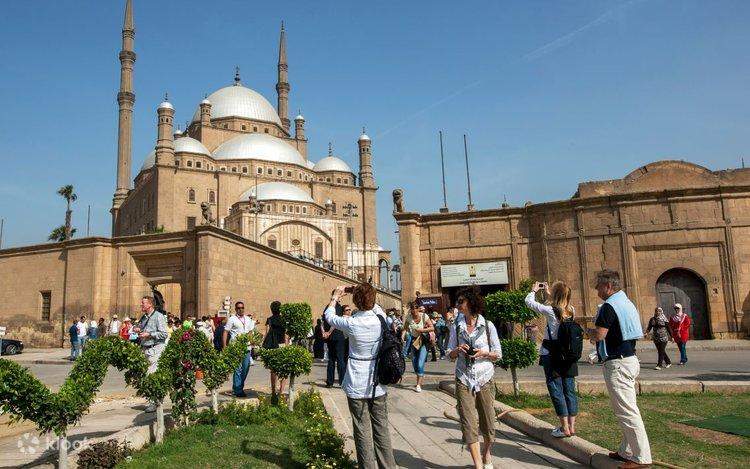
Because the complex contains several monuments, it is worth allowing enough time rather than treating the citadel as a quick photo stop.
A visit can include the Muhammad Ali Mosque, the Mamluk mosque, the defensive architecture, museums, historic courtyards, and panoramic viewpoints.
Comfortable walking shoes can also make the experience easier, since exploring a large historic complex involves walking between different areas.
And if photography is part of your plan, give yourself time to stop at the elevated viewpoints rather than rushing directly from one monument to another.
A Different Way to Experience Cairo
Saladin Citadel gives visitors something rare: the opportunity to see Cairo from both the inside and the outside.
Inside its walls, you encounter centuries of architecture and political history.
Outside them, you see the city that grew around this historic center.
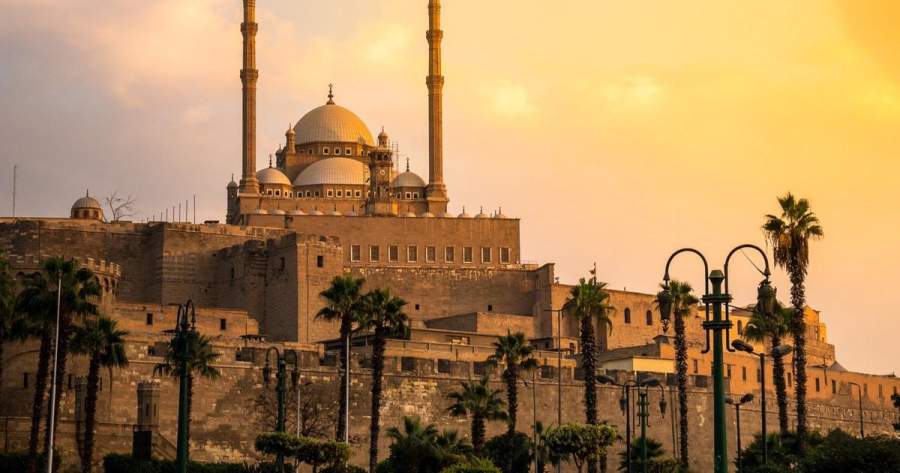
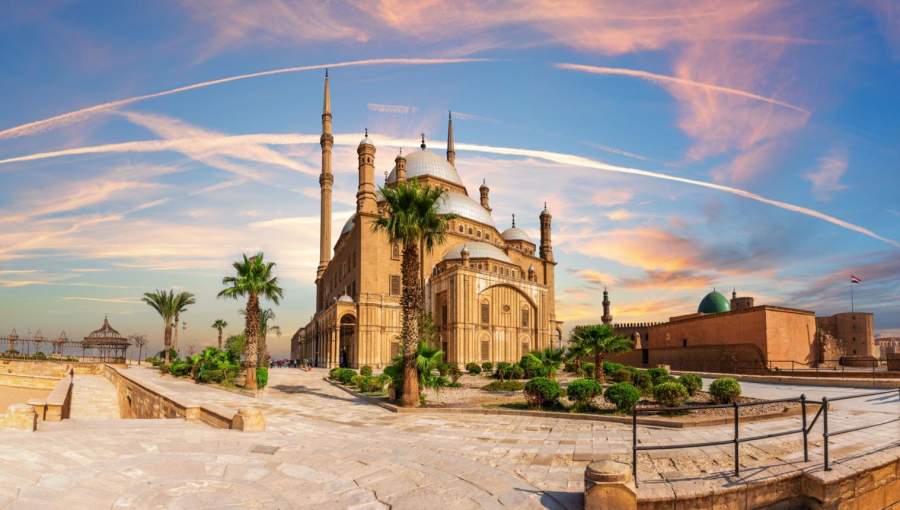
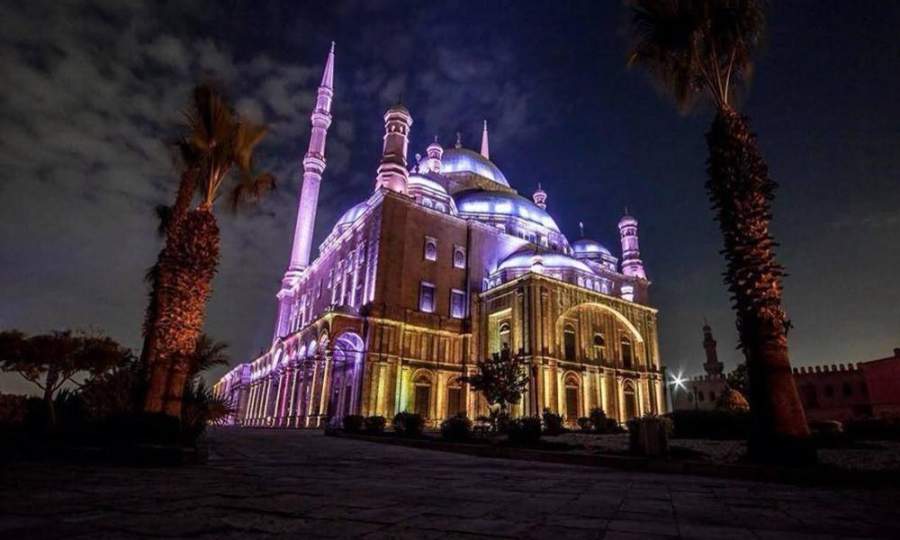
The contrast is especially striking when the warm stone of the fortress is set against the enormous modern city surrounding it.
This is one of the places where Cairo’s history does not feel confined to a museum display.
It is built into the landscape.
Final Thoughts
Saladin Citadel is one of the places where the story of Cairo becomes visible in layers.
The Ayyubid fortress represents the city’s medieval defensive history. The Mamluk monuments reveal another period of Islamic architecture and royal power. The Muhammad Ali Mosque introduces the architectural language of 19th-century Egypt. The museums preserve additional chapters of the country’s history.
And above it all, the citadel’s elevated position provides a remarkable view of Cairo.
For travelers exploring Historic Cairo, Saladin Citadel offers more than a famous photograph of the Alabaster Mosque. It provides an opportunity to walk through a complex shaped by centuries of rulers, architects, soldiers, worshippers, and residents.
It is a place where fortress, mosque, palace, museum, and viewpoint come together to tell the story of one of the world’s great historic cities.

Post a comment