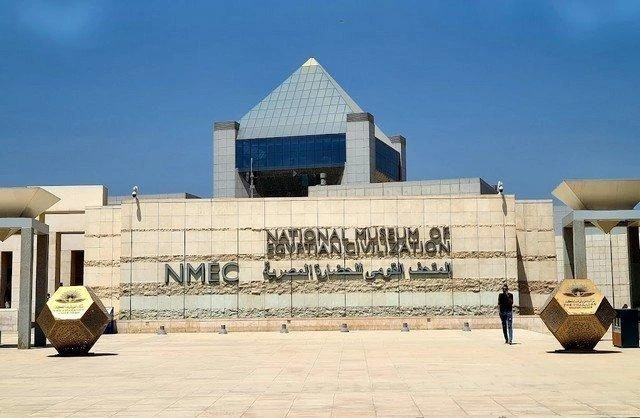
National Museum of Egyptian Civilization (NMEC): A Journey Through Egypt’s Living History
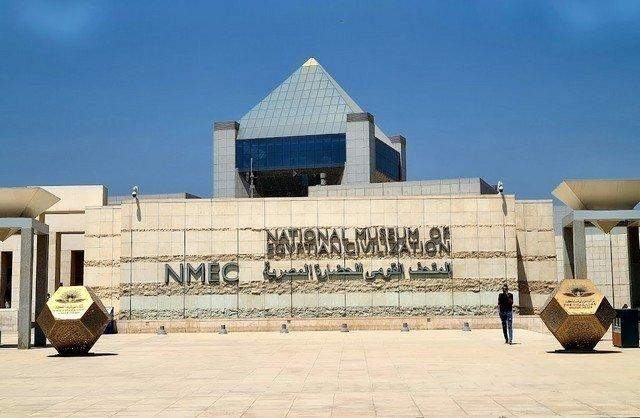
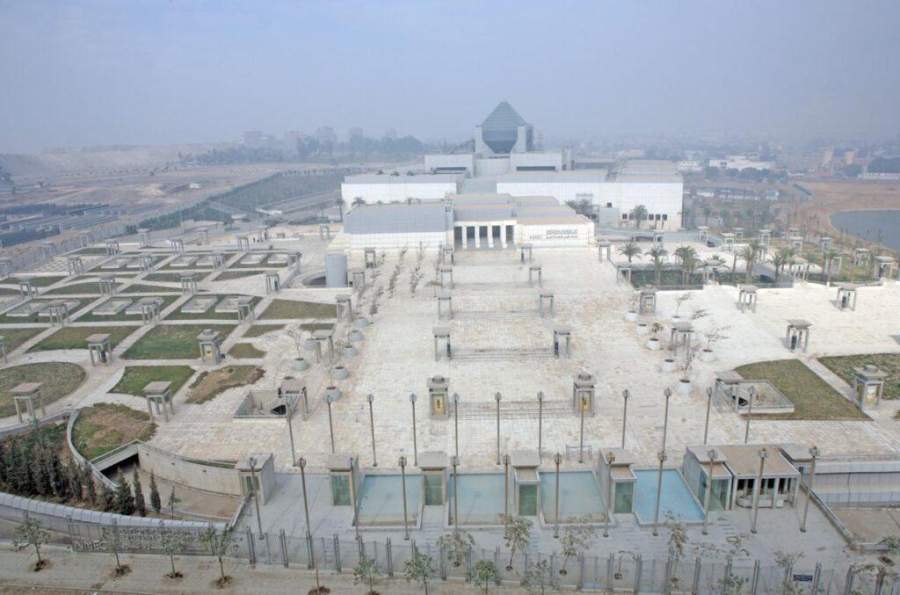
In a country where history stretches across thousands of years, finding a single place that brings together Egypt’s many chapters is no easy task.
Yet in the heart of Al-Fustat, Old Cairo, the National Museum of Egyptian Civilization (NMEC) does exactly that.
Unlike museums devoted primarily to one historical period, NMEC presents the story of Egyptian civilization as a continuous journey—from prehistoric times and ancient Egypt through the Greek and Roman periods, Coptic and Islamic eras, and into modern and contemporary Egypt. The Egyptian Ministry of Tourism and Antiquities describes it as the first museum of its kind in Egypt and the Arab world.
And then there is the museum's most famous attraction: the Royal Mummies' Hall, where visitors can encounter the preserved remains of some of ancient Egypt's most important kings and queens.
But NMEC is much more than a museum of mummies.
It is a place where Egypt's material culture, crafts, textiles, beliefs, daily life, and changing societies are presented as parts of one continuous civilization.
Where Is the National Museum of Egyptian Civilization?
NMEC is located in Al-Fustat, Cairo, near Ain El-Sira and within the historic landscape of Old Cairo.
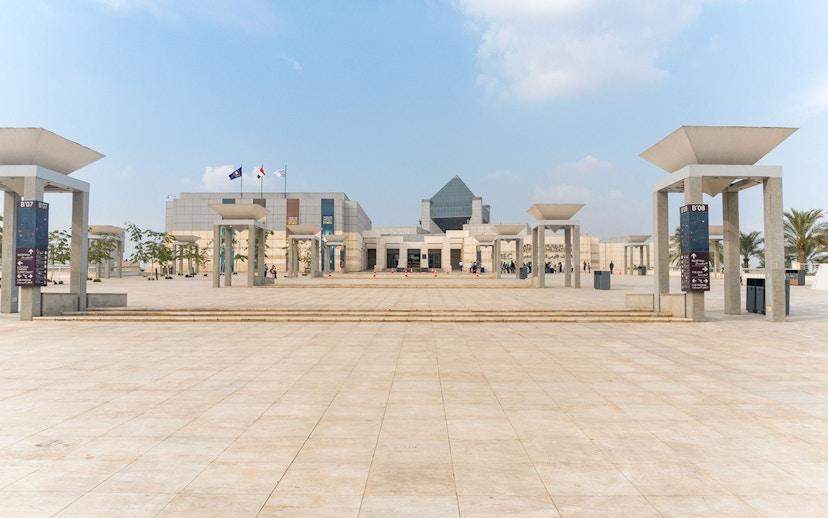
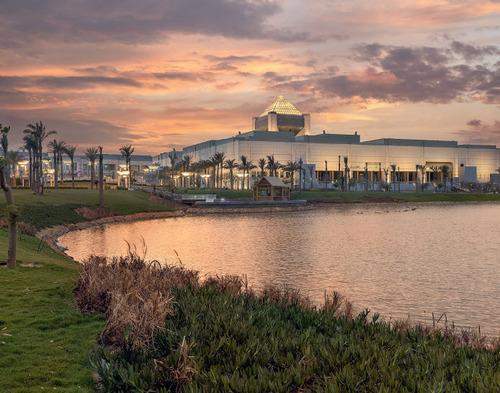
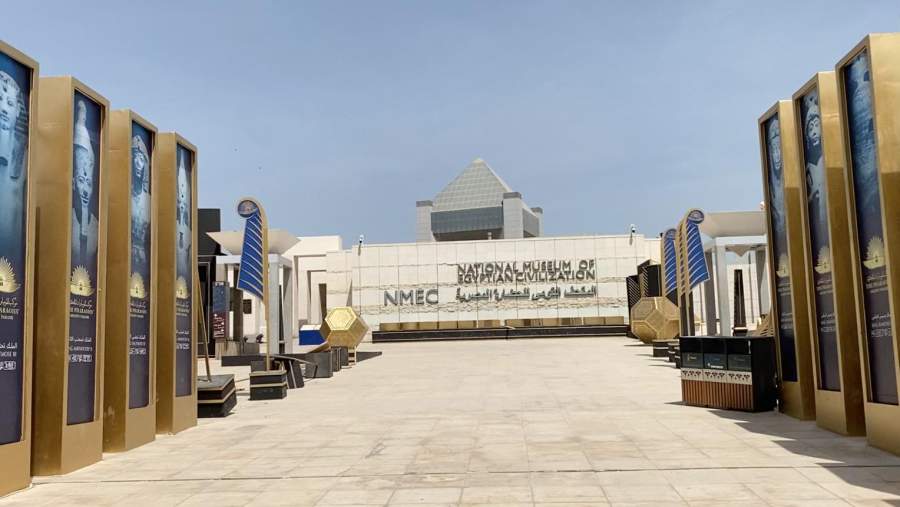
The museum's official address is El-Fustat Road, Ein Elsira, Cairo, and the nearest metro station listed by NMEC is Mar Girgis.
Its location is particularly significant.
Fustat was founded after the Arab conquest of Egypt in the 7th century and became the first Islamic capital of Egypt. The surrounding area contains an extraordinary concentration of historic sites representing different religious and cultural traditions. Experience Egypt describes Historic Cairo as a landscape where Islamic and Coptic heritage can be explored alongside major museums and monuments.
So even before entering the museum, visitors are already standing in one of Cairo's most historically layered areas.
The Idea Behind NMEC
The idea of creating a national museum dedicated to Egyptian civilization emerged through an international initiative connected with UNESCO.
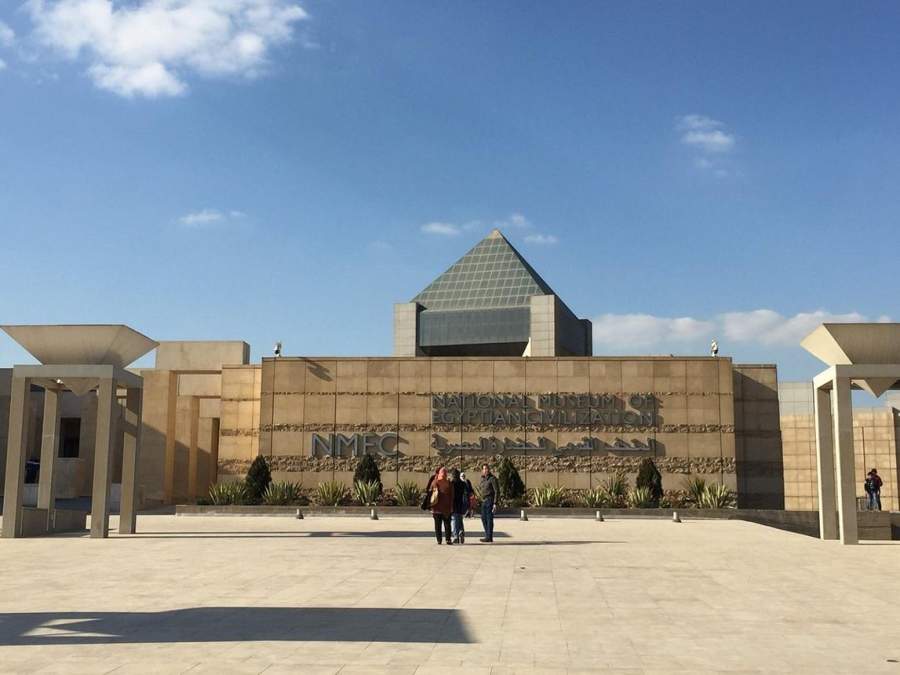
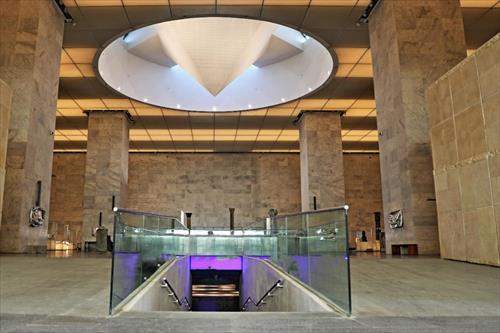
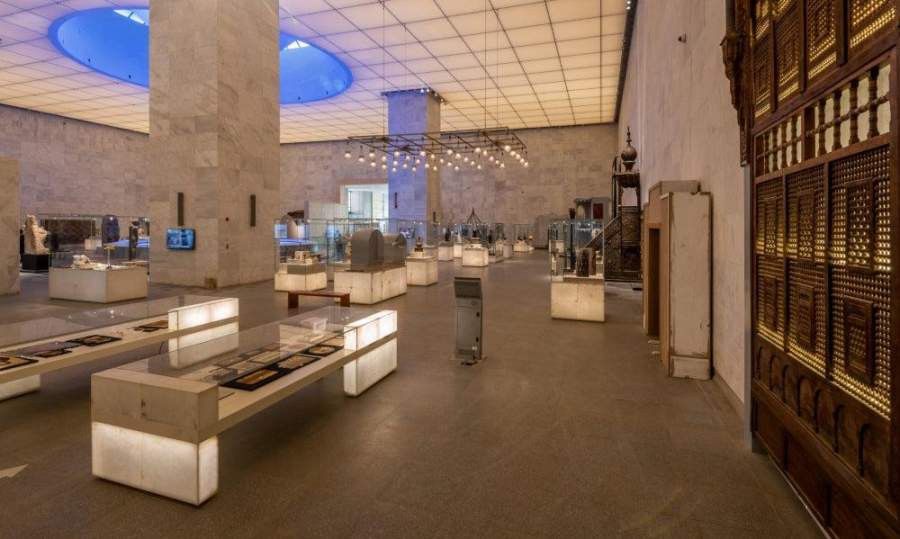
According to the Egyptian Ministry of Tourism and Antiquities, the foundation stone was laid in 2002 in the heart of Fustat. The museum later opened a temporary exhibition in 2017 focusing on Egyptian crafts through the ages, including pottery, wood, textiles, and jewelry. The central exhibition and other facilities were subsequently completed, with the Royal Mummies arriving in 2021 and the Egyptian Textile Hall opening in 2022.
The concept is important because the museum does not tell Egyptian history as a collection of isolated eras.
Instead, it emphasizes continuity and change.
A visitor can move from prehistoric Egypt into the world of the pharaohs, then into the Greek and Roman period, Coptic Egypt, Islamic Egypt, and finally modern and contemporary Egypt.
This makes NMEC different from a museum that focuses exclusively on ancient Egyptian antiquities.
A Journey Through Thousands of Years
The museum's central concept is the presentation of the full range of Egyptian civilization.
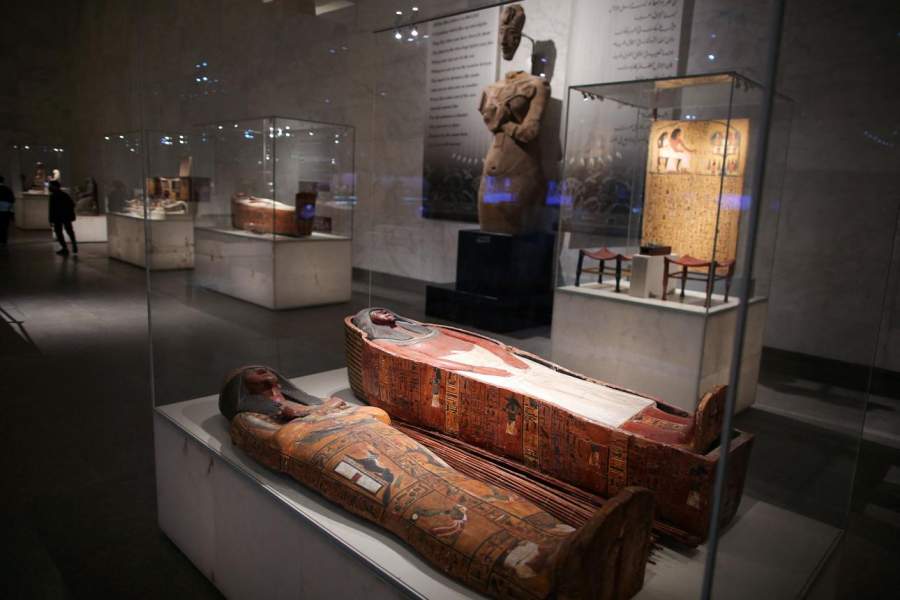
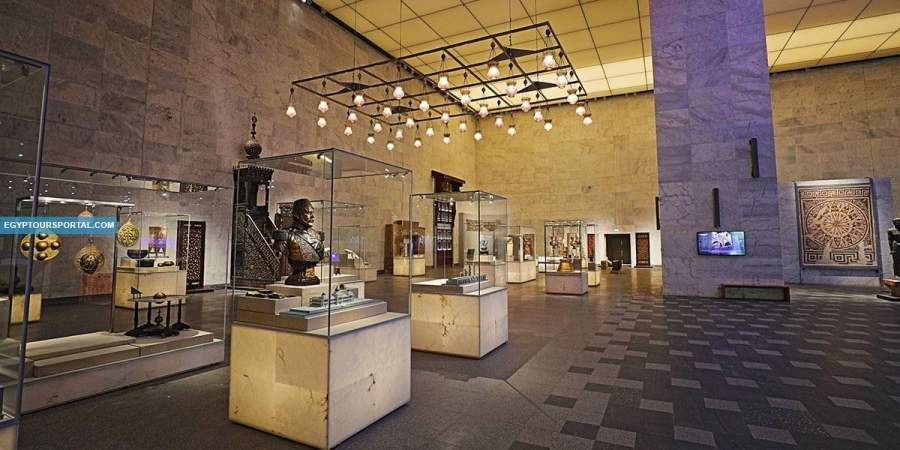
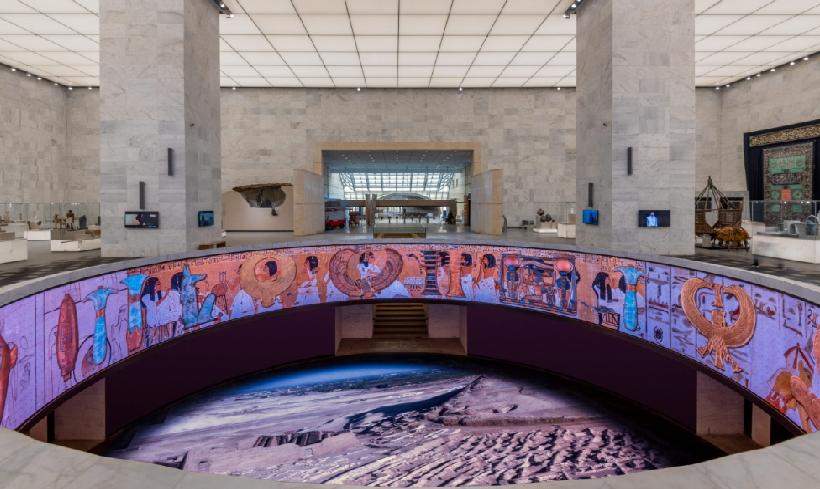
The Ministry of Tourism and Antiquities explains that the museum's collections cover Egypt from prehistoric periods through ancient Egyptian, Greek, Roman, Coptic, Islamic, modern, and contemporary eras. The collections address both tangible and intangible heritage, helping visitors understand how Egyptian civilization developed and continued across different periods.
That approach creates an interesting experience.
Instead of seeing ancient Egypt as something completely separated from later Egyptian history, visitors can observe how traditions, technologies, artistic practices, materials, and cultural ideas evolved over time.
The story is therefore not simply:
Ancient Egypt → Greek and Roman Egypt → Coptic Egypt → Islamic Egypt → modern Egypt.
It is a story of interaction, adaptation, continuity, and transformation.
The Royal Mummies' Hall
For many international visitors, the Royal Mummies' Hall is the moment that makes NMEC unforgettable.
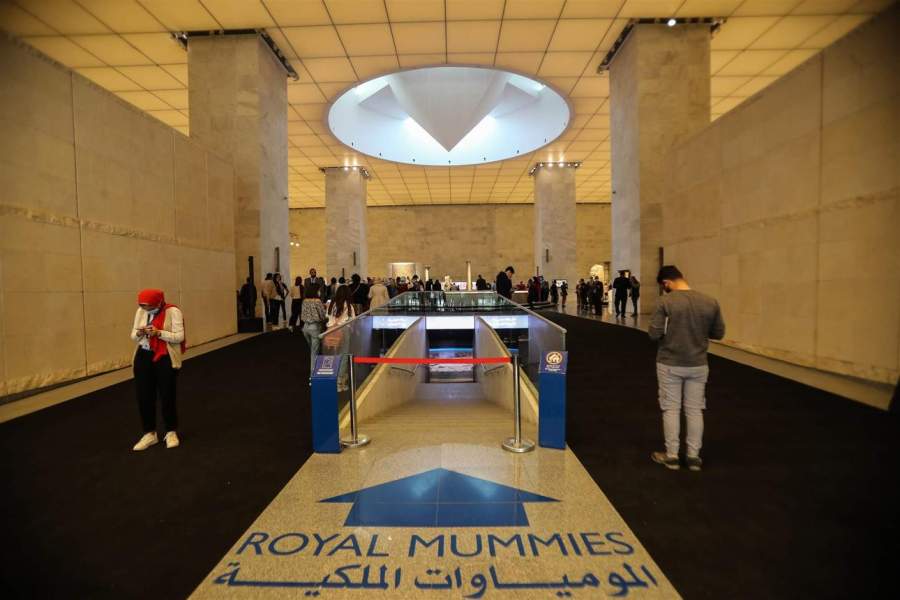
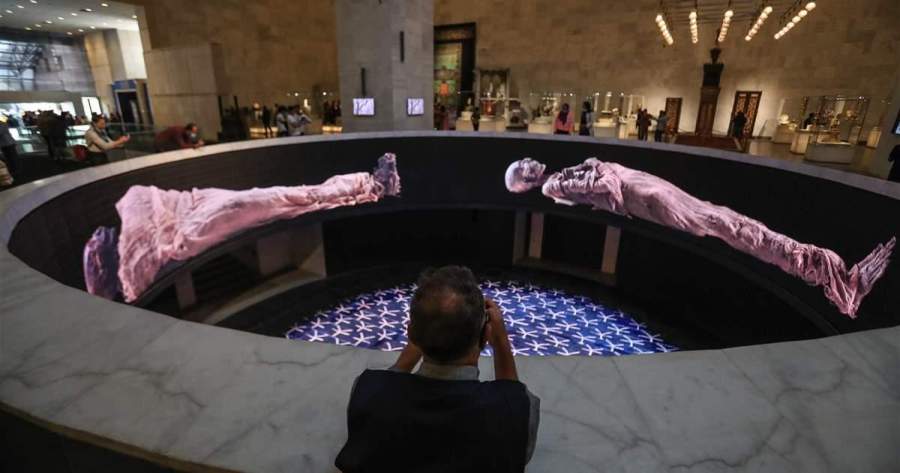
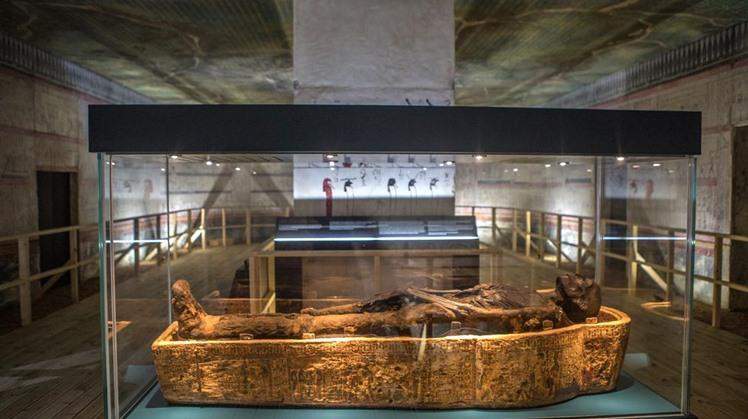
The hall was opened to the public in April 2021, following the famous Pharaohs' Golden Parade, when royal mummies were transported from the Egyptian Museum in Tahrir to their new home at NMEC. Experience Egypt describes the parade as a major moment in the museum's development and identifies the Royal Mummies' Hall as its main attraction.
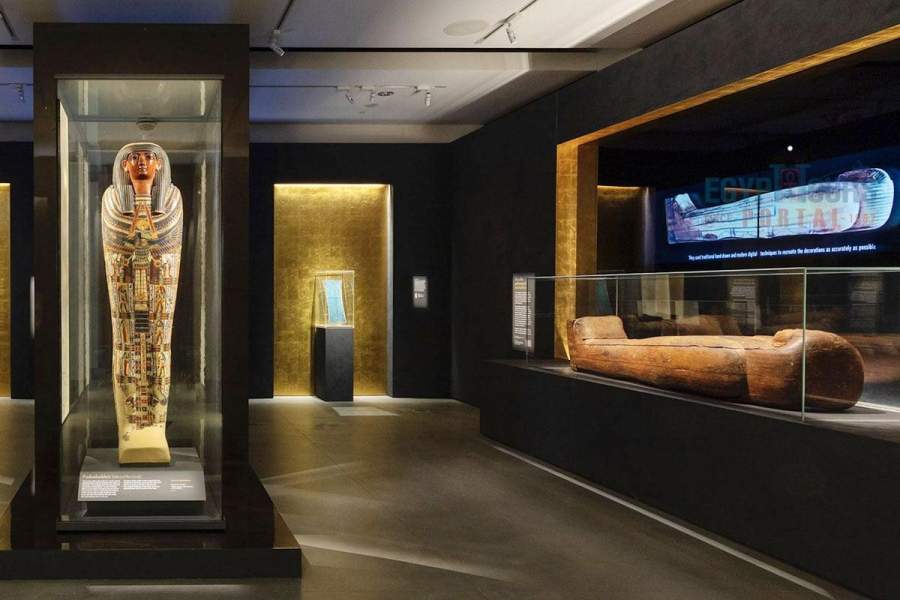
The official NMEC website states that the hall contains 20 royal mummies: 18 kings and two queens, dating from the 17th through the 20th Dynasties. Among the best-known are Hatshepsut, Thutmose III, and Seqenenre Taa II.
The design of the hall was deliberately created to evoke the atmosphere of the Valley of the Kings, where many of these royal remains were originally discovered.
The result is an experience that feels very different from walking through a conventional display of statues and artifacts.
Here, the visitor is confronted with the physical remains of individuals who lived thousands of years ago.
The Pharaohs' Golden Parade
Few modern Egyptian heritage events have received as much international attention as the Pharaohs' Golden Parade.
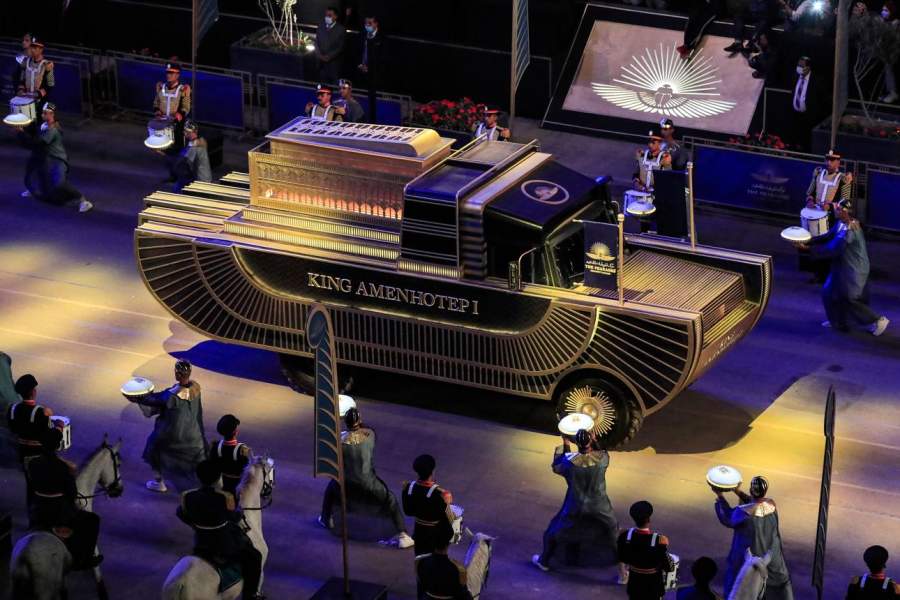
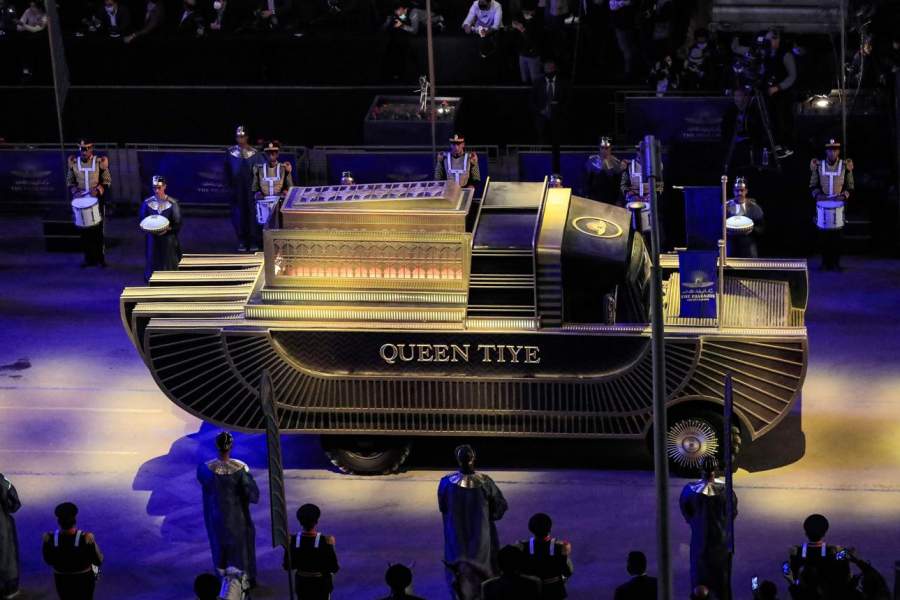

On April 3, 2021, the royal mummies were transferred from the Egyptian Museum in Tahrir to NMEC in an elaborate ceremonial procession.
The event became a global showcase for Egypt's ancient heritage and introduced millions of people around the world to the museum.
The Ministry of Tourism and Antiquities documented the preparation of the mummies for their new display environment, including conservation and preparation work before the Royal Mummies' Hall opened to visitors.
For travelers visiting Cairo today, the significance of that event is easy to understand.
The mummies are no longer simply archaeological discoveries associated with old excavation reports.
They now form the centerpiece of a modern museum experience specifically designed around the history and beliefs of ancient Egyptian society.
Hatshepsut, Thutmose III, and the Royal Collection
Among the most recognizable figures represented in the Royal Mummies' Hall is Queen Hatshepsut.
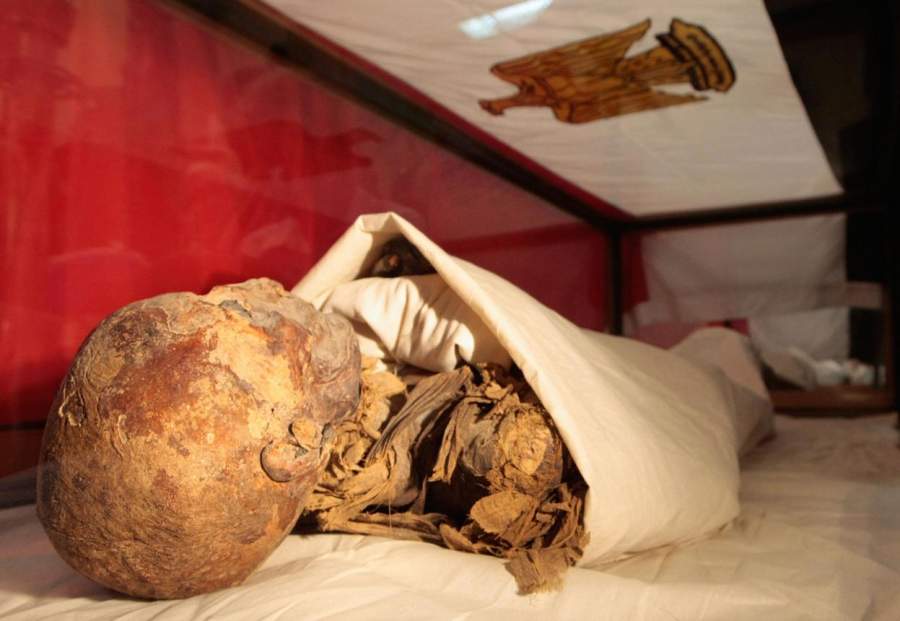
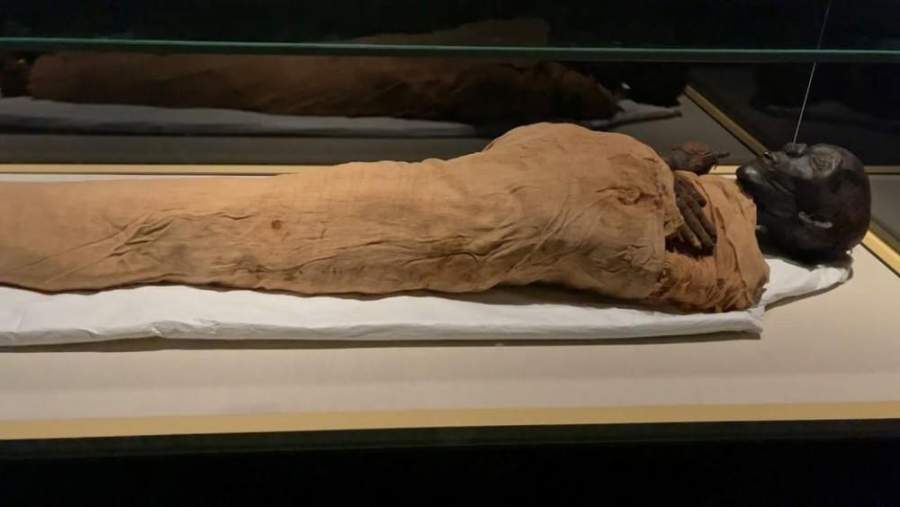
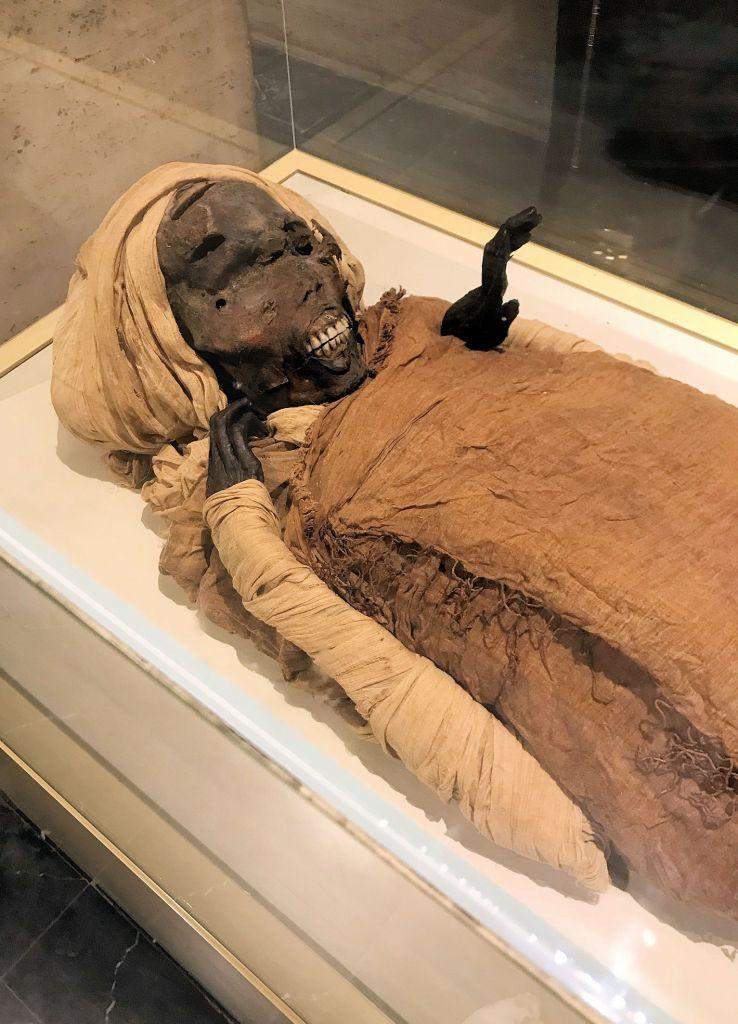
Hatshepsut ruled during Egypt's 18th Dynasty and became one of the most famous female rulers of ancient Egypt.
Nearby in the collection is Thutmose III, who succeeded Hatshepsut and became one of the New Kingdom's most important military rulers. The Ministry of Tourism and Antiquities notes that his mummy was discovered in the Deir el-Bahari Cache at Luxor in 1881 and was later transferred to NMEC as part of the Golden Parade.
The collection also includes Seqenenre Taa II, whose reign belongs to the turbulent period that preceded the reunification of Egypt under the rulers of the New Kingdom.
Seeing these individuals together gives the Royal Mummies' Hall an unusual historical dimension.
They are not anonymous archaeological remains.
They belonged to different moments in Egypt's political history, and their lives were connected to major changes in the ancient kingdom.
Understanding Ancient Egyptian Mummification
The Royal Mummies' Hall also provides an opportunity to understand the beliefs behind mummification.
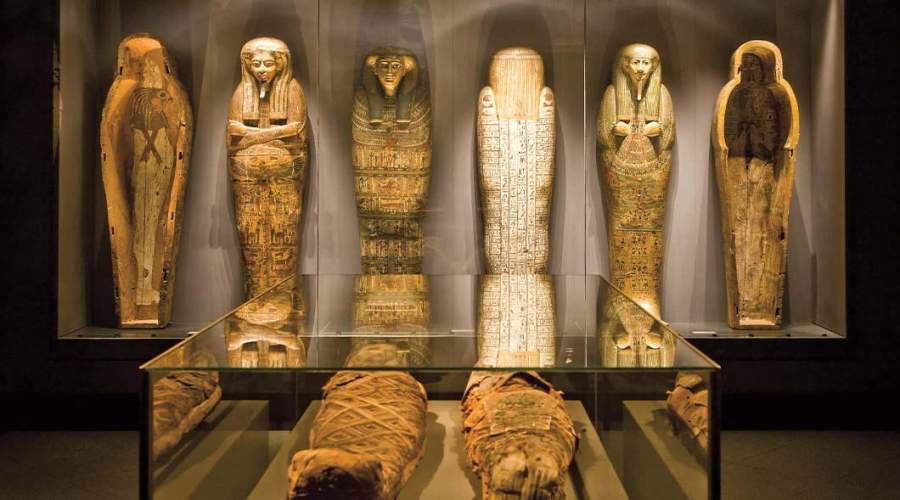
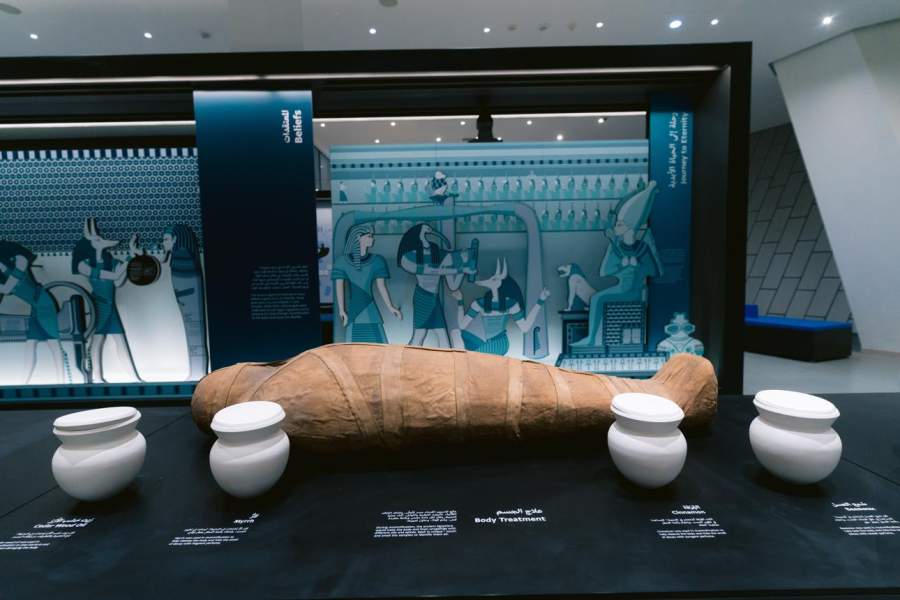
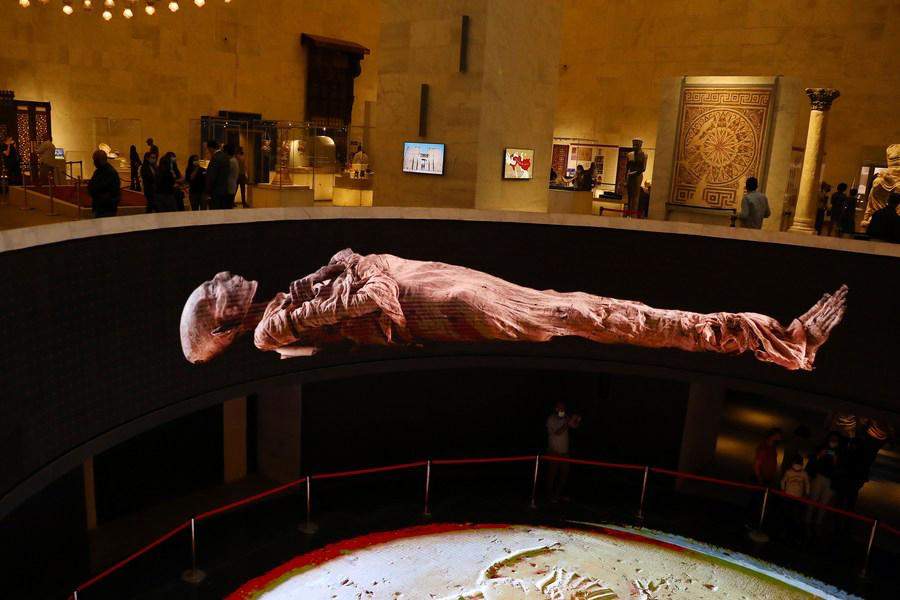
The museum explains that the display uses modern interactive technology to explore the mummies and provide information about the rituals and religious beliefs surrounding ancient Egyptian mummification.
For ancient Egyptians, preserving the body was connected to beliefs about existence after death.
That means the mummies cannot be understood simply as examples of ancient preservation technology.
They are part of a much larger religious and cultural system involving the body, the soul, burial practices, funerary rituals, and the concept of an afterlife.
This is one reason the hall works particularly well as part of a broader museum experience: visitors can see the physical remains while also learning about the worldview that shaped their preservation.
The Egyptian Textile Hall
Another important part of NMEC is the Egyptian Textile Hall, which opened in 2022.
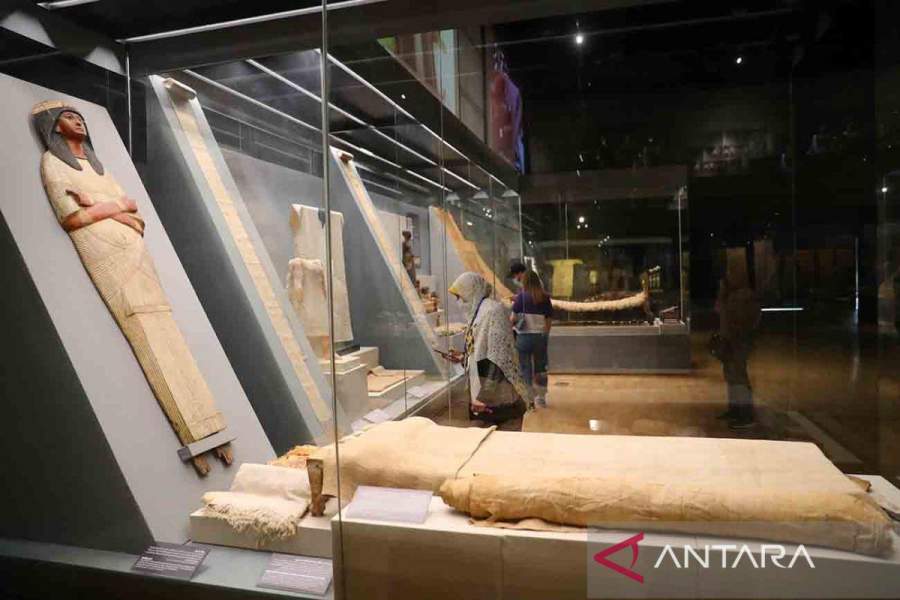
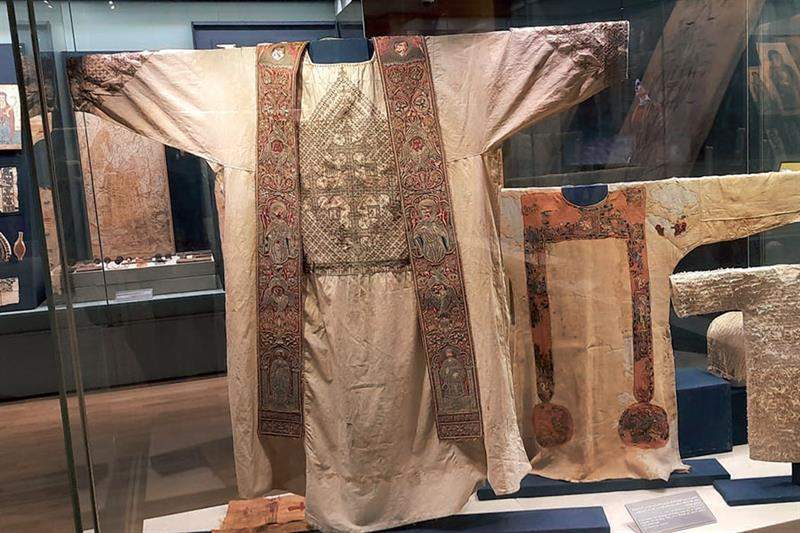
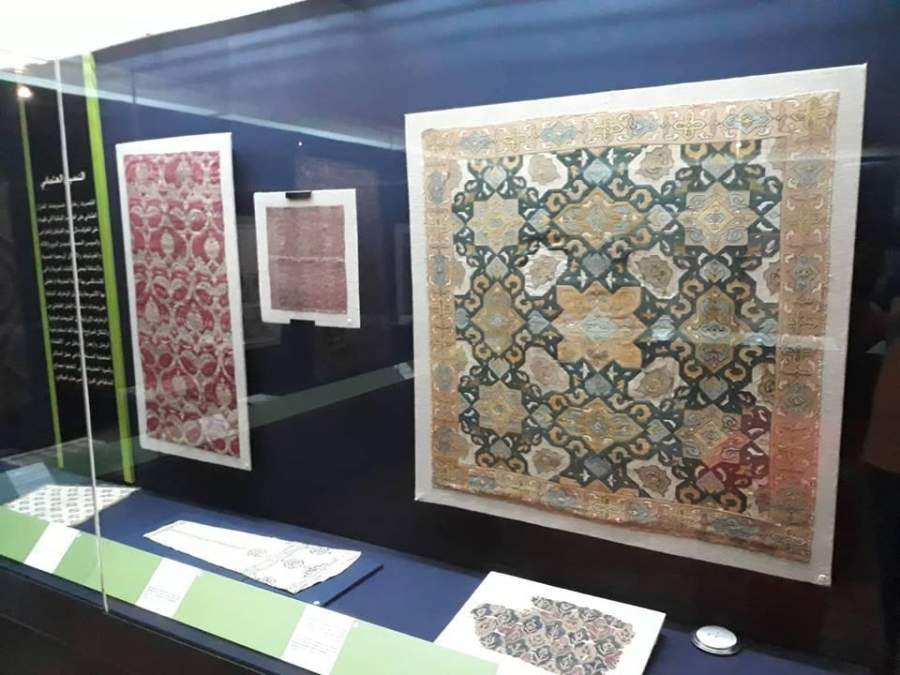
Textiles may not immediately seem as dramatic as royal mummies or monumental statues, but they reveal another side of Egyptian history.
Clothing, weaving, embroidery, materials, and textile techniques can tell stories about technology, religion, social life, trade, craftsmanship, and everyday culture.
The Ministry of Tourism and Antiquities identifies the Egyptian Textile Hall as one of the museum's major exhibition spaces and notes that it opened in 2022.
This reinforces one of NMEC's central ideas:
Civilization is not only built from temples and royal monuments.
It is also built by ordinary objects used by people in their everyday lives.
Egyptian Crafts Through the Ages
Craftsmanship is another important theme within NMEC.
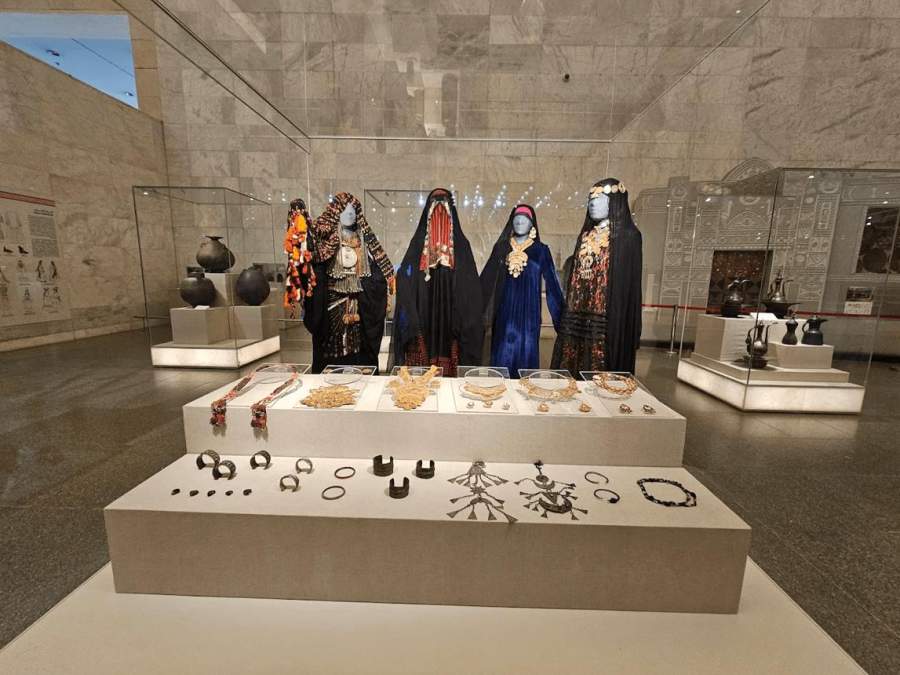
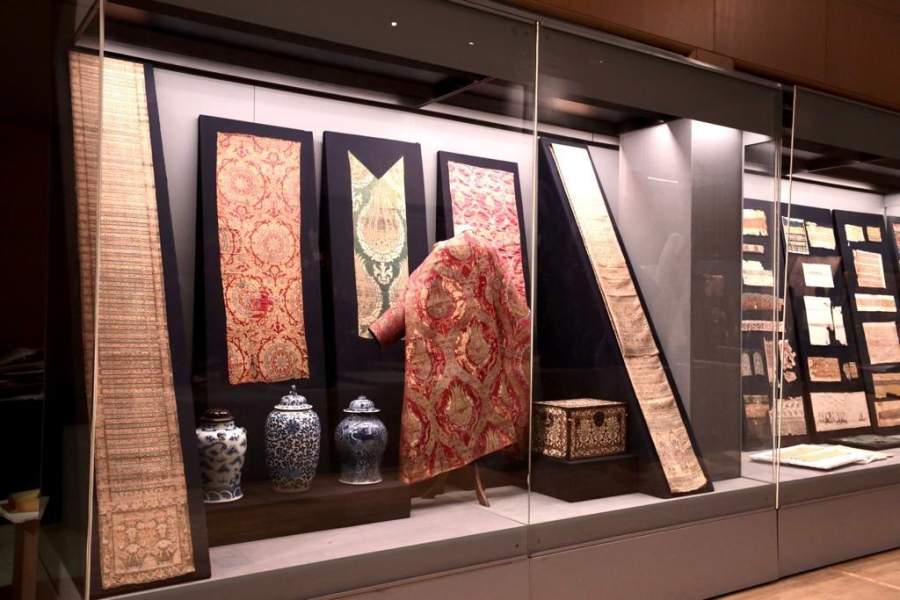
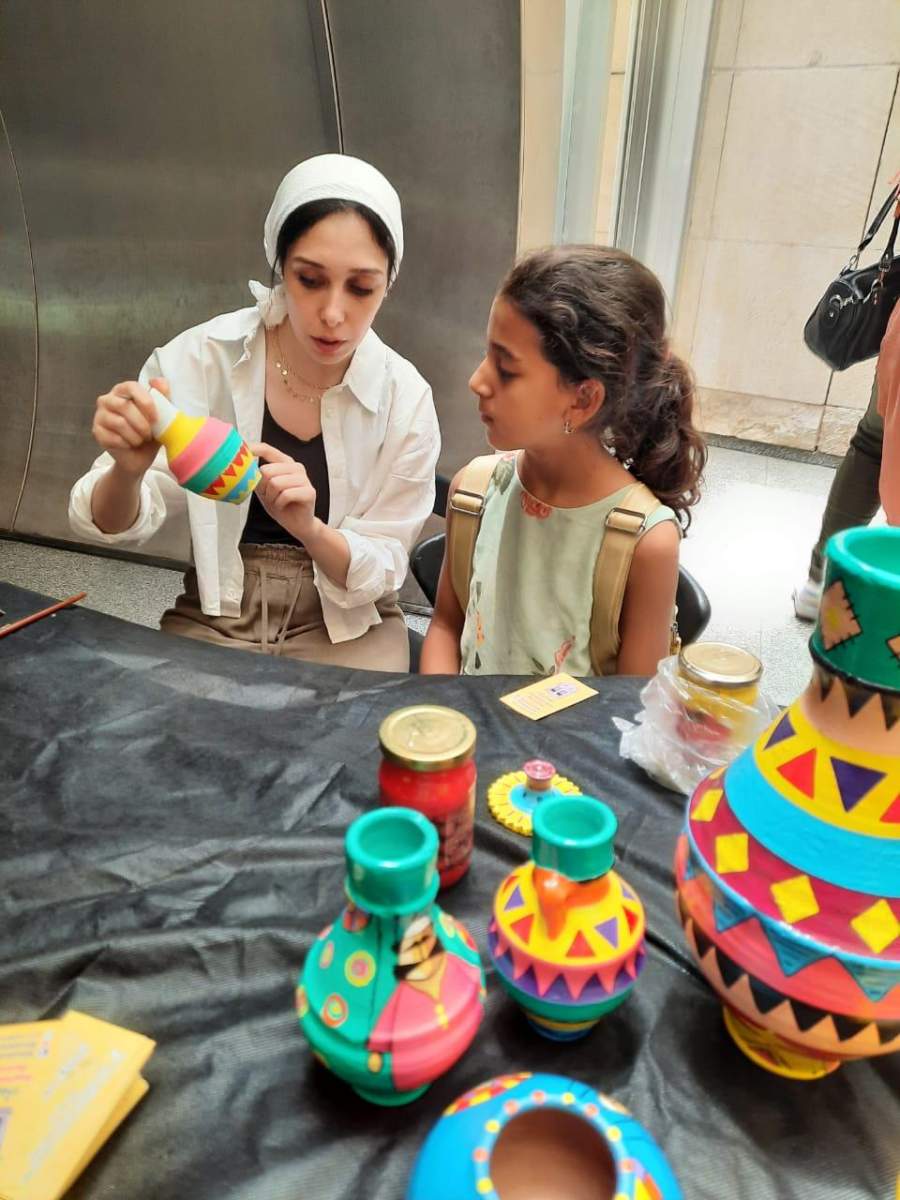
The museum's earlier temporary exhibition presented Egyptian crafts through different periods, including pottery, wood, textiles, and jewelry.
These categories may sound simple, but they provide a useful way to understand cultural continuity.
A technique can change.
A material can be replaced.
A design can evolve.
But craftsmanship itself can remain an important part of Egyptian cultural identity.
By placing different periods in the same institutional context, NMEC encourages visitors to think about those changes across time.
NMEC and Historic Fustat
The museum's location is not accidental.
It stands in Fustat, one of the most historically significant parts of Cairo.
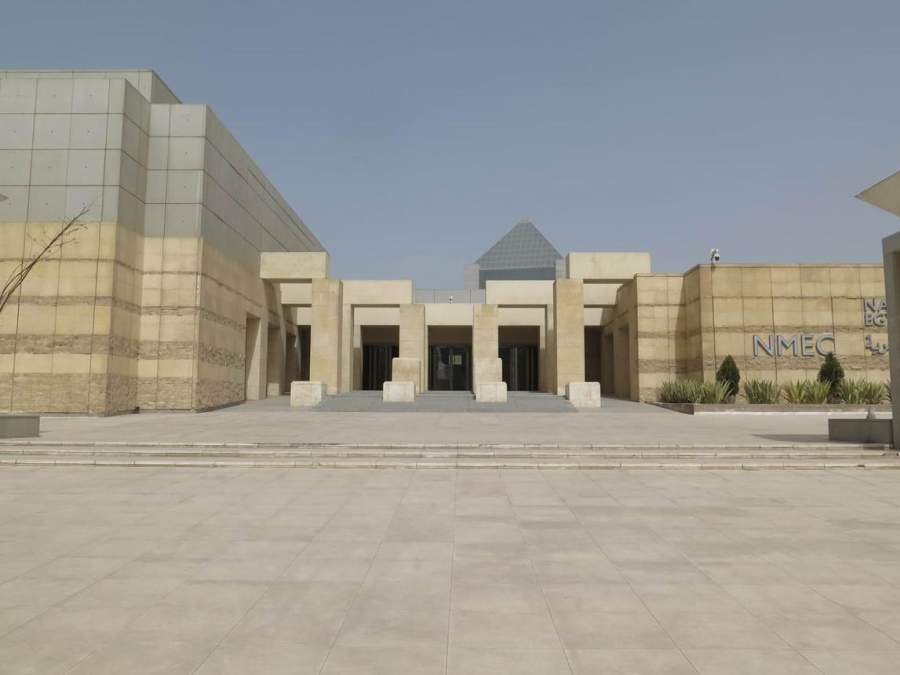
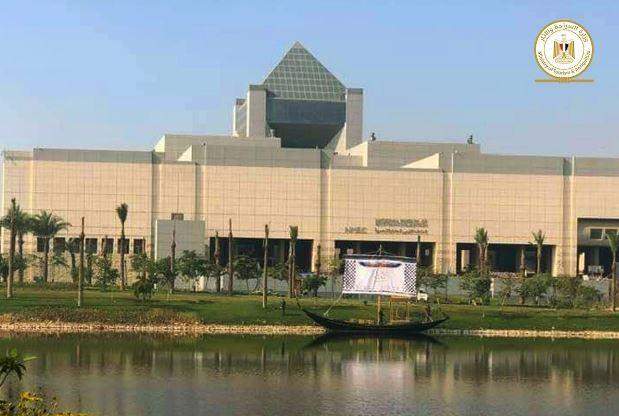
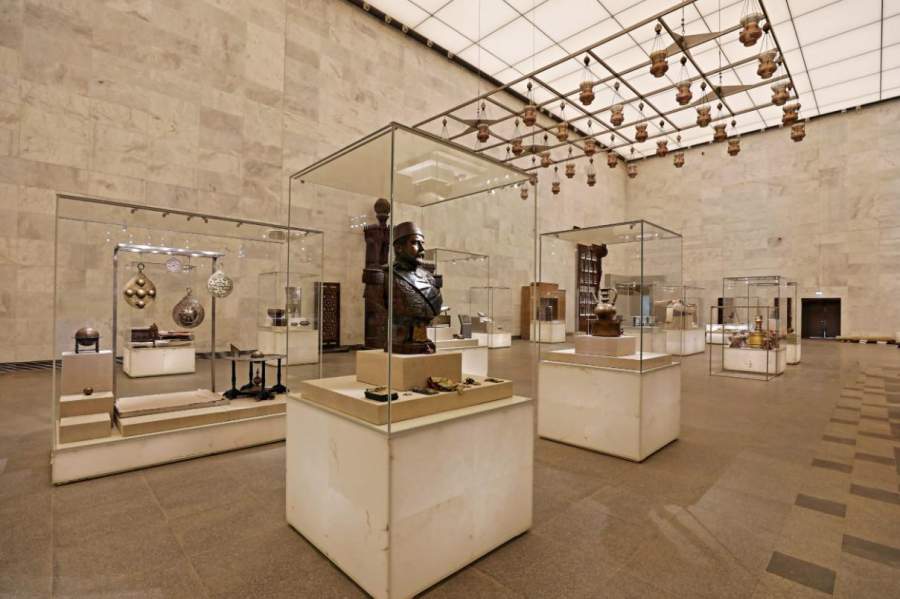
Fustat was established in the 7th century and became Egypt's first Islamic capital. Today, the area forms part of the wider Historic Cairo landscape, which contains monuments representing centuries of Egyptian history.
This makes NMEC especially useful as part of a broader Old Cairo itinerary.
After visiting the museum, travelers can continue exploring the surrounding historic area, including religious monuments and other cultural attractions.
The museum therefore fits naturally into a day focused on Cairo's historical layers.
The Museum's Architecture
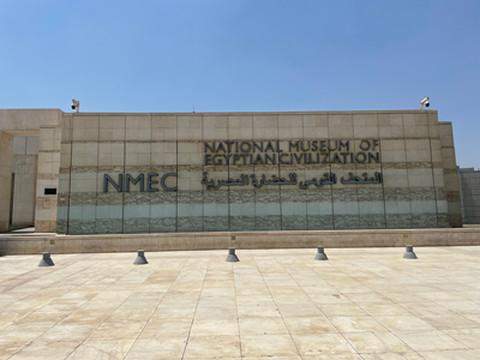
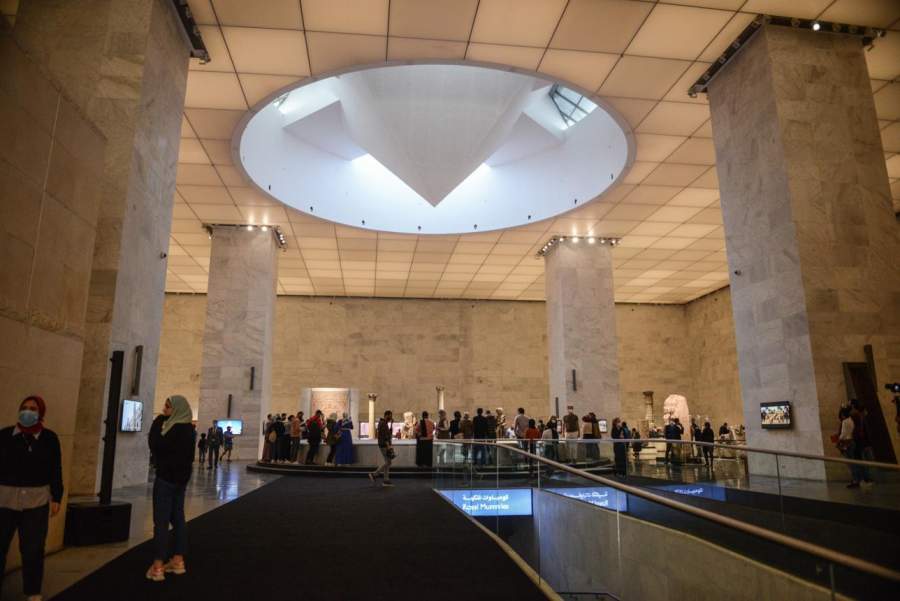
NMEC's architecture is deliberately different from the ancient monuments that dominate many Egyptian travel photographs.
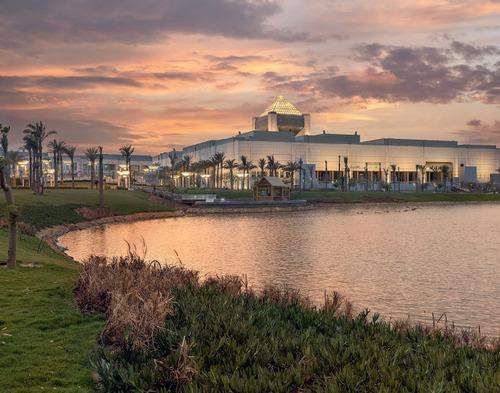
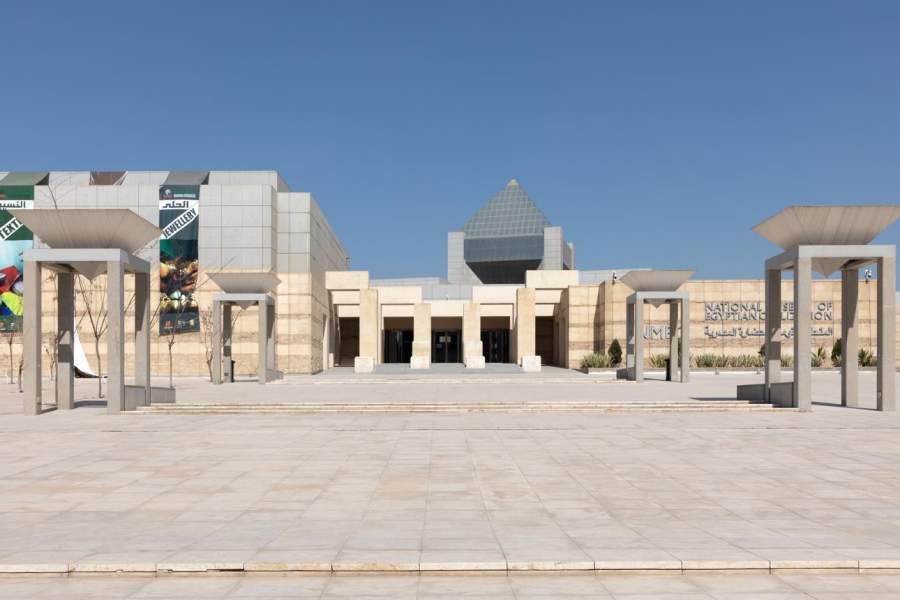
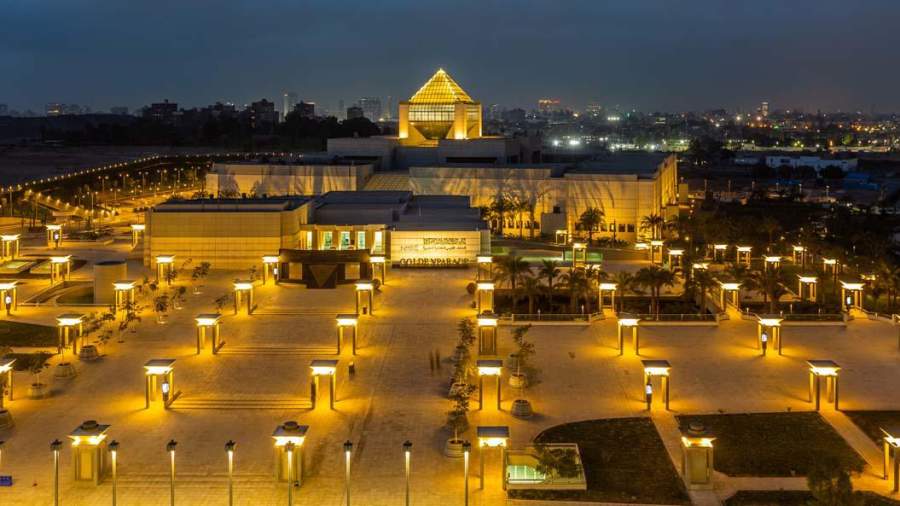
Instead of reproducing the appearance of an ancient temple, the museum provides a modern architectural setting for historical collections.
That contrast is meaningful.
Ancient artifacts are presented within a contemporary institution designed to preserve, interpret, and communicate Egyptian history to a modern audience.
The building therefore becomes part of the museum's larger message:
Egyptian civilization is ancient, but its story is still alive.
A Museum Beyond the Pharaohs
One of the most important things to understand about NMEC is that it is not simply another ancient Egyptian museum.
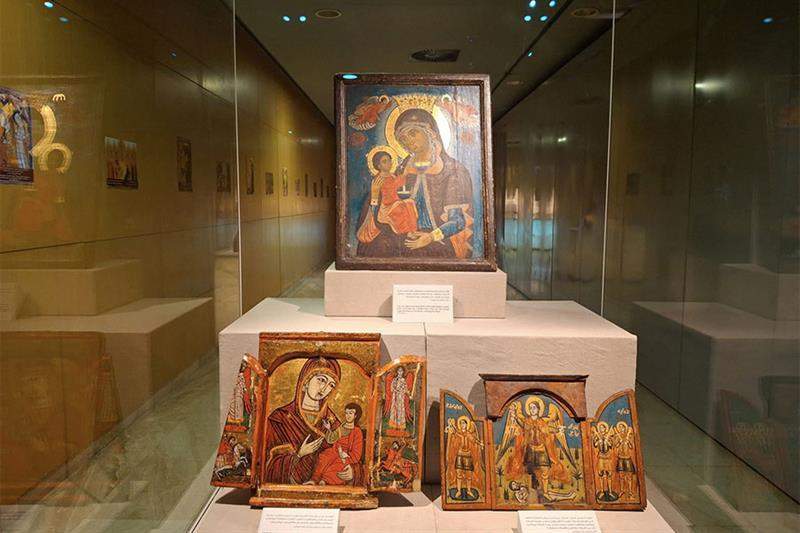
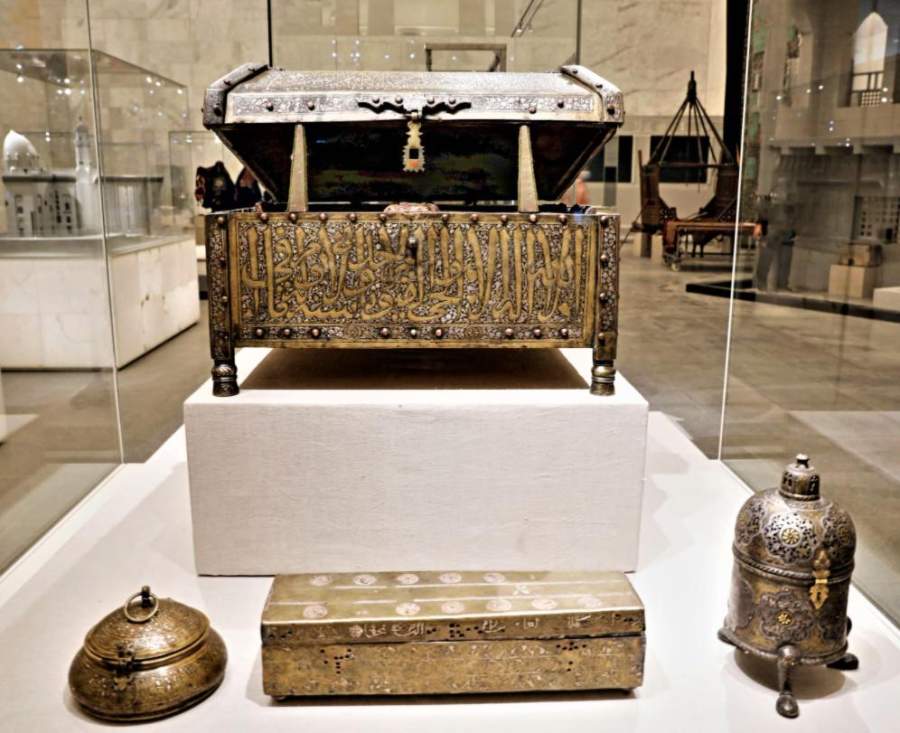
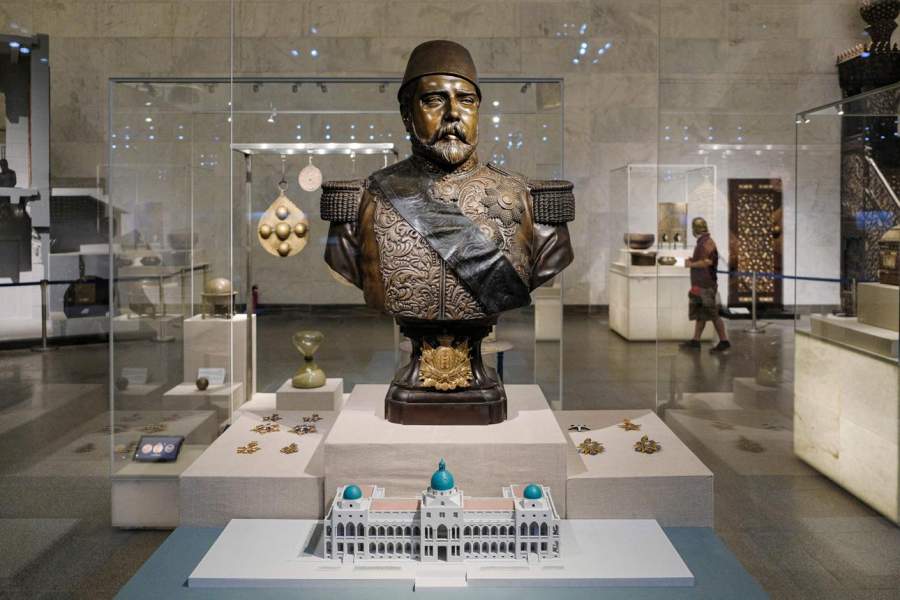
Experience Egypt describes NMEC as the first museum of its kind to present Egyptian civilization from prehistoric times to the modern era.
That means the museum gives space to periods that can sometimes receive less attention in the international image of Egypt.
Coptic Egypt.
Islamic Egypt.
Modern Egypt.
Contemporary Egypt.
Together, these periods demonstrate that Egyptian history did not stop with the pharaohs.
The civilization continued to evolve, absorb influences, develop new artistic traditions, and create new forms of cultural expression.
Planning Your Visit
NMEC's official visitor information currently lists regular opening hours as 9:00 AM to 5:00 PM, with the last ticket admission at 4:00 PM. On Fridays, evening hours are also listed from 6:00 PM to 9:00 PM, with the last ticket admission at 8:00 PM.
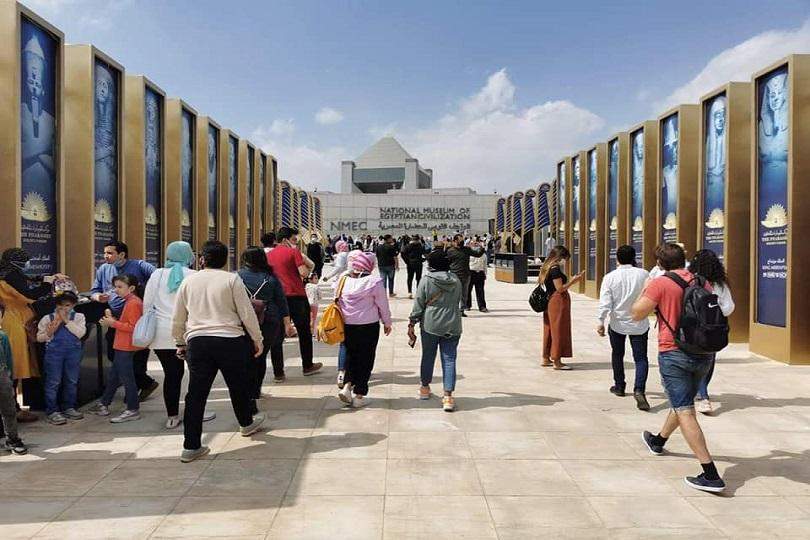
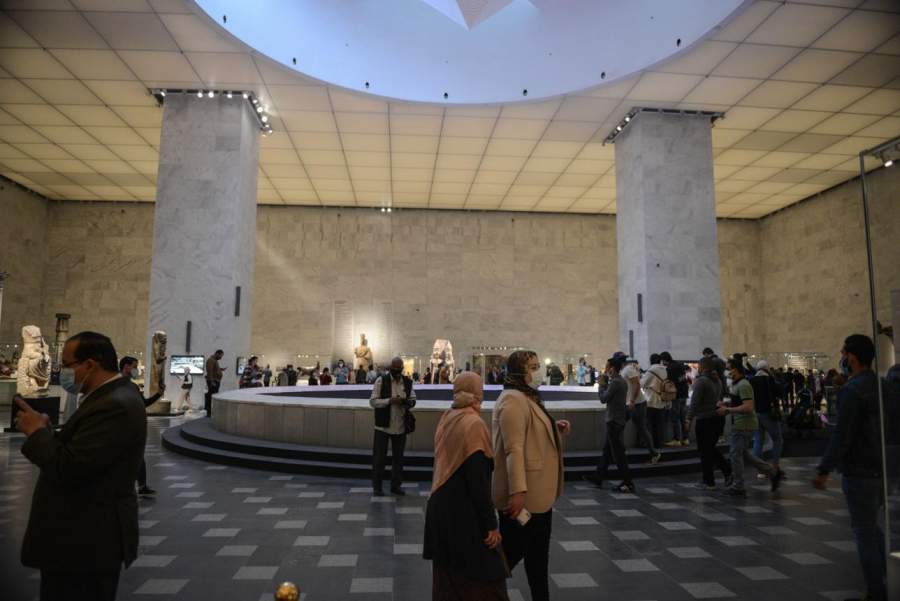
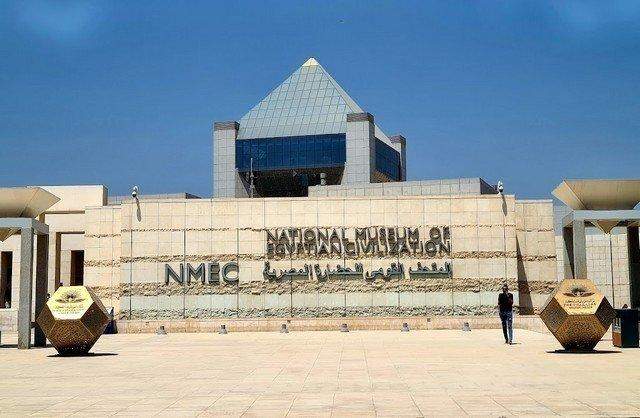
The museum's official visitor guidance also lists facilities including parking, elevators, a café, information services, a gift shop, a library, and accessible entrances.
Visitors should also pay attention to photography regulations. The museum states that flash photography is prohibited and that commercial photography or filming requires permission.
Because the museum covers such a broad historical range, it is worth allowing enough time to explore rather than visiting only the Royal Mummies' Hall.
What Makes NMEC Special?
The real strength of NMEC is its ability to change the way visitors think about Egyptian history.
At one moment, you are looking at an ancient royal mummy.
At another, you are studying textiles or craftsmanship.
Then you encounter objects connected with Coptic or Islamic Egypt.
And eventually, the story reaches modern times.
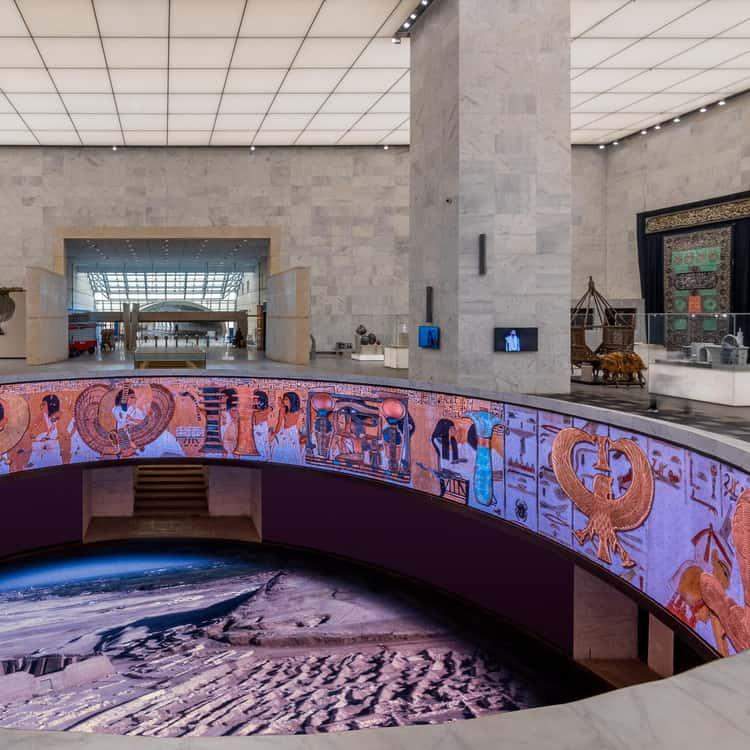
The experience creates a timeline that feels less like a collection of disconnected chapters and more like a continuous story.
That is precisely what the museum was designed to communicate.
The Ministry of Tourism and Antiquities emphasizes the continuity and stability of Egyptian civilization through both tangible and intangible heritage.
And that idea is perhaps the best way to understand the museum.
Final Thoughts
The National Museum of Egyptian Civilization is a museum about Egypt as a whole—not only Egypt of the pharaohs.
Its Royal Mummies' Hall provides one of the most memorable encounters with ancient Egyptian history in Cairo, but the museum becomes much more interesting when you explore beyond the famous mummies.
Its collections reveal ancient traditions, craftsmanship, textiles, religious heritage, changing societies, and modern Egyptian identity.
Its location in historic Fustat adds another layer, placing the museum within one of Cairo's most important historical landscapes.
For travelers who want to understand how Egypt evolved across thousands of years, NMEC offers a remarkably different perspective.
You don't simply walk through ancient history.
You walk through the continuing story of Egypt.
Post a comment