
Office Address

Amayr El Watanya, Akher Faisal Building No. 13, Apartment No. 27, 6th Floor.

Phone Number

+201026563967

Email Address

Reservation@magicegypttours.com

Blog Details

#Mosque of Muhammad Ali

Mosque of Muhammad Ali

By : Magic Egypt Tours
Mosque of Muhammad Ali

Mosque of Muhammad Ali: The Alabaster Mosque of Cairo
https://images.openai.com/static-rsc-4/sKYrV2pSmMXkYGqOpbGkmoq0ZvHasWXuSY5ohdIdGyZimXOEzbRkH0O-WyUO5JheByf6KgBXEOP1dxrNVgzqRP58HN0OZQz2yqQx4XlrIFAqnTG7S7DUSEFxLYQv3_8GSOHJb6IKfQXRf42eb7JKox5Fe1AAlukbPlWrEWlV02fMlHeR7hiZkje-7gmZZJV7?purpose=fullsize
https://images.openai.com/static-rsc-4/KLpVpShfHV-VBD07iECOvwN2keRFiUjphEdpvoFBmAE8YgLUmINundYJYrH255w4uJQpRIInkO_o-NavWZI9hg8b3MLoYLiecSP6WQlGybSlSa1PXLlCG8RDdG7rqbs_ta7__kBuzFgFX8amupCCDDdxP084r9Ni9fkImlVYY89Vqso5We9VS_7qr_BN8wBm?purpose=fullsize
https://images.openai.com/static-rsc-4/TJpPWfDAignS1FaQfpcXW9ii2351KZUF2CHwJqZQzBVzV9vGIGpL52F0wcALCXrwU14gxpUylqHABOeY13J8RlB7ROmoASL9_C4hNt2-b1g1js2UxPrbDvTEEJFsIaefteG6Gj8eo_64b-5gFU8PwkRX5TmIqwm5GhvJxcr45Wq7j_MBT2ffxo2wPPgpnssy?purpose=fullsize

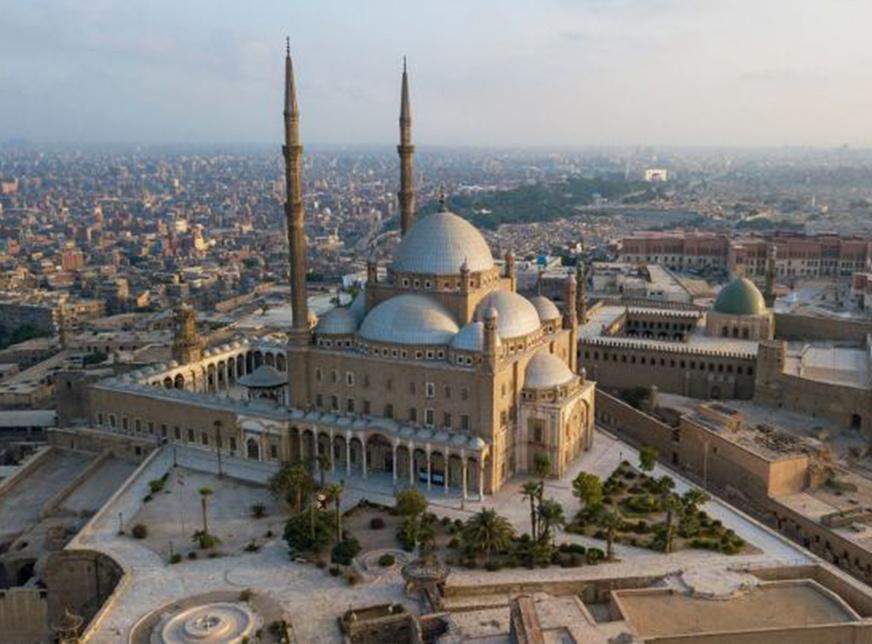
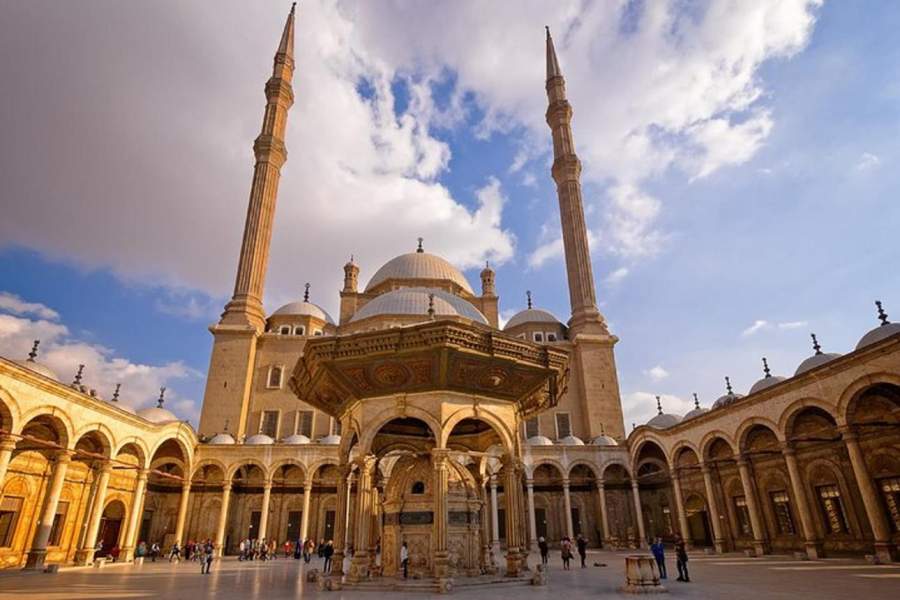
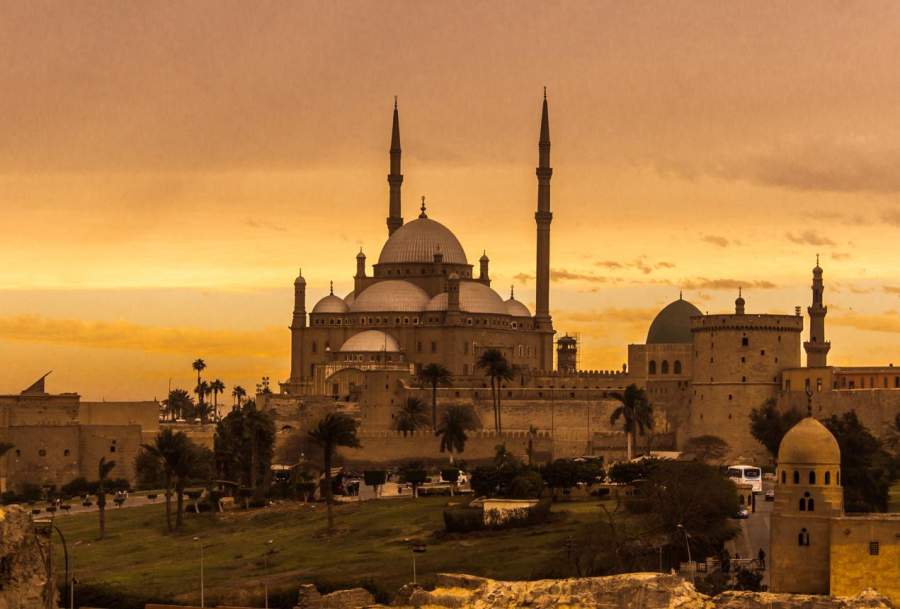
Standing proudly at the highest point of the Citadel of Salah al-Din al-Ayyubi in Cairo, the Mosque of Muhammad Ali is one of Egypt’s most recognizable Islamic monuments.

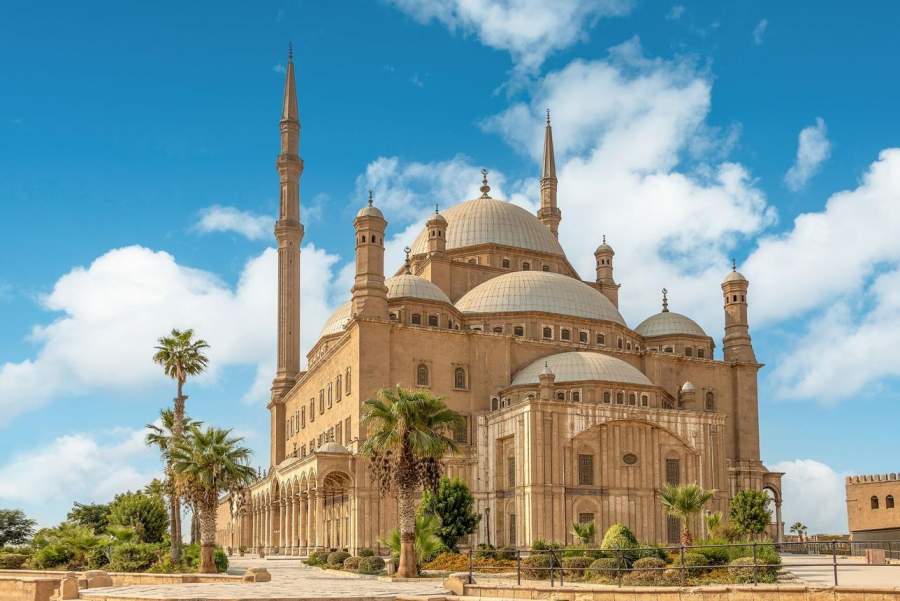
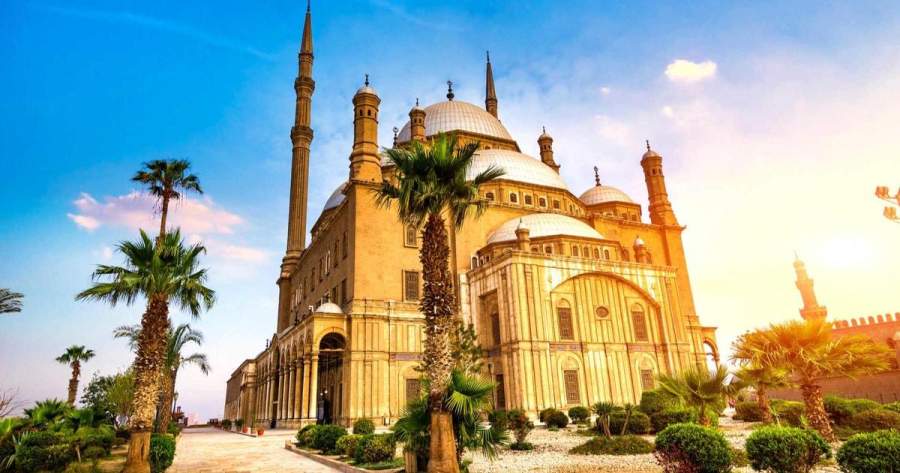
Often called the Alabaster Mosque, the mosque is famous for its enormous central dome, elegant semi-domes, towering minarets, Ottoman-inspired architecture, and panoramic views across Cairo.

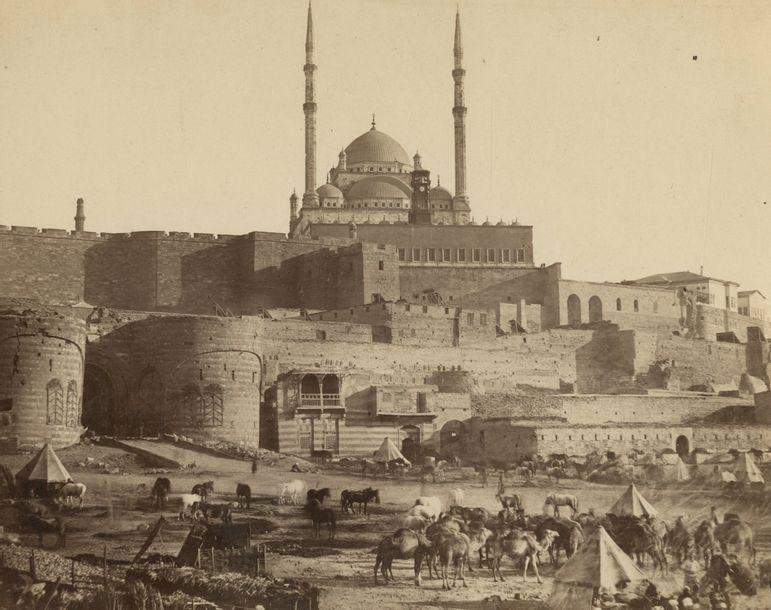
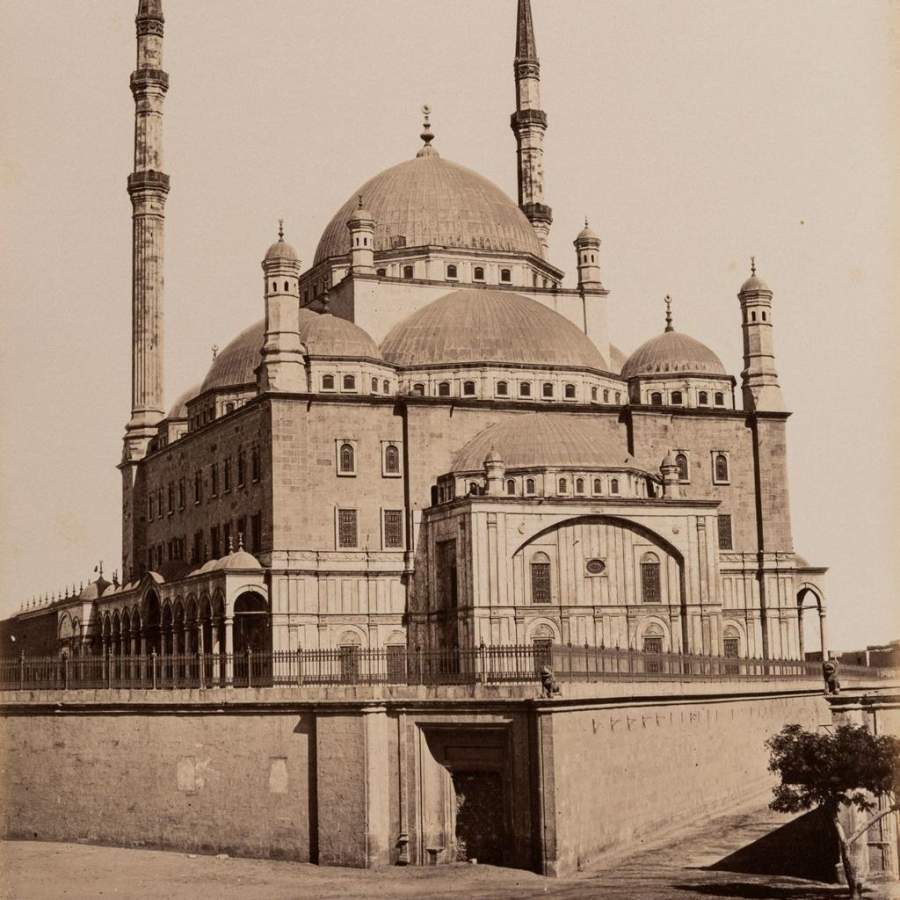
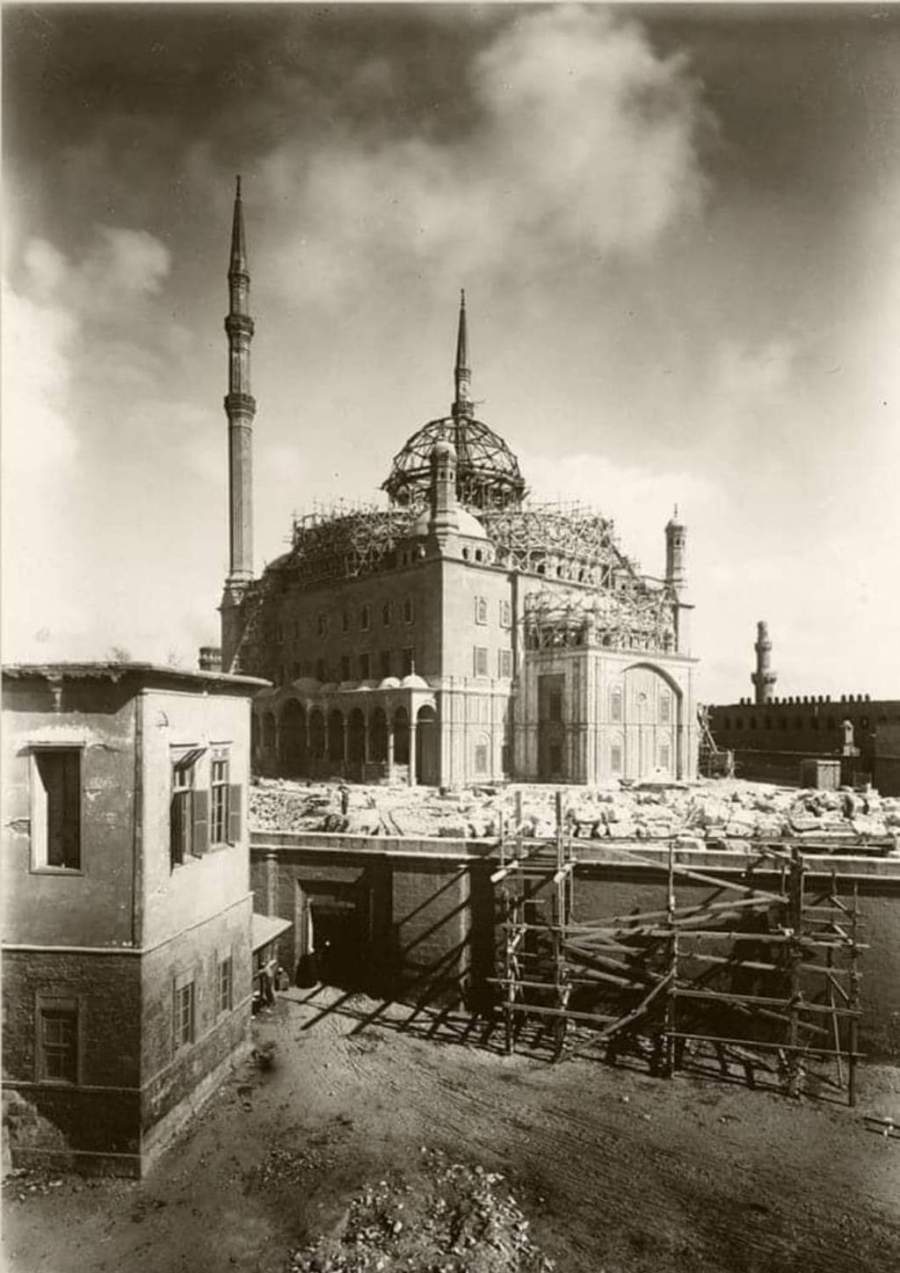
Commissioned by Muhammad Ali Pasha, the mosque was built during the 19th century as part of his efforts to establish a new political and architectural identity for modern Egypt. The Ministry of Tourism and Antiquities dates the mosque's construction to 1265 AH / 1848 AD, while its official historical account notes that construction began in 1830 and continued until Muhammad Ali's death, with the building completed under Abbas Pasha.

Today, the mosque is one of the most important landmarks inside Cairo Citadel and one of the essential stops for anyone exploring Islamic Cairo.

Where Is the Mosque of Muhammad Ali?

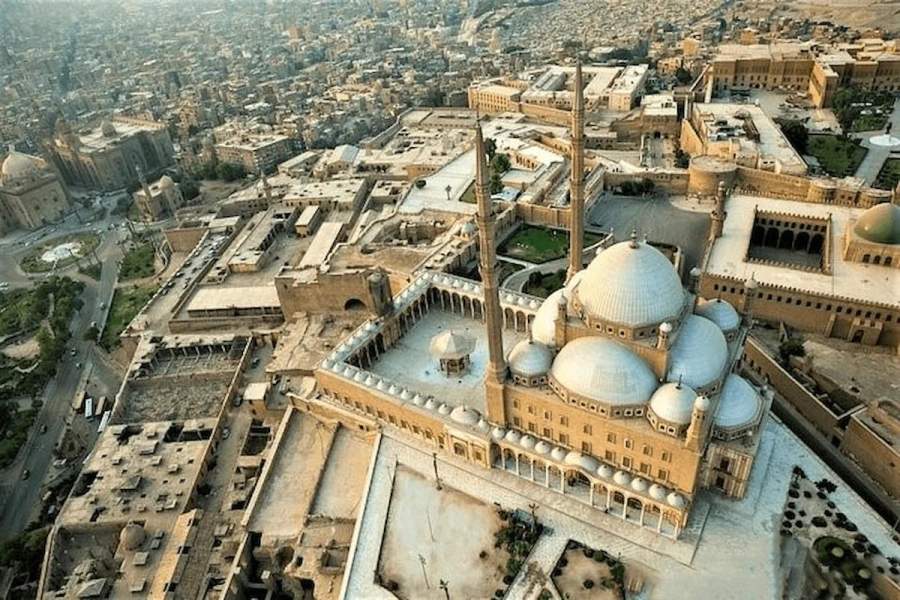
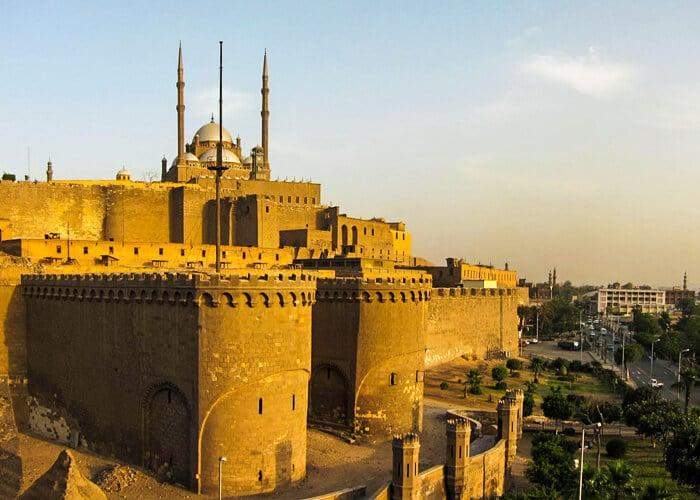
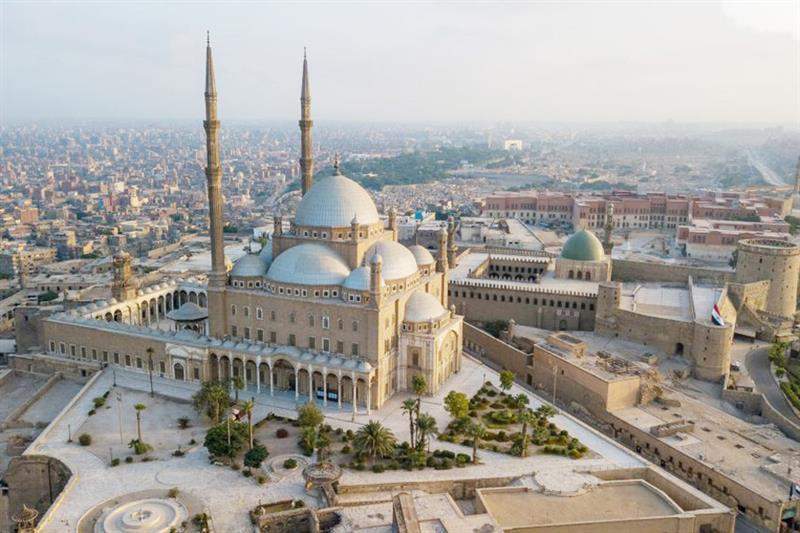
The mosque is located inside the historic Citadel of Salah al-Din, on the Mokattam Hills overlooking Cairo.
https://images.openai.com/static-rsc-4/aPBjfzHdCxHbpvXQ-Ejy665h3HDoRBcVT3wRoFMIJl67MXog-UuCtFbrTBbWFhjvLwPQYqeCc5EFMvXWXbXWPrS_rio_pzBdAmPCUVzR59Hra6Uo36n50WDcHlJKu5gtJKCfjX_oSjU6xYTXaFnaAo-Myqjx6asiAO1BmFMtPrlUAS4IPvO3_o1U25yGmZtc?purpose=fullsize
https://images.openai.com/static-rsc-4/8tJkYlimr-2uEjvbCu6pcoZDSdPG1c80nrUYwnXVTBH3_onMzx-VJrn1AfcWdqZrdDSLeP9tB_zoibudBhYbmZWmvNhLq2COHlkp-7-q-NivPCds8CmAkW7MuRaSq8LIvaTZqKwjpCNaxaa6kW21sATHJQuIsmQ2KWUEXqnpQ_azuix9jATmIU8eD6-h5rm6?purpose=fullsize
https://images.openai.com/static-rsc-4/--Ku0bZBSgXeWyAt0fBClsPHl3ZMuYP_JokXLeUmpEJ97Ghc_PYXlqxLwczNN7uiMMI2CmvZV3NBXU7p81ezNX76aAZncjDuST6-IXpD4q1_xuOD4pQSf40e6SmFKlaaDXnA6uMPQzA2Qel95qVQBNLR8pM-jCfDj_7BOc319A_wWoUG_BFU9BzNqddTMu0f?purpose=fullsize

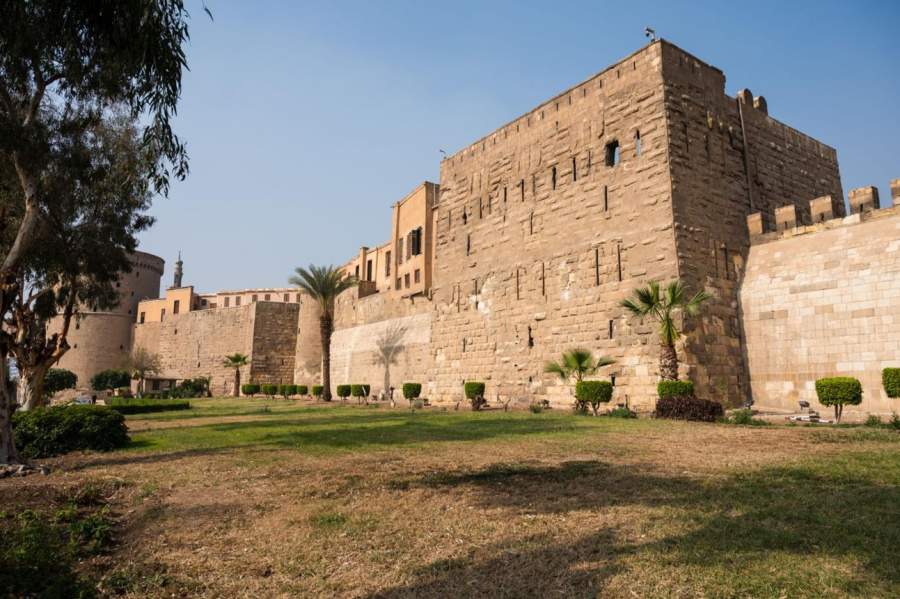
The Citadel itself was established in the medieval period as one of Cairo’s most important defensive complexes. Over the centuries, different rulers added palaces, mosques, and other buildings to the site.

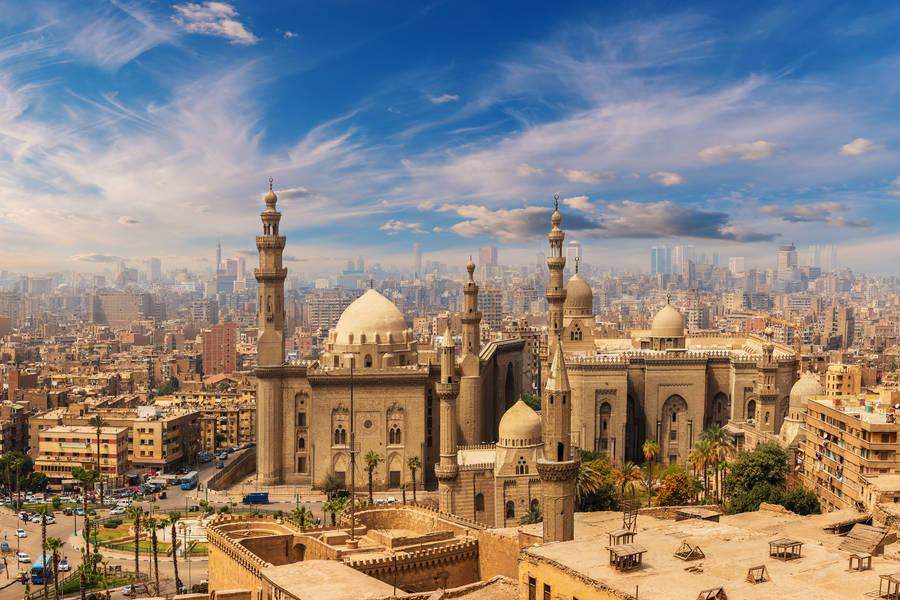
Today, visitors can explore several monuments inside the Citadel, including the Mosque of Muhammad Ali, the Mosque of Sultan al-Nasir Muhammad, the Sulayman Pasha Mosque, museums, and historic palaces.

The elevated location also gives the mosque one of its greatest attractions: spectacular views over the Egyptian capital.

When Was the Mosque Built?

The mosque was commissioned by Muhammad Ali Pasha, the founder of the Muhammad Ali Dynasty that ruled Egypt from 1805 until 1953.

The official Ministry of Tourism and Antiquities account states that construction began in 1830, during Muhammad Ali’s reign, and continued until his death in 1849, with Abbas Pasha completing the mosque.

The mosque was constructed on the site of former Mamluk palaces, transforming part of the Citadel into a monumental symbol of the new ruling dynasty.
https://images.openai.com/static-rsc-4/Q3tOiPhvnJGN1EOlRcbRFOE3c9E9c0EJlvoji9RvpLJ2NW97cO4gT4JFwNfmVqWXXpvprBeByNo__YkXVoUoBijbVxKRsKQhf3NG6fKfasV6yRORtLcQPfuaOh-BQ6zqzFqoL9mdIM4U-rSkSjyN2kAmp-pc8CDXjGjwRoNyXGy7vXCFCn-xN0ZU0S4OiFPg?purpose=fullsize
https://images.openai.com/static-rsc-4/OAVQaKJ6WeNct7VeoWjeTorKvuI4GayuNJXw6MGP6lSSFOTXPj0NRnf7zRW13P_3-mNlS50wRJaro-on1k3-7F4blwHigcAWL_HDYojfyCaR5T3F1gOKPzJctcvfw0LKe1vQEJq4_kPqr8geot-WTXxK8LUwK9v84ej-l4do7OGGOICSR4wtJgT8rzvknQqV?purpose=fullsize
https://images.openai.com/static-rsc-4/XaFCh7y1PUnG-wEK__Mkl615-SKYJ4vFPEDl8J8WBh5av4vAZQL7LAAjpMRJlWDvPwgczLNNYld0FiVRzUBdXOvFiwdVCS9XyI19yAdOhDtakmMp4EArClJ2RCcnT0fZVVkemR7-bkZXm9EOolQ3_J4mW6TrcBhYp0yw33-zWoM6e3OXKDg247bSHdEqw71l?purpose=fullsize

The building therefore represents an important transition in Egyptian history—from the medieval Islamic rulers who had controlled Cairo for centuries to the modernizing Muhammad Ali Dynasty.

Why Is It Called the Alabaster Mosque?

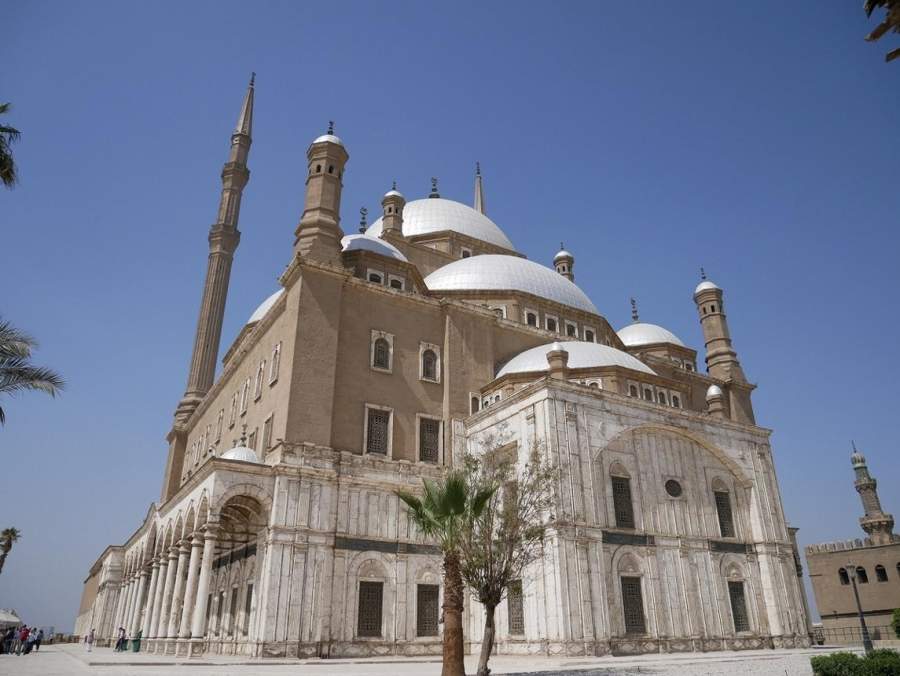
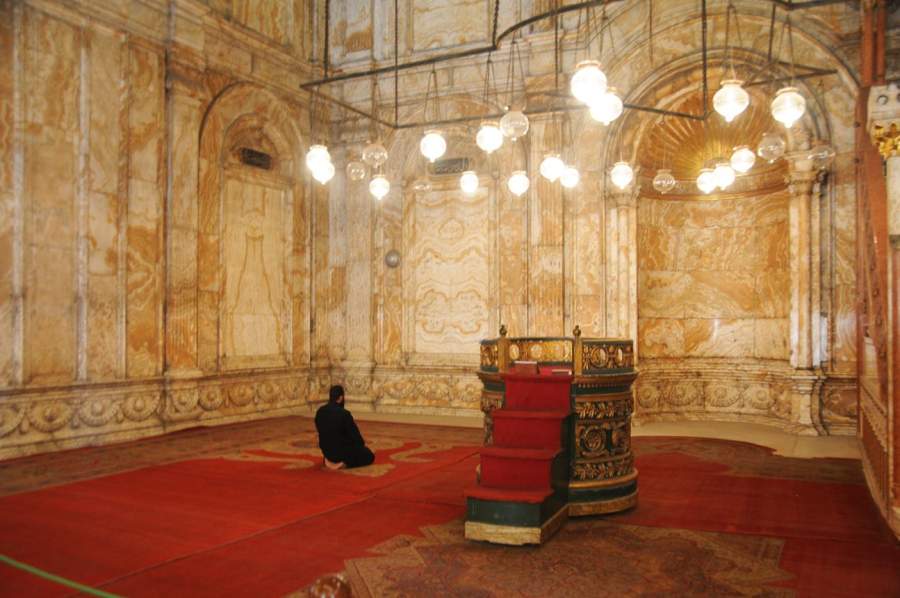
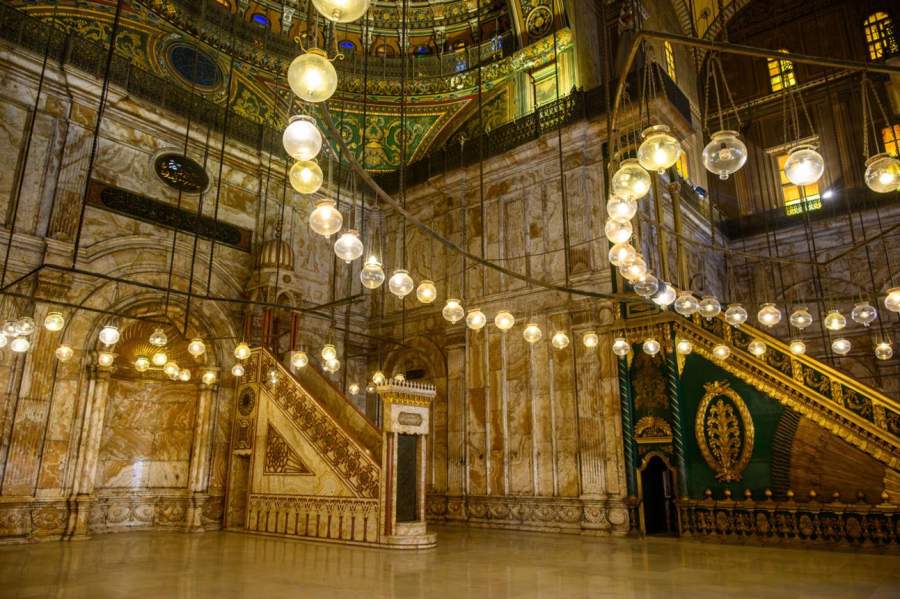
The mosque is commonly known as the Alabaster Mosque because of the extensive use of alabaster or marble panels on its interior and exterior walls.
https://images.openai.com/static-rsc-4/AVFcLTBeE4PW7v-9z2mft0aRbDzNbFzTDImNbus4XmOS8aGp7VYJagR6LUIpC6z_SVO9EGc-mkC0PT7ADng6N8nAQeyD_YA1vN70Viuulcfeg5JoDI-A_j2UxQZnbsjkIuaS5y6_zCHpvtKC8Dqm-O9NZQRXlWQKtexbPRV5L_a3IgQQgx1WZ9XfwaM8oy6Y?purpose=fullsize
https://images.openai.com/static-rsc-4/tXUsU_sBlCdCH_A4KF1cc2YoB4GyGzQAm5ZBZAZ_fDd2h8l9NQ39PrO9D8aeQtzVNBNfyWYQ9jU_VTvby-YxcDG4dsKS9USLt3K3tCK8_w3GriCqcgrM-H944b4__aljVuilxa6ejLniYk4ooraditn3j1V6CtthLWGtOZfEHuwF9RleM6afxRN30lAbeuEn?purpose=fullsize
https://images.openai.com/static-rsc-4/cEbzMXfVn5wbVFwthQu7FnjY7TS1RPuSuE46j97BDQpxQUdaHqV95vic-dZrLz27OFO6ZRrnN6TmpwgXA-XP1WJFhYNN6VqB1-_O9VnS_ZiAisQ_Pf_oyBZvM5Py-kYOtiklstjIGxL5ke9phs6-YKqrv0ptyyi2G31xcG751rzwbR6egs6K-wVRtxl_tgE7?purpose=fullsize

The polished stone surfaces create a distinctive appearance, especially when sunlight reaches the exterior and interior surfaces.

The nickname has become so closely associated with the monument that many visitors know the building as the Alabaster Mosque rather than by its official name.

The contrast between the pale stone surfaces and the darker decorative elements inside creates one of the mosque’s most memorable visual characteristics.

Ottoman Architectural Influence

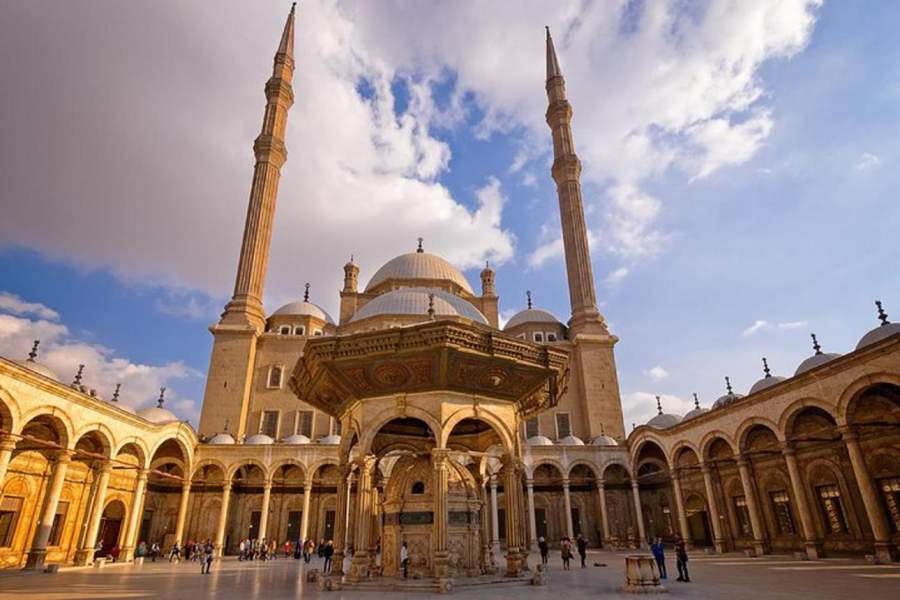
One of the most important characteristics of the mosque is its Ottoman architectural style.

The Ministry of Tourism and Antiquities explains that the mosque was built in the Turkish style and consists of an open courtyard and a large prayer hall.
https://images.openai.com/static-rsc-4/bVxBGk8j1Q6x1nAAl9KvDRQZt5gqRBEI9eYsk9yvtz996MfUw1qCf-ryUwUteiz-kvYWLsfMqGov3ayxoGSrNYVwqReCZwvJA9xVOT7pwG8DE6iqRGcum-fCw8ksNvBudce4LSQXtWd4Y-gTLF_Rhd9xwapAb7wqvuu63u9L1bNy6Q2GxRSGtKtjx2lLCrFZ?purpose=fullsize
https://images.openai.com/static-rsc-4/q92S7oO2-8NxmPFUcWawfwQOQJNcp5gFERywFslrre0v3r-68ssVl_0fqJHPgWCovOJwbZwvOT_Oi9PgWO7xHszwCOQ072cMZbV10GxiC35P2Xgq6ajM07-V1qTUMtEGa4XVad1MxPidoqEuVBsWW2cXxzvKW5v7iakPfTug1yjQ43G4LQVOS8CzhA3MBfoo?purpose=fullsize
https://images.openai.com/static-rsc-4/sLAseBL8JrC0dNIy9QcTWChbcX5GQtT2SWCBdT-AcIQptpPsdCmHu1WOTH7S3bP_wL4f-TtVYZQmX74Eat3OJ54svBqFSk9xPCR8hvZe-MS3zGcF-vRDcHhQCdc8VtB1dfWVrvoJ0lNGfZZS7nqIB8yiN0QsZKdEvsvZmkJBqDDIihzFP-XtfHz4meJE3g6K?purpose=fullsize

The design reflects the strong architectural influence of the Ottoman Empire during the period.

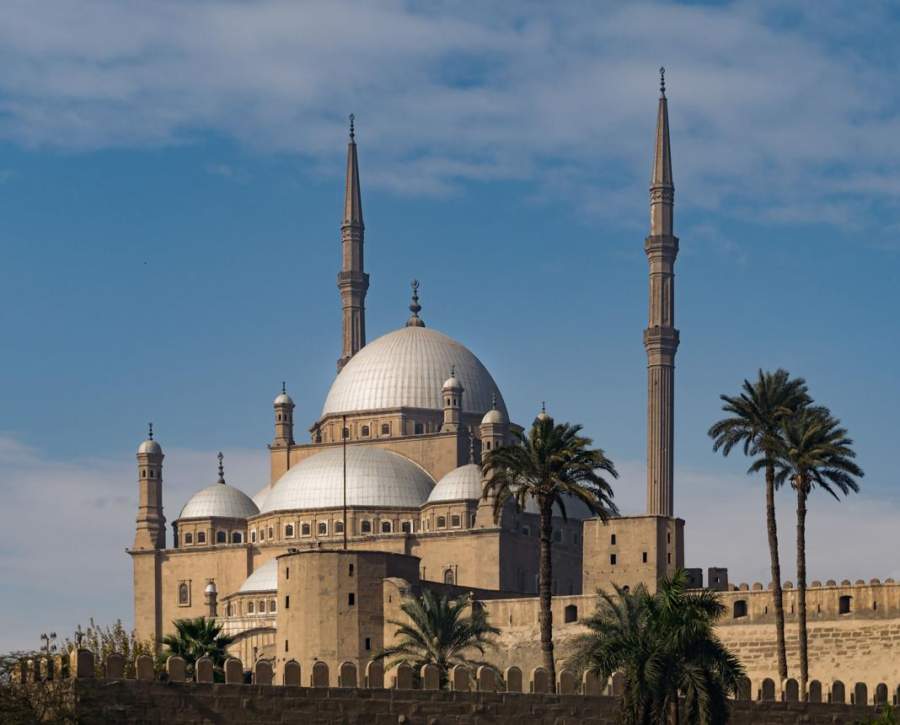
Its huge central dome and surrounding semi-domes create a monumental composition that is immediately recognizable from different parts of Cairo.

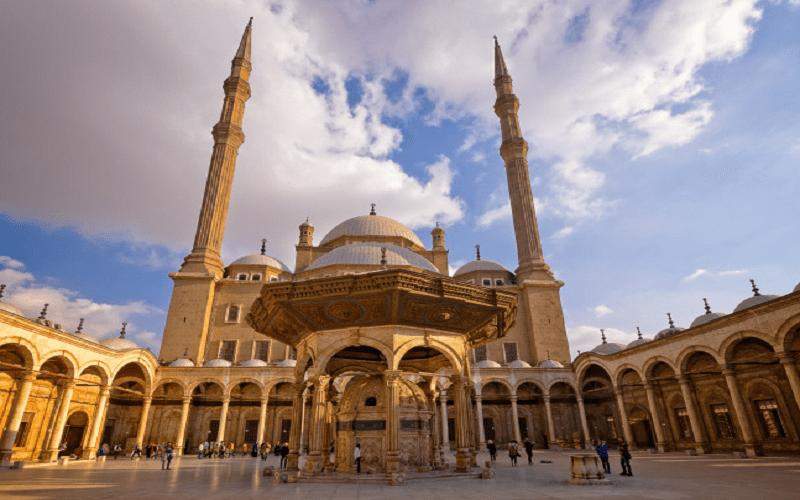
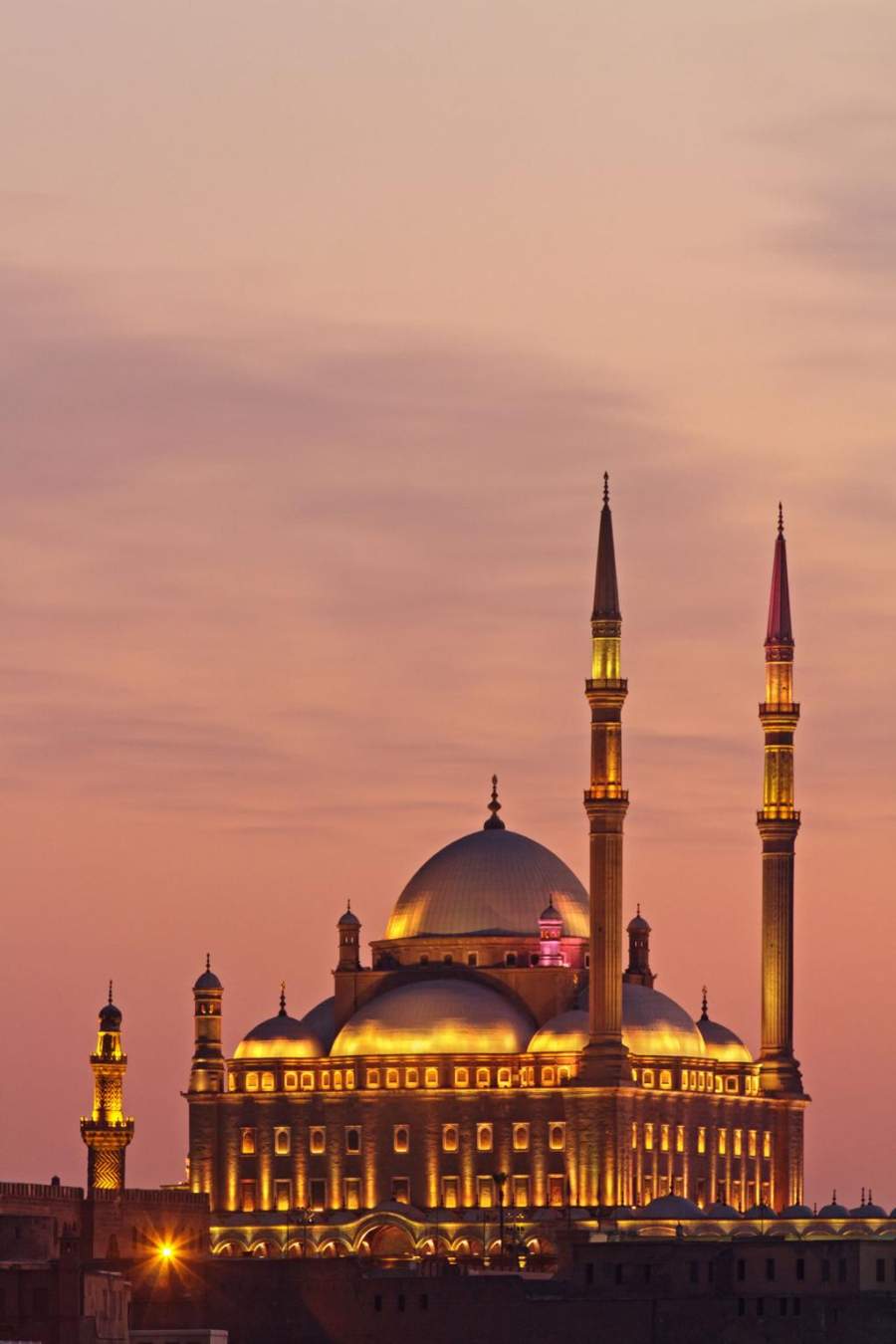
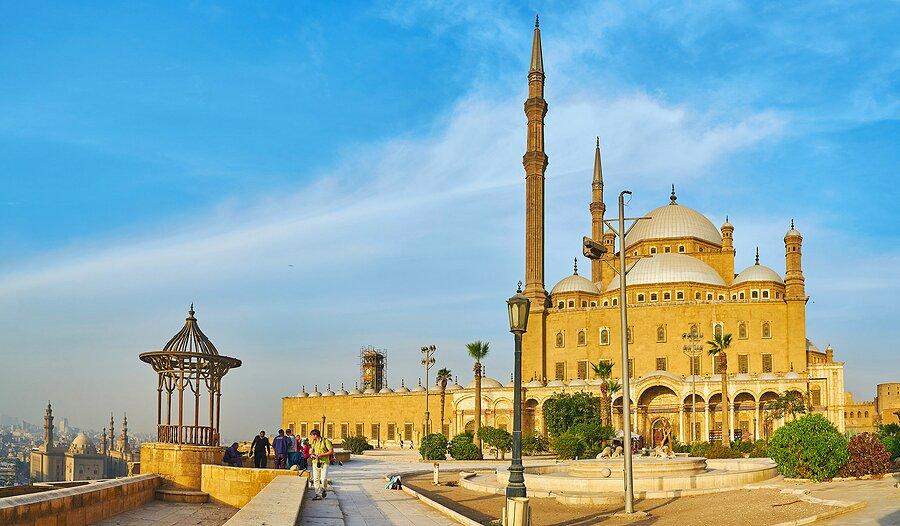
The mosque is particularly impressive when viewed from a distance because the large dome and twin minarets dominate the skyline of the Citadel.

The Grand Central Dome

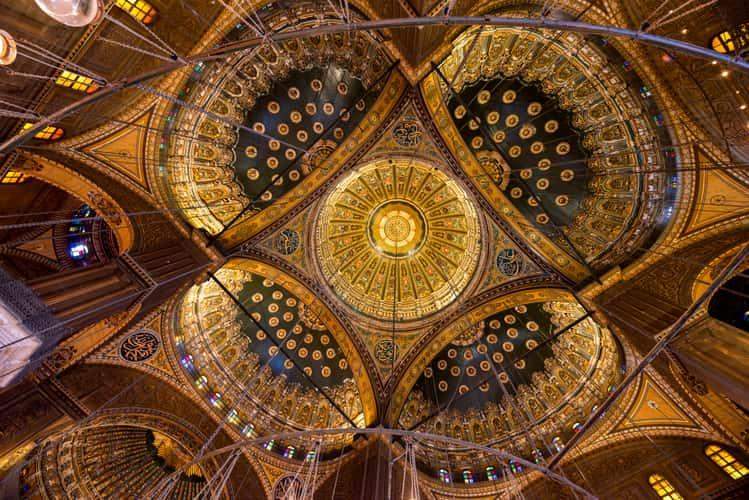
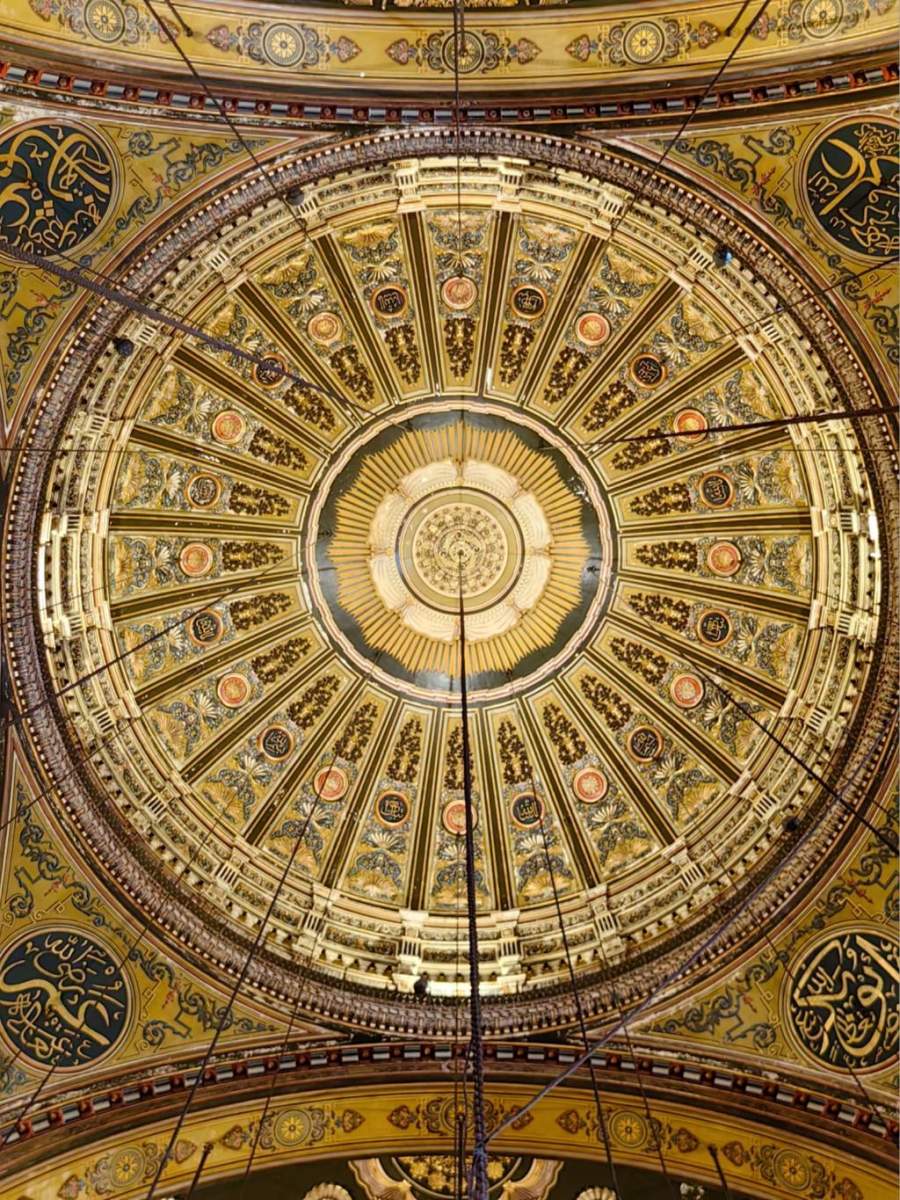
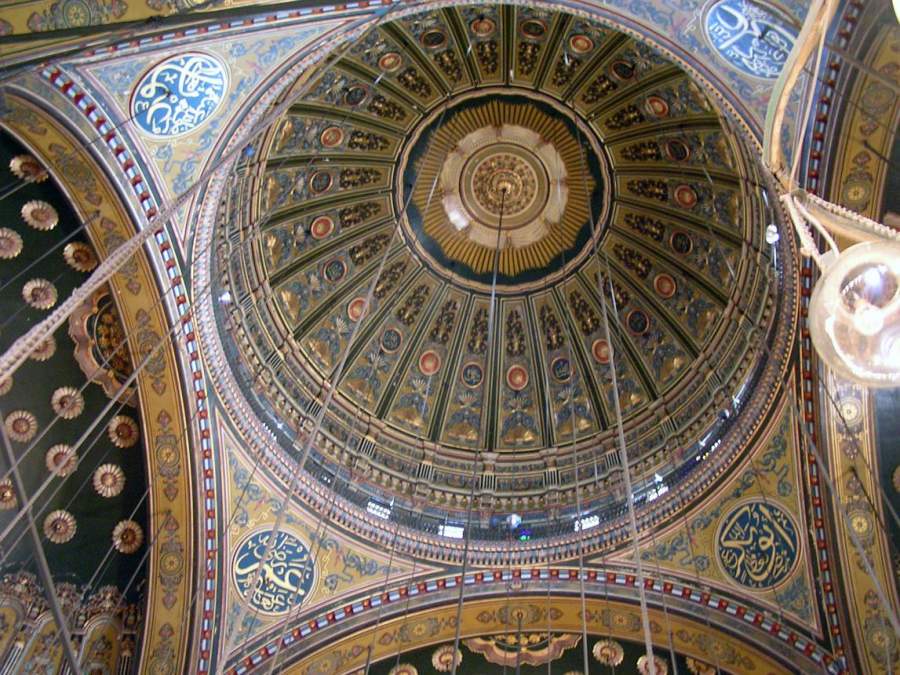
The central dome is the architectural centerpiece of the mosque.

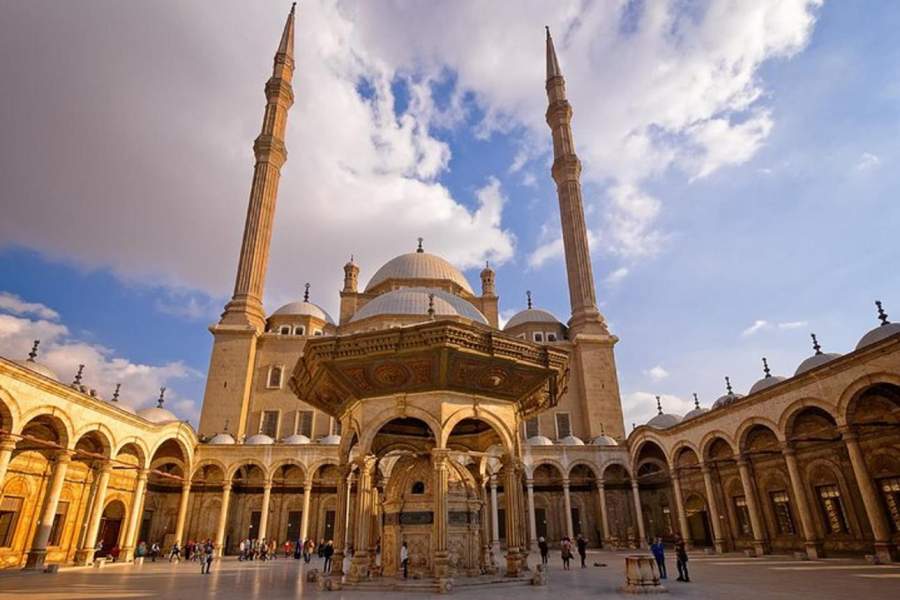
The square prayer hall is covered by a large central dome, surrounded by four semi-domes and four smaller domes at the corners.
https://images.openai.com/static-rsc-4/UKsb36YSspJaEUee2bqFWrstZXt_8-xBFW69R3QfQMGUUPbSqY8rTyIdlF7QRLQRxGmNKpR4TW5ntEXffCRIVWAA5D2rZ_evMHkS4rA9g3iXf2KJlmMl_T_oPwmrQSbTgcIdiJ5Q3kNAMlX4fU2mF2gNclGW1a1SRkcYBt1l-gO0GcK9cwkg8l3PVZ6gfZpI?purpose=fullsize
https://images.openai.com/static-rsc-4/sLAseBL8JrC0dNIy9QcTWChbcX5GQtT2SWCBdT-AcIQptpPsdCmHu1WOTH7S3bP_wL4f-TtVYZQmX74Eat3OJ54svBqFSk9xPCR8hvZe-MS3zGcF-vRDcHhQCdc8VtB1dfWVrvoJ0lNGfZZS7nqIB8yiN0QsZKdEvsvZmkJBqDDIihzFP-XtfHz4meJE3g6K?purpose=fullsize
https://images.openai.com/static-rsc-4/ZKG_MRuU5aA-bU89zvaLv9dy0K2MIfork1zK9nZ28DwRbqWQ8IMunTM4m-PLQx8zvWr1MnKVmWFrAIunavTdh_54NsNR8W7KEoz9PStsT_xpe45OWcG_pjDZhTs_QR5bj-hzxSp9AxgeCWu5zIjRGswcSyJS7WgCuSvw6rg7LSFEJFSCDRcdRB-Vemk__eg7?purpose=fullsize

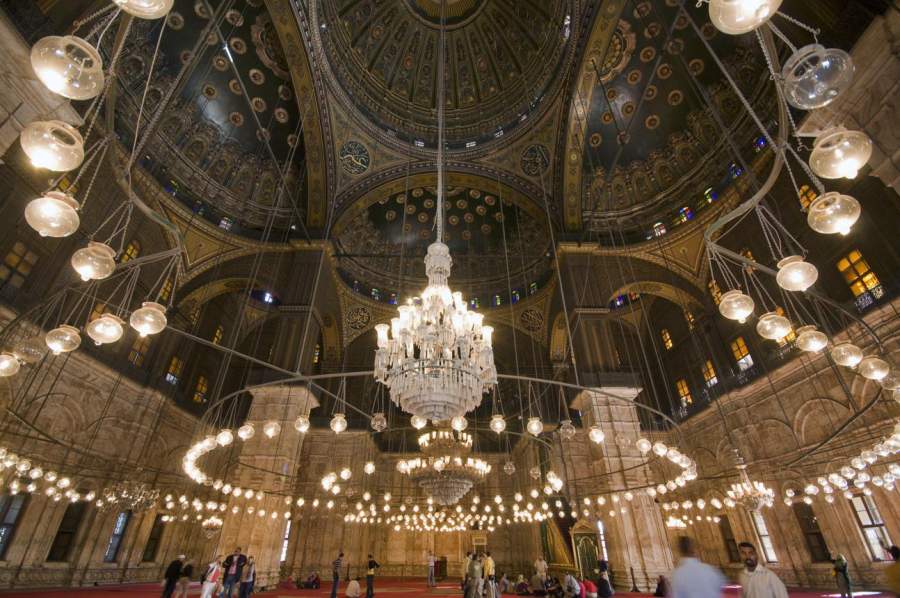
Standing beneath the dome gives visitors a powerful sense of scale.

The architecture draws the eye upward toward the enormous decorated ceiling and creates a strong sense of symmetry throughout the prayer hall.

The dome is one of the main reasons the mosque is so recognizable in photographs of Cairo.

The Mosque’s Twin Minarets

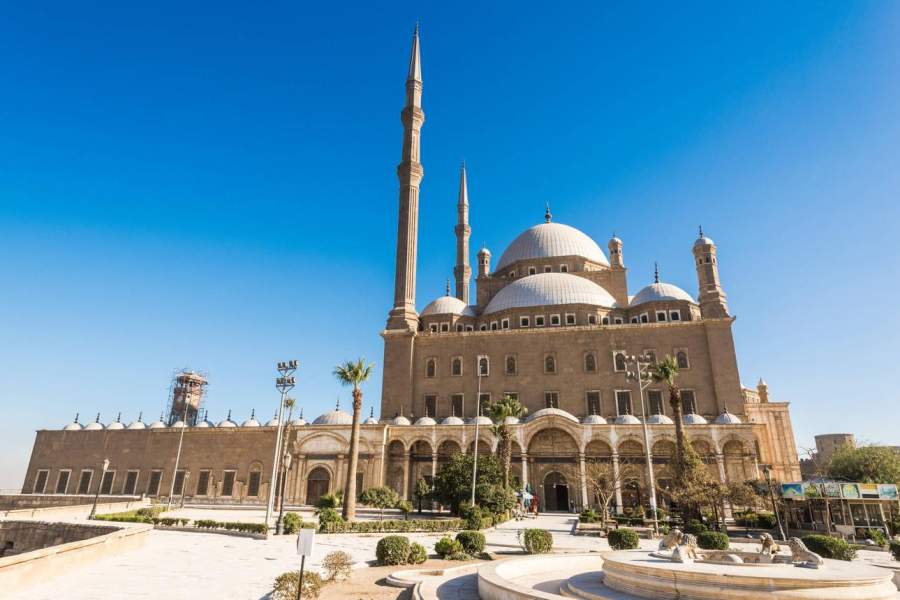
The mosque has two exceptionally tall and elegant minarets.

According to Egypt’s Ministry of Tourism and Antiquities, each minaret reaches approximately 84 meters, making them the tallest minarets in Egypt.
https://images.openai.com/static-rsc-4/bVxBGk8j1Q6x1nAAl9KvDRQZt5gqRBEI9eYsk9yvtz996MfUw1qCf-ryUwUteiz-kvYWLsfMqGov3ayxoGSrNYVwqReCZwvJA9xVOT7pwG8DE6iqRGcum-fCw8ksNvBudce4LSQXtWd4Y-gTLF_Rhd9xwapAb7wqvuu63u9L1bNy6Q2GxRSGtKtjx2lLCrFZ?purpose=fullsize
https://images.openai.com/static-rsc-4/yx7lU4XCqxMrTPhOEl0GL4BiCZN0m5TPKw3I9KOPQ06Wh7vmzj-dBo5CAWQ8kzbmQaFZaLqQcxen9k2rzrlX_7xeVnzNsajO8OPY-i-Sb_UReIpi9h7z4-fnWqGGSjTOl5qWsIDCpDzL7LQQ3sV2Q6Ry-GzrttevijyiZvdEBAeh57Cwnuu3dwpH7D2DlkrM?purpose=fullsize
https://images.openai.com/static-rsc-4/TCiF3_bQEt0_3u97ivmjz3SVIMIGXQIpEZcbxU9hoQeFPLjSYIUpTKmQiptnkpRjjF70wkktB8AueO6VwZJx6QfjgX_Eb5kuT2rJvFRFhbak42-w0OaY8A6kF4LwrFyVgO-B5EpDgHTBLO8cmiUmKEmpQ2iJzASEXFVuJGLO6aCxsuIhBtxQEzlcnI2Aqjv5?purpose=fullsize

Their slender Ottoman-style design creates a dramatic contrast with the massive central dome.

Together, the dome and minarets form one of Cairo’s most recognizable architectural silhouettes.

The Open Courtyard

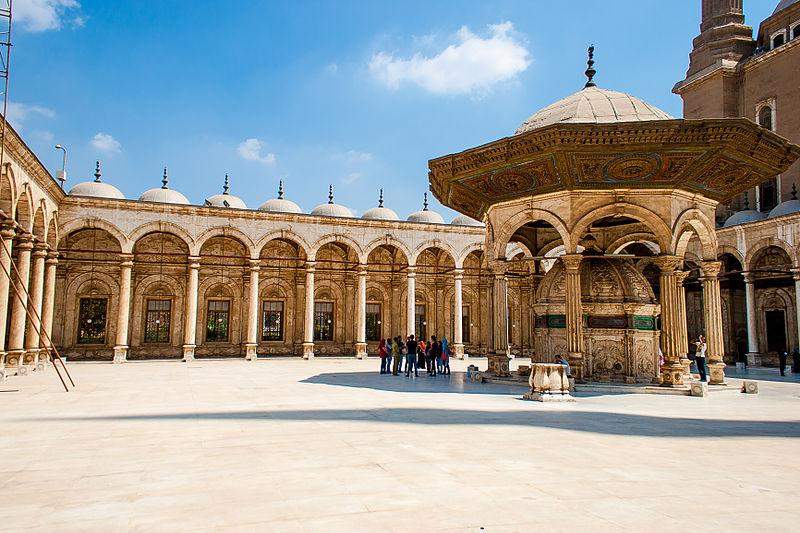
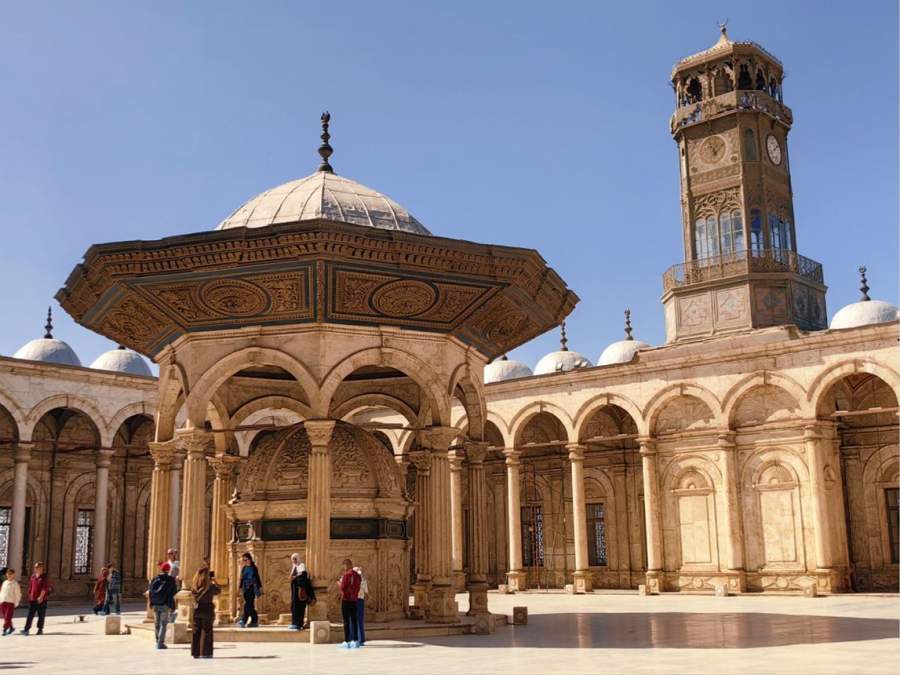
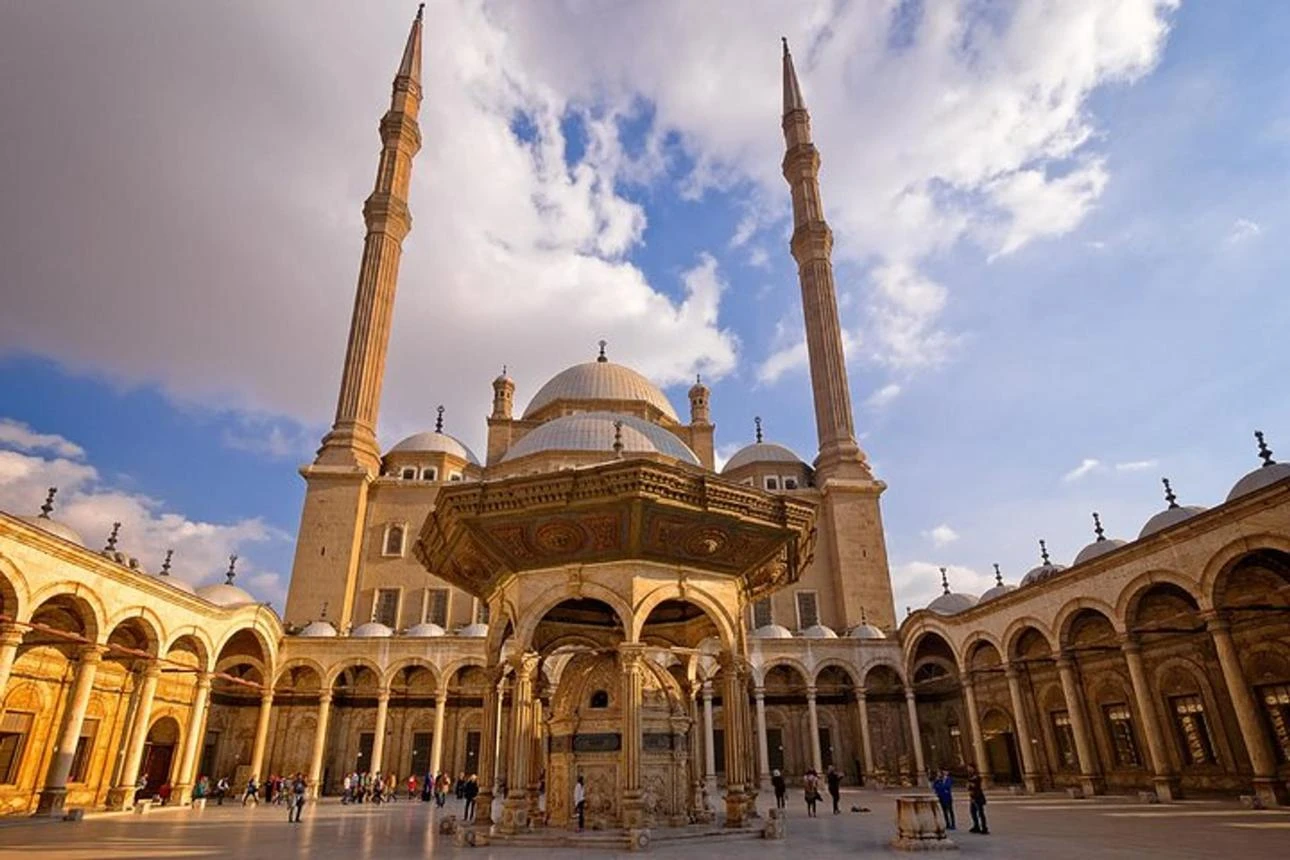
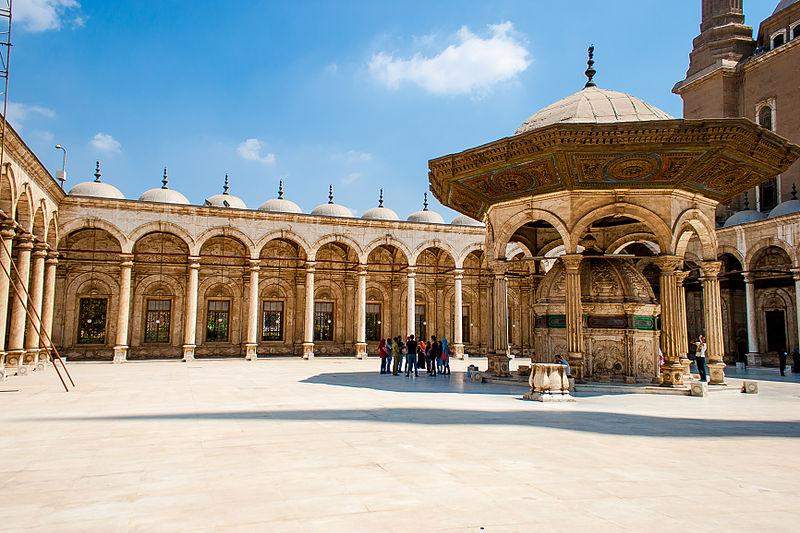
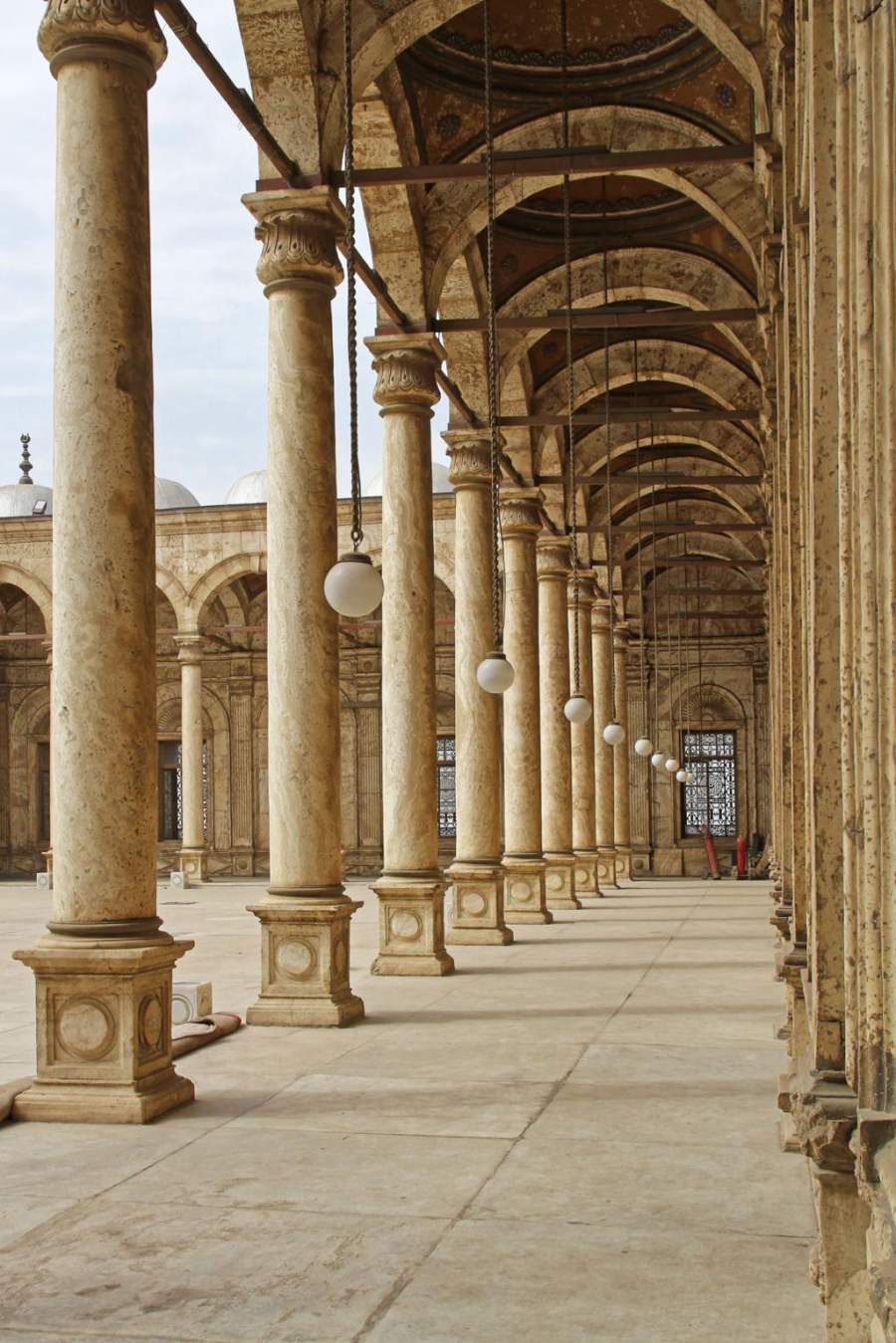
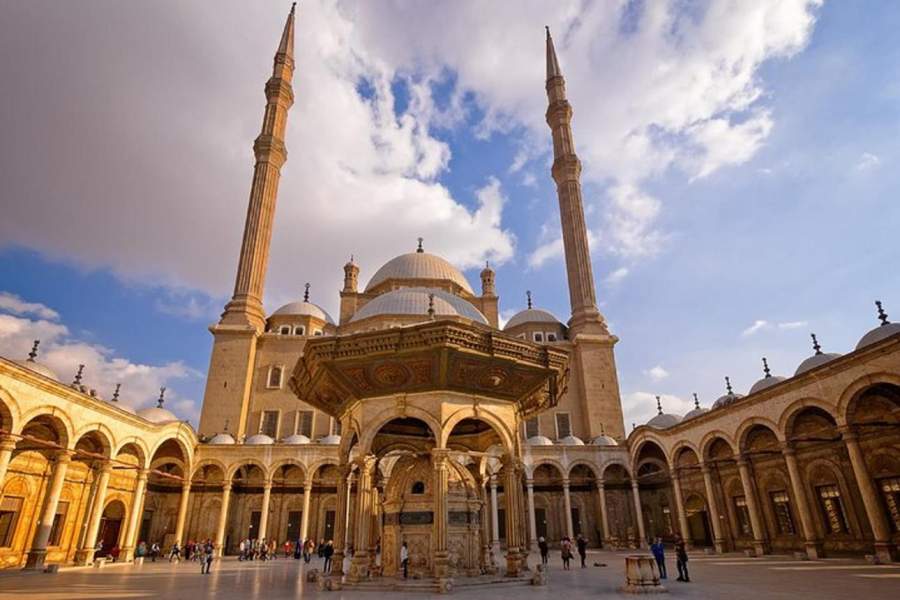
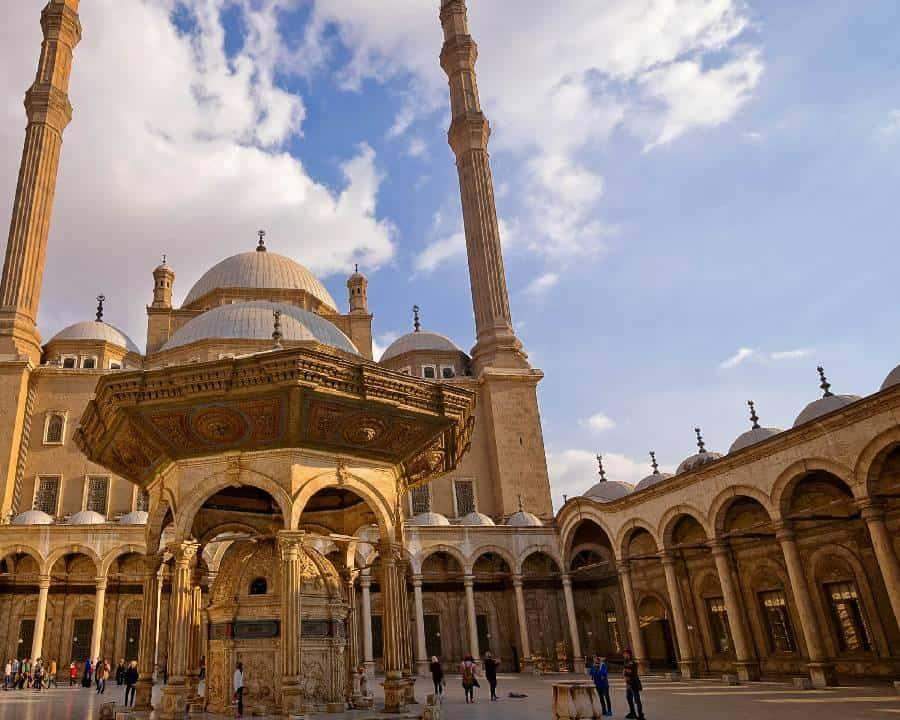
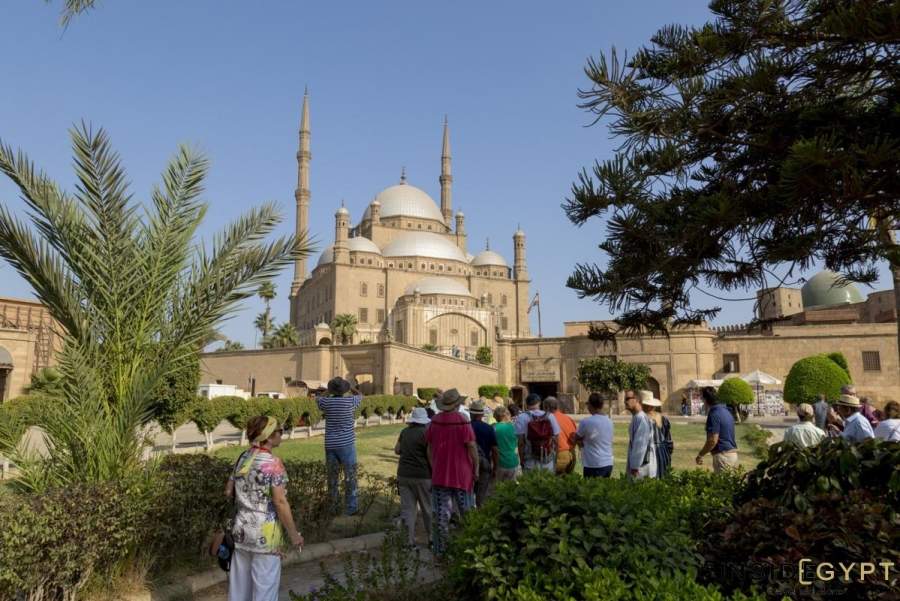
The mosque includes a large open courtyard positioned in front of the prayer hall.
https://images.openai.com/static-rsc-4/avlXlitGHlZKsMdWEJGzNVvDdf_jIAfEBQk-FxPNYhicwbSn0_X7RrGk5YOKLFuTWc06NN-UNSHxZmEbdz7Kl7Vr-qgLhG1LL_4hvxaPogwuYd_Ym3eUsmFK--FYtkkq3olm3U2yRlKYkJpjmITbYY4czeyQsud0Lf5DPVAs0aCq2DxeE4m-akmapNI7DldV?purpose=fullsize
https://images.openai.com/static-rsc-4/q92S7oO2-8NxmPFUcWawfwQOQJNcp5gFERywFslrre0v3r-68ssVl_0fqJHPgWCovOJwbZwvOT_Oi9PgWO7xHszwCOQ072cMZbV10GxiC35P2Xgq6ajM07-V1qTUMtEGa4XVad1MxPidoqEuVBsWW2cXxzvKW5v7iakPfTug1yjQ43G4LQVOS8CzhA3MBfoo?purpose=fullsize
https://images.openai.com/static-rsc-4/-0pgGm-cIbeP5TBvTzR6YDTHr2DW0Q7ZSJqseq42kPt8xw1lv6I8wDCFH1ubh0CQLQJ8cyZ-ptiDpANQTZReOBsdQt1cxzhhMALOH0IoSYpuTsmWGEXx7T4IMuO6D-h-0MDBShIcukJjndqDw83uyViHA1lhQr66dPsSMExpd-jOoBpfWhxMDmj-v966PSQb?purpose=fullsize

The courtyard provides a transition between the exterior and the monumental prayer hall.

It also allows visitors to appreciate the mosque’s architecture from another perspective before entering the main building.

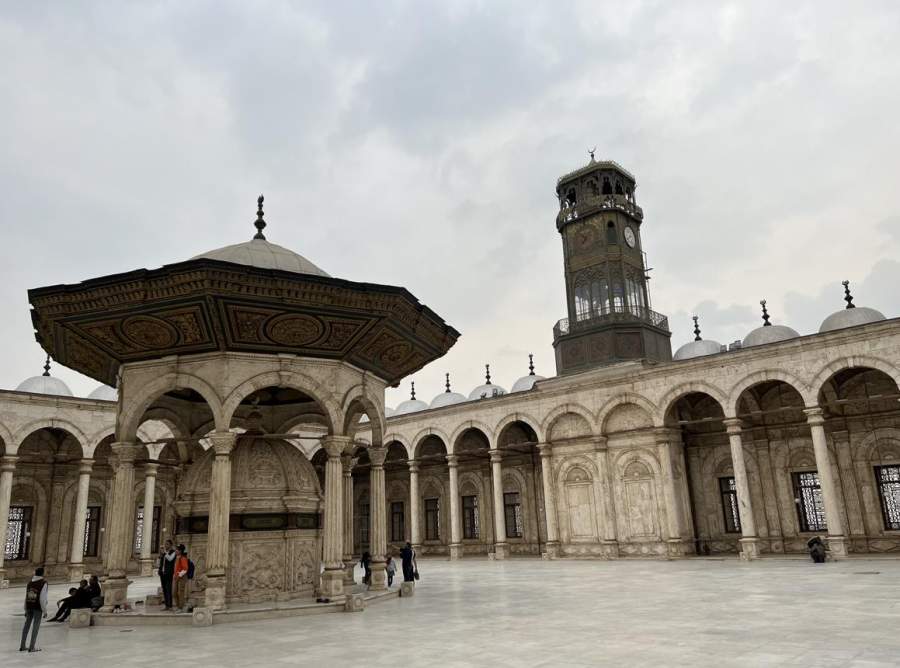
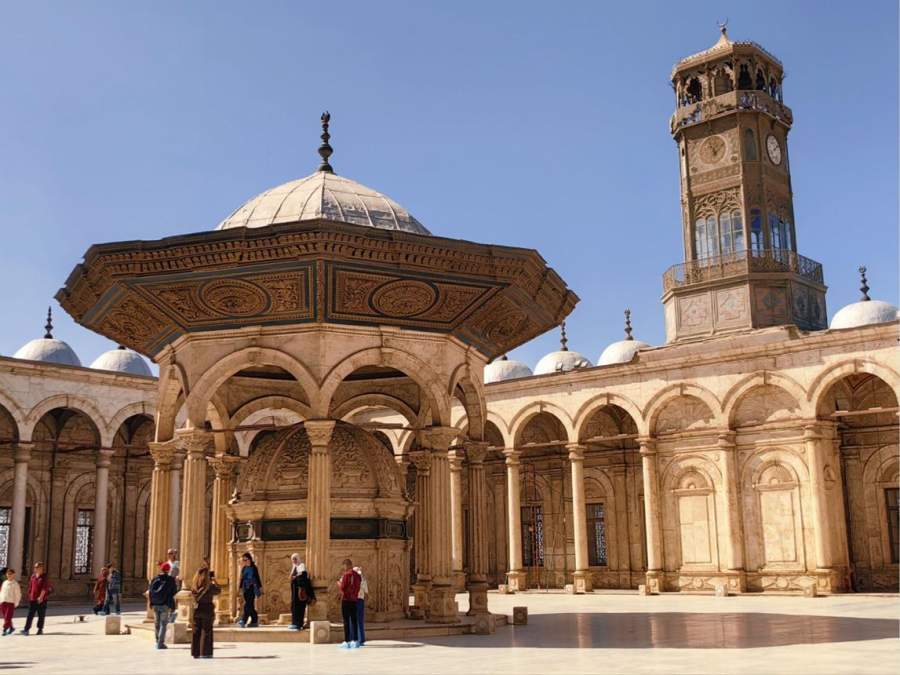
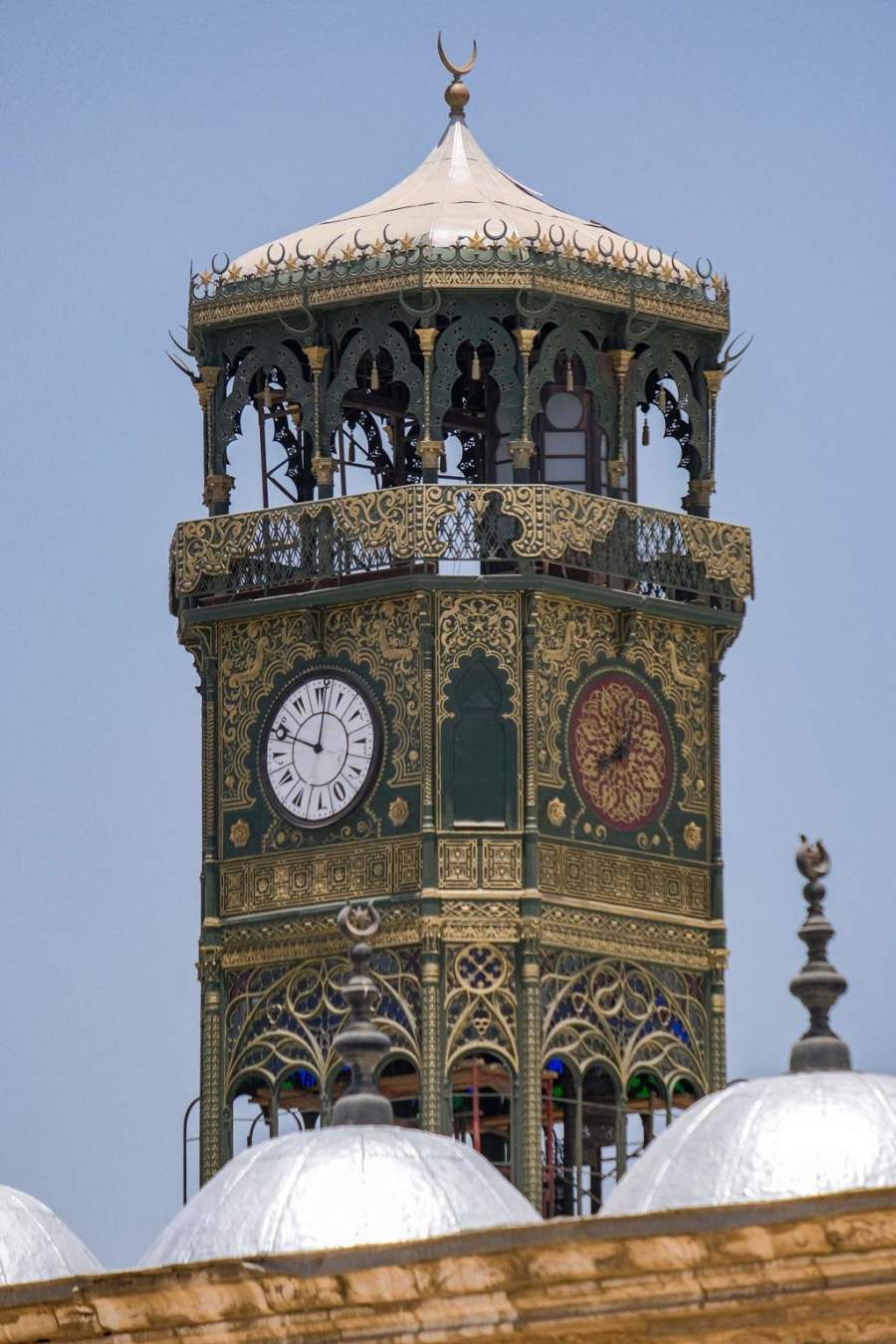
One of the courtyard’s most distinctive features is the copper clock tower.

The Famous Copper Clock

Inside the mosque’s outer courtyard stands a copper clock tower.

The clock was presented to Muhammad Ali Pasha by Louis Philippe, King of France, in 1845.
https://images.openai.com/static-rsc-4/Dt2F-_6ReiBaBR4IdjpDyL3zgsM9DVpt8j-hHj5Xv5hAGkPv_7EtoB6-soxktXxekEpZyTeQle69aKwU1LtKZ0Gvw1hh18J9VJeQayjP7tUo1kSLPYrdiDU2DNLPuwb77nsTBULr6BZg7fHrfhnyA-0TJKNb7_S9DyyIaBWmv3eKs8vTkc-_L32kwl2k3W13?purpose=fullsize
https://images.openai.com/static-rsc-4/y1I8pmdu4kJAkYvqiaeri57WGrQJ-KW6n8t-mobc8SvxaLhLg3jnS-hB_KUf6jIQYXPC-luPbzUbte0wMwf2THy9aeuEGGgrtKyTmfy6PunAl45laG3E2_dYd08vV58a-sA5o1HifI1o14CnhMA7o4jQ9sjgcDYMc1npf883XUD2elB9c6b3hBleXA7Ffk2r?purpose=fullsize
https://images.openai.com/static-rsc-4/eYirLeWzT6_memty-ufi9qYn-DEfKynWxeWXkOUa-HCOVZ0-gv_o-BDYisJV1ejk049DEUlOx8bhK_ookjbMyJBaosszGq6cSJVYslM5-xEpgpFXwOSTaNL2c1cdriwQX1rqnZcGYLApa4JyUO6candQZ1p2utscGl1dDE3vttDvtNLdB0ypmRyMQ9G_-Iq0?purpose=fullsize

The story behind the clock is particularly interesting because Muhammad Ali responded to the French gift with an ancient Egyptian monument.

He gave France an obelisk of Ramesses II that had stood in front of Luxor Temple.

That obelisk was later installed at Place de la Concorde in Paris, where it still stands today.

The exchange connects the 19th-century history of Cairo with one of the most famous ancient Egyptian monuments now located outside Egypt.

The Two Minbars

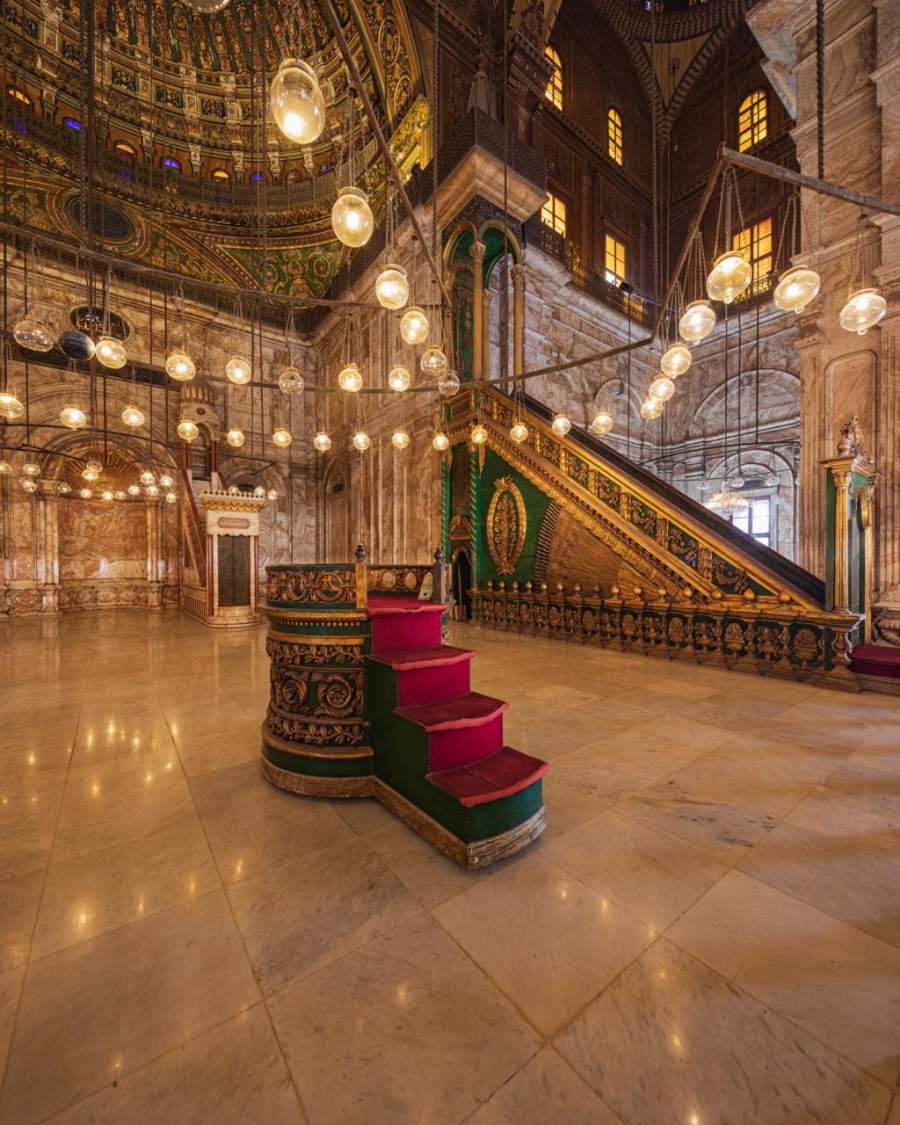
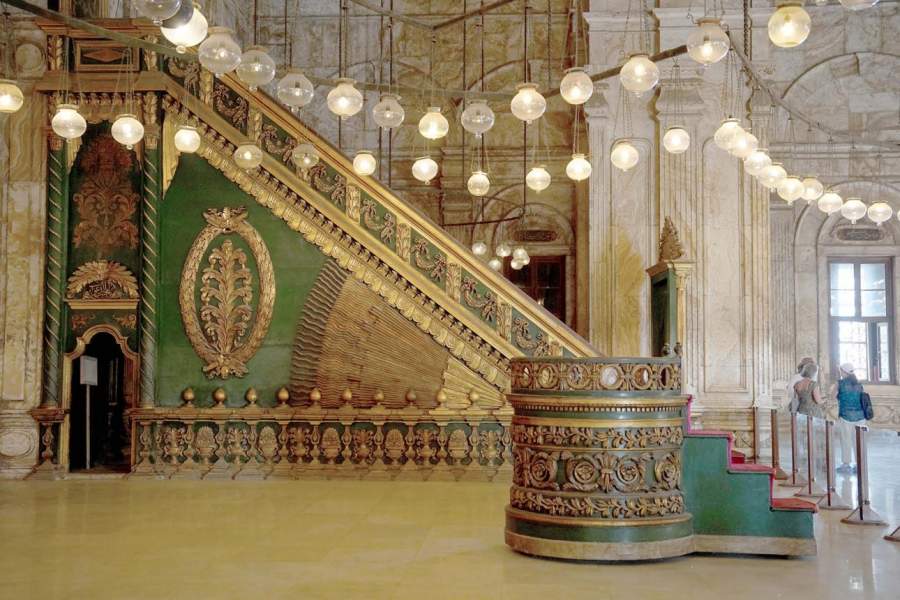
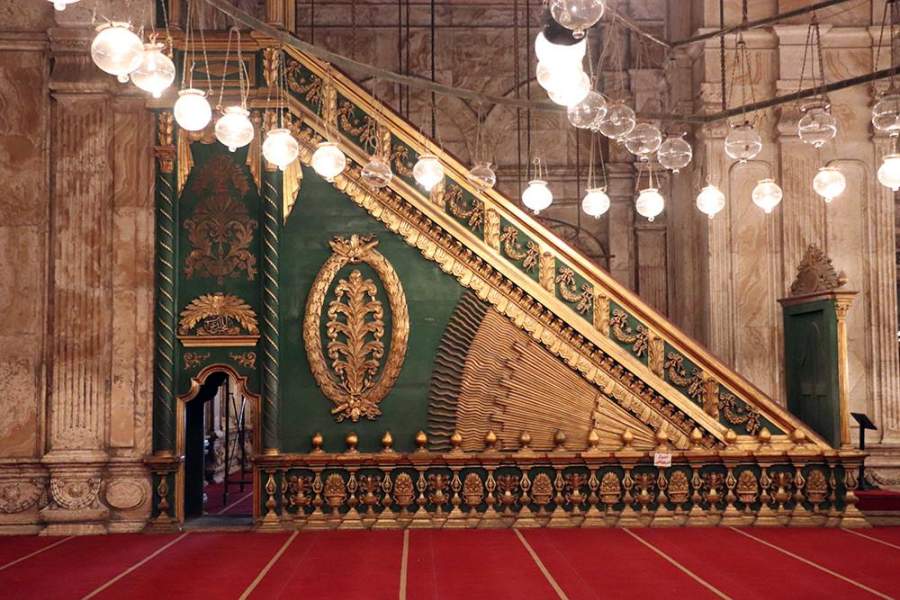
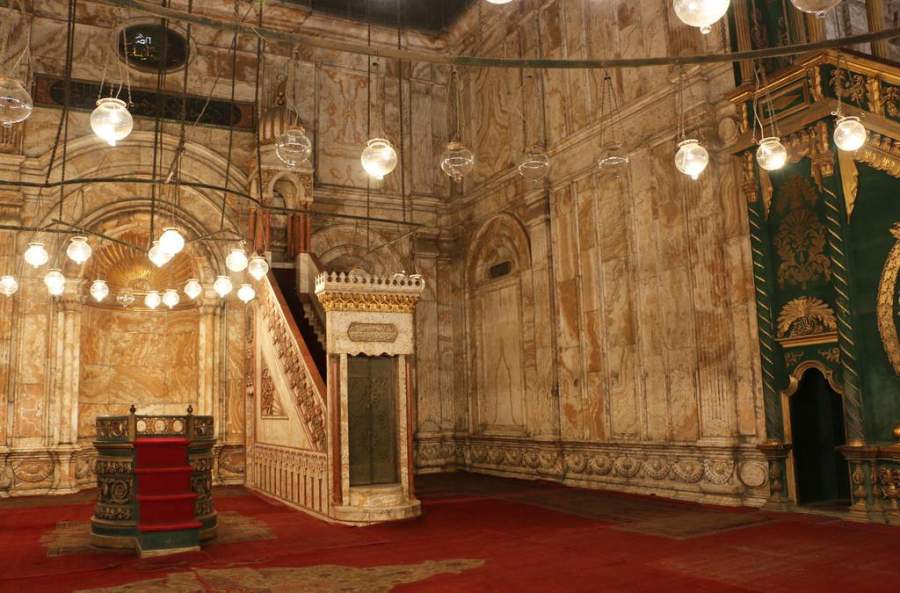
Inside the mosque are two minbars, or pulpits.

The original minbar is made of wood and decorated in green and gold.
https://images.openai.com/static-rsc-4/tLWqd75sggyRXUhReCQNnmHlhJrgITc9B3r5T0EoBDHLO-khWa34Z35BIX2CHGgpN-7Ce9GgAzSGzhw5dg78MtKLzPLGG4-4FsGkaa6bGNjz9i1HKGqRjIH93kxdDPOBnZ1FwN6GGI1PrAW97S5GgZu6efP51iGMlyqgGncQr94EfXMga_dhIdvVGhDTHoCA?purpose=fullsize
https://images.openai.com/static-rsc-4/ohteiL9qaoue9ye-aQf-Km0hqpQKB4nYa31kfMcpoSbVsDJQ4cjTSYCEob3AhgPkMB4kgueU0zhYJk57UYH8rARH9sMlxBZVDVmnAzu2Ku1QRetYumABIjEu9cDm7_cXBCV__qefsFs5P1Uq-IRk6smBwyec5KTK63LtxZaWE1S5_R5VcGwO5C9re6divsZ2?purpose=fullsize
https://images.openai.com/static-rsc-4/i47k8EIuI7Y_smEF6utfibIw-SpqG-vv9lS1Caj8ME8IOOUkoe3fJTCv9hkO8FBKG3Qny8CX33E-x0jnfBDGI7qvFsx2sq_5A1AmIDSFctfhHRsGzJ52o0u0lwXDfz0m0p70zNipKU_Xu-MwkXCn6V1fE8i0_9xV6BjBPyiaUI0jkv5BTx6Vwx0IcfxBW9QO?purpose=fullsize

A second minbar made of marble was added later.

The presence of two minbars provides another example of how the mosque's interior combines different decorative materials and periods.

The Interior Decoration

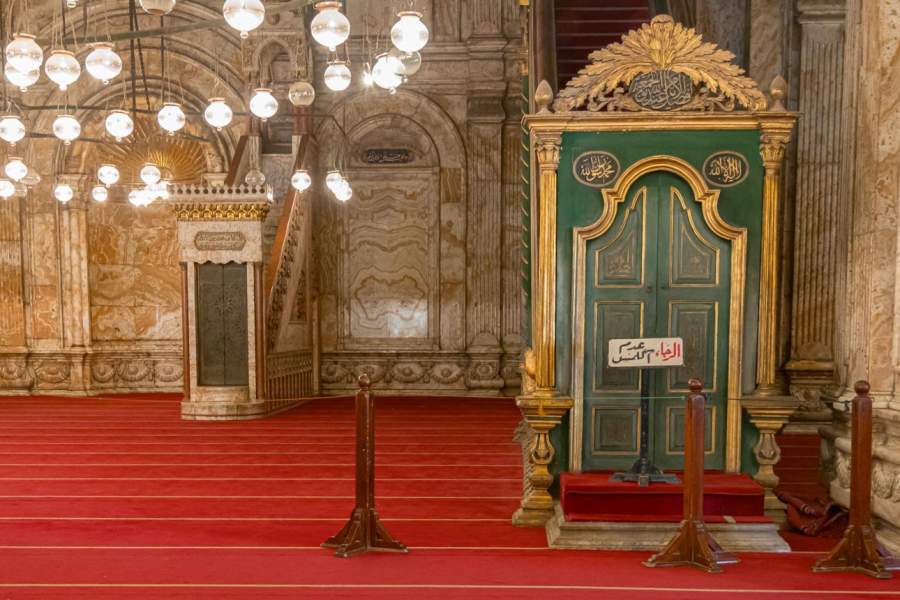
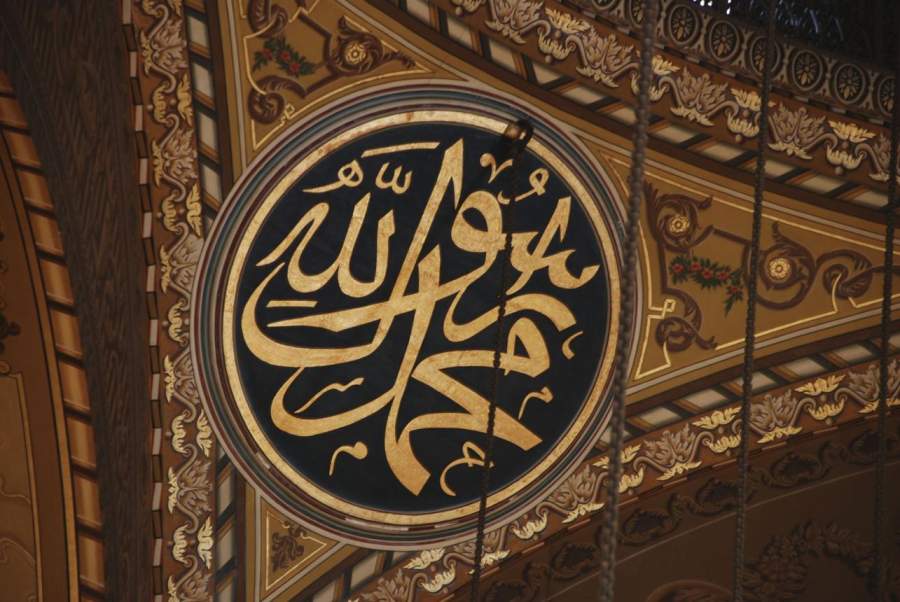
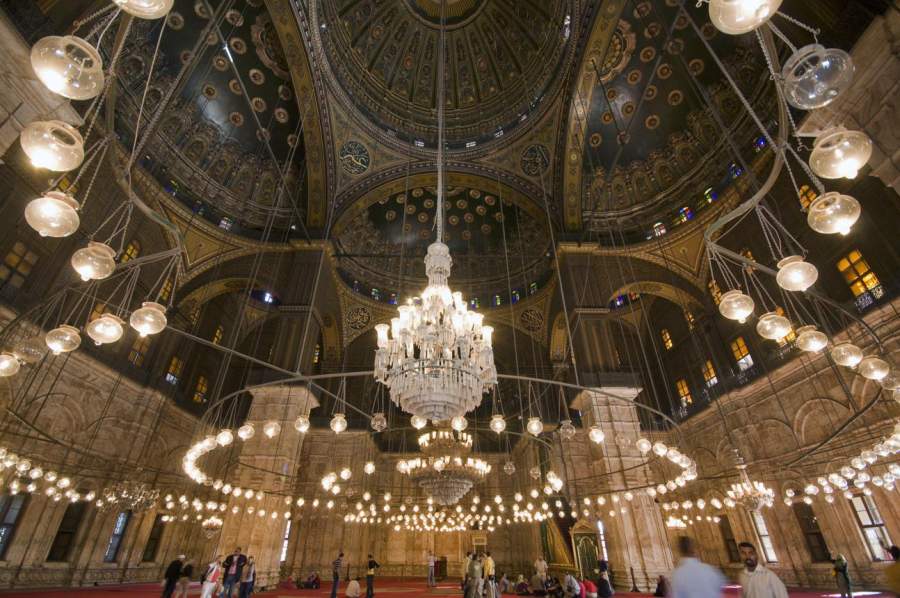
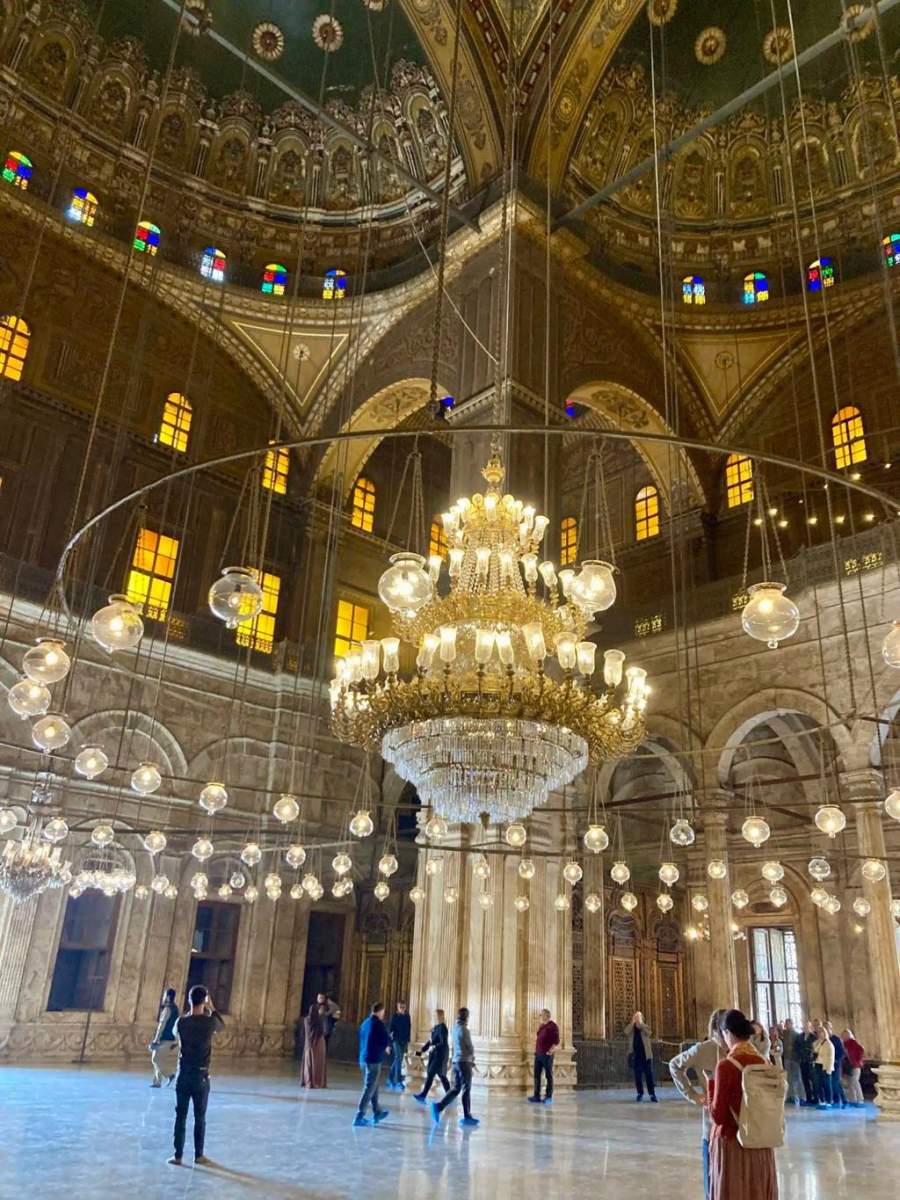
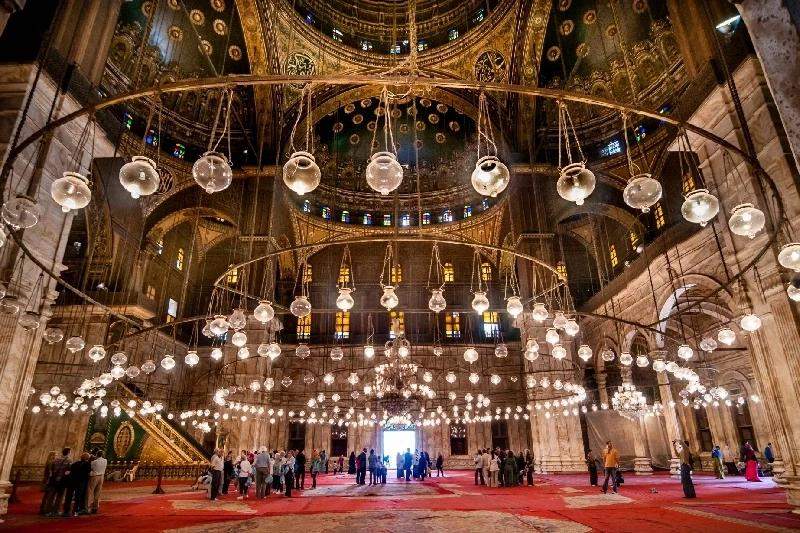
The interior of the mosque is filled with decorative details.

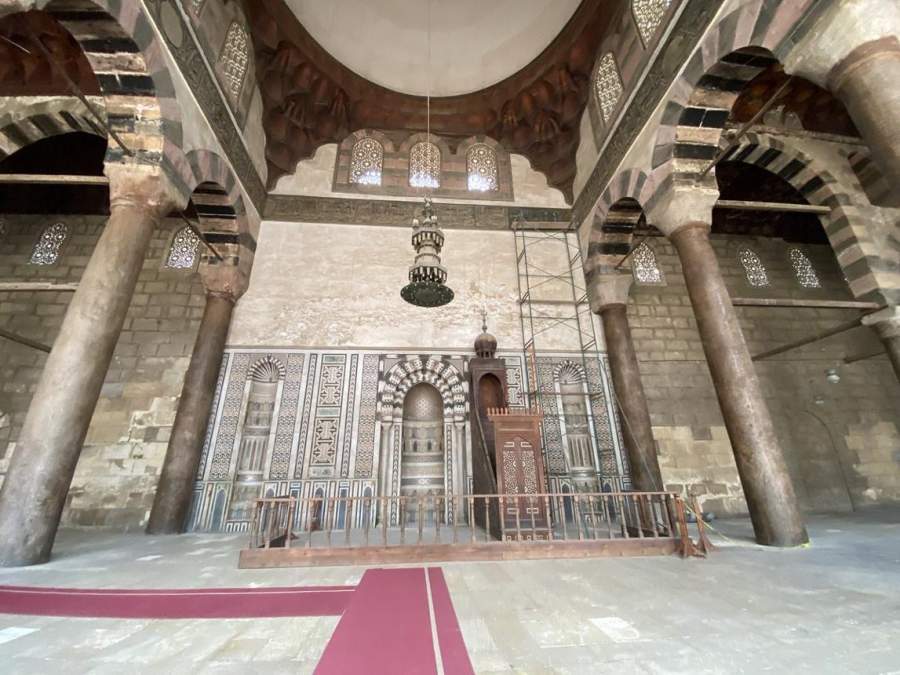
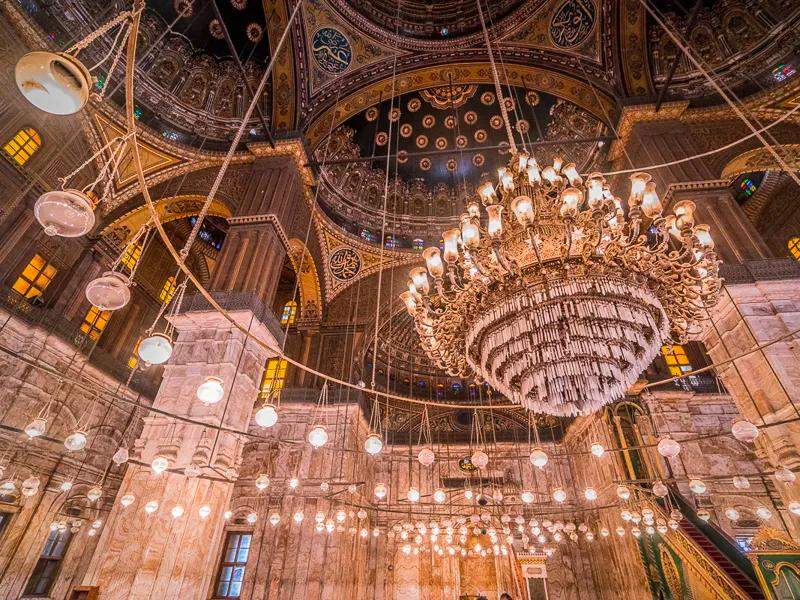
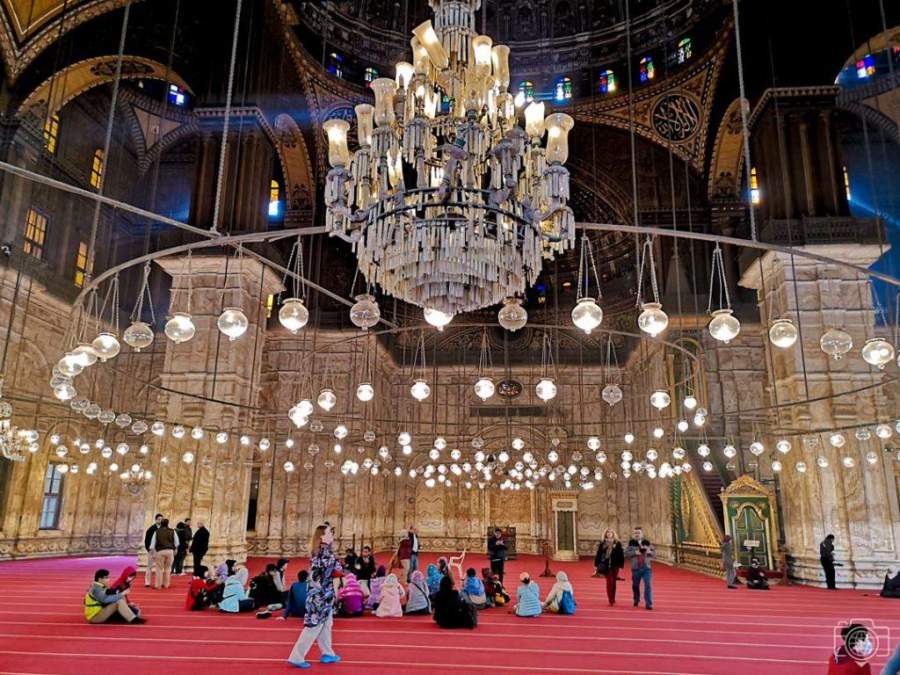
Large chandeliers, ornate calligraphy, marble surfaces, geometric patterns, and richly decorated architectural elements contribute to the building’s impressive atmosphere.
https://images.openai.com/static-rsc-4/Z3zcXlAt0Z-iTNJ0u6Jm0OJUvsV9AHnslE0sAdP0Uqn7W-zHSU8Fm5tWjib68kvuuGHq7hceEk_btioB_pxvIByjt2pe1eF_qhpoaODSEXvkknrwhfJO46mCL-tNpQoi5Na958p7xTWMTOpGoaxLio5NABiKklAaUn9y95C_KyMt6RlqcU-qBoXf3KI6ur8C?purpose=fullsize
https://images.openai.com/static-rsc-4/vOyn14tCwUQu802Lb4XTapGG_-Cl0G2kX2Y-66MurZPXQ_rKwEvo56SJjHTINr_gsyKhDoHII8xjQZp_gU6P7_sPO7A58VVXu56agy4fISkCbS0Ln_gPiPv-jU1A48485NzejACAemVhLTH3wFtr5rkcbWIfrvpf0M73OduDDNI_67voCzWsoFg8RilCyYX-?purpose=fullsize
https://images.openai.com/static-rsc-4/eyXXotaCk-XNQ-FaHeu11xAQLsbnE5SfqKPrIx1zNlHuhJUeqRpYeANzezCB64v3Q_7St_-TVQlPwnjP5Zd-Ag2dKDnQexV_iTv6W6msiKqt1RtmGkVnFxa2tjf-trIP7pc0AZVh11OH_v9532PS4YVv2yKt1lSi8KrCvay0kw3usNpqvRcyu_v9NmcI9lEs?purpose=fullsize

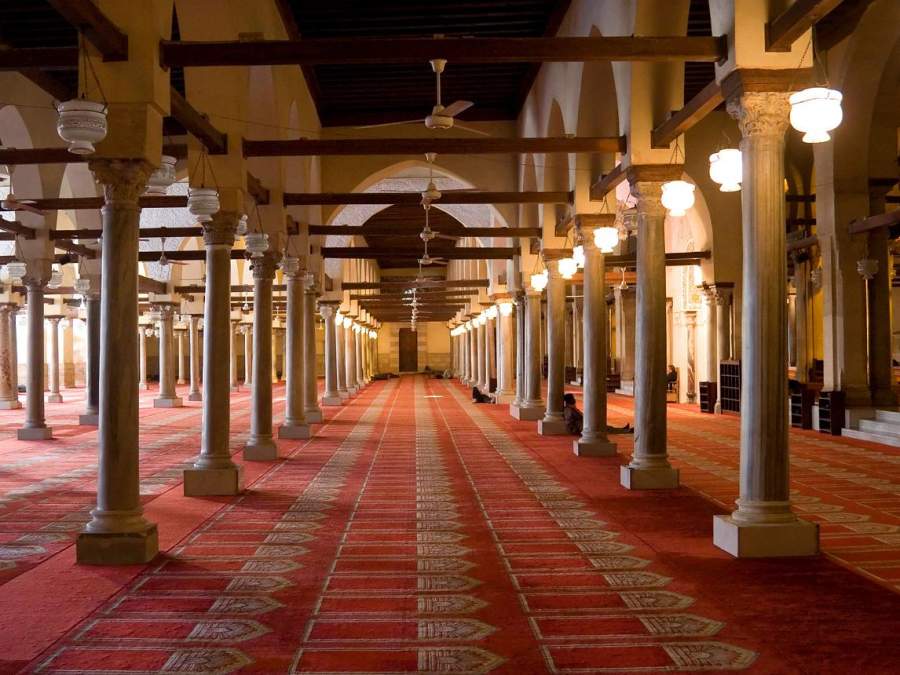
The enormous prayer hall is particularly impressive when viewed from the center, where the symmetry of the domes, arches, columns, and hanging lamps becomes most apparent.

The architecture was designed to create both visual grandeur and a powerful spiritual atmosphere.

The Tomb of Muhammad Ali Pasha

Muhammad Ali Pasha is buried inside the mosque.

His tomb is located in the southwestern corner of the mosque, to the right as visitors enter, and is made of white marble.
https://images.openai.com/static-rsc-4/bVxBGk8j1Q6x1nAAl9KvDRQZt5gqRBEI9eYsk9yvtz996MfUw1qCf-ryUwUteiz-kvYWLsfMqGov3ayxoGSrNYVwqReCZwvJA9xVOT7pwG8DE6iqRGcum-fCw8ksNvBudce4LSQXtWd4Y-gTLF_Rhd9xwapAb7wqvuu63u9L1bNy6Q2GxRSGtKtjx2lLCrFZ?purpose=fullsize
https://images.openai.com/static-rsc-4/X043Q0OF8g6E1752KgSAgn5Gbg1jqB86JoUYaVCgel1RyRXV89aZ3xCRmHjD4tpVSt29i2X5h6af65F2a5gLthHOcVxxr5-IUZHtfXqjdyHHSnNUNJhvMGAEa-GTILywft1uFoh6Pdd__ORhxJ_VZ5Kp4YQ3mCezwmWRH3BdTv7T-DYD1cYHyGJ55kutgBzG?purpose=fullsize
https://images.openai.com/static-rsc-4/T__p71rePLUW2wYs0O9ZERzPsjR0NwRBYo0lofZUqD93EWB1jnH32n2TyuYbCCLI5p8Ze3yLnrXbx48AbdZexCBNpAeglehm85uf9WFns2cAmKBvYQelnt_rK5a592QaRX3PLNnQyV5Ec01JX3TW2ST8yC7bPDaZyuu1dzhkCt_HT_ygEOmwBta5jDzVXC5H?purpose=fullsize

Muhammad Ali died in 1849 and, according to the Ministry of Tourism and Antiquities, was buried in the mosque according to his wishes.

The tomb adds an important historical dimension to the monument.

The mosque is not simply a place of worship or an architectural landmark—it is also the final resting place of the ruler whose dynasty transformed Egypt during the 19th century.

Muhammad Ali and the Transformation of Modern Egypt

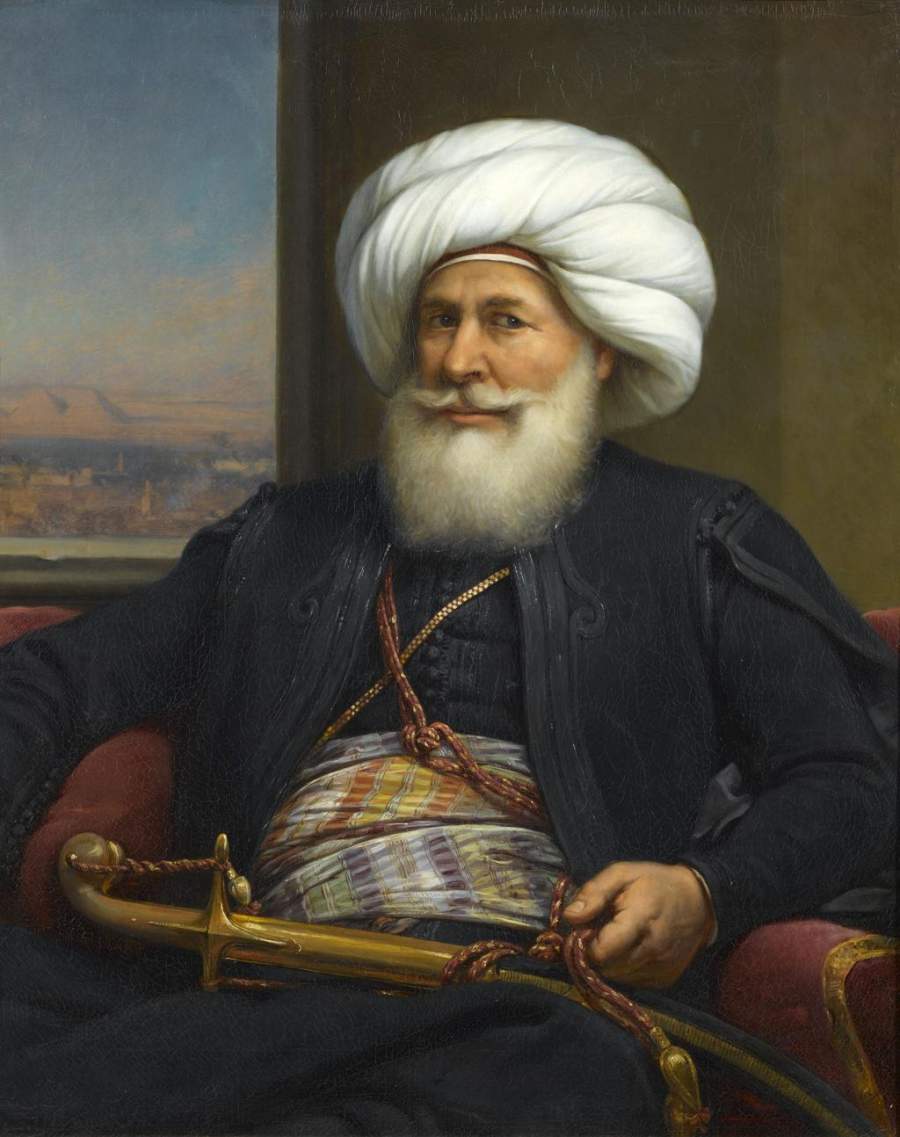
The mosque cannot be separated from the history of its founder.

Muhammad Ali Pasha established a dynasty that ruled Egypt for more than 150 years, from 1805 to 1953. The Ministry of Tourism and Antiquities describes his period and the later Muhammad Ali Dynasty as an era of developments in education, agriculture, industry, science, art, culture, and military organization.
https://images.openai.com/static-rsc-4/bQYxUjMaevPD6Nwh7YSrwHhWtZhMxaHgX1yqAxhru3zNuOtfHecni-JXgs1u9OuqTHgENn2uA8EyaCie0ZgUAAkl1SxZ__5oE2d7jI_PcoCch3uYBd1AMitZngFuIrCnk7ZYsOInMSUVpeCzEQmmu6rnjpOTKuF5utthFuwwCLGthRbCidNV6peSdLmsUbN4?purpose=fullsize
https://images.openai.com/static-rsc-4/Xjf0ZQgzowP0qu_ZurO52xCvzwK0iES3Dc6zYNp96afOKysDZUQTh85m0hlzqBR5xClKZR__I7au7VY_dU02temVI3I506RBOek_dwSvniip6IdOZDqykto0AFpkJ1FARQU9yUxYN5Kr4HBxQkSkXi68sVnyEFDxyNqZMNcbsQht5fqraLd_CjfL7rv5AXTe?purpose=fullsize
https://images.openai.com/static-rsc-4/eYirLeWzT6_memty-ufi9qYn-DEfKynWxeWXkOUa-HCOVZ0-gv_o-BDYisJV1ejk049DEUlOx8bhK_ookjbMyJBaosszGq6cSJVYslM5-xEpgpFXwOSTaNL2c1cdriwQX1rqnZcGYLApa4JyUO6candQZ1p2utscGl1dDE3vttDvtNLdB0ypmRyMQ9G_-Iq0?purpose=fullsize

The mosque was therefore built during a period of major transformation.

Its monumental scale and Ottoman-inspired design reflected the ambitions of the new ruling house and became one of the most recognizable architectural symbols of 19th-century Cairo.

The View Over Cairo

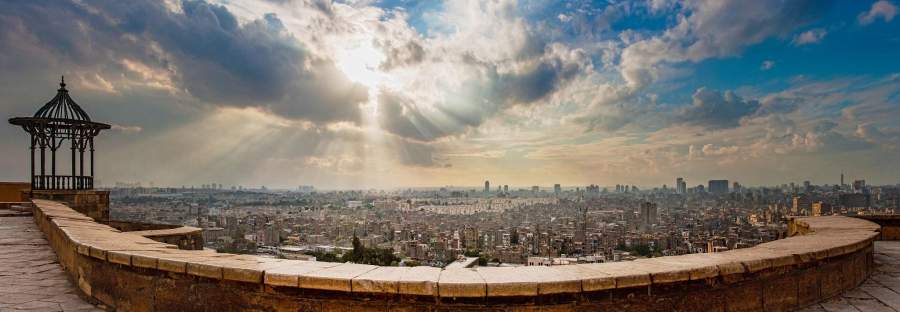
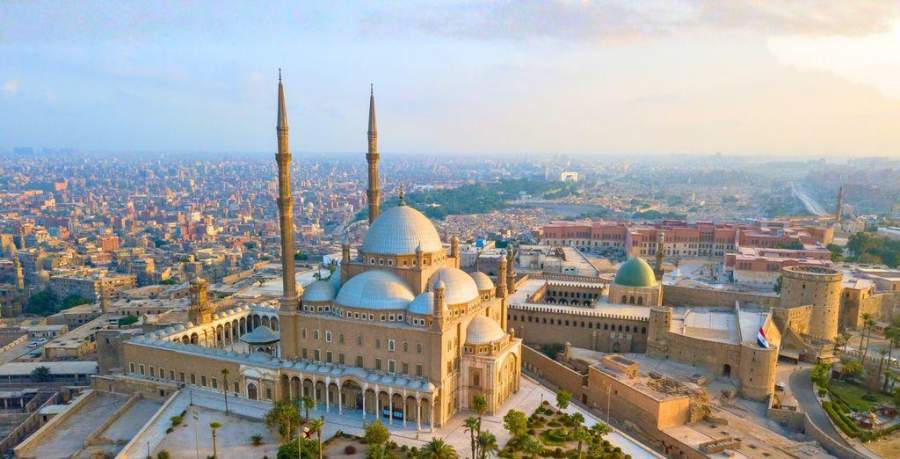
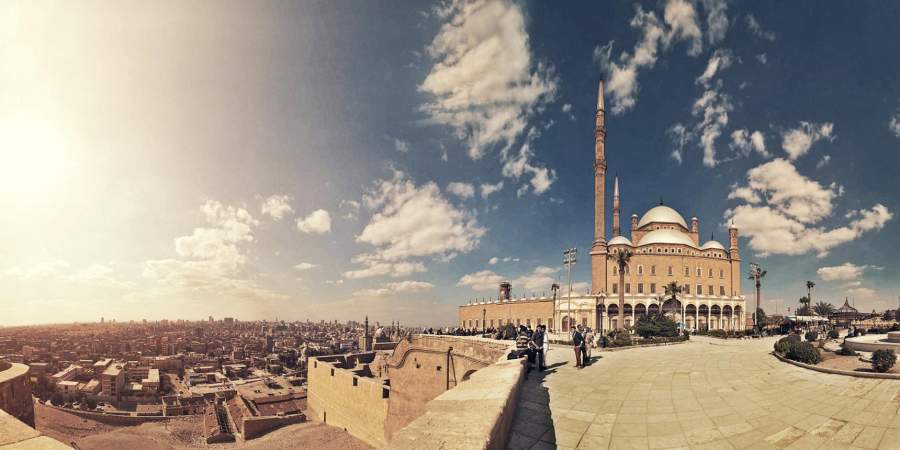
One of the biggest reasons travelers visit the Mosque of Muhammad Ali is the panoramic view from the Citadel.

Because the mosque stands high above the city, visitors can look across large sections of Cairo from the Citadel complex.
https://images.openai.com/static-rsc-4/NL_3Vy7AU1NMD32bmrssJOaGrP1J5IDD85DE115koGZZW_21NBZGmkPfClImufDswXqF9L8j-NKDKZrSd2v8WWrQ3ava48MJt3xlopDqx1XKve4132-kBA91c-WdRQYc7Agv1ziepeOGMso6kywKmZljXaz-JZEZ3F771Oj5lSBgqFdyo5r16Y0Wu9JmDT4S?purpose=fullsize
https://images.openai.com/static-rsc-4/vTOfvL9HqYPvh0QsyzBquvh8PW-hSMznIXDaI5qaF66dzS7N1BfgSt2aIROEApkEucfaNlTNJJq1fuhEd6JMDs63ObuPOPYB3qboVo_PTp0IItsH4iR4DDbqWl1jScaQFVlynnLpC7PwWlSfUwuQ3fk4c8eEkA4X7FQ5Aoa3CELjBGQ6i8sU62LB27KBqNzI?purpose=fullsize
https://images.openai.com/static-rsc-4/CRQC9Cm17N7v03qr3OSa5jf-MEehpPnTavY-Q7nPCM3BhcwAZpim3aAlDzBhOwhFY65Sxhtd2nP_TBANSSCcfTFTaWUYPROSjBLDPT1xej5kBOr6GrysCfwaE72K8_Jw2vFYBmXc-nQkqUPllYXkB-hVG7el9BpfIz0K_tjztiIKyy-ll9Yw0Exq5j-6PWnP?purpose=fullsize

On a clear day, the elevated position provides an excellent opportunity to appreciate the enormous scale of modern Cairo.

The view also helps visitors understand why the Citadel was such an important strategic location for centuries.

The Citadel of Salah al-Din

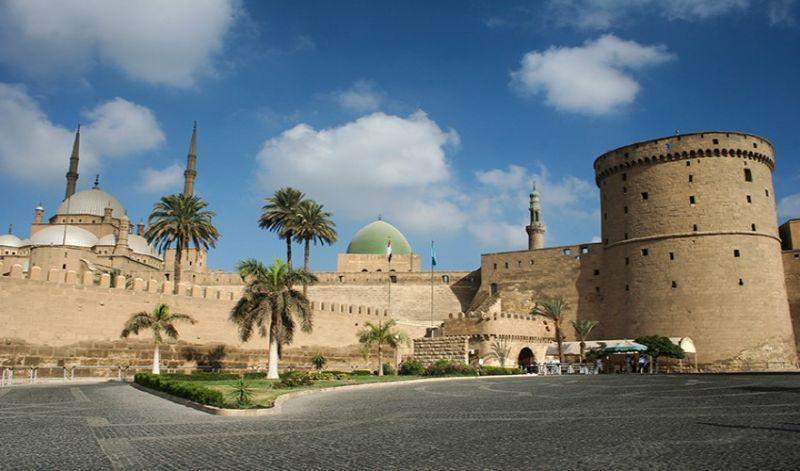
The Mosque of Muhammad Ali is only one part of the larger Citadel of Salah al-Din al-Ayyubi.
https://images.openai.com/static-rsc-4/Y4h0n8SBHTd6fBh3yYn7jCG1Ww8yrzPzk8I1kg5BHANbntnv4sycjS54QrPm4DdJ59uU3CYFyIVUBuasCdjtCWQ1X6BYxvRlT3bXokuu2Ek19D4uu1fjxINOYKn5fL-0bM3UVjkpzM47LWfNLQKSfXk1HnJj28ENAKbQRbcxzApt27nSKHSU7p5VPzW14Noa?purpose=fullsize
https://images.openai.com/static-rsc-4/UqDC9n1BJZRyHuBb20W1r5_0L-wxhzEeVsvn8Rh3_N5QBje-sD3HQzdxac8t01OnMRzengR8d-jTGiwES9lIWCdxhNrB-b8SD35-c6JWdOetb7DkNeHbp8fb8GKvOc_xzoSbyFR7R3_2ggC67f2r2jsYArLw_L5DVidMLVGs7_ITocNIHjzVLCMkuTZEoJrU?purpose=fullsize
https://images.openai.com/static-rsc-4/Vd9v0BXtR4vSmGNsxj2CHuVgIv85cuiMnCqgp4fVZKfW0XMp_lhAL3u_lwZAK5WkdupeH1Axhx94cwZvHKPJ5cCeE5s-yicmXkIj05QbG2_PGf0VBJ7L9NVJ3-ODYYk69ITAYv52js6uKgz6kMzrUrJwHELAX5iXOo3gyIZQx6VjVByi1q4gmC8UpJ6RLVda?purpose=fullsize

The Citadel contains several important monuments, including:

  • Mosque of Muhammad Ali
  • Mosque of Sultan al-Nasir Muhammad
  • Sulayman Pasha Mosque
  • Military Museum
  • Al-Jawhara Palace Museum
  • Police Museum

The Ministry of Tourism and Antiquities describes the Citadel as one of Cairo’s most important historic sites and lists these monuments among the places visitors can explore within the complex.

Mosque of Sultan al-Nasir Muhammad

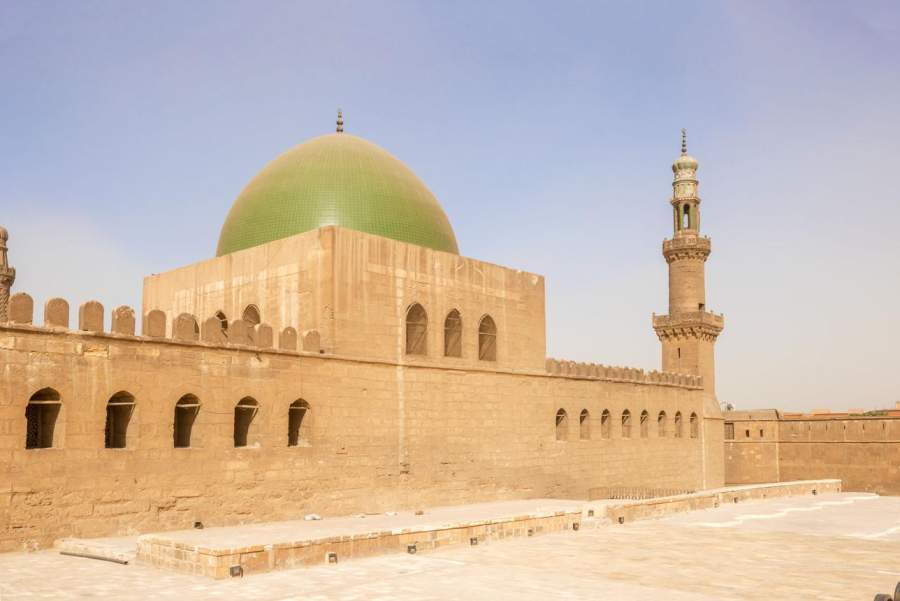
Close to the Mosque of Muhammad Ali is the mosque built by Sultan al-Nasir Muhammad ibn Qalawun, representing a much earlier period of Cairo’s Islamic architecture.
https://images.openai.com/static-rsc-4/z6YmcBXer46R6Qs-oXue04MbuLR2ZCwsl8GJSxpS8wdCknkEjGp_-LxAQt-7vVPJpGkeEf013Hbu0i_GOeXSJSl1YXg4C7LKj6RndJ1-8lUcKZ_7TfW168NbEByFOxsTPmBZ1NOoF58rWxesvvmOCTIalscatsZ-LRvirb-WgEEkxloPYfCQ066D438c4jAt?purpose=fullsize
https://images.openai.com/static-rsc-4/_PS3HSRSUu97Wx0NY9ajqELnJnpBOoC2zerH3b-Ixa7ol56-5C9Bb-WzdJgdJEjXSTZQz0KZ5XwcSZOKG2iinvYyymNJHtoqcWHGXFMfeSO4NyV-72kII1b2TfXmDUgWjsWkAxqaaYtmv_hdDFS3Qh92hdGGXUNN4fY_zdyzq4iI57HXGlDvFa0WgqLJG_Ot?purpose=fullsize
https://images.openai.com/static-rsc-4/MXf546rhK2tVILh0yzfEapkLfxImAVJzRNnu7x_rB9mZvAHq-sdeQTVXxDdha4NDOWRw0-4lE1tr2ULrxGglRNdz2AsTa9ZztO7AW1D67eUljOKJSw-a0t3QfKnyQpS1GgyiUSoTXuBLFkFGcso8ZFThl7TDFH0MlOupV1tIl6-157DK-OKIYYFTCVZXzP32?purpose=fullsize

Visiting both mosques offers an interesting architectural comparison.

The Mosque of Sultan al-Nasir Muhammad reflects the Mamluk period, while the Mosque of Muhammad Ali represents the Ottoman-inspired architecture of 19th-century Egypt.

Together, they demonstrate how Cairo’s architectural identity changed over the centuries.

Best Time to Visit

The Mosque of Muhammad Ali can be visited throughout the year.

For a more comfortable experience, the cooler months are generally ideal for exploring the Citadel and walking between its different monuments.
https://images.openai.com/static-rsc-4/iATXpgEdJXu2eKXAtNRx5JLSbJtXU8rSjRh7poFVOZImwHJYVn63xRCfS3m3jvKmccV0lEIuLI60pDAzvFVESX6b16AXDuXcWBADFsrJY_4plenokgAyccsID-QMmZzOg2_vgSDUOaqvOYec0FWqSbjtAQc-uSI4wGQbGLeKgorr8oPo17mpZdTyhT70I4q-?purpose=fullsize
https://images.openai.com/static-rsc-4/in4eeWYt8uZnZ1mxAGN-v9p65LQQ4QbxXnVu1VPIfthVpZBQ7-oiBCTuIp0B-PJRnHaxlvwHzN4L6lFm1cDdNSORobZovieoLeNvKcosPpt42ZpQoYsCWTToYnip4i_6kL9O78sdlT0tcYPMpxDDLMRbttsYvCW3Ww_iPdUX-Vk710kMFA9FmMSE_f7R7rdi?purpose=fullsize
https://images.openai.com/static-rsc-4/4cKqiIX5Niah12cUR4-6Xbv93MIS-AVXTokaWemR7zio0pVc3_HclOj8WV7I907DGblSDck3HPvY1MNxjhQxsdkc4-dtKd__z0MZaBii6qQ7MkIUL9JY8GZJzPEeLLg97oI_ULJengswsrmHmPkdbcpp_r3SZnvf6dqd0w-WHCO--eHylGdwl5K5o-fFD5FC?purpose=fullsize

Early morning can be especially pleasant for exploring the Citadel before the strongest daytime heat.

Late afternoon can also provide beautiful light for photography, particularly when the mosque’s pale stone surfaces are illuminated by the changing sunlight.

Because the site is an active religious monument, visitors should dress respectfully and follow any instructions regarding access and photography.

Opening Hours and Tickets

According to the current listing from Egypt’s Ministry of Tourism and Antiquities, the Mosque of Muhammad Ali is open daily from 8:00 AM to 4:00 PM. Entry to the mosque is included in the Citadel admission ticket.

The current Citadel listing from the Ministry gives the area’s opening hours as 8:00 AM to 5:00 PM, with separate admission prices for the Citadel complex.

Because opening hours and ticket prices can change, travelers should verify the latest information before visiting.

Photography at the Mosque

The Mosque of Muhammad Ali is one of Cairo’s most photographed Islamic monuments.
https://images.openai.com/static-rsc-4/9faocdCtKEaceW5hpHudcdPz0tUGnQvU5qBE9Vkfxg5sCAgEvOEmJ8yYnx_-EZntZBnhjbiKbXS_iQIwFWXzisJrML28sgNd12J0Nzi6H801laW1lbZIXlAVVeawhArlMfaT1KI-_a1XEm2ZemD3C-J74g_zTPV3_7FUc_7Hiu8kaYBhzJTZ7k0MEJEGGMm8?purpose=fullsize
https://images.openai.com/static-rsc-4/Xn3c0lNL1-vgNVA2QHzZLkFOtfK1wDiU8IccCdj61hJ8Qu1W3akUXijqCHI8p0FmeCRjpOr9iwPr8Q1Zj5DBlg4w7LPzxkmZ5tUmU_FIeffF-uKcU3yG_7RdFVDHIX95r9tPPsSZis_QDBm9OY7tjv65hizdt7DKY8d51tYUP-vq0JLD44GlX8cAslWkQD64?purpose=fullsize
https://images.openai.com/static-rsc-4/VE0bUHI-mh3baP-V0UAwcKEsA9rEtqXiXAT8TIgc9iS3AO6ZnX8oYdRpt9nyiI4xErdM2kV9koYeRe_q9YFWIP0_viJkgtT-mmo9s93mpQ18jVzQacjhWXxDFTTiCsBzgD_vdnBta7_XshRXzhDZdwnDF-B6J22beTmz_Bl97jMkoykwW6UpWSp45-NzM3o1?purpose=fullsize

Some of the best subjects include:

  • The central dome
  • Twin minarets
  • Courtyard
  • Copper clock tower
  • Marble and alabaster walls
  • Chandeliers
  • Islamic decorative details
  • Panoramic Cairo views

For interior photography, visitors should follow any restrictions and avoid disturbing people who are praying.

Why Visit the Mosque of Muhammad Ali?

The Mosque of Muhammad Ali brings together several important aspects of Egyptian history.

Architecture: Its Ottoman-inspired design and enormous central dome make it one of Cairo’s most recognizable monuments.

History: It was commissioned by Muhammad Ali Pasha during a period of major political and social transformation.

Art: Its interior contains elaborate decoration, marble surfaces, calligraphy, chandeliers, and historic architectural details.

Views: Its position inside the Citadel provides panoramic views over Cairo.

Royal Heritage: Muhammad Ali Pasha himself is buried inside the mosque.

Historic Cairo: The mosque forms part of one of the most important historical areas of the Egyptian capital.
https://images.openai.com/static-rsc-4/Xu0XS3EyoAgy7acxxLuqKt8r9vdie9RW8PfdRx53e7TAES_ymF8GPRlqml5qwCuiVt3KSgByZWLUqz4kzwj8rOXtVdJ6zx7LVjQgSCyU0zGWrHqX5vojqyolzbvlQ4eh2-Ju8HUfhNsjAn9Y0d7FmIuoWSlEBgmS5nPy1XPifmW5aG6XloCBiINvZ-uPyQ01?purpose=fullsize
https://images.openai.com/static-rsc-4/9J_UlUsZn5hNSMhawQfu0hrCCV9_1B2WEuDFh3ecTwfxdD2J6zLbA-mKVW_uHEg9gihIuQTdE8ArKO8eyYu-jWU3ZnIk6PZk9JqGBv5MbibmFrkJd3rJgpsFmRRpYmfQsMsheJmn1Y-cE8Dyr7tLW5KM_lOirRifi7fxz-MVSrn1Rq0MDeUHyWGXCafbwhe7?purpose=fullsize
https://images.openai.com/static-rsc-4/bVxBGk8j1Q6x1nAAl9KvDRQZt5gqRBEI9eYsk9yvtz996MfUw1qCf-ryUwUteiz-kvYWLsfMqGov3ayxoGSrNYVwqReCZwvJA9xVOT7pwG8DE6iqRGcum-fCw8ksNvBudce4LSQXtWd4Y-gTLF_Rhd9xwapAb7wqvuu63u9L1bNy6Q2GxRSGtKtjx2lLCrFZ?purpose=fullsize

Final Thoughts

The Mosque of Muhammad Ali is one of Cairo’s most unforgettable landmarks.

Its enormous central dome, elegant minarets, alabaster-covered walls, richly decorated interior, historic pulpit, and spectacular position above the city make it an architectural highlight of Islamic Cairo.

But the mosque is also a historical document.

It tells the story of Muhammad Ali Pasha, the rise of his dynasty, the transformation of Egypt during the 19th century, and the architectural ambitions of a new era.

Standing inside the mosque beneath its enormous dome, visitors can experience the grandeur of the building itself. Stepping outside, the view across Cairo reveals the much older city surrounding it.

From the medieval Citadel beneath your feet to the modern metropolis stretching toward the horizon, the Mosque of Muhammad Ali offers a remarkable journey through centuries of Egyptian history.

It is not simply a mosque overlooking Cairo—it is one of the monuments that helps define Cairo's skyline and its modern historical identity.
Post a comment

Recent Posts
Your Gateway to Discovering Egypt

Your Gateway to Discovering

Magic Egypt  Tours

Magic Egypt Tours

The Ultimate Egypt Travel Guide for First-Time Visitors

The Ultimate Egypt Travel Gu

Egypt Weather Guide: Best Time to Visit Egypt, City by City

Egypt Weather Guide: Best Ti

7-Day Private Egypt Trip Itinerary

7-Day Private Egypt Trip Iti

Tags