

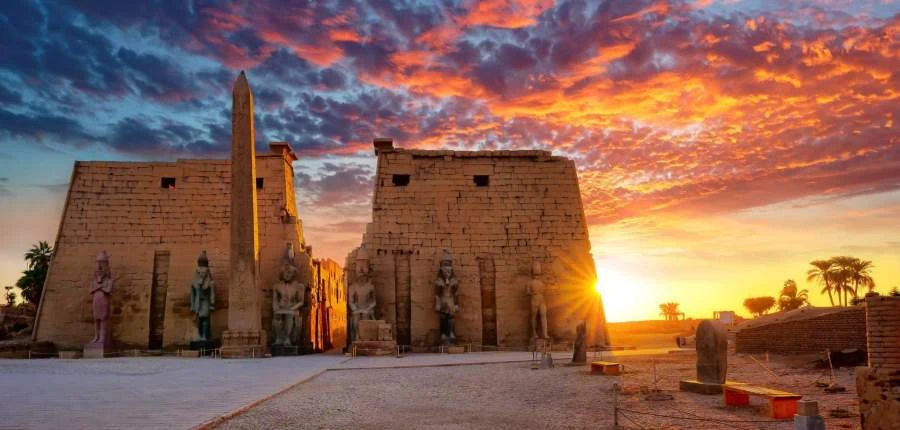
Luxor Temple: A Journey Through the Heart of Ancient Thebes
Standing on the east bank of the Nile, Luxor Temple is one of the most impressive ancient monuments in Egypt. Unlike a traditional temple built entirely around one pharaoh, Luxor Temple was developed and expanded by several rulers over centuries, creating a remarkable mixture of architecture, religious traditions, and royal history.
Known to the ancient Egyptians as Ipet-resyt, meaning the “Southern Sanctuary,” the temple was closely connected with the powerful god Amun and the famous Opet Festival. Today, its enormous statues, towering columns, ancient inscriptions, and location in the heart of modern Luxor make it one of Egypt's essential archaeological attractions.
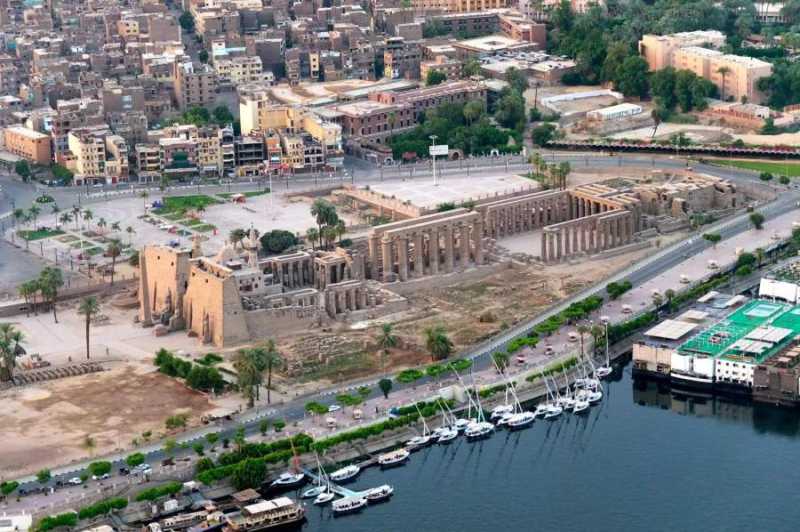
Where Is Luxor Temple?
Luxor Temple is located on the east bank of the Nile in modern Luxor, approximately 3 kilometers south of Karnak Temple.
In ancient times, Luxor was part of the great city of Thebes, one of the most important cities in Egyptian history. Thebes became particularly powerful during the Middle and New Kingdoms and was closely associated with the worship of Amun.
Karnak and Luxor Temple were connected by an ancient processional avenue lined with sphinxes. The avenue formed an important route for religious ceremonies, particularly the Opet Festival.
What Does the Name Luxor Temple Mean?
The ancient Egyptians called the temple Ipet-resyt, meaning “Southern Sanctuary.”
The name reflected its position south of the great Karnak complex.
Interestingly, unlike many Egyptian temples that followed an east-west orientation, Luxor Temple was oriented toward Karnak. This unusual layout was connected to the temple's role in religious processions.
Who Built Luxor Temple?
Luxor Temple was not built by a single pharaoh.
The oldest surviving structure at the site is a shrine associated with Queen Hatshepsut. The central core of the temple was constructed under Amenhotep III, who ruled during the 18th Dynasty. Later rulers, including Tutankhamun, Horemheb, and Ramesses II, added important elements to the complex.
This is one of the reasons Luxor Temple is so fascinating: walking through it means moving through different chapters of ancient Egyptian history.
The Temple of Amenhotep III
Amenhotep III played a major role in shaping the temple as it survives today.
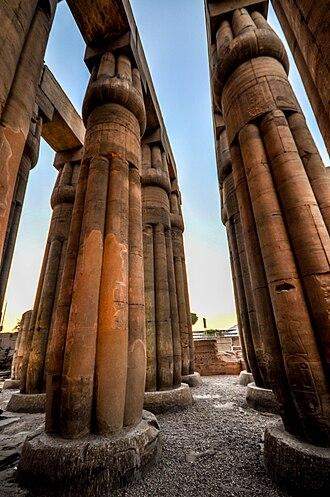
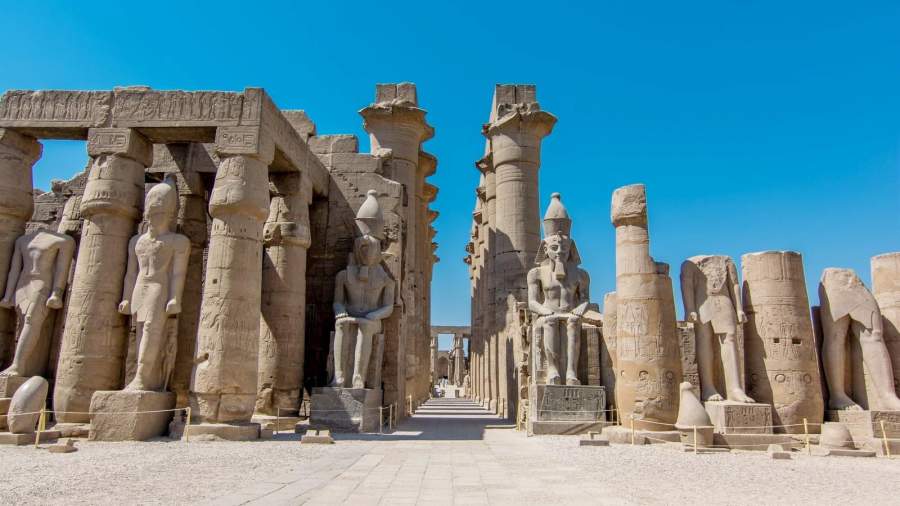
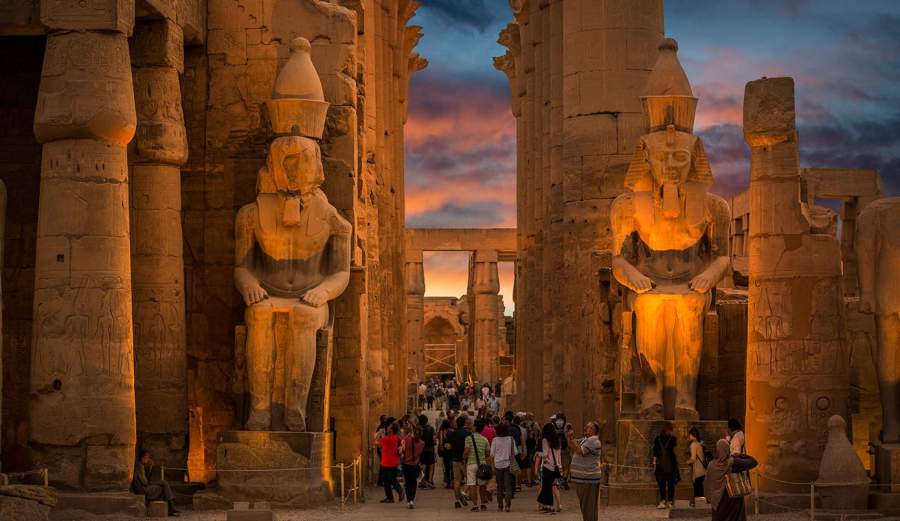
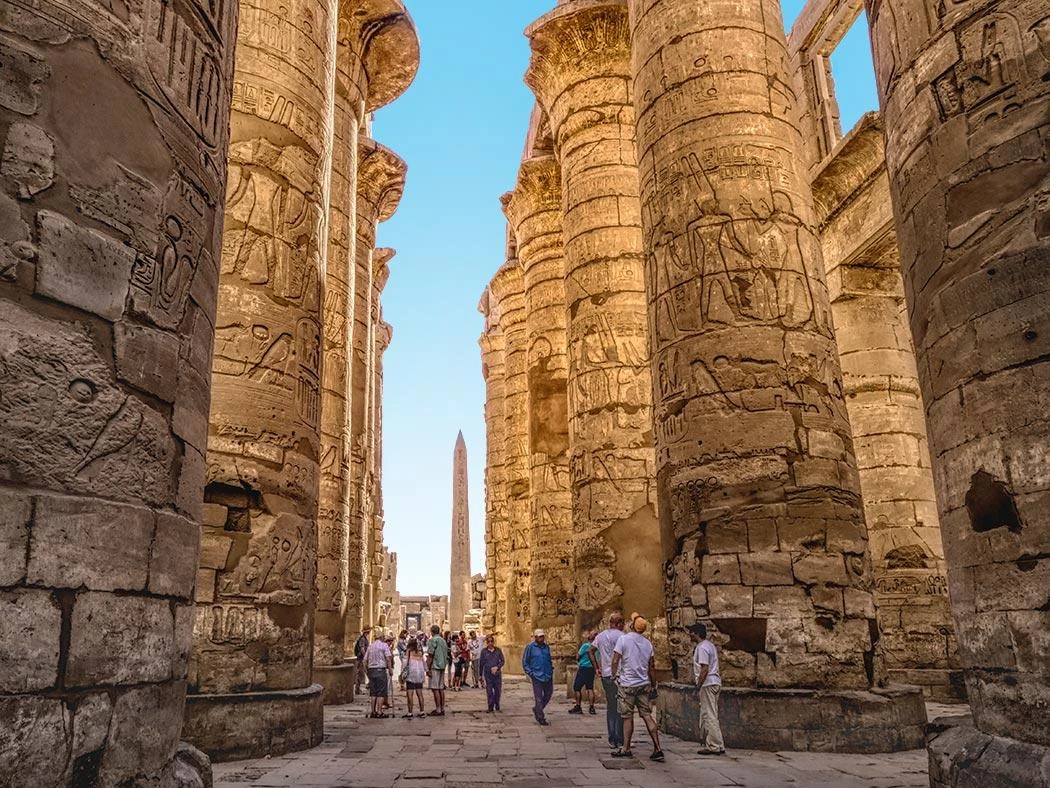
He built the central part of the complex and created the magnificent Great Colonnade, consisting of two rows of seven massive columns.
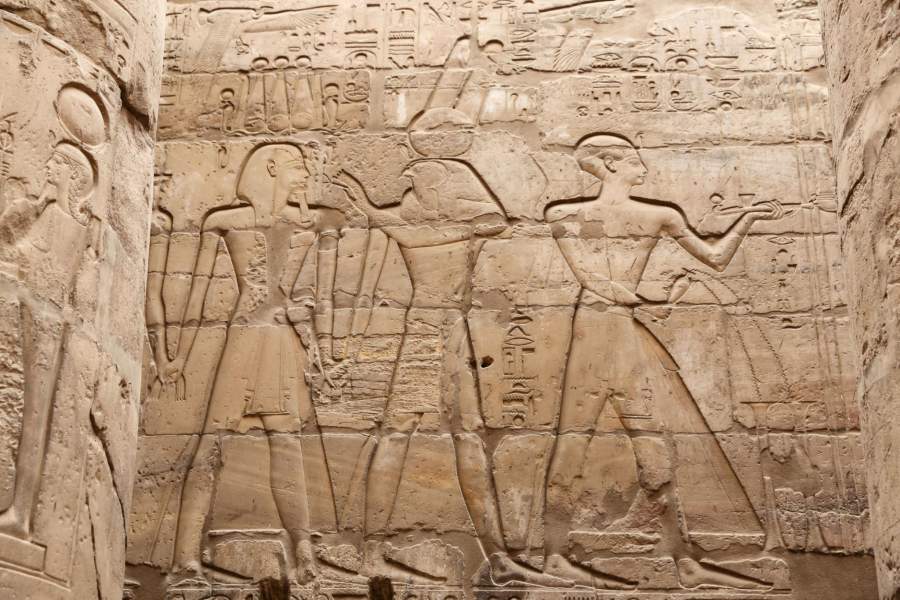
The decoration of the colonnade was completed during the reigns of Tutankhamun and Horemheb, with scenes depicting the Opet Festival.
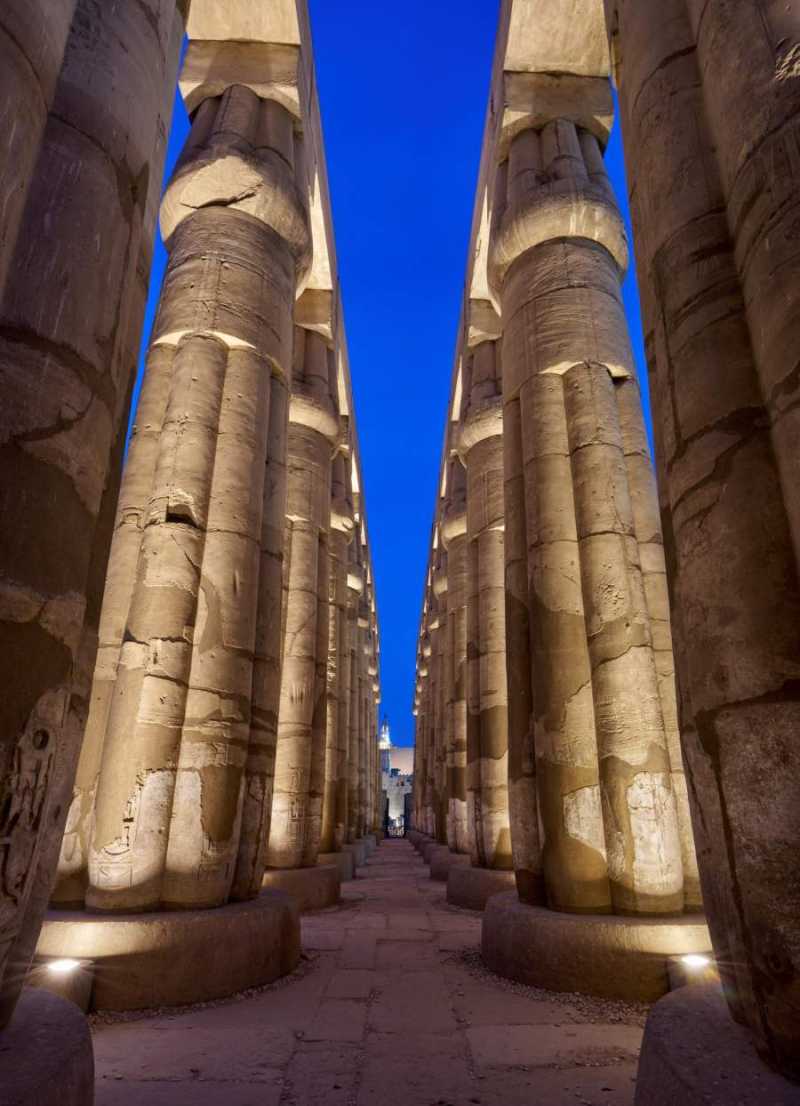
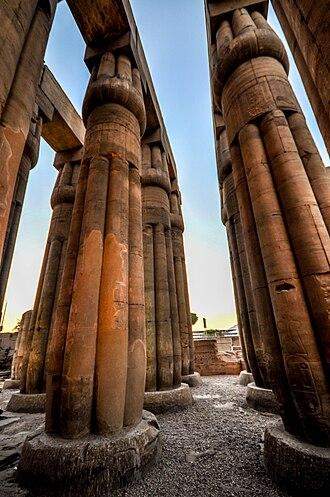
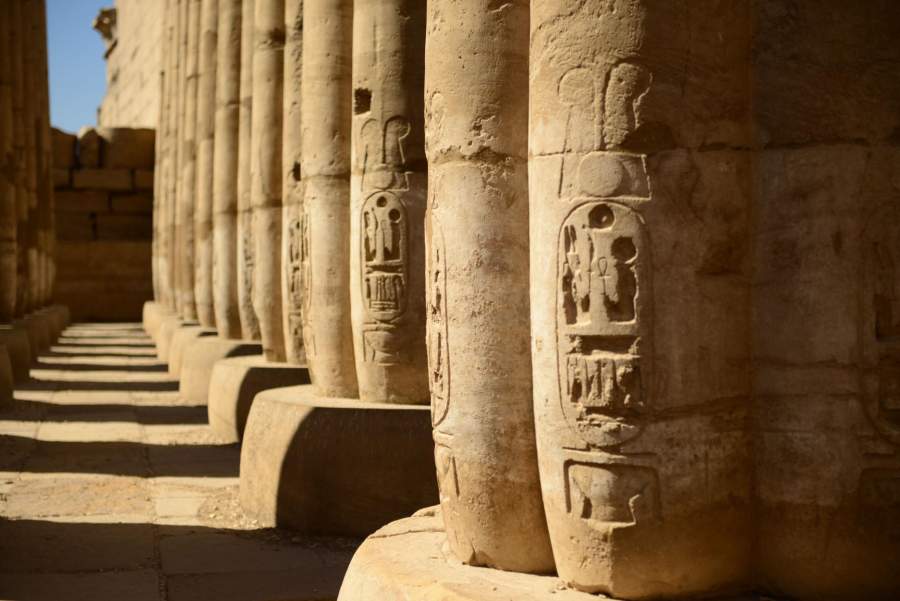
The columns are among the most spectacular features of the temple, particularly when viewed in the warm light of sunset.
The Great Colonnade
The Great Colonnade is one of the first areas visitors encounter after entering the main temple complex.
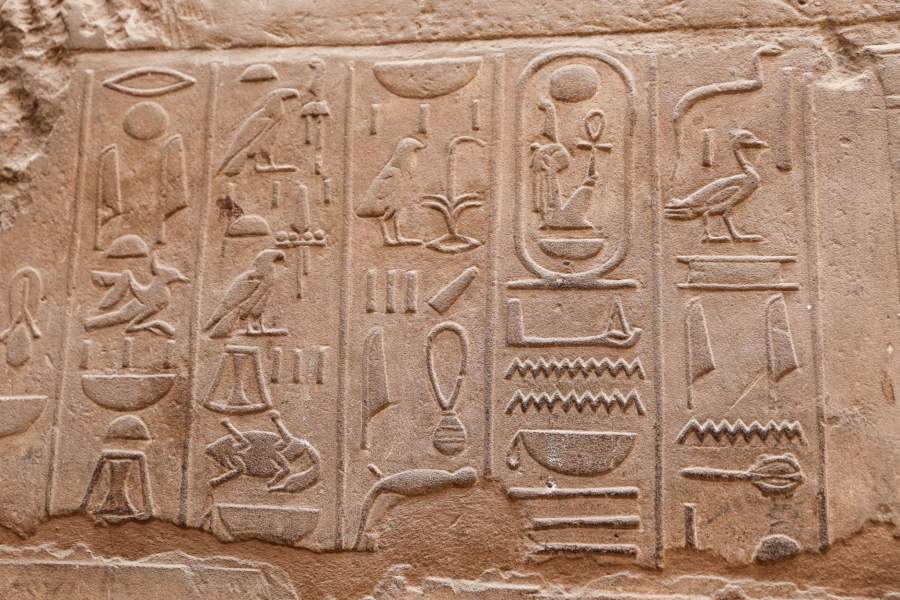
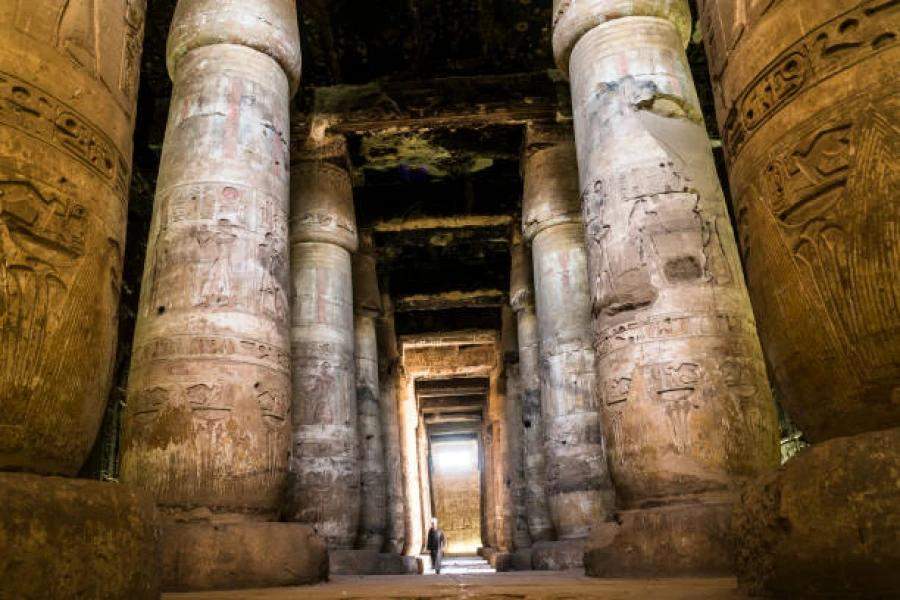
Its tall columns were decorated with reliefs and inscriptions connected to the religious ceremonies of ancient Egypt.
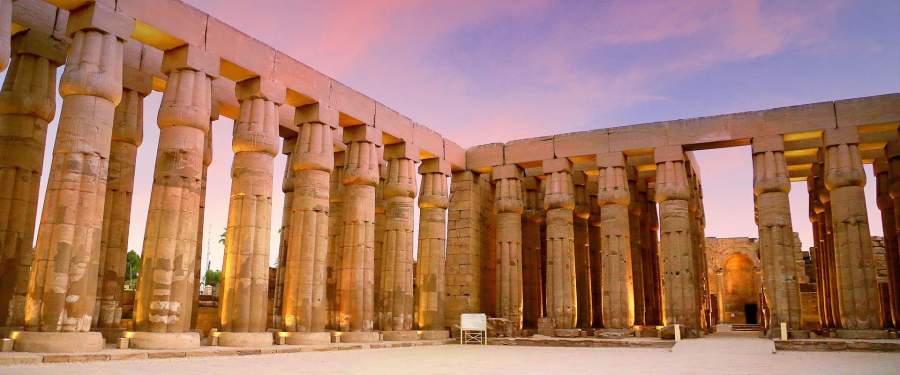
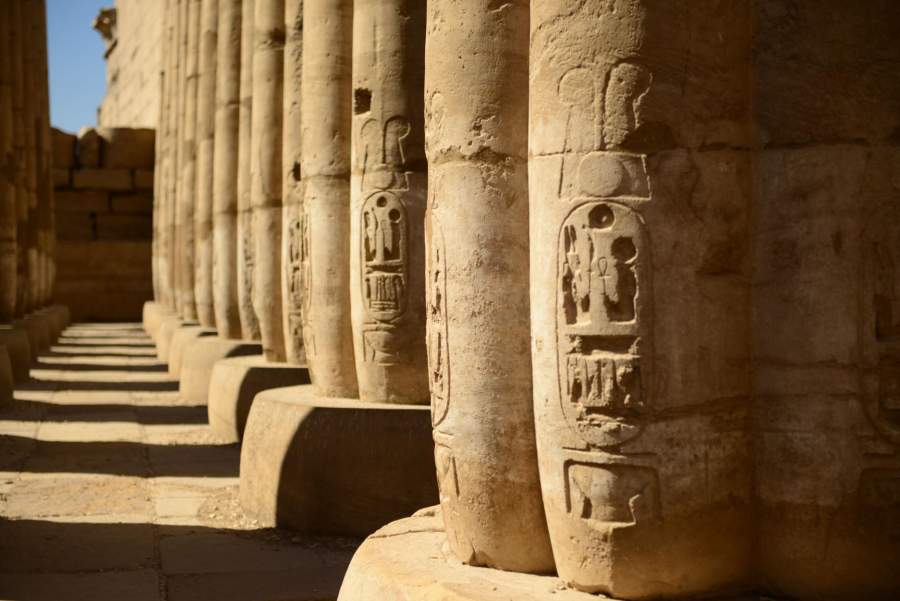
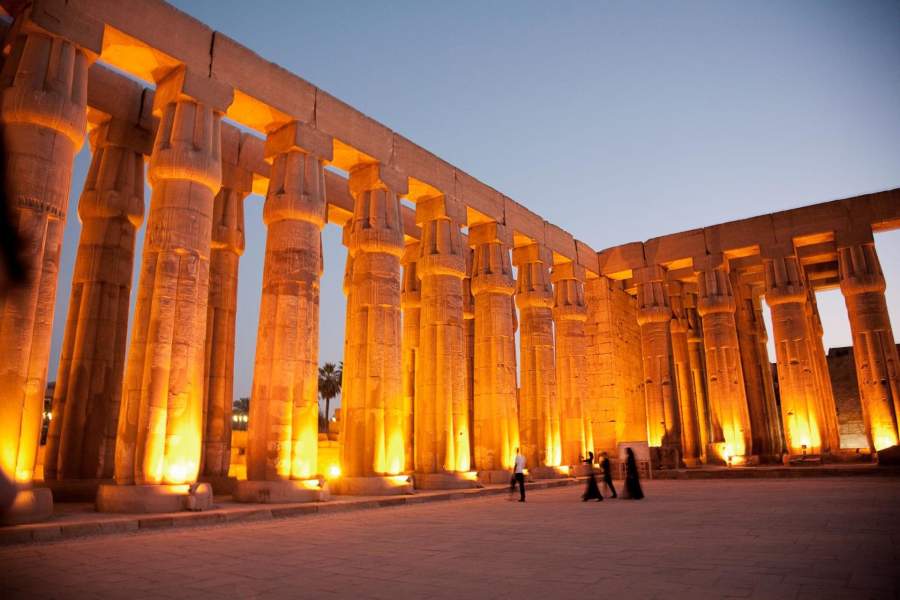
Imagine this space thousands of years ago, filled with priests, musicians, religious processions, and enormous sacred images being carried through the temple.
The surviving reliefs give visitors a glimpse into these ancient ceremonies.
The Monumental Pylon of Ramesses II
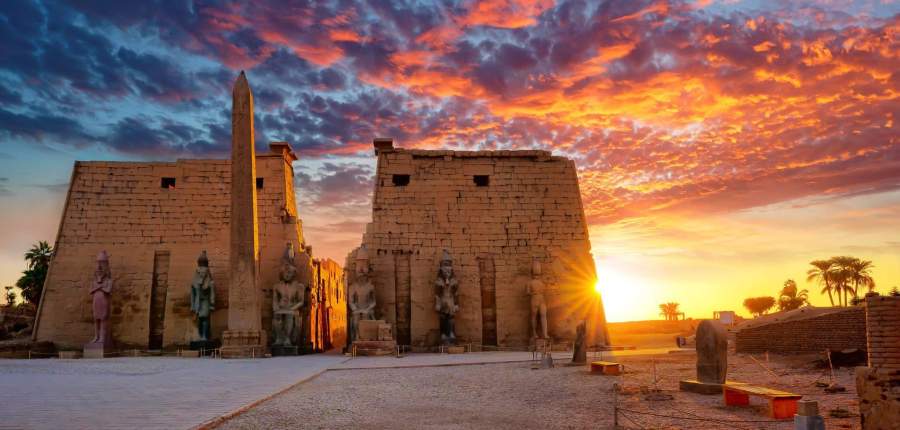
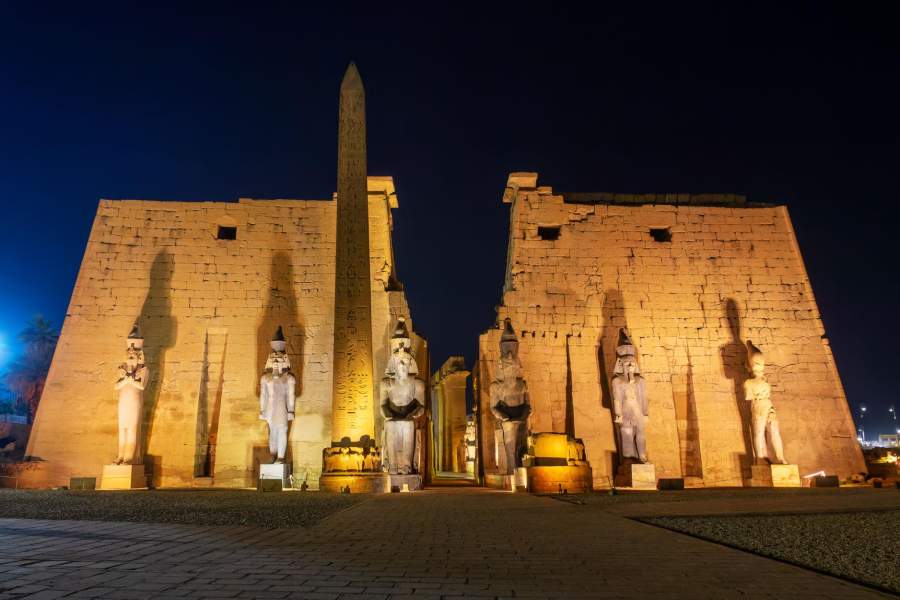
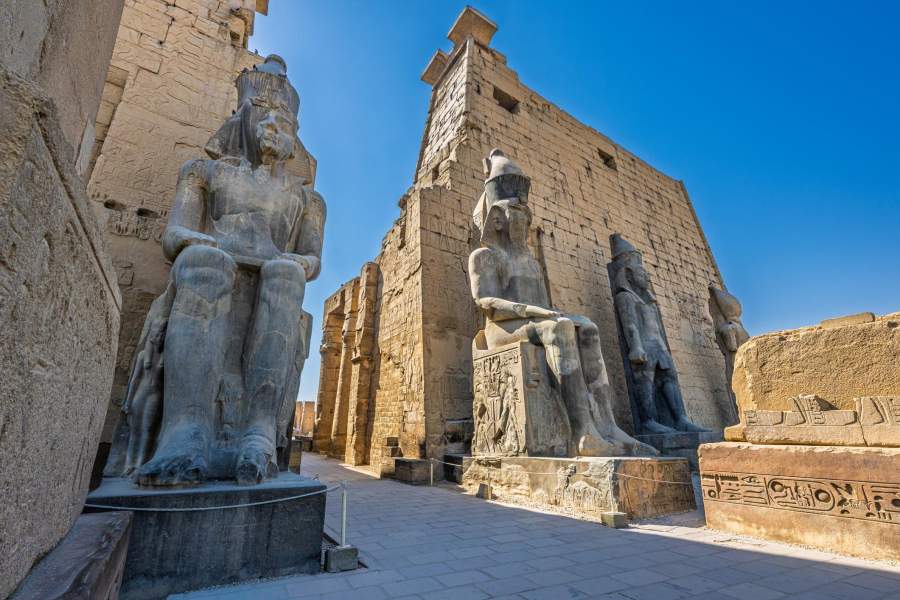
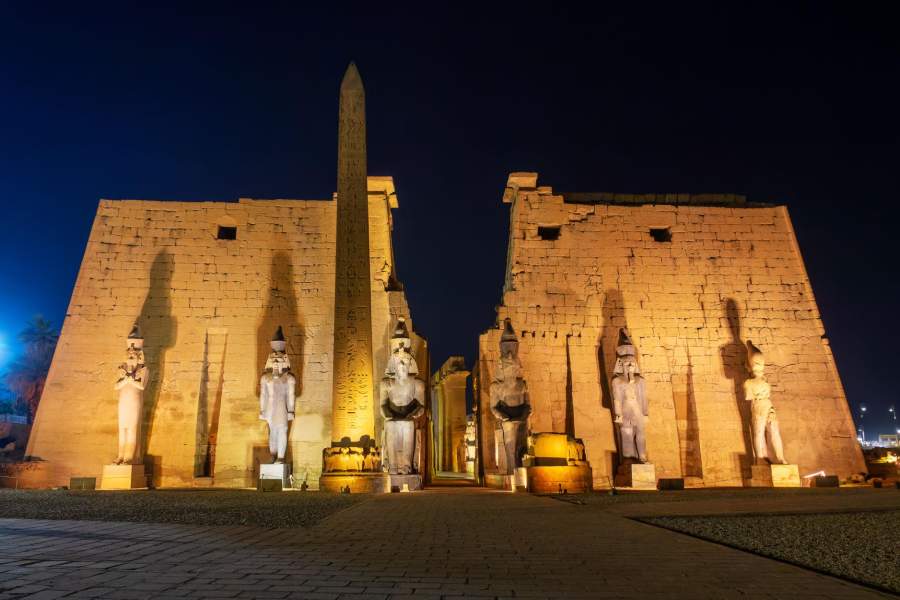
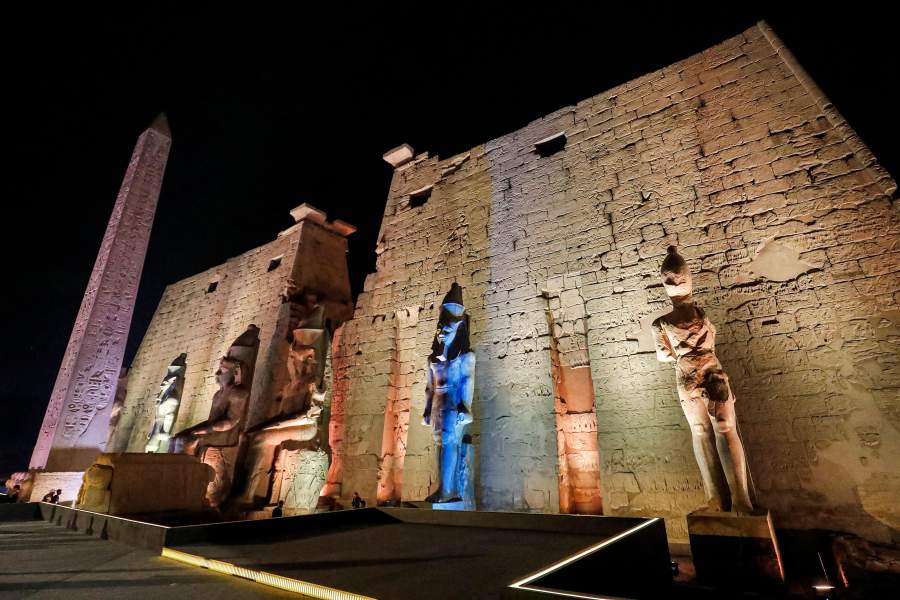
One of the most recognizable features of Luxor Temple is the massive pylon built by Ramesses II.
A pylon is a monumental gateway consisting of two large towers forming the entrance to an Egyptian temple.
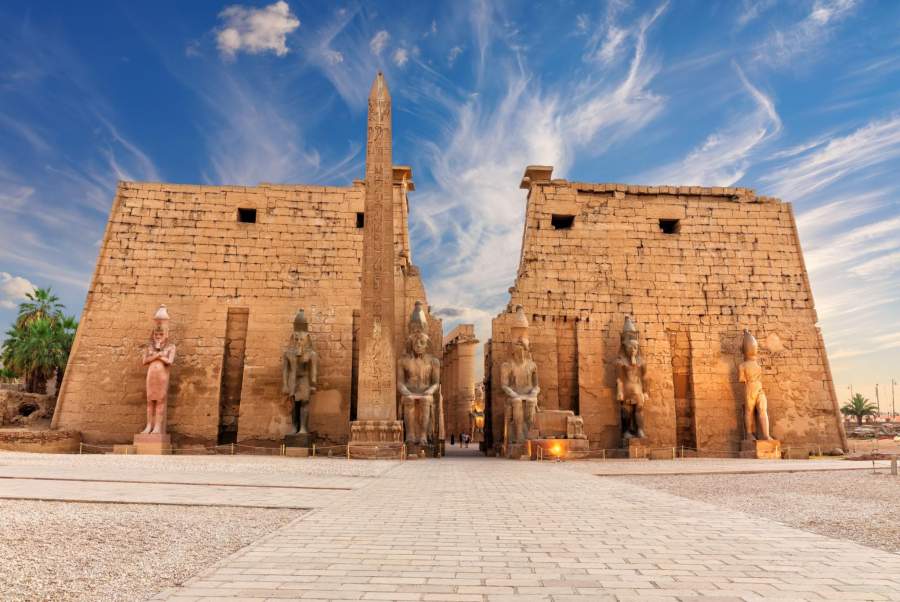
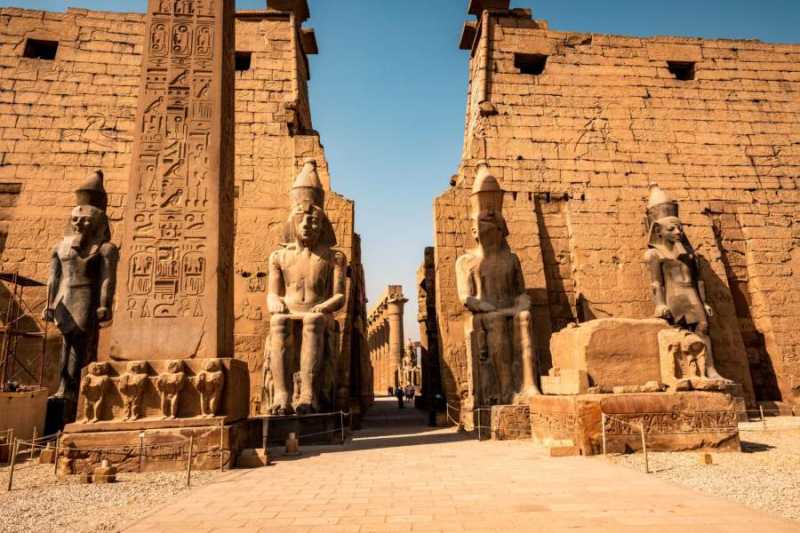
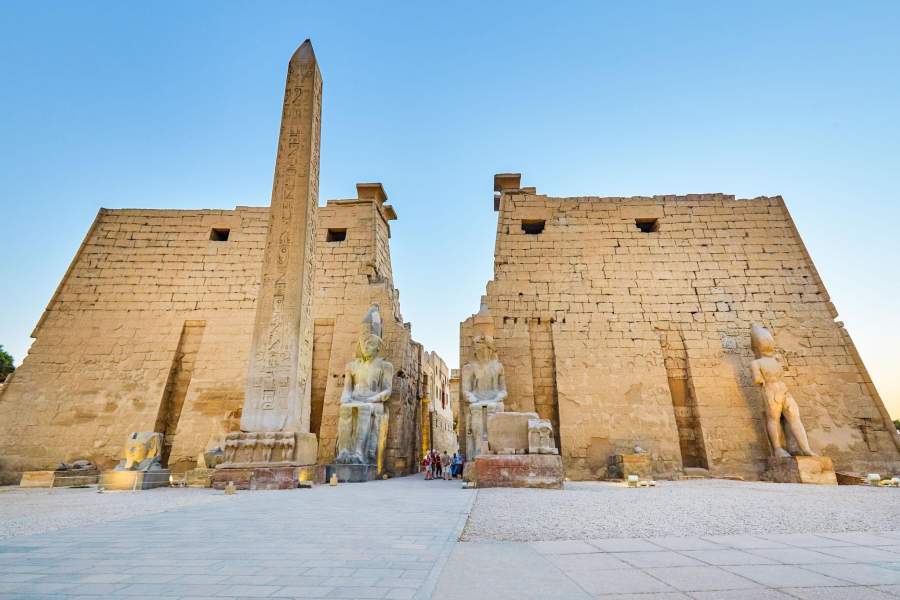
Ramesses II added a large courtyard, colossal statues, and a pair of obelisks in front of the entrance.
Today, only one of the original two obelisks remains at Luxor Temple. The other was transported to Paris in the 19th century and now stands at the Place de la Concorde.
The Obelisk of Luxor
The surviving obelisk stands prominently in front of the temple.
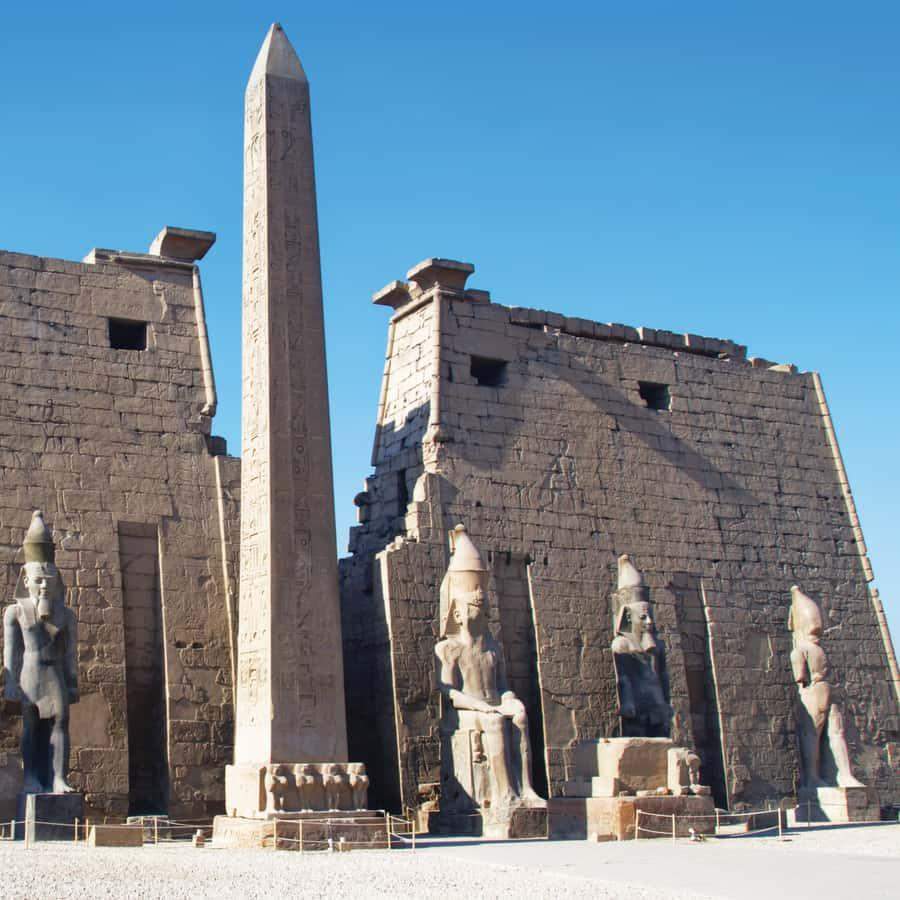
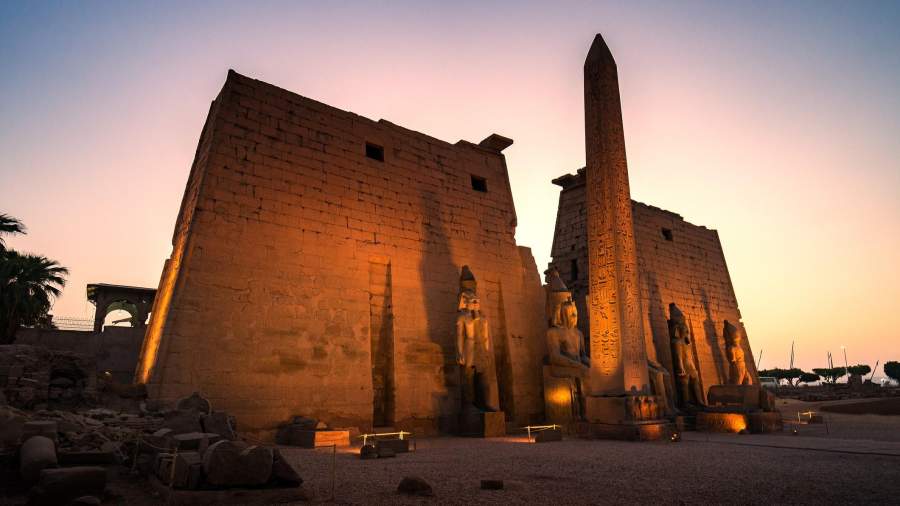
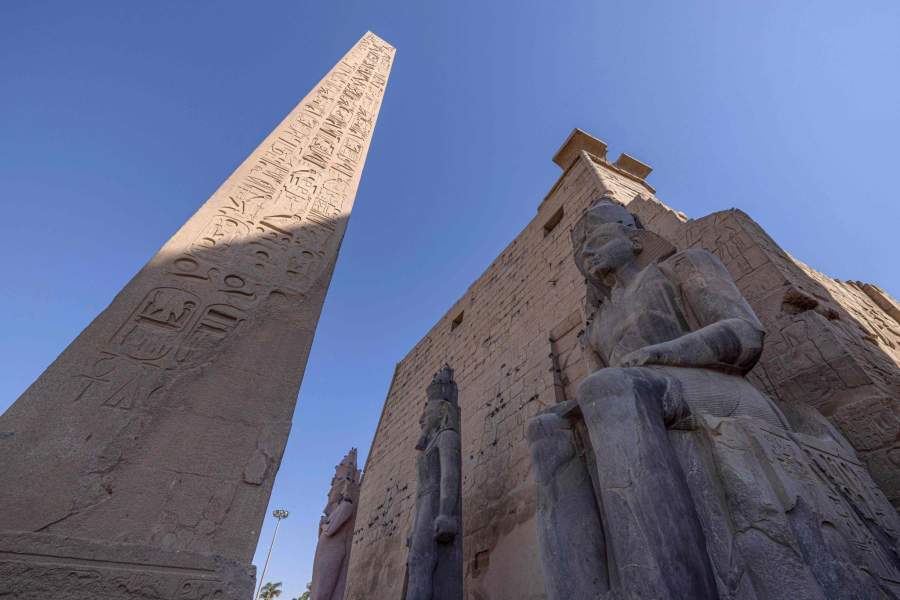
The obelisk is approximately 25 meters high and was created under Ramesses II.
Obelisks were associated with the sun and were among the most recognizable forms of ancient Egyptian monumental architecture.
The obelisk and colossal statues create an imposing entrance to the temple.
The Avenue of Sphinxes
Luxor Temple was historically connected to Karnak by the famous Avenue of Sphinxes.
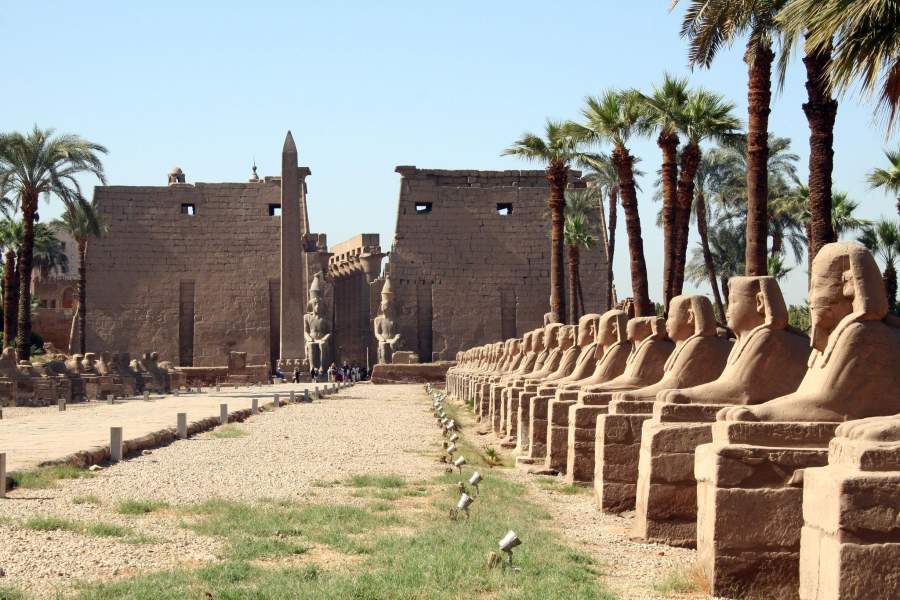
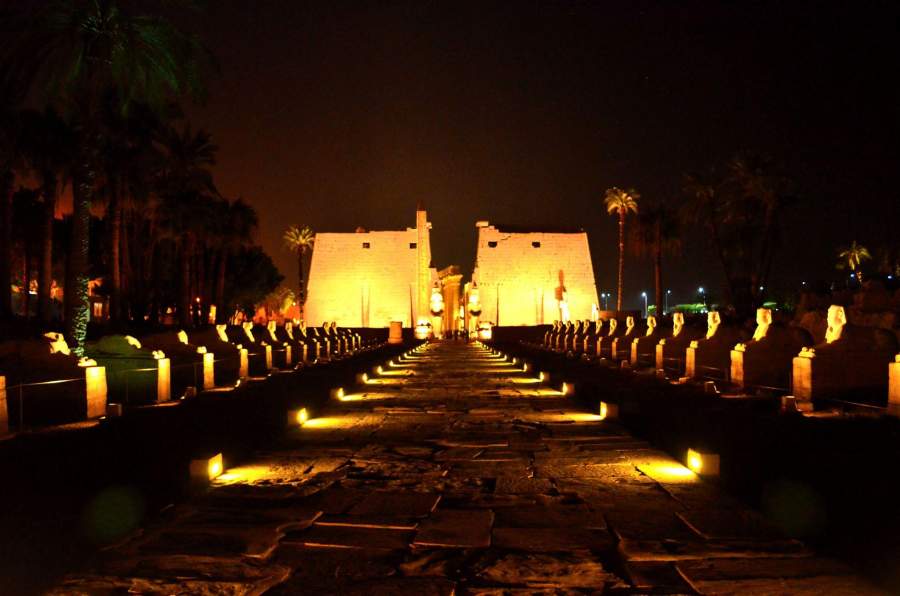
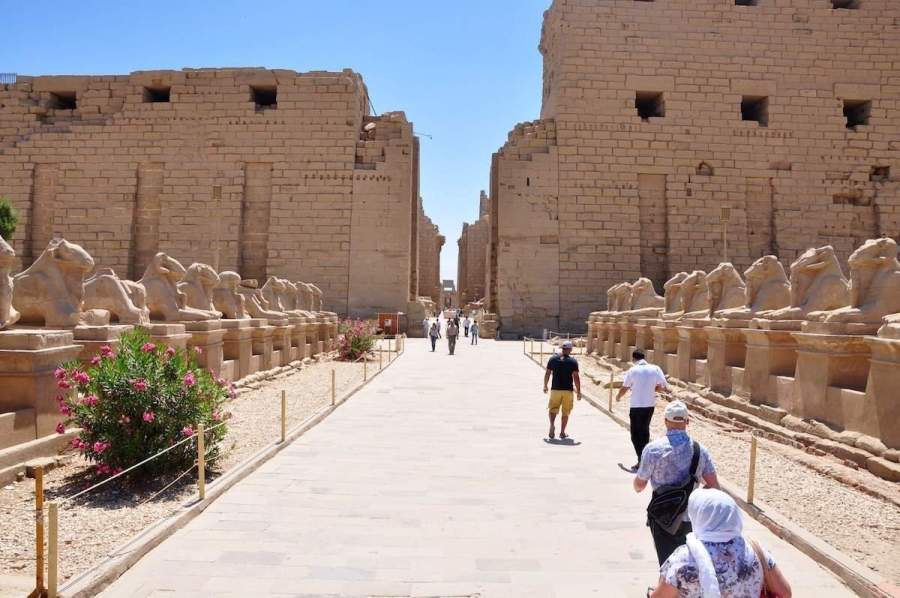
The avenue stretches for approximately 2.7 kilometers and was used as a processional route for religious ceremonies. Archaeological excavations and restoration work have revealed and preserved sections of the ancient road and its sphinxes.
The avenue helped connect two of the most important religious centers of ancient Thebes.
The Opet Festival
The history of Luxor Temple cannot be separated from the Opet Festival.
During this important religious celebration, sacred images of Amun, Mut, and Khonsu were carried from Karnak to Luxor Temple in a grand procession.
The journey symbolized the connection between the gods, the king, and the renewal of royal power.
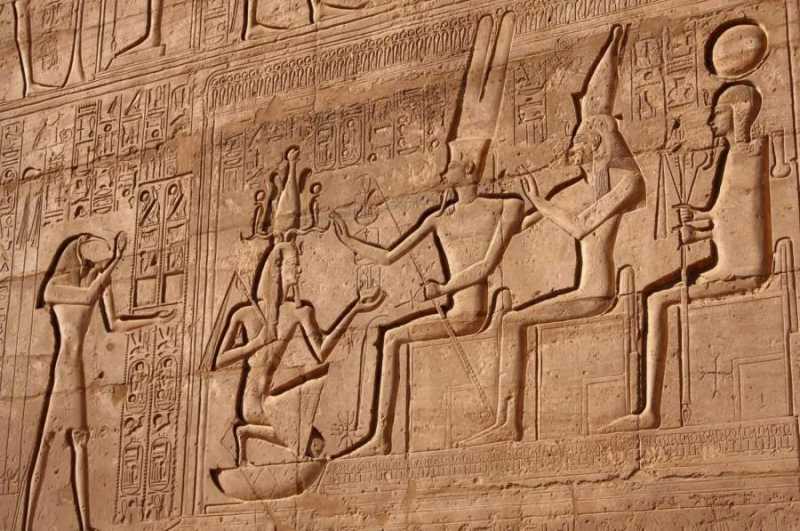
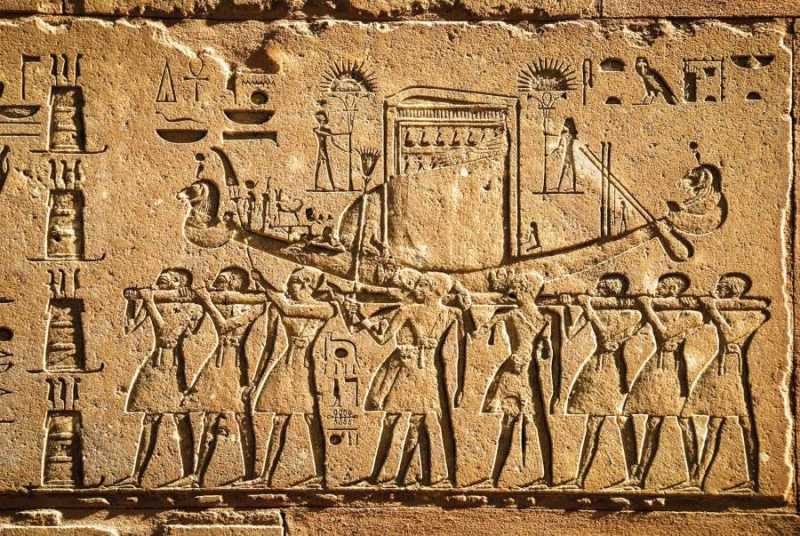
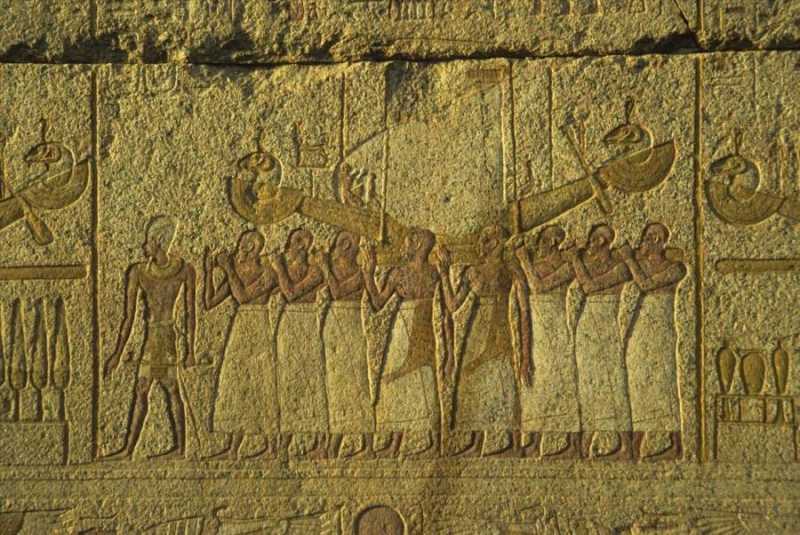
The walls of Luxor Temple preserve scenes connected with this festival, allowing modern visitors to see how ancient Egyptians represented these religious celebrations.
The Divine Birth of the King
One of the fascinating areas inside Luxor Temple contains scenes known as the “Divine Birth”.
These reliefs tell a religious story connecting the king's birth and legitimacy to the god Amun-Ra.
According to the temple's inscriptions, Amun-Ra appears in divine form while the king's conception is presented as having a divine origin.
This was more than mythology. It was also a powerful statement about the sacred status and legitimacy of Egyptian kingship.
Luxor Temple Through the Roman Period
The history of Luxor Temple continued long after the age of the pharaohs.
During the late third century AD, the Romans constructed a military fortification around the temple.
One of the rooms was transformed into a Roman sanctuary, and some of the original Egyptian decoration was covered with plaster and replaced with paintings depicting the Roman emperor Diocletian and his co-rulers.
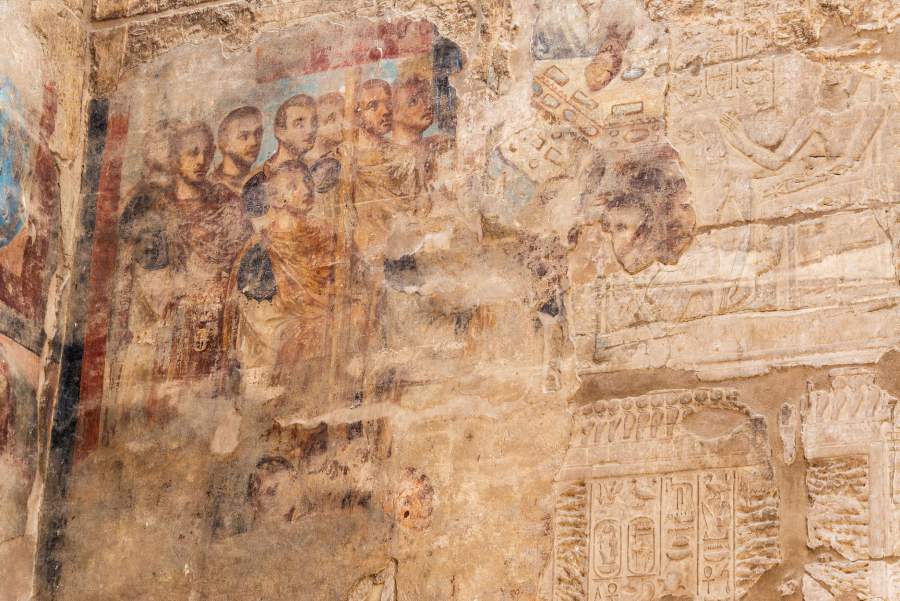
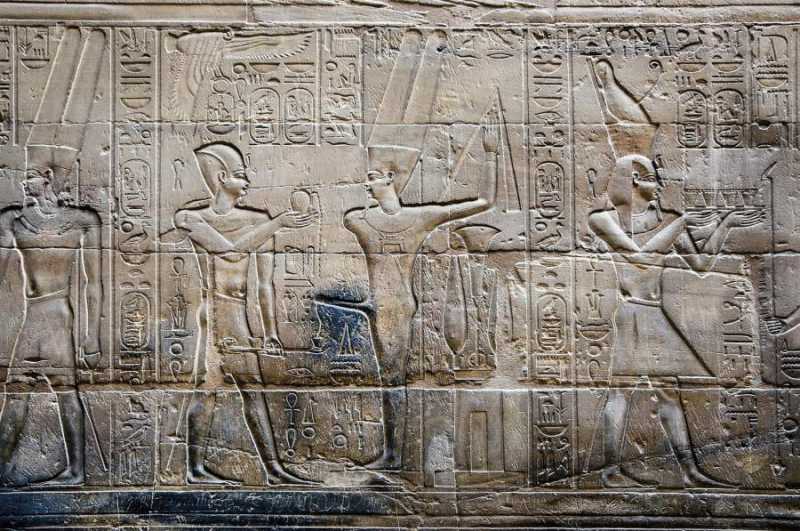
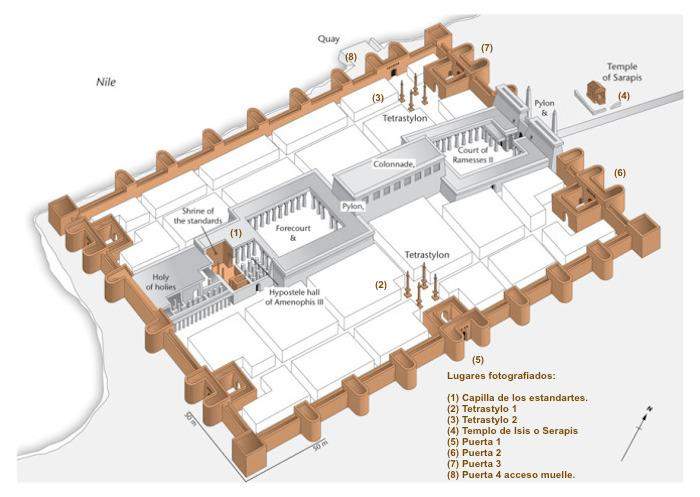
This later history shows how the monument continued to be used and transformed long after the pharaonic period.
Luxor Temple and Ancient Thebes
Luxor Temple formed part of the much larger religious landscape of ancient Thebes.
Today, the remains of Thebes include Karnak and Luxor Temples on the east bank and numerous temples and royal tombs on the west bank, including the Valley of the Kings and Valley of the Queens.
UNESCO added Ancient Thebes with its Necropolis to the World Heritage List in 1979, recognizing the exceptional historical and architectural importance of the area.
What Can You See at Luxor Temple?
A visit to Luxor Temple can include:
- The monumental pylon of Ramesses II
- Colossal statues of Ramesses II
- The surviving Luxor Obelisk
- The Great Colonnade
- Ancient reliefs of the Opet Festival
- The temple's inner halls and sanctuaries
- The Divine Birth scenes
- Roman-period remains
- The Avenue of Sphinxes
Best Time to Visit Luxor Temple
Luxor can become very hot during the summer months.
For travelers planning to explore several archaeological sites, the cooler period from October through April is generally more comfortable.
One advantage of Luxor Temple is that it can be particularly atmospheric in the late afternoon and evening, when the temple is illuminated and the stone columns take on a warm golden color.
The Egyptian Ministry of Tourism and Antiquities currently lists Luxor Temple's opening hours as 6:00 AM to 8:00 PM, though visitors should verify current hours before traveling.
Luxor Temple and Karnak Temple
Because the two temples are only about three kilometers apart, many visitors explore them together.
Karnak is a vast temple complex that expanded over many centuries and includes the great precinct of Amun.
Luxor Temple is smaller but has a distinctive connection with royal rituals and the Opet Festival.
Historically, the two were connected by the sphinx-lined processional avenue.
Visiting both sites provides a much clearer picture of the religious landscape of ancient Thebes.
Why Should You Visit Luxor Temple?
Luxor Temple is special because it combines several different periods of Egyptian history in one place.
You can see the work of Amenhotep III, the additions of Tutankhamun and Horemheb, the monumental architecture of Ramesses II, and later Roman modifications.
At the same time, the temple preserves stories about Amun, the Opet Festival, divine kingship, and the religious traditions of ancient Thebes.
It is also one of the few major Egyptian temples that becomes particularly atmospheric after sunset.
Final Thoughts
Luxor Temple is one of the essential places to visit in Egypt.
Its monumental gateway, towering columns, ancient reliefs, obelisk, colossal statues, and connection to the Opet Festival tell the story of a civilization that continued to develop this sacred place for centuries.
But perhaps the most fascinating thing about Luxor Temple is that it is not simply a monument to one pharaoh. It is a layered record of ancient Egyptian history, shaped by Hatshepsut, Amenhotep III, Tutankhamun, Horemheb, Ramesses II, and later Roman rulers.
If you are visiting Luxor, combine Luxor Temple and Karnak Temple to experience the heart of ancient Thebes—and leave time to see Luxor Temple after sunset, when its monumental architecture takes on an entirely different atmosphere.
Post a comment