
Lake Qarun, Fayoum, Egypt – A Complete Travel Guide
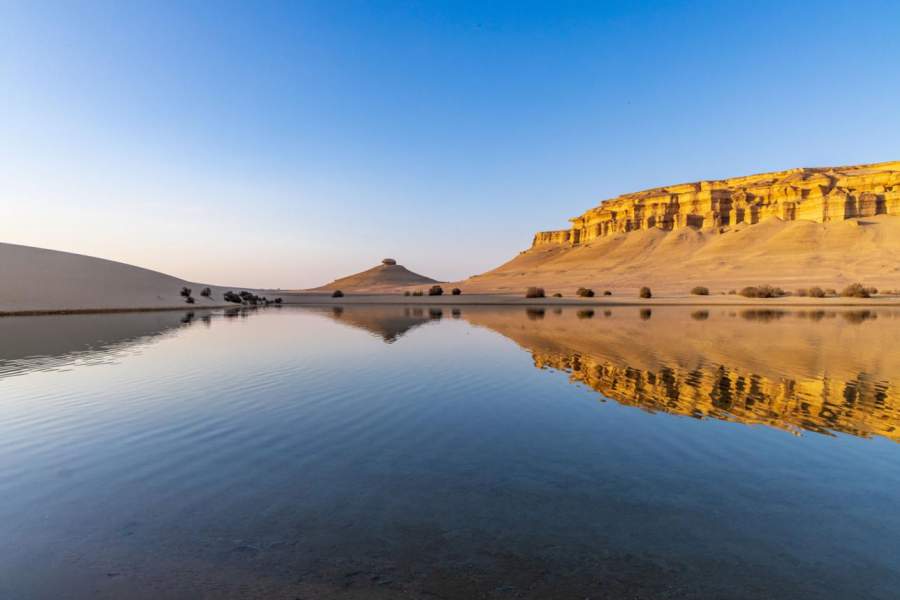

Lake Qarun is one of Egypt's most remarkable natural landmarks, located in the beautiful Fayoum Oasis southwest of Cairo. Known for its ancient history, peaceful desert scenery, migratory birds, and traditional fishing activities, the lake offers a unique combination of nature, culture, and adventure.
Once connected with the ancient Lake Moeris, Lake Qarun has played an important role in the history and environment of Fayoum for thousands of years. Today, it is a protected natural area and an attractive destination for travelers, photographers, birdwatchers, and nature lovers.
1. Where Is Lake Qarun?

Lake Qarun is located in the northwestern part of the Fayoum Depression, within Fayoum Governorate in northern Upper Egypt. It lies approximately 90 kilometers southwest of Cairo, making it a popular destination for day trips and weekend excursions.
The lake is surrounded by desert landscapes, agricultural areas, small villages, and traditional fishing communities. Its southern shoreline includes several settlements and tourism facilities, while the northern side features remarkable geological landscapes.
Lake Qarun is one of the most recognizable natural attractions in Fayoum and an important part of the region's environmental and cultural heritage.
2. The History of Lake Qarun

Lake Qarun has a long and fascinating history connected with the development of the Fayoum region.
In ancient times, the lake was associated with Lake Moeris, a much larger body of water mentioned in historical accounts of Egypt. The ancient lake played an important role in the region's agricultural and water-management systems.
The Fayoum Depression was closely connected to the Nile through natural and artificial water channels. Over many centuries, changes in water levels, sedimentation, and environmental conditions transformed the landscape and reduced the size of the ancient lake.
Today, Lake Qarun remains an important natural landmark and a reminder of the relationship between ancient Egyptian civilization, water resources, and agriculture.
3. Why Is It Called Lake Qarun?
The name Lake Qarun is traditionally associated with Qarun, a figure mentioned in Islamic tradition and the Quran.
However, the lake's ancient geographical history is connected with Lake Moeris, the name used in historical descriptions of the Fayoum water system.
It is important to distinguish between the traditional stories associated with the name Qarun and the documented geological and historical history of the lake.
The lake's real story is fascinating in its own right, reflecting thousands of years of environmental change and human interaction with the Fayoum landscape.
4. The Natural Beauty of Lake Qarun

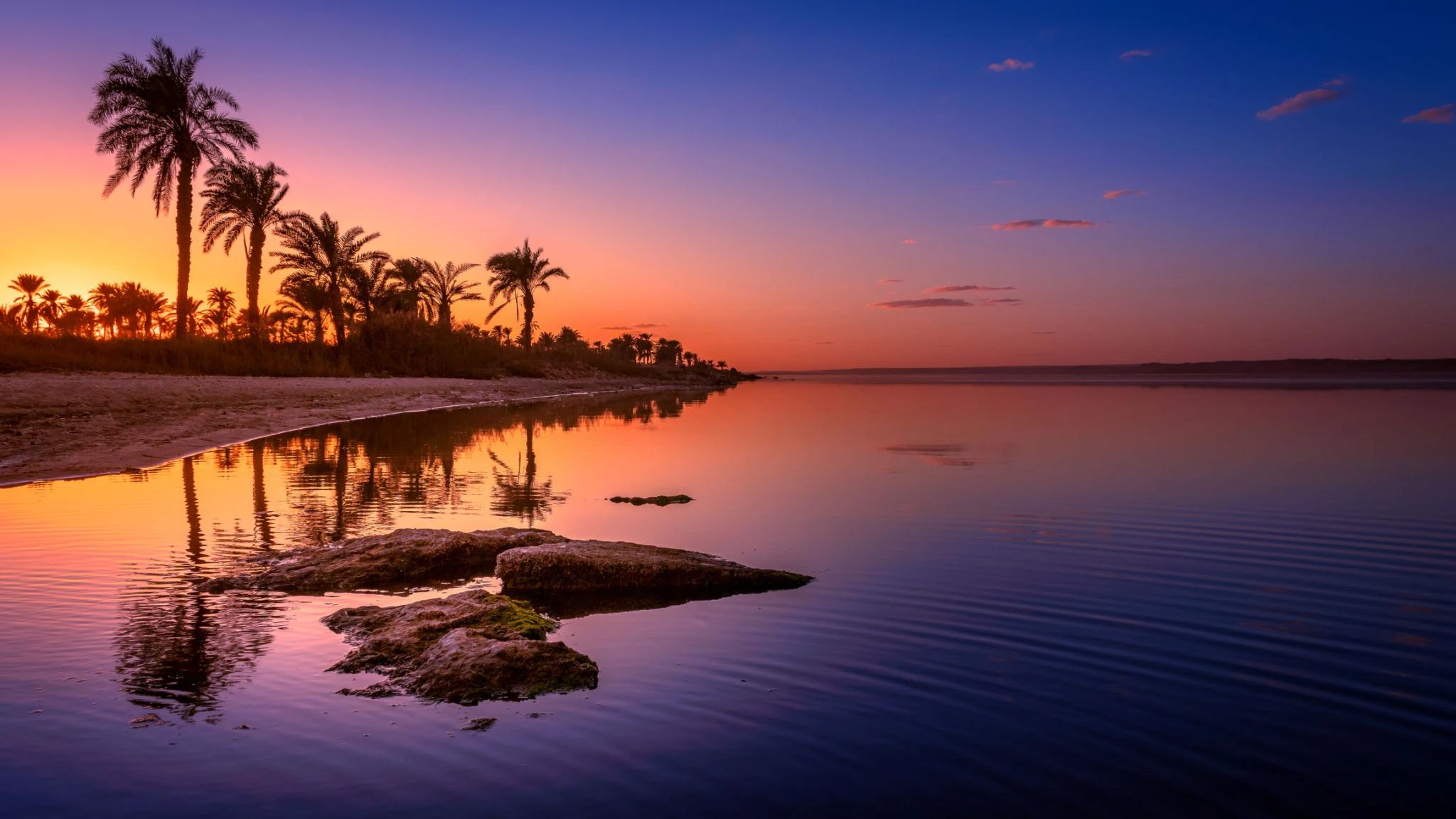
One of the most attractive features of Lake Qarun is its peaceful natural landscape.
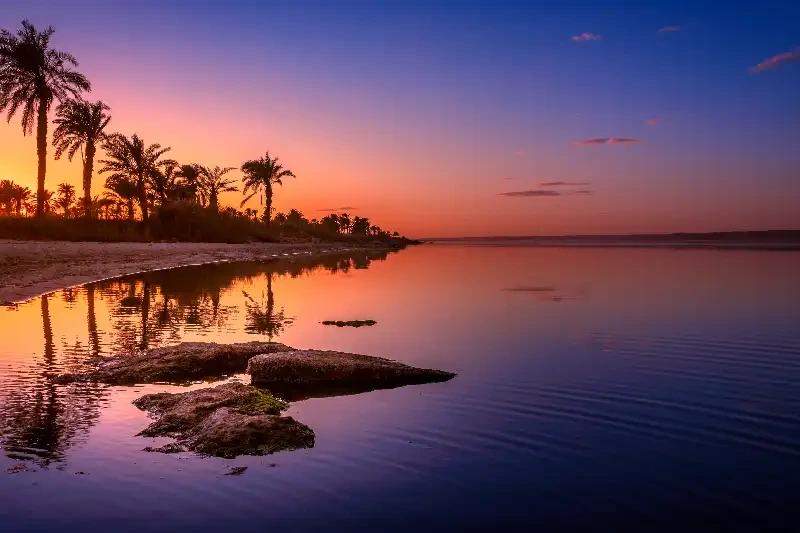
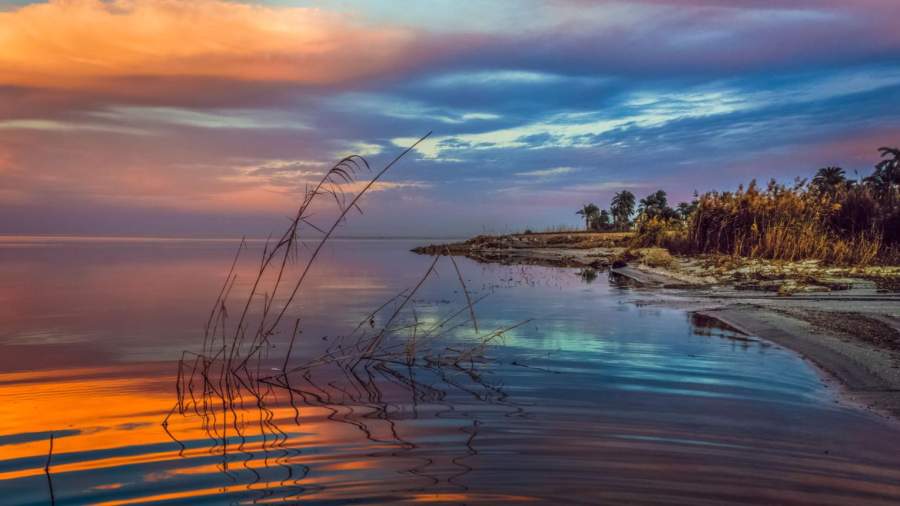
The lake creates a beautiful contrast between blue water, golden desert terrain, and the agricultural areas surrounding its southern shoreline.
Visitors can enjoy wide panoramic views, relaxing moments beside the water, and opportunities to photograph the changing colors of the landscape throughout the day.
The northern shoreline is particularly interesting for visitors who appreciate geology and natural scenery, while the southern side offers easier access to local villages and tourism facilities.
5. Migratory Birds and Wildlife at Lake Qarun
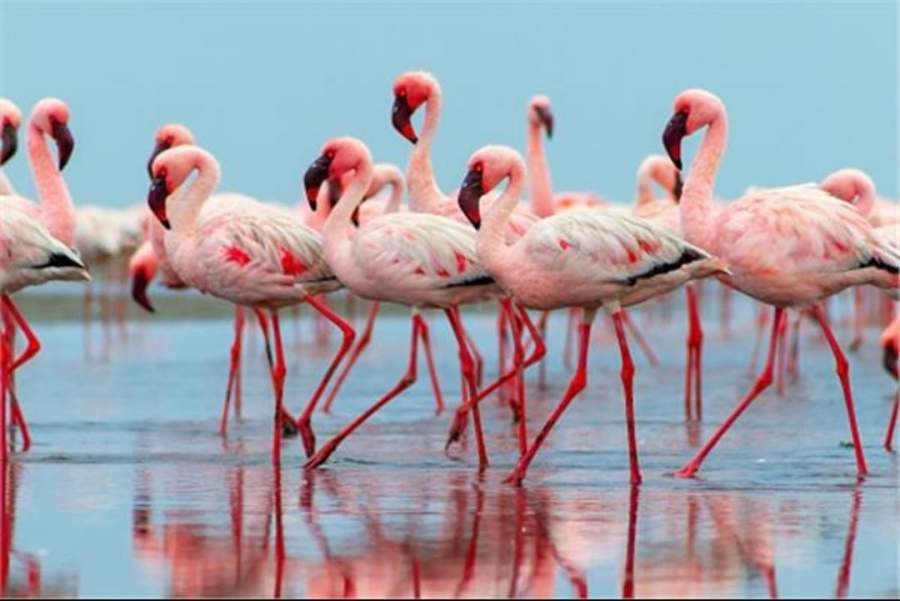
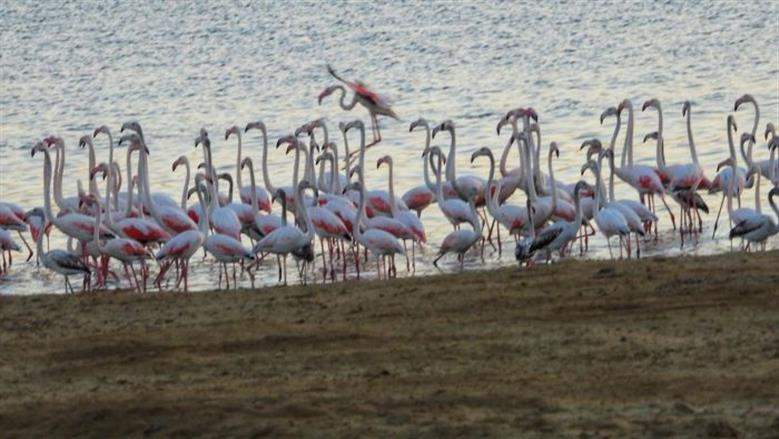
Lake Qarun is an important habitat for resident and migratory birds. Its location and wetland environment make it a valuable stopover for birds traveling along major migration routes.
Depending on the season and local conditions, visitors may spot flamingos, pelicans, gulls, and other waterbirds around the lake.
Birdwatching is one of the most enjoyable activities in the area, especially during the cooler months when migratory birds visit the region.
The lake is also part of a wider protected natural environment that supports different types of wildlife and ecological habitats.
6. Fishing and Local Life Around Lake Qarun
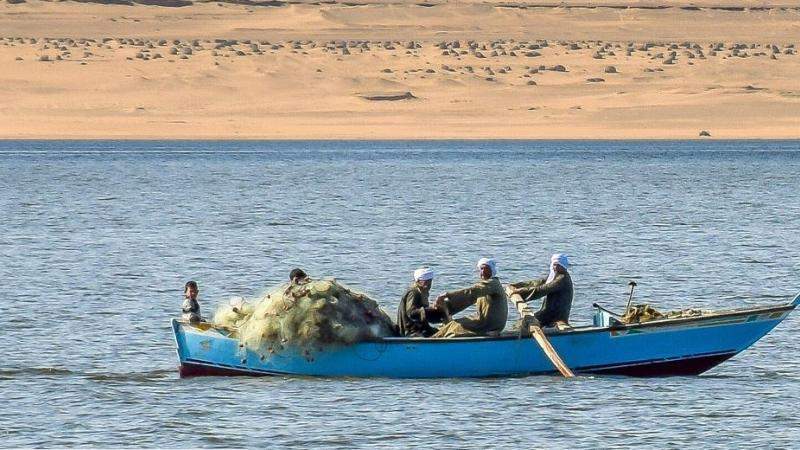
Fishing has long been an important economic activity for communities living around Lake Qarun.
Traditional fishing boats can often be seen along the shoreline, where local fishermen work using nets and other fishing equipment.
The lake is also associated with fish farming and other economic activities. Its saline water environment influences the types of fish and aquatic species that can live there.
For visitors, observing the fishing communities offers a glimpse into the traditional lifestyle and economic importance of the lake to the people of Fayoum.
7. Lake Qarun Nature Reserve

Lake Qarun and its surrounding environment form an important protected natural area in Egypt.
The Qarun Protected Area was officially declared a nature reserve in 1989 to protect its biological, geological, and archaeological heritage.
The reserve covers much more than the lake itself. It includes desert landscapes, fossil-rich geological formations, archaeological locations, and important habitats for resident and migratory wildlife.
The lake was also designated as a Ramsar Wetland of International Importance in 2012, recognizing its value as an important wetland ecosystem.
This protected status makes Lake Qarun an important destination for environmental tourism and nature exploration.
8. The Geological Treasures of Gebel Qatrani

North of Lake Qarun lies Gebel Qatrani, one of the most fascinating geological areas in the Fayoum region.
The area is internationally recognized for its fossil discoveries, including remains of ancient mammals that lived millions of years ago.
These discoveries provide valuable information about the evolution of mammals and the ancient environments of North Africa.
The region also contains remarkable rock formations and geological layers that reveal different stages in Earth's history.
For visitors interested in science, geology, and natural history, Gebel Qatrani offers a fascinating opportunity to explore the ancient past of the Fayoum landscape.
9. What to See Near Lake Qarun
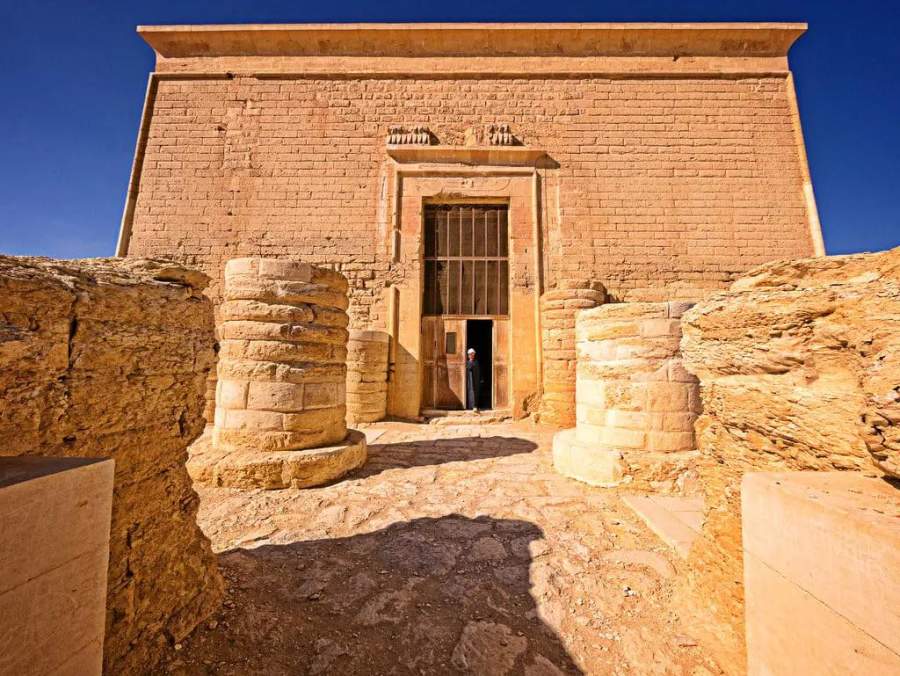

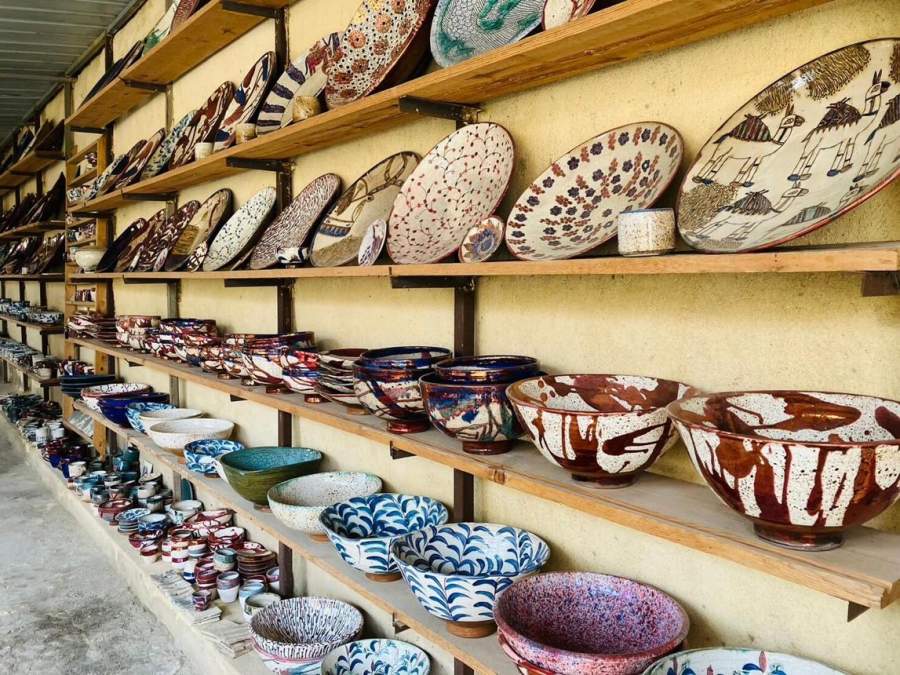
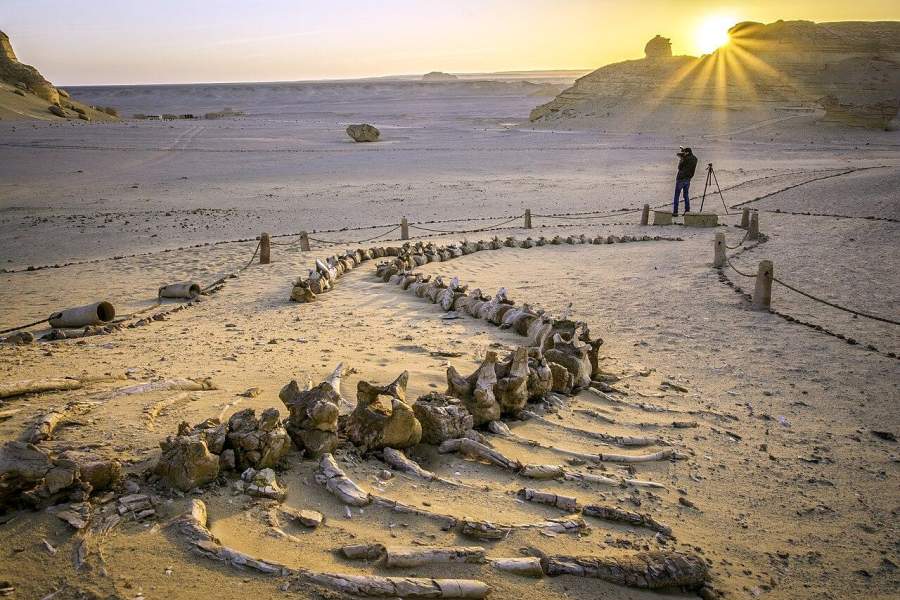
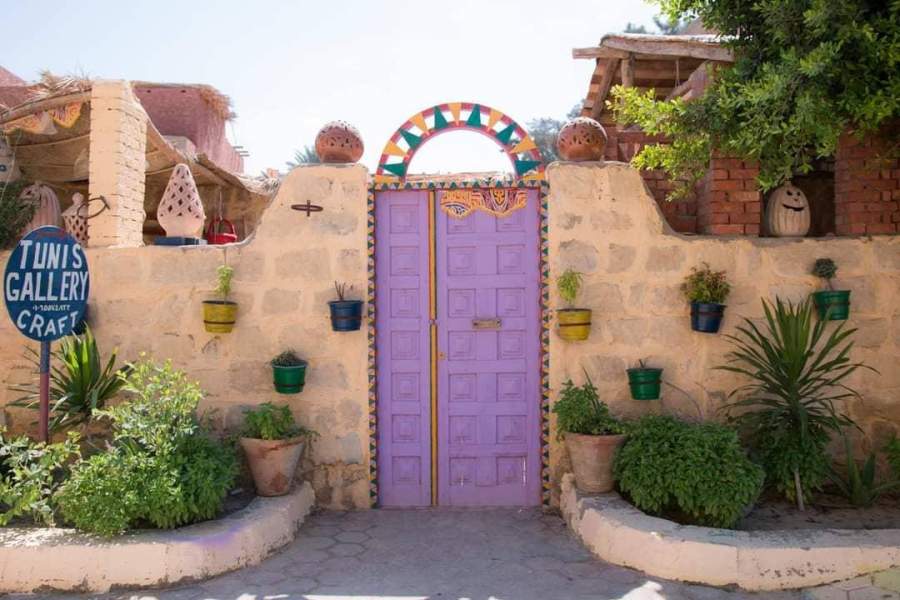
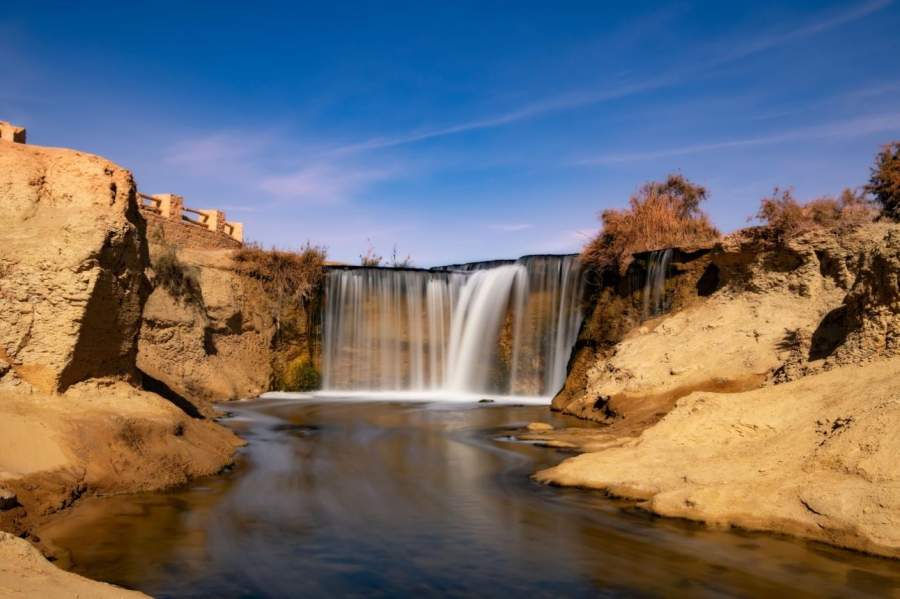
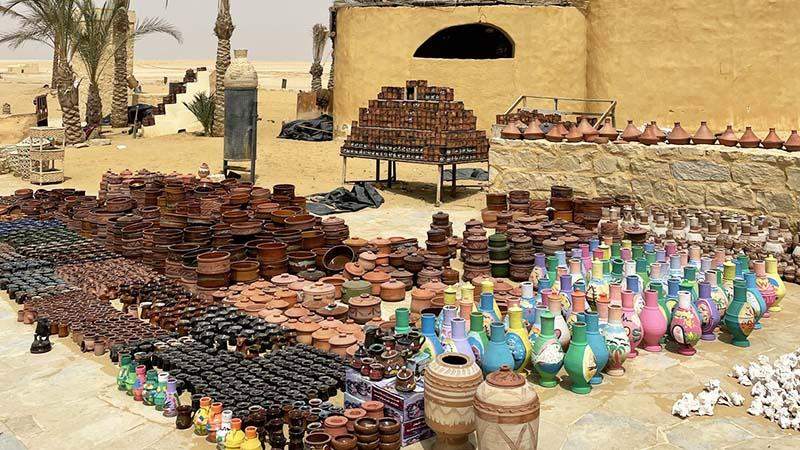
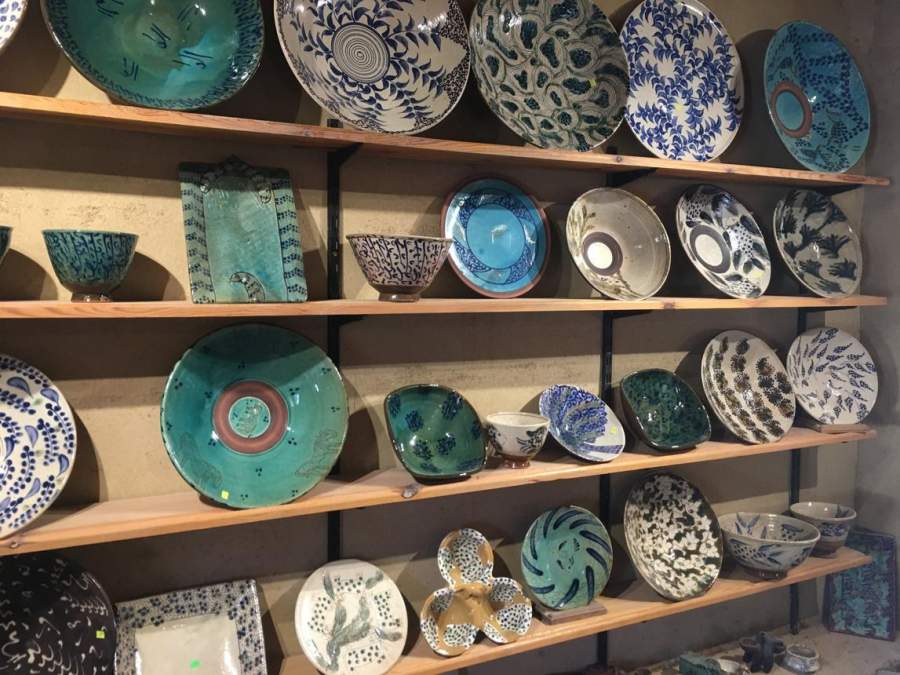

Lake Qarun is surrounded by several remarkable attractions that make Fayoum an excellent destination for a longer trip.
-
Tunis Village: A charming village famous for pottery workshops, traditional architecture, artistic activities, and beautiful views overlooking the lake.
-
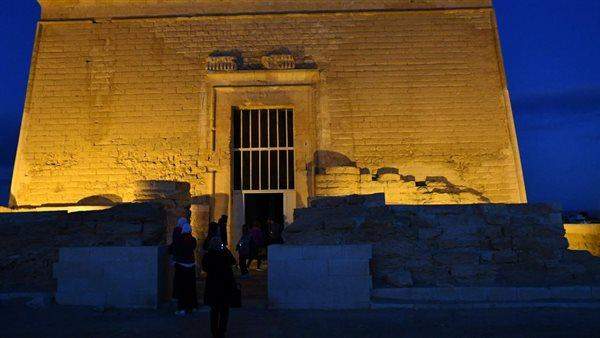
Qasr Qarun Temple: An ancient temple located near the western side of Lake Qarun, associated with the worship of the crocodile god Sobek in the ancient Fayoum region.
-
Wadi El Rayan: A protected natural area famous for its lakes, waterfalls, desert landscapes, and outdoor activities.
-
Wadi Al-Hitan (Valley of the Whales): A UNESCO World Heritage Site containing important fossils of ancient whales that help explain the evolution of whales from land mammals to marine animals.
-
Gebel Qatrani: A geological area known for its prehistoric fossils, ancient landscapes, and archaeological remains.
Exploring these destinations gives visitors a deeper understanding of Fayoum's natural beauty, ancient history, and cultural heritage.
10. Best Time to Visit Lake Qarun

The best time to visit Lake Qarun is generally during autumn, winter, and spring, when temperatures are more comfortable for outdoor activities.
Winter is particularly attractive for birdwatching, as migratory birds visit the lake and surrounding wetlands.
Spring offers pleasant weather for exploring nearby villages, archaeological sites, and desert landscapes.
Autumn is another good season for photography and relaxing by the water.
Early morning and late afternoon are usually excellent times to enjoy the scenery, take photographs, and observe birds.
During summer, temperatures can become very high, so visitors should bring drinking water, wear sun protection, and plan outdoor activities carefully.
11. Travel Tips for Visiting Lake Qarun

To make the most of your visit to Lake Qarun, keep these practical tips in mind:
-
Plan your transportation: Arrange transportation from Cairo or Fayoum city before starting your trip.
-
Bring drinking water: The surrounding desert environment can become hot, especially during summer.
-
Wear comfortable clothing: Choose suitable walking shoes and lightweight clothing for outdoor exploration.
-
Bring binoculars: They can make birdwatching more enjoyable, especially during migration seasons.
-
Respect the environment: Avoid leaving rubbish, disturbing wildlife, or damaging natural habitats.
-
Check local conditions: Water activities, access to certain areas, and visitor facilities may change.
-
Explore nearby attractions: Allow enough time to visit Tunis Village, Qasr Qarun, and other Fayoum landmarks.
Visitors should also be aware that environmental restoration and pollution-control projects have been ongoing at the lake. Checking recent local information before swimming or participating in water activities is advisable.
12. Conclusion
Lake Qarun is one of Egypt's most fascinating natural destinations, combining ancient history, remarkable landscapes, wildlife, and traditional local life.
From its connection with ancient Lake Moeris to its importance as a protected wetland, the lake tells a story that stretches across thousands of years.
Whether you are interested in birdwatching, photography, fishing traditions, geological discoveries, or simply enjoying a peaceful natural setting, Lake Qarun offers a memorable experience in the heart of the Fayoum Oasis.
Discover Lake Qarun and the surrounding wonders of Fayoum with Magic Egypt Tours, and experience one of Egypt's most beautiful natural and historical destinations.