

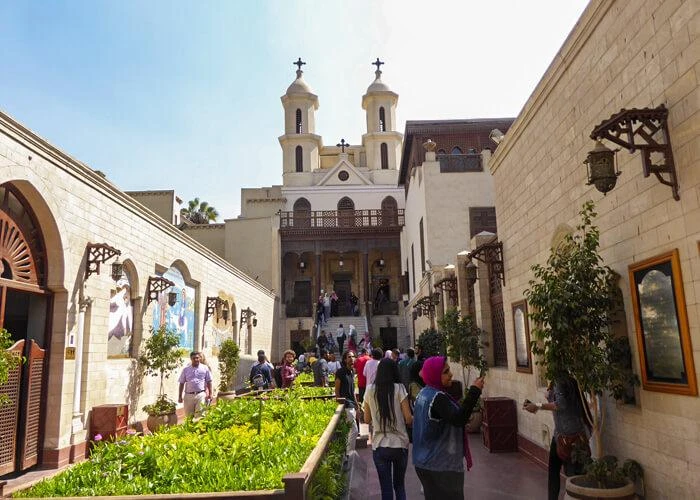
Hanging Church: A Timeless Treasure of Coptic Cairo
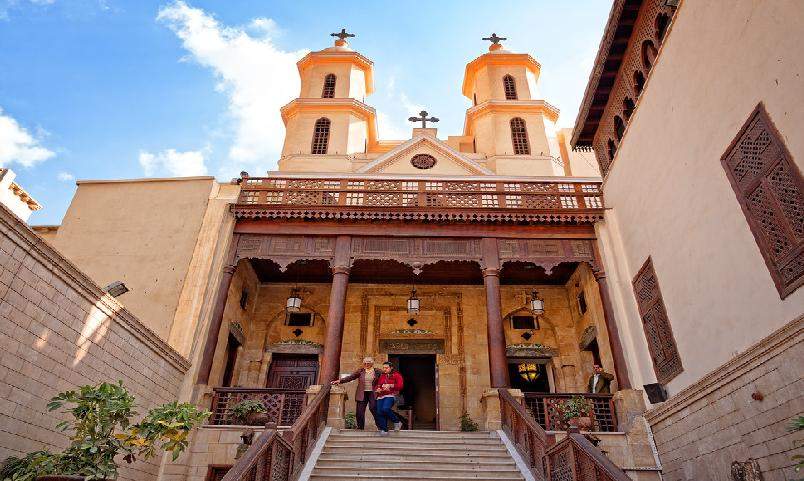
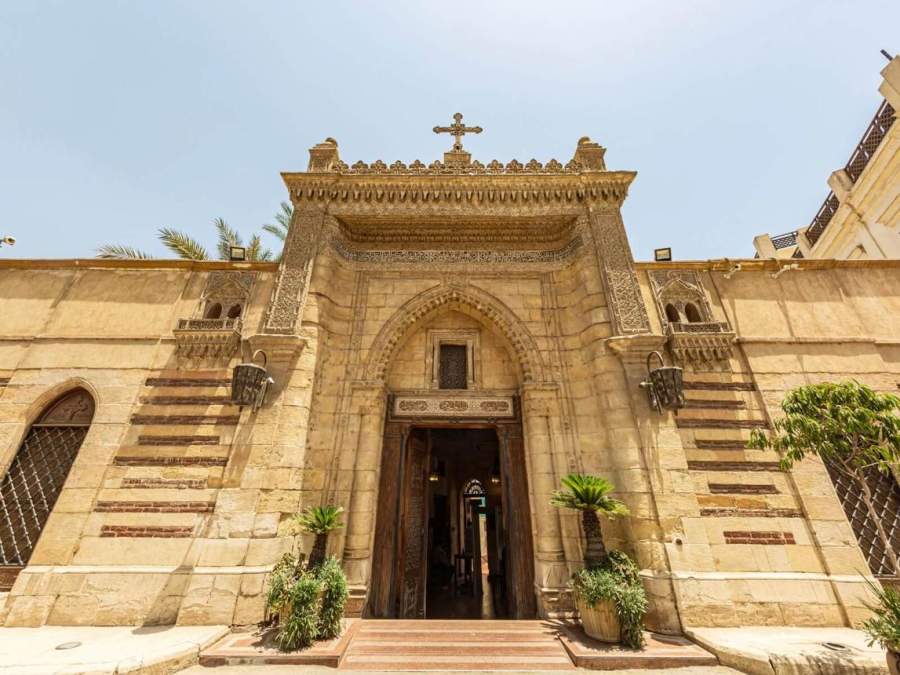
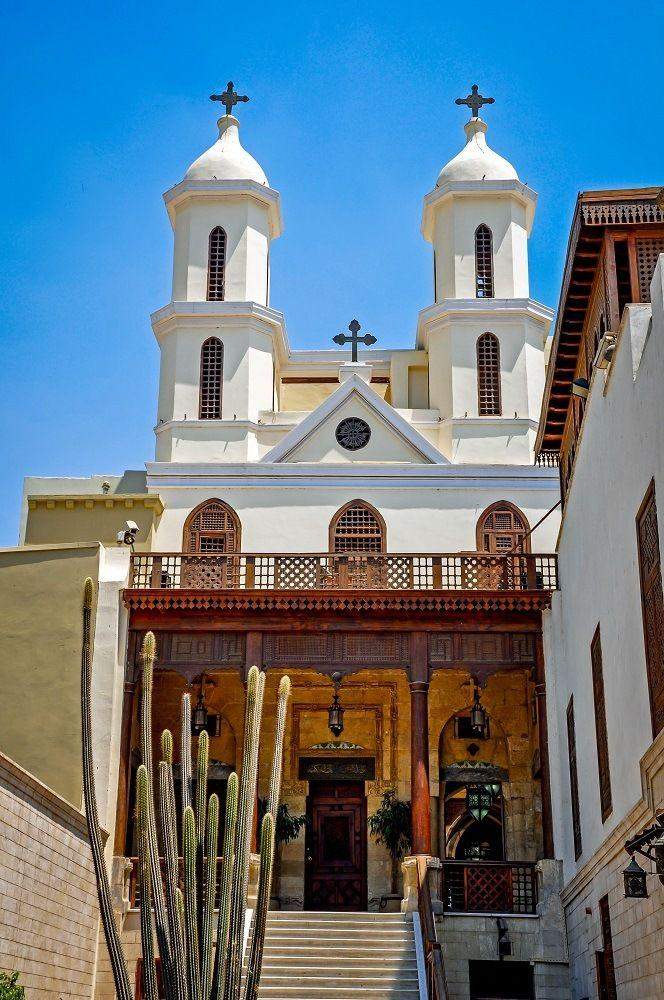
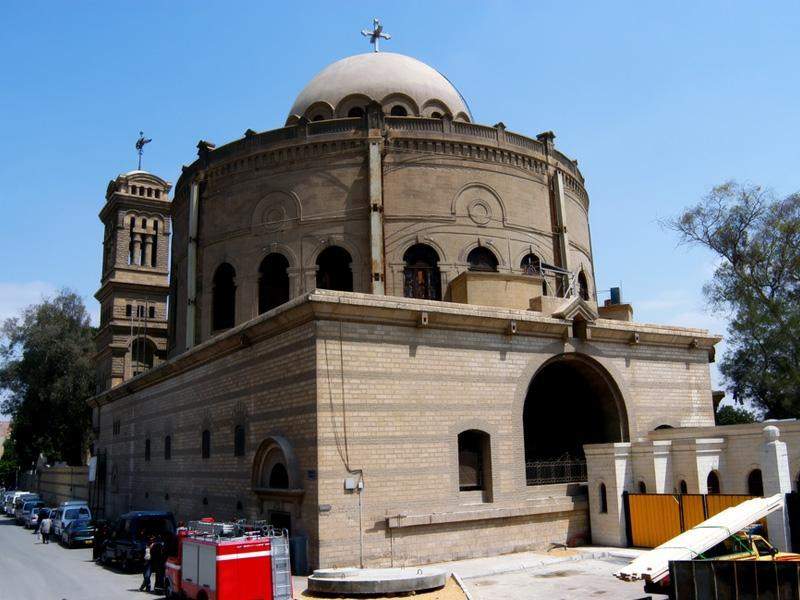
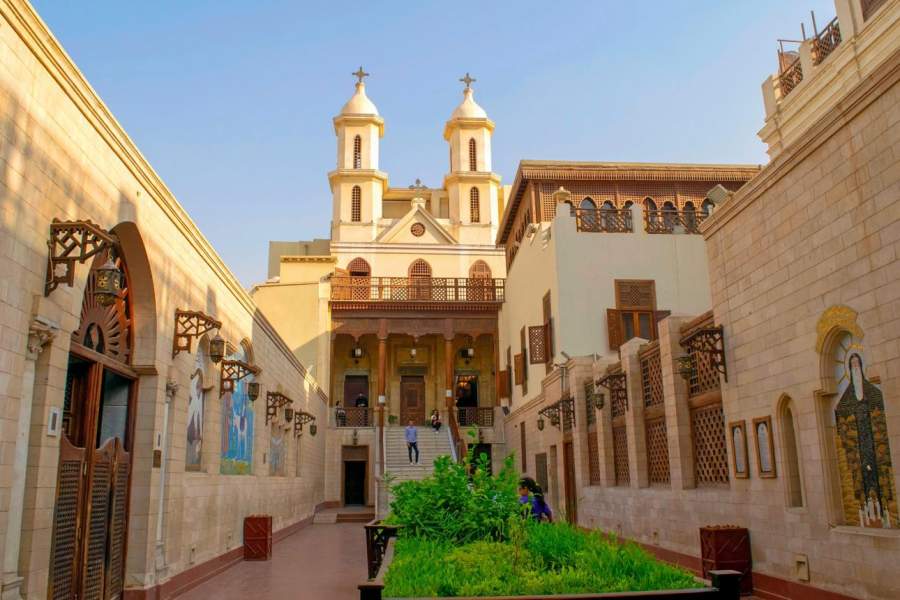
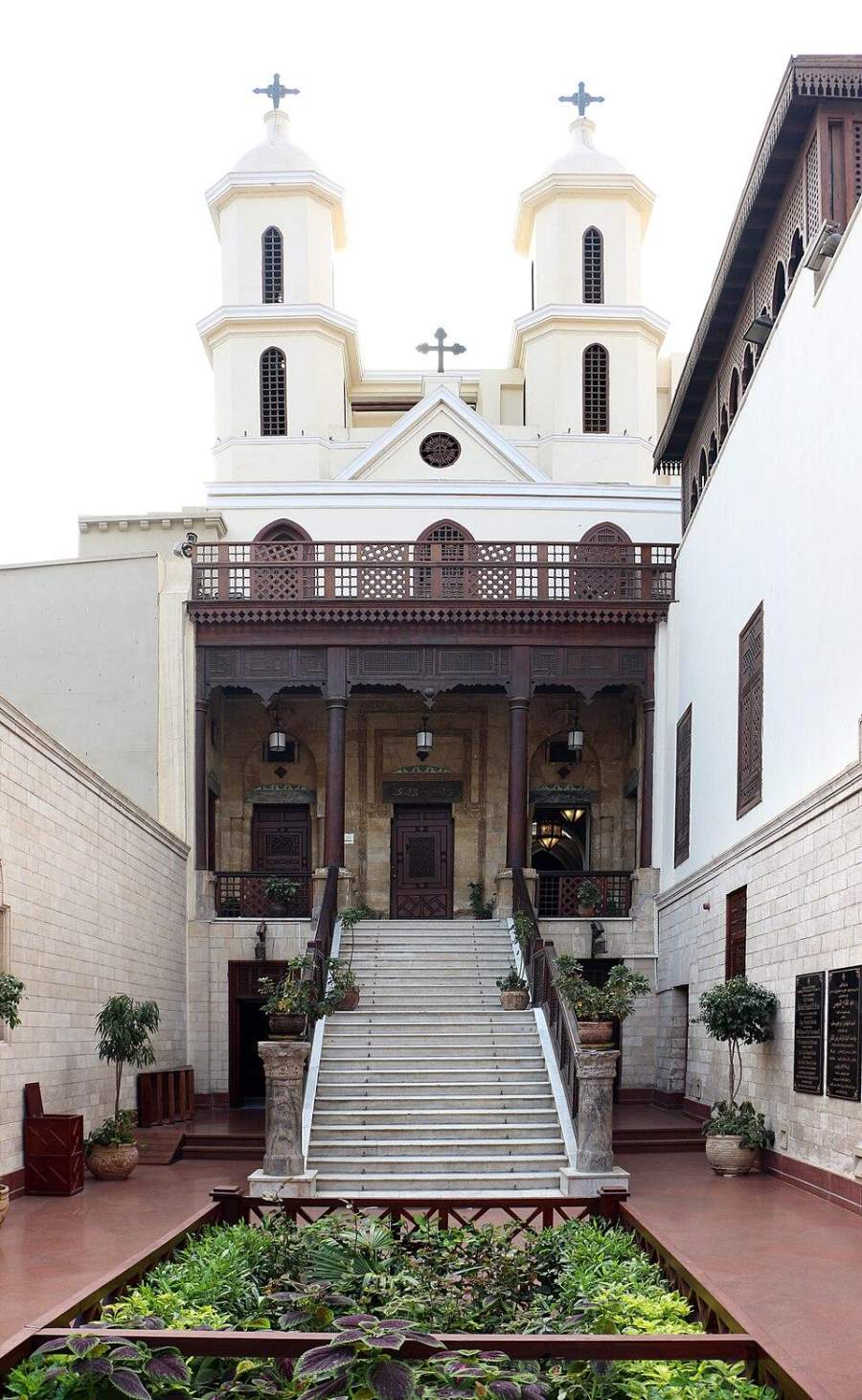
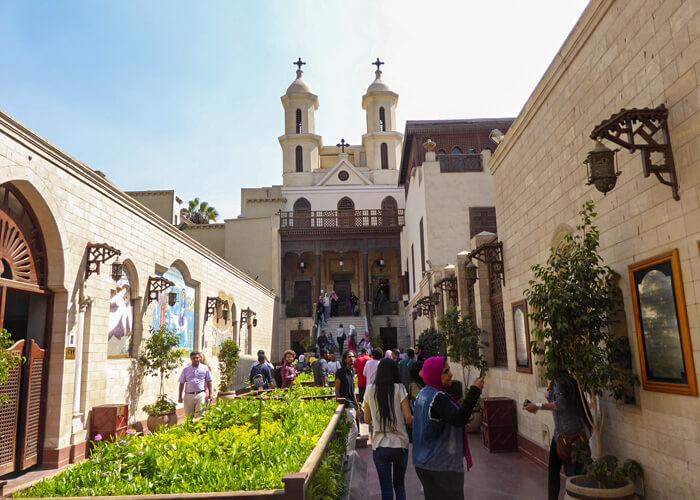
The Hanging Church, also known as Al-Muallaqa or the Church of the Virgin Mary, is one of the most fascinating Christian monuments in Cairo. Located in the historic area of Coptic Cairo, the church stands above the remains of the ancient Roman fortress of Babylon, creating a remarkable combination of Roman and Coptic heritage.
The church is famous not only for its unusual elevated position, but also for its beautiful interior, historic icons, wooden architecture, marble columns, religious artwork, and centuries of Christian history.
Today, the Hanging Church is one of the most important stops for travelers exploring Old Cairo, offering a completely different experience from Egypt’s famous pyramids and Pharaonic temples.
Where Is the Hanging Church?
The Hanging Church is located in Old Cairo, inside the historic district commonly known as Coptic Cairo or the Religious Complex.
It is surrounded by some of the most important religious and historical monuments in Cairo, including the Coptic Museum, Abu Serga Church, Saint Barbara Church, Ben Ezra Synagogue, and the remains of Babylon Fortress.
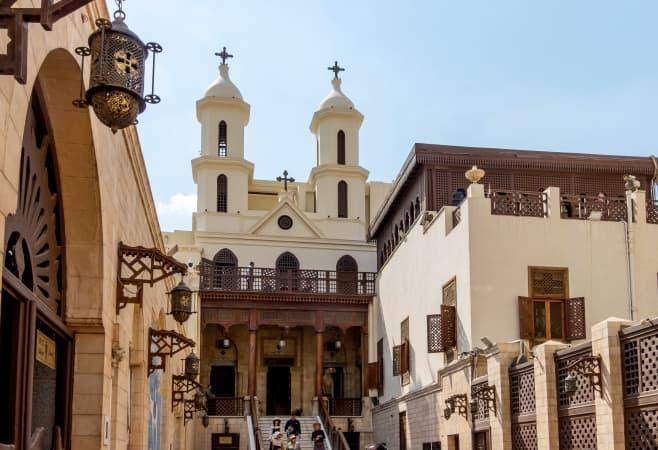
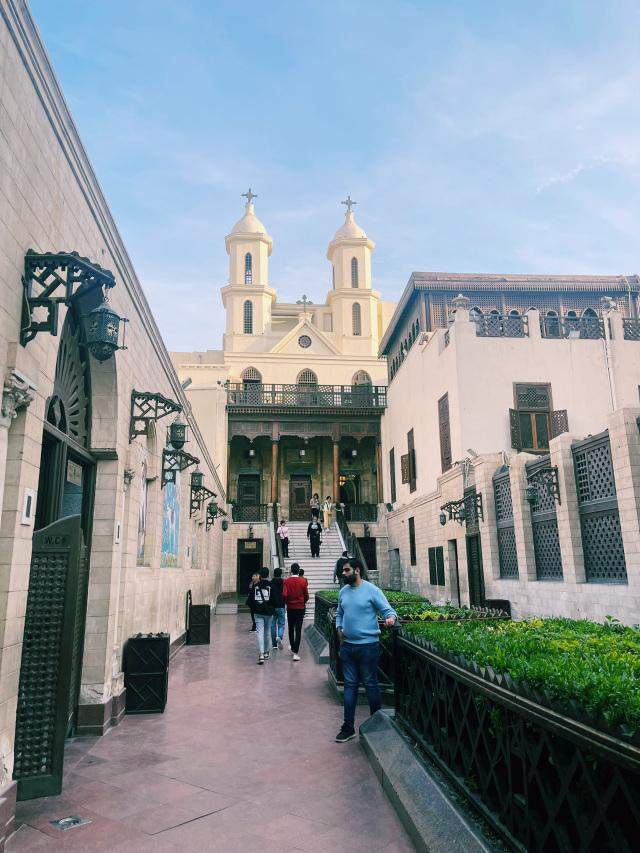
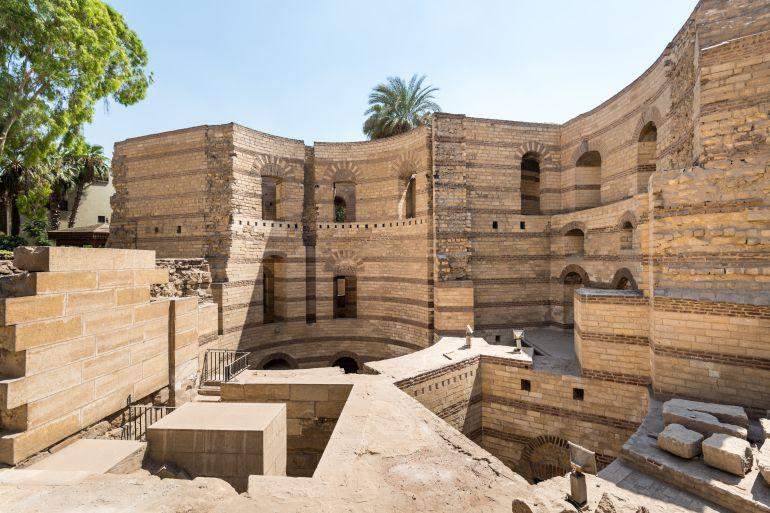
The location makes the church an excellent part of a walking tour through historic Cairo.
Visitors can move between several monuments within the same area and experience different chapters of Egypt’s religious and architectural history.
Historic Cairo was inscribed on the UNESCO World Heritage List in 1979, recognizing the exceptional collection of monuments preserved in this part of the city.
Why Is It Called the Hanging Church?
The name “Hanging Church” comes from the church’s unusual architectural position.
Its Arabic name, Al-Muallaqa, means “the suspended” or “the hanging.”
The church was constructed above the remains of the ancient Roman fortress of Babylon, between two of the fortress towers.
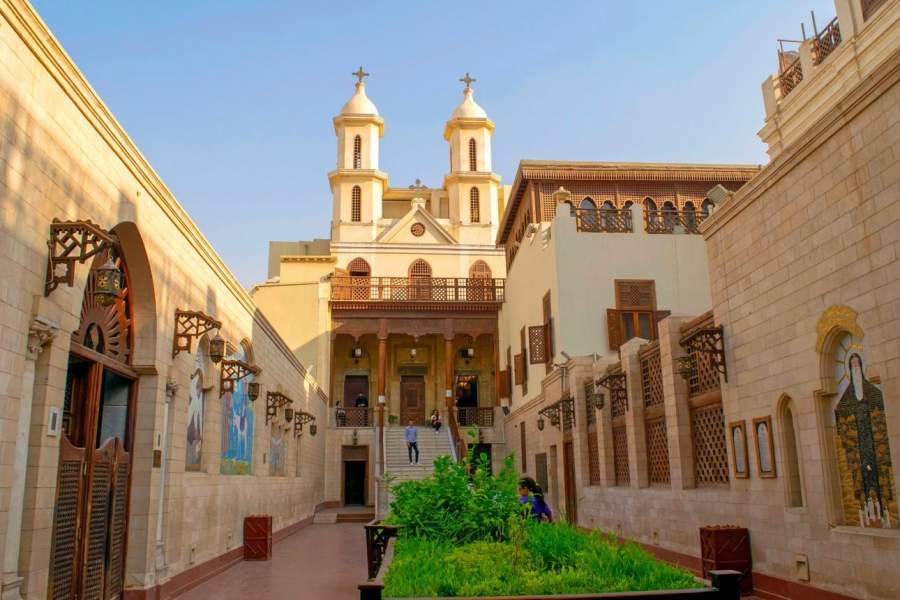
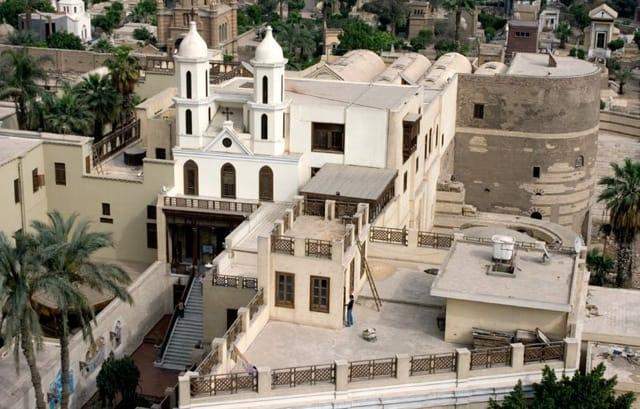
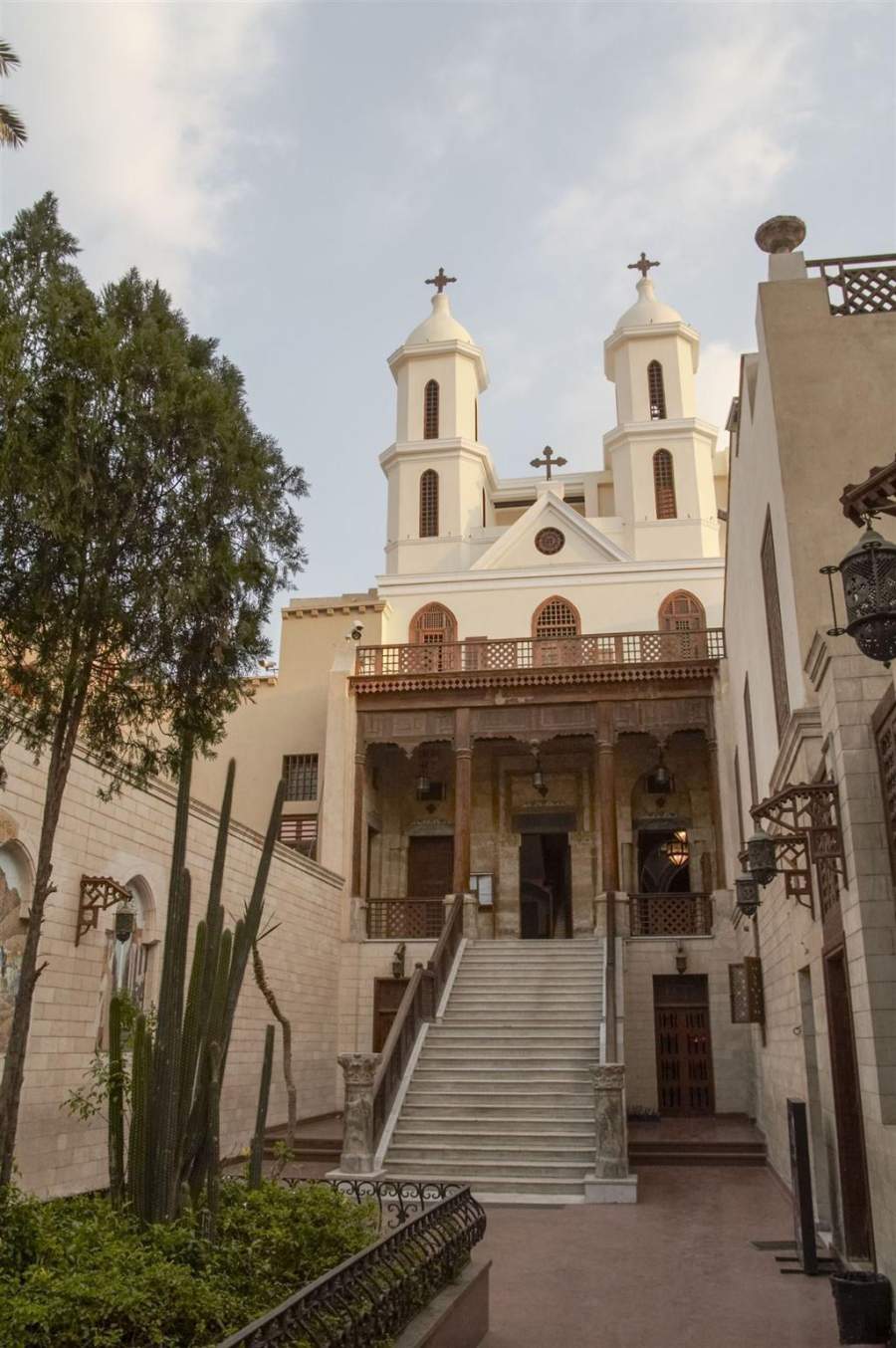
According to Egypt’s Ministry of Tourism and Antiquities, the church stands approximately 13 meters above ground level.
This unusual position is one of the first things visitors notice.
The monument therefore represents several layers of history at the same time: Roman remains below and centuries of Coptic Christian heritage above.
A Church With Centuries of History
The Hanging Church has a long and complex history.
Egypt’s Ministry of Tourism and Antiquities states that the church was built toward the end of the fourth century AD and later became the seat of the Coptic papacy in the eleventh century.
During the medieval period, it was also known as the Church of the Stairs and the Column Church.
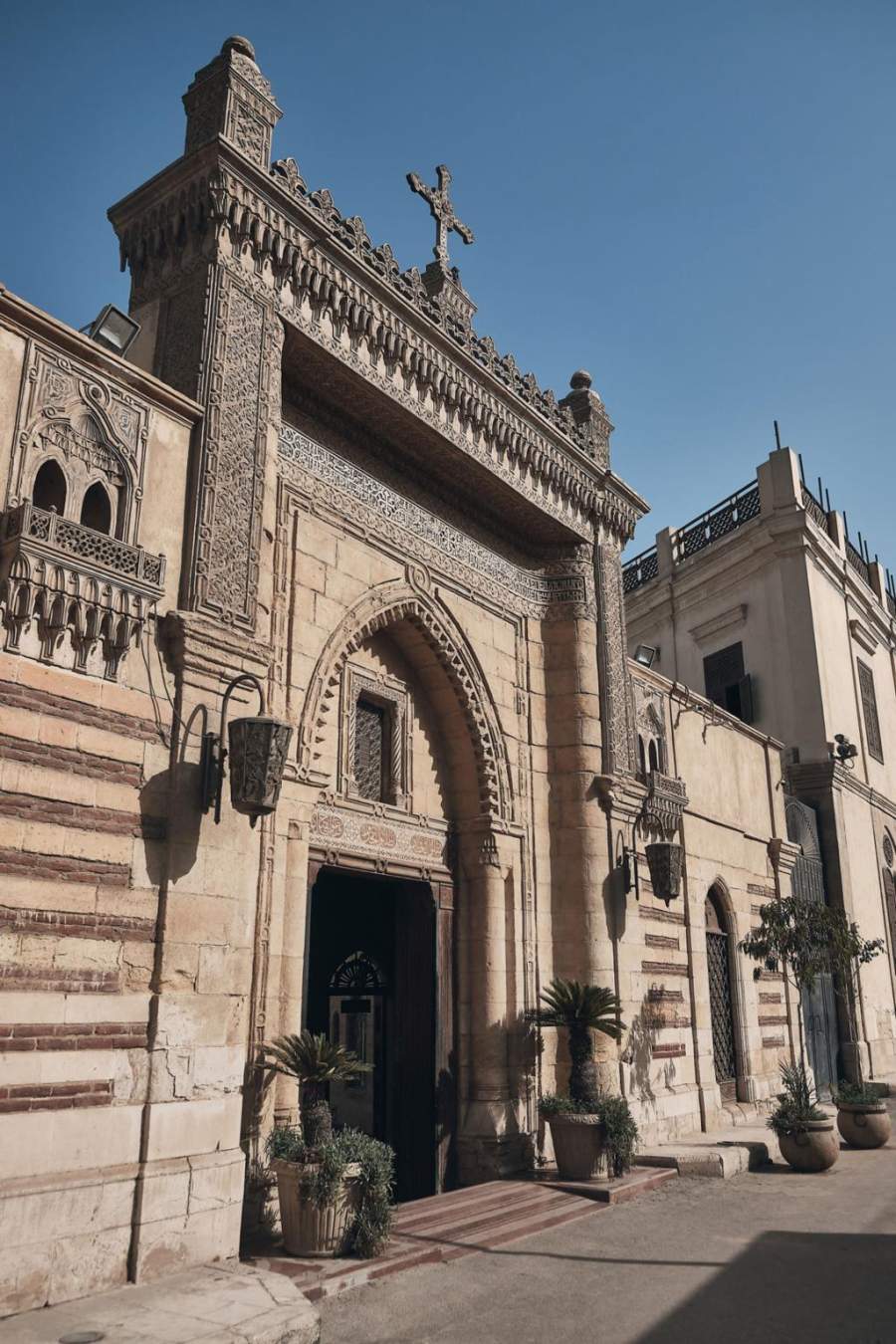
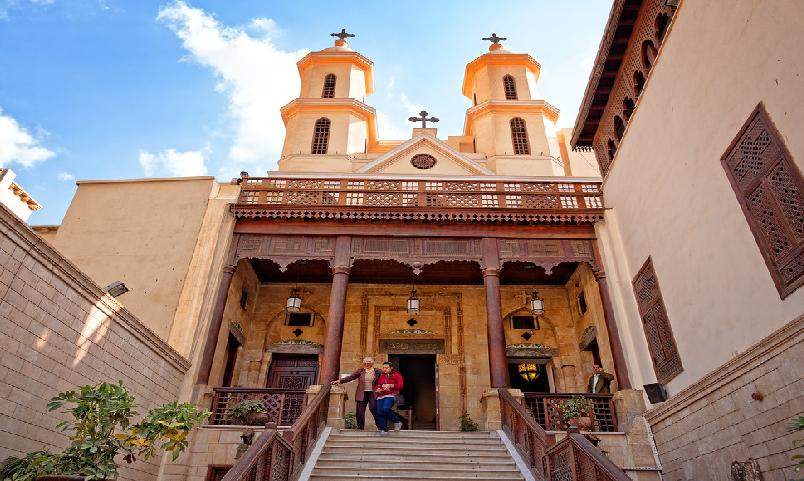
Like many historic religious buildings in Egypt, the Hanging Church developed over a very long period.
Different generations contributed to its construction, decoration, restoration, and preservation.
This long history is part of what makes the church so important within Egypt’s Coptic heritage.
The Architecture of the Hanging Church
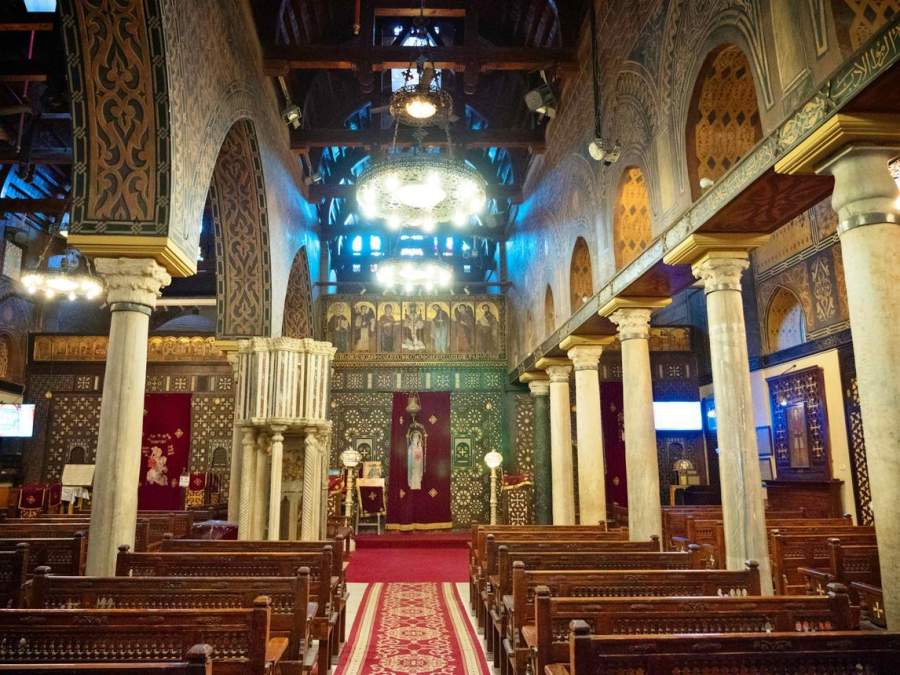
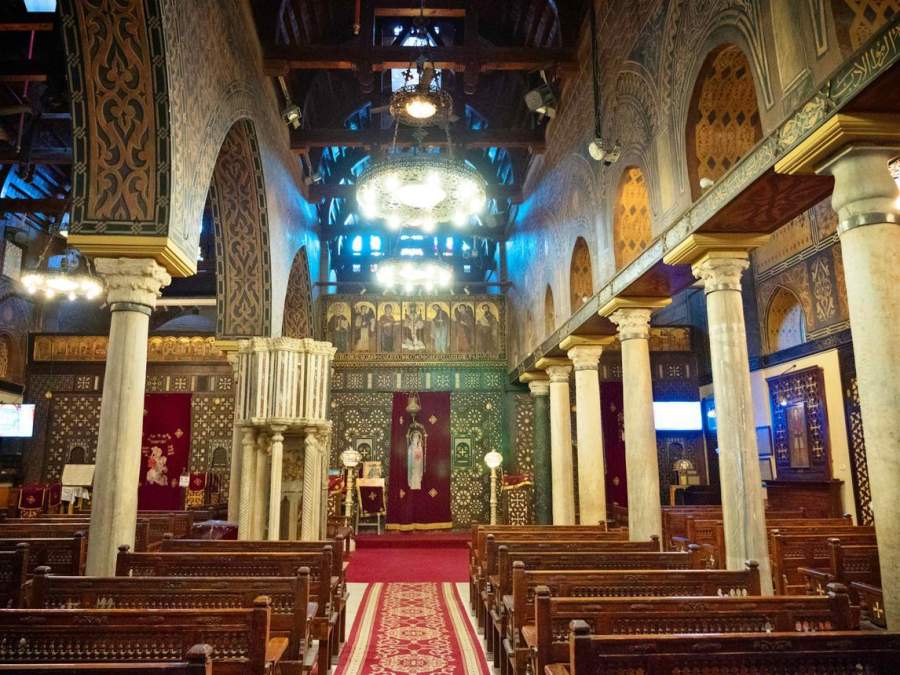
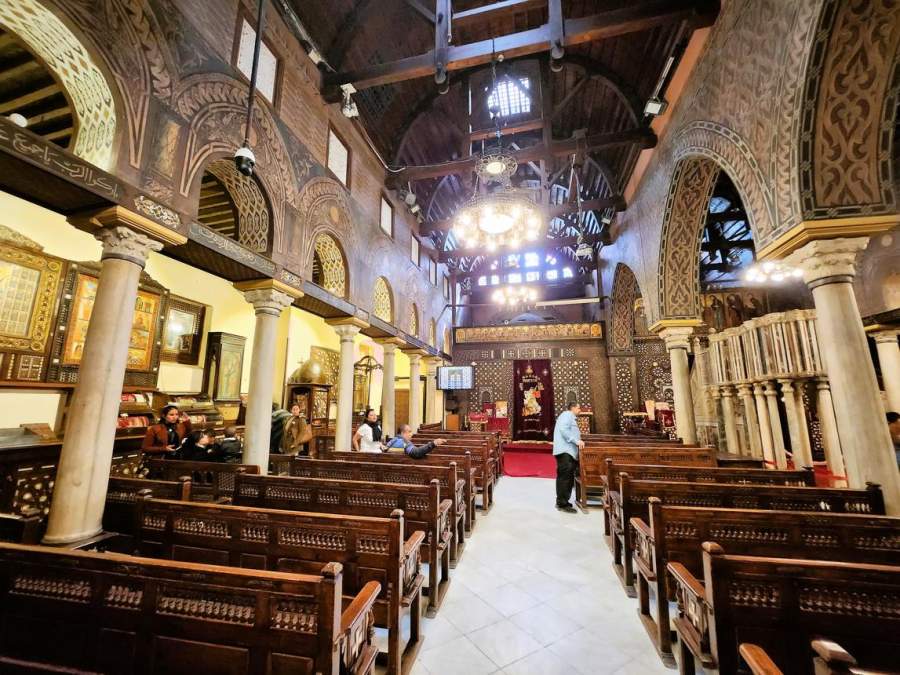
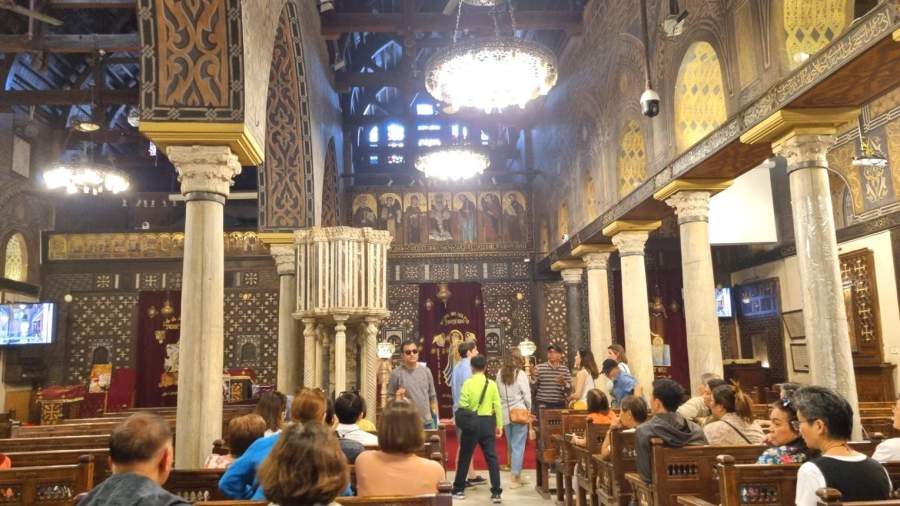
The interior of the Hanging Church is one of its greatest attractions.
Instead of the enormous stone spaces found in ancient Egyptian temples, visitors enter a more intimate environment filled with wood, marble, icons, religious artwork, and decorative details.
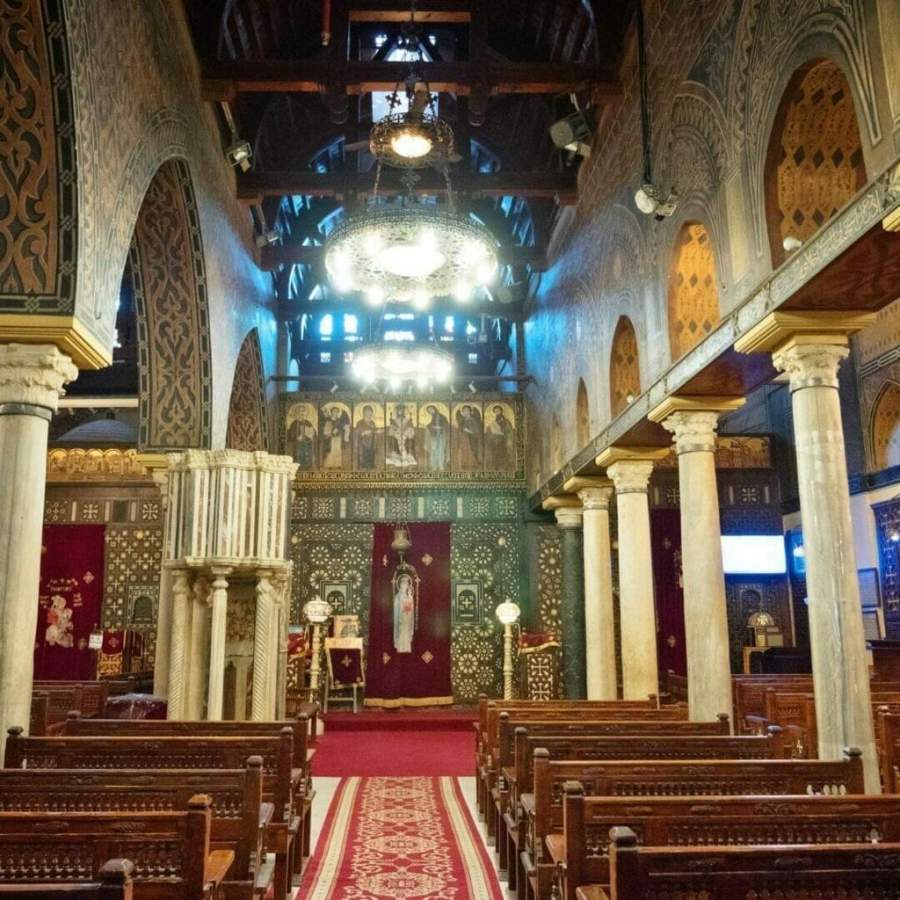
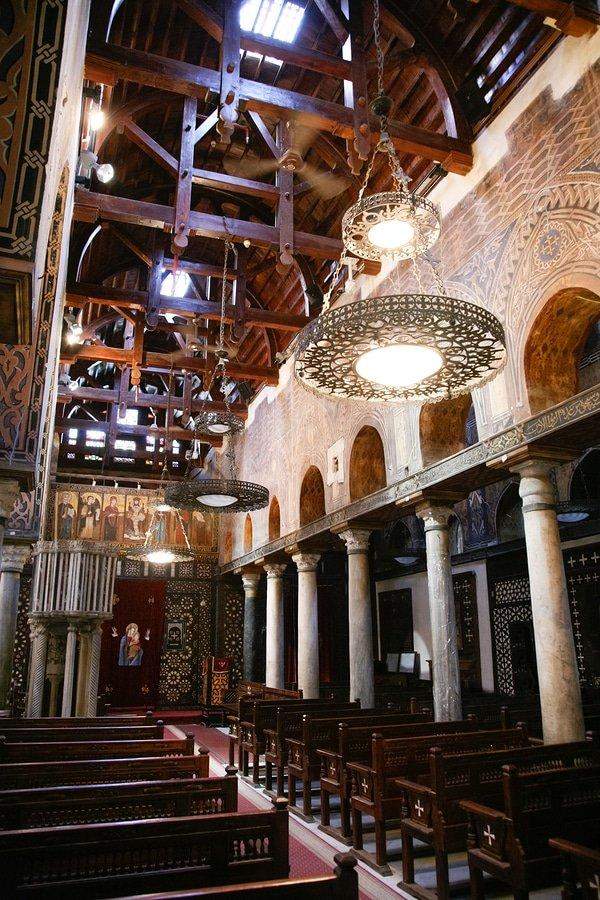
According to Egypt’s Ministry of Tourism and Antiquities, the church contains a central court divided into sections by rows of marble columns, while wooden semi-circular vaults cover the main area.
Some of the most important features include:
- Marble columns
- Wooden ceilings
- Wooden domes
- Historic icons
- Marble pulpit
- Baptismal font
- Wooden screens
- Religious sanctuaries
- Mosaic decoration
Every part contributes to the distinctive atmosphere of the church.
The Famous Wooden Ceiling
One of the most memorable details inside the Hanging Church is its wooden ceiling.
The ceiling was designed to resemble Noah’s Ark, giving it both architectural and religious significance.
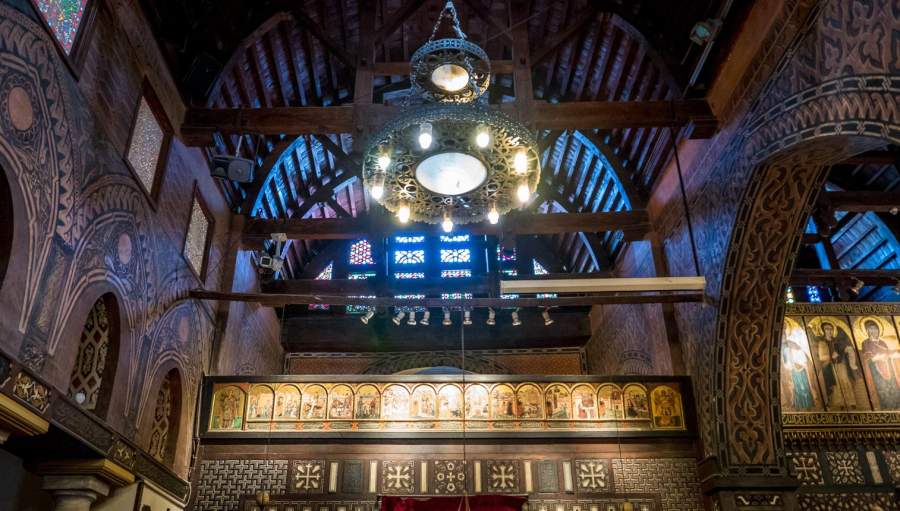
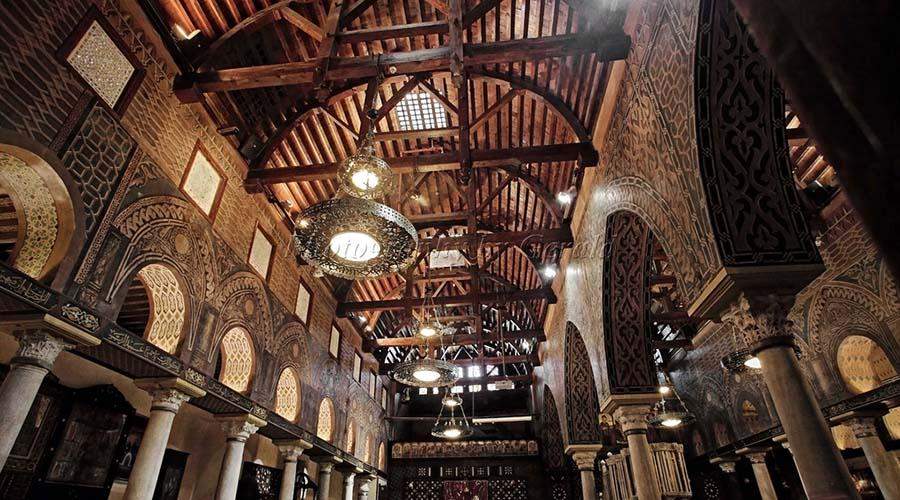
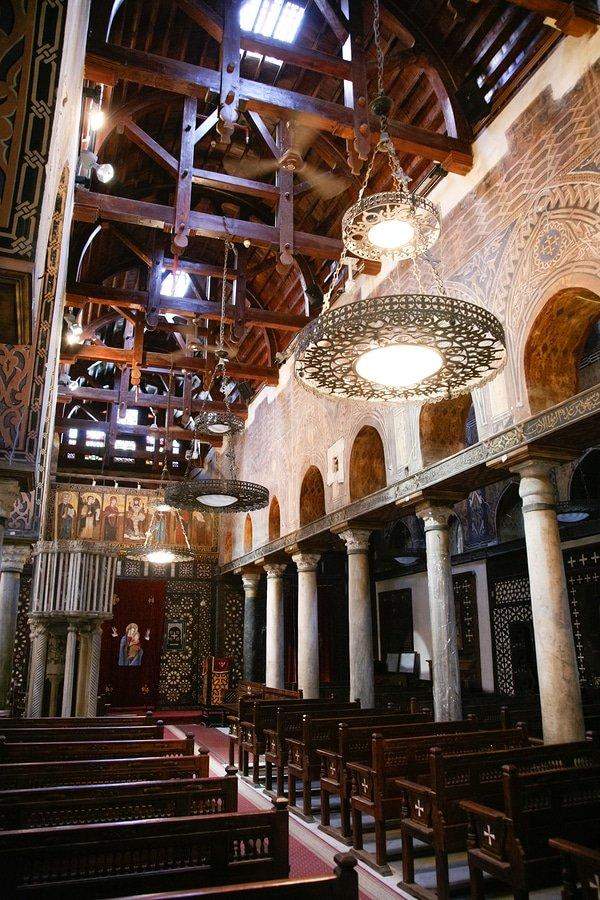
Visitors should remember to look upward when entering the church.
The ceiling can easily be overlooked because attention is naturally drawn toward the icons and sanctuaries.
Its wooden construction also creates a beautiful contrast with the marble and stone elements throughout the interior.
The Marble Pulpit
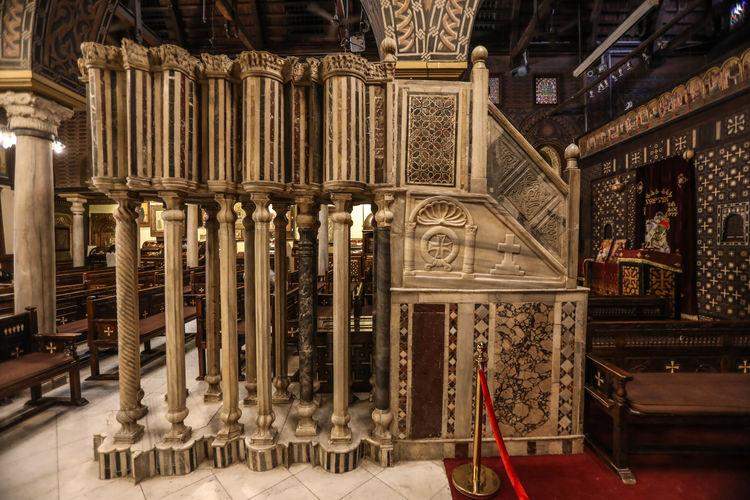
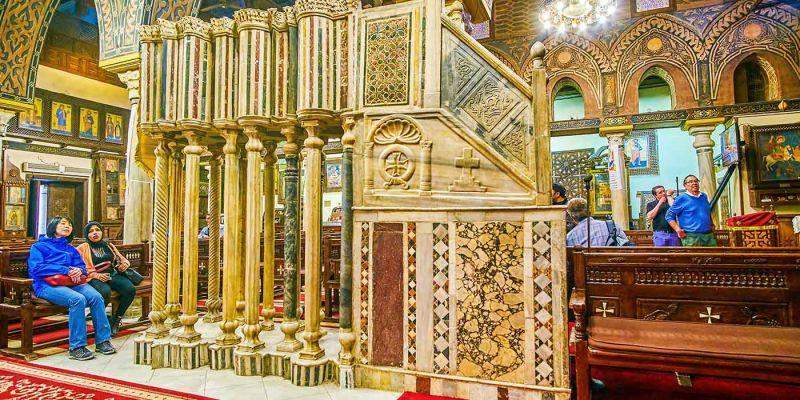
Another remarkable feature is the church’s historic marble pulpit, or ambo.
The pulpit is supported by marble columns decorated with mosaic, and Egypt’s Ministry of Tourism and Antiquities dates it to the eleventh century AD.
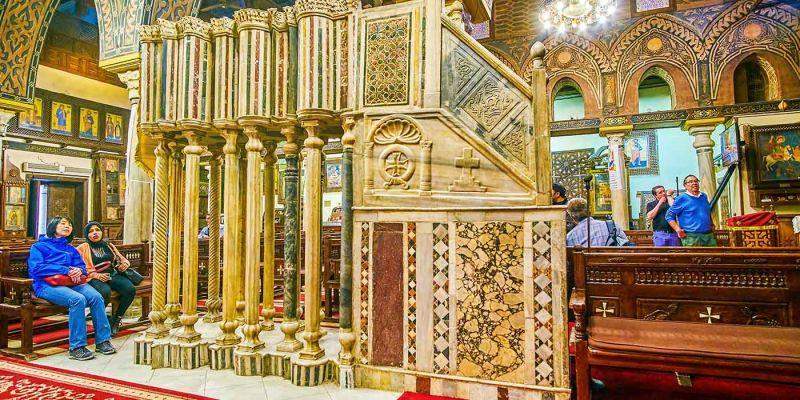
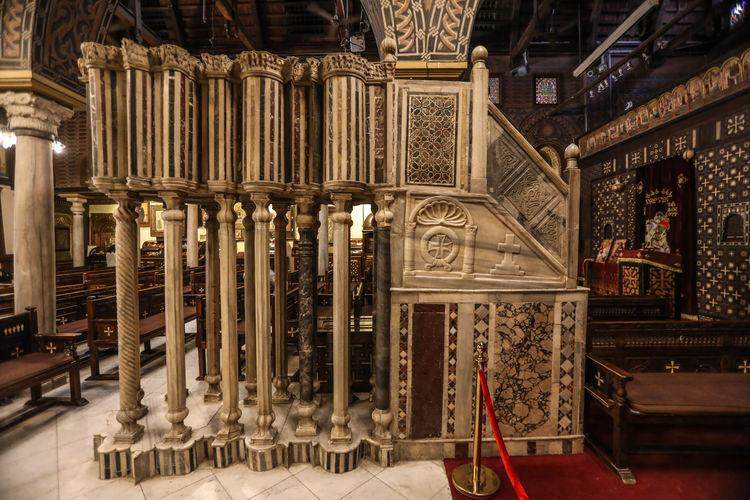
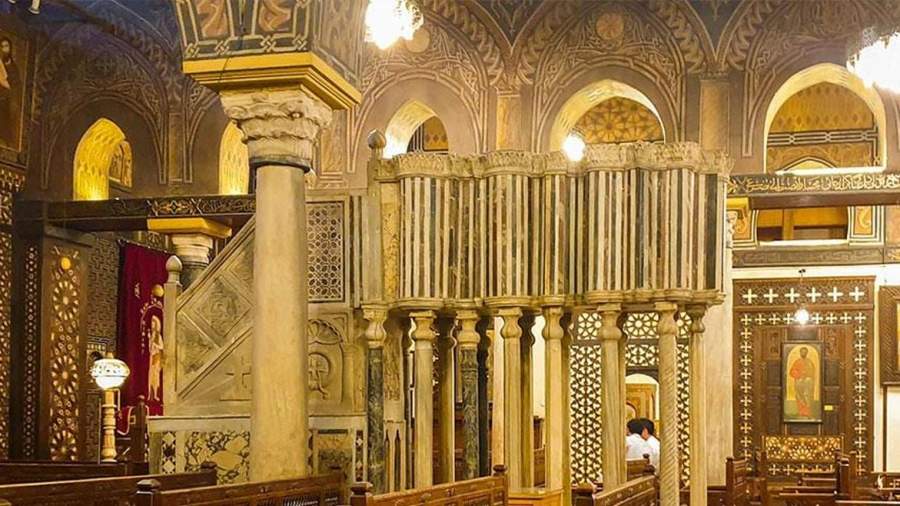
The craftsmanship of the pulpit demonstrates the importance of decorative stonework within the church.
It is one of the details that should not be missed when exploring the interior.
The Sanctuaries
The eastern part of the church contains five sanctuaries, each covered by a wooden dome.
Among the important sanctuaries are those associated with the Virgin Mary, Saint George, and Saint John the Baptist.
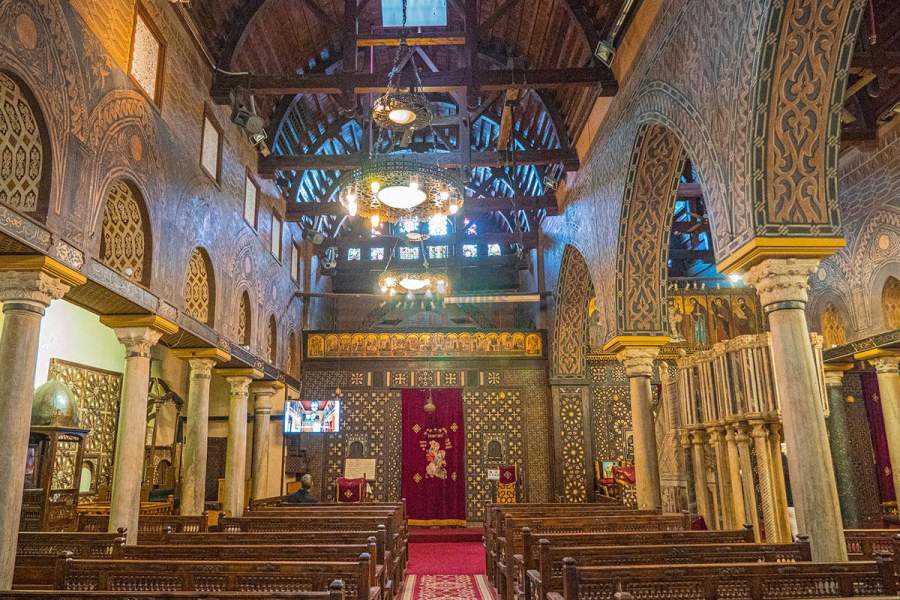
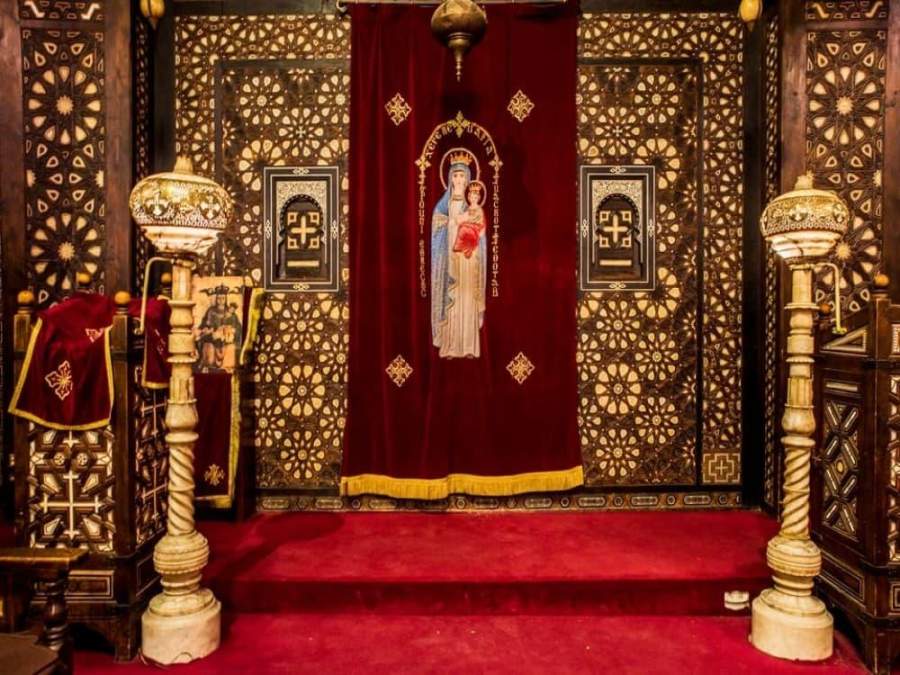
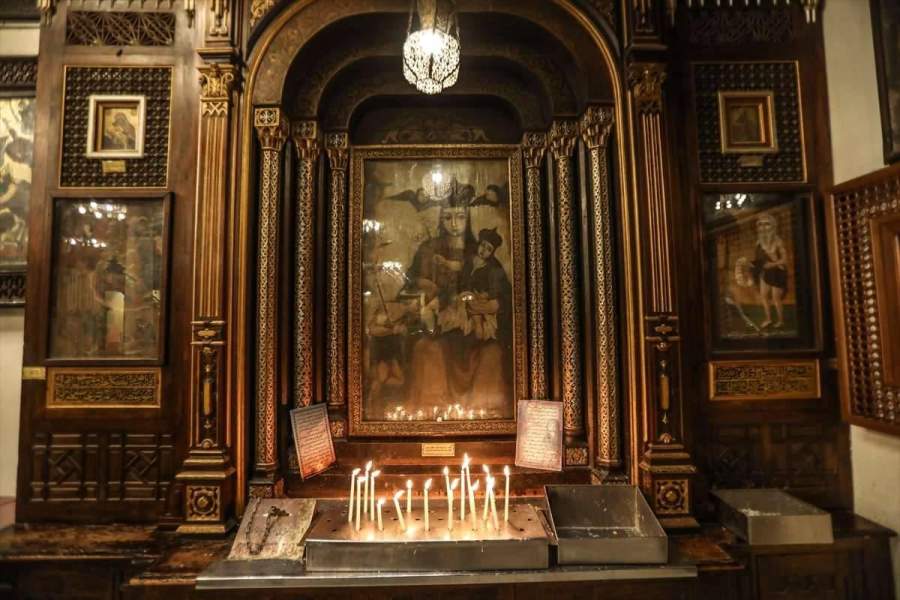
These sanctuaries are important both religiously and architecturally.
The wooden domes above them add another distinctive element to the church’s interior.
The Icons of the Hanging Church
Perhaps the most visually impressive part of the church is its collection of Coptic religious icons.
The icons depict Christ, the Virgin Mary, saints, biblical scenes, and other important figures within Christian tradition.
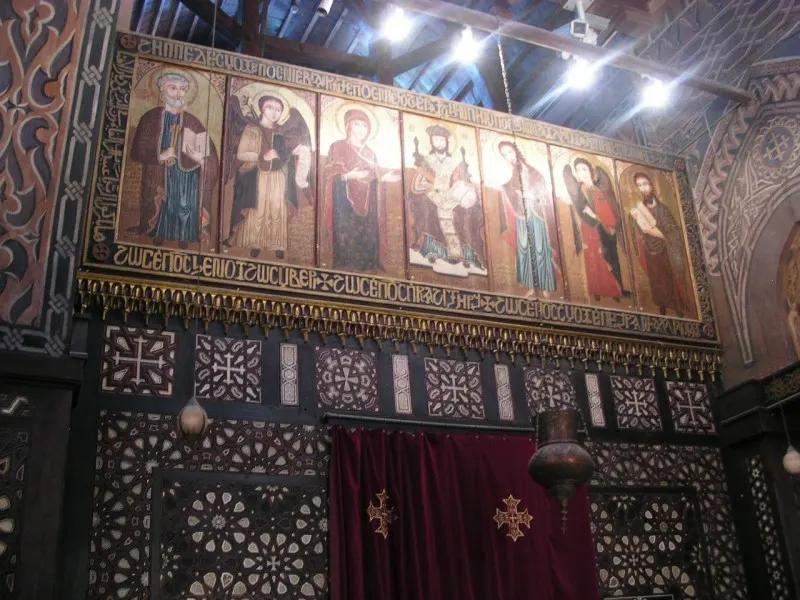
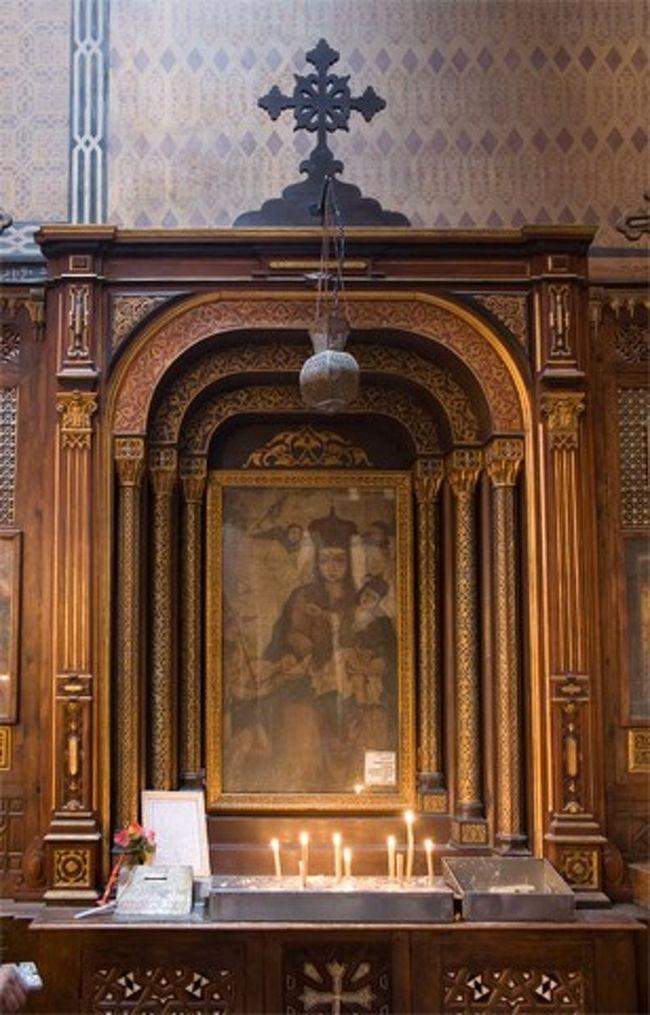
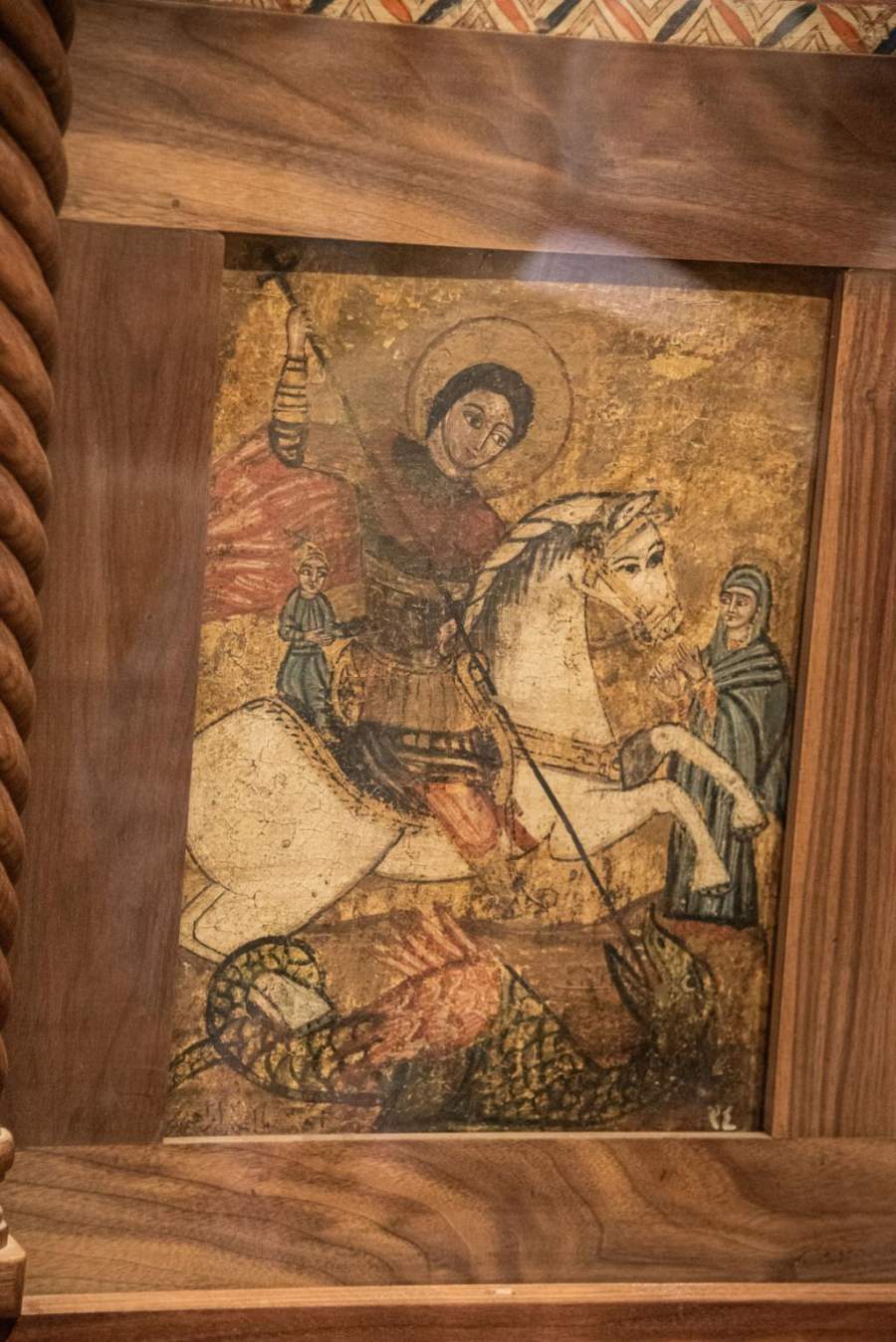
Egypt’s Ministry of Tourism and Antiquities states that the oldest icons date to approximately the 15th century, while many others date to the end of the 18th century.
These works are important examples of Coptic artistic traditions and help visitors understand the religious and artistic history preserved inside the church.
The Hanging Church and Coptic Christianity
The Hanging Church occupies an important place in the history of Christianity in Egypt.
Egypt has one of the world’s oldest Christian traditions, and the Coptic Orthodox heritage remains deeply connected to the country's history and culture.
Coptic Cairo became one of the most important areas for preserving this heritage.
Walking through the district allows visitors to see how Christian communities maintained their religious traditions across centuries of political and cultural change.
The Hanging Church and the Holy Family Tradition
The Hanging Church is also part of the broader Holy Family heritage of Egypt.
Egyptian Christian traditions associate numerous places across the country with the journey of the Holy Family through Egypt.
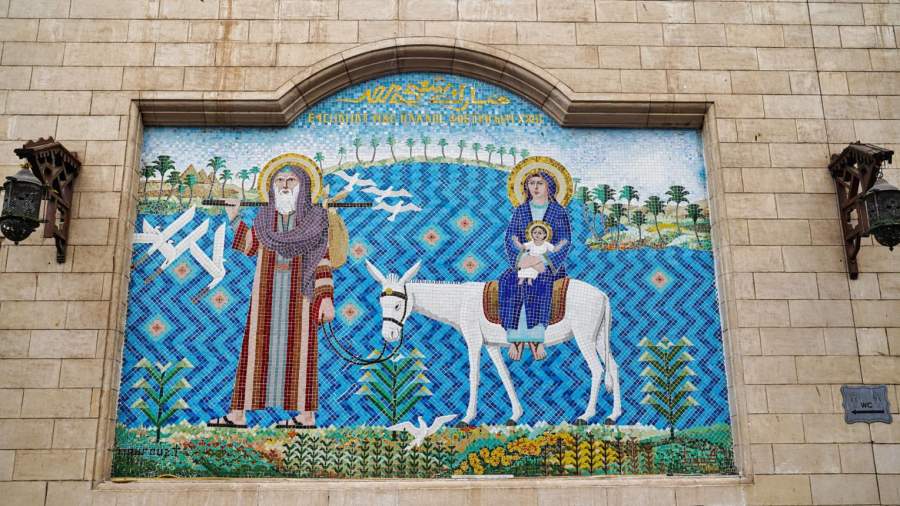
For religious travelers, visiting the Hanging Church can therefore be part of a wider journey through Egypt’s Christian heritage.
It is important, however, to distinguish religious traditions surrounding the Holy Family from archaeological evidence when discussing the historical journey.
The Coptic Museum
The Coptic Museum is located very close to the Hanging Church and is one of the most important museums dedicated to Egypt’s Christian heritage.
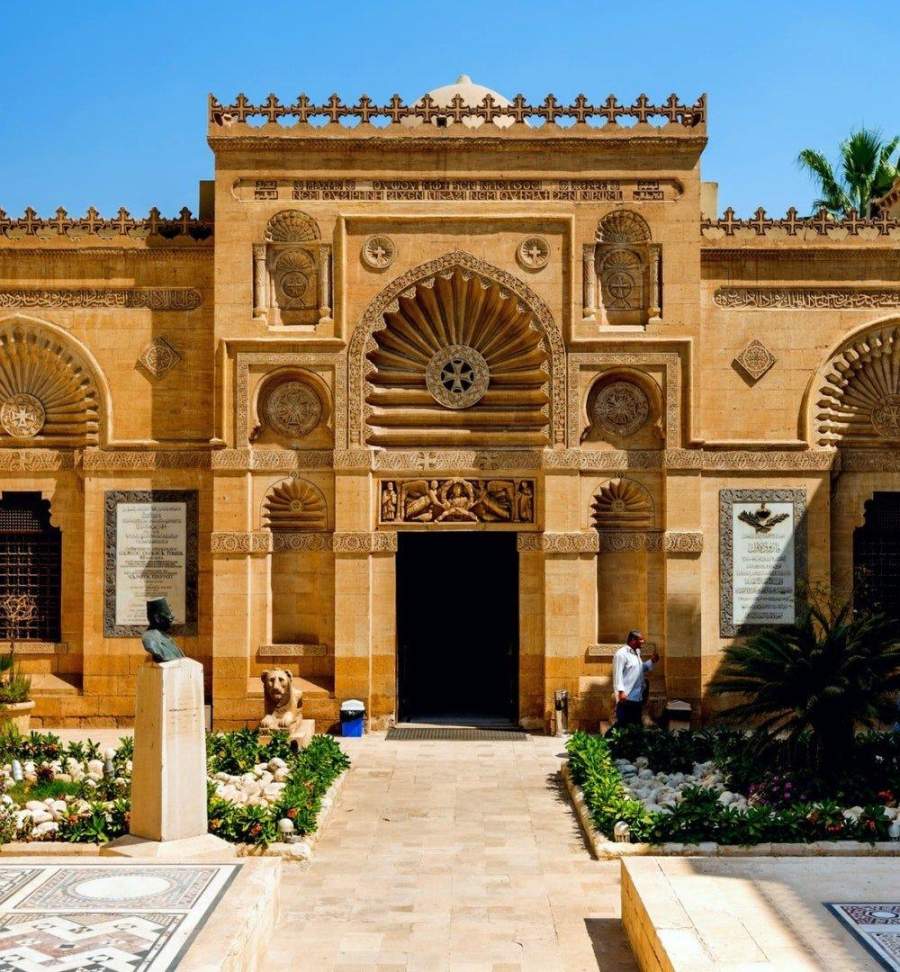
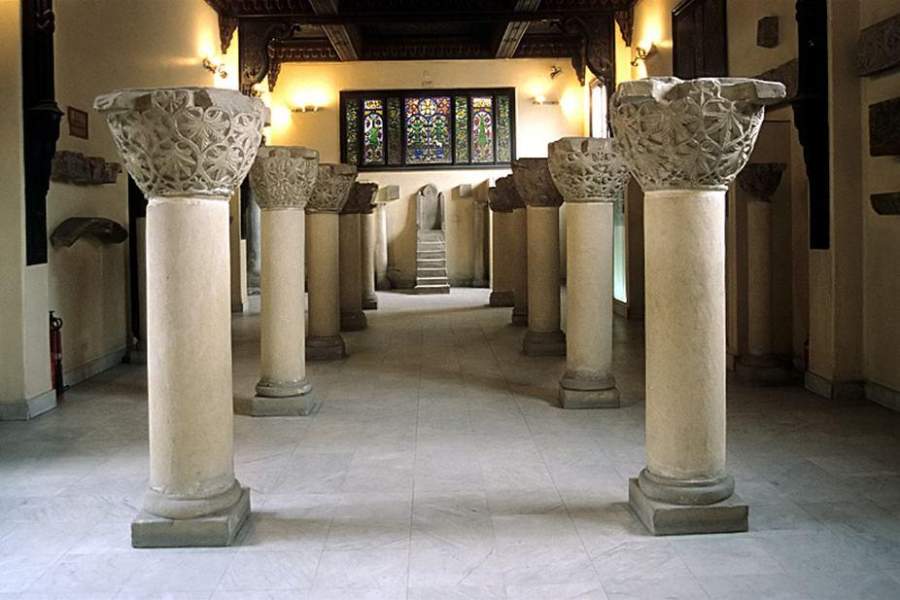
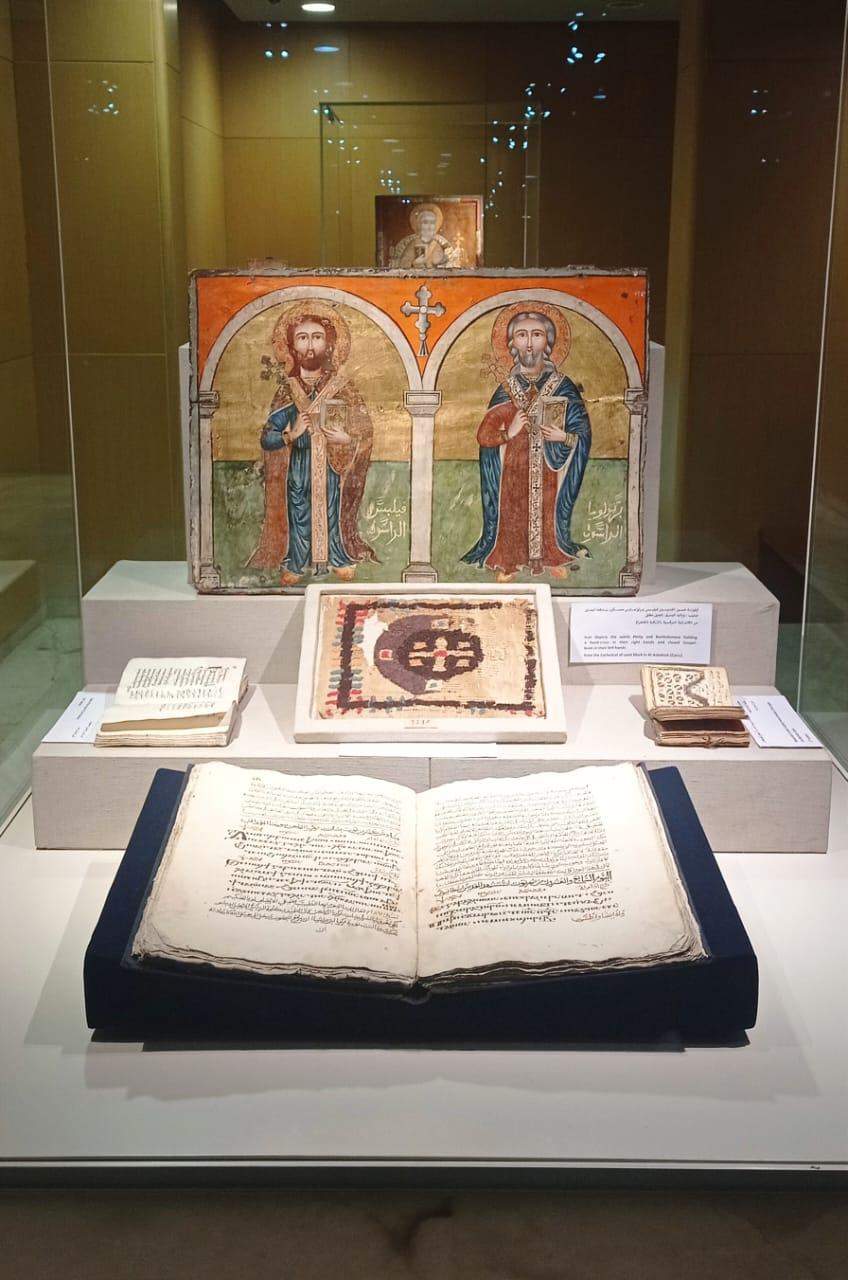
The museum contains an extensive collection of Coptic artifacts, manuscripts, textiles, icons, architectural elements, and other objects.
Combining the museum with the Hanging Church provides a deeper understanding of the history and artistic traditions represented in the area.
Abu Serga Church
Another important attraction nearby is the Church of Saints Sergius and Bacchus, commonly known as Abu Serga.
The church is traditionally associated with the Holy Family’s journey through Egypt and is one of the most important churches in Coptic Cairo.
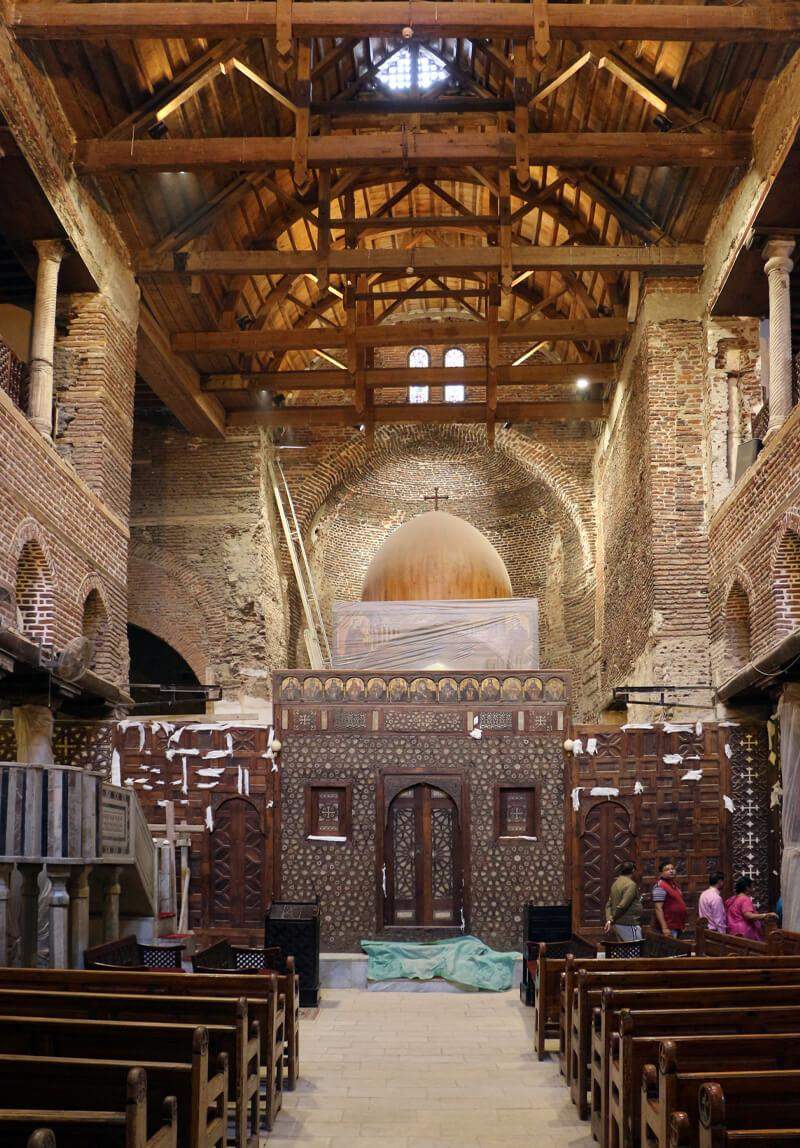
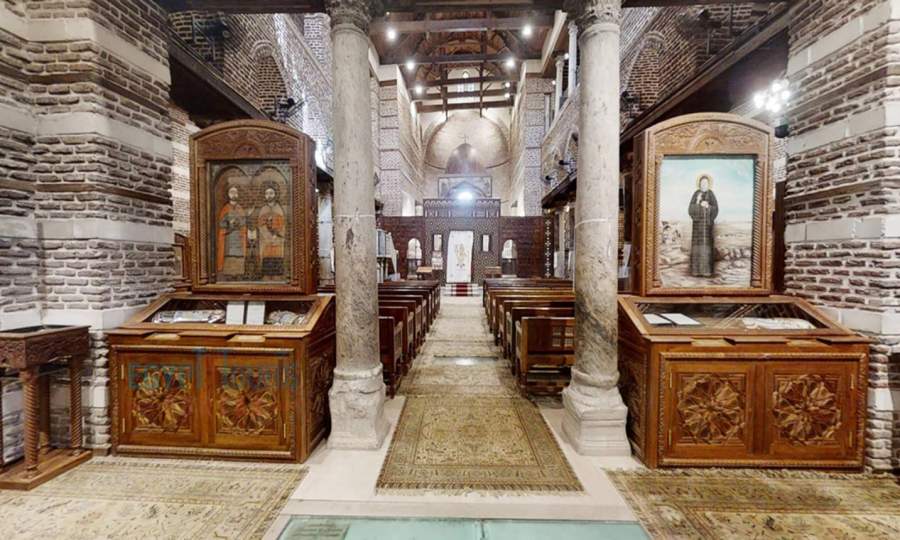
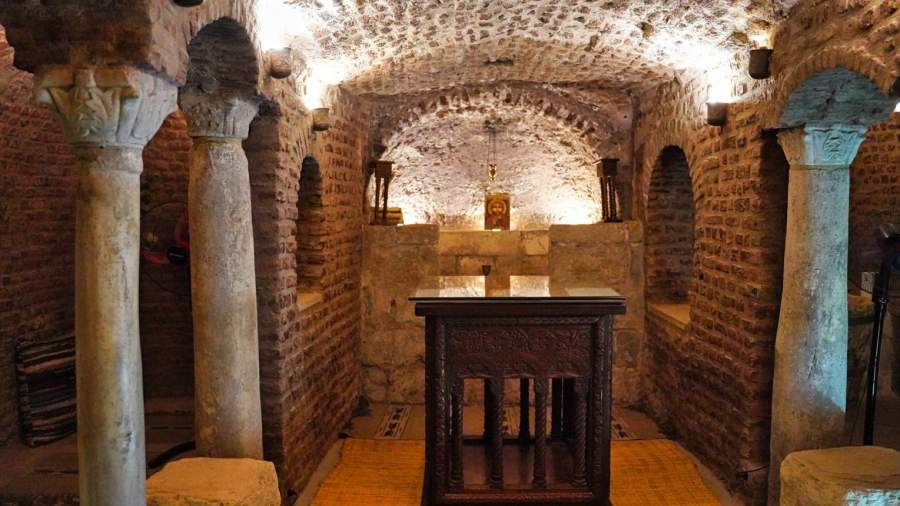
Its proximity to the Hanging Church makes it easy to include both monuments in the same walking tour.
Ben Ezra Synagogue
The nearby Ben Ezra Synagogue represents another important part of the religious history of Old Cairo.
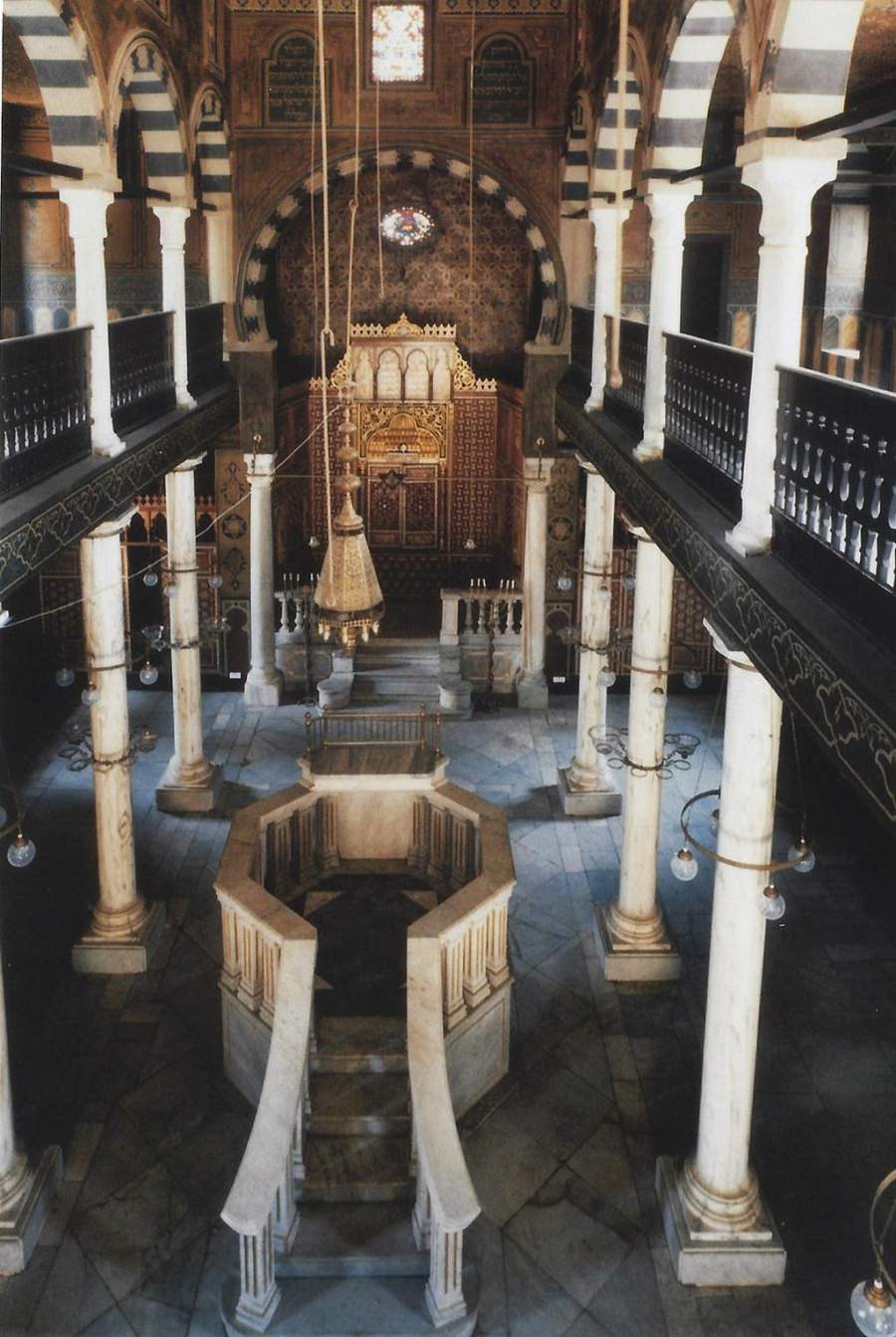
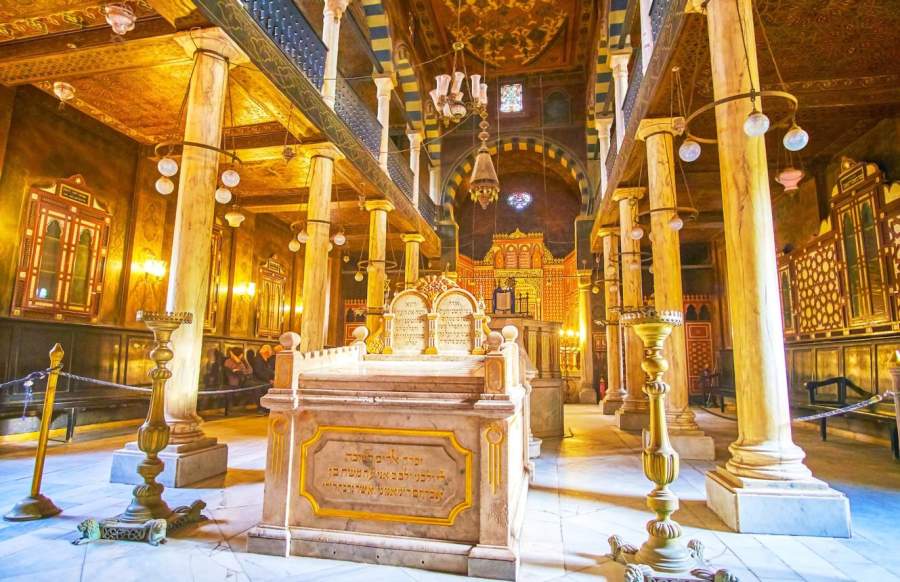
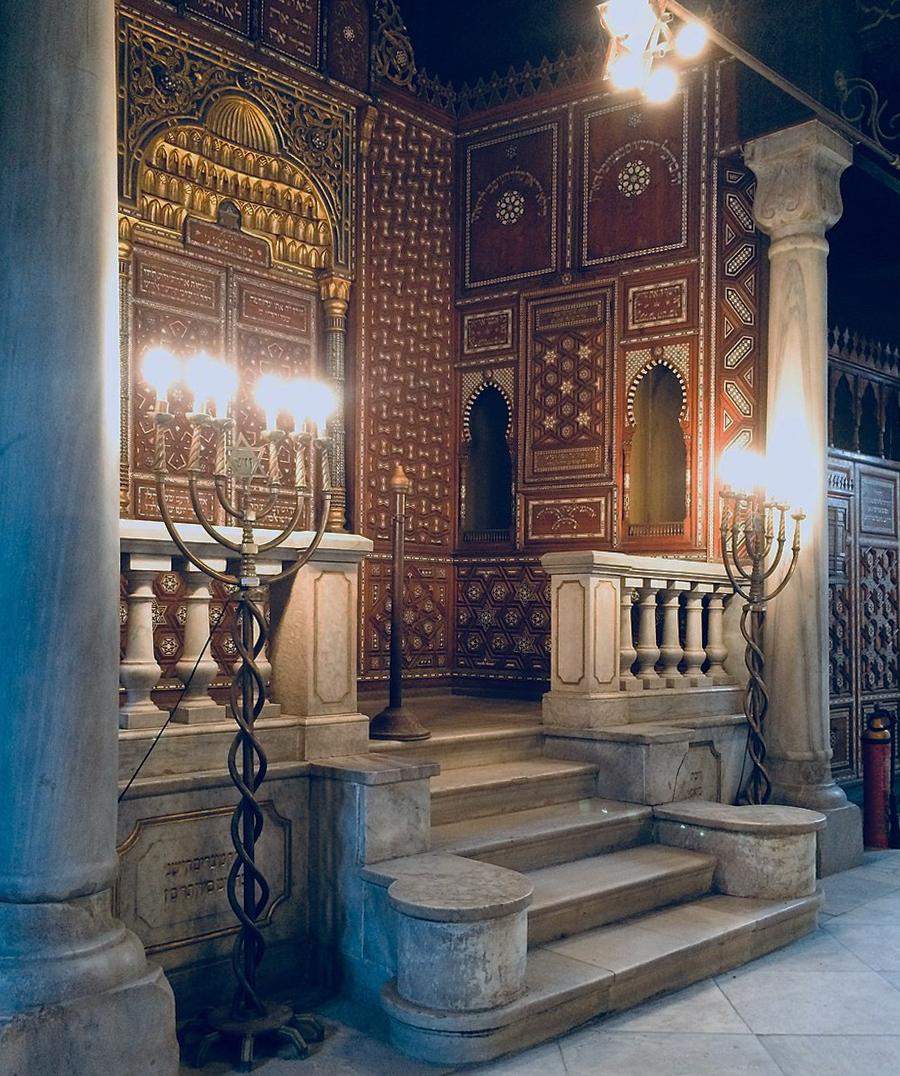
Together with the Christian churches and nearby Islamic monuments, the synagogue demonstrates the remarkable religious diversity that developed within historic Cairo.
Babylon Fortress
The remains of Babylon Fortress are essential to understanding the Hanging Church.
The church’s unusual elevated position is directly connected to the ancient Roman structure.
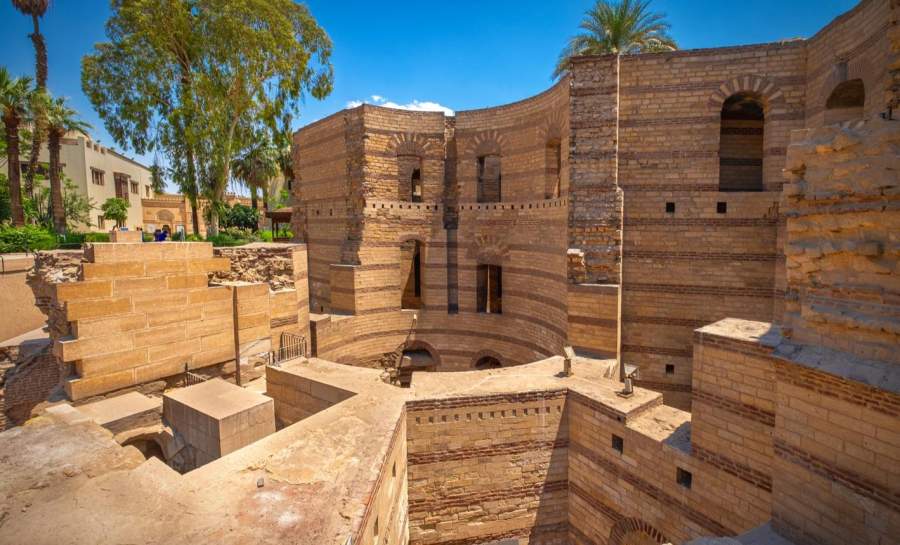
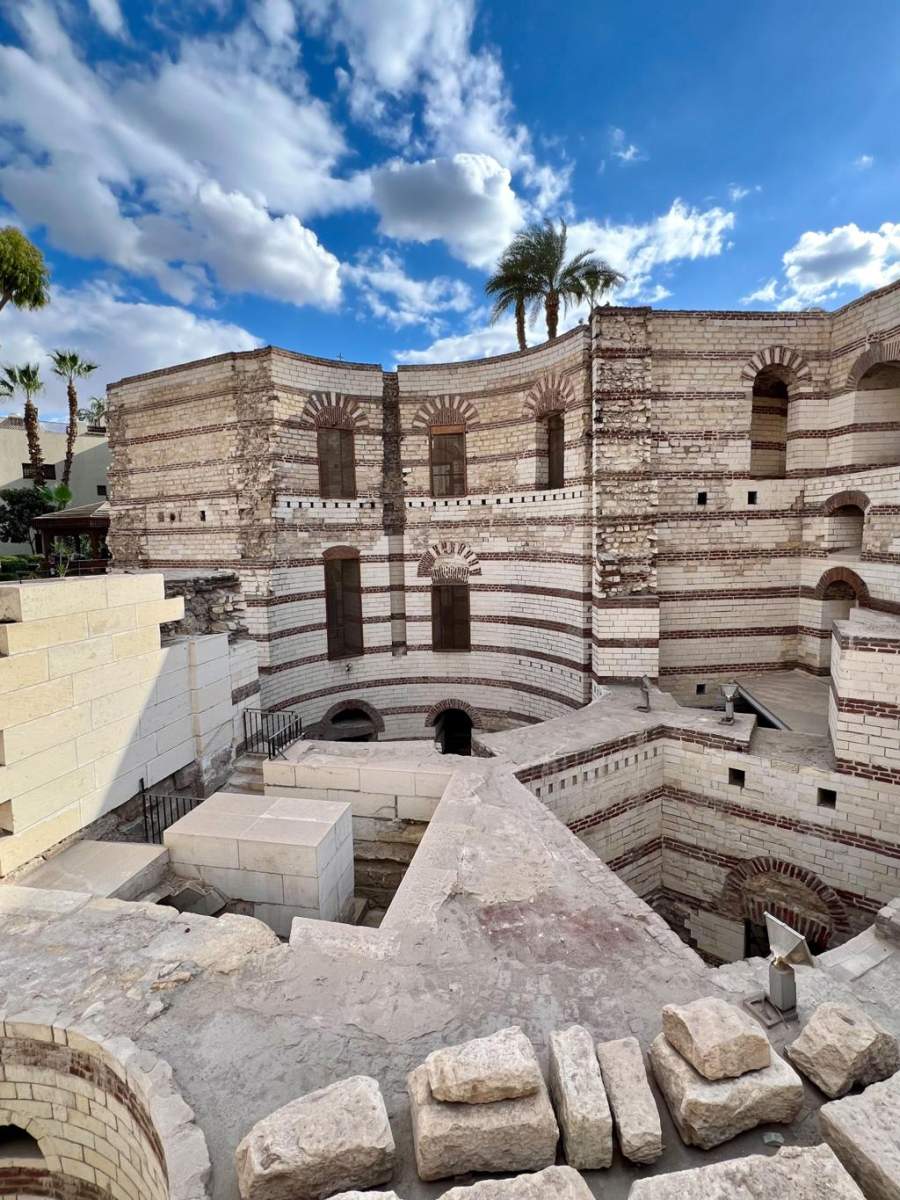
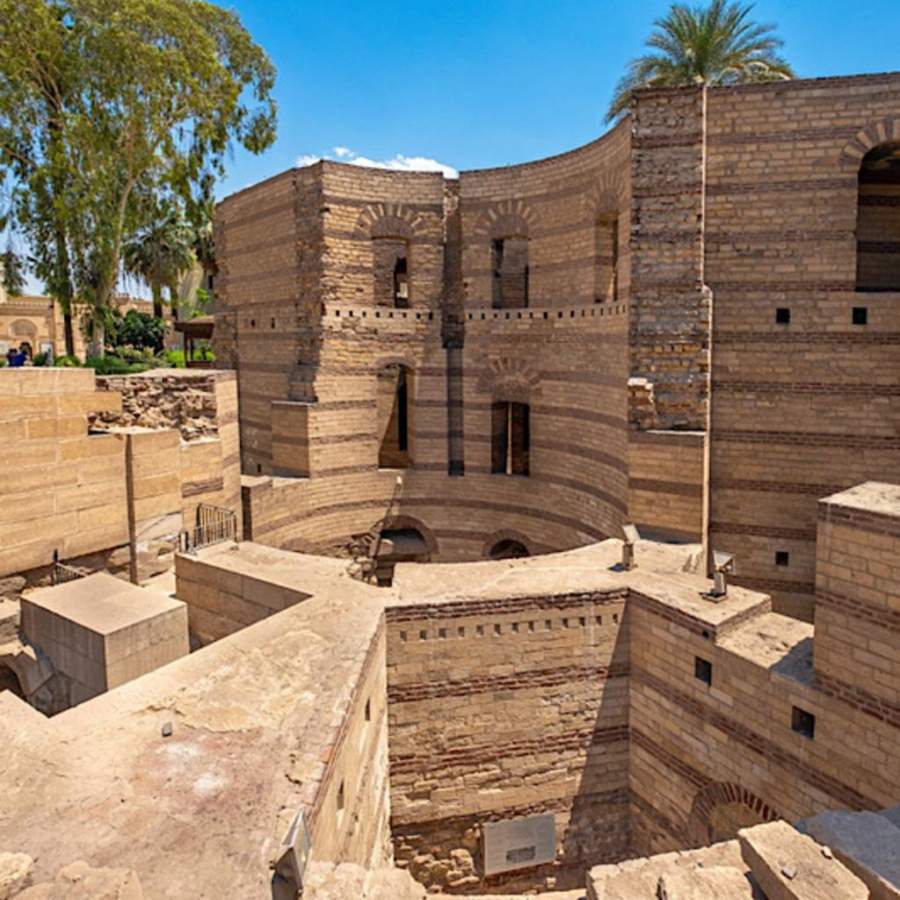
Exploring the fortress remains before or after visiting the church makes the architecture of the Hanging Church much easier to understand.
A Walking Tour Through Coptic Cairo
The Hanging Church is best experienced as part of a wider walking tour.
A possible route is:
Hanging Church → Coptic Museum → Abu Serga Church → Saint Barbara Church → Ben Ezra Synagogue → Babylon Fortress
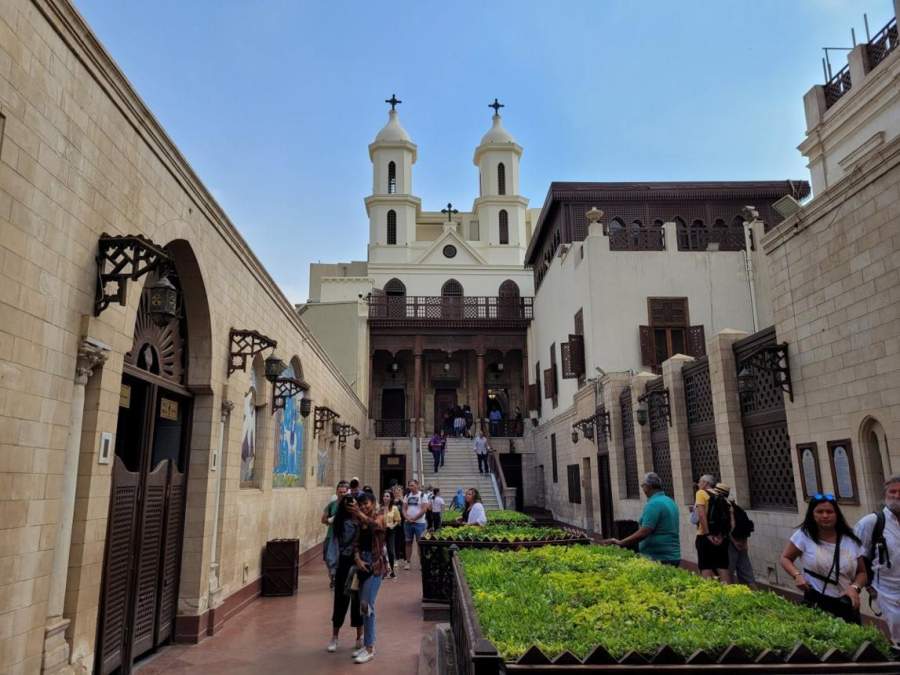
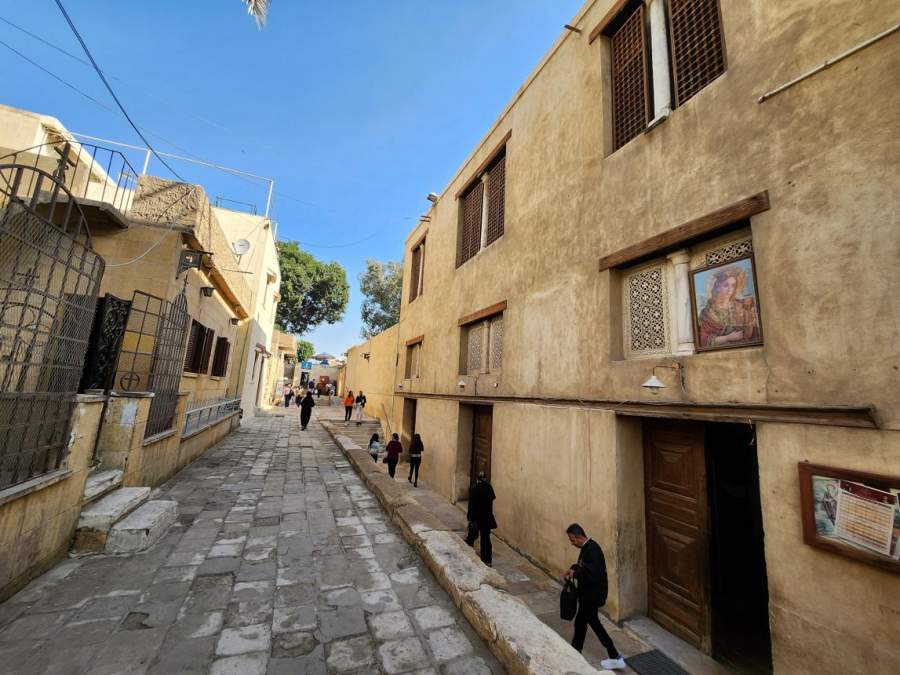
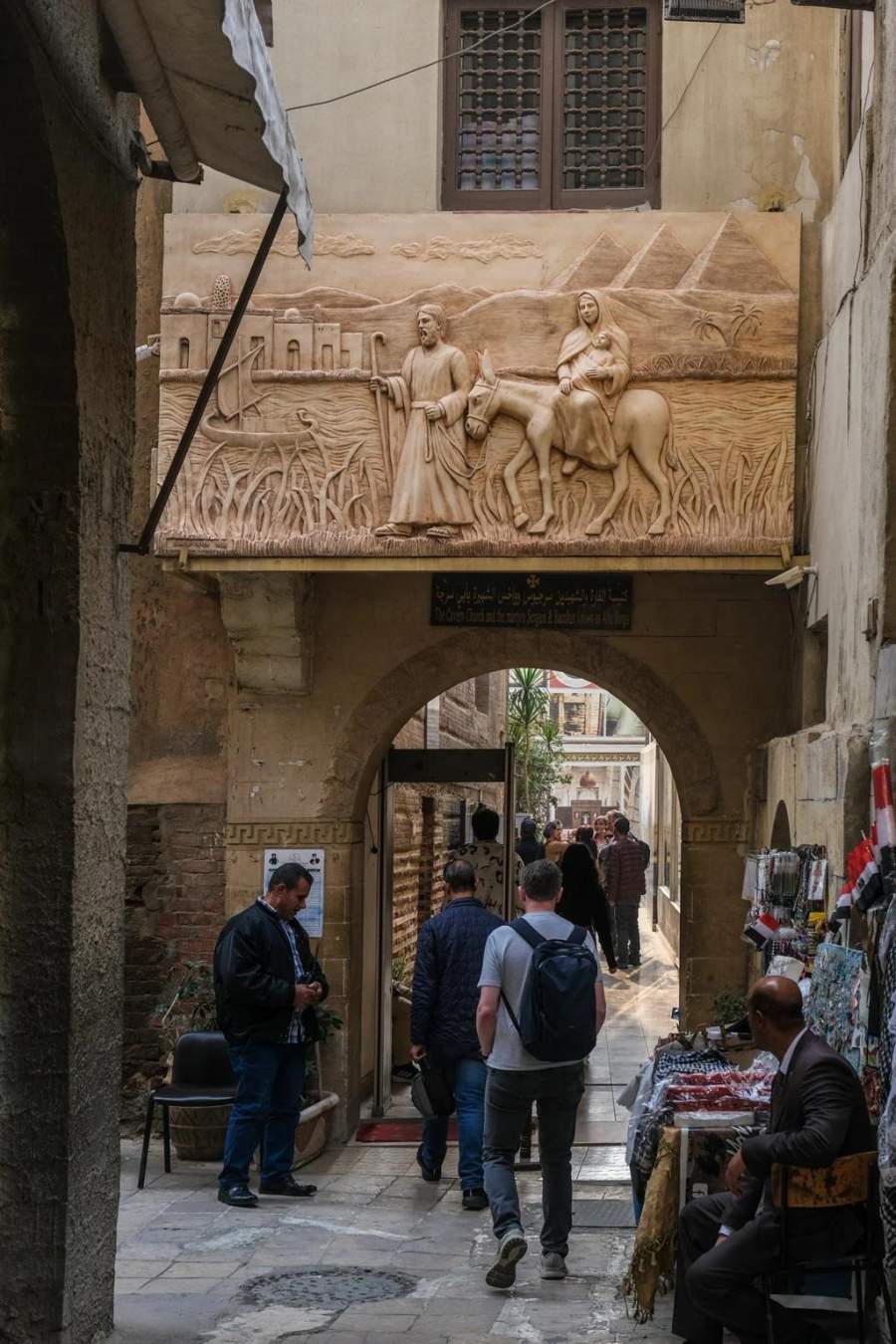
This route allows visitors to experience several different chapters of Cairo’s history in one area.
It is especially suitable for travelers interested in architecture, religion, photography, history, and cultural tourism.
Best Time to Visit
The Hanging Church can be visited throughout the year.
However, the cooler months from October to April are generally more comfortable for walking around Old Cairo and visiting several nearby attractions.
Early morning can also be a pleasant time to begin your visit.
Travelers should remember that the Hanging Church is an active place of worship, so visitors should dress respectfully and follow any instructions regarding photography or religious services.
Why Visit the Hanging Church?
The Hanging Church offers a different perspective on Egypt.
It combines:
Roman history through its relationship with Babylon Fortress.
Coptic Christian heritage through centuries of religious use.
Architecture through its unusual elevated position and distinctive interior.
Art through its historic icons and decorative elements.
Cultural diversity through its location within the Religious Complex of Old Cairo.
Most importantly, the church demonstrates how different historical periods can exist together in one place.
A Roman fortress.
A historic Christian church.
A Jewish synagogue.
Islamic monuments.
And the modern city of Cairo.
All of these layers form part of the story of Old Cairo.
Final Thoughts
The Hanging Church is one of Cairo’s most fascinating historical landmarks.
Its elevated position above the ancient Roman fortress of Babylon gives it a unique architectural identity, while its wooden ceiling, marble pulpit, historic icons, sanctuaries, and Coptic artwork reveal the richness of Egypt’s Christian heritage.
But the real magic of the Hanging Church comes from its surroundings.
A visit allows travelers to step into one of the oldest and most culturally diverse parts of Cairo, where Roman, Christian, Jewish, Islamic, and modern Egyptian history can be experienced within the same journey.
For anyone looking to discover a side of Egypt beyond the pyramids and Pharaonic temples, the Hanging Church is an unforgettable gateway into the history of Coptic Cairo.
Post a comment