Golden Mummies Hall: The Extraordinary Greco-Roman Mummies of Bahariya Oasis
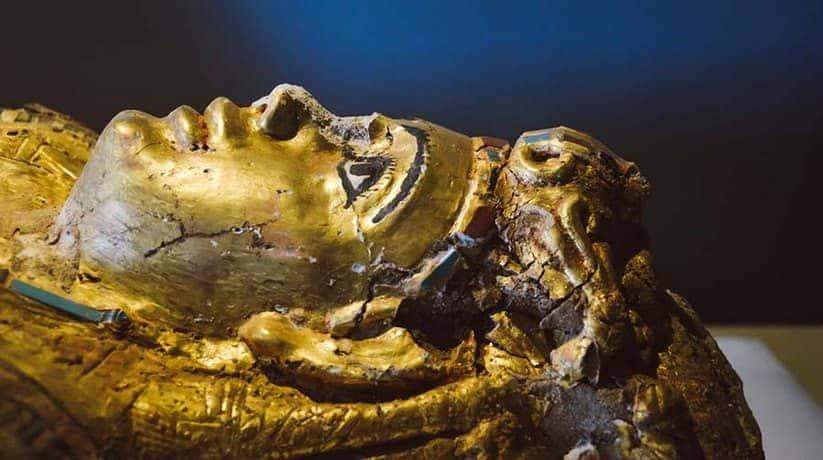
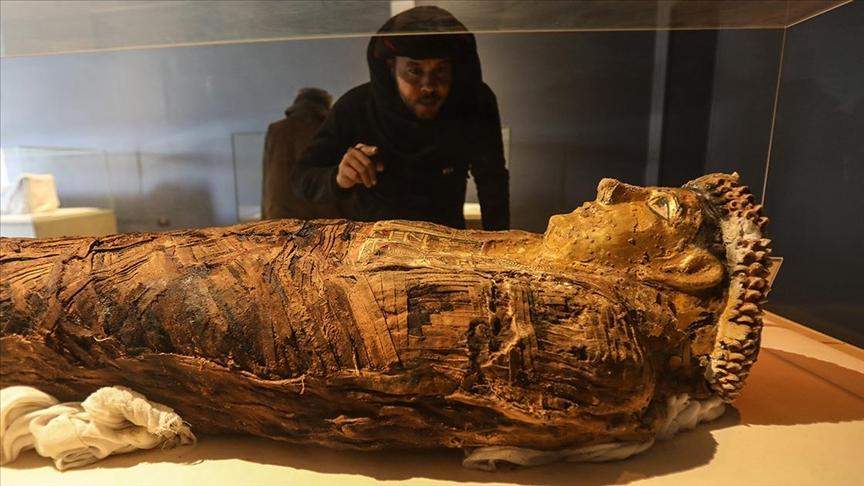
Deep in Egypt’s Western Desert, surrounded by palm groves, desert hills, and ancient archaeological sites, Bahariya Oasis preserves one of the most fascinating funerary discoveries of the Greco-Roman period: the Valley of the Golden Mummies.
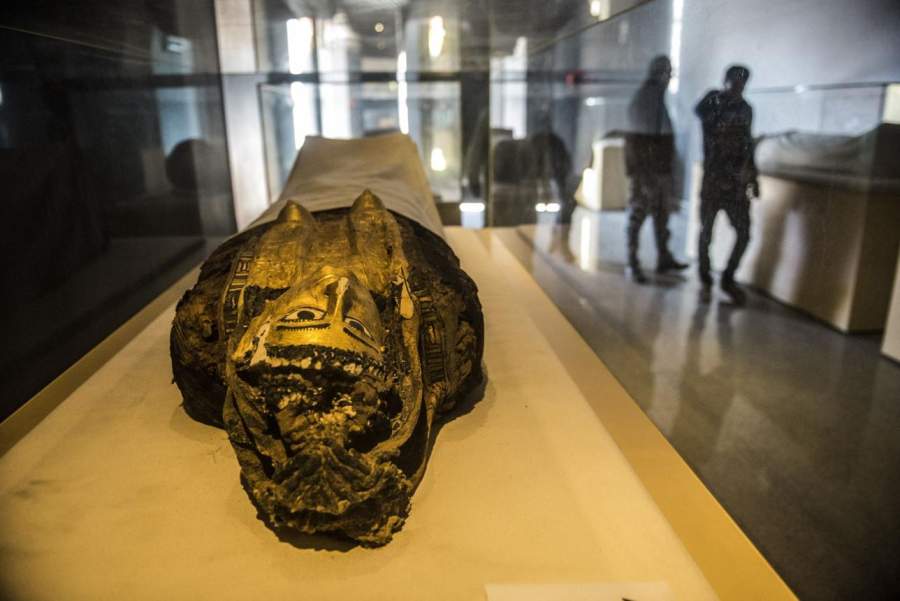
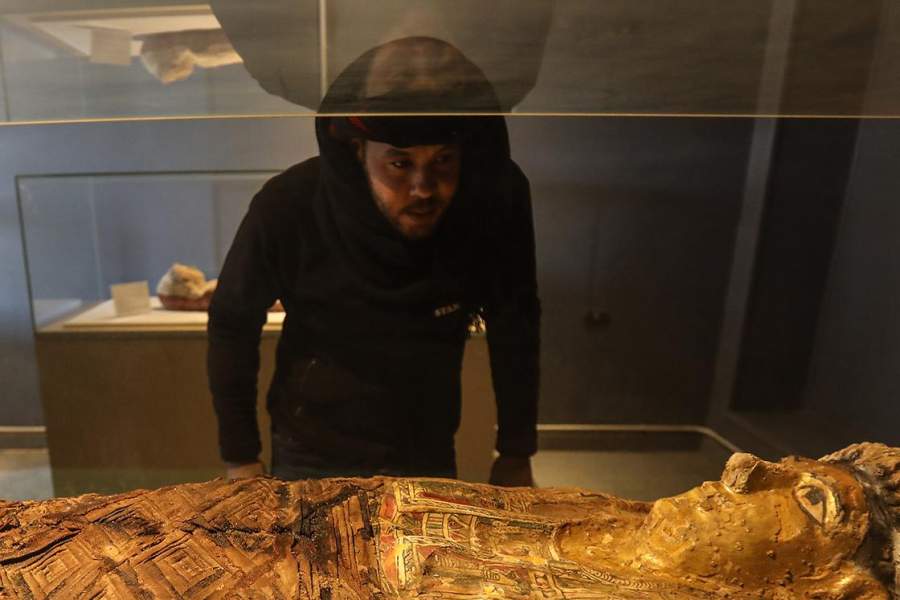
The collection commonly referred to by travelers as the Golden Mummies Hall is located in Bawiti, the main settlement of Bahariya Oasis. It displays some of the remarkable mummies discovered in the surrounding necropolis, allowing visitors to see examples of the gilded and painted funerary decoration that made the discovery internationally famous.
Egypt’s official tourism portal identifies the Valley of the Golden Mummies as one of Bahariya’s principal archaeological attractions and describes the oasis as an important center of Greco-Roman archaeological discoveries.
The story behind these mummies is remarkable not simply because of the gold.
It is a story about a community living on the edge of the desert, about the meeting of Egyptian and Greco-Roman traditions, and about the ancient belief that death was not the end of existence.
For travelers exploring Bahariya, the Golden Mummies Hall offers an opportunity to step away from the famous pyramids and temples and encounter a different chapter of Egyptian history—one shaped by oasis life, cultural exchange, and elaborate funerary traditions.
Where Is the Golden Mummies Hall?
The Golden Mummies collection is associated with Bawiti, the principal town of Bahariya Oasis in Egypt’s Western Desert.
Bahariya is located approximately 370 kilometers southwest of Cairo and is described by Experience Egypt as the closest of the major Western Desert oases to the capital.
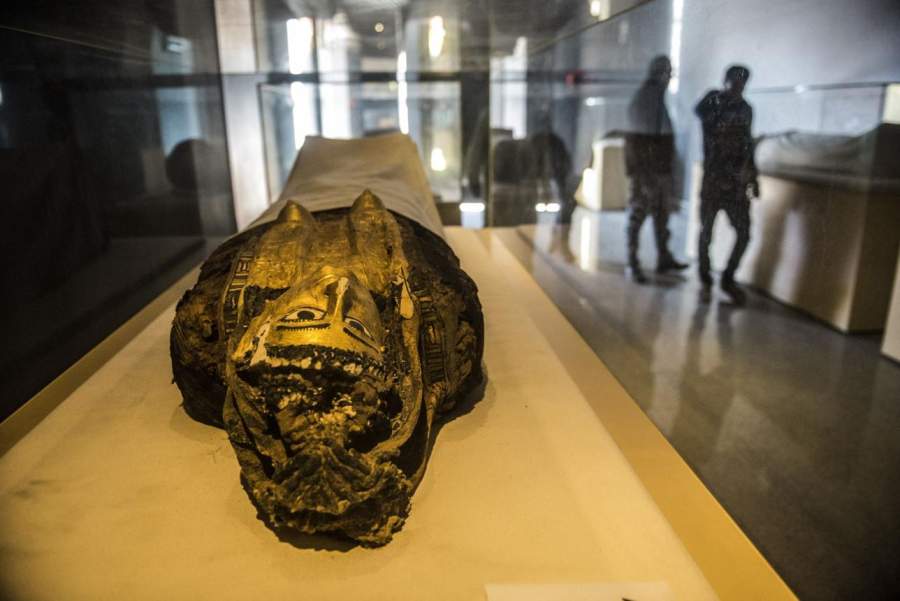
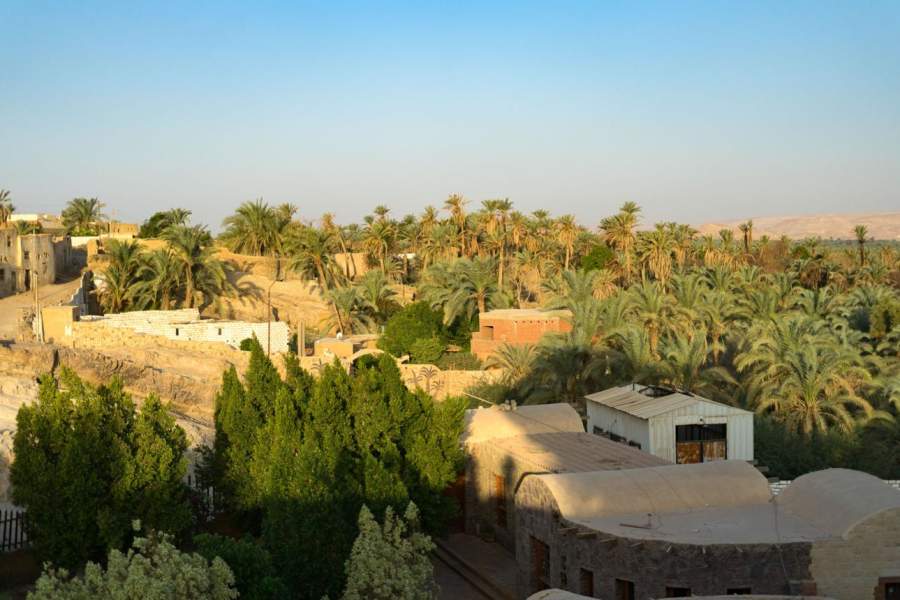
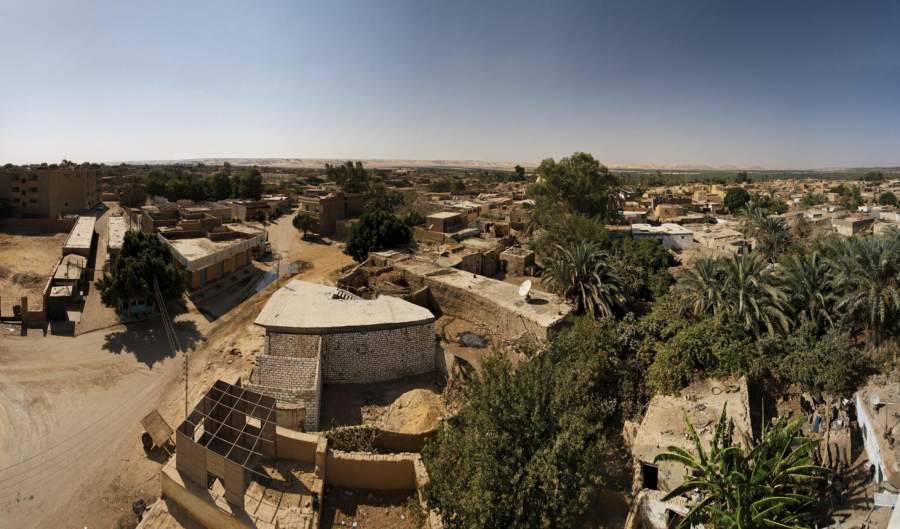
The setting is part of what makes the visit so interesting.
The modern town and oasis contain palm trees, agricultural land, springs, and small communities, while the surrounding landscape quickly changes into barren desert.
The archaeological remains of Bahariya exist within this dramatic environment.
Visitors can combine the Golden Mummies collection with nearby archaeological sites, including the 26th-Dynasty tombs at Qasr Selim, as well as natural attractions such as the Black Desert and the route toward the White Desert.
The result is a destination where archaeology and landscape are inseparable.
The Discovery of the Valley of the Golden Mummies
The story of the Golden Mummies began in 1996, when a major cemetery was discovered at Bahariya Oasis.
The discovery is associated with Egyptian archaeologist Zahi Hawass and an Egyptian archaeological team. Egypt’s State Information Service identifies Hawass with the discovery of the Valley of the Golden Mummies in Bahariya.
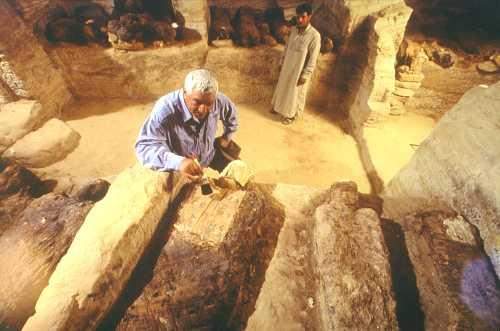
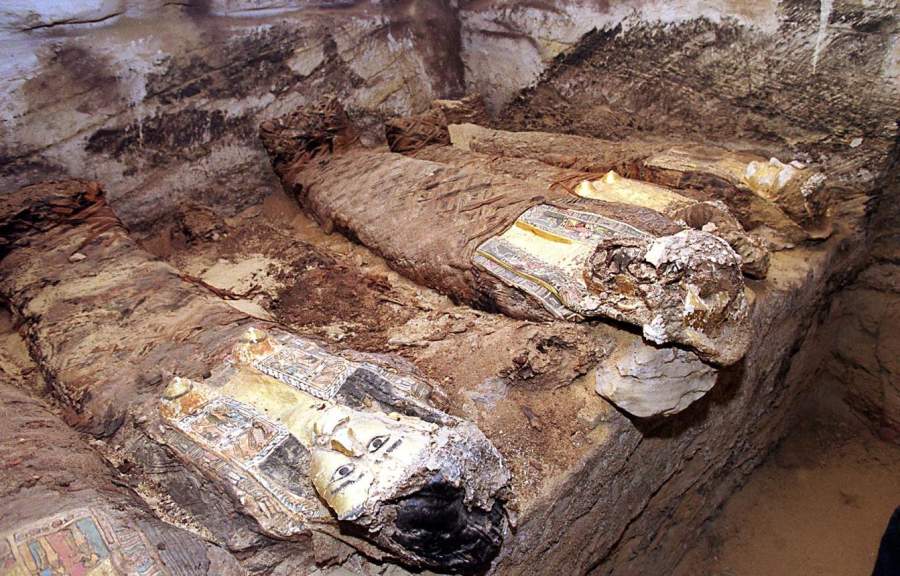
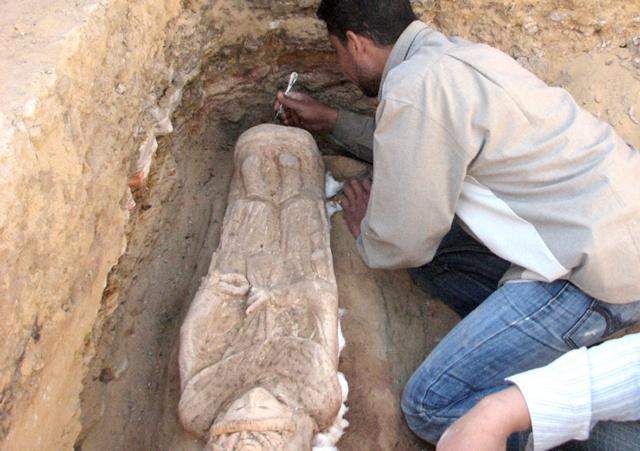
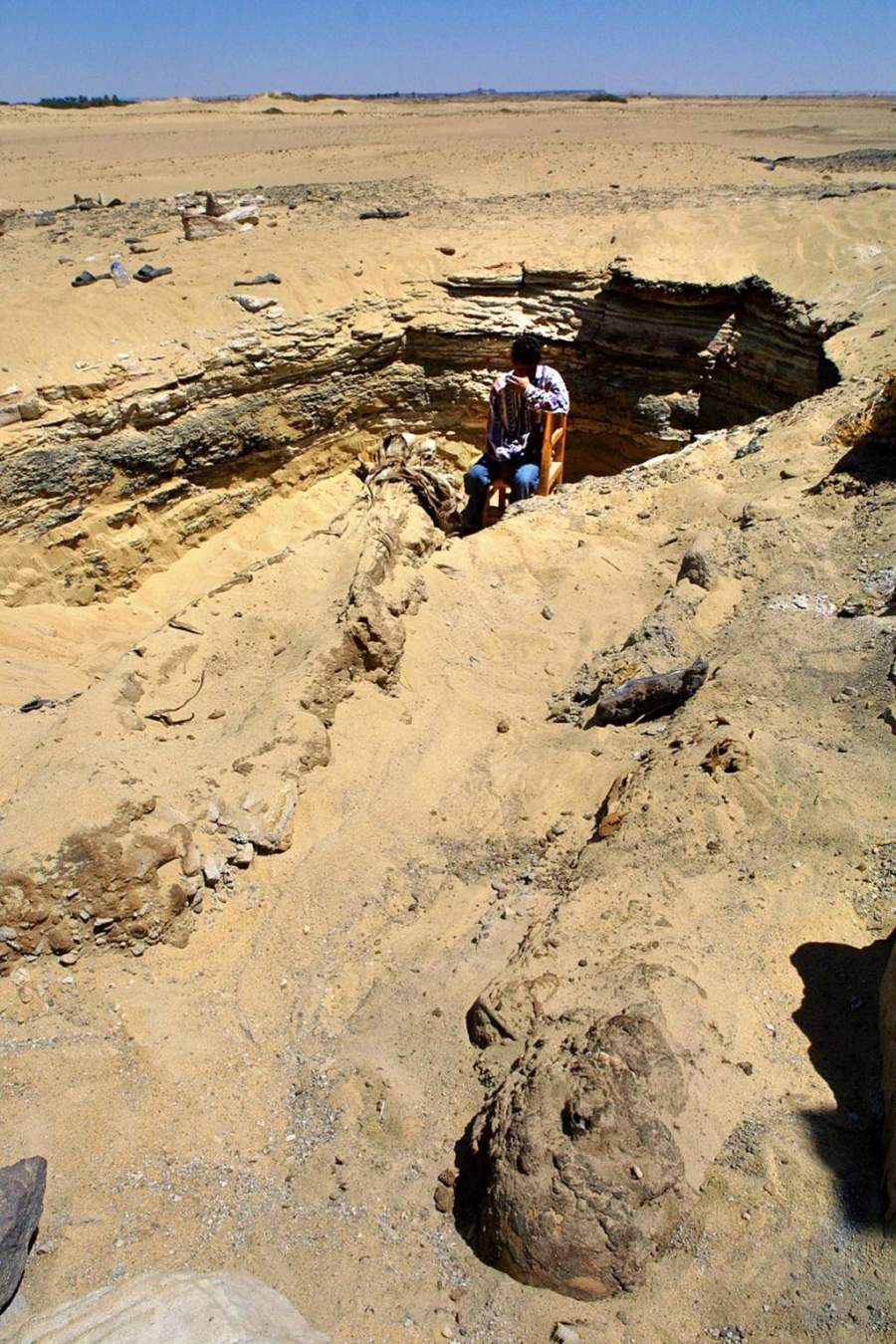
The cemetery proved to be enormous.
In an account published by Ahram Online, Hawass explained that his initial estimate suggested the cemetery could contain as many as 10,000 mummies, although excavation over several seasons ultimately recovered around 250 mummies before the work was stopped to leave other areas for future generations of archaeologists.
The discovery immediately attracted international attention.
The reason was easy to understand.
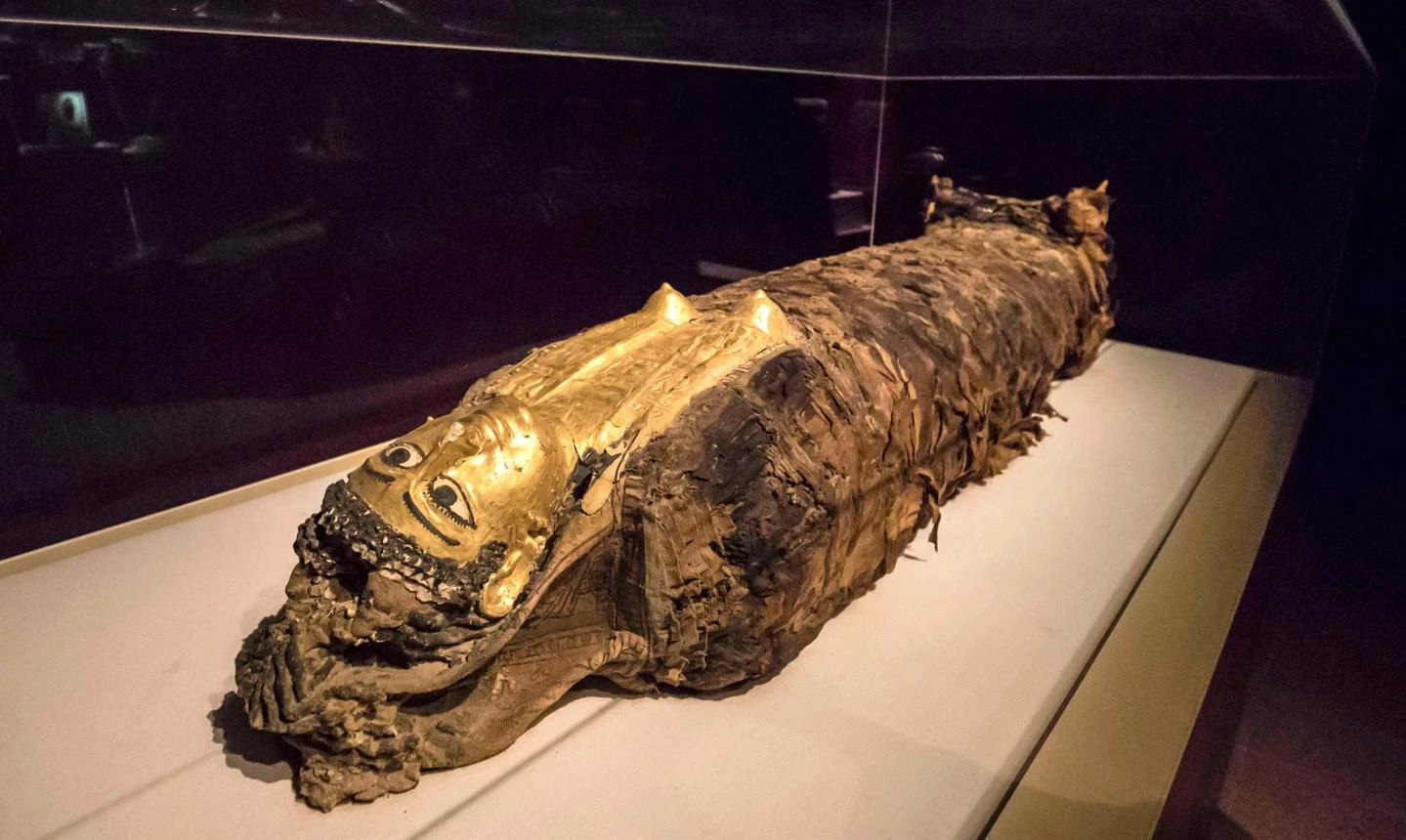
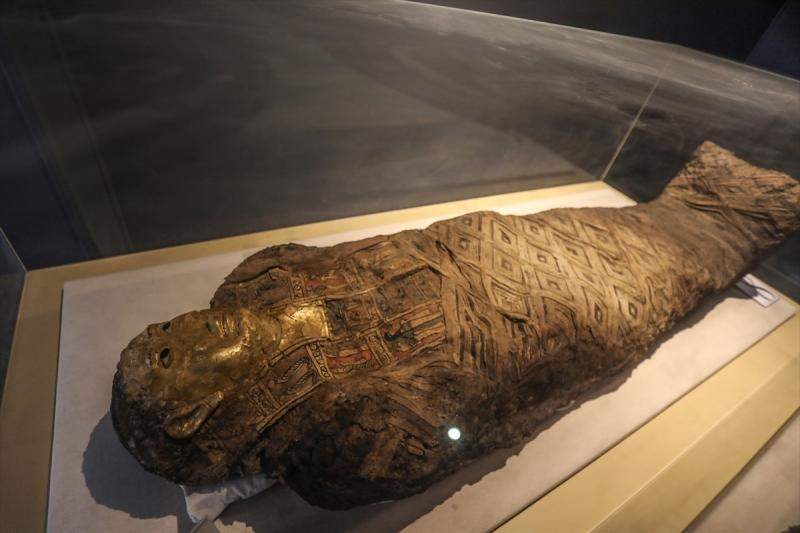
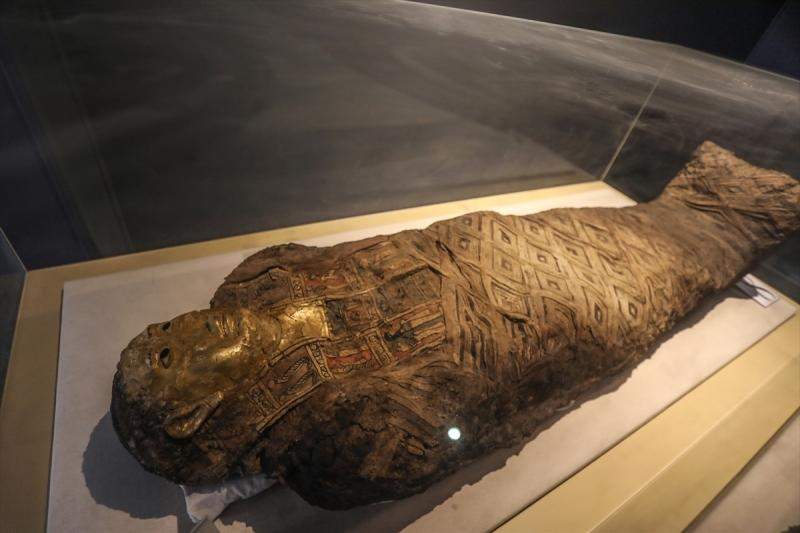
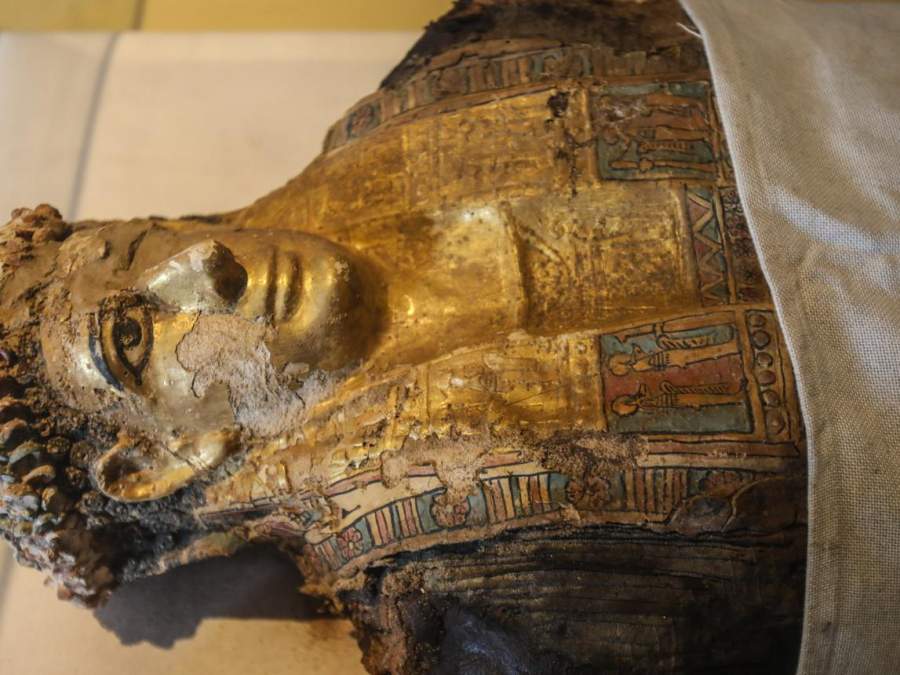
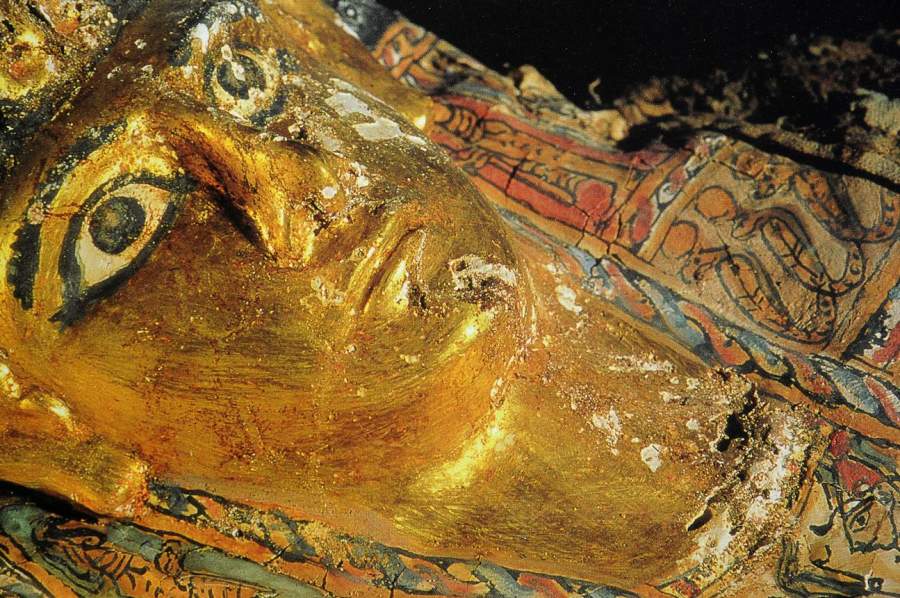
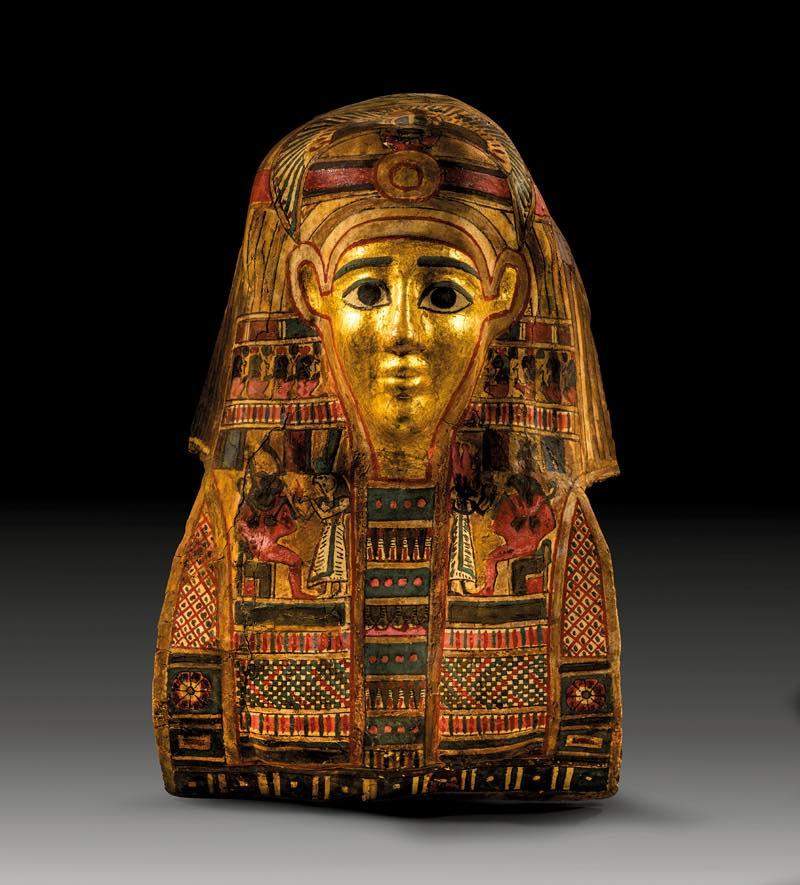
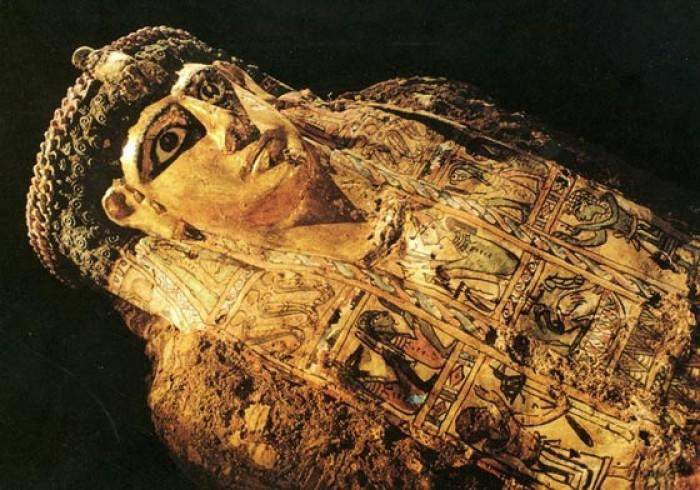
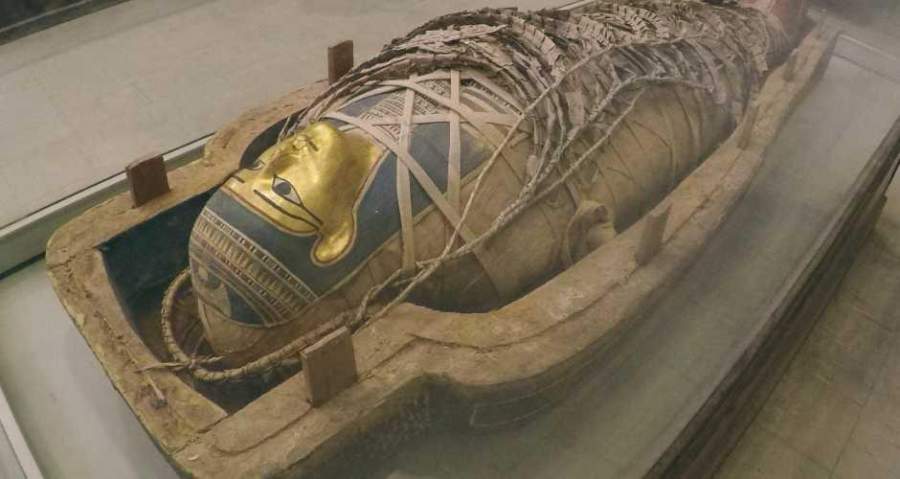
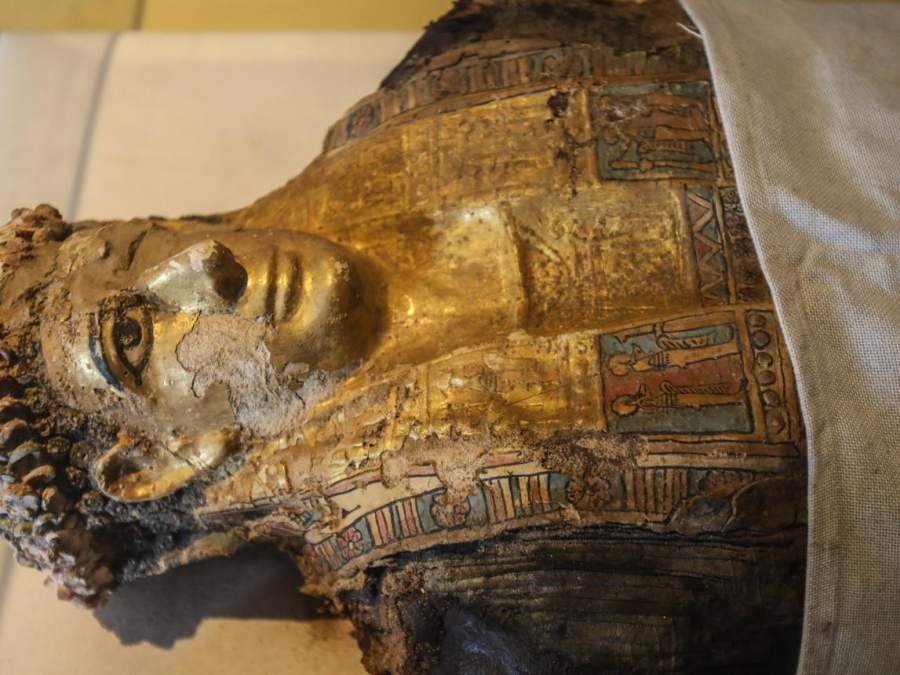
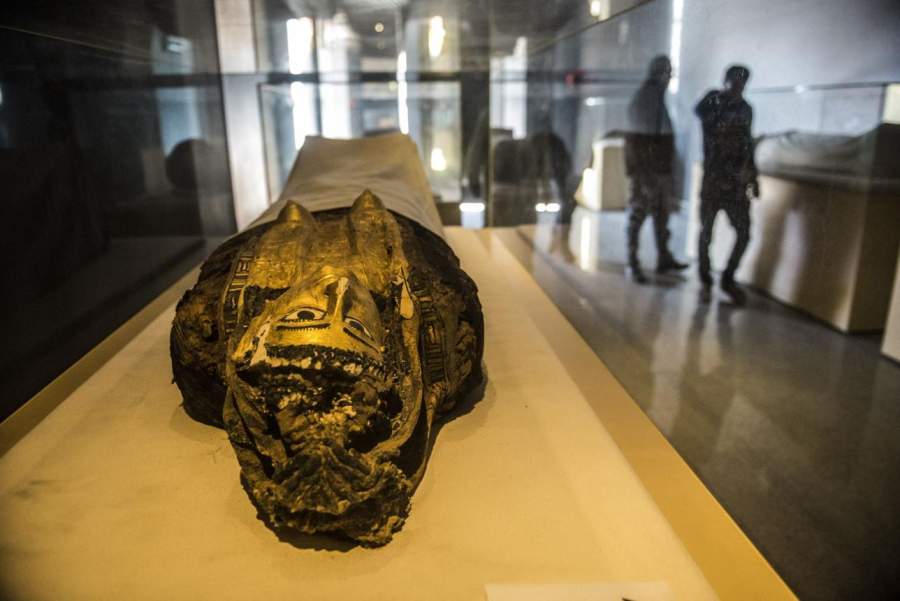
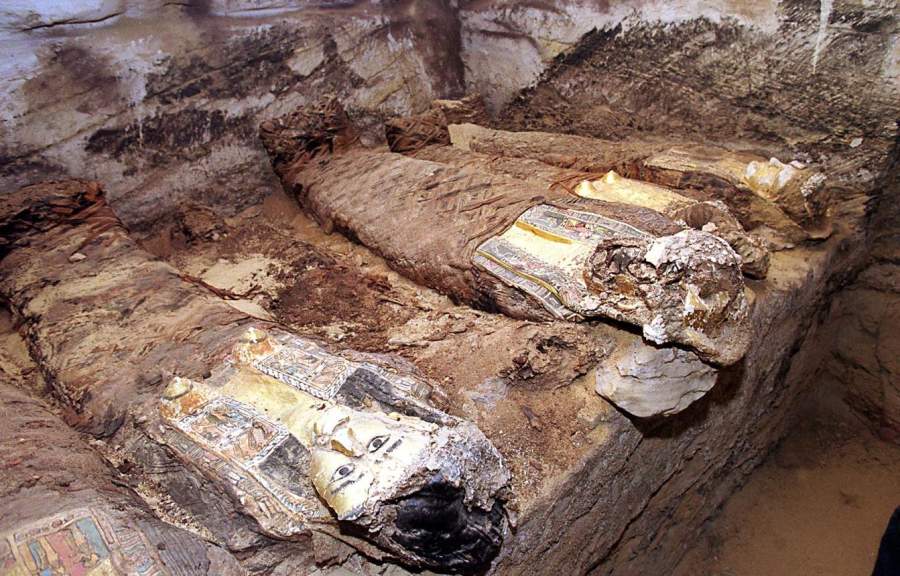
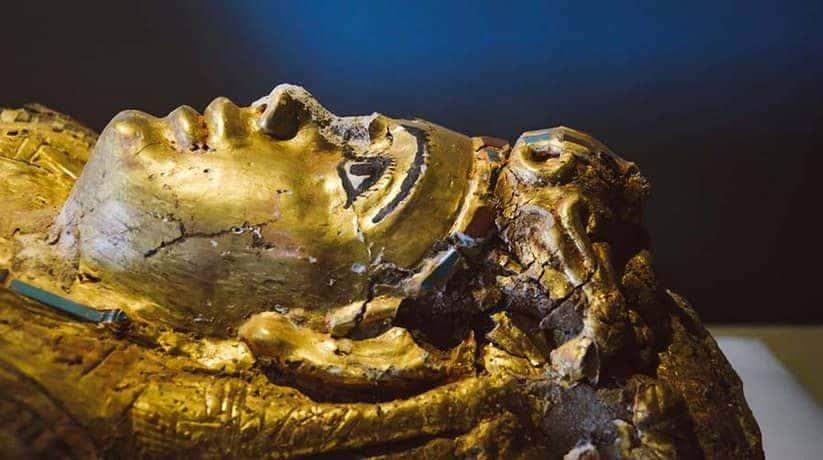
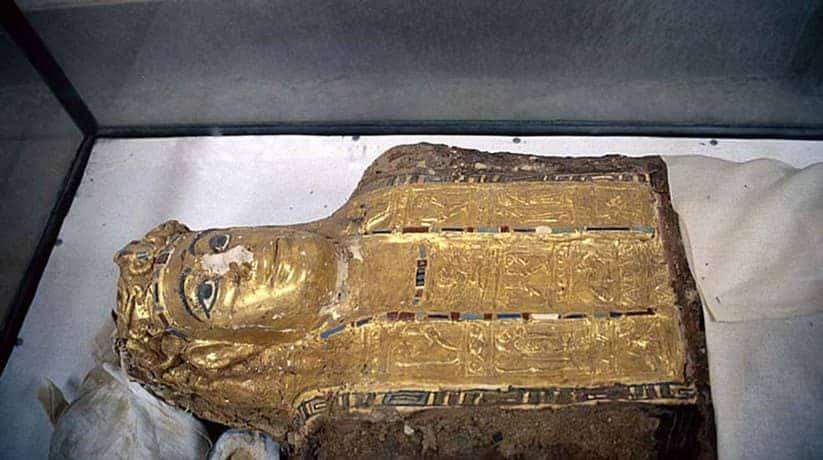
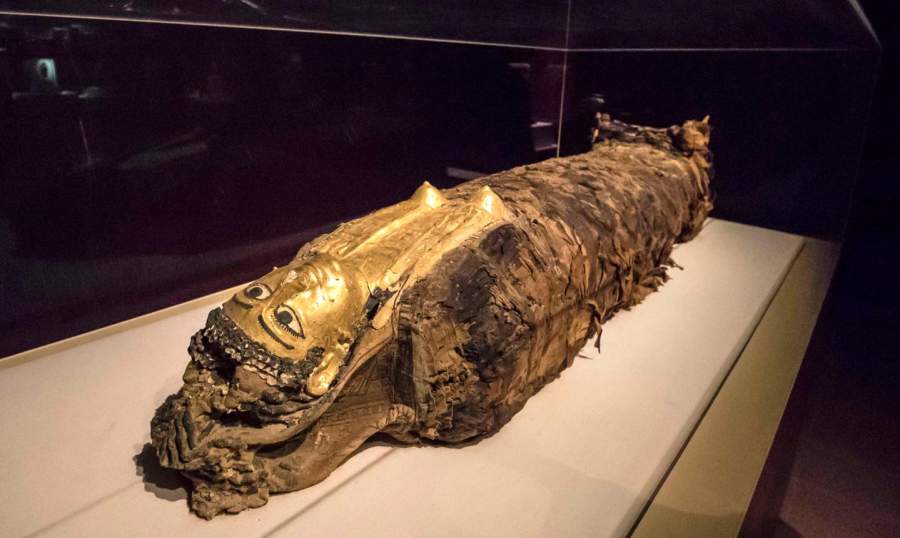
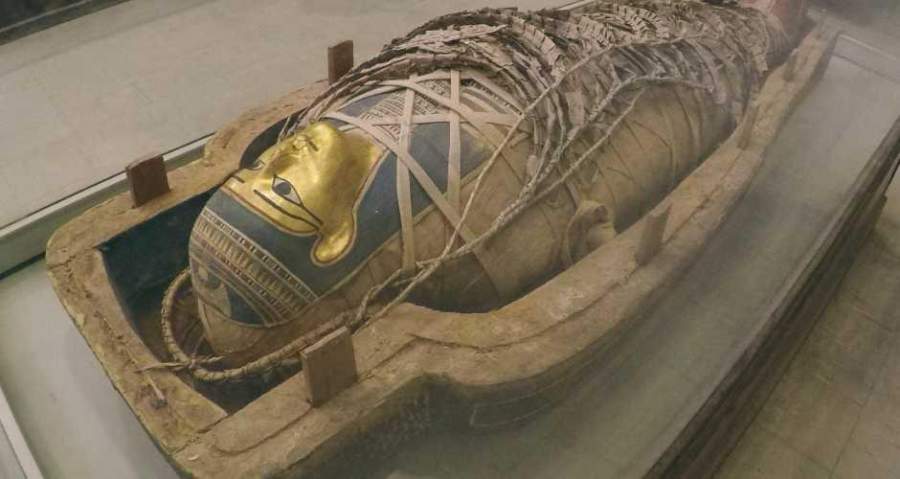
Many of the mummies were decorated with gilded masks, painted cartonnage, and elaborate funerary designs, creating a striking appearance unlike the stereotypical image of a simple linen-wrapped mummy.
The cemetery revealed the wealth and cultural complexity of Bahariya during the Greco-Roman period.
Why Are They Called “Golden Mummies”?
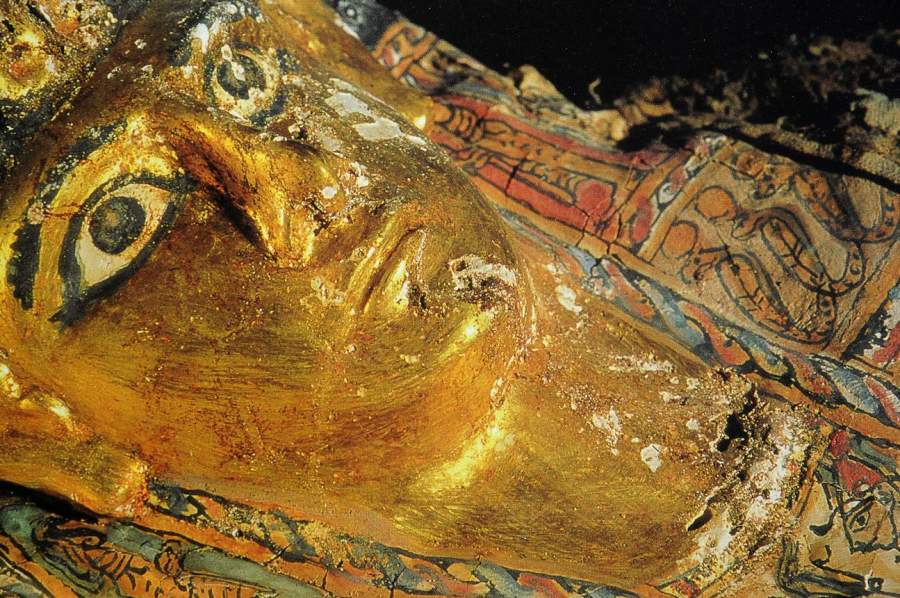
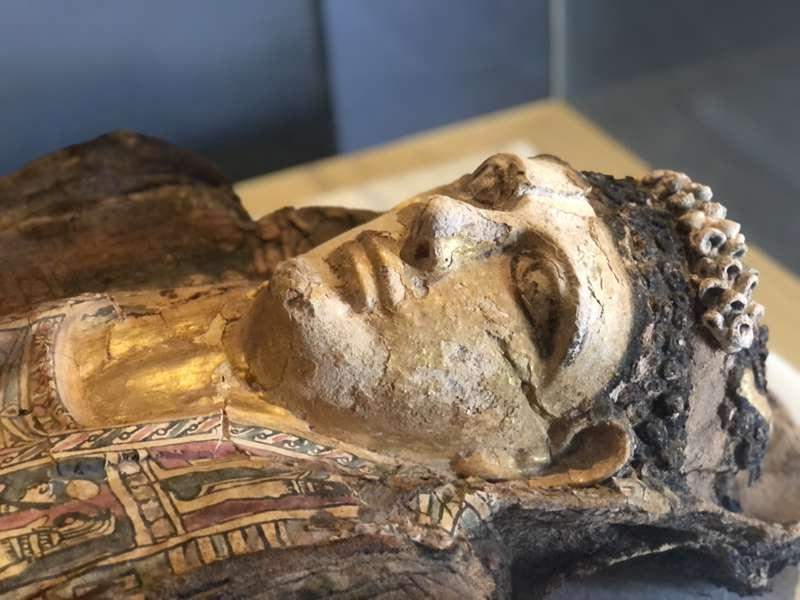
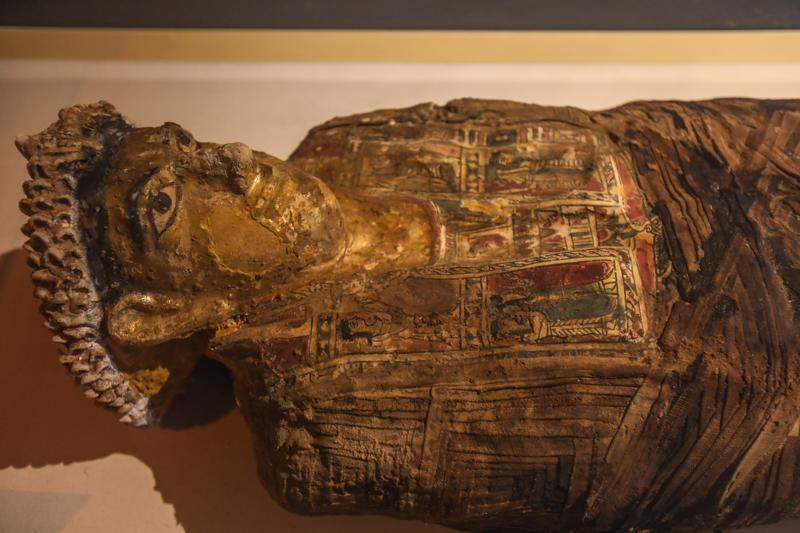
The name comes from the gold-covered and gilded funerary elements found on many of the mummies.
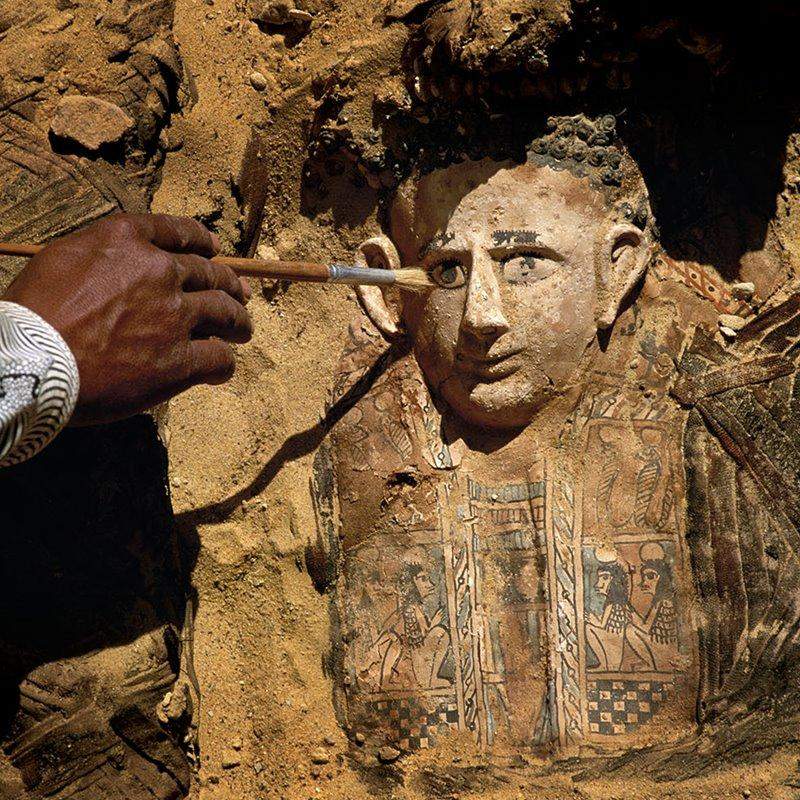
Some individuals were covered with decorated cartonnage—a material made from layers of linen or similar fibers coated with plaster—and parts of the surface were gilded or painted.
The result could include a highly detailed representation of the deceased’s face, chest, and funerary symbolism.
The golden appearance was not simply decorative.
Gold held profound religious associations in ancient Egypt and was connected with divine and eternal qualities. The use of gilding on funerary equipment therefore carried symbolic meaning in addition to demonstrating the resources available to the deceased.
The mummies from Bahariya also reveal a mixture of artistic traditions.
The archaeological material demonstrates how Egyptian funerary customs continued during a period when Greek and Roman cultural influences were strongly present in Egypt.
That cultural mixture is one of the most fascinating aspects of the collection.
Egyptian Traditions Meet the Greco-Roman World
The Valley of the Golden Mummies dates to the Greco-Roman period, broadly spanning the era from the arrival of Alexander the Great in Egypt through Roman rule.
Research and museum interpretation of the Bahariya discoveries show how traditional Egyptian funerary practices continued while artistic styles and cultural influences evolved.
This makes the Golden Mummies particularly valuable for understanding cultural change.
The people buried in Bahariya were not simply reproducing one unchanged artistic tradition.
Instead, the funerary objects demonstrate an Egypt where different cultural influences existed side by side.
The Egyptian belief in preservation of the body remained important.
Funerary imagery continued to reference Egyptian gods and the afterlife.
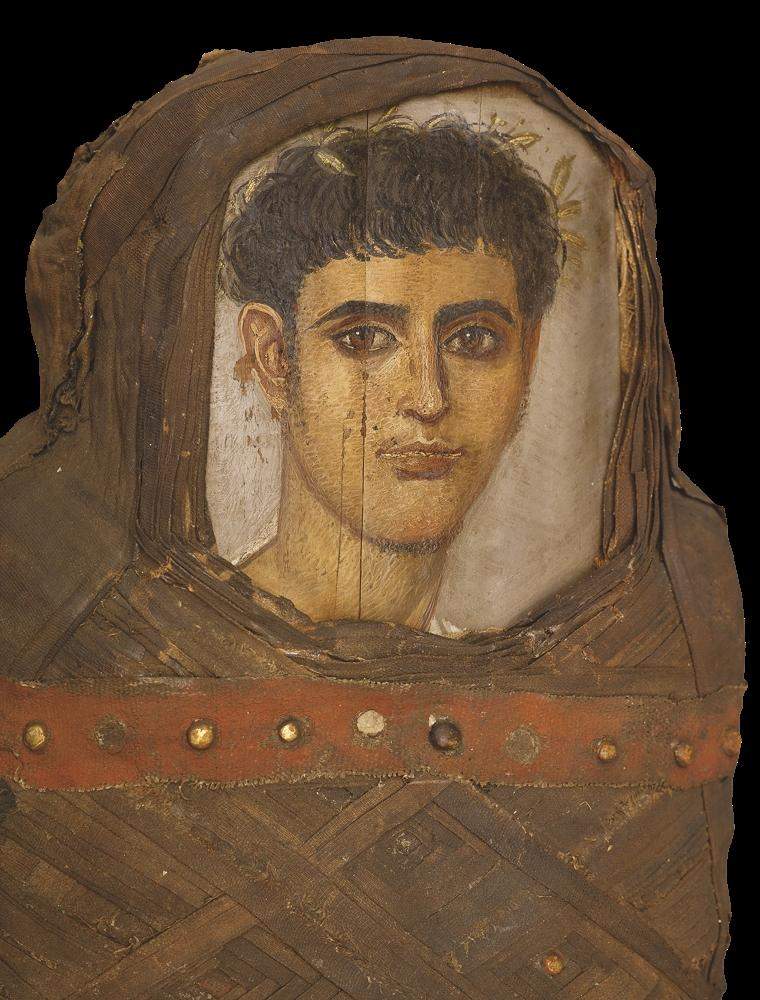
At the same time, representations of the deceased could display more naturalistic facial characteristics associated with artistic developments of the Greco-Roman world.
The result is a fascinating visual record of cultural interaction.
What Did the Mummies Look Like?
One of the most striking features of the collection is the individuality of the funerary decoration.
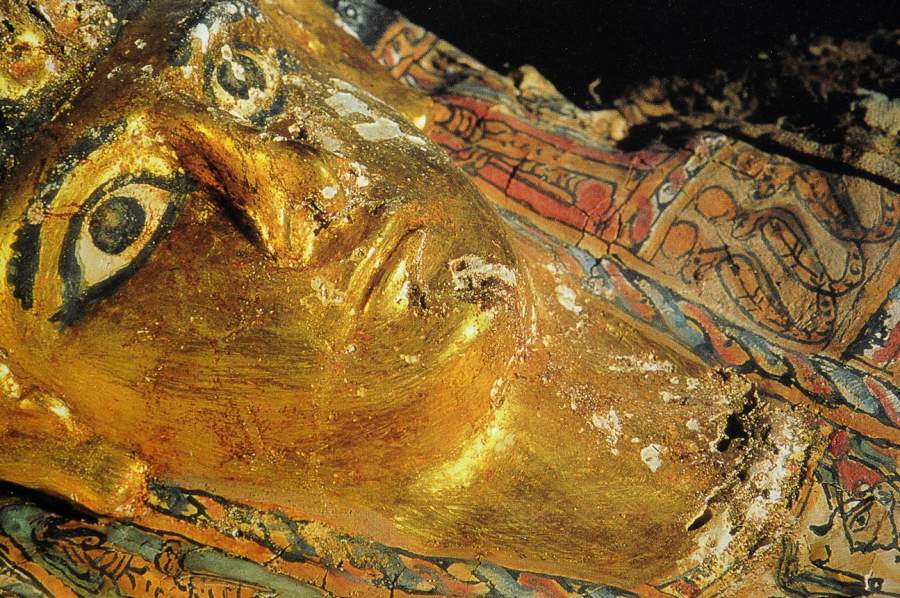
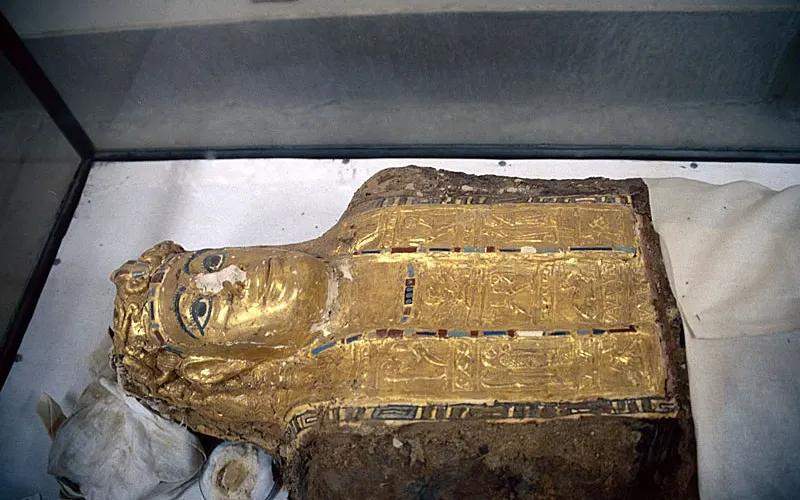
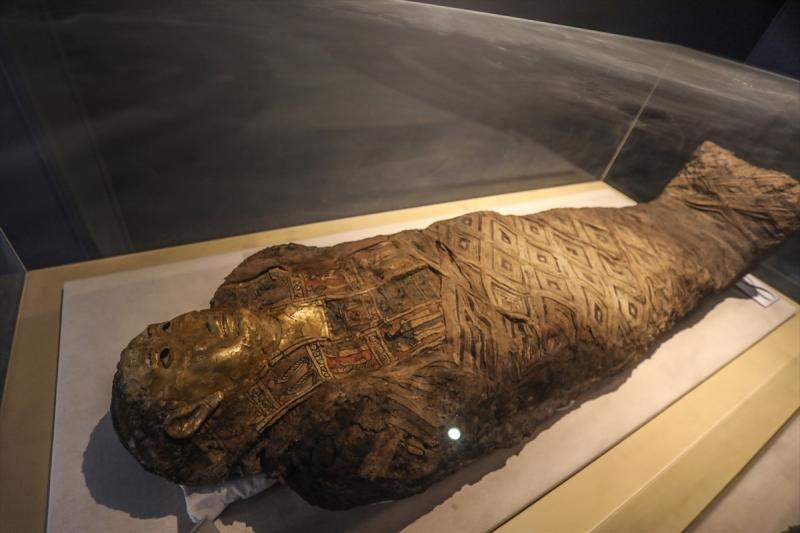
The surviving examples can include:
- gilded facial masks
- painted cartonnage
- decorated chest panels
- representations of deities
- detailed hairstyles and facial features
- colorful geometric patterns
- linen wrappings
- funerary symbolism
According to research on the Valley of the Golden Mummies, several distinct styles of mummy decoration were identified at the cemetery.
Some of the richest examples combine gold-colored surfaces with painted imagery depicting gods, goddesses, and other funerary elements.
The decoration was intended to protect and identify the deceased while supporting their journey into the afterlife.
Rather than being anonymous remains, these mummies preserve representations of individuals who lived approximately two millennia ago.
The Valley Was More Than a Collection of Mummies
It is important to distinguish between the Valley of the Golden Mummies archaeological site and the museum collection commonly called the Golden Mummies Hall.
The original necropolis is an archaeological cemetery in the desert near Bawiti.
Not every mummy discovered there is displayed in one visitor hall.
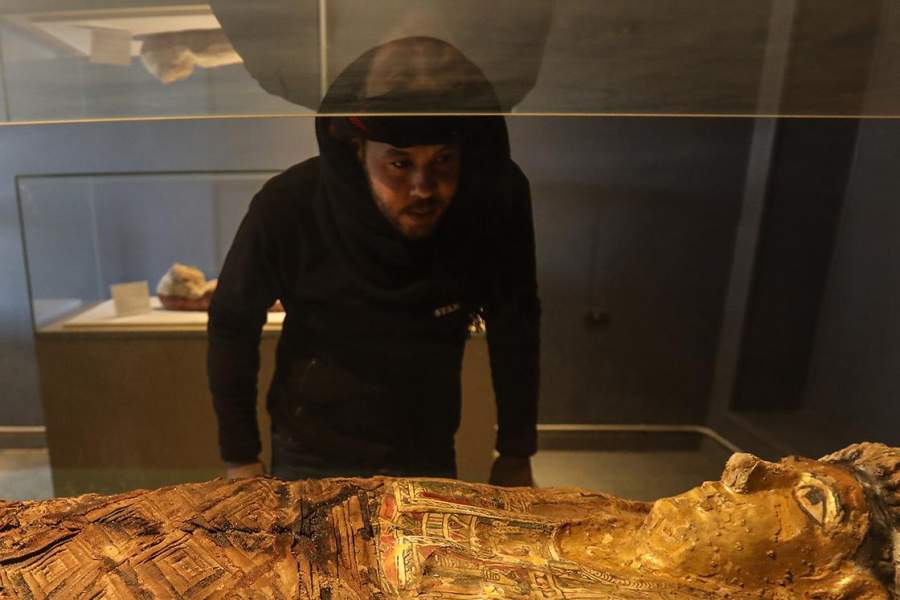
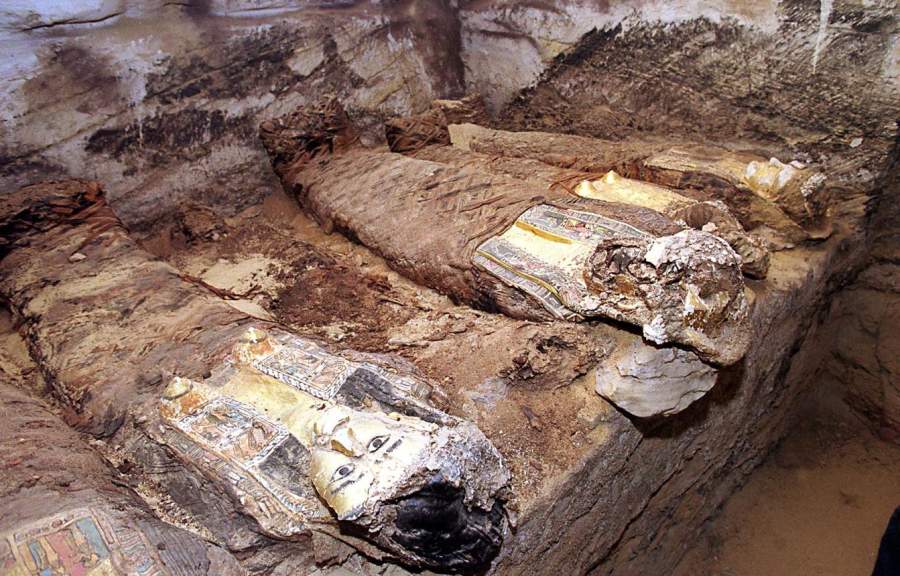
Egypt’s official tourism material explains that the excavation site itself has not traditionally functioned as a conventional public museum, while some of the discovered mummies have been exhibited in Bawiti.
This distinction matters because the name “Golden Mummies Hall” can sometimes make visitors imagine that they are entering the entire ancient cemetery.
Instead, the visitor experience centers on selected archaeological remains and mummies, while the wider valley represents a much larger archaeological landscape.
The discovery therefore continues to have significance beyond the objects currently visible to tourists.
The Mummies and Ancient Ideas About the Afterlife
The Golden Mummies provide a direct connection to ancient Egyptian ideas about death and eternity.
For ancient Egyptians, preserving the body was closely connected to the continuation of existence after death.
The physical body was prepared and protected, while funerary objects, inscriptions, images, and rituals helped the deceased navigate the afterlife.
The gilded masks and decorated cartonnage therefore had a purpose beyond making the burial visually impressive.
They helped transform the deceased into an individual prepared for eternity.
The continued use of Egyptian religious imagery during the Greco-Roman period is especially important because it shows the resilience of Egyptian beliefs even as political power and cultural connections changed.
The Golden Mummies are consequently not simply archaeological curiosities.
They are evidence of how people in Bahariya understood identity, death, religion, and the afterlife.
Who Were the People Buried Here?
The cemetery appears to have contained people from different social backgrounds.
Some of the richly decorated burials indicate that at least part of the cemetery was used by individuals with significant resources.
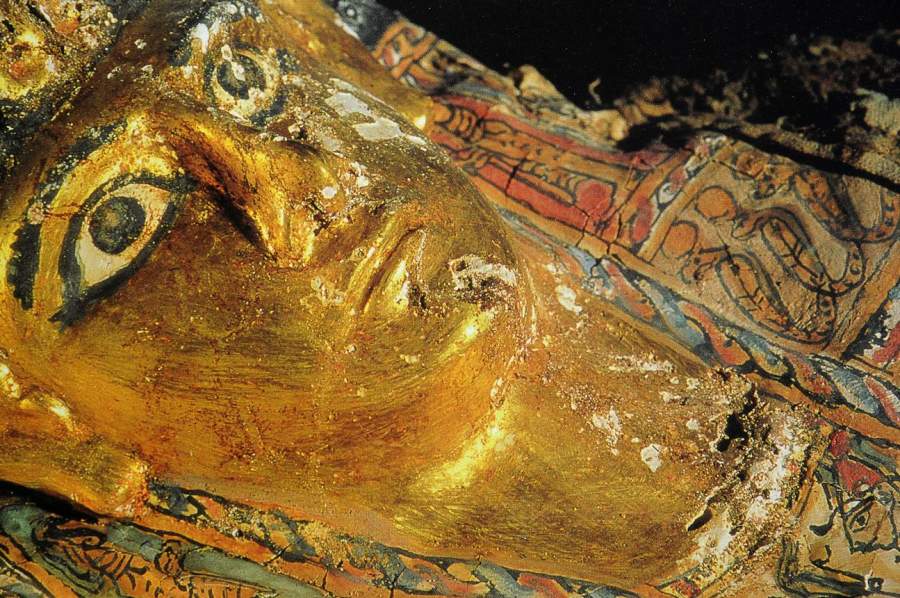
The quality of the funerary decoration provides clues about the status and wealth of some of the deceased.
At the same time, the broader cemetery is valuable precisely because it can help archaeologists investigate the population of an oasis community rather than focusing only on kings and rulers.
Bahariya was an agricultural oasis with connections to the wider Egyptian world.
Its location made it an important settlement within the Western Desert.
The cemetery therefore provides a window into the lives and deaths of people who lived far from the major royal centers of the Nile Valley.
Bahariya Oasis: The Landscape Around the Mummies
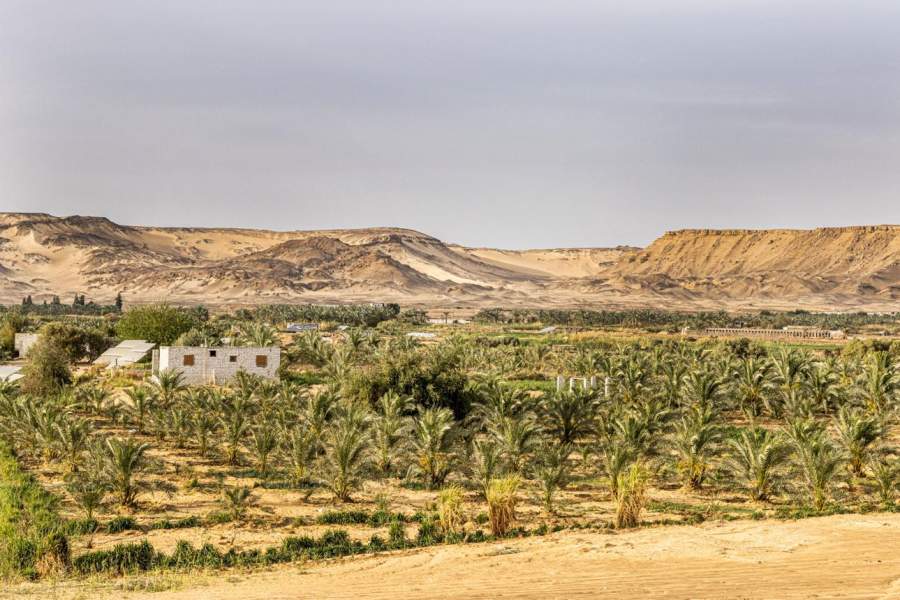
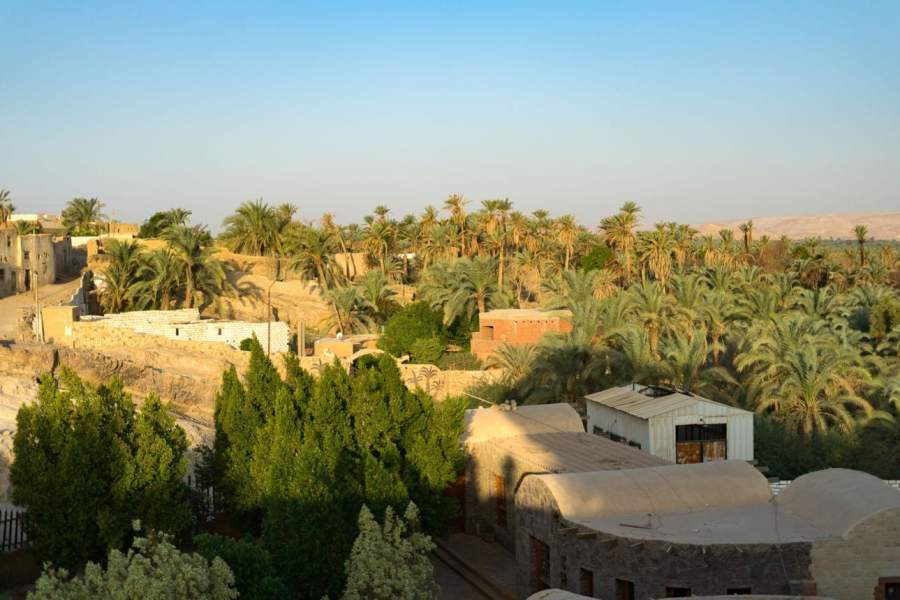
One of the most memorable aspects of visiting the Golden Mummies collection is the landscape outside the museum.
Bahariya is a true desert oasis.
Green palm groves and agricultural areas appear against the dry Western Desert, creating one of Egypt’s most dramatic natural contrasts.
Experience Egypt highlights Bahariya’s date palms, olive trees, natural springs, archaeological sites, Black Desert, and White Desert as major components of the destination.
This makes it possible to combine cultural tourism with adventure.
A visitor might explore the Golden Mummies in the morning, visit ancient tombs afterward, watch the sunset from a desert viewpoint, and continue into the desert for an overnight camp.
The archaeological experience is therefore only one part of a much larger journey.
The 26th-Dynasty Tombs Nearby
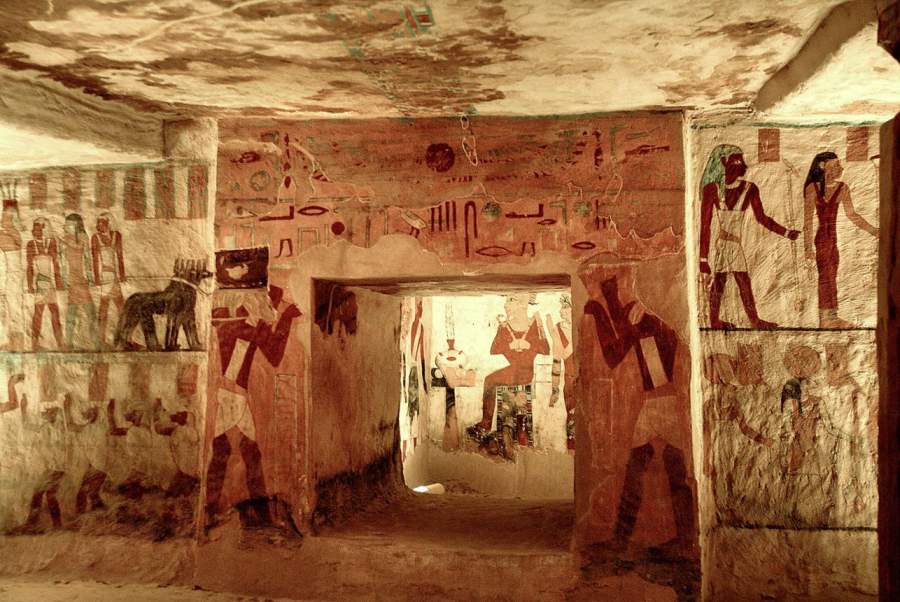
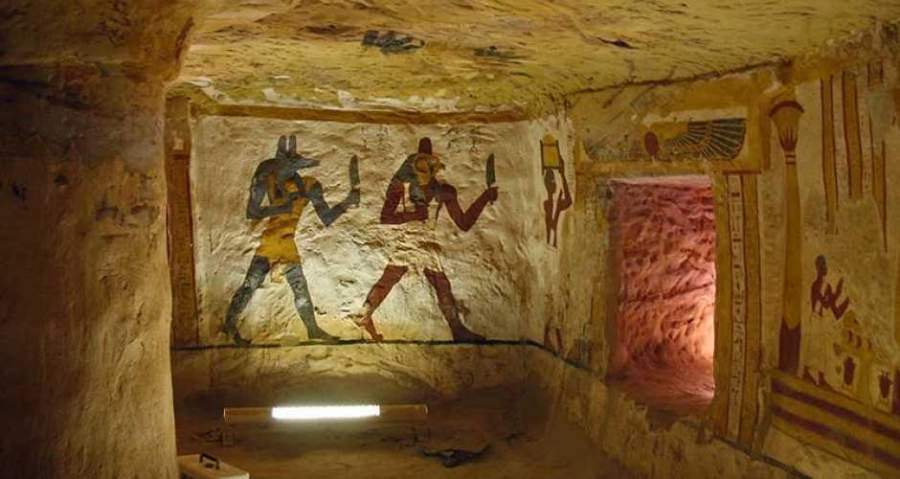
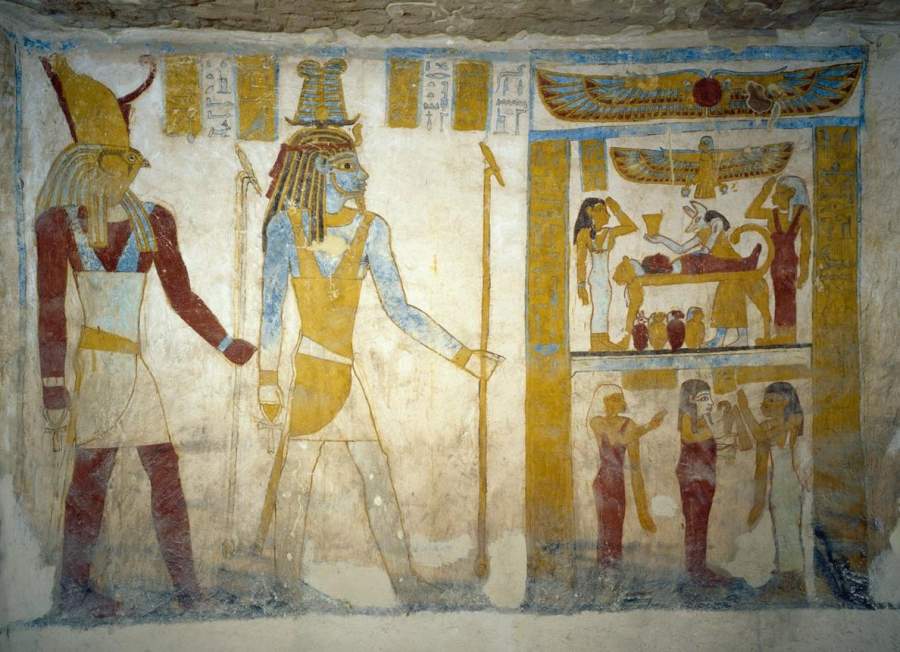
Travelers visiting the Golden Mummies Hall can also explore the 26th-Dynasty tombs at Qasr Selim, including the famous tomb of Bannantiu.
These tombs date to an earlier period than the Golden Mummies and demonstrate that Bahariya had an important population long before the Greco-Roman era.
The colorful wall decorations provide a dramatic contrast to the gilded and painted mummies.
Together, the sites show how funerary traditions developed in Bahariya over centuries.
One visit can therefore reveal two very different moments in the oasis's history:
the Late Period, represented by the decorated tombs, and the Greco-Roman period, represented by the Golden Mummies.
The Golden Mummies and the Modern History of Archaeology
The discovery of the Valley of the Golden Mummies also became an important chapter in modern Egyptian archaeology.
The 1996 discovery attracted international attention and demonstrated the enormous archaeological potential of Egypt's Western Desert.
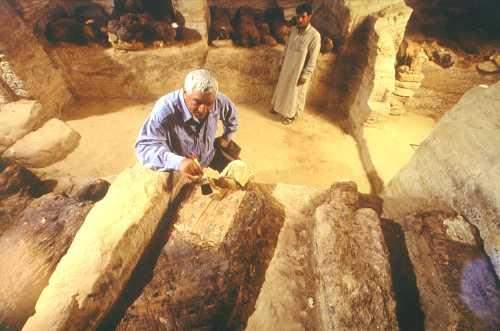
In his account of the excavation, Zahi Hawass described the discovery as one of the major archaeological experiences of his career and explained that excavation was eventually stopped after approximately 250 mummies had been recovered, leaving other areas for future archaeologists.
This decision reflects an important principle in archaeology.
Not every archaeological site has to be completely excavated immediately.
Future researchers may have access to technologies and methods that can answer questions that today's archaeologists cannot.
The Golden Mummies story therefore continues beyond the objects already discovered.
What Makes the Golden Mummies Different?
Egypt has many famous mummy collections.
The Royal Mummies Hall at the National Museum of Egyptian Civilization in Cairo, for example, focuses on royal mummies and their relationship to ancient Egyptian kingship. The official museum description explains that the hall presents royal mummies within an interactive display exploring mummification and religious beliefs.
The Golden Mummies of Bahariya tell a different story.
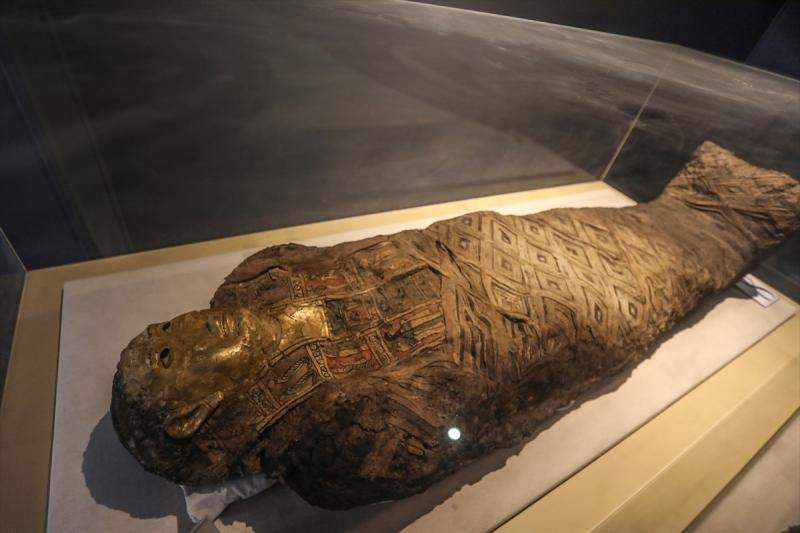
They come from a Western Desert oasis cemetery associated with the Greco-Roman period rather than from the royal tombs of the New Kingdom.
This makes the collection especially valuable for understanding ordinary—or at least non-royal—society outside Egypt’s traditional centers of power.
The focus shifts from pharaohs to communities.
From royal monuments to oasis life.
From enormous temples to individual burials.
That change in perspective is one of the most rewarding aspects of visiting Bahariya.
A Journey Through Different Layers of Egyptian History
A visit to the Golden Mummies Hall can become part of a much larger historical journey.
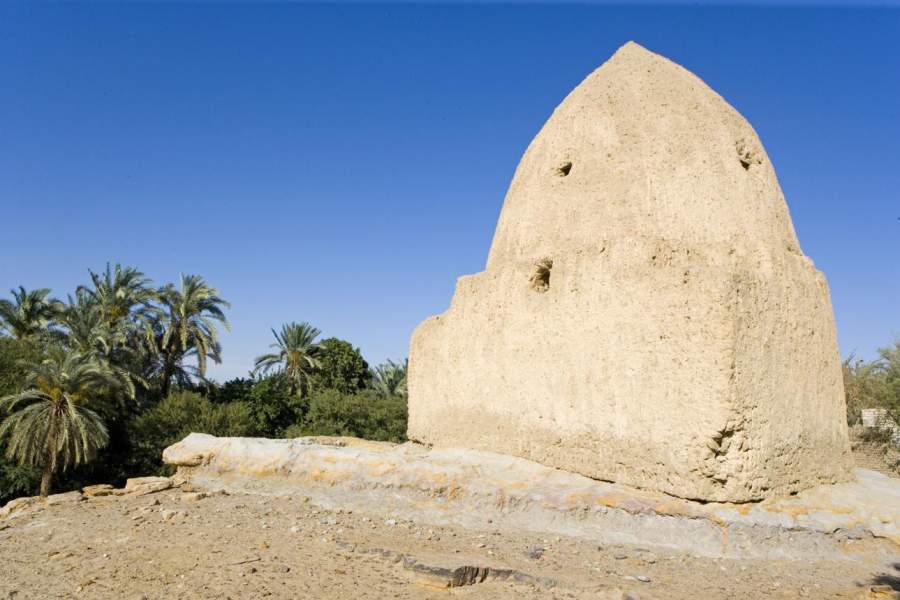
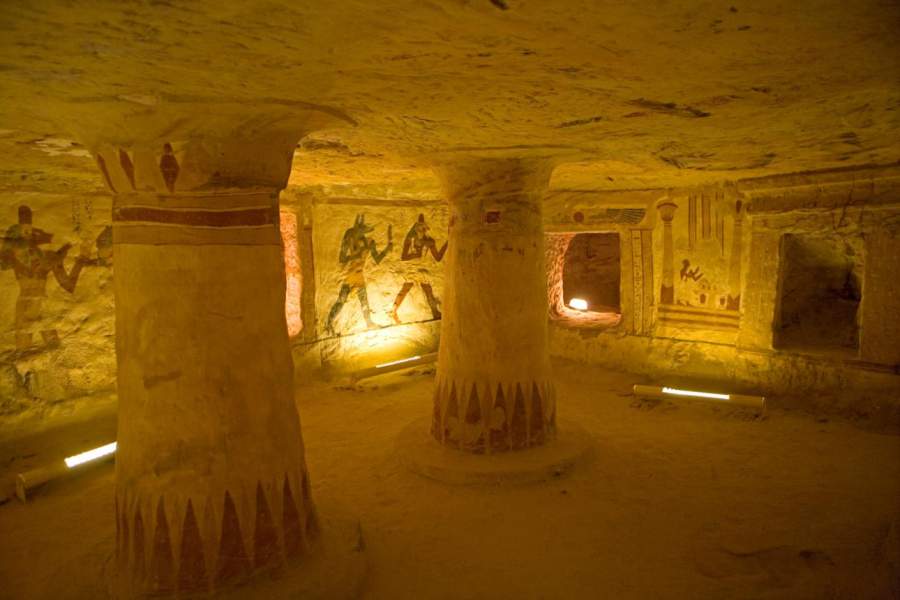
Start with the 26th Dynasty, when wealthy individuals such as Bannantiu were buried in decorated rock-cut tombs.
Move forward to the Greco-Roman period, when the Valley of the Golden Mummies was used as a large cemetery.
Then look at the later archaeological remains of the oasis, including evidence of Christian communities discovered at sites such as Qasr Al-Agouz.
Finally, step outside into the modern oasis, where palm groves and agricultural land continue to depend on the same fundamental resource that made human settlement possible here: water.
Few destinations make the passage of time feel quite so tangible.
Visiting as Part of a Desert Adventure
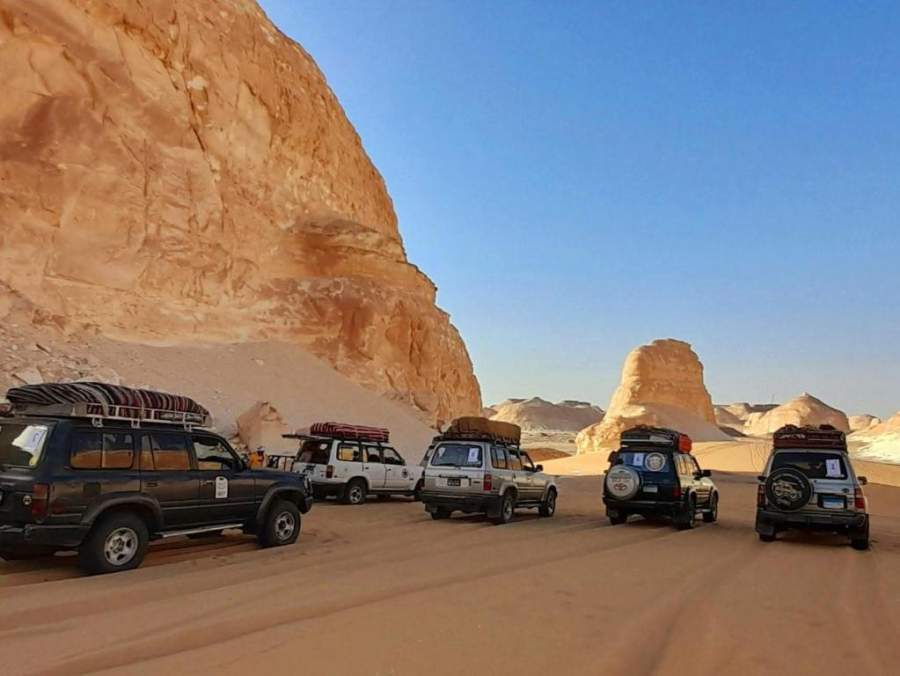
The Golden Mummies collection is particularly easy to incorporate into a multi-day Western Desert itinerary.
A typical journey can combine:
- Golden Mummies Hall
- 26th-Dynasty tombs
- Bawiti and the oasis
- Gabal Al-Ingleez
- Black Desert
- Crystal Mountain
- White Desert
- desert camping
- natural springs
Experience Egypt recommends camping in the desert, exploring Bahariya’s hot and cold springs, hiking around the oasis, and visiting the Black and White Deserts as part of the broader Bahariya experience.
This combination allows travelers to experience both sides of Bahariya.
The human story is found in the tombs and mummies.
The natural story is found in the desert, mountains, springs, and oasis.
When Is the Best Time to Visit?
Because Bahariya lies in the Western Desert, temperatures can become very high during the summer.
The cooler months are generally more comfortable for combining archaeological sightseeing with desert excursions.
This is especially important if your itinerary includes outdoor sites such as the 26th-Dynasty tombs, Gabal Al-Ingleez, the Black Desert, or an overnight desert camp.
During the hotter months, early morning and late afternoon can be more comfortable for outdoor activities.
Visitors should also remember that desert nights can become surprisingly cool during the winter, particularly if they are continuing from the museum to an overnight desert camp.
Respecting the Mummies and the Museum
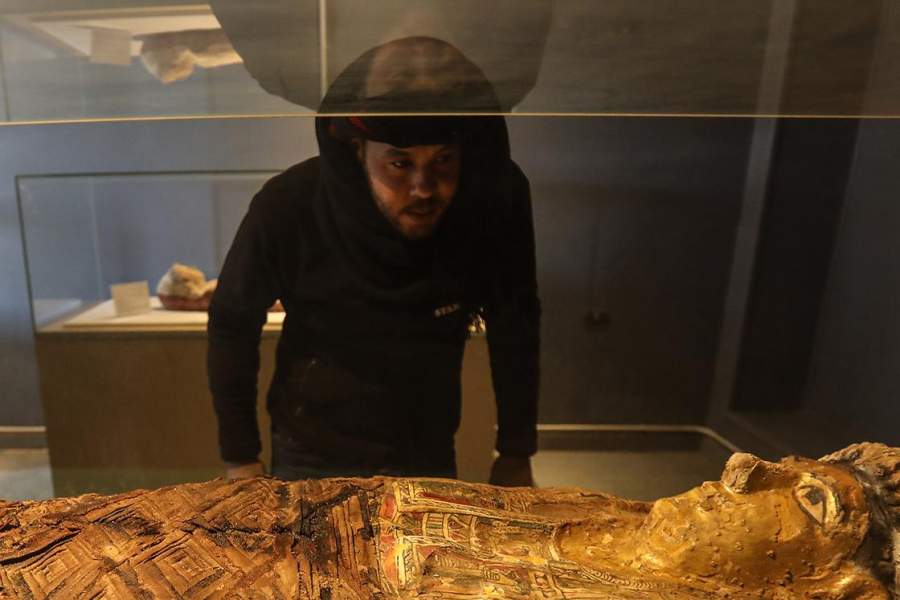
Mummies are human remains, and visiting them should be approached with respect.
They are not simply objects of mystery or entertainment.
Each mummy represents an individual who lived, worked, had relationships, and participated in the society of ancient Bahariya.
The best museum experience is therefore one that combines curiosity with respect.
Visitors should follow museum instructions, avoid touching displays, and refrain from photography where prohibited.
The purpose of the collection is not only to show remarkably preserved bodies.
It is to help us understand the people and culture behind them.
Final Thoughts
The Golden Mummies Hall of Bahariya Oasis offers a rare opportunity to see a side of ancient Egypt that exists far beyond the royal monuments of the Nile Valley.
The story begins with the discovery of the Valley of the Golden Mummies in 1996, when archaeologists uncovered a vast Greco-Roman cemetery containing richly decorated mummies.
The gilded masks, painted cartonnage, funerary imagery, and preserved bodies reveal a society where Egyptian religious traditions continued while the country was deeply connected to the Greek and Roman worlds.
But the experience becomes even more meaningful when the mummies are placed within their landscape.
Outside the collection are the palm groves of Bahariya, ancient tombs, desert mountains, springs, and the spectacular Black and White Deserts.
The result is a journey through multiple layers of Egyptian history.
Pharaonic Bahariya.
Greco-Roman Bahariya.
The oasis communities of later centuries.
And the modern desert landscape that surrounds them all.
For travelers willing to journey beyond Egypt's most famous monuments, the Golden Mummies offer something genuinely different: the story of ordinary people, ancient beliefs, cultural exchange, and life on the edge of the Sahara—preserved for thousands of years in one of Egypt's most remarkable oases.
Post a comment