

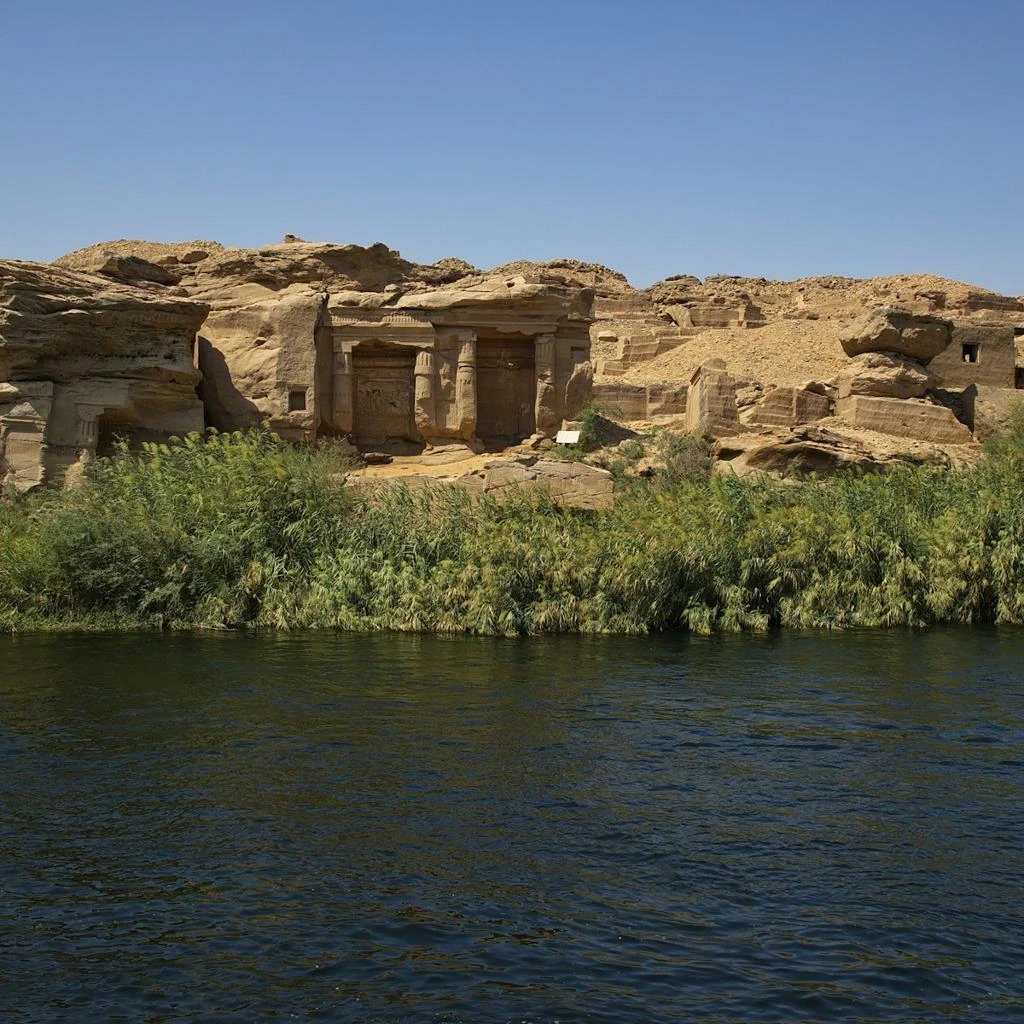
Gebel El Silsila: The Ancient Sandstone Quarries of Egypt
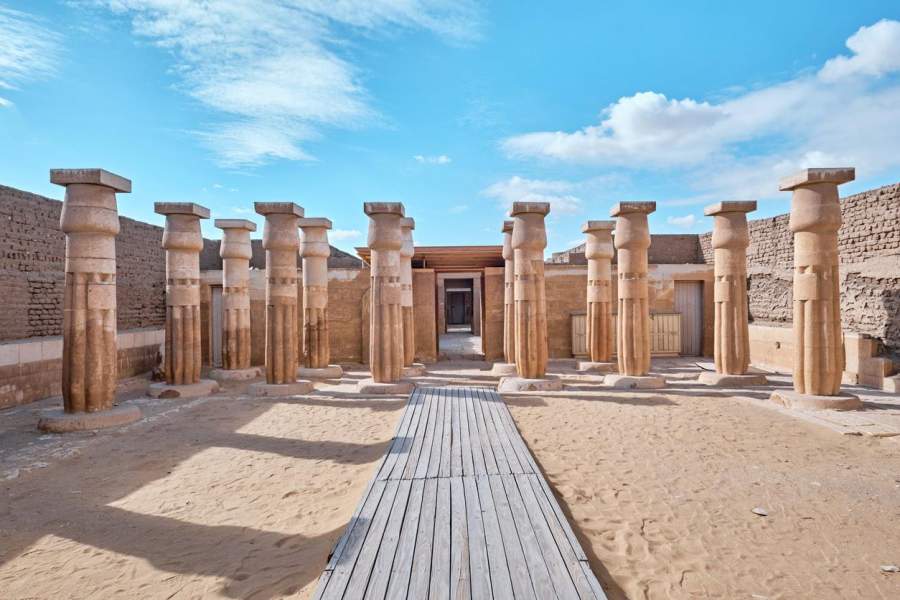
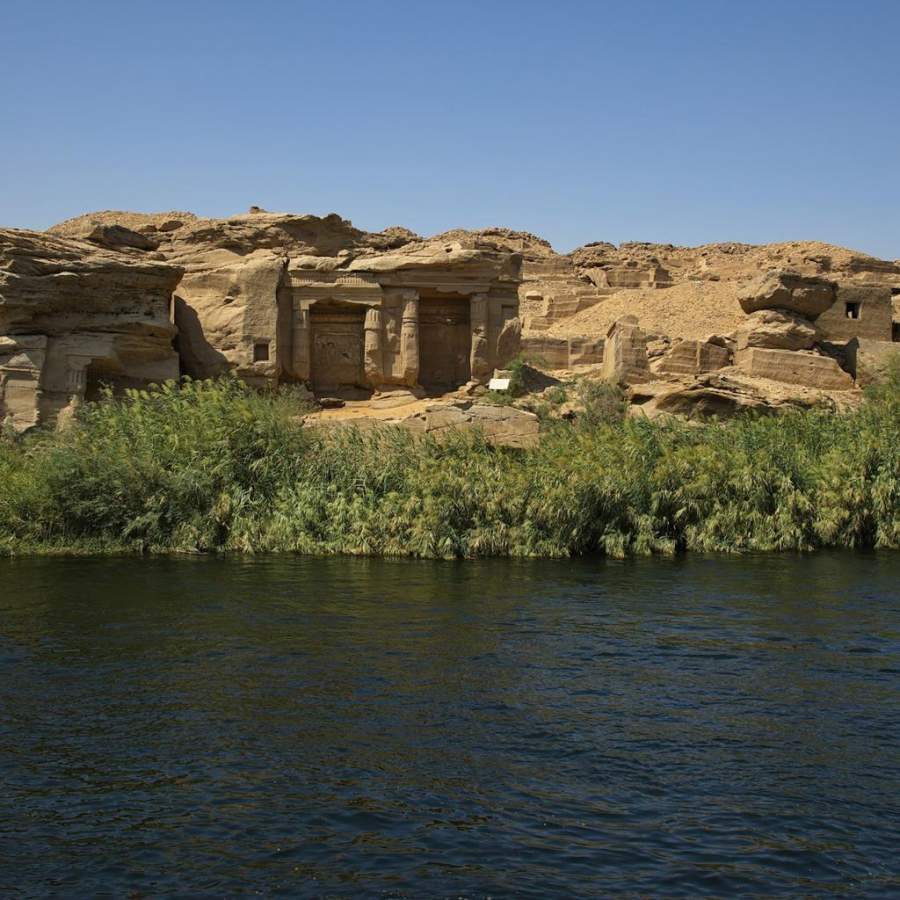
Gebel El Silsila is one of the most fascinating archaeological sites in southern Egypt. Located along a narrow stretch of the Nile north of Aswan, the site is famous for its enormous ancient sandstone quarries, rock-cut shrines, royal stelae, tombs, inscriptions, and monuments carved directly into the cliffs.
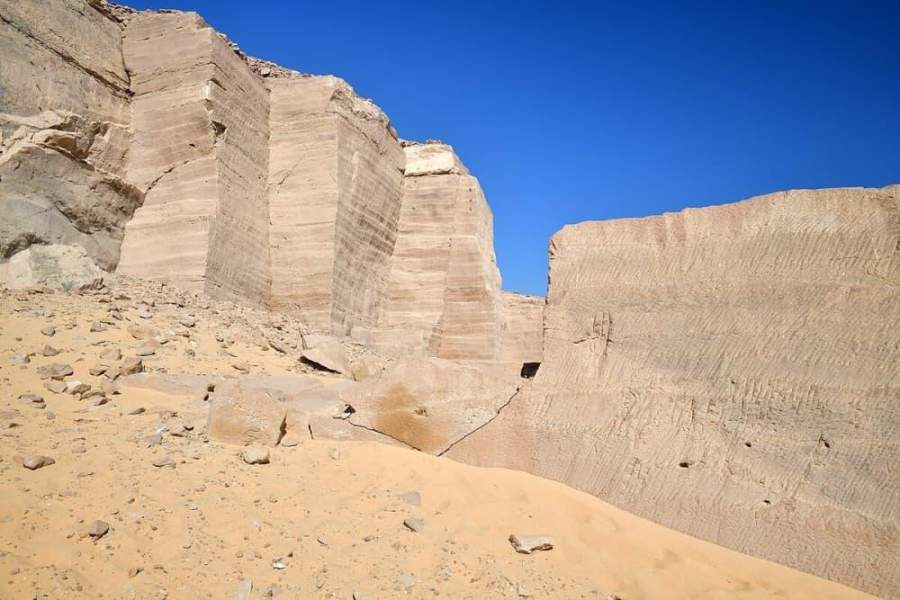
For thousands of years, the sandstone of Gebel El Silsila was extracted and transported along the Nile for use in some of ancient Egypt's most important monuments. More than 100 quarries have been identified in the area, and many still preserve the marks of ancient quarrying tools and inscriptions left by workers.
But Gebel El Silsila was far more than an industrial quarry.
The cliffs became a sacred landscape containing temples, chapels, royal monuments, religious inscriptions, and a cemetery that has provided new evidence about the people who lived and worked in the area.
Where Is Gebel El Silsila?
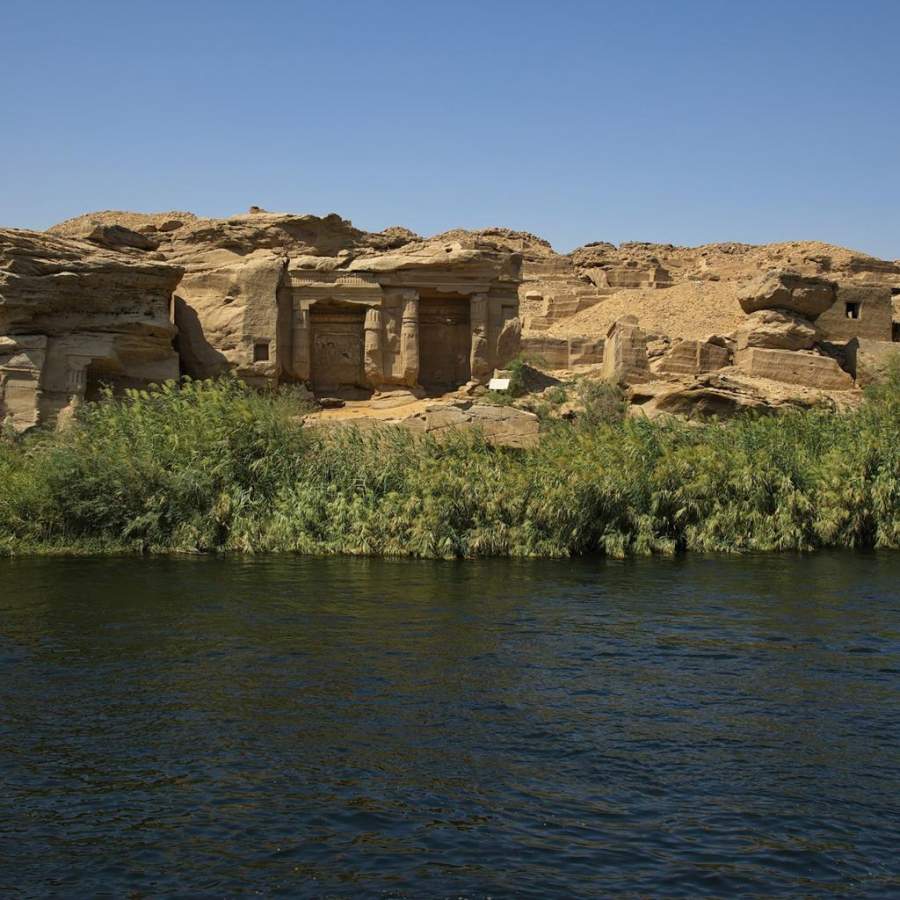
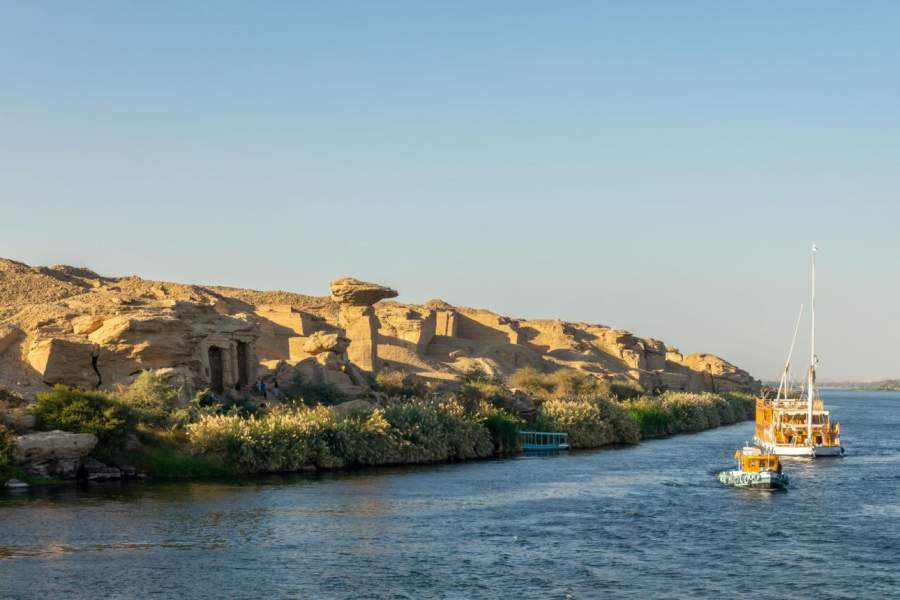
Gebel El Silsila is located on both banks of the Nile, approximately 70 kilometers north of Aswan.
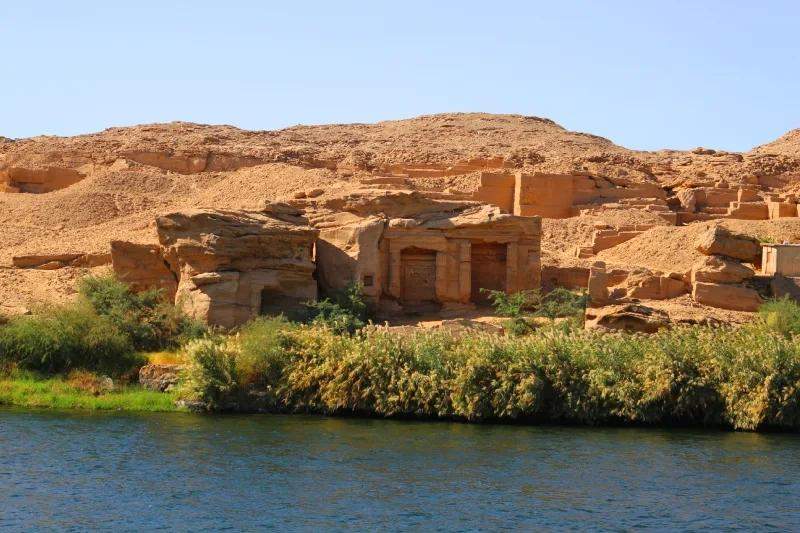
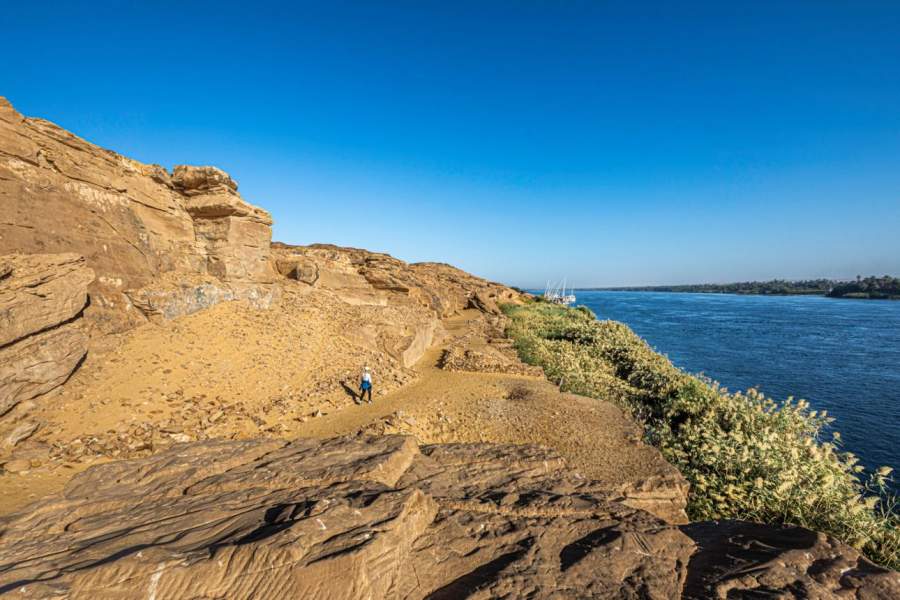
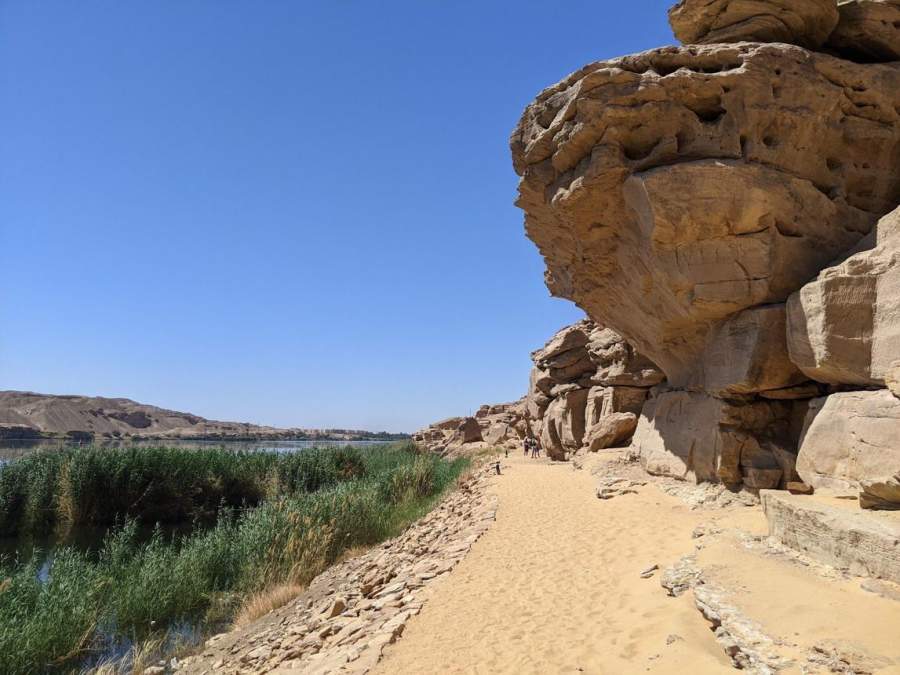
The Nile becomes relatively narrow in this area, creating an impressive landscape of sandstone cliffs rising directly from the river. The combination of desert, rock formations, archaeological remains, and the Nile makes the site visually different from many of Egypt's better-known temples.
The archaeological remains are spread across both the east and west banks.
The west bank is particularly famous for the Speos of Horemheb, rock-cut chapels, royal stelae, and numerous inscriptions, while the east bank contains extensive quarrying remains and the New Kingdom cemetery.
The Great Sandstone Quarries
The most important reason Gebel El Silsila became significant was its sandstone.
According to Egypt's Ministry of Tourism and Antiquities, the quarries were exploited from the Middle Kingdom, around 2034–1650 BC, through the 20th century. More than one hundred quarries were used to extract sandstone blocks.
Ancient Egypt depended heavily on stone for temples, statues, columns, walls, gateways, and other monumental architecture.
The location of Gebel El Silsila beside the Nile was particularly valuable because the river provided a natural transportation route.
Large blocks of sandstone could be extracted from the cliffs and then transported by water toward other parts of Egypt.
The Ministry of Tourism and Antiquities notes that sandstone from Gebel El Silsila was transported for use in many of ancient Egypt's famous temples.
This means that when visitors admire monumental temples farther north, some of the stone they see may have originated from landscapes like Gebel El Silsila.
Evidence of Ancient Quarrying
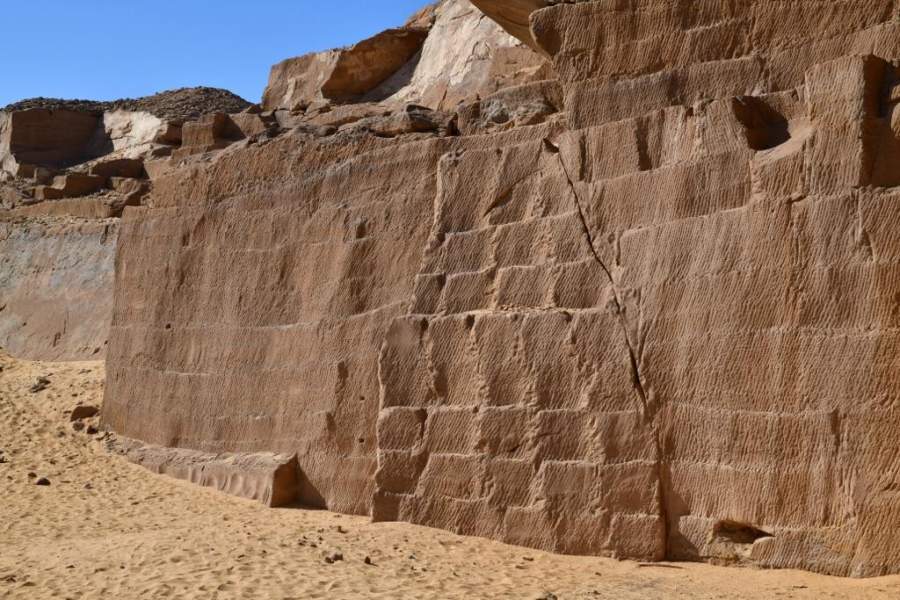
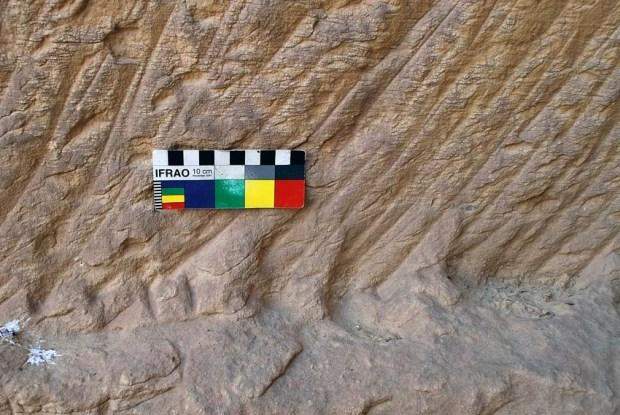
One of the most interesting things about Gebel El Silsila is that the quarries preserve evidence of how the ancient Egyptians worked the stone.
Tool marks can still be seen on the rock surfaces.
There are also inscriptions left by workers and officials who participated in or supervised activities at the site.
Instead of seeing only the finished monuments of ancient Egypt, Gebel El Silsila gives visitors a glimpse into the production process behind monumental architecture.
The site therefore helps connect two worlds:
The quarry → the workers → the stone blocks → the Nile → the temples
This industrial side of ancient Egyptian civilization is often less visible at the famous temple sites.
The Speos of Horemheb
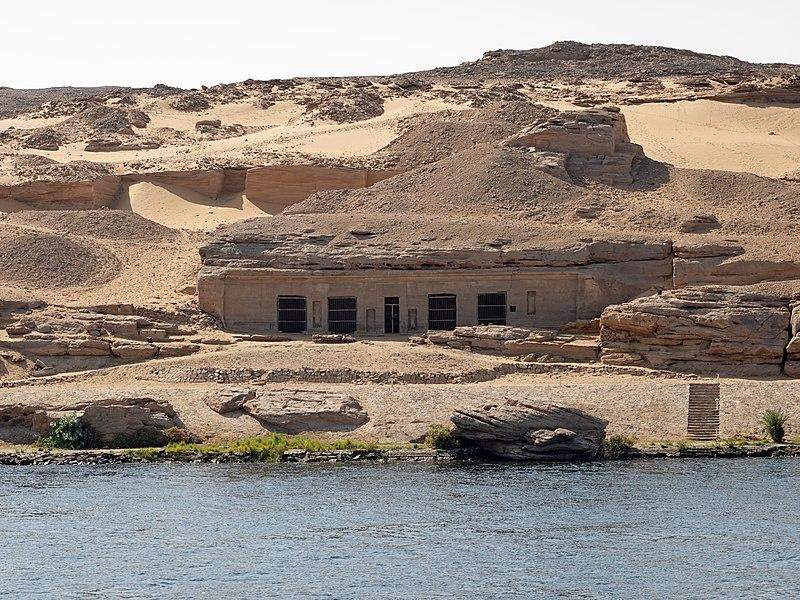
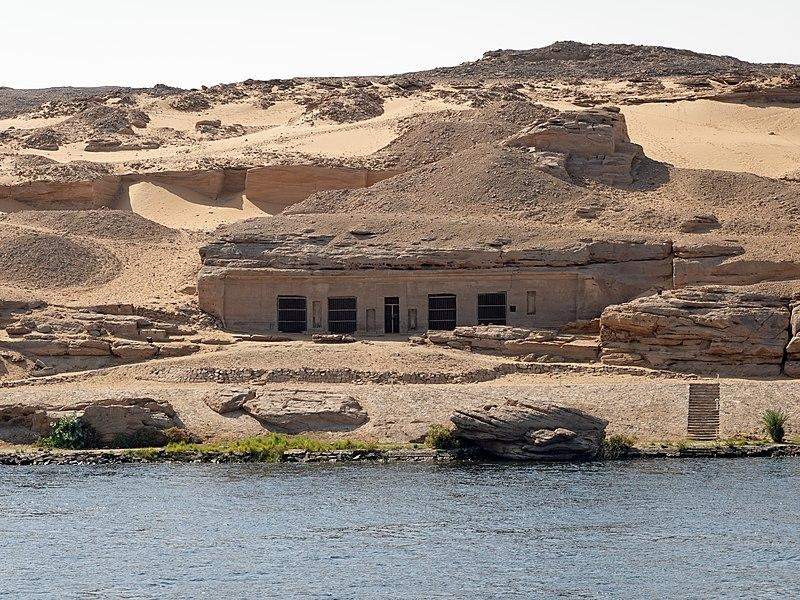
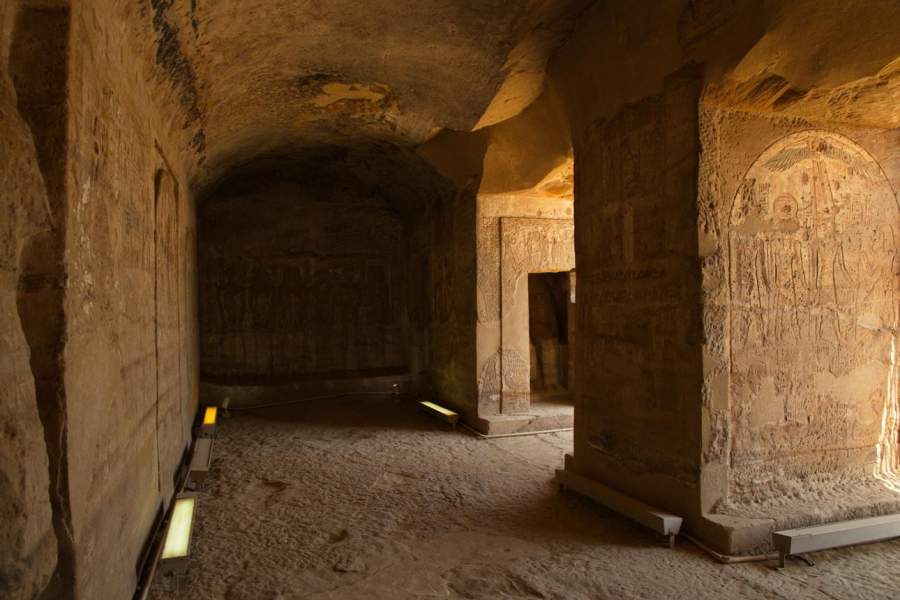
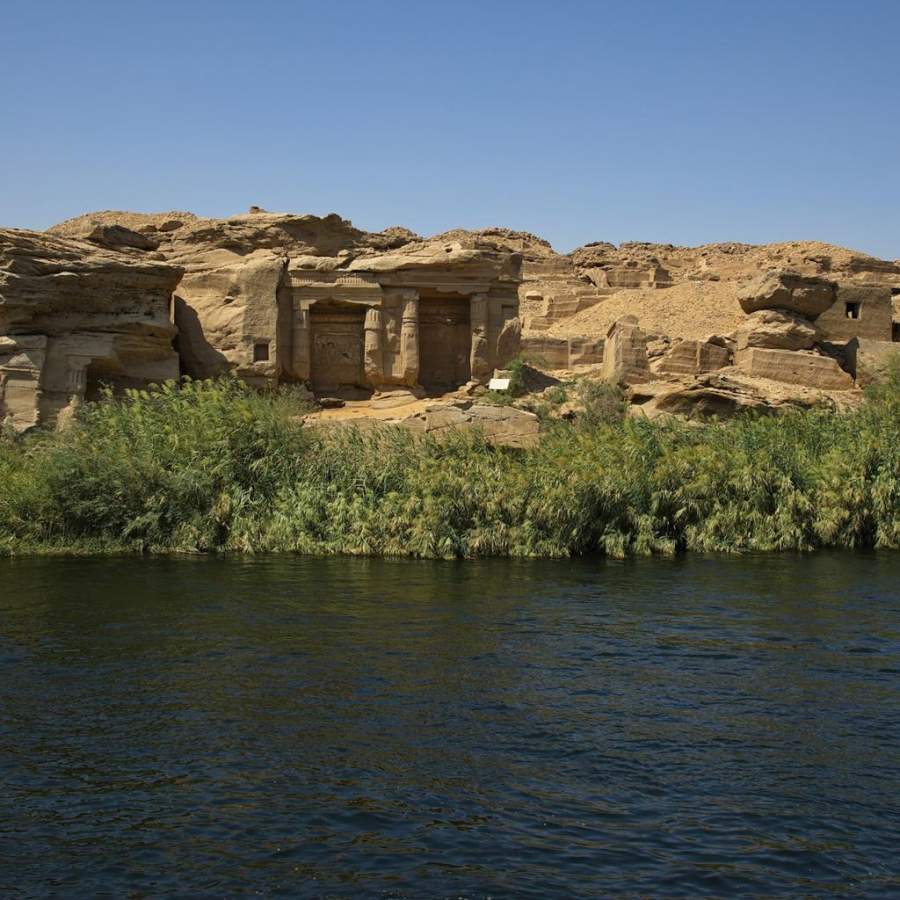
One of the site's most important monuments is the Speos of Horemheb, a rock-cut temple constructed during the reign of King Horemheb, the last king of the 18th Dynasty.
Horemheb ruled approximately 1323–1295 BC according to the Egyptian Ministry of Tourism and Antiquities.
The temple was carved into the sandstone cliff, possibly using an earlier quarrying gallery.
Its façade has five openings separated by pillars, with the central opening serving as the entrance. The royal names of Horemheb were carved around the entrance.
Inside, a hall leads toward the sanctuary.
The sanctuary contains rock-cut seated figures representing seven divine figures associated with the temple.
These include:
- Sobek, the crocodile god and local deity of Gebel El Silsila
- Taweret, the protective hippopotamus goddess
- Horemheb
- Thoth, the ibis-headed god
- Amun-Ra
- Mut
- Khonsu
The Theban triad of Amun-Ra, Mut, and Khonsu occupies the central position in the group.
Horemheb and the Nubian Victory Scene
The Speos of Horemheb contains an especially interesting scene depicting the king in connection with a victorious procession after a campaign in Nubia.
The relief is an important example of the way Egyptian kings used temple decoration to connect military success with royal authority and divine protection.
The temple therefore wasn't simply connected with quarrying.
It became a place where royal power, religion, and Egypt's southern territories were represented together.
The Ministry of Tourism and Antiquities also notes a scene in which Taweret is shown suckling Horemheb, reinforcing the protective and divine associations of the monument.
Gebel El Silsila as a Sacred Place
Although quarrying was central to the site's history, Gebel El Silsila was also an important religious location.
A number of gods associated with the Nile and fertility were worshipped here.
Among them were:
- Hapy, god associated with the annual Nile inundation
- Taweret
- Khnum, the ram-headed god
- Sobek, the crocodile god
- Isis
- Horus
- Min
- Amun
- Mut
- Khonsu
The presence of these deities reflects the importance of the Nile to ancient Egyptian religious thought and everyday life.
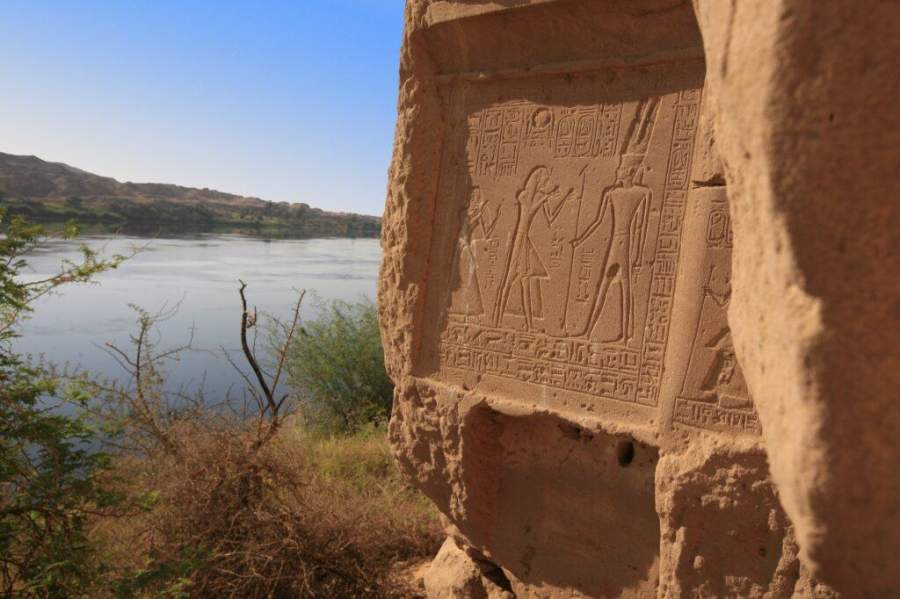
The connection with the Nile becomes particularly clear in the famous Nile Stelae carved into the cliffs.
The Nile Stelae
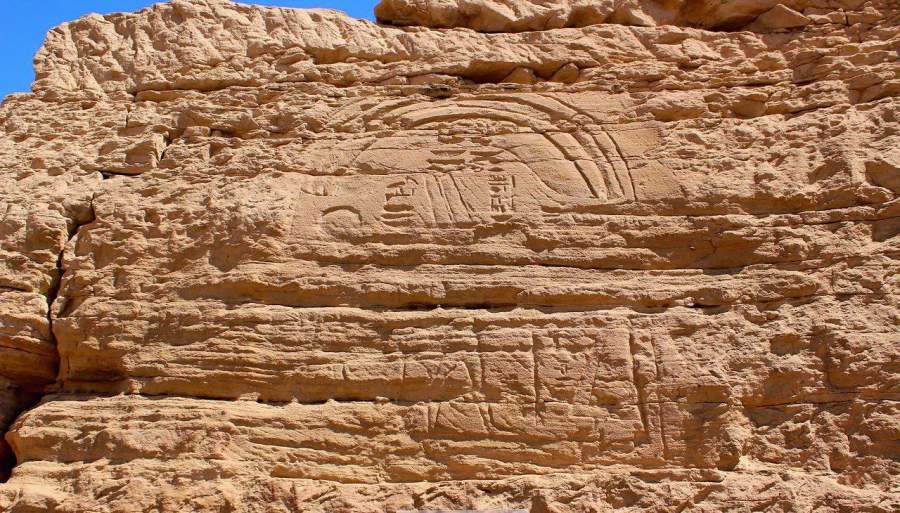
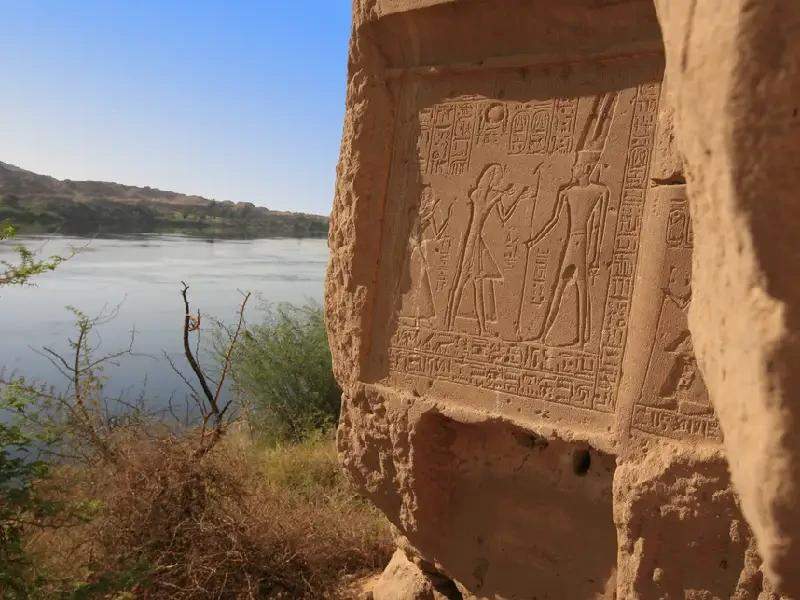
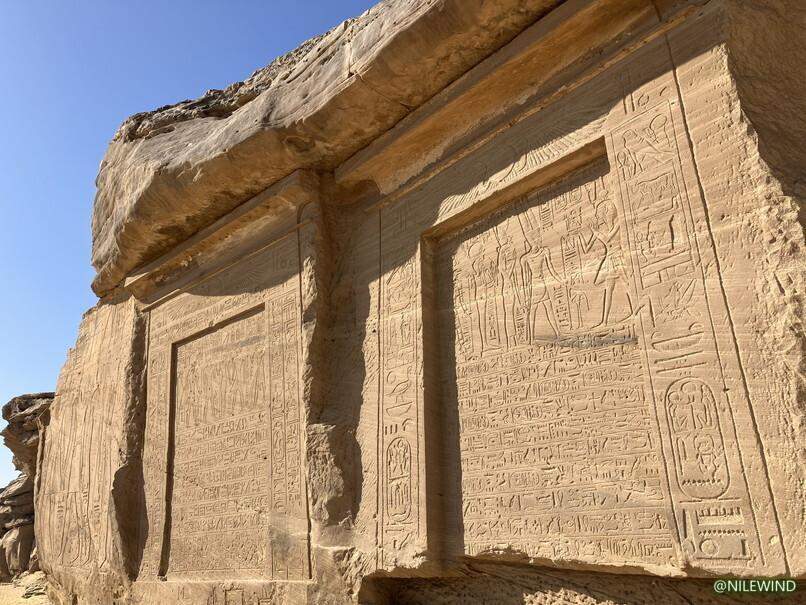
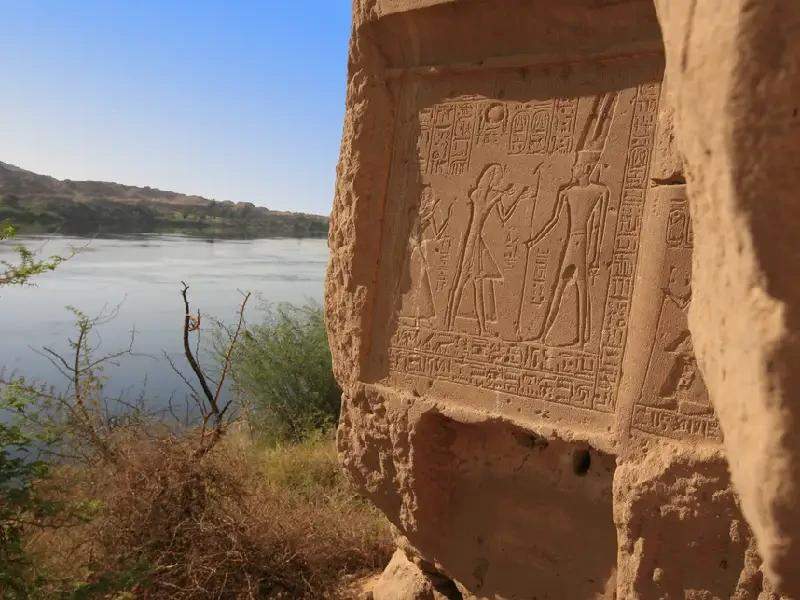
The cliffs of Gebel El Silsila preserve a remarkable collection of royal inscriptions known as the Nile Stelae.
They were carved by kings of the 19th and 20th Dynasties and commemorate offerings to Hapy, the god associated with the annual inundation of the Nile.
The annual Nile flood was essential to Egyptian agriculture.
The flood deposited fertile soil along the riverbanks and supported the agricultural economy that sustained ancient Egyptian civilization.
At Gebel El Silsila, the kings' inscriptions recognize the importance of this natural phenomenon and appeal to Hapy for a beneficial inundation.
The tradition began with Sety I, followed by Ramesses II and Merenptah, while Ramesses III later added his own stela.
Royal Stelae at Gebel El Silsila
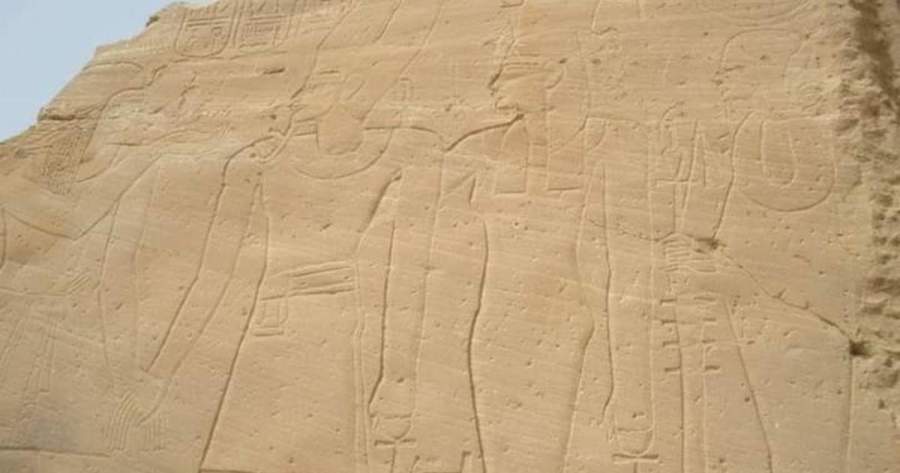
In addition to the Nile Stelae, Gebel El Silsila contains several important royal stelae.
Three major royal stelae are located on a high rock overlooking the Nile.
One was created by Ramesses V, another by Sheshonq I of the 22nd Dynasty, and a third by Ramesses III.
These monuments show that the importance of Gebel El Silsila continued long after the original quarrying activity and remained connected with royal visits, religious ceremonies, and the commemoration of building projects.
The 32 Rock-Cut Chapels
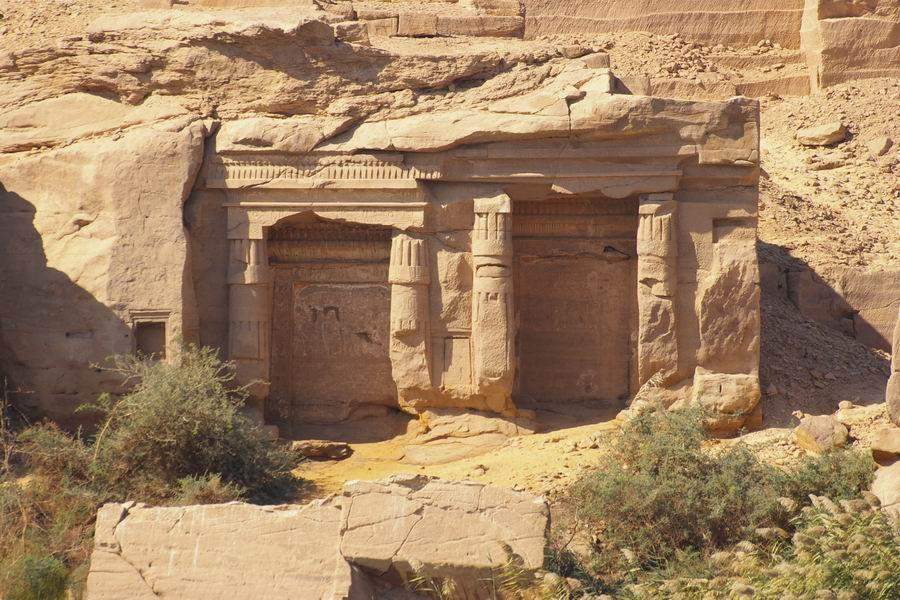
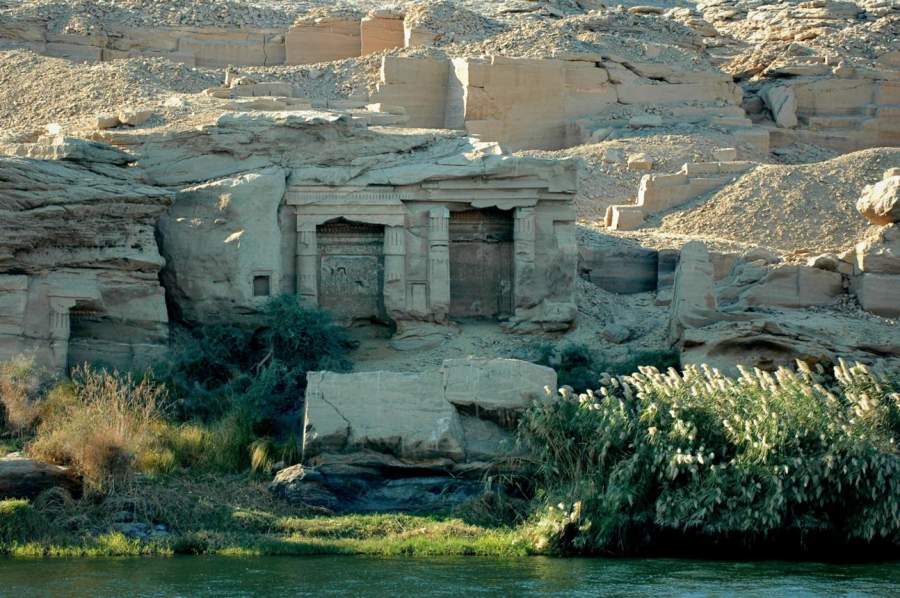
South of the Speos of Horemheb are 32 rock-cut chapels carved into the cliff above the Nile.
These chapels were associated with high officials of the New Kingdom, with many dating to the time of Hatshepsut and Thutmose III.
Their presence provides an important reminder that Gebel El Silsila was not simply a workplace for quarry laborers.
Officials, religious figures, and members of the elite left their mark on the landscape.
The cliffs became a place for commemoration, worship, and the recording of important events.
Monuments of Sety I, Ramesses II and Merenptah
Further south are rock-cut porch-like structures associated with several major rulers of the New Kingdom.
These include:
- Sety I
- Ramesses II
- Merenptah
There is also a large stela associated with Ramesses III.
Together, these monuments create a remarkable historical sequence across the cliffs.
They show how successive generations of Egyptian rulers continued to use Gebel El Silsila as a religious and commemorative landscape.
The New Kingdom Cemetery
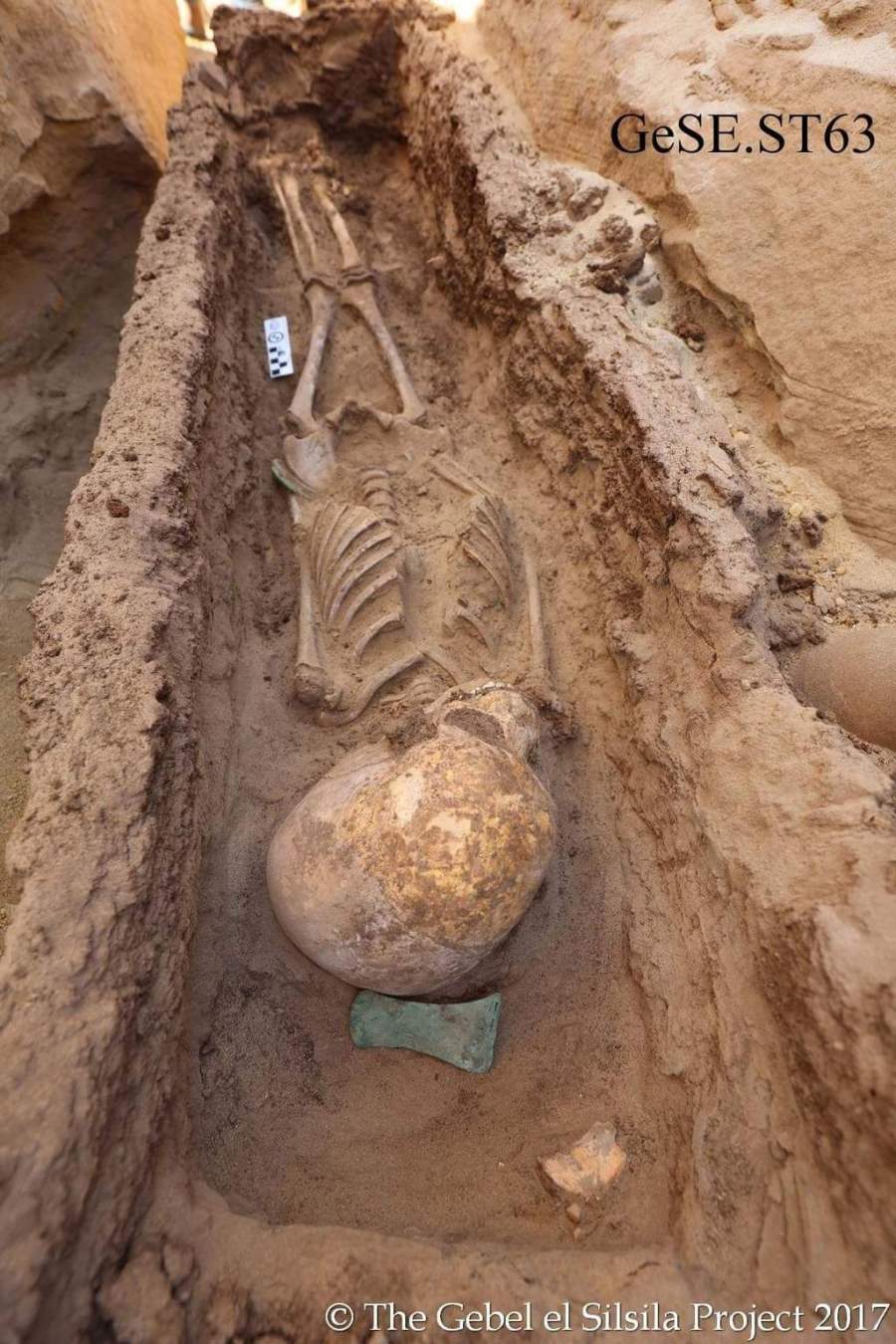
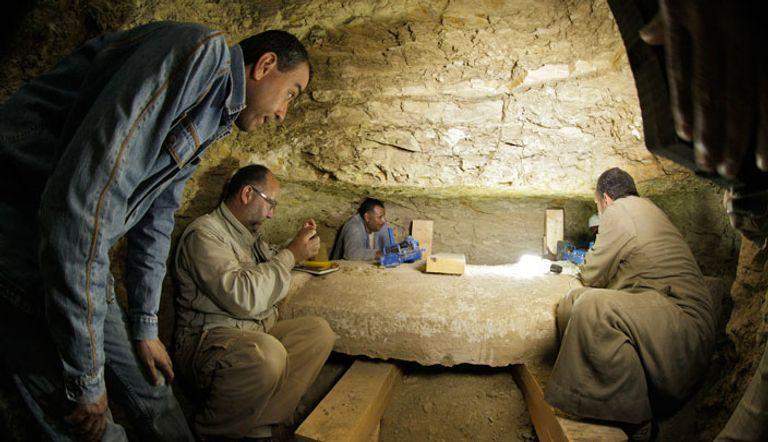
One of the most significant archaeological discoveries at Gebel El Silsila is the New Kingdom cemetery on the eastern side.
In 2015, a joint archaeological mission involving the Egyptian Supreme Council of Antiquities and Lund University in Sweden began work in the area.
The project uncovered 78 tombs dating to the New Kingdom, approximately 1550–1069 BC.
The tombs belonged to:
- Men
- Women
- Children
This evidence is particularly important because the ages and genders represented suggest that there was a settlement at Gebel El Silsila, rather than simply a temporary camp for quarry workers.
The tombs contained objects including:
- Pottery vessels
- Beer jars
- Faience beads
- Scarab amulets
- Bronze bracelets
- Animal bones
These discoveries provide valuable information about the people who lived in this ancient landscape.
More Than a Quarry
Perhaps the most important thing to understand about Gebel El Silsila is that its history cannot be reduced to stone extraction.
The archaeological evidence reveals a complex landscape where several activities existed together:
Quarrying + Transportation + Religion + Royal Ceremony + Settlement + Burial
The quarries supplied sandstone.
The Nile provided a transportation route.
The temples and shrines transformed the cliffs into sacred spaces.
The inscriptions recorded royal activities and religious beliefs.
And the cemetery provides evidence of communities that lived in the area.
This combination makes Gebel El Silsila particularly valuable for understanding the practical and religious sides of ancient Egyptian civilization.
Gebel El Silsila Through the Ages
The site has an unusually long history.
According to the Egyptian Ministry of Tourism and Antiquities, the sandstone quarries were used from the Middle Kingdom through the 20th century.
The monuments and inscriptions themselves span many periods, including the New Kingdom and later eras.
There are also inscriptions and graffiti dating from prehistoric times through the period after Roman rule, demonstrating that people continued to interact with the landscape long after the major pharaonic monuments had been constructed.
The Speos of Horemheb was even reused as a Christian place of worship, with crosses carved into its walls.
This gives Gebel El Silsila a story that extends far beyond the age of the pharaohs.
Visiting Gebel El Silsila
The Egyptian Ministry of Tourism and Antiquities currently lists the archaeological site as open daily from 7:00 AM to 4:00 PM.
The current listed ticket prices are:
- Foreign adults: EGP 100
- Foreign students: EGP 50
- Egyptian adults: EGP 10
- Egyptian students: EGP 5
These prices and regulations can change, so visitors should check the official Egyptian Ministry of Tourism and Antiquities information before traveling.
Official Gebel El Silsila information – Egyptian Ministry of Tourism and Antiquities
Best Time to Visit
Because Gebel El Silsila is an open archaeological landscape surrounded by desert and sandstone cliffs, early morning is generally a comfortable time to explore.
Morning light can also create excellent conditions for photography, especially when the sunlight strikes the sandstone cliffs and the Nile.
If you're visiting southern Egypt during the hotter months, avoiding the strongest midday heat is particularly useful.
How Long Should You Spend There?
Gebel El Silsila is more extensive than a single temple.
To appreciate the quarries, rock-cut monuments, inscriptions, chapels, and Nile landscape, it is worth allowing enough time rather than treating it as a quick photo stop.
A knowledgeable guide can also be particularly useful because many of the site's most interesting details are found in hieroglyphic inscriptions, quarry marks, reliefs, and smaller monuments that are easy to overlook.
Why Visit Gebel El Silsila?
Gebel El Silsila offers something different from the major tourist attractions of Luxor and Aswan.
At Karnak, visitors see an enormous religious complex.
At the Valley of the Kings, they explore royal tombs.
At Abu Simbel, they encounter monumental temples carved for a powerful king.
At Gebel El Silsila, visitors can see where an important building material came from and how the landscape itself became part of ancient Egyptian religious and royal culture.
The experience is therefore more archaeological and exploratory.
You can stand beside ancient quarry surfaces, look at workers' marks, examine royal inscriptions, enter a rock-cut temple, and see the same Nile that once carried enormous sandstone blocks toward construction sites farther north.
Final Thoughts
Gebel El Silsila is one of Egypt's hidden archaeological treasures.
Its importance begins with the sandstone quarries that supplied material for monumental construction, but the story does not end there.
The site contains the Speos of Horemheb, dozens of rock-cut chapels, royal stelae, Nile inscriptions, quarry marks, religious monuments, ancient graffiti, and a New Kingdom cemetery containing 78 tombs.
Together, these remains reveal a place where industry, religion, royal power, transportation, and everyday life intersected along the Nile.
For travelers interested in understanding how ancient Egypt actually functioned beyond its famous temples and pyramids, Gebel El Silsila offers a fascinating perspective.
It is a place where you can see not only the monuments of ancient Egypt—but also the landscape and resources that helped make those monuments possible.
Post a comment