Introduction: Discover Ancient Nekheb
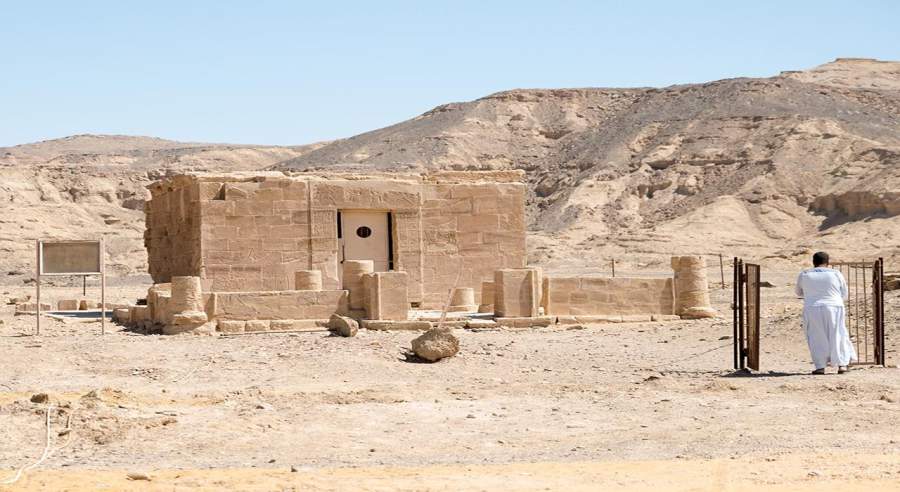
Located on the east bank of the Nile, north of Edfu and between Luxor and Aswan, El Kab Archaeological Site is one of Upper Egypt’s most fascinating historical destinations. Known in ancient times as Nekheb, the city was an important religious and administrative center whose history stretches back to the earliest periods of Egyptian civilization.
Unlike Egypt’s famous pyramid complexes and monumental temple cities, El Kab offers a more intimate look at ancient urban life. Its impressive mudbrick walls, ancient temple remains, and rock-cut tombs reveal how people lived, worshipped, and governed this region over thousands of years.
The site is especially important for its association with Nekhbet, the vulture goddess who protected Upper Egypt and was closely connected with Egyptian kingship. For travelers interested in archaeology and lesser-known historical destinations, El Kab provides a rewarding opportunity to explore a remarkable part of Egypt’s heritage.
The Ancient City Walls of Nekheb
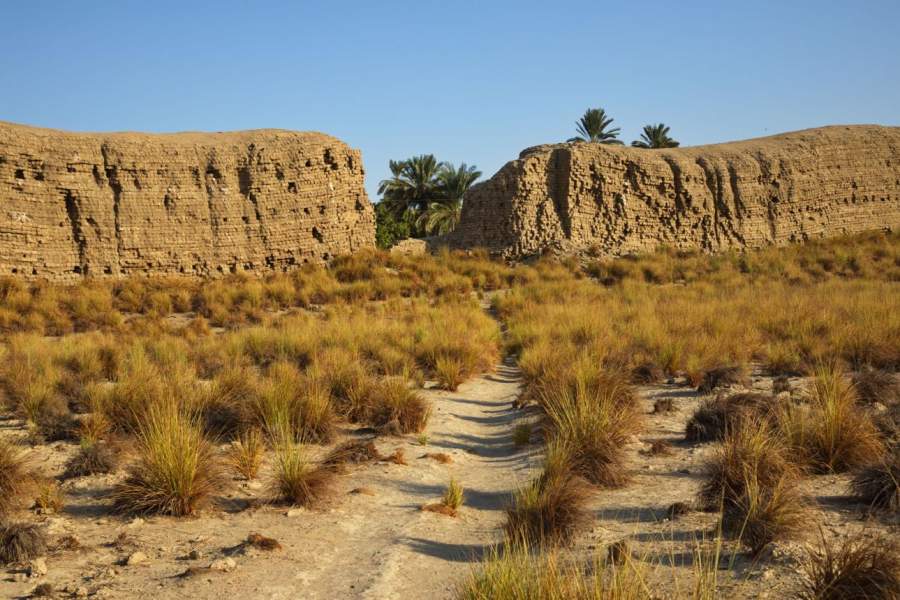
One of the most striking features of El Kab is its enormous mudbrick enclosure wall, which once surrounded the ancient settlement. The surviving remains provide an impressive illustration of the scale and organization of early Egyptian urban centers.
The walls stand as a reminder that ancient Egypt was not defined only by royal tombs and religious monuments. Cities also required organized settlements, protective boundaries, administrative structures, and spaces for everyday activities.
Walking around the enclosure allows visitors to appreciate the construction techniques used to create these massive structures. Mudbrick was widely used in ancient Egypt because it could be produced from locally available materials, making it suitable for large-scale building projects.
The surviving walls also help archaeologists study the development of Nekheb and its changing role through different historical periods. Their presence makes El Kab one of the most distinctive archaeological landscapes in Upper Egypt.
The Temple of Nekhbet: Sanctuary of the Vulture Goddess
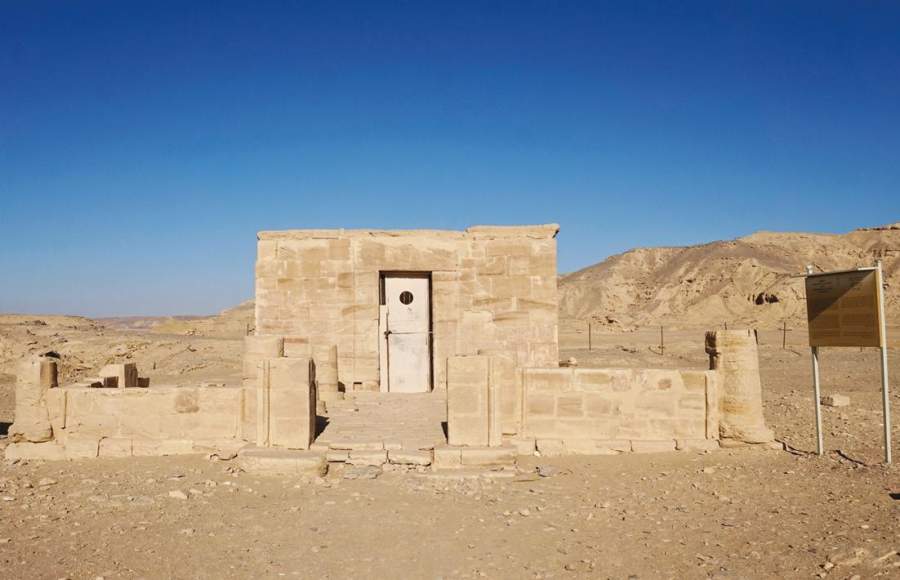
El Kab was an important cult center dedicated to Nekhbet, the vulture goddess associated with the protection of Upper Egypt and the Egyptian monarchy.
In ancient Egyptian religion, Nekhbet was often represented as a vulture spreading her wings protectively above the pharaoh. Together with Wadjet, the cobra goddess associated with Lower Egypt, she symbolized the protection and unity of the two lands.
The remains of Nekhbet’s temple reflect the religious significance of the ancient city. Although much of the original structure has disappeared, the surviving archaeological evidence helps researchers understand the role of local sanctuaries in Egyptian religious life.
For ancient Egyptians, temples were not simply places of worship. They were important religious institutions connected with festivals, offerings, royal authority, and the relationship between people and their gods.
A visit to El Kab therefore offers insight into a spiritual tradition that influenced Egyptian civilization for thousands of years.
The Rock-Cut Tombs of El Kab
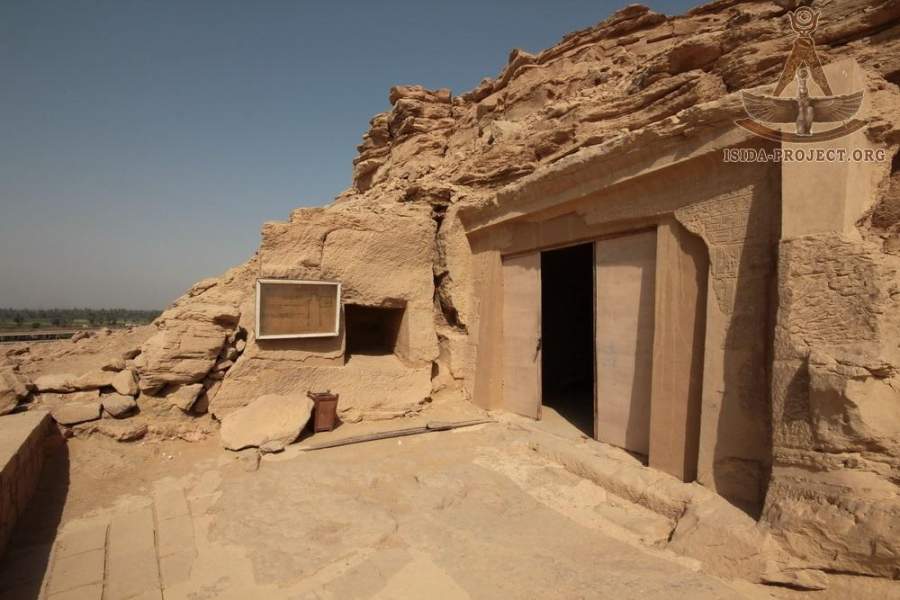
Beyond the ancient city walls lies one of El Kab’s most important archaeological attractions: a collection of tombs carved into the surrounding rocky hills.
Many of the best-known tombs date to the New Kingdom and belonged to high-ranking officials who served the Egyptian state. Their burial chambers contain inscriptions and decorated scenes that provide valuable evidence about administration, religion, and daily life in ancient Egypt.
Unlike royal tombs, which were designed for pharaohs, these burial places commemorate influential individuals whose careers contributed to the government and military of their time.
The tombs are especially valuable because their inscriptions preserve personal accounts of historical events. These records allow modern researchers to learn about individuals who participated in military campaigns, managed regional affairs, and served powerful rulers.
Exploring these monuments reveals a different side of ancient Egyptian history: the lives and achievements of the officials who helped maintain the kingdom.
The Tomb of Ahmose, Son of Abana
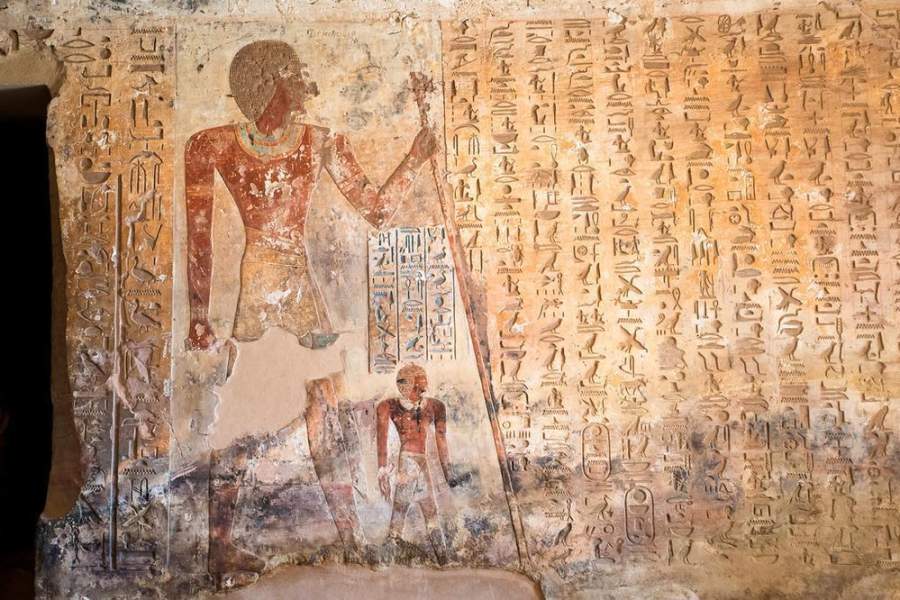
One of the most historically significant monuments at El Kab is the tomb of Ahmose, son of Abana, a military officer who served during the early Eighteenth Dynasty.
His autobiographical inscription records his participation in military campaigns during the struggle against the Hyksos, whose rulers had controlled parts of northern Egypt before the reunification of the country under Egyptian kings.
The inscription is particularly important because it provides a first-person account of military service during a pivotal period in Egyptian history. It describes campaigns and rewards associated with the officer’s career, offering information that complements other evidence from the New Kingdom.
Rather than presenting history only through the achievements of pharaohs, the tomb preserves the story of a man who took part in events that helped shape Egypt’s political future.
For visitors, this monument is a reminder that ancient inscriptions can serve as historical records, preserving individual experiences across more than three thousand years.
The Tomb of Paheri: Scenes of Life in Ancient Egypt
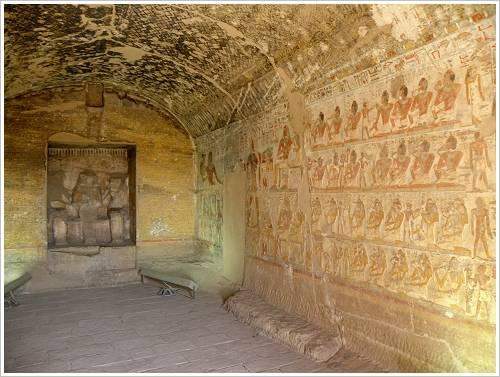
Another notable monument is the tomb of Paheri, an important official associated with El Kab during the New Kingdom.
Like many elite tombs of the period, it contains inscriptions and decorative scenes that offer a glimpse into the responsibilities, beliefs, and social environment of its owner.
Scenes of agricultural activity, food production, offerings, and other aspects of daily life are especially valuable for understanding how ancient Egyptians represented their world. Such images were not merely decorative; they also carried religious and symbolic meanings connected with prosperity, remembrance, and the afterlife.
The tomb of Paheri helps illustrate the relationship between an official’s public position and his hopes for continued well-being after death.
For travelers interested in ancient Egyptian art, these tombs provide a fascinating contrast to the monumental architecture of temples and royal burial complexes. Their inscriptions and painted details bring the people of ancient Egypt closer to the modern visitor.
El Kab Through Different Historical Periods
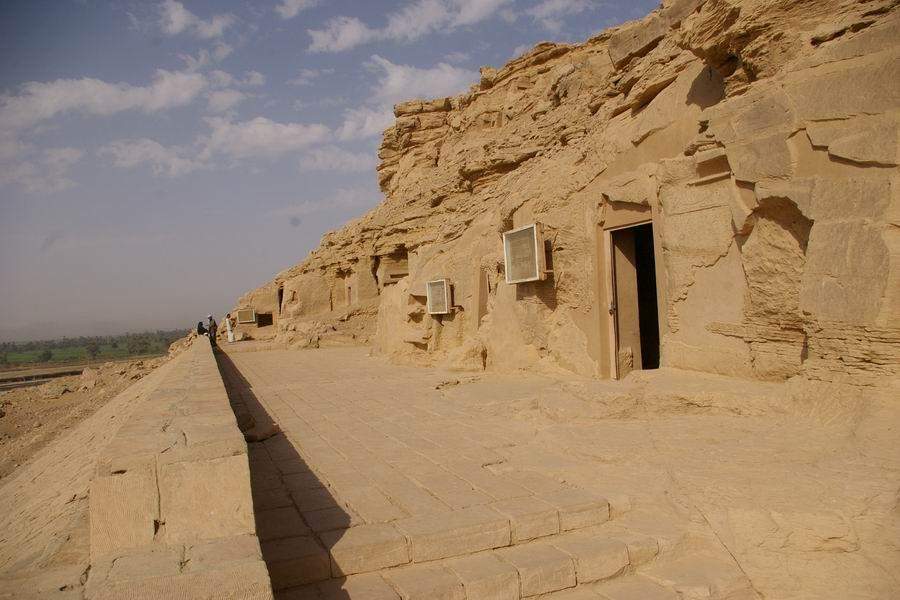
El Kab preserves evidence of human activity across a remarkably long span of Egyptian history. Archaeological remains from the Predynastic Period through the Greco-Roman era demonstrate that the area continued to hold importance as the surrounding political and cultural landscape changed.
Its early settlement history makes El Kab particularly valuable for understanding the growth of urban communities in the Nile Valley. Over time, the city developed religious institutions, administrative functions, and burial grounds associated with different phases of ancient Egyptian civilization.
The archaeological remains also reveal that Egypt’s history was not confined to its largest capitals. Regional centers such as Nekheb played important roles in maintaining religious traditions, managing local communities, and connecting settlements along the Nile.
As you explore El Kab, consider how its walls, temples, and tombs represent different aspects of a city that developed and changed over many centuries.
Visiting El Kab Archaeological Site
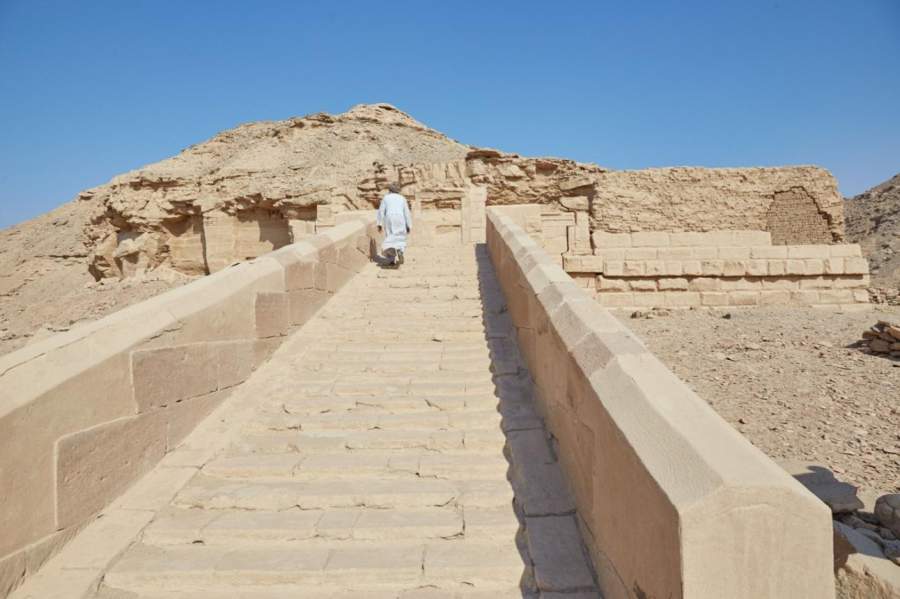
El Kab is located on the east bank of the Nile, north of Edfu, making it a possible stop on a journey between Luxor and Aswan.
The site is particularly appealing to travelers who want to explore archaeological locations beyond Egypt’s most heavily visited attractions. Its combination of ancient fortifications, temple remains, and decorated tombs offers several different perspectives on Egyptian history in one location.
To make the most of your visit, consider exploring with an experienced Egyptologist guide who can explain the inscriptions, religious symbolism, and historical context of the monuments.
Because the archaeological area includes exposed terrain and uneven surfaces, comfortable walking shoes and sun protection are advisable. Access to individual tombs and monuments may vary, so check local arrangements before your visit.
If you are traveling on a Nile cruise or arranging a private tour between Luxor and Aswan, ask your tour operator whether El Kab can be incorporated into your itinerary.
Why El Kab Deserves a Place on Your Egypt Itinerary
El Kab offers a distinctive opportunity to discover the history of an ancient Egyptian city that played an important religious and regional role.
Its massive enclosure walls reveal the scale of early urban settlements, while the remains of Nekhbet’s temple illustrate the importance of local religious traditions. The rock-cut tombs, meanwhile, preserve inscriptions and artistic details that provide a more personal perspective on ancient Egyptian society.
For history enthusiasts, the site is especially rewarding because it combines architecture, religion, military history, and individual biographies in one archaeological landscape.
Whether you are exploring Upper Egypt for the first time or returning to discover lesser-known sites, El Kab provides a memorable experience beyond the familiar monuments of Luxor and Aswan.
Explore Upper Egypt with Magic Egypt Tours
Discover the remarkable heritage of Upper Egypt with Magic Egypt Tours. From the monumental temples of Luxor to the archaeological treasures scattered along the Nile, this region offers countless opportunities to explore the civilization of the pharaohs.
Add El Kab to a carefully planned itinerary and uncover the stories of ancient cities, powerful deities, and remarkable individuals whose lives were recorded in stone.
Whether you are traveling between Luxor and Aswan or planning a broader Egyptian adventure, Magic Egypt Tours can help you experience the history, culture, and landscapes that make Egypt an unforgettable destination.