Introduction: Luxor’s Legendary Colossi
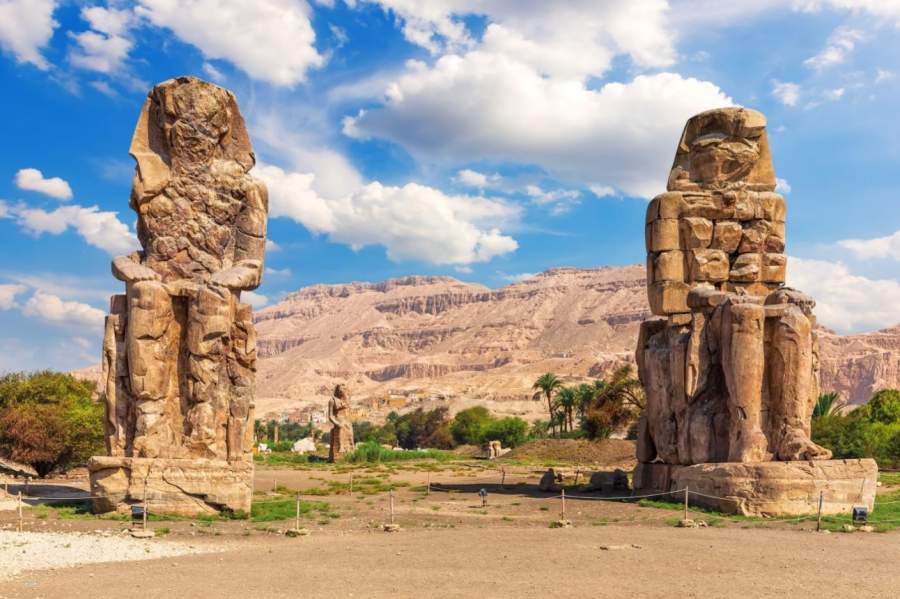
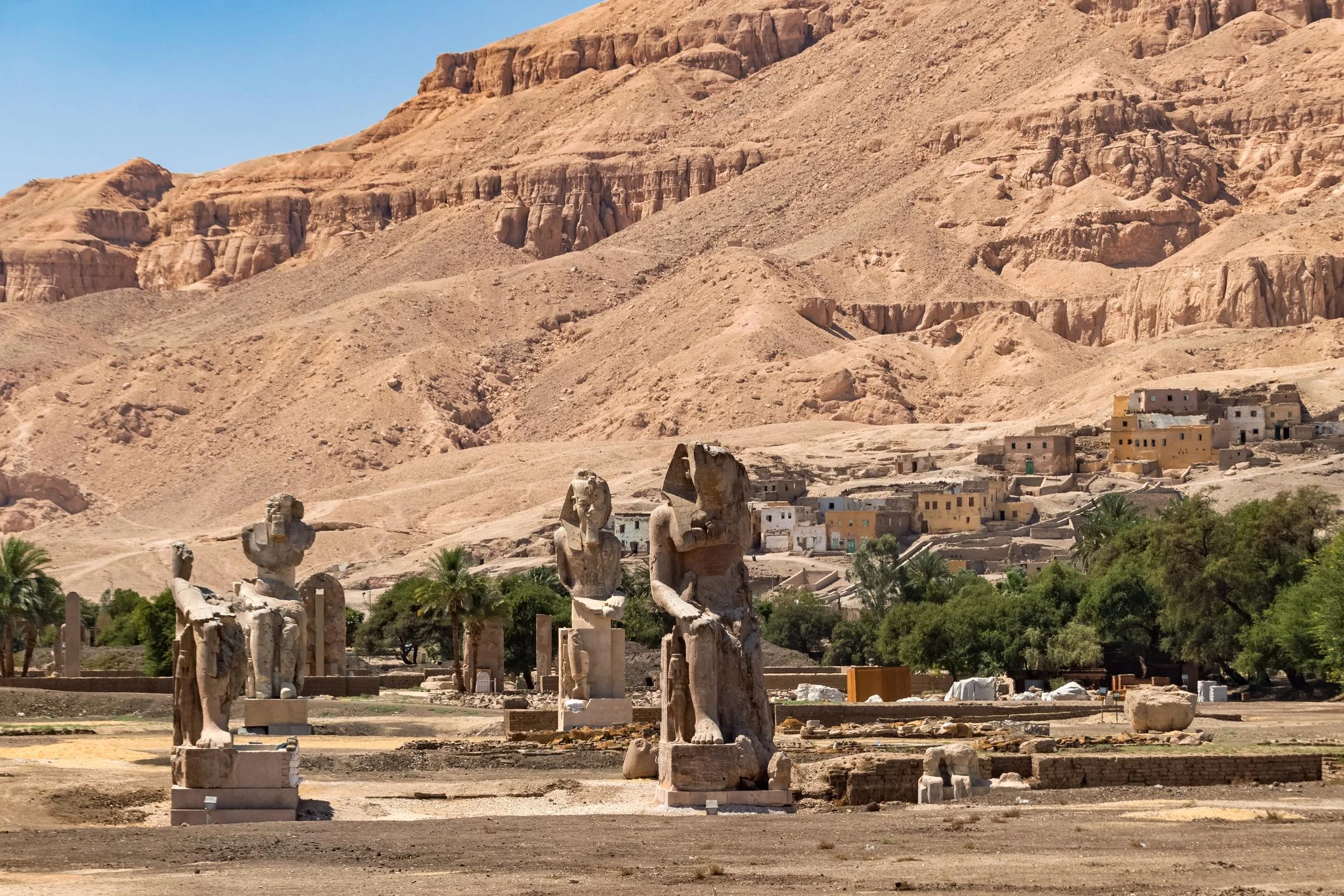
Standing on the West Bank of the Nile near Luxor, the Colossi of Memnon are among the most recognizable monuments of ancient Egypt. These two enormous stone statues depict Pharaoh Amenhotep III, a powerful ruler of the Eighteenth Dynasty who reigned during the New Kingdom.
Originally built to stand before the entrance of Amenhotep III’s vast mortuary temple, the statues have survived earthquakes, floods, and centuries of change. Today, they welcome visitors to the West Bank’s archaeological landscape, where ancient temples, royal tombs, and monumental sculptures reveal the grandeur of Egypt’s past.
Their impressive scale, historical significance, and connection to ancient legends make the Colossi of Memnon an essential stop on many Luxor sightseeing tours.
The History of Pharaoh Amenhotep III
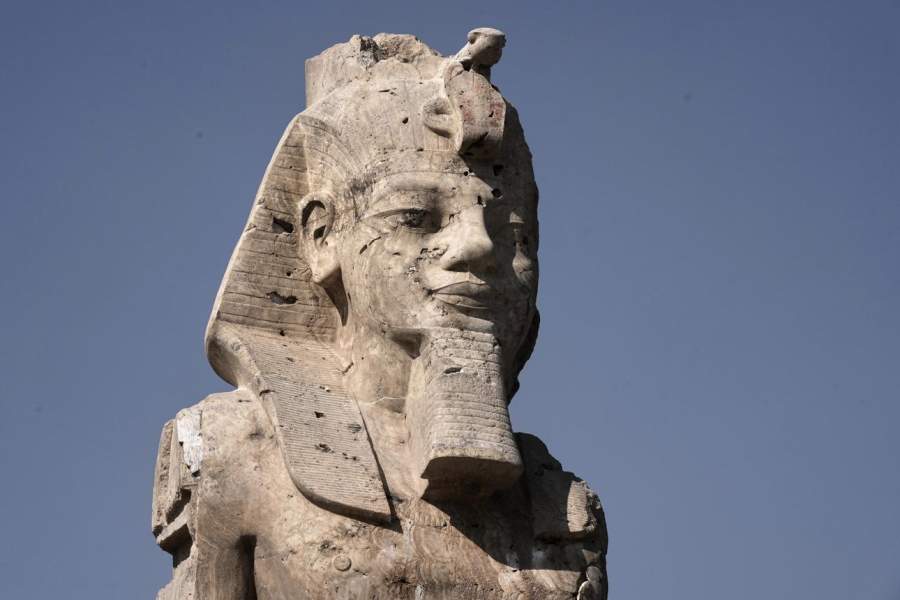
Amenhotep III ruled Egypt during the Eighteenth Dynasty, approximately in the fourteenth century BCE. His reign is widely associated with prosperity, diplomatic relationships, artistic achievement, and ambitious architectural projects.
He commissioned magnificent monuments throughout Egypt, reflecting the wealth and power of the New Kingdom at its height. His mortuary temple on Luxor’s West Bank was once one of the largest religious complexes in ancient Egypt.
Although much of the temple has disappeared, the two colossal statues remain as powerful reminders of the original complex. Carved from quartzite sandstone, they were designed to portray the pharaoh seated majestically on his throne, reinforcing his authority and divine status.
The Monumental Size and Artistic Details
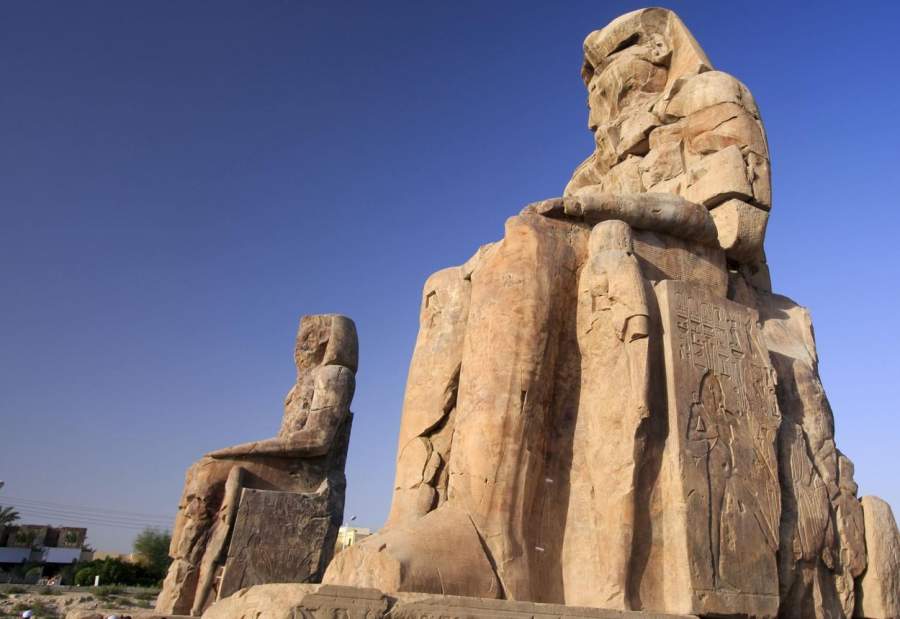
The Colossi of Memnon rise approximately 18 meters (around 60 feet) above the surrounding plain, including their stone bases. Their monumental dimensions were intended to communicate the authority and enduring presence of the pharaoh.
Despite centuries of weathering, visitors can still observe important artistic details. The statues depict Amenhotep III seated with his hands resting on his knees, wearing the traditional royal headdress.
Carved figures and inscriptions on the sides of the thrones provide additional historical and symbolic information. These details reflect the conventions of ancient Egyptian royal sculpture, in which the pharaoh was presented as a stable and powerful ruler connected to the divine order.
Standing before the statues offers a sense of the engineering skill and artistic ambition required to create monuments on such an extraordinary scale.
The Lost Mortuary Temple of Amenhotep III
The statues originally stood at the entrance of the mortuary temple of Amenhotep III, a vast complex dedicated to the king’s funerary cult and his association with the gods.
In antiquity, the temple covered an extensive area and contained monumental gateways, courtyards, statues, and religious structures. Over time, however, earthquakes, Nile floods, and the reuse of building materials contributed to its destruction.
Archaeological excavations have revealed additional remains of the complex, helping researchers reconstruct its original layout and understand its importance within the Theban religious landscape.
The surviving Colossi therefore represent only part of a much larger architectural achievement. Their presence offers a glimpse into the scale of the temple that once dominated this area of the West Bank.
The Legend of the Singing Colossus
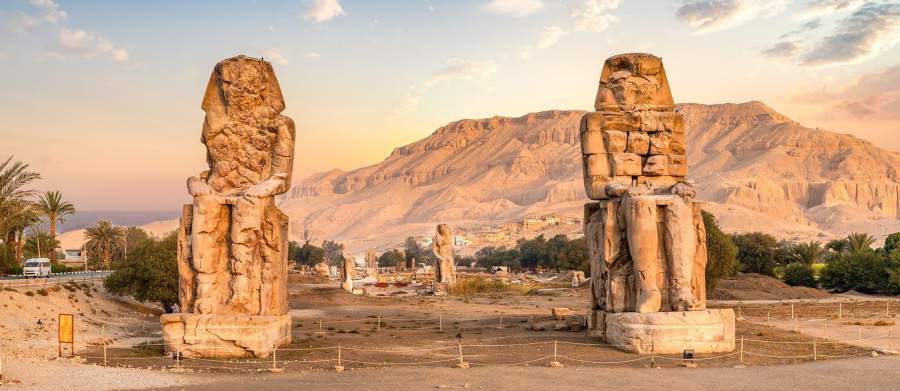
One of the most fascinating stories associated with the statues concerns the ancient legend of the Singing Colossus.
Following an earthquake in 27 BCE, the northern statue was damaged. During the Roman period, travelers reported hearing a mysterious sound from the statue, particularly in the early morning. Ancient writers associated this phenomenon with Memnon, a legendary hero from Greek mythology.
According to the myth, Memnon was the son of the goddess Eos, the personification of dawn. The sound was interpreted as Memnon greeting his mother at sunrise.
The phenomenon attracted visitors from across the Roman Empire, some of whom left inscriptions recording their experiences. The sound is generally believed to have resulted from physical conditions affecting the damaged stone, potentially influenced by temperature changes and moisture.
Repairs during the Roman period appear to have ended the phenomenon. Nevertheless, the legend gave the statues their enduring name and added a remarkable layer of mythology to their history.
Visiting the Colossi of Memnon Today
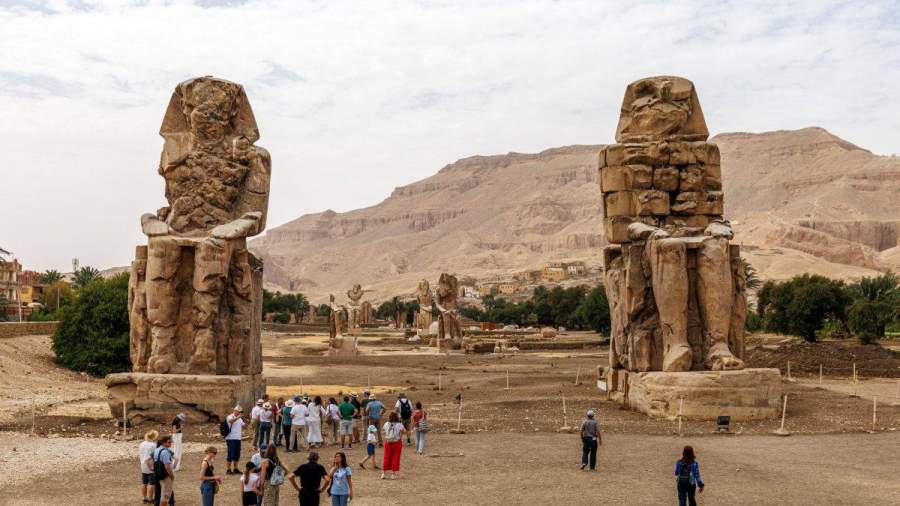
The Colossi of Memnon are located on Luxor’s West Bank, near the road leading to many of the region’s most important archaeological attractions. Their accessible location makes them a convenient stop during a West Bank excursion.
Most visits involve walking around the statues, admiring their scale, and photographing their carved details against the surrounding landscape. Because the monuments stand in an open archaeological area, the experience is different from exploring an enclosed temple or underground tomb.
Many travelers visit the Colossi alongside the Valley of the Kings, the Temple of Hatshepsut at Deir el-Bahari, and other historic sites on the West Bank.
Early morning can be a pleasant time to visit, particularly during warmer months, when the light creates beautiful contrasts across the ancient stone surfaces.
Why the Colossi of Memnon Are Worth Visiting
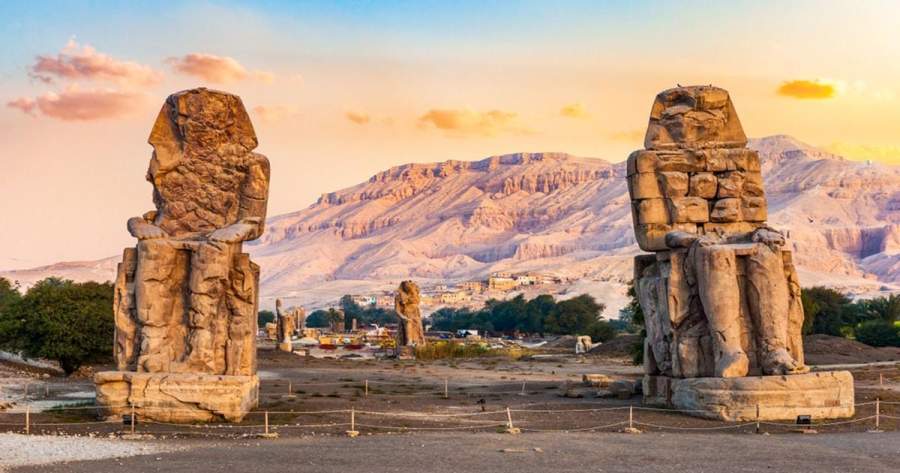
The Colossi of Memnon offer more than an opportunity to see two enormous statues. They connect visitors with the reign of Amenhotep III, the architectural achievements of the New Kingdom, and the fascinating stories that developed around ancient Egyptian monuments.
Their survival provides a powerful introduction to Luxor’s West Bank, where royal funerary traditions and monumental architecture shaped the landscape for centuries.
Whether you are passionate about ancient history, interested in archaeology, or exploring Egypt for the first time, the Colossi of Memnon provide a memorable encounter with the scale and imagination of ancient Egyptian civilization.
Explore Luxor with Magic Egypt Tours
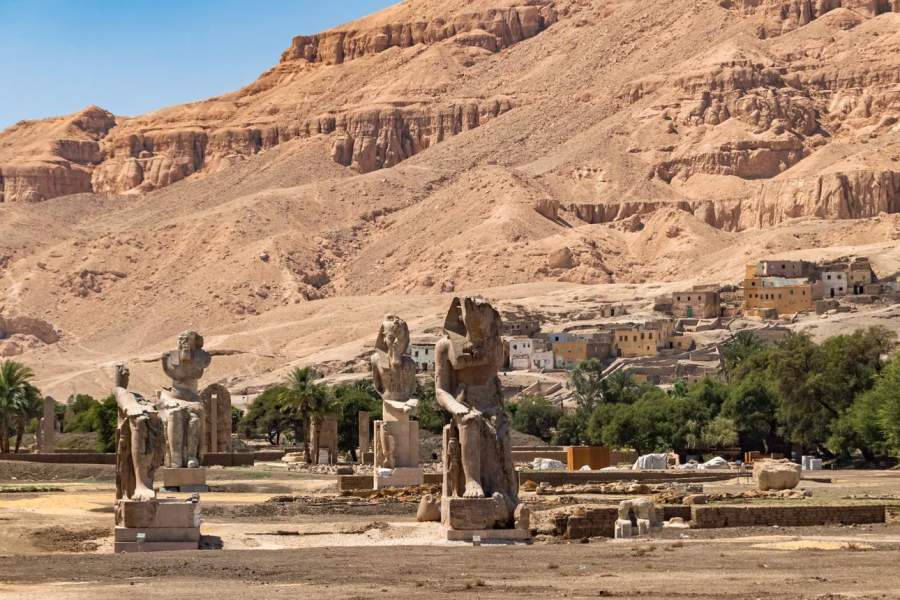
Discover the wonders of ancient Thebes with Magic Egypt Tours. Explore Luxor’s monumental temples, royal tombs, and archaeological treasures with the help of knowledgeable Egyptologist guides.
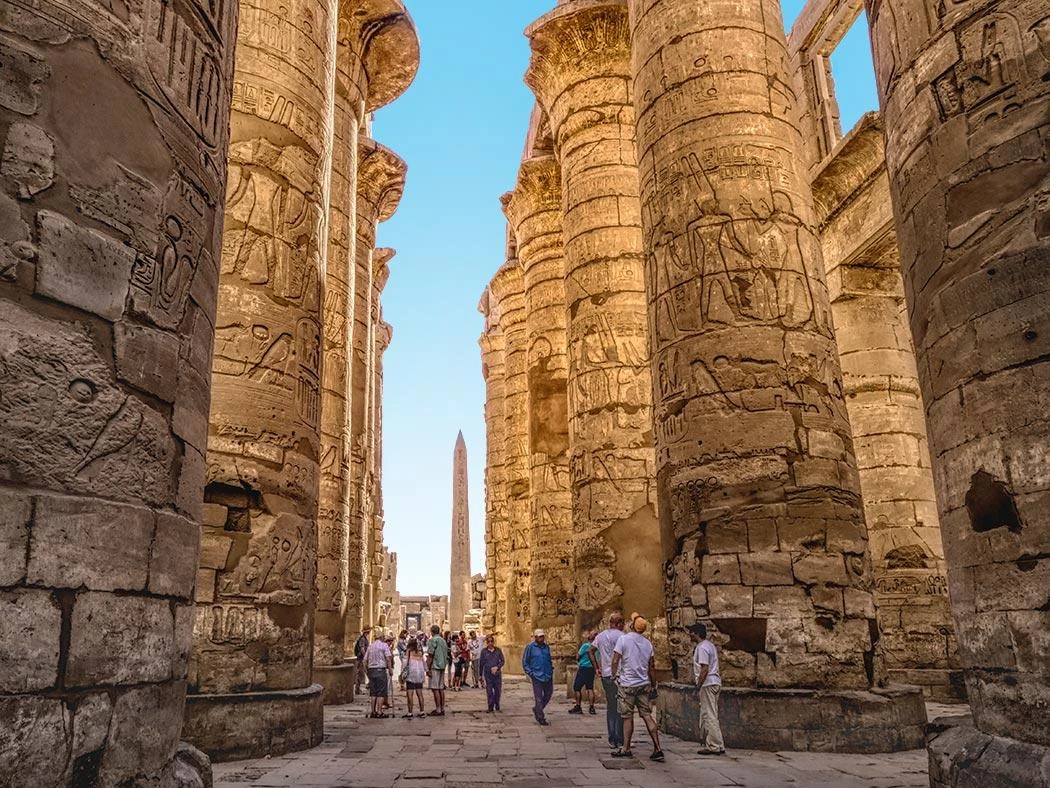
From the legendary Colossi of Memnon to the magnificent temples of Karnak and Luxor, every stop reveals another chapter in Egypt’s extraordinary history.
Plan your Luxor adventure with Magic Egypt Tours and experience the timeless heritage of ancient Egypt.