
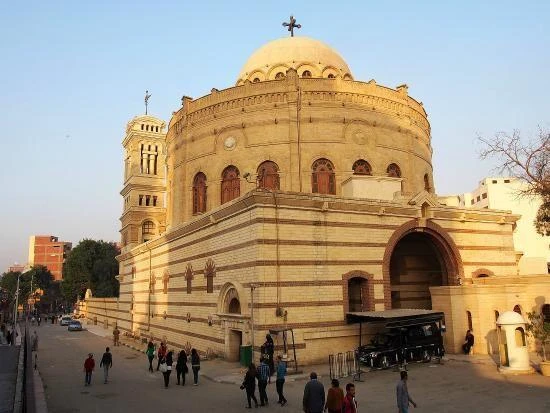
Church of Saint Sergius and Bacchus (Abu Serga), Cairo, Egypt
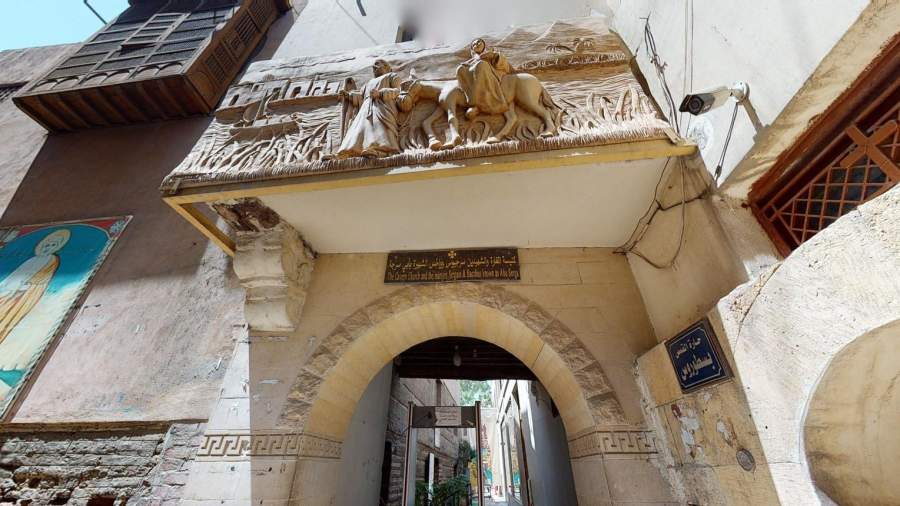
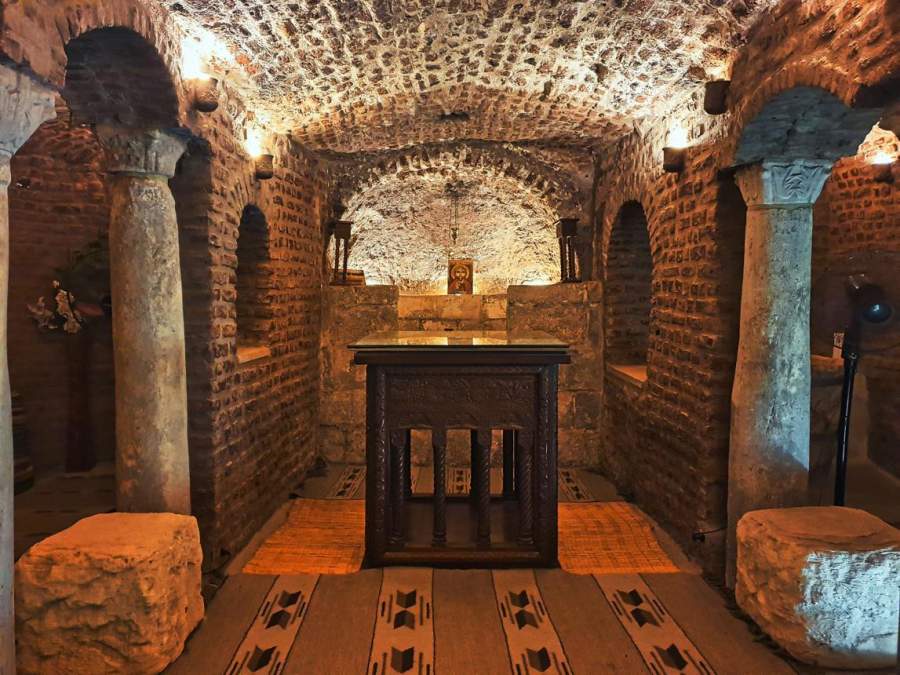
1. Where Is Abu Serga Church?

Abu Serga Church is located in the historic district of Coptic Cairo, inside the Religious Complex of Old Cairo. It stands near the remains of the ancient Babylon Fortress and is surrounded by several important religious and historical landmarks.
The church is one of the most popular destinations for visitors interested in Egypt's Christian heritage. Its location also makes it easy to explore nearby attractions, including the Hanging Church, the Coptic Museum, and Ben Ezra Synagogue.
2. The History of Abu Serga Church
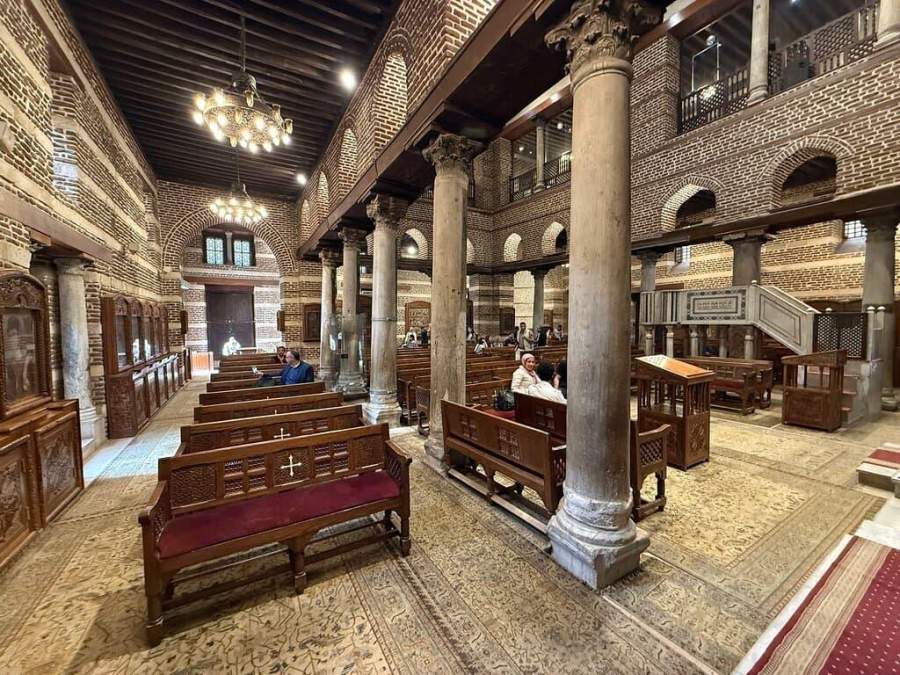
The Church of Saint Sergius and Bacchus, commonly known as Abu Serga, is one of the most significant historic Coptic churches in Egypt.
The church was built over the remains of an ancient Roman fortress. Its exact construction date remains debated among historians. Some scholars date it to the late fourth or early fifth century AD, while other interpretations suggest a later period.
The church is dedicated to Saints Sergius and Bacchus, two Christian martyrs who are traditionally remembered for their faith.
Throughout its history, Abu Serga has remained an important religious destination and a remarkable example of Egypt's Coptic Christian heritage.
3. The Holy Family's Cave
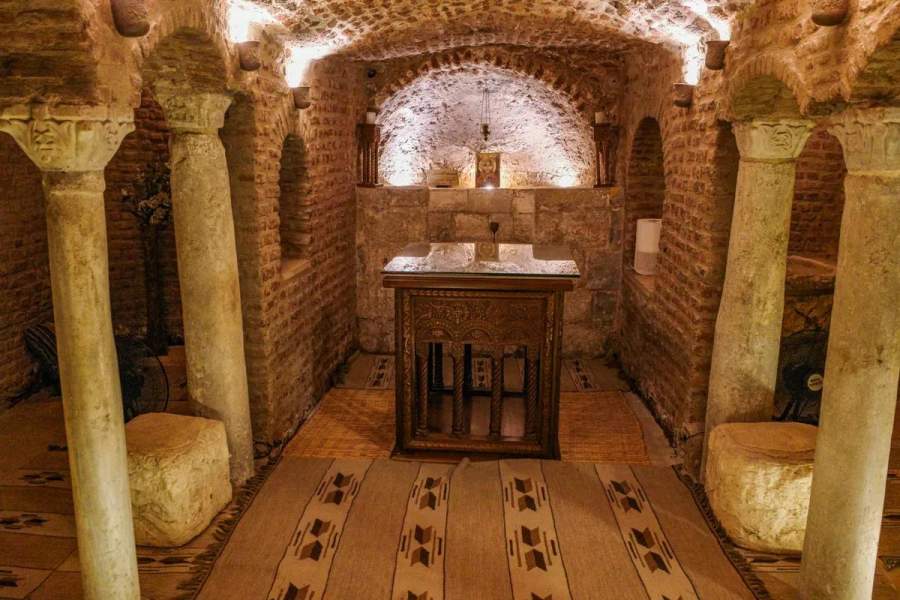
One of the most remarkable features of Abu Serga Church is its underground cave, traditionally associated with the Holy Family's journey through Egypt.
According to Christian tradition, the Virgin Mary, Saint Joseph, and the infant Jesus visited this area during their journey through the country. The cave beneath the church is believed to mark a place where the Holy Family took refuge.
This tradition gives Abu Serga special spiritual importance among Egypt's Coptic Christian landmarks. Visitors and pilgrims come to explore this sacred location and learn about the story of the Holy Family in Egypt.
4. The Remarkable Architecture of Abu Serga Church
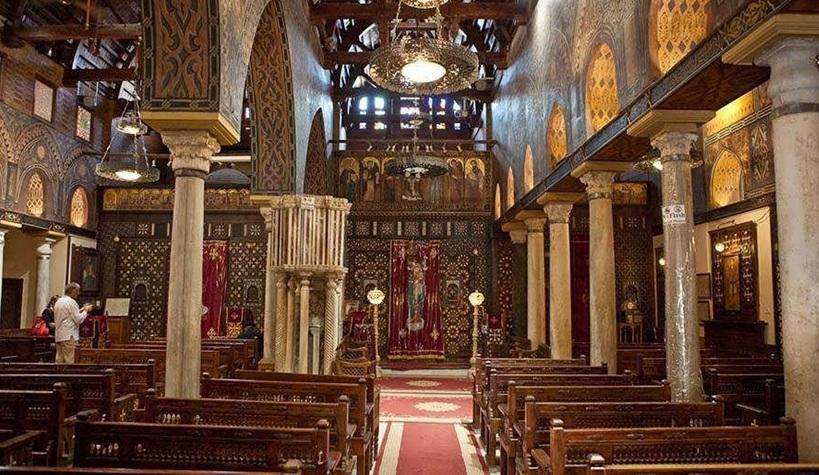
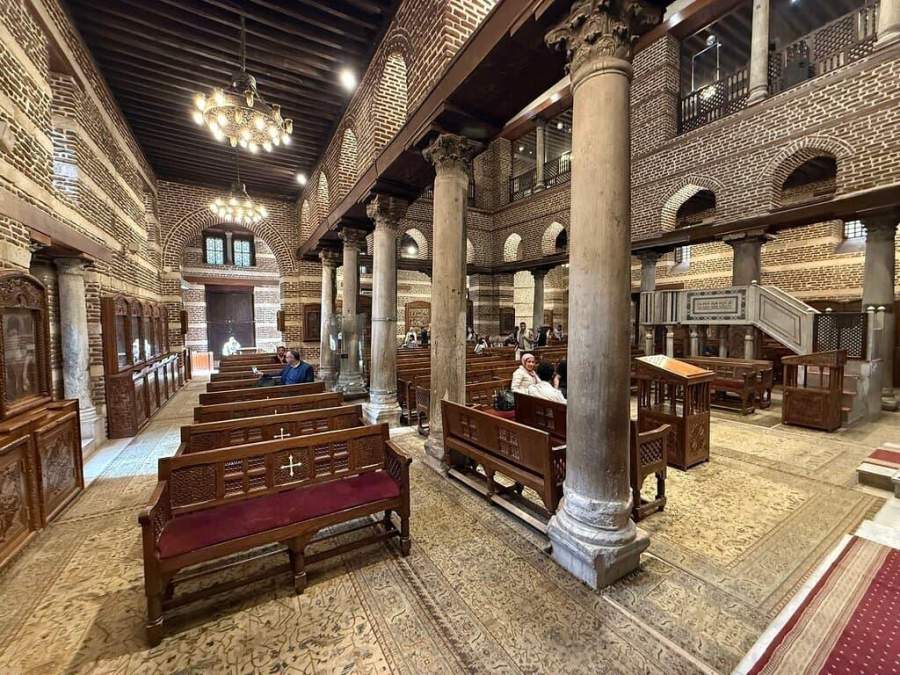
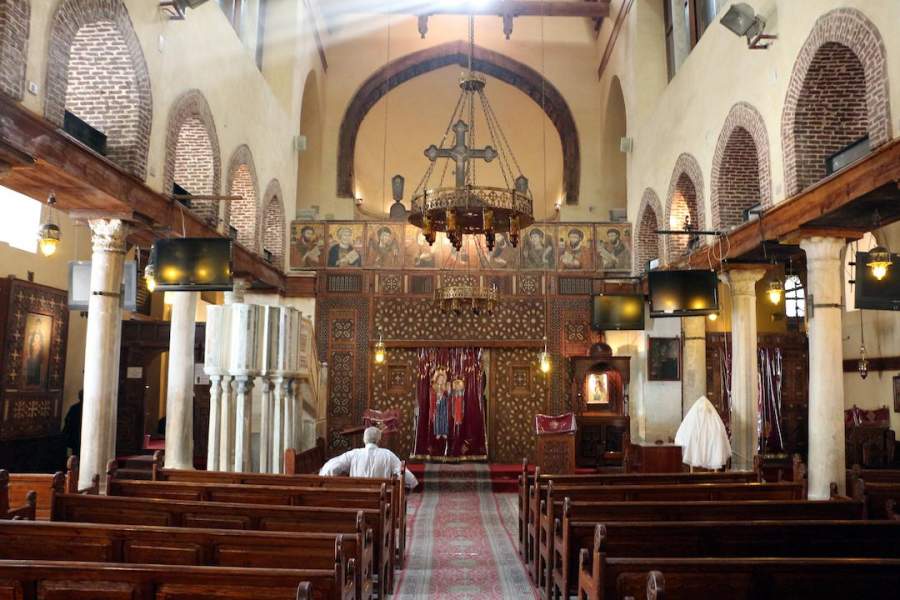
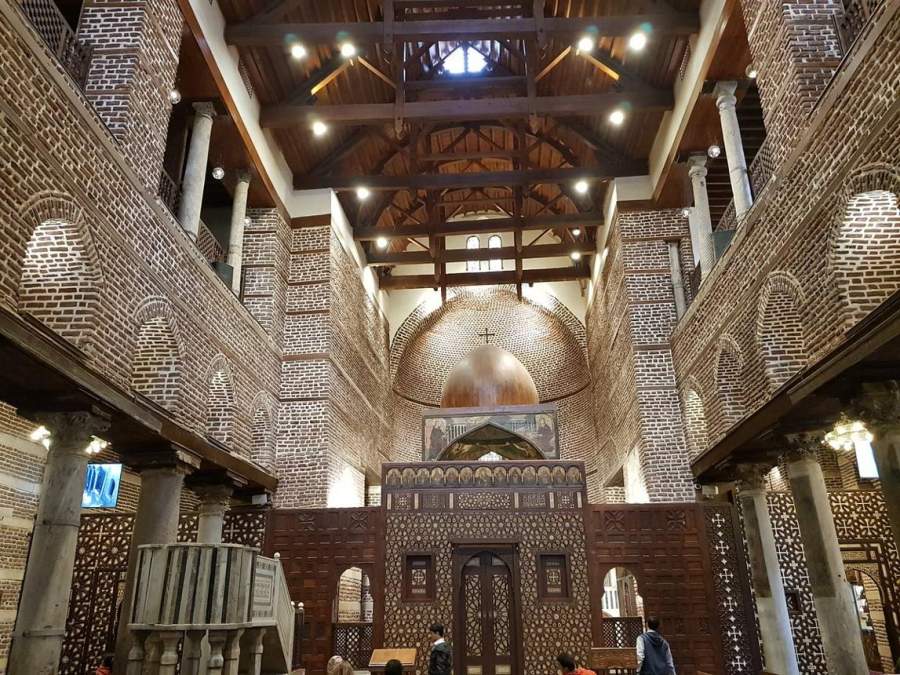
Abu Serga Church follows the traditional basilica architectural style, which was widely used in early Christian churches.
Its layout includes three main sections: the narthex, the nave, and the sanctuary. The underground cave is situated beneath the sanctuary.
The church is distinguished by its rows of columns, decorated capitals, historic walls, and religious artwork. These architectural elements reflect the artistic traditions and development of Coptic Christianity in Egypt.
5. The Iconostasis and Religious Decorations
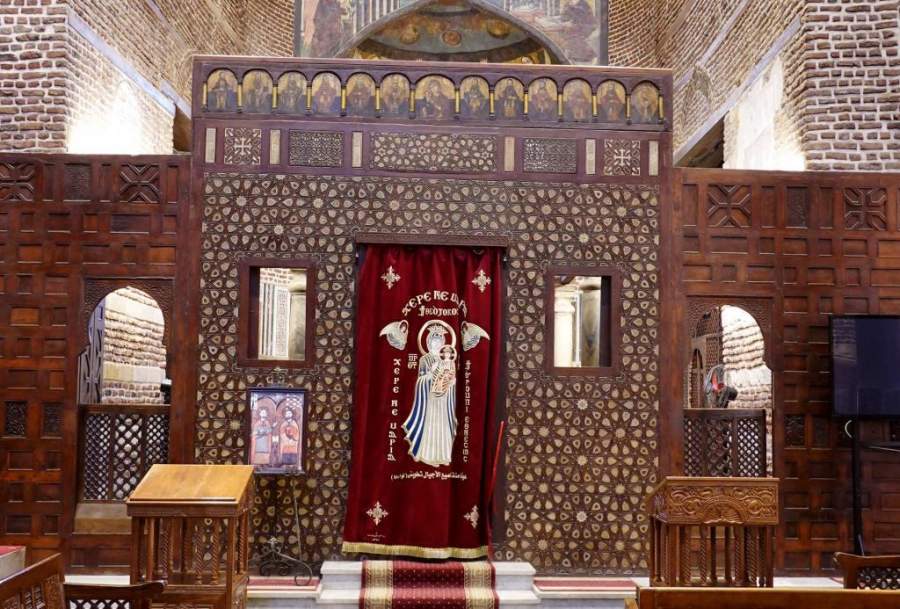
One of the most impressive features inside Abu Serga Church is its decorated wooden iconostasis, also known as the templon.
This wooden screen separates the sanctuary from the main area of the church. Its detailed craftsmanship and religious decorations reflect the artistic traditions of Coptic Christianity.
The church also contains religious paintings and representations of saints and apostles, offering visitors an opportunity to appreciate the spiritual and artistic heritage of the Coptic Orthodox Church.
6. The Pulpit and Baptismal Font
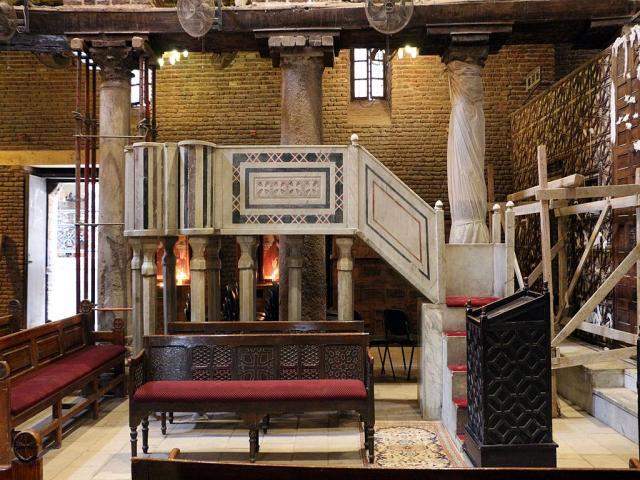
Abu Serga Church is also known for its distinctive pulpit and baptismal font.
The pulpit is an important architectural feature that reflects traditional Coptic church design. Its craftsmanship contributes to the historic atmosphere of the building.
The baptismal font is connected with the Christian sacrament of baptism and represents an important part of the church's religious function.
7. Why Is Abu Serga Church Important?

Abu Serga Church is important for its historical, religious, and architectural significance.
It represents an important part of Egypt's Coptic Christian history and preserves architectural features associated with early Christian church design.
Its traditional connection with the Holy Family makes it a significant destination for Christian pilgrims. The church also provides insight into the history of Old Cairo and the development of its religious communities.
8. What to See Near Abu Serga Church


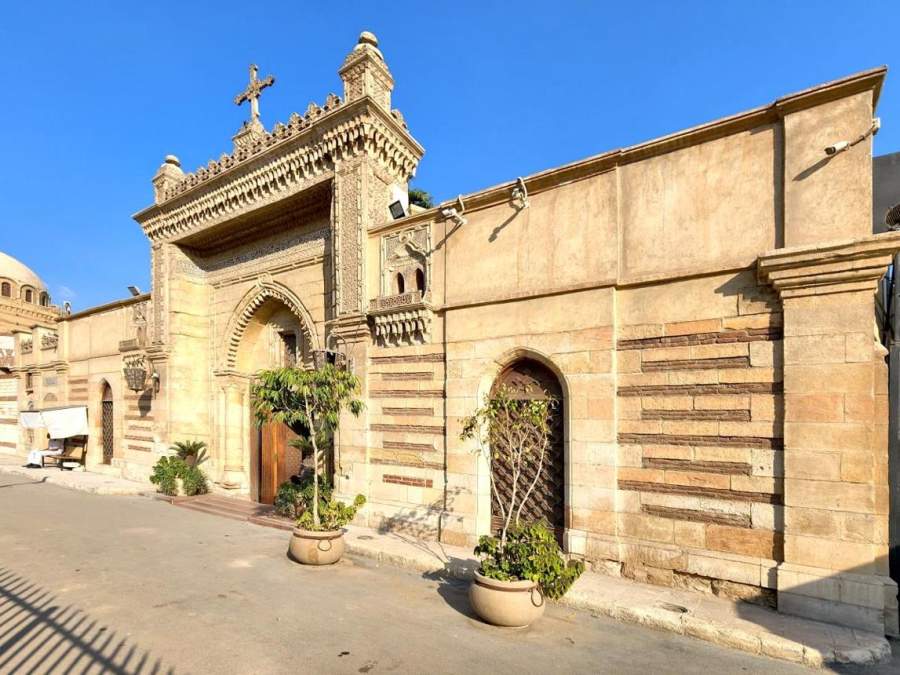


Visitors can explore several important attractions near Abu Serga Church:
-
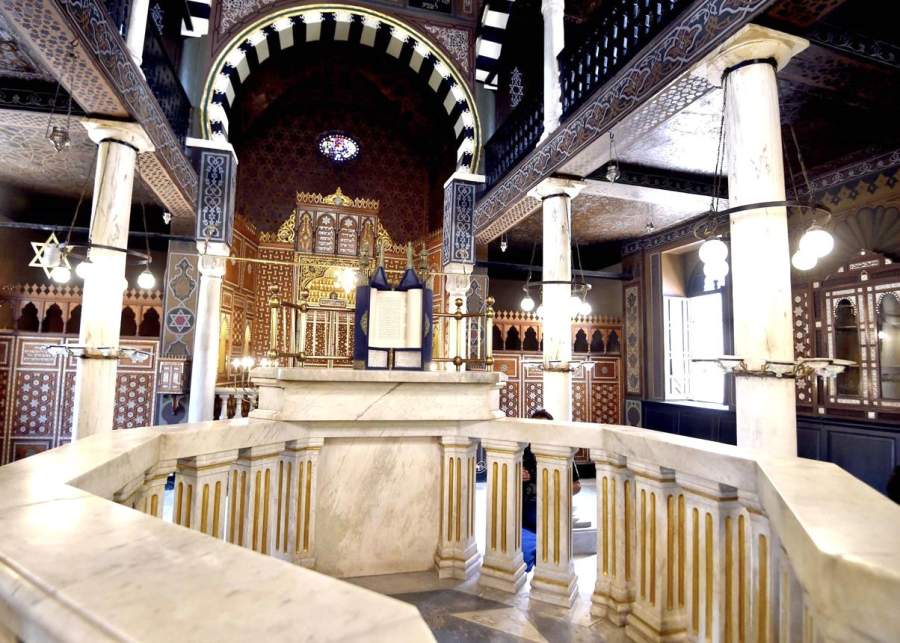
The Hanging Church: One of Egypt's most famous Coptic churches, known for its position above the remains of Babylon Fortress.
-
The Coptic Museum: Home to an extensive collection of Coptic art, manuscripts, textiles, and historical objects.
-
Ben Ezra Synagogue: A historic Jewish religious site with an important place in Egypt's Jewish heritage.
-
Saint Barbara Church: Another historic Coptic church located within the Old Cairo religious area.
-
Amr Ibn Al-As Mosque: An important early Islamic monument and one of the most historic mosques in Egypt.
9. Visiting Abu Serga Church: Travel Tips

Before visiting Abu Serga Church, keep these practical tips in mind:
-
Check the latest opening hours before your visit.
-
Wear modest clothing suitable for visiting an active place of worship.
-
Remain quiet and respectful during religious services.
-
Allow extra time to explore the nearby churches and historical attractions.
-
Check whether the underground cave is accessible to visitors.
-
Consider hiring a local guide to learn more about the church's history.
10. Conclusion
Abu Serga Church is one of the most remarkable historical and religious landmarks in Cairo. Its ancient architecture, underground cave, and traditional connection with the Holy Family make it a special destination for visitors interested in Egypt's Christian heritage.
From its basilica-style interior to its decorated iconostasis and sacred cave, every part of the church tells a story about the history of Coptic Christianity in Egypt.
Whether you are exploring Old Cairo for its religious significance, historical architecture, or cultural heritage, Abu Serga Church deserves a place on your itinerary.
Discover the historic churches of Old Cairo with Magic Egypt Tours and explore the remarkable heritage of Egypt.