

Khan El Khalili Bazaar: A Journey Through Cairo’s Historic Market
In the heart of Historic Cairo, where narrow lanes wind between centuries-old buildings and colorful shops, lies one of Egypt’s most famous markets: Khan El Khalili Bazaar.
For centuries, this remarkable commercial district has been associated with merchants, craftsmen, travelers, traditional workshops, coffeehouses, and the everyday life of Cairo.
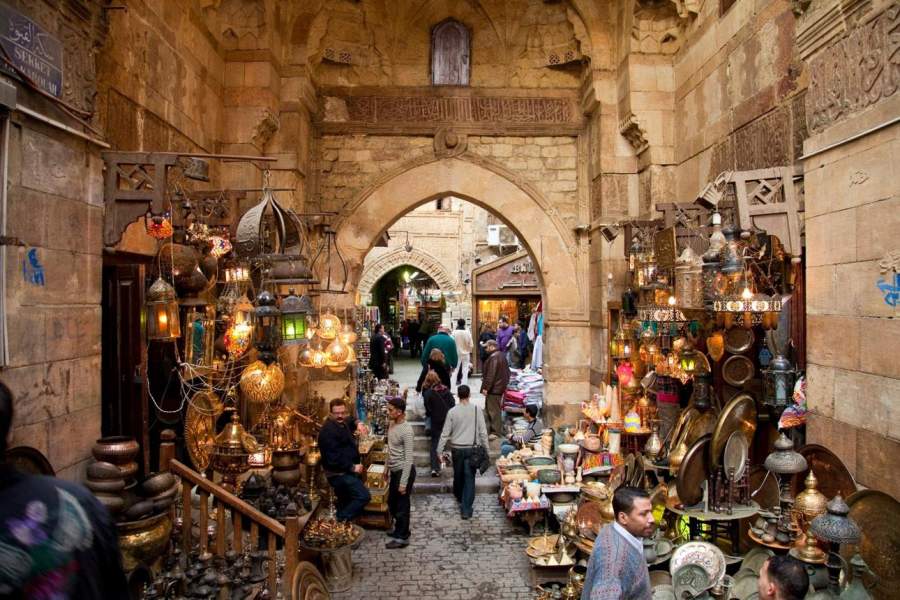
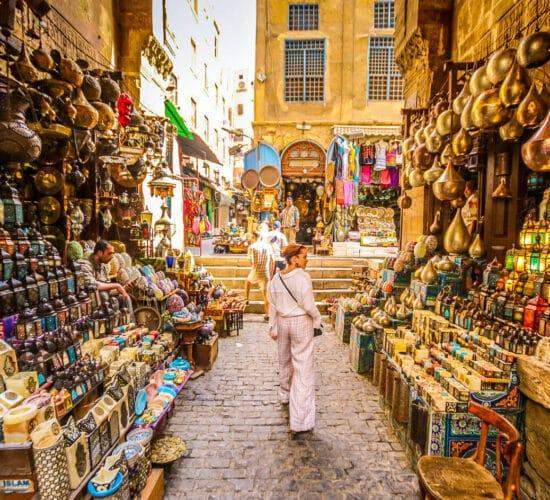
Today, Khan El Khalili is one of the city's most popular places to experience traditional Egyptian crafts and the atmosphere of Islamic Cairo. The official Experience Egypt platform describes it as an iconic medieval bazaar made up of a labyrinth of shops and small alleyways offering jewelry, antiques, stained-glass lanterns, copper and brass objects, incense, spices, leather goods, and souvenirs.
But Khan El Khalili is more than a shopping destination.
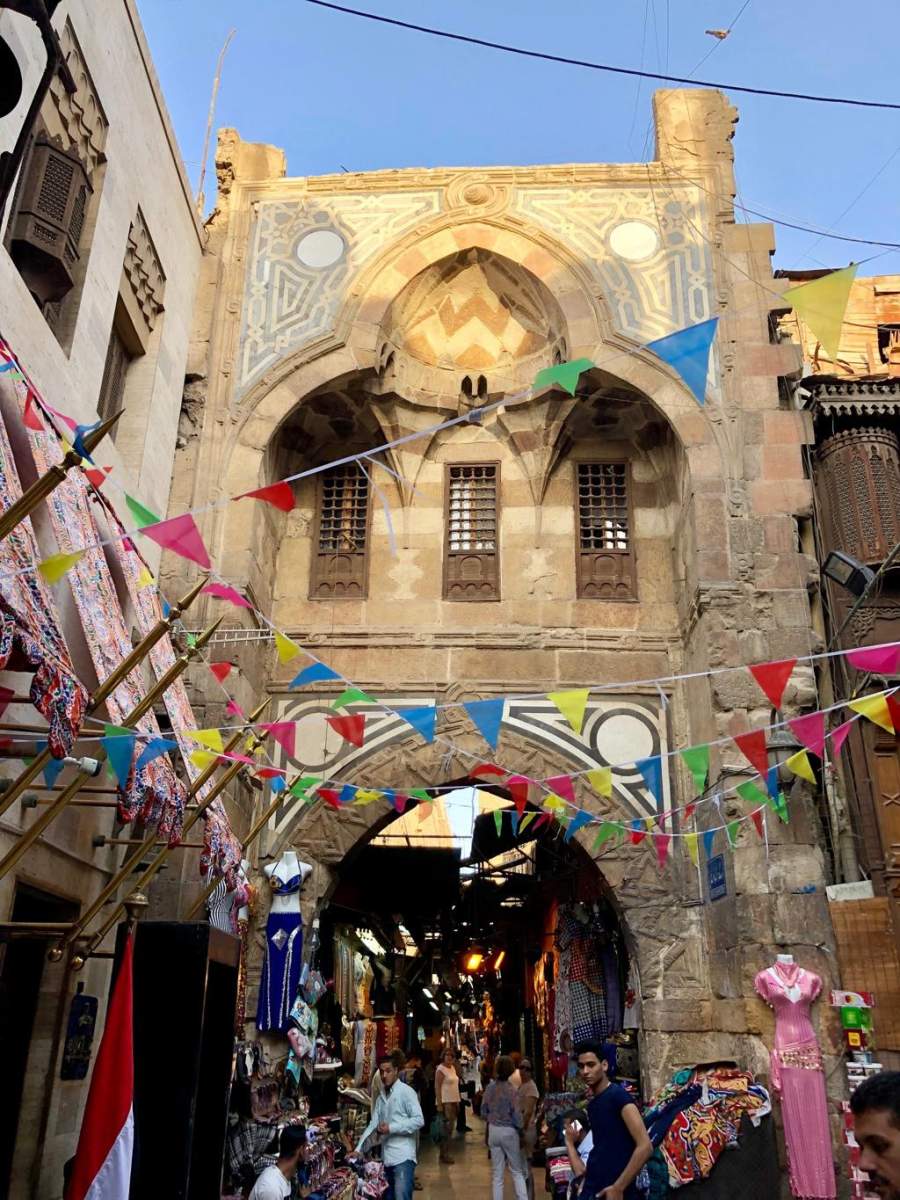
Its narrow streets preserve a commercial landscape that developed over centuries, surrounded by some of Cairo’s most important Islamic monuments.
Walking through the bazaar means moving through a living part of the historic city.
Where Is Khan El Khalili?
Khan El Khalili is located in Historic Cairo, near Al-Hussein Mosque and Al-Azhar Mosque, and directly alongside the historic route of Al-Muizz Street.
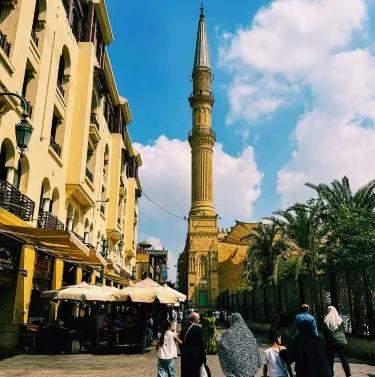
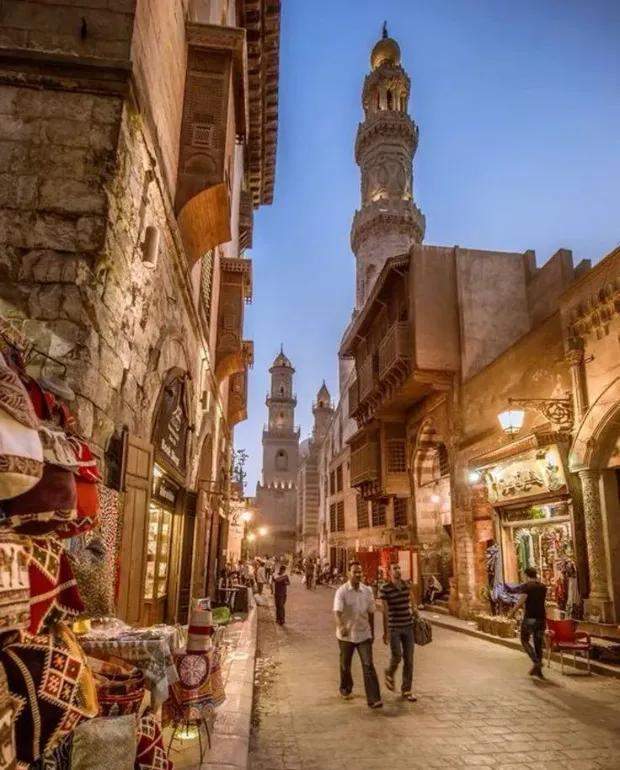
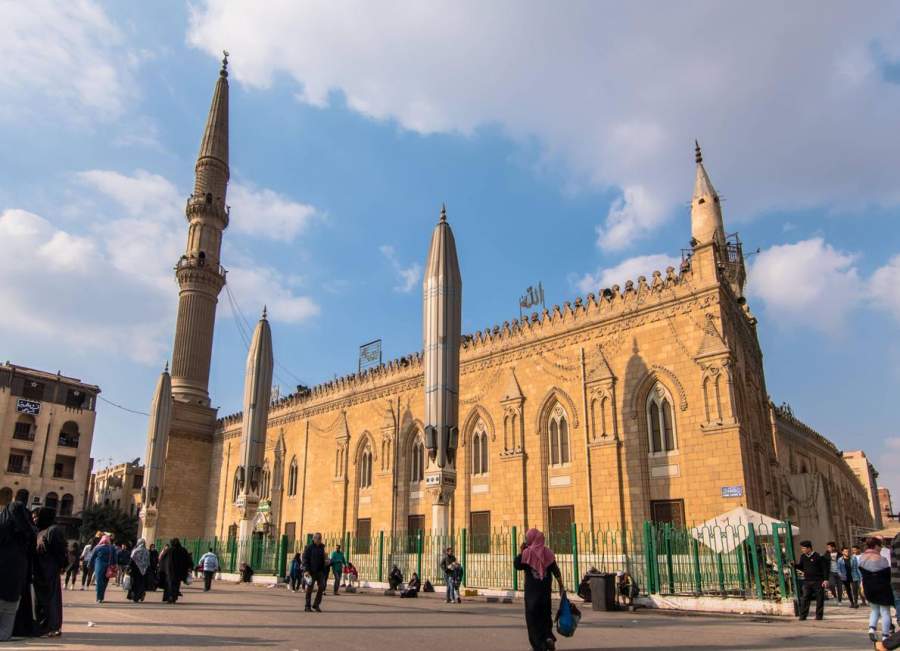
Its location makes it particularly convenient for visitors exploring the historic center of Cairo.
Al-Muizz Street runs between Bab al-Futuh in the north and Bab Zuweila in the south, passing through historic neighborhoods and beside Khan El Khalili. Egypt’s Ministry of Tourism and Antiquities describes Al-Muizz Street as a major open-air museum of Islamic monuments and notes that Khan El Khalili is among the historic areas connected to it.
This means visitors can combine the bazaar with a larger exploration of medieval Cairo rather than treating it as a standalone attraction.
The History of Khan El Khalili
The history of Khan El Khalili goes back to the Mamluk period.
The first Khan El Khalili was established during the reign of Sultan Barquq, whose rule began in 1382.
A Mamluk official named Jaharkas al-Khalili, who served as the sultan’s master of the stables, established a large commercial khan on the site in the late 14th century. The structure gave the surrounding market district its name. Historical sources place the establishment of the original khan between 1382 and 1389.
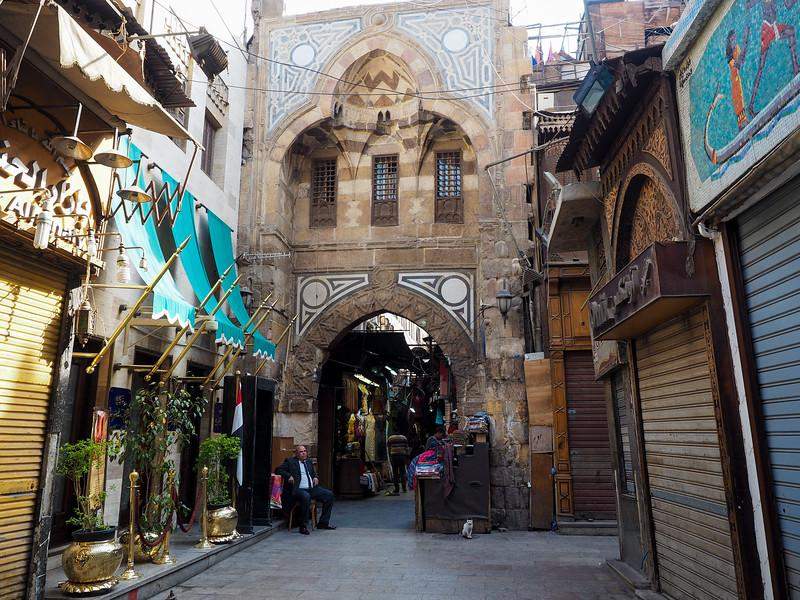
The word khan referred to a type of commercial building that could accommodate merchants and their goods.
These establishments were important to medieval trade because merchants traveling long distances needed places where they could store merchandise, conduct business, and stay during their journeys.
Over time, additional commercial structures appeared around the original khan, transforming the area into a larger commercial district.
From a Khan to a Historic Bazaar
The Khan El Khalili that visitors experience today is not simply the original building created in the 14th century.
The district changed significantly over the centuries.
During the reign of Sultan Qansuh al-Ghuri, around 1511, the original khan was demolished and the area was redeveloped with commercial structures, shops, and caravanserais.
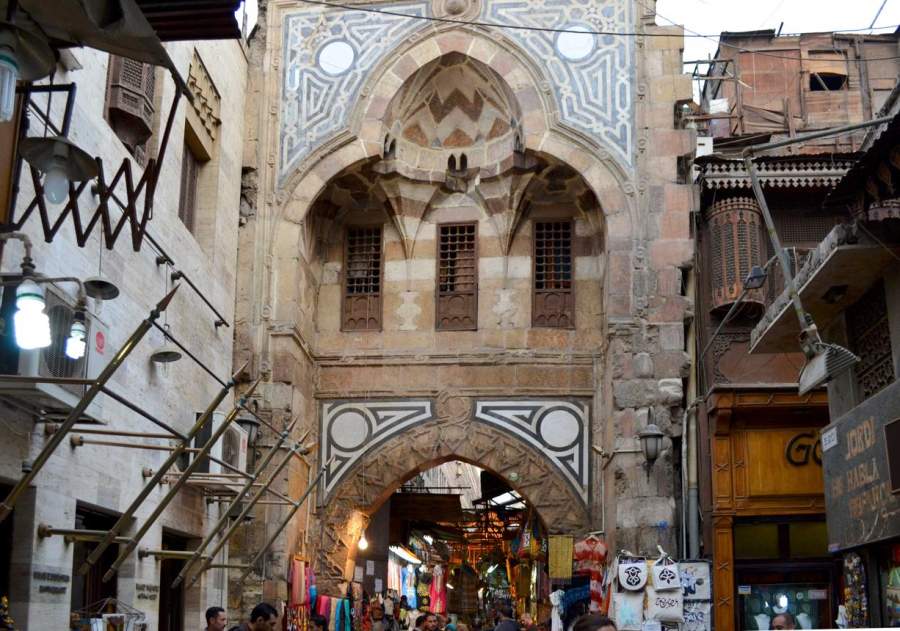
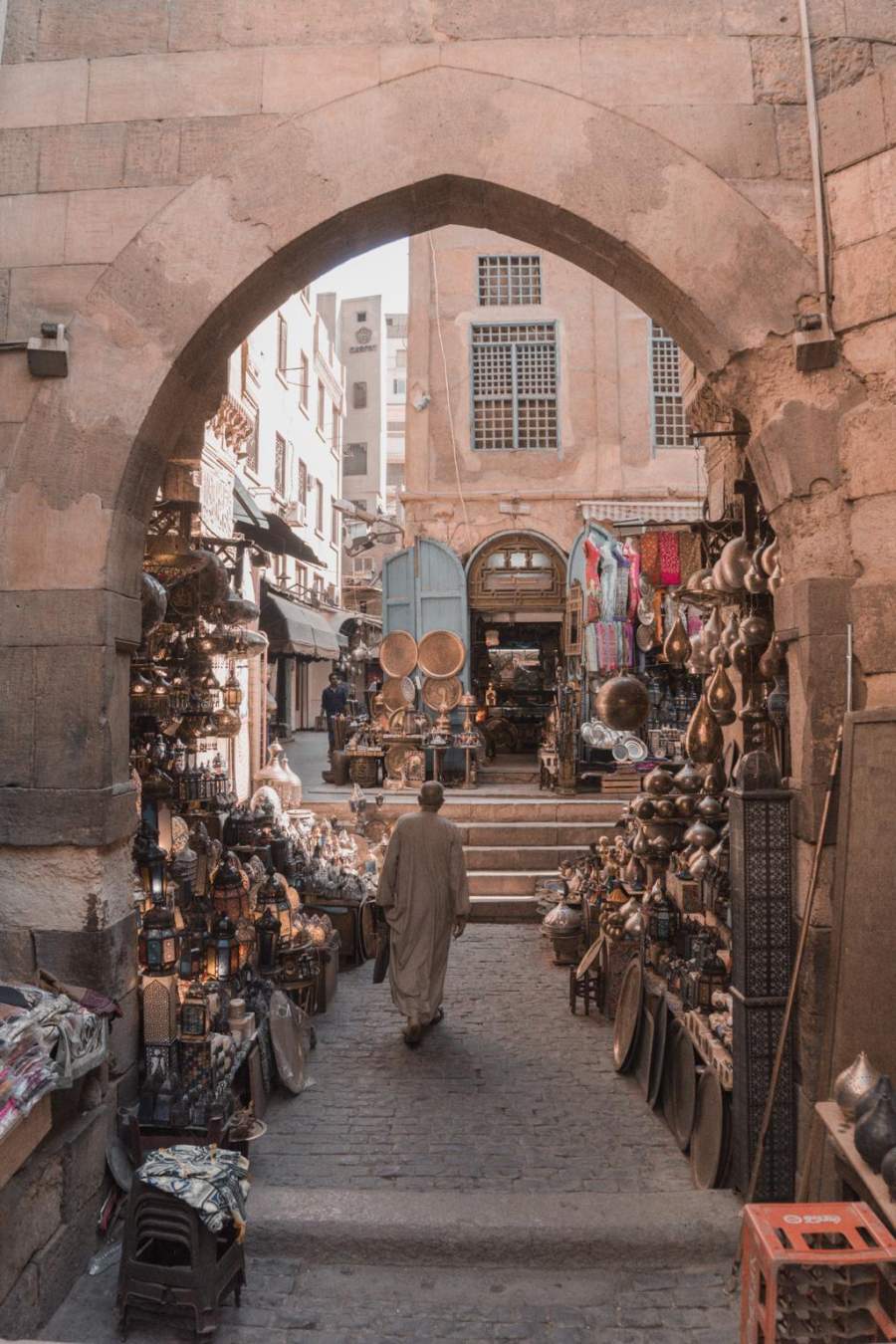
The Islamic Art and Architecture Virtual Museum identifies the monument associated with Khan al-Khalili today as dating to 1511, during the reign of Sultan Qansuh al-Ghuri. It also notes that the site had originally been the burial place of the Fatimid caliphs, known as the Za'fran Tomb.
This later development helped establish the network of lanes and commercial spaces that became associated with the bazaar.
The name Khan El Khalili eventually came to describe the wider market district rather than only the original khan.
The Architecture of the Bazaar
One of the most fascinating aspects of Khan El Khalili is its architecture.
The market is not organized like a modern shopping mall.
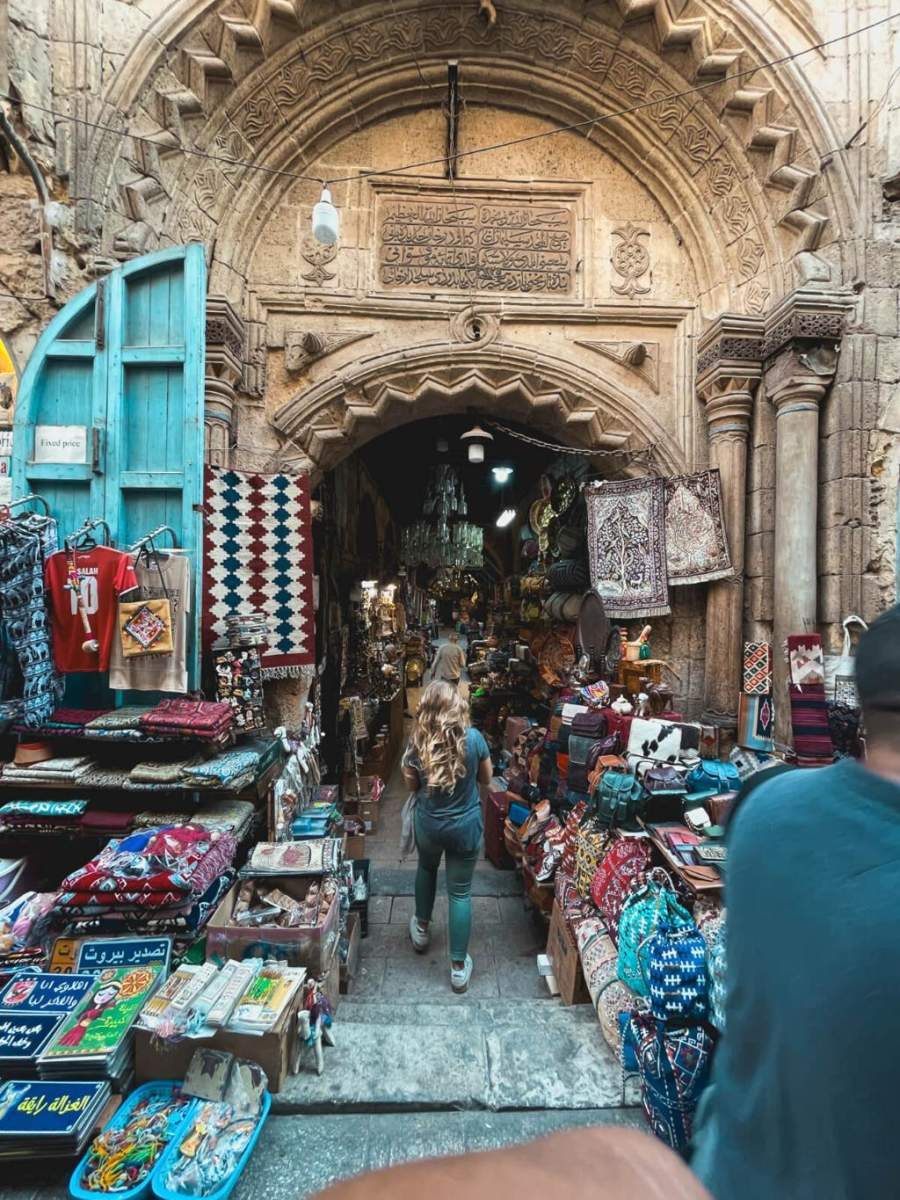
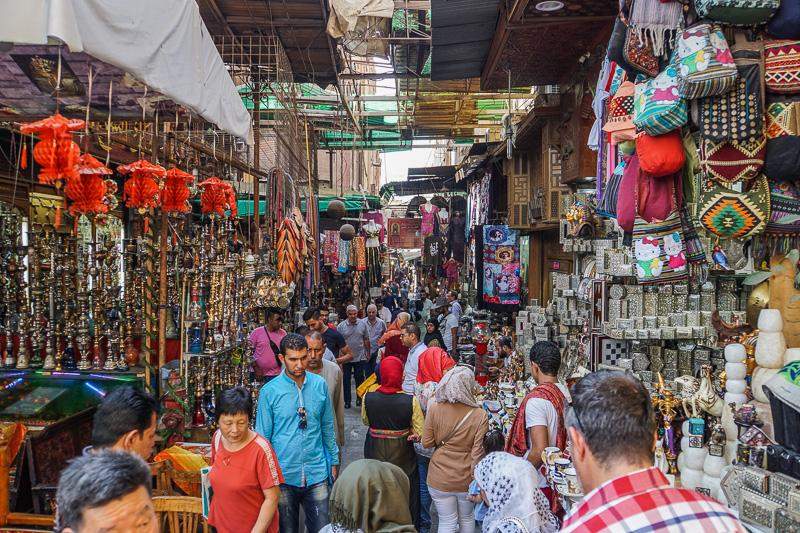
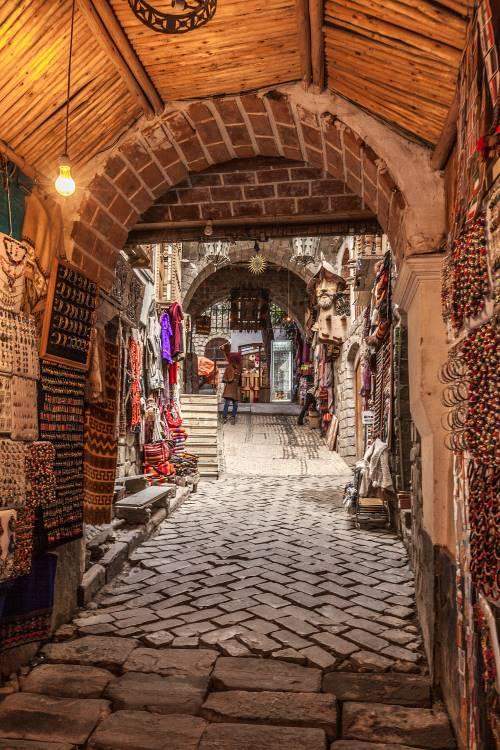
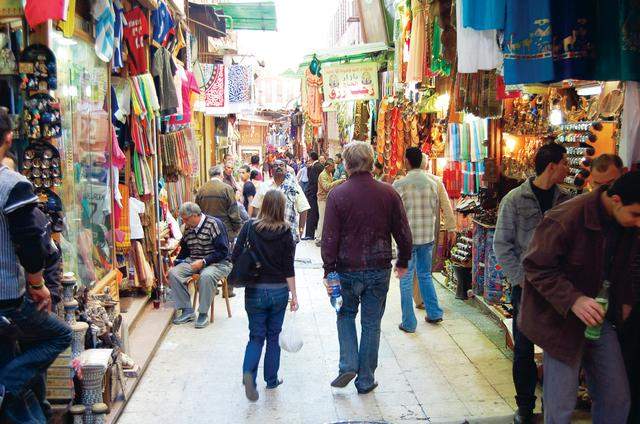
Instead, it consists of narrow streets, small passages, historic gates, traditional commercial buildings, workshops, and shops built into the surrounding architecture.
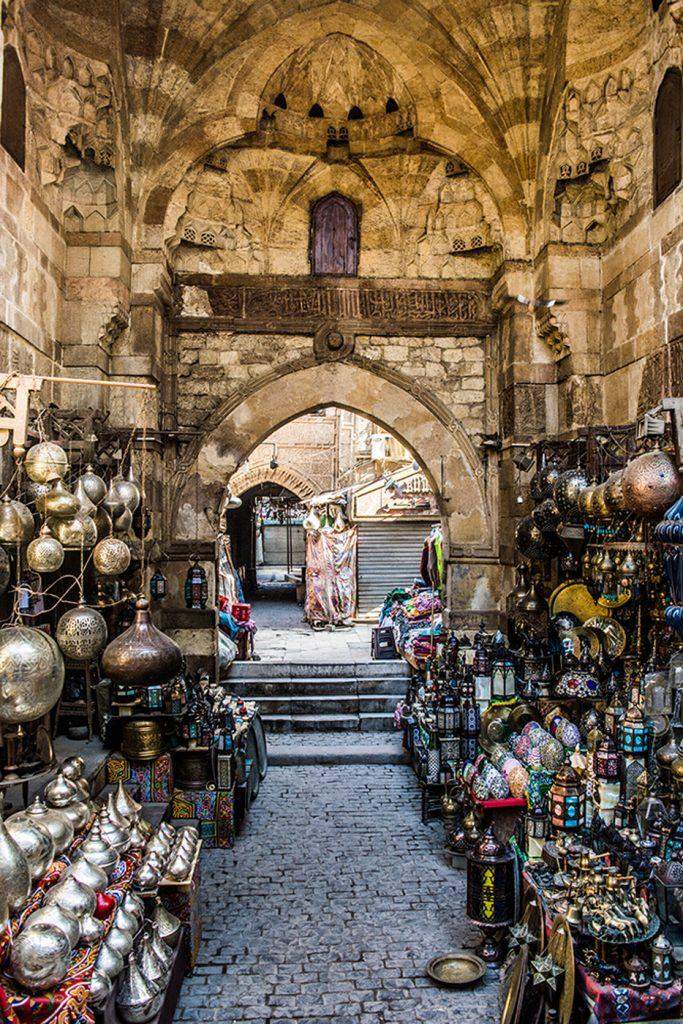
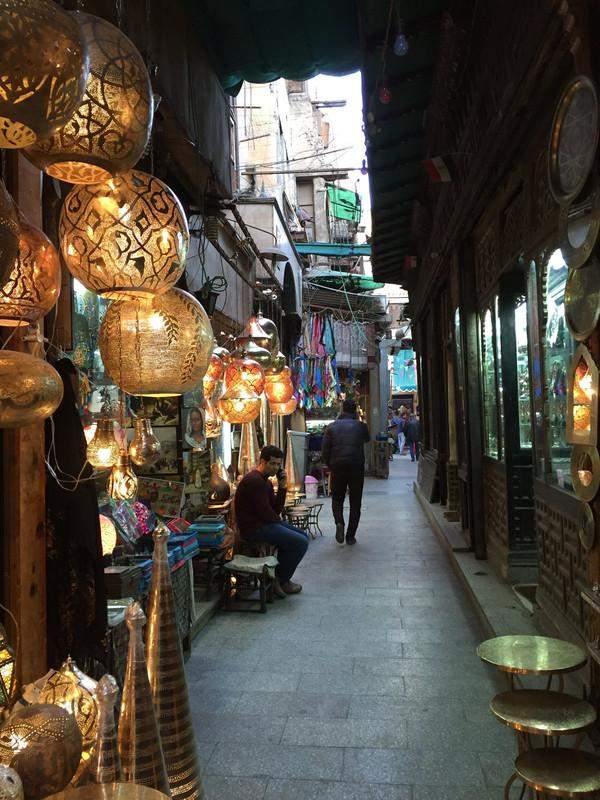
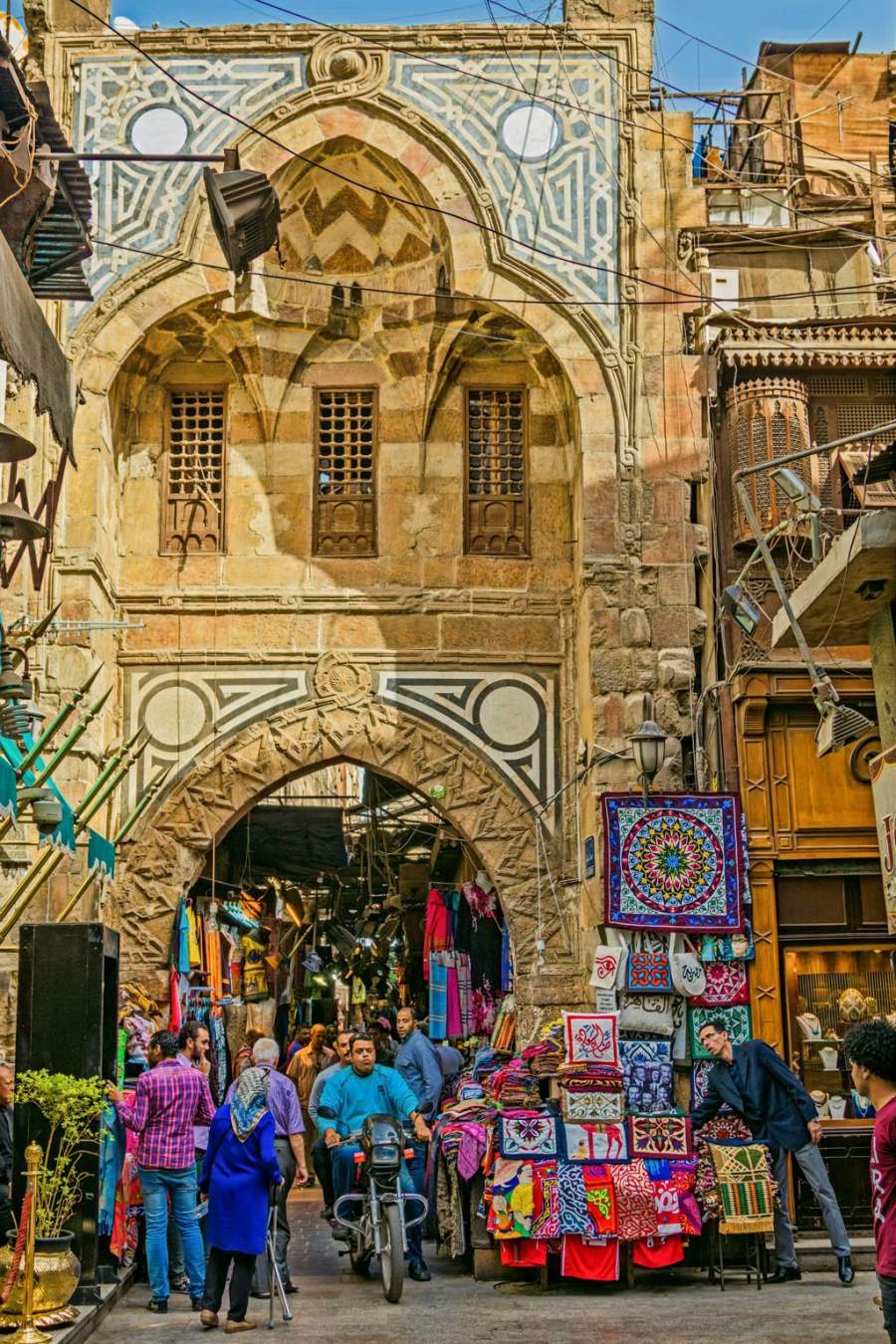
The atmosphere changes as you move deeper into the market.
A narrow alley can suddenly open into a small square.
A quiet stone passage can lead to a busy street filled with shops.
A traditional workshop can sit beside a modern souvenir store.
This mixture of old and new is part of what makes Khan El Khalili so distinctive.
The Famous Lanterns
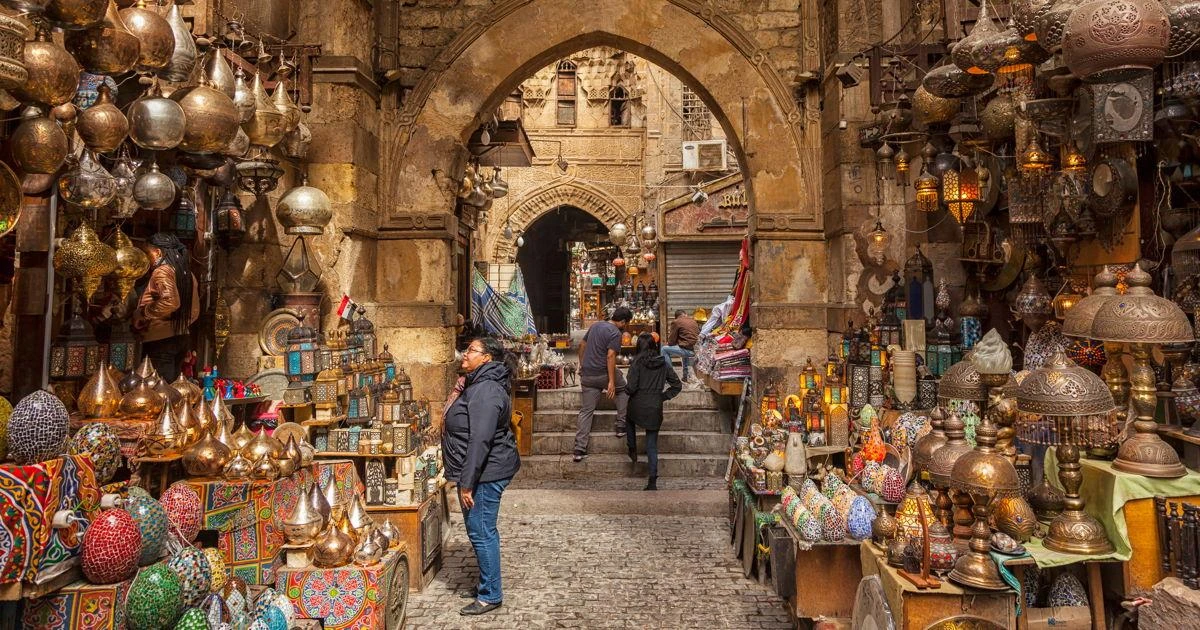
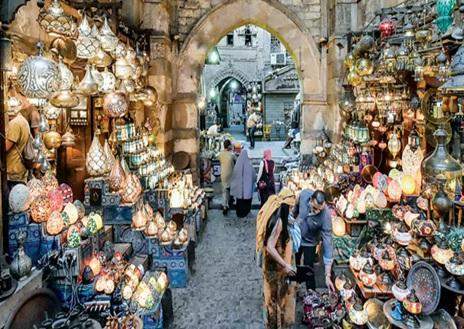
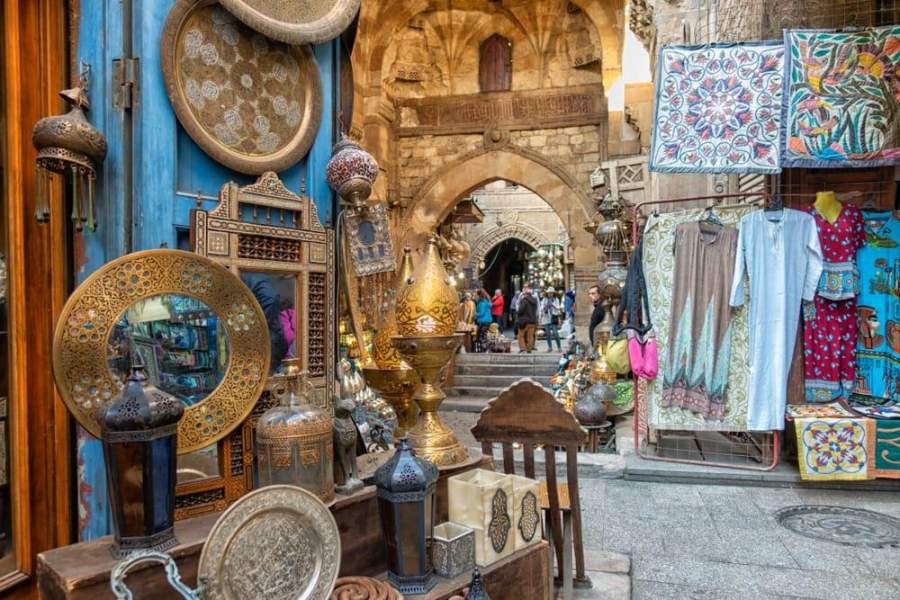
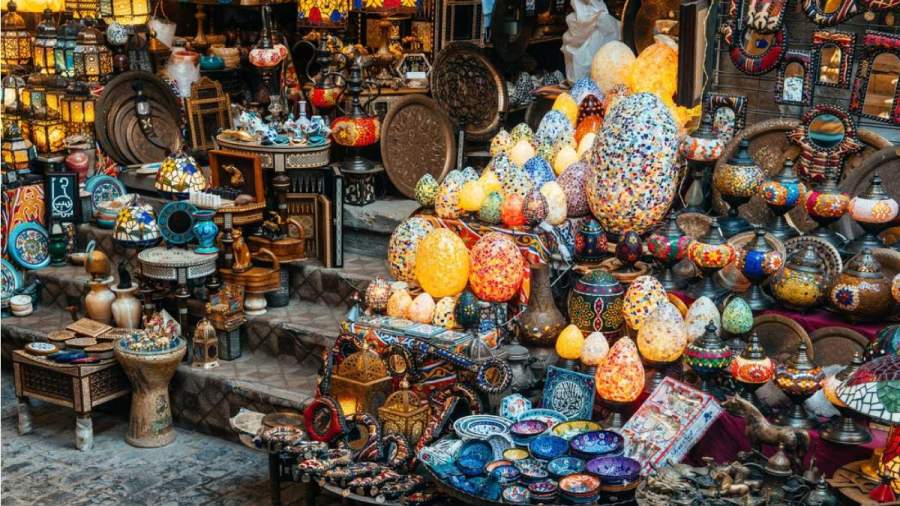
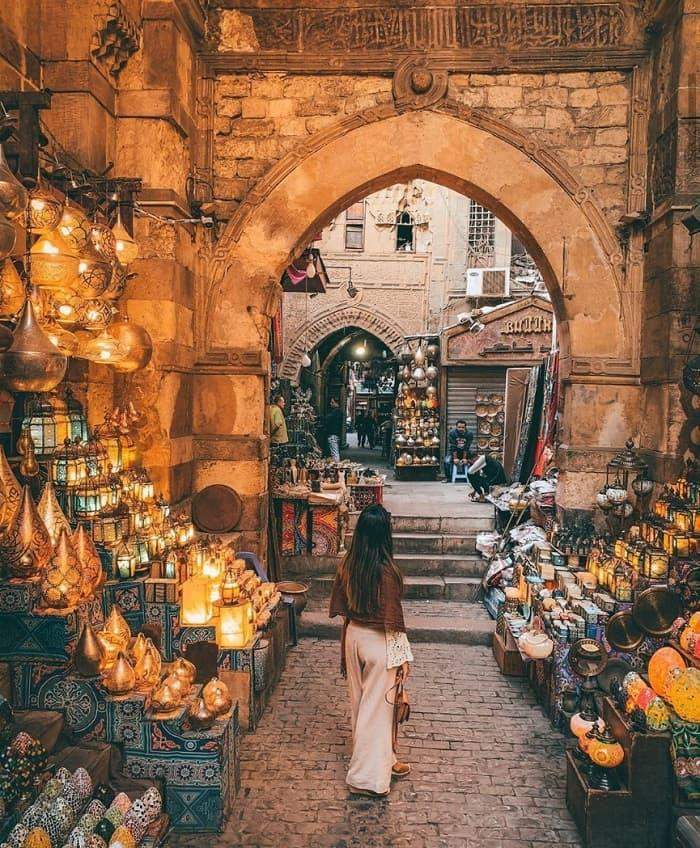
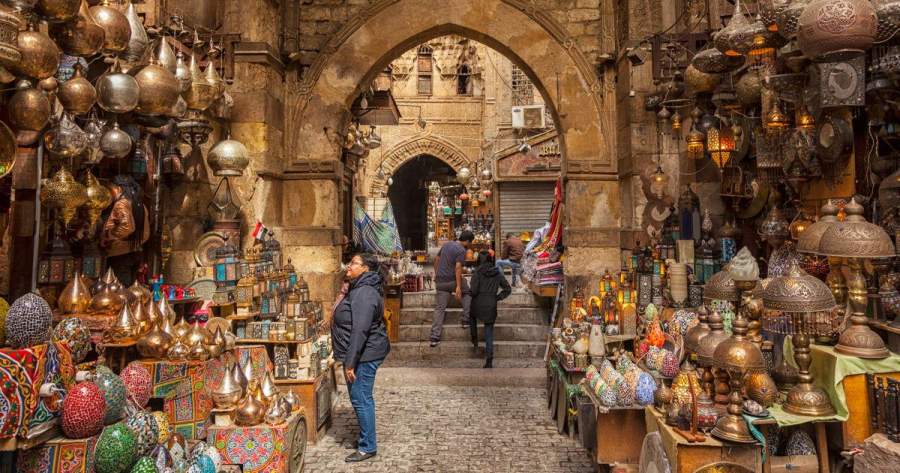
Perhaps nothing represents Khan El Khalili more strongly than its colorful Egyptian lanterns.
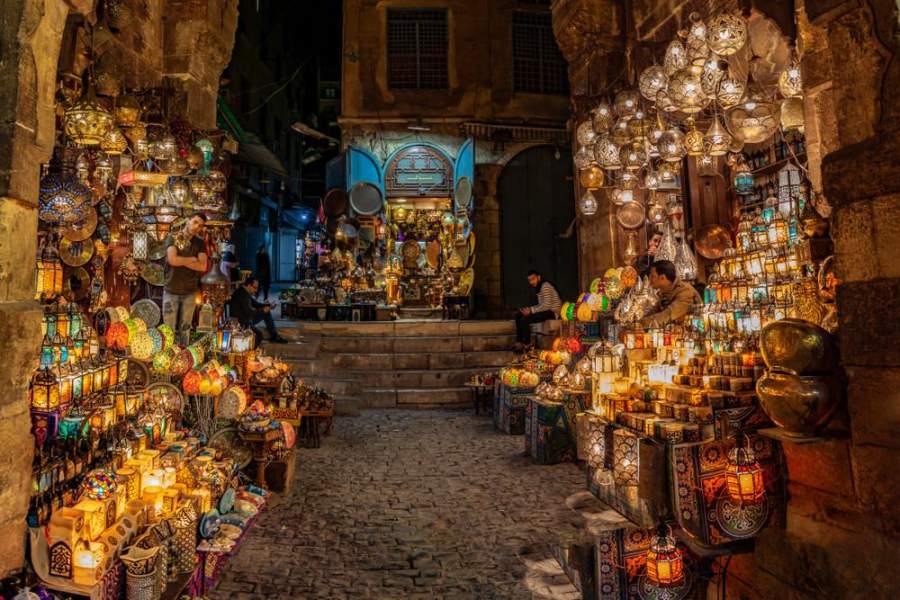
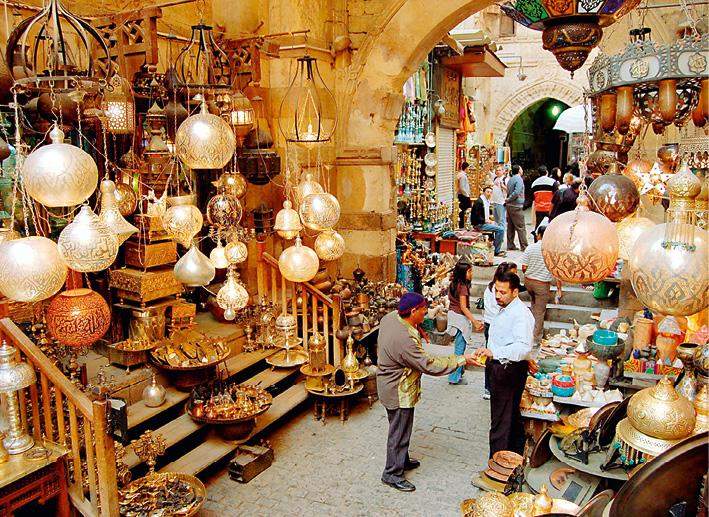
Traditional metal and stained-glass lanterns hang from shopfronts and fill the narrow streets with color.
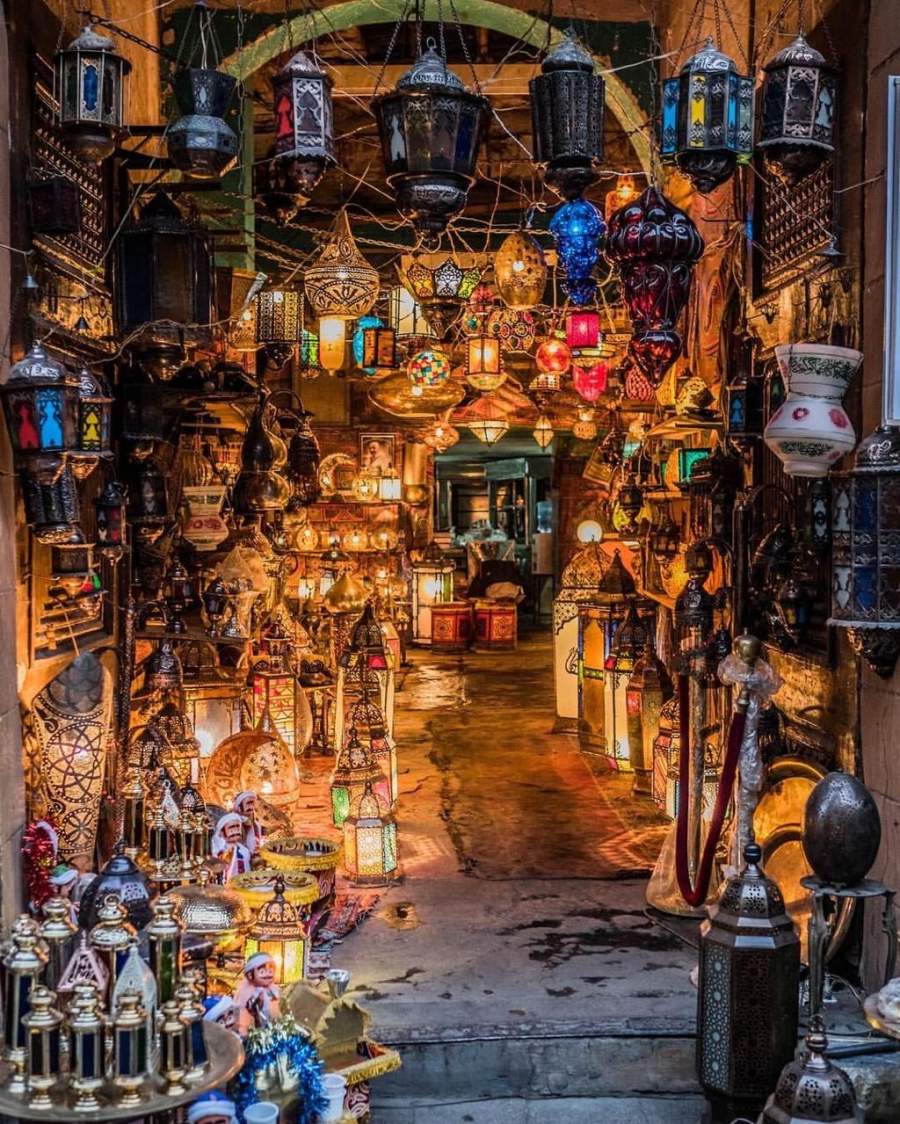
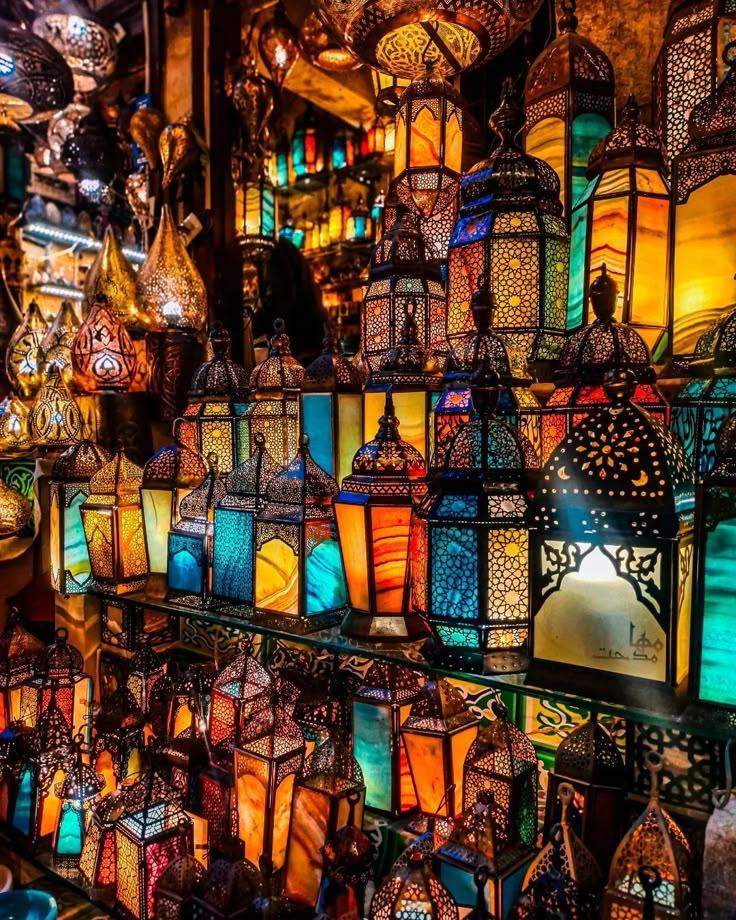
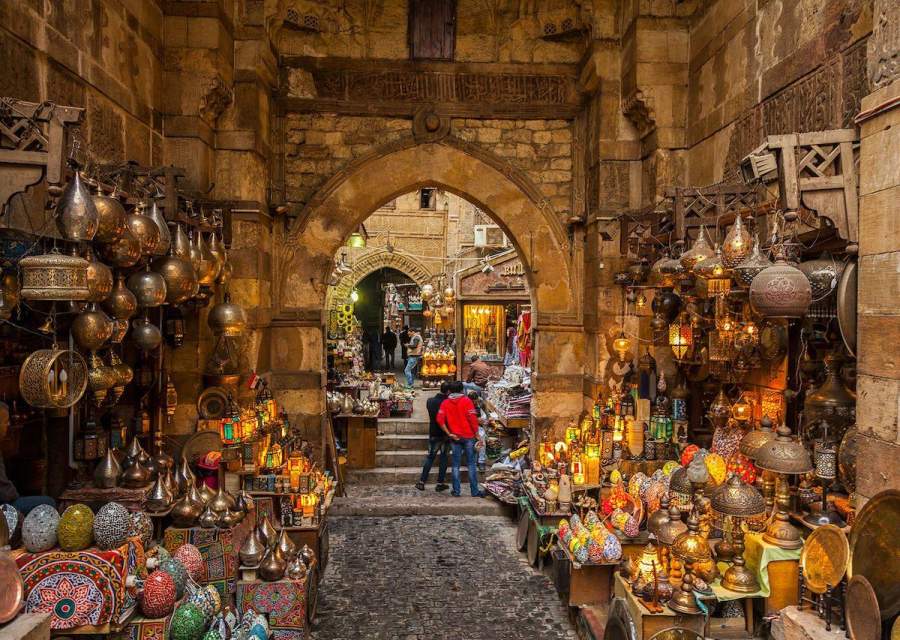
Many of these lanterns feature geometric patterns and brightly colored pieces of glass.
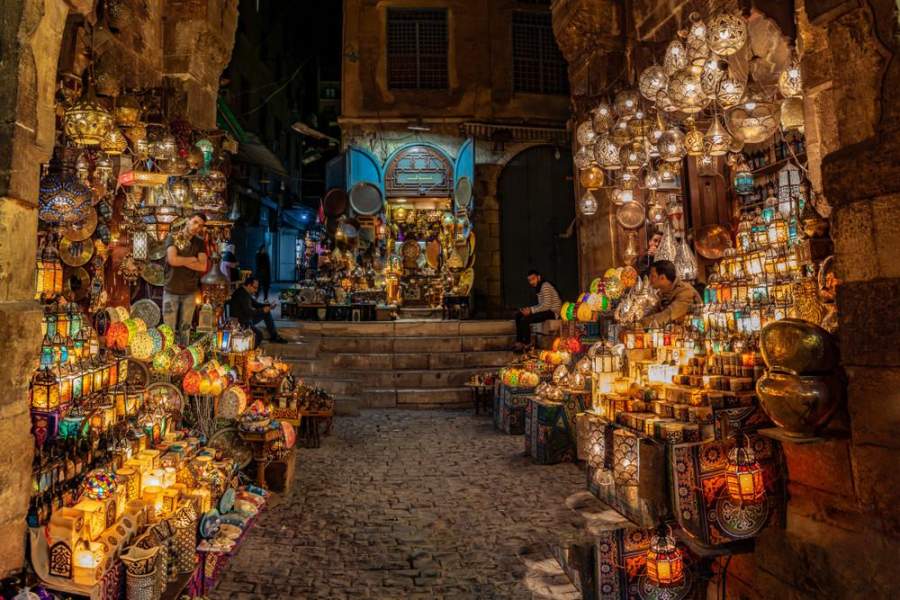
During the evening, when the lamps are illuminated, the market takes on a completely different appearance.
For photographers, the combination of warm light, historic stone architecture, crowded lanes, and colorful merchandise creates some of the most recognizable visual scenes in Cairo.
Silver and Gold Jewelry
Khan El Khalili is also well known for its jewelry shops.
The market has traditionally been associated with gold and silver craftsmanship, and the surrounding goldsmiths' area remains an important part of the district.
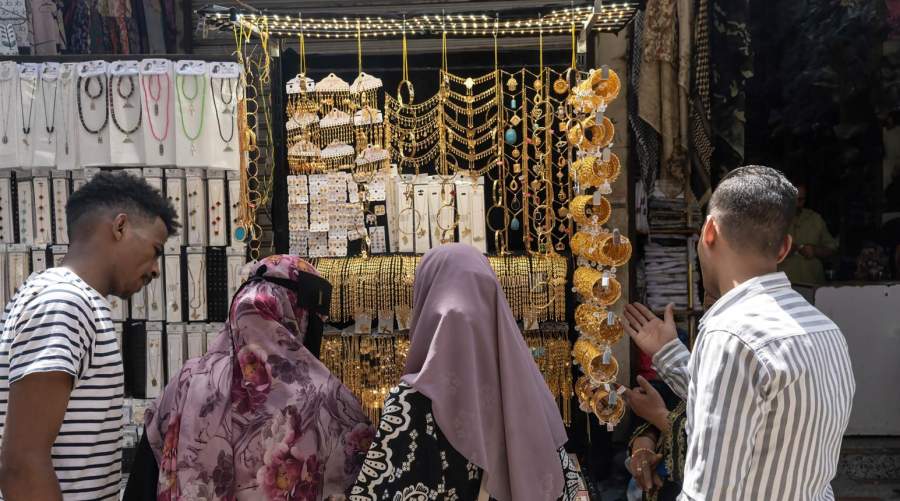
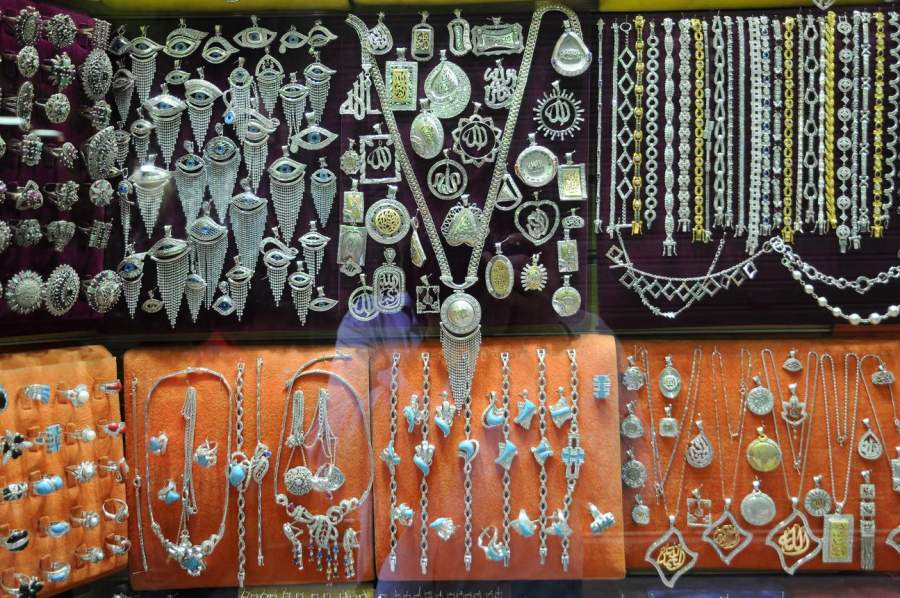
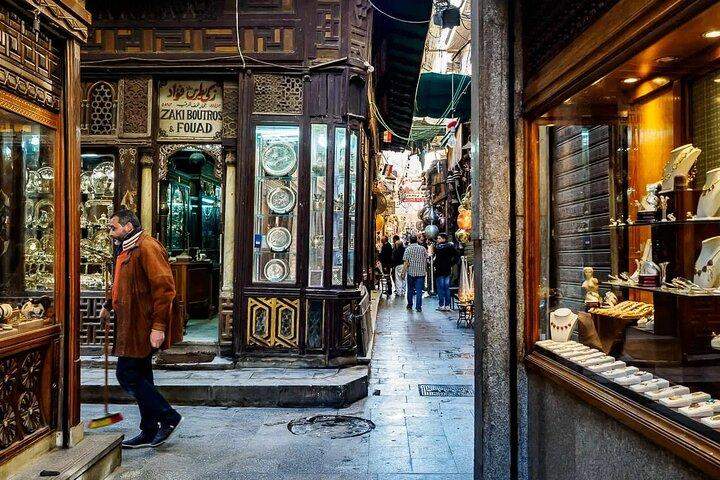
Visitors can find jewelry featuring traditional Egyptian and Arabic-inspired designs.
When purchasing precious metals, travelers should compare prices, ask for receipts, and buy from established shops.
The bazaar is a place for browsing and discovering craftsmanship, but visitors should still shop carefully and understand what they are purchasing.
Copper and Brass Crafts
Metalwork is another important part of Khan El Khalili’s traditional commercial identity.
Shops display copper and brass trays, coffee pots, lanterns, decorative plates, and household objects.
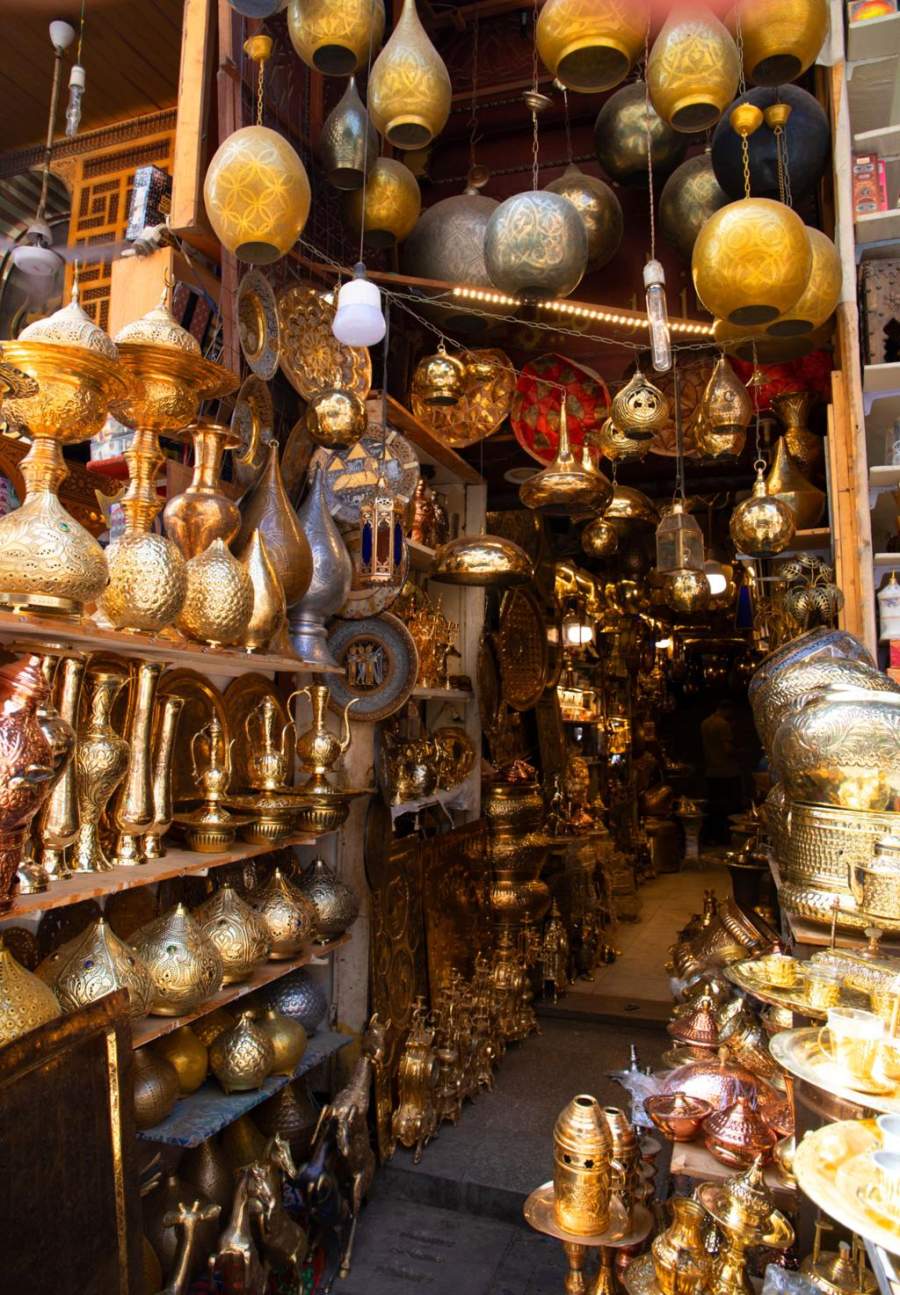
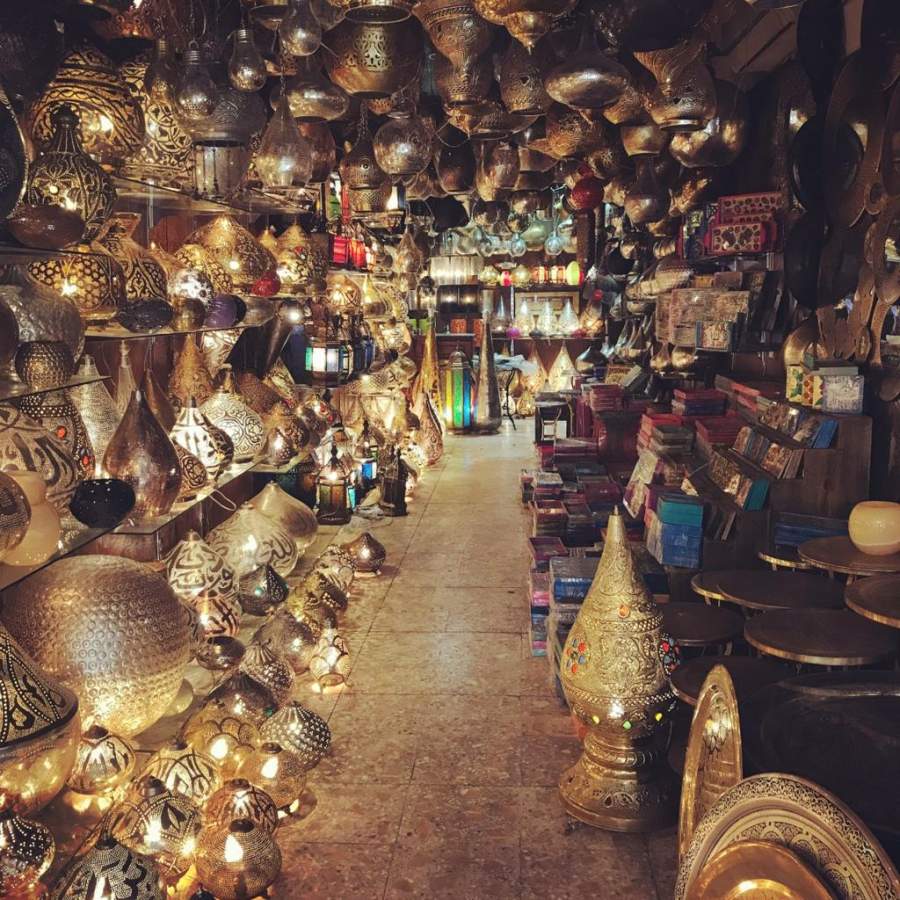
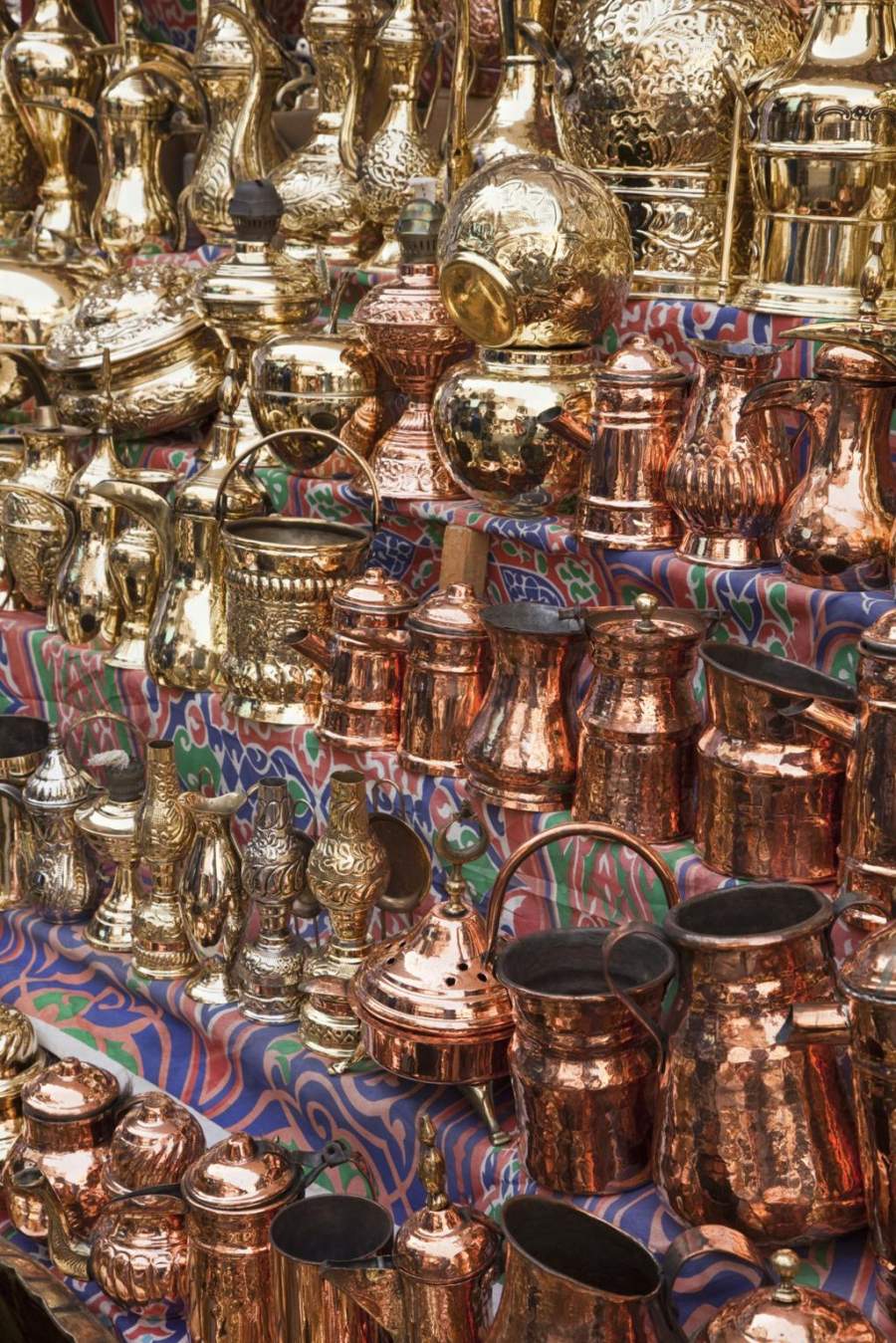
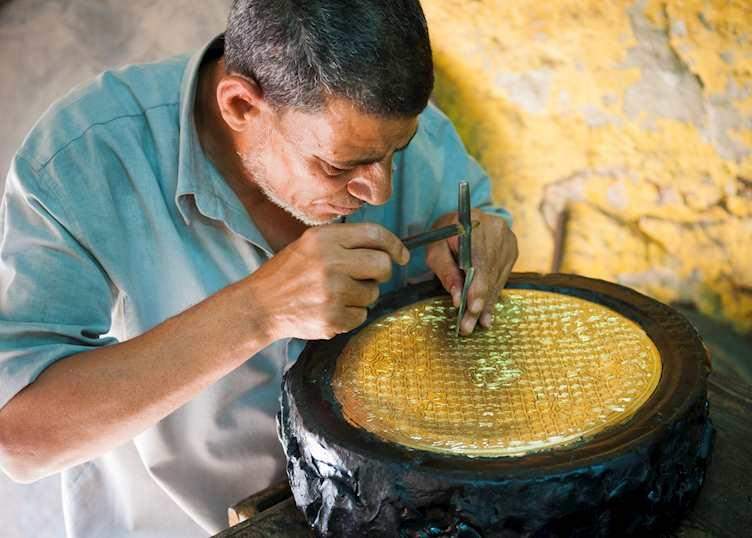
The sound of metal being worked in traditional workshops is one of the sensory experiences that makes the market feel different from an ordinary shopping district.
Some craftspeople continue to produce or finish items locally, preserving skills that have long been associated with Cairo’s traditional markets.
Spices, Incense, and Traditional Products
Khan El Khalili also contains shops selling spices, perfumes, incense, herbs, and traditional Egyptian products.
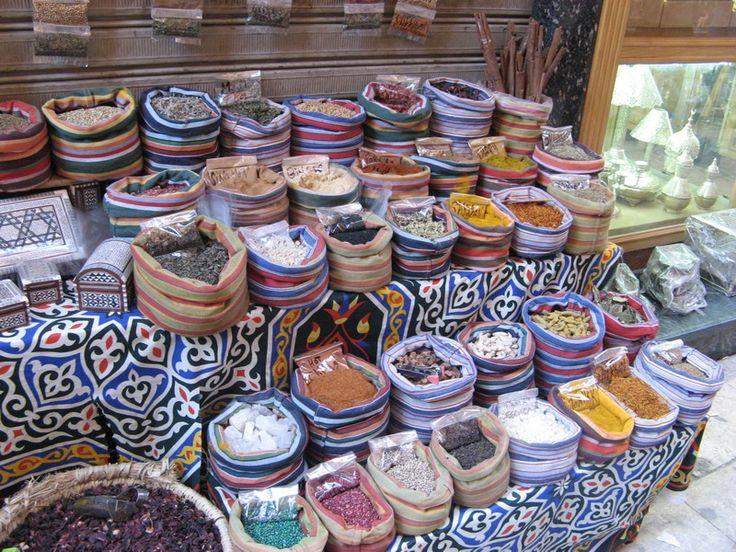
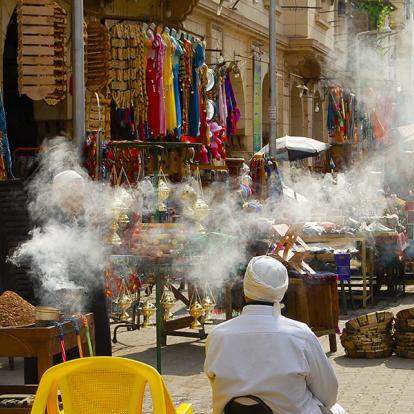
The colors and aromas of these shops add another dimension to the experience.
Brightly colored spices are displayed in containers, while incense and perfumes create distinctive scents throughout the narrow lanes.
For many visitors, this sensory experience is as memorable as the shopping itself.
Handmade Leather Goods
Traditional leather products are also available throughout the bazaar.
Visitors can find items such as:
- Leather bags
- Belts
- Wallets
- Sandals
- Small accessories
- Decorative leather goods
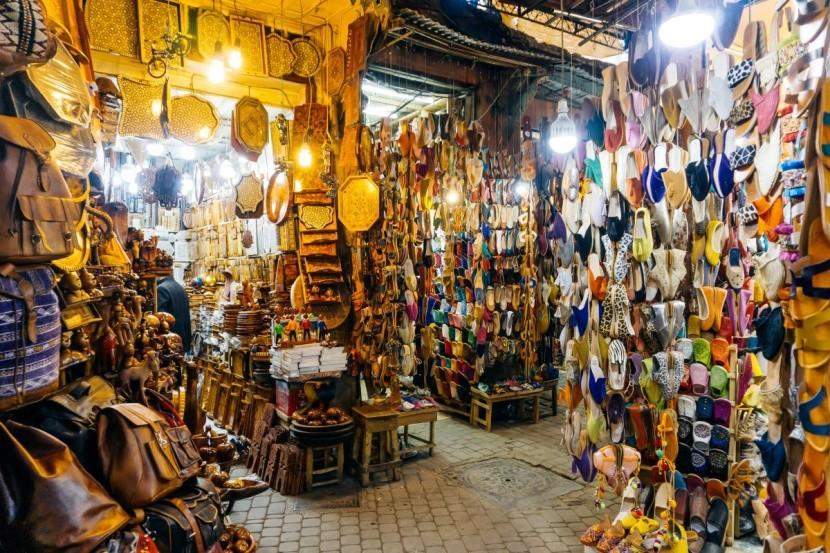
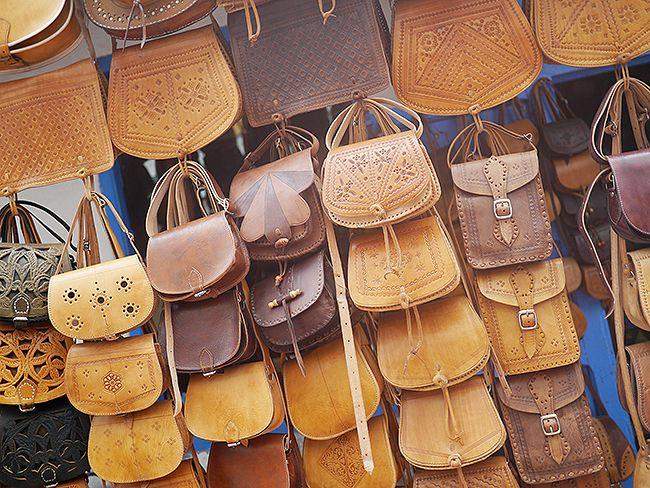
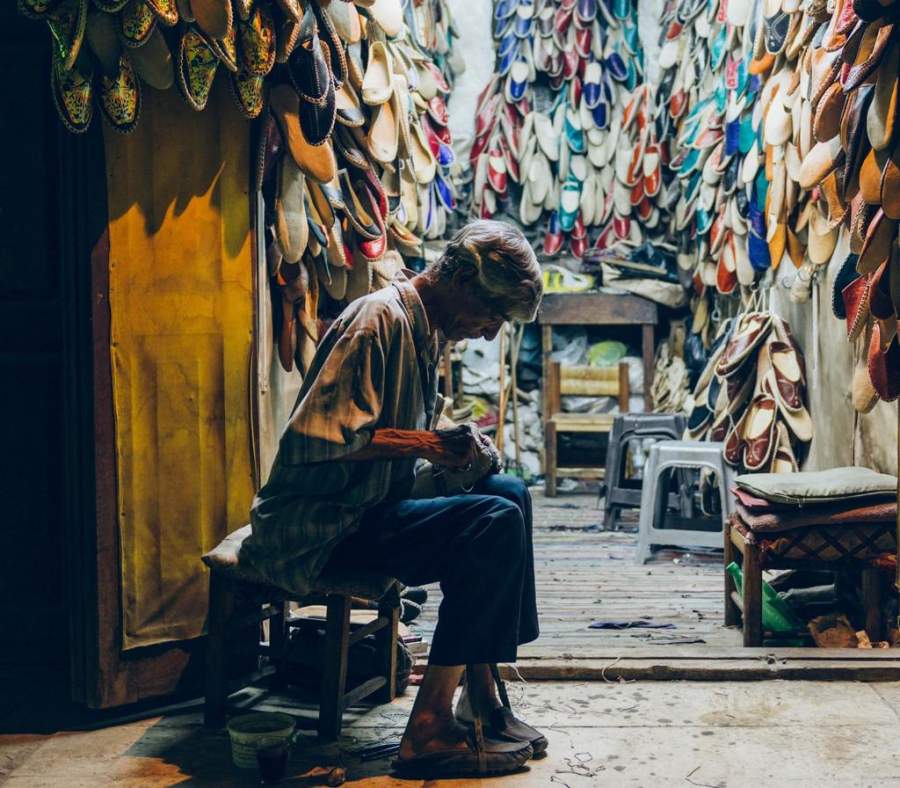
These products can be useful souvenirs because they are relatively easy to transport and can combine traditional designs with practical everyday use.
Souvenirs and Egyptian Crafts
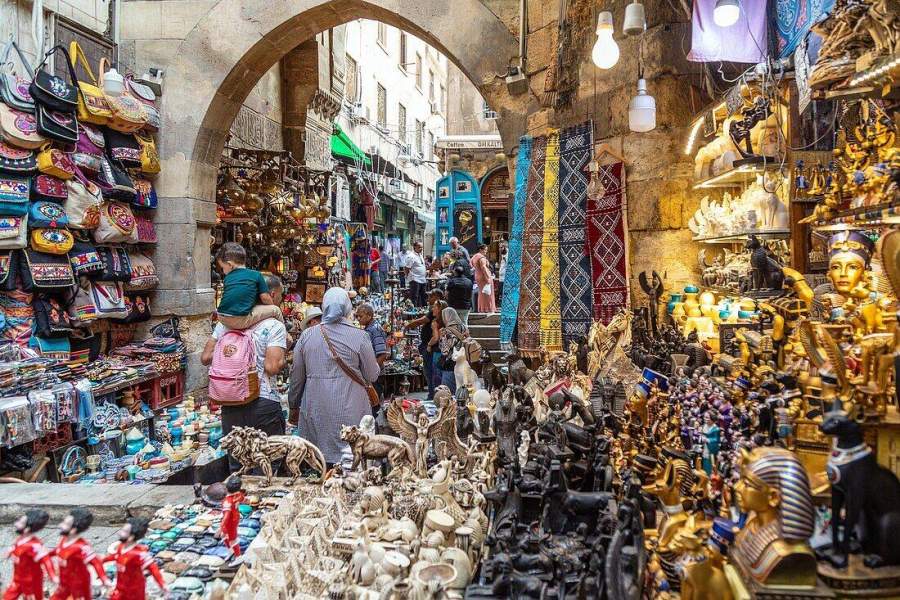
Khan El Khalili is one of the most popular places in Cairo to look for souvenirs.
Depending on the shop, visitors may encounter:
- Traditional lanterns
- Jewelry
- Copperware
- Brassware
- Perfumes
- Incense
- Scarves
- Leather products
- Decorative objects
- Traditional artwork
- Egyptian-themed souvenirs
The official Experience Egypt platform specifically highlights the variety of merchandise available throughout the bazaar, from jewelry and antiques to lanterns, copper, brass, incense, spices, leather goods, and souvenirs.
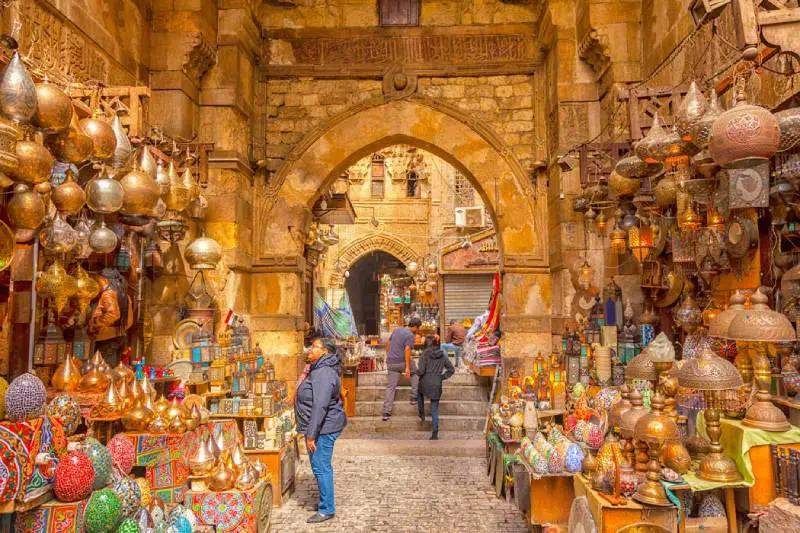
The best way to explore is slowly.
Walk through different lanes, compare products, and take time to see how shops and workshops differ from one another.
Al-Hussein Mosque
One of the most important landmarks near Khan El Khalili is Al-Hussein Mosque.
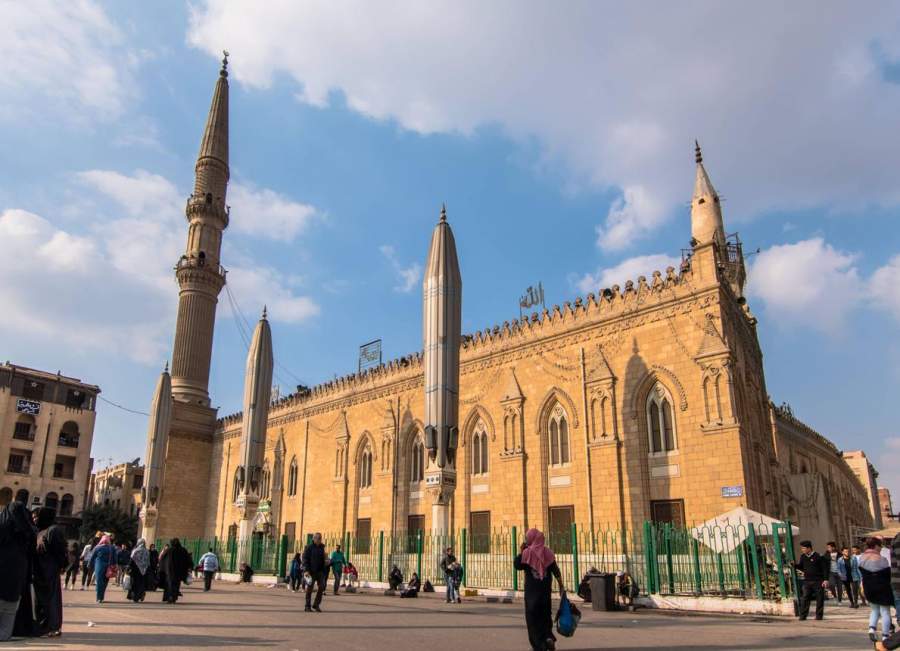
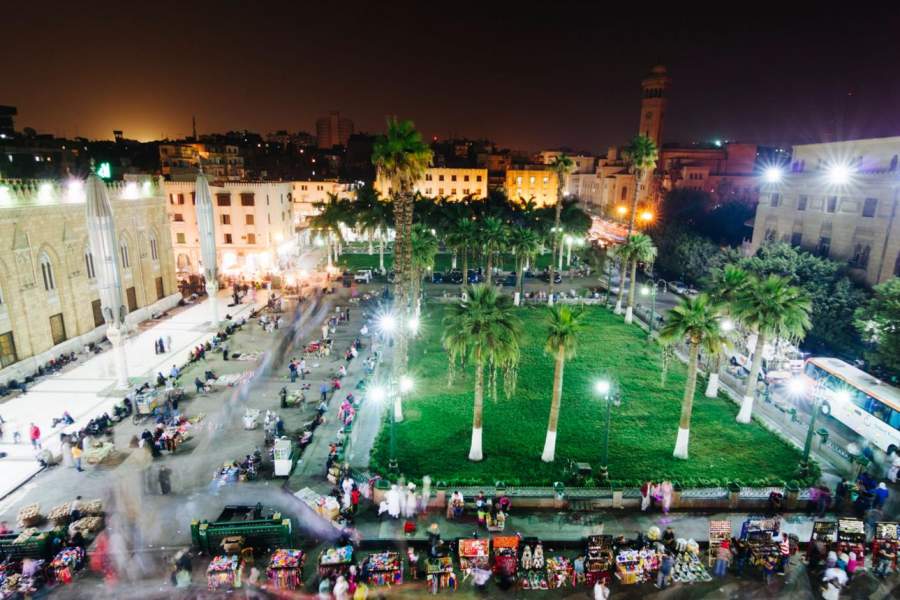
The mosque and the surrounding square form an important religious and cultural center in Historic Cairo.
The area around Al-Hussein is particularly lively, with restaurants, cafés, shops, and pedestrian streets connecting it to the bazaar.
A visit to Khan El Khalili is therefore often combined with time around Al-Hussein Square.
Al-Azhar Mosque
Not far from Khan El Khalili stands Al-Azhar Mosque, one of the most important institutions in Islamic Cairo.
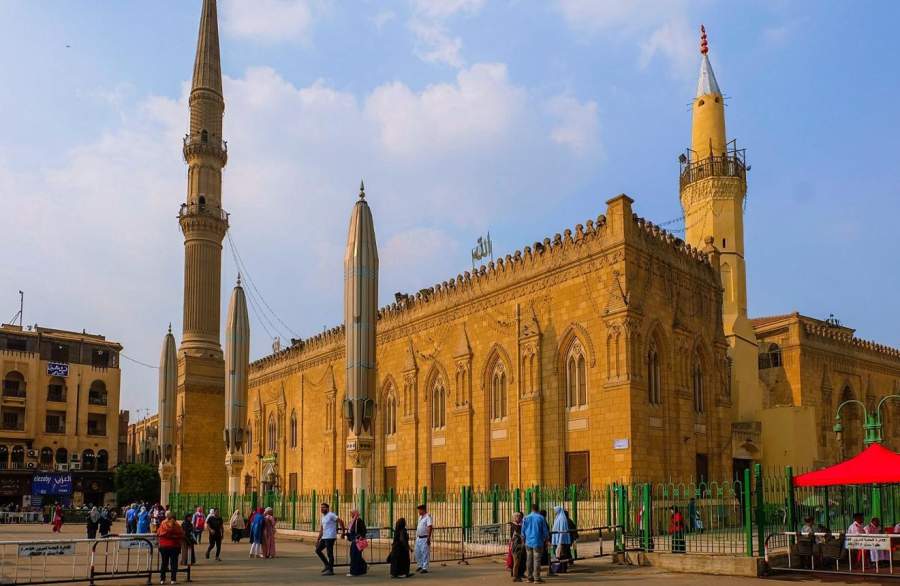
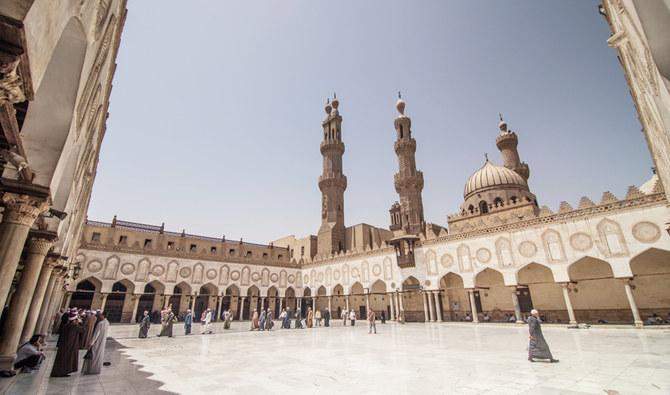
The mosque was established shortly after the foundation of Fatimid Cairo.
Egypt’s Ministry of Tourism and Antiquities states that Jawhar al-Siqilli commissioned Al-Azhar Mosque in 970 AD, making it the first congregational mosque founded in the new Fatimid capital.
Its proximity to Khan El Khalili demonstrates how closely religious and commercial life were connected in historic Cairo.
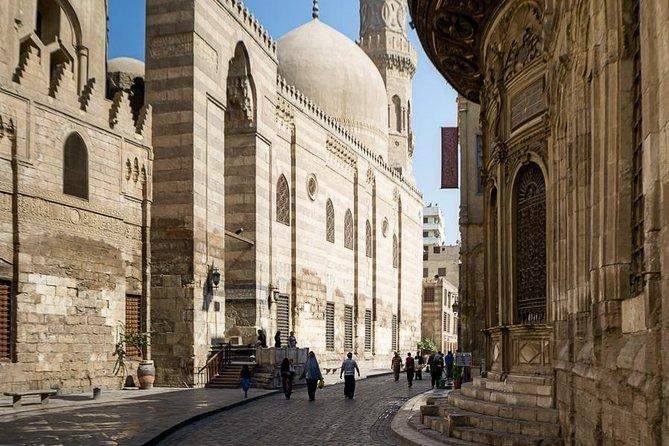
Al-Muizz Street
For travelers interested in architecture, Al-Muizz Street is one of the most important places to explore after visiting the bazaar.
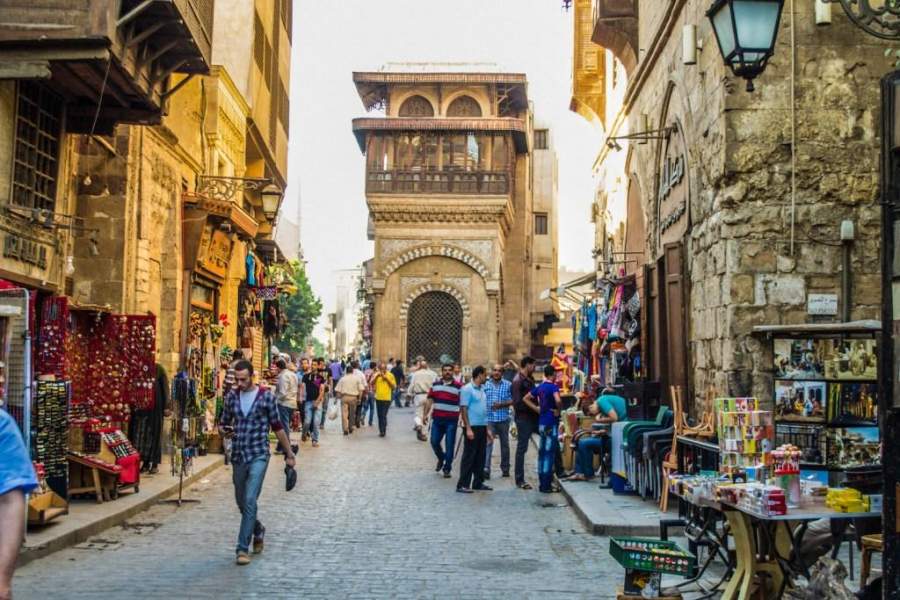
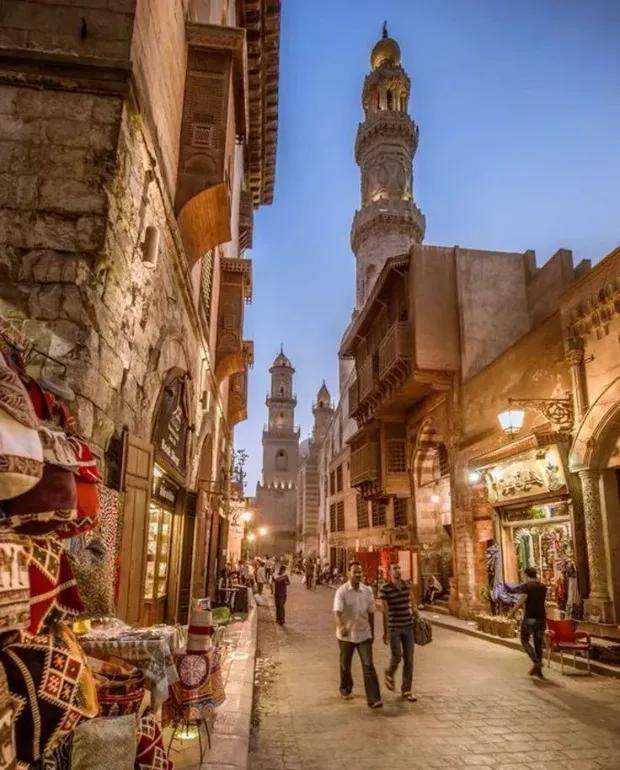
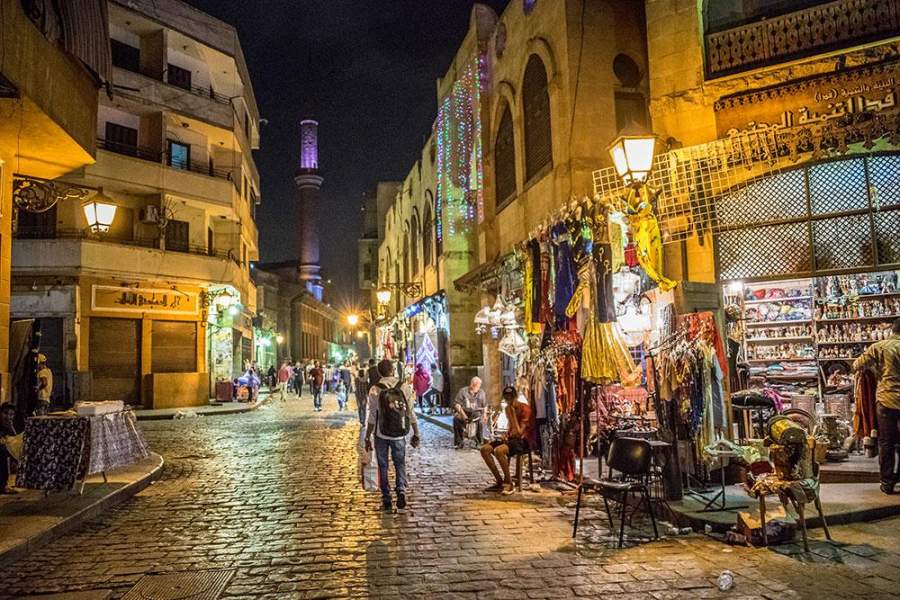
The Ministry of Tourism and Antiquities describes Al-Muizz Street as containing 29 historic monuments representing periods from the Fatimid era through the Muhammad Ali Dynasty.
The street passes alongside Khan El Khalili and connects visitors with mosques, madrasas, commercial buildings, historic houses, gates, and other monuments.
This makes it possible to combine shopping with a serious exploration of Islamic architecture.
Traditional Cafés in Khan El Khalili
The experience of Khan El Khalili is not limited to shopping.
The bazaar is also famous for its traditional coffeehouses and cafés.
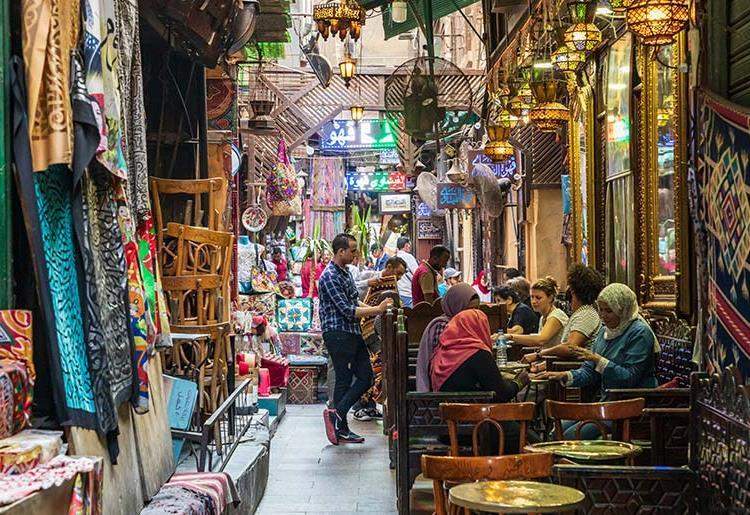
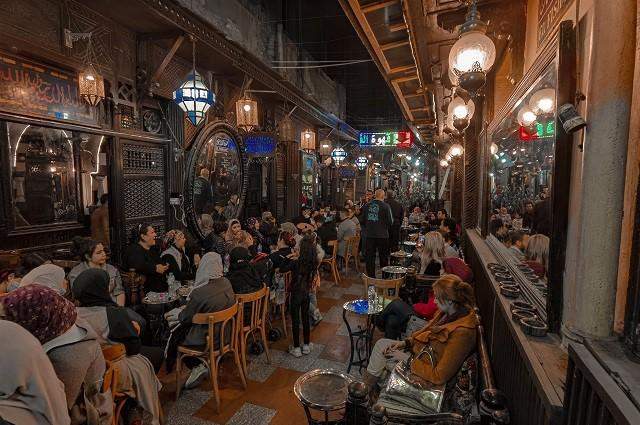
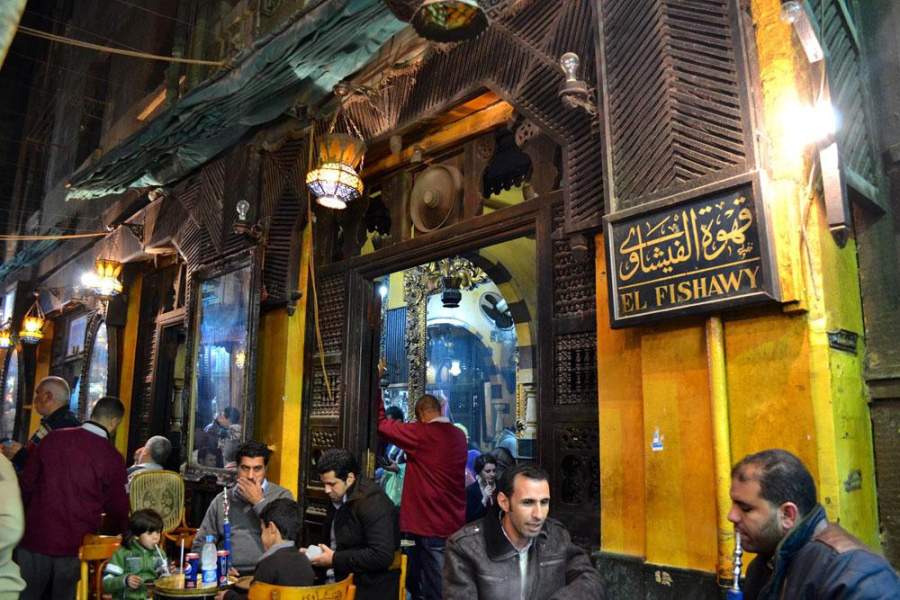
One of the best-known cafés in the area is Al-Fishawi Café, which has become closely associated with the cultural identity of the bazaar.
Traditional cafés provide a place to sit, drink Egyptian tea or coffee, watch the movement of the market, and take a break from walking.
The combination of cafés, shops, craftsmen, and pedestrians gives the bazaar much of its distinctive atmosphere.
Khan El Khalili and Naguib Mahfouz
Khan El Khalili has also played an important role in Egyptian literary culture.
The area is closely associated with Naguib Mahfouz, Egypt’s Nobel Prize-winning novelist, whose works frequently portrayed Cairo’s neighborhoods, streets, cafés, and social life.
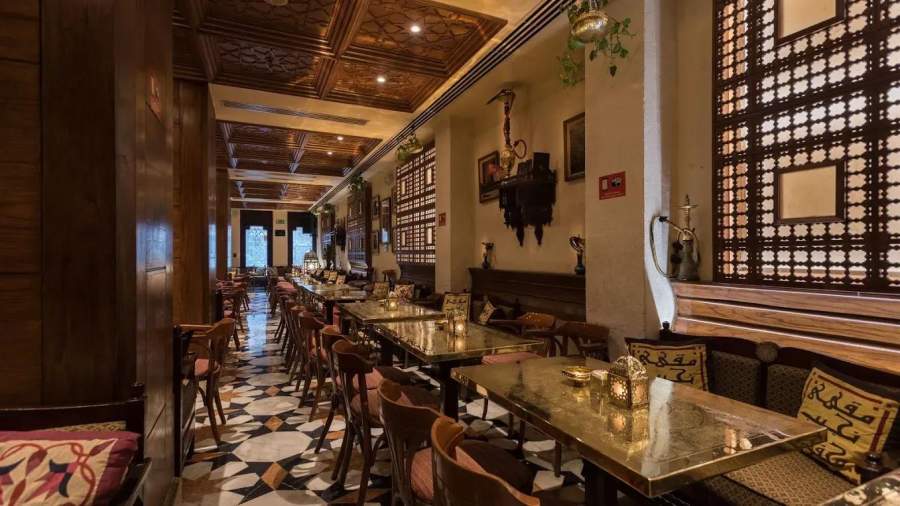
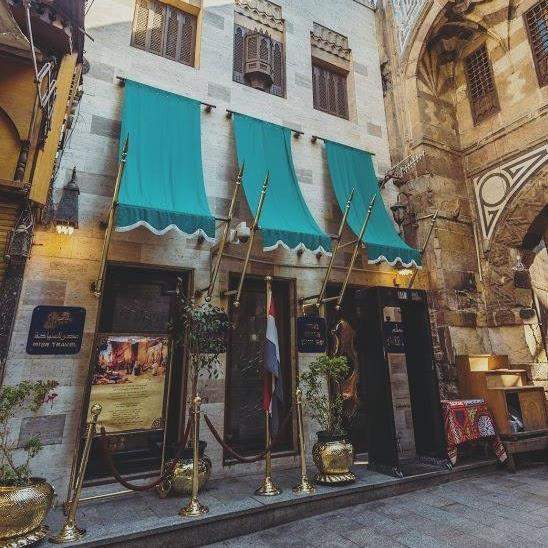
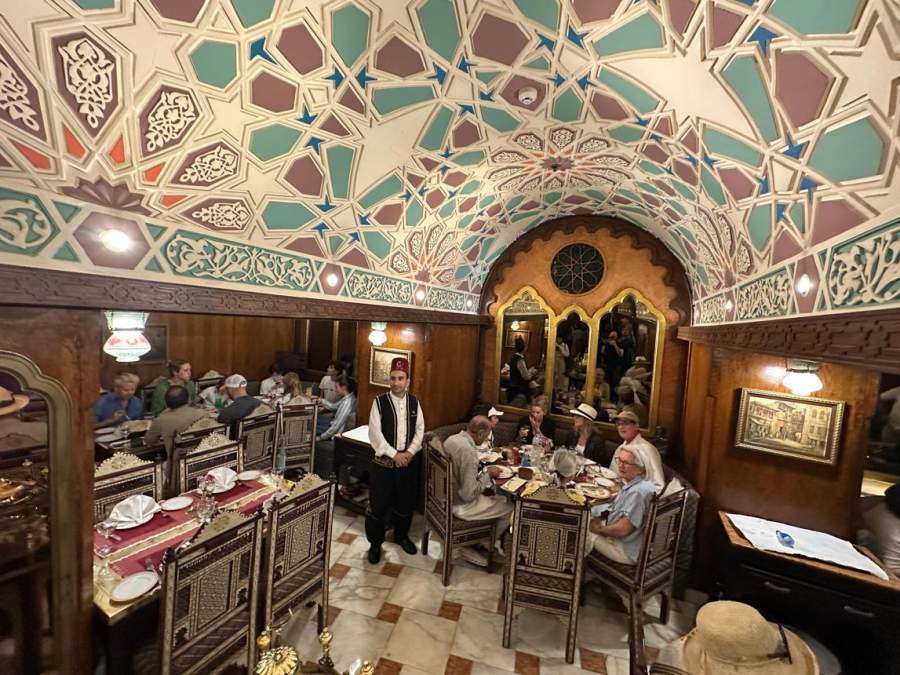
A café in the bazaar bears his name, and the surrounding streets provide an atmosphere that helps visitors understand why historic Cairo became such an important setting for Egyptian literature.
The bazaar therefore belongs not only to Cairo’s commercial history but also to its cultural memory.
Khan El Khalili at Night
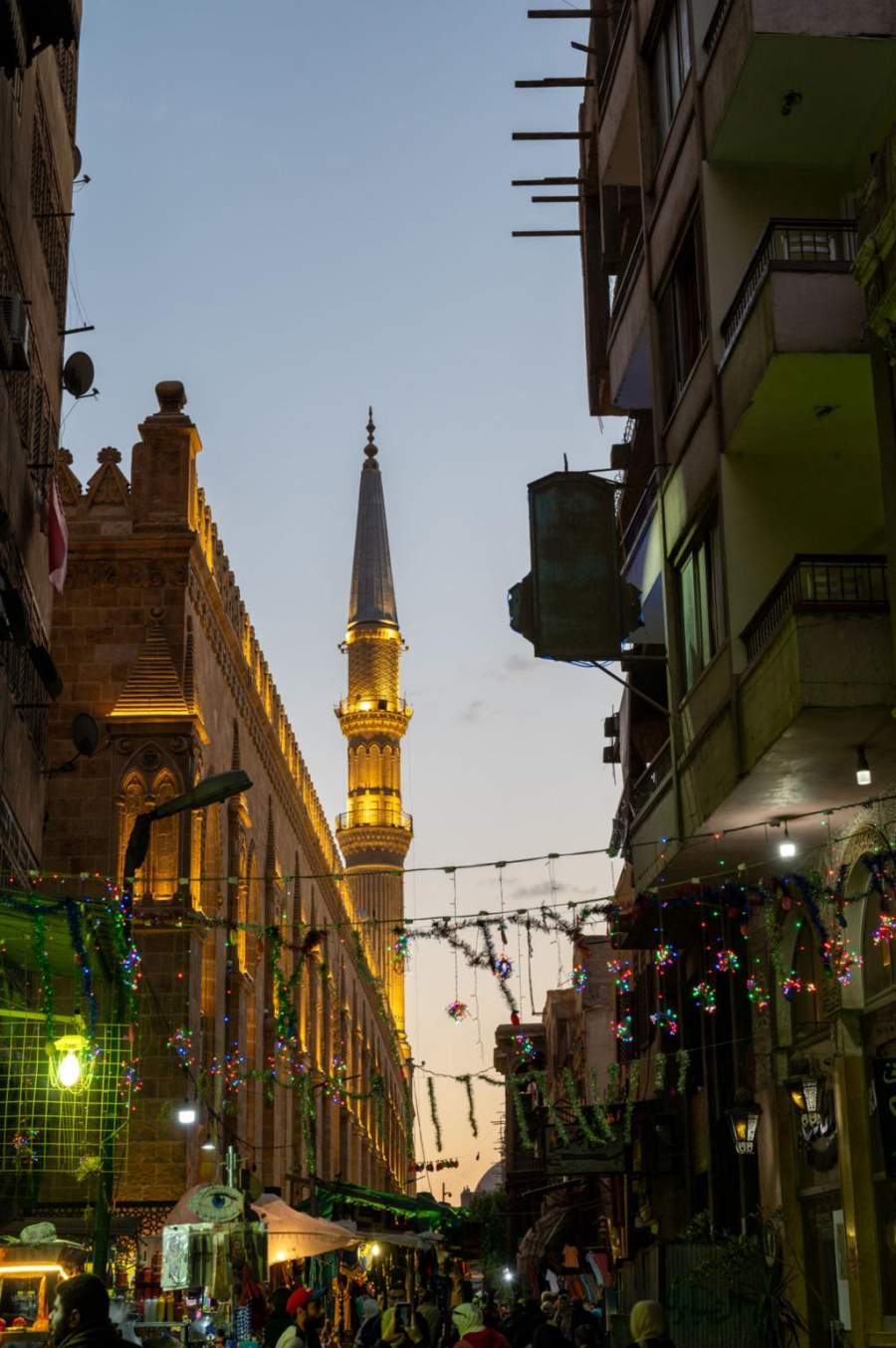
Khan El Khalili becomes especially atmospheric after sunset.
The traditional lamps illuminate the narrow streets, cafés become busier, and the market takes on a warm golden glow.
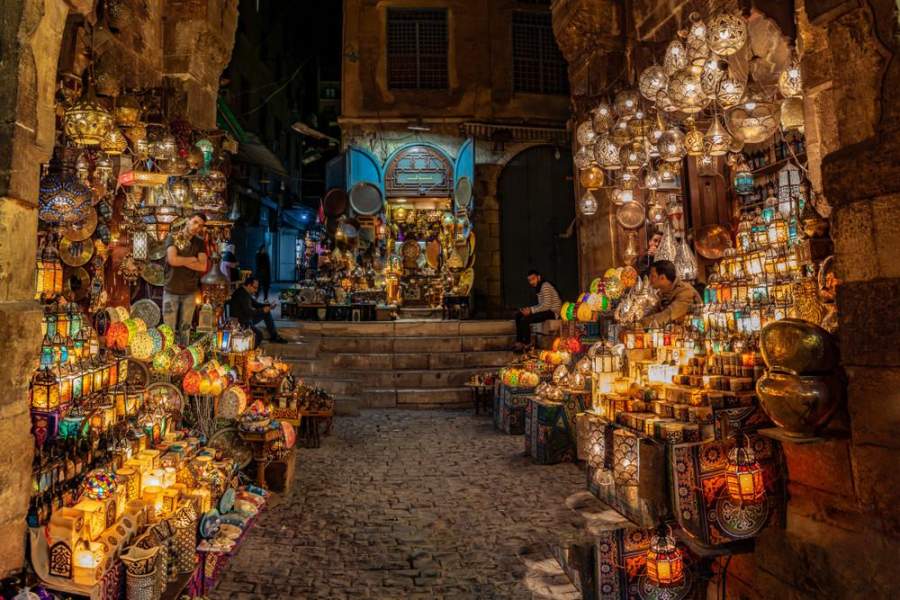
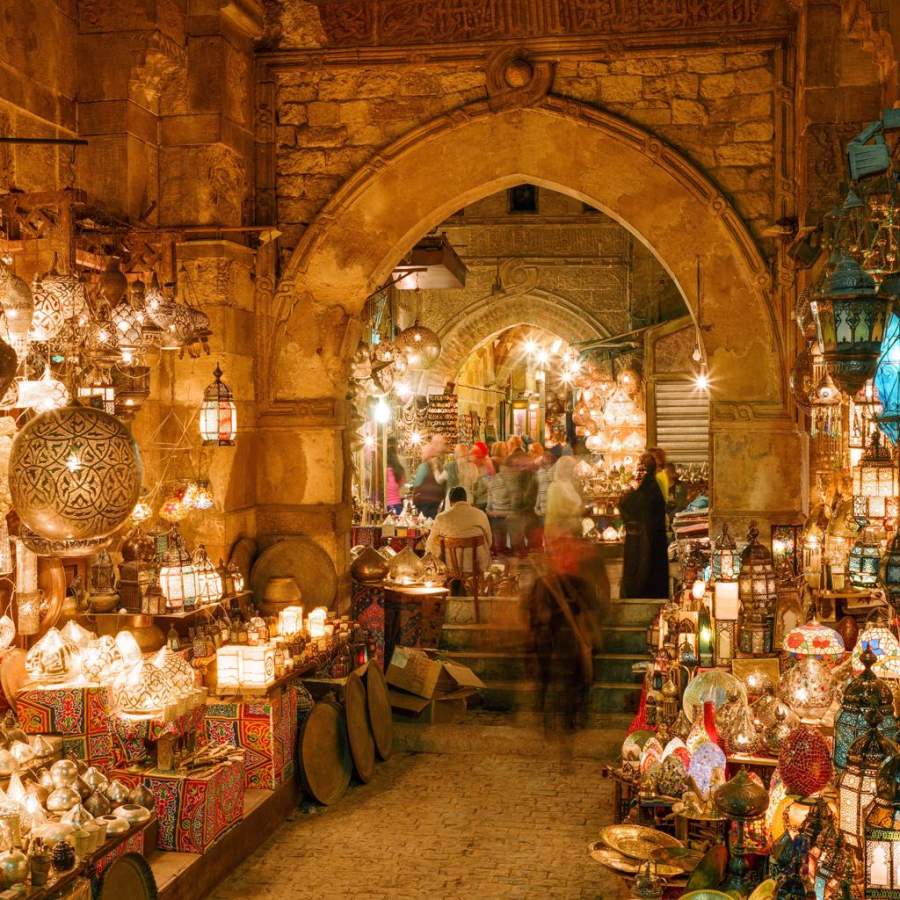
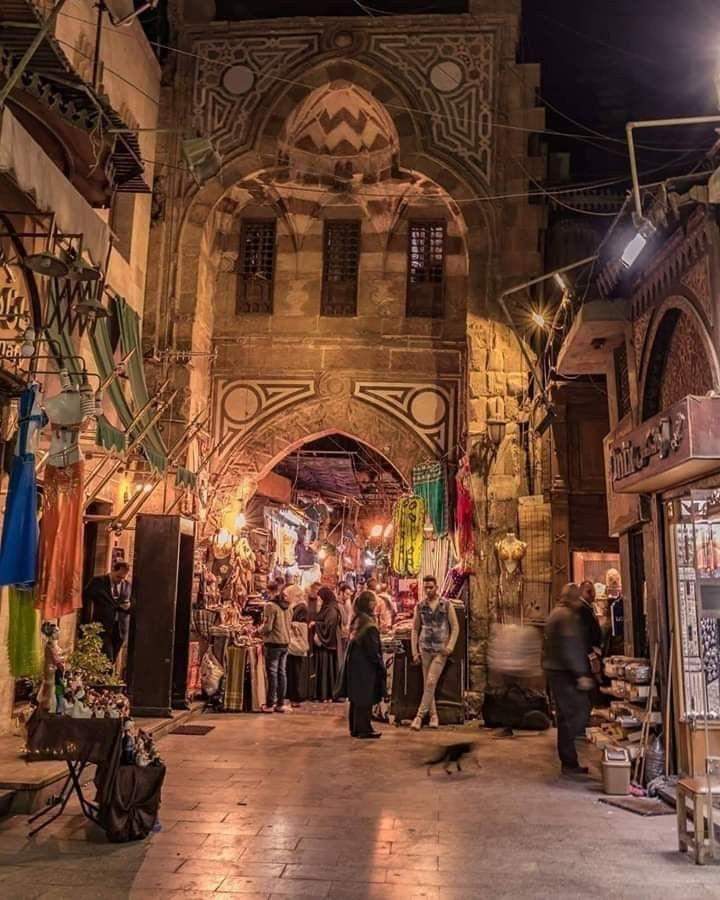
For many visitors, the evening is one of the most memorable times to experience the bazaar.
The combination of lights, architecture, traditional products, cafés, and people creates an atmosphere that is difficult to reproduce anywhere else.
If you visit at night, keep personal belongings secure and remain aware of your surroundings in crowded lanes.
Shopping in Khan El Khalili
Shopping in the bazaar is part of the experience.
Many shopkeepers expect some degree of negotiation, particularly for souvenirs and handicrafts.
A useful approach is to:
- Compare prices between several shops.
- Ask about the material and craftsmanship.
- Confirm the final price before purchasing.
- Request a receipt for valuable items.
- Take your time rather than buying immediately.
- Be especially careful with claims about antiques.
For precious metals or expensive items, choose established businesses and ask for appropriate documentation.
When Is the Best Time to Visit?
Khan El Khalili can be visited throughout the year.
However, the cooler months are generally more comfortable for walking through the historic streets of Cairo.
Morning
Morning can be a good choice if you want to explore the architecture and shops with less heat.
Afternoon
The market becomes increasingly active as the day continues.
Evening
Evening offers a completely different atmosphere, especially when the traditional lanterns and shop lights are illuminated.
For photographers, late afternoon and evening can provide particularly interesting light.
How Long Should You Spend at Khan El Khalili?
You can spend anywhere from two hours to an entire day around Khan El Khalili depending on your interests.
A short visit can focus on the main market streets, shopping, and a traditional café.
A longer visit can include:
Khan El Khalili → Al-Hussein Mosque → Al-Azhar Mosque → Al-Muizz Street → nearby Mamluk monuments
This broader itinerary turns a shopping trip into a complete journey through medieval Cairo.
Why Visit Khan El Khalili?
Khan El Khalili offers an experience that combines history, shopping, architecture, craftsmanship, food, literature, and everyday Cairo life.
You can explore centuries-old streets.
You can watch traditional craftsmen at work.
You can shop for Egyptian handicrafts.
You can drink tea in a historic café.
You can walk from the bazaar directly toward Al-Hussein and Al-Azhar.
And you can continue along Al-Muizz Street to discover some of the finest surviving monuments of Islamic Cairo.
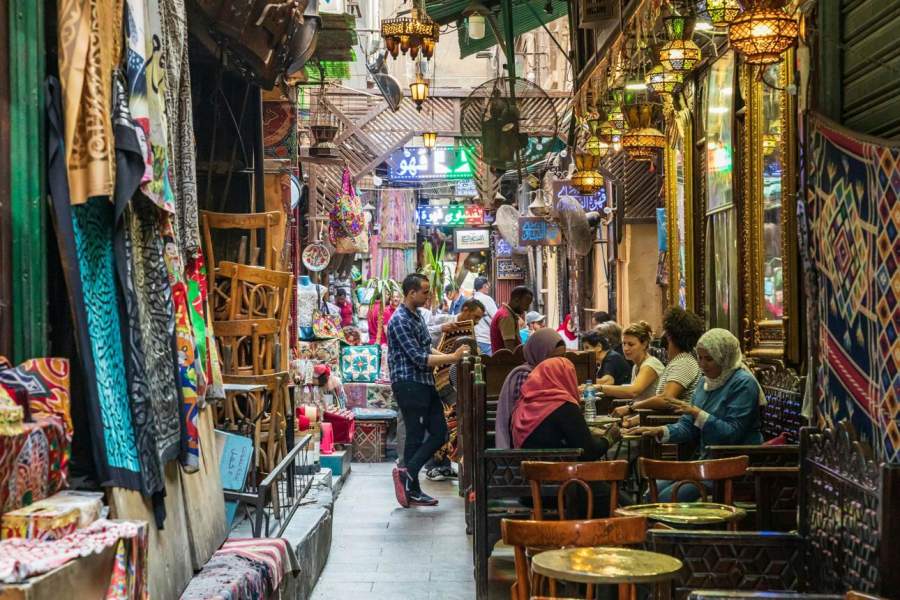
The official Experience Egypt platform describes the bazaar as one of Cairo’s iconic medieval markets, filled with shops, craftsmen, traditional cafés, and historic alleyways.
Final Thoughts
Khan El Khalili Bazaar is much more than a place to buy souvenirs.
It is one of the living parts of historic Cairo.
Its origins reach back to the Mamluk period, when merchants, caravanserais, workshops, and commercial buildings transformed the area into an important center of trade. Over the centuries, the market evolved, but its commercial character survived.
Today, the narrow lanes are filled with colorful lanterns, jewelry, copperware, spices, leather goods, cafés, traditional crafts, and countless small shops.
But beyond the merchandise, what makes Khan El Khalili special is the setting.
You are walking through a historic part of Cairo surrounded by Al-Hussein Mosque, Al-Azhar Mosque, Al-Muizz Street, Mamluk monuments, and centuries of Islamic architecture.
The market allows visitors to experience Cairo not simply as an archaeological destination, but as a city where history and everyday life continue to exist side by side.
Khan El Khalili is a place to shop, explore, photograph, taste, and—most importantly—experience the living atmosphere of Historic Cairo.
Post a comment